Tag: Ultra Wideband

  • Tesla Cybercab Gets Wireless Charging Approval Amid NY Robotaxi Concerns

    Tesla Cybercab Gets Wireless Charging Approval Amid NY Robotaxi Concerns

    Key Takeaways

    1. The Cybercab robotaxi, designed for ride-sharing, is set to launch in the US later this year, with production already underway at Tesla’s Gigafactory in Texas.

    2. Key improvements include a new pair of traditional wipers, enhanced interior comfort, frameless windows, and a redesigned trunk made of stronger materials.

    3. Tesla aims to achieve mass production of the Cybercab by April, with a retail price around $30,000, although consumer interest remains uncertain.

    4. Regulatory challenges exist, as some cities, like New York, have rejected permits for driverless vehicles, while Austin has fewer restrictions.

    5. The Cybercab features a 300-mile range with a 47 kWh battery and will include wireless charging capabilities, supported by a recent FCC exemption for alignment technology.


    The first revamped Cybercab robotaxi, set to hit the roads as a ride-sharing option in the US later this year, has rolled off the production line at Tesla’s Gigafactory located in Texas.

    Production Progress

    Tesla announced that it plans to introduce the Cybercab, which seats two, to its Robotaxi platform in June. The production of these vehicles is already in progress. The new Cybercab still doesn’t have pedals or a steering wheel but features a minor redesign since the original prototype was revealed.

    Notable Improvements

    One significant upgrade is Tesla’s acknowledgment that the single monowiper on the Cybertruck wasn’t effective, leading to the installation of a traditional pair on the Cybercab. The interior now boasts more comfortable seat cushions, new carpeting, and a redesigned trunk made with stronger composite materials. Additionally, the windows are frameless, and the front light bar has been merged with the headlights. Tesla has also refreshed the ambient lighting inside, added two USB-C charging ports in the central console, and pushed the large 21-inch display further into the dashboard to maximize cabin space.

    Future Plans

    Tesla is gradually increasing the assembly of the Cybercab to achieve its mass production target by April. Elon Musk has promised that consumers will be able to purchase it before the year ends. However, it’s uncertain if there will be significant interest in the autonomous two-seater, priced at around $30,000—a figure that Ford has mentioned for a complete electric pickup truck in 2027.

    Regulatory Challenges

    It’s unclear how many cities will permit a driverless, pedal-less vehicle without a steering wheel to navigate busy roads as a ride-share option. While Austin, the initial launch location for Tesla’s Robotaxi, doesn’t have specific regulations beyond standard insurance and road safety requirements, New York recently rejected its robotaxi permit plans. “Based on discussions with stakeholders, including those in the legislature, it was evident that there was insufficient support to move this proposal forward,” stated Governor Hochul’s office, suggesting that influential taxi and ride-share groups may have influenced this decision.

    Specifications and Features

    The compact Cybercab is expected to provide a range of 300 miles using a relatively small 47 kWh battery, which will include wireless charging capabilities. Although the necessary infrastructure is still in the planning stages, the FCC has granted Tesla an Ultra-Wideband (UWB) exemption for the charging pads to facilitate easier alignment with the Cybercab.

    “When the vehicle approaches the charging pad, the UWB transceivers will work to track its position, determining when it is optimally aligned over the pad before activating wireless power charging,” the FCC explained, noting that the waiver was given due to the brief and weak signal to avoid interference.

    Source:
    Link


  • Samsung Galaxy Z Flip 7: UWB Chip Exclusive to South Korea

    Samsung Galaxy Z Flip 7: UWB Chip Exclusive to South Korea

    Key Takeaways

    1. Ultra Wideband (UWB) technology was first included in Samsung smartphones with the Galaxy Note 20 Ultra in 2020, primarily in high-end models.
    2. The Galaxy Z Flip 7 is the first model in the Flip series to feature UWB technology, which had previously been absent.
    3. UWB support in the Galaxy Z Flip 7 is currently limited to South Korea, with models in other countries lacking this feature.
    4. Samsung’s decision to restrict UWB availability to specific regions is not clearly explained, raising questions about broader accessibility.
    5. UWB enables accurate location tracking for devices like Galaxy SmartTag2 and can assist in unlocking compatible vehicles.


    While Samsung started including Ultra Wideband (UWB) technology in its smartphones with the Galaxy Note 20 Ultra in 2020, this capability has mainly been found in its top-tier devices and those with higher price tags.

    Changes in the Galaxy Z Series

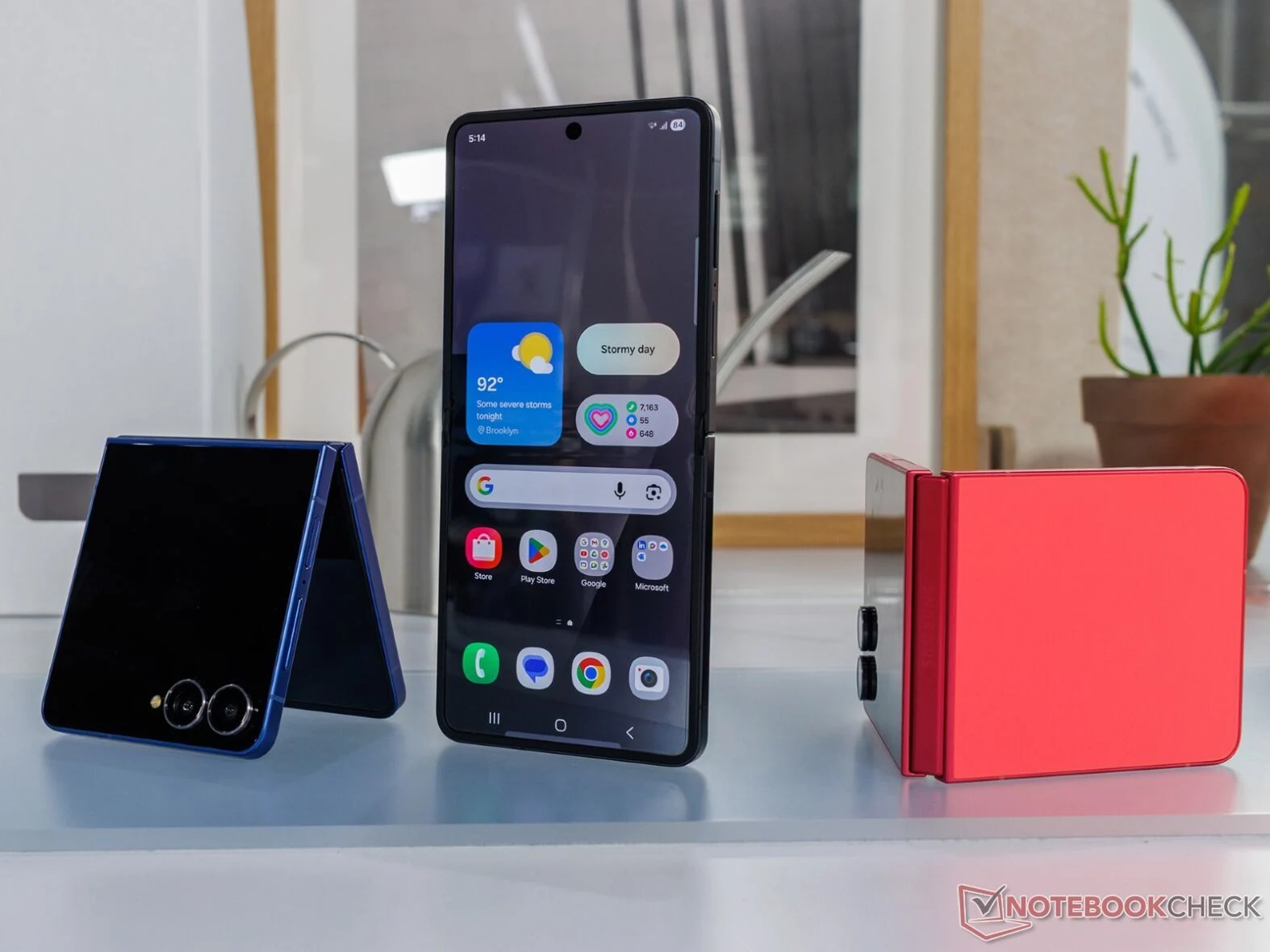
    A notable instance of this is the Galaxy Z series, where UWB has featured in the Galaxy Z Fold lineup since the Galaxy Z Fold 2. On the other hand, the Galaxy Z Flip series had been without this technology. Thankfully, this is no longer the case with the newly revealed Galaxy Z Flip 7, which is currently up for pre-order on Amazon for $1099.99.

    First UWB Model in the Flip Series

    As per a report from Android Authority, the Galaxy Z Flip 7 marks the first instance of UWB in the Galaxy Z Flip series. Although Samsung has not typically emphasized UWB support, they could have made an exception here due to its significance in the lineup. Yet, it seems that another reason for Samsung not to bring it up might be because this feature isn’t available everywhere.

    Regional Limitations on UWB Support

    In fact, UWB support is limited to the Galaxy Z Flip 7 that is being sold in South Korea, Samsung’s home market. This implies that versions available in other countries, such as China, the UK, Europe, and the US, lack the UWB chip. The rationale behind Samsung’s decision to restrict this feature to a specific region remains unclear, but it would certainly be great to see it become common across all markets.

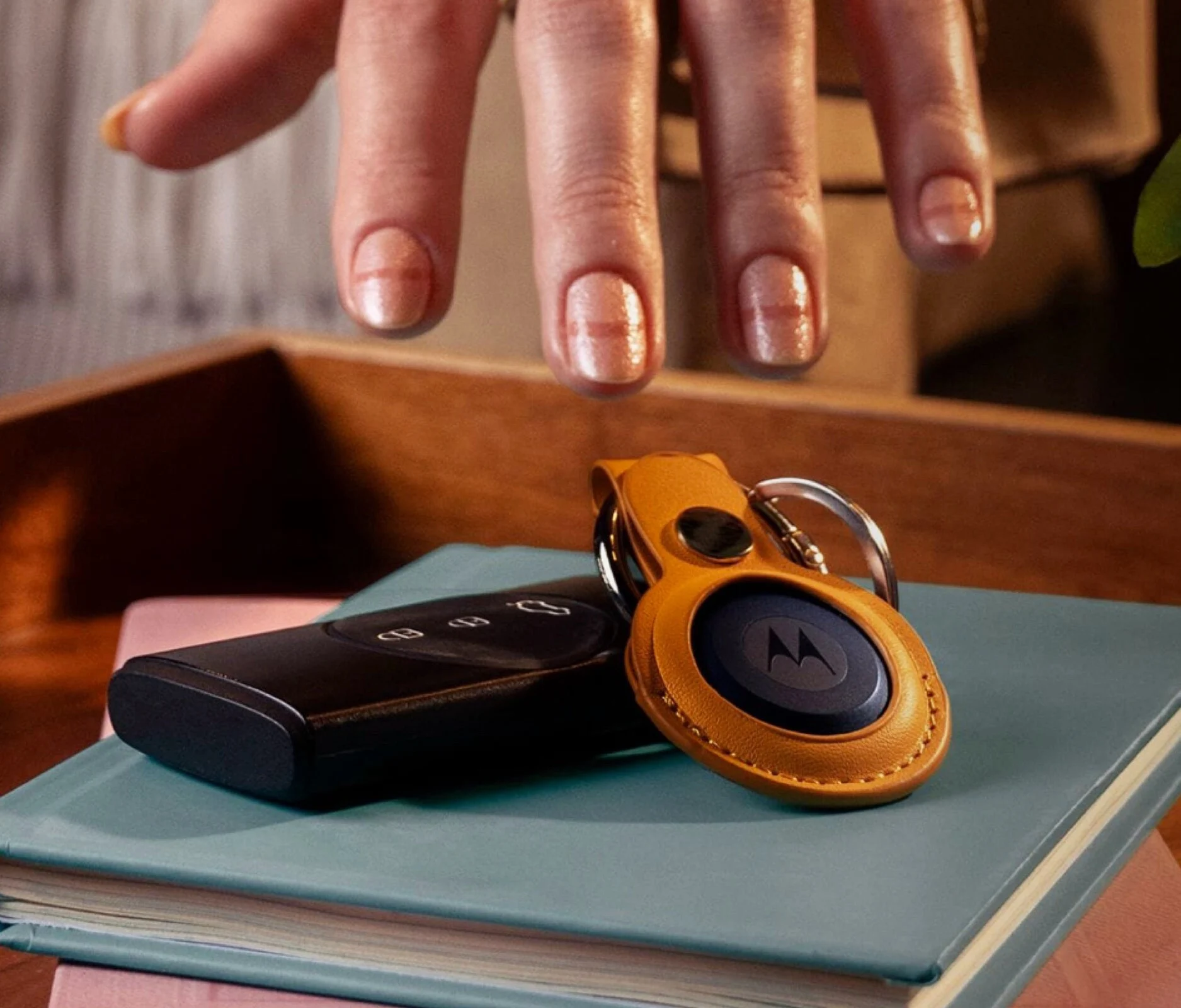
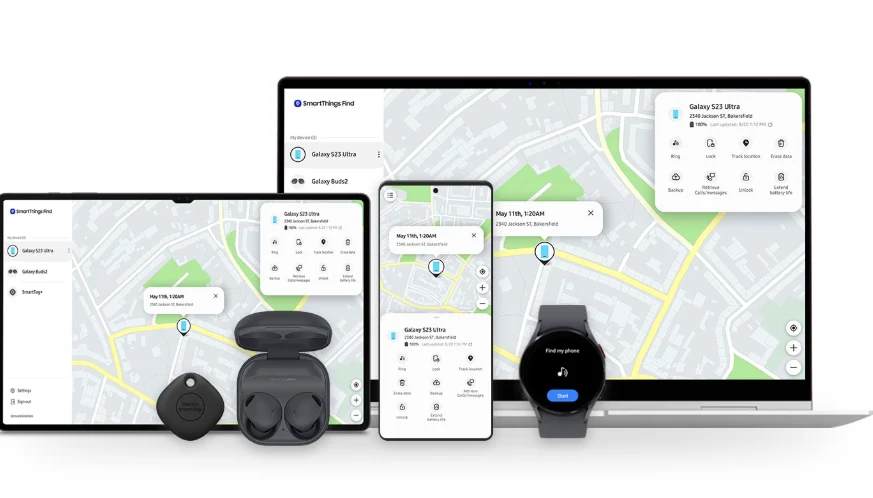
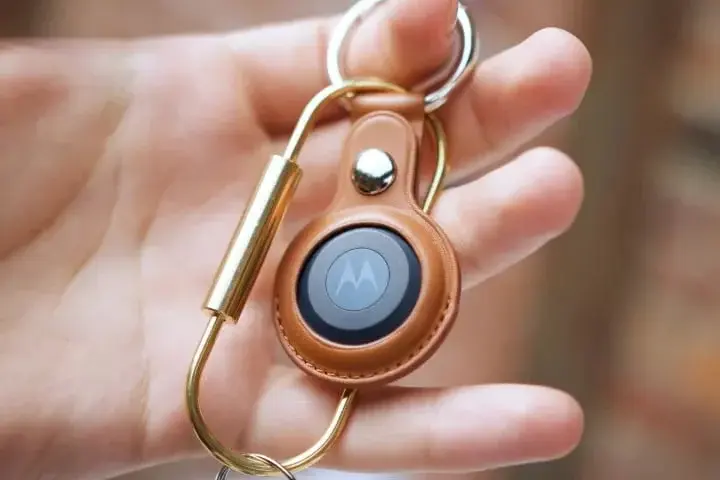
    Ultra Wideband is an essential feature, allowing for accurate location tracking of compatible devices like Samsung’s Galaxy SmartTag2 and the Moto Tag. Additionally, it can facilitate unlocking compatible vehicles.

    Source:
    Link

  • Motorola Moto Tag Tracker Adds UWB Support for Google Find Hub

    Motorola Moto Tag Tracker Adds UWB Support for Google Find Hub

    Key Takeaways

    1. Motorola Moto Tag introduced UWB tracking capabilities with a focus on accurate device location.
    2. Firmware version 2.0.69 enables tracking through Google’s updated Find Hub app, providing precise distance and direction.
    3. The new tracking feature simplifies locating the Moto Tag compared to previous methods.
    4. Unlike Samsung’s Galaxy SmartTags, Moto Tag lacks a camera feature for enhanced visualization of location.
    5. UWB tracking requires an Android smartphone with an ultra-wideband chip for functionality.


    The Motorola Moto Tag (starting at $29 on Amazon) was introduced nearly a year ago, and at that time, Motorola promoted the tracker featuring an ultra-wideband (UWB) chip. Up until this point, UWB tracking has been limited to a small number of smartphones and was only functional within the exclusive Moto Tag app. With the new firmware version 2.0.69, Motorola has now enabled users to accurately track their device using ultra-wideband technology through Google’s updated Find Hub app.

    Improved Tracking Capabilities

    Now, when you locate the tracker using Google’s Find Hub, the app displays the precise distance and direction to the device post-update, rather than just an approximate guess. This enhancement makes it much simpler to locate a Moto Tag that’s nearby. In contrast to Samsung’s Galaxy SmartTags that utilize UWB, Motorola does not provide a camera feature for better visualization of the tracker’s location. To use UWB for locating a Moto Tag, an Android smartphone equipped with an ultra-wideband chip is necessary.

    Source:
    Link


  • Apple Set to Launch AirTag 2 This Summer with Major Upgrades

    Apple Set to Launch AirTag 2 This Summer with Major Upgrades

    Key Takeaways

    1. Apple’s AirTag tracker, launched in April 2021, may get a refresh this summer.
    2. Rumors suggest the new AirTag (or AirTag 2) could be released in May or June 2024.
    3. Anticipated features include an Ultra Wideband chip for improved signal range (up to 60 meters).
    4. The new AirTag is expected to have better compatibility with the Apple Vision Pro and a louder, more secure speaker.
    5. Caution is advised regarding rumors, as the official announcement from Apple is still pending.


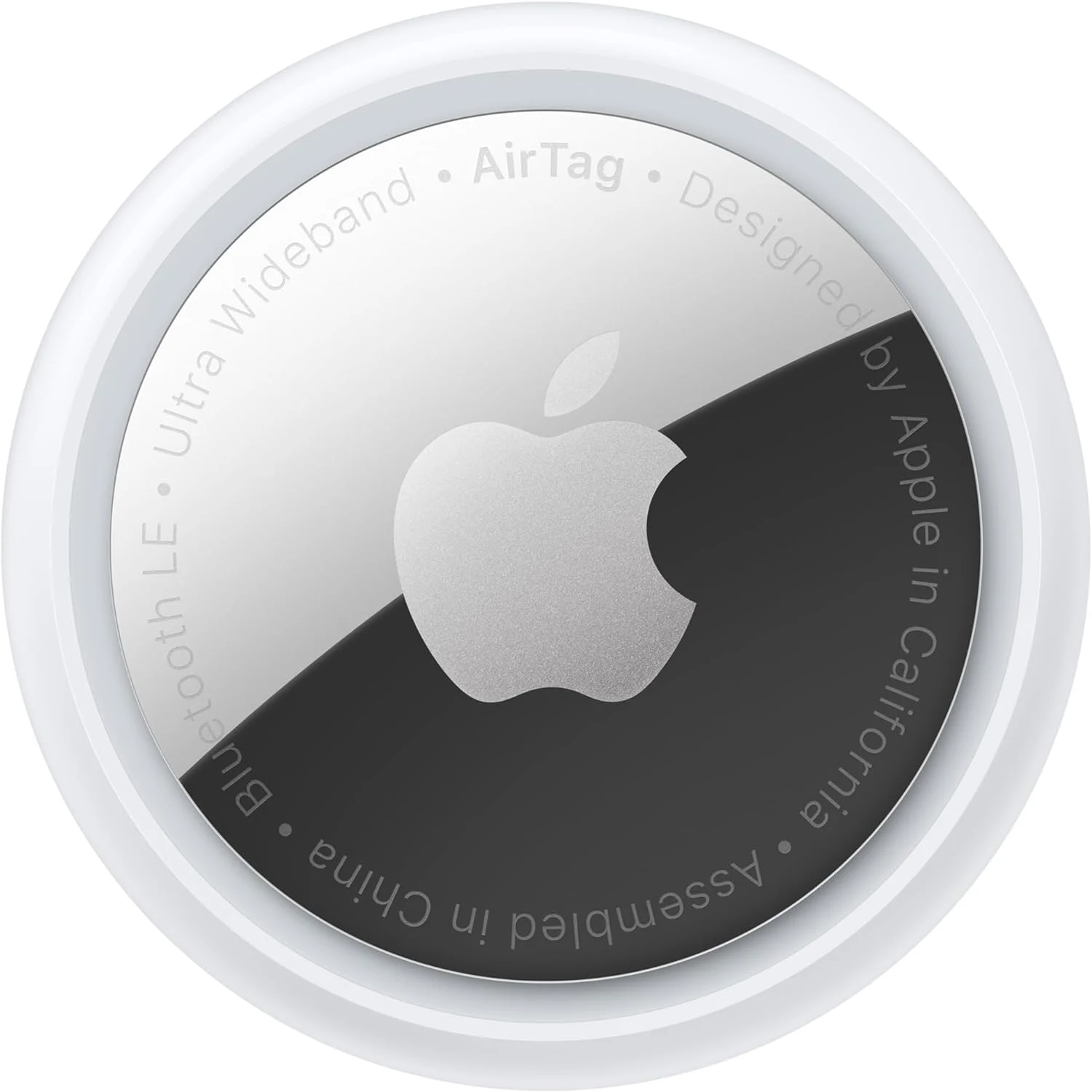
    Apple’s AirTag tracker has become a very popular way to keep track of small things, like keys, wallets, and even iPhones. However, this small tracker is starting to feel a bit old; it was launched nearly four years ago in April 2021. A new rumor suggests that Apple may refresh the AirTag this summer.

    Rumored Release Dates

    The speculation, coming from a leaker known as Kosutami, indicates that Apple might introduce the new AirTag (or AirTag 2) in May or June of this year, just in time for the summer season. This coincides with a statement from Bloomberg’s Mark Gurman, who mentioned that a new AirTag would be expected around the middle of 2025.

    Anticipated Features

    Current rumors suggest significant upgrades for the AirTag 2, such as the Ultra Wideband chip found in the iPhone 15 and 16 series and the Apple Watch Ultra 2. This chip is said to enhance the signal range by as much as 3 times, which would be around 60 meters (about 200 feet).

    The AirTag 2 is also rumored to have better compatibility with the Apple Vision Pro (whatever that means), according to well-known Apple analyst Ming-Chi Kuo. Some believe that the new AirTag will feature an upgraded speaker that will be not only louder but also more challenging to remove, making it harder for potential wrongdoers to modify an AirTag to track someone.

    Caution on Rumors

    As always, it’s wise to take these rumors lightly. The AirTag is certainly due for a refresh, but we will have to wait to see when Apple officially plans to unveil the AirTag 2.

    You can currently grab a 4-pack of AirTags on Amazon for $67.99 as of the latest update (usually priced at $99.99).

    Source:
    Link

  • Future Galaxy Buds with UWB: Enhanced Location Tracking & Audio

    Future Galaxy Buds with UWB: Enhanced Location Tracking & Audio

    Samsung is looking into adding UWB (Ultra-Wideband) technology to its earbuds, as shown by a patent application it filed in November 2023.

    What is UWB?

    Ultra-Wideband is a short-range wireless communication technology that functions at very high frequencies, ranging from 3.1 to 10.6 GHz. This tech allows for accurate location tracking and fast data transfer over brief distances while using minimal power. Unlike Bluetooth or Wi-Fi, UWB can pinpoint objects with centimeter-level accuracy.

    Benefits for Future Galaxy Buds

    The Galaxy S and Z series smartphones already feature this technology, which could improve the location tracking of the upcoming Galaxy Buds when paired with those devices.

    Pre-order Samsung Galaxy phones now & get up to $1,250 off + a chance to win $5,000 credit (US only) – https://howl.link/erlejlgnge89i

    Enhanced Audio Quality

    UWB offers greater bandwidth than Bluetooth, potentially leading to better audio transmission. Sammobile thinks this could result in higher-fidelity sound in the Galaxy Buds. The patent mentions a new way of connecting the earbuds to the phone using both Bluetooth and UWB. However, the phone or any device must also support UWB, which could make it a premium feature initially available to a limited audience.

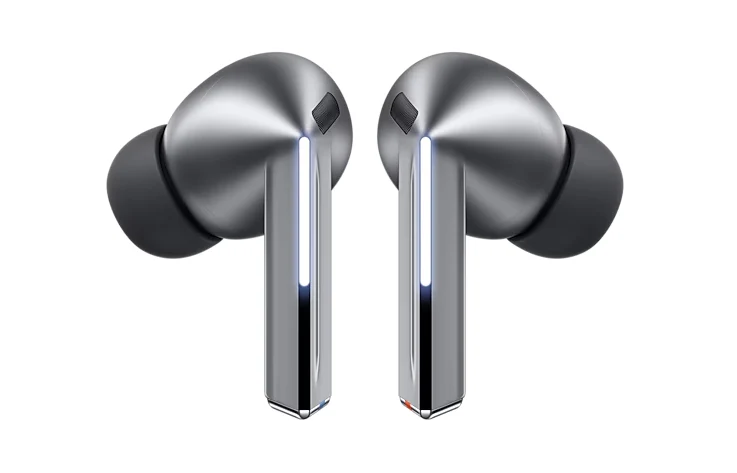
    Samsung Galaxy Buds 3 Pro

    What makes this development intriguing is the chance that other brands might adopt this technology and create a seamless connection within their ecosystems. Eventually, most devices from different brands could include UWB, allowing them to work together much like Bluetooth does today.

    Patent Application Insights

    The patent abstract states: “A method for controlling a set of wireless earphones, including: establishing a first Bluetooth (BT) connection between a first earphone of the set of wireless earphones and a source apparatus; based on the source apparatus supporting Ultra Wide Band (UWB) connections: establishing a first UWB connection between the first earphone and the source apparatus, and a second UWB connection between a second earphone of the set of wireless earphones and the source apparatus; and receiving, by the first earphone, audio data from the source apparatus using the first UWB connection, wherein the audio data is received from the source apparatus by the second earphone using the second UWB connection.”

    Source:
    Link


  • Moto Tag: Android’s Answer to Apple AirTags with UWB & Google Find My

    Moto Tag: Android’s Answer to Apple AirTags with UWB & Google Find My

    Motorola has introduced a new smart tracker designed to compete with Apple AirTags for Android users. Named the Moto Tag, this device features Ultra Wideband (UWB) technology and integrates with Google's network, making it easier to locate tagged items.

    Moto Tag: Key Features

    Motorola's Moto Tag boasts enhanced precision due to its support for UWB tech, which can be leveraged by smartphones that also include this technology, such as the Edge 50 Ultra. Although integration with the Find My Device app isn't available at launch, it is expected in a forthcoming update. The Moto Tag features a circular design with a multifunction button, similar to the Apple AirTag.

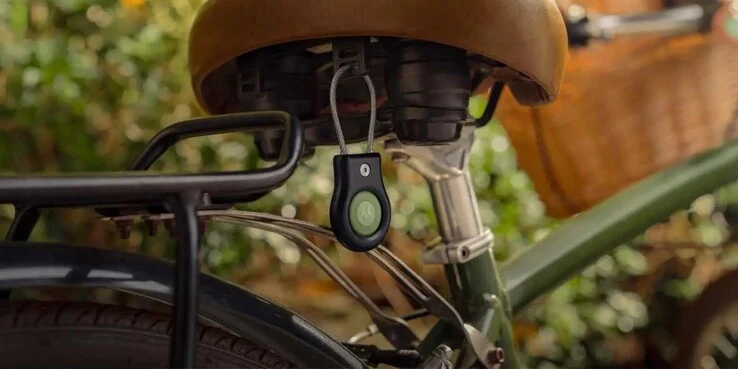
    This button can ring a paired smartphone and even take photos remotely. Privacy is a major focus for Motorola, as the Moto Tag uses end-to-end encryption on the Google Find My Device network, ensuring that your location data stays private. For added security, the device can alert users about any unknown tracker and offers manual scanning options. The Moto Tag is also durable, with an IP67 rating for water and dust resistance.

    Easy Setup and Long Battery Life

    Setting up the Moto Tag is straightforward thanks to Google Fast Pair, and the accompanying Moto Tag app provides features such as battery monitoring and alert volume control. Motorola claims the device has a battery life of up to a year, and the CR2032 battery cell is replaceable. The Moto Tag will be available in select markets at a price of 29 US Dollars for one, or 99 US Dollars for a pack of four. It comes in two color options: Blue and Green. The smart tracker is scheduled for release on August 2, 2024.