Key Takeaways
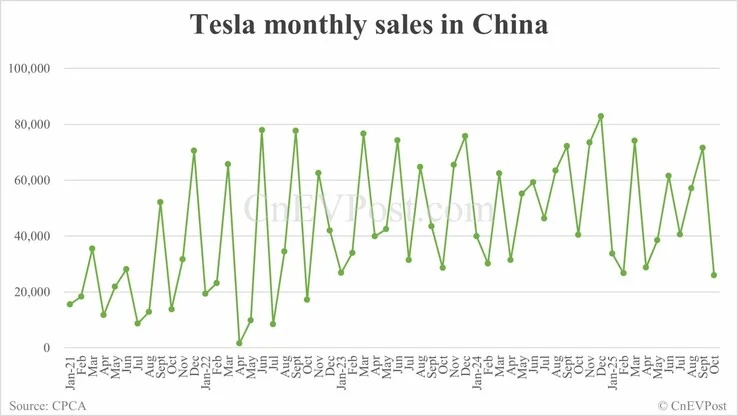
1. Tesla’s vehicle sales in China fell to the lowest level since 2022, with only 26,006 cars sold in October, a 36% decrease from the previous year.
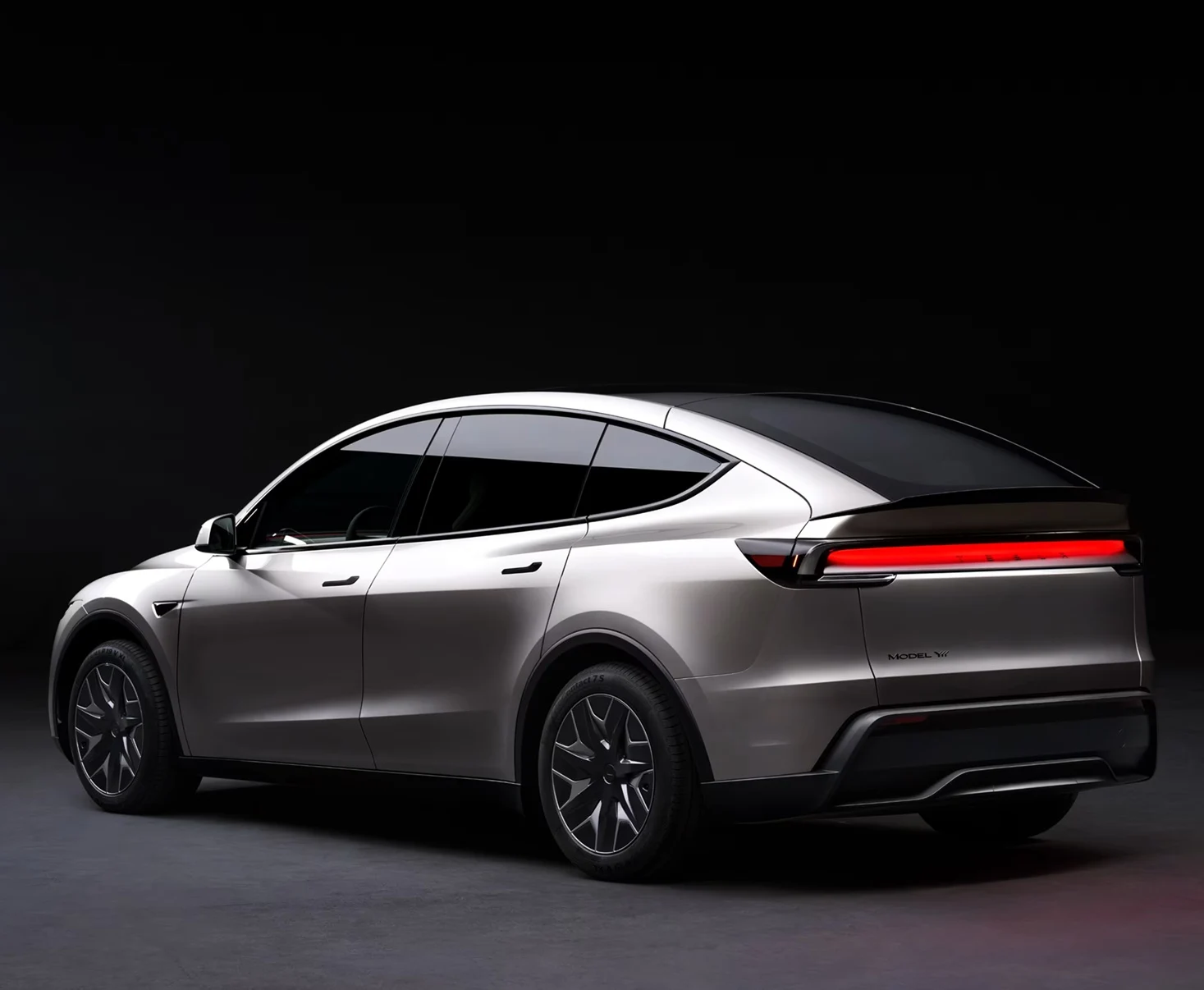
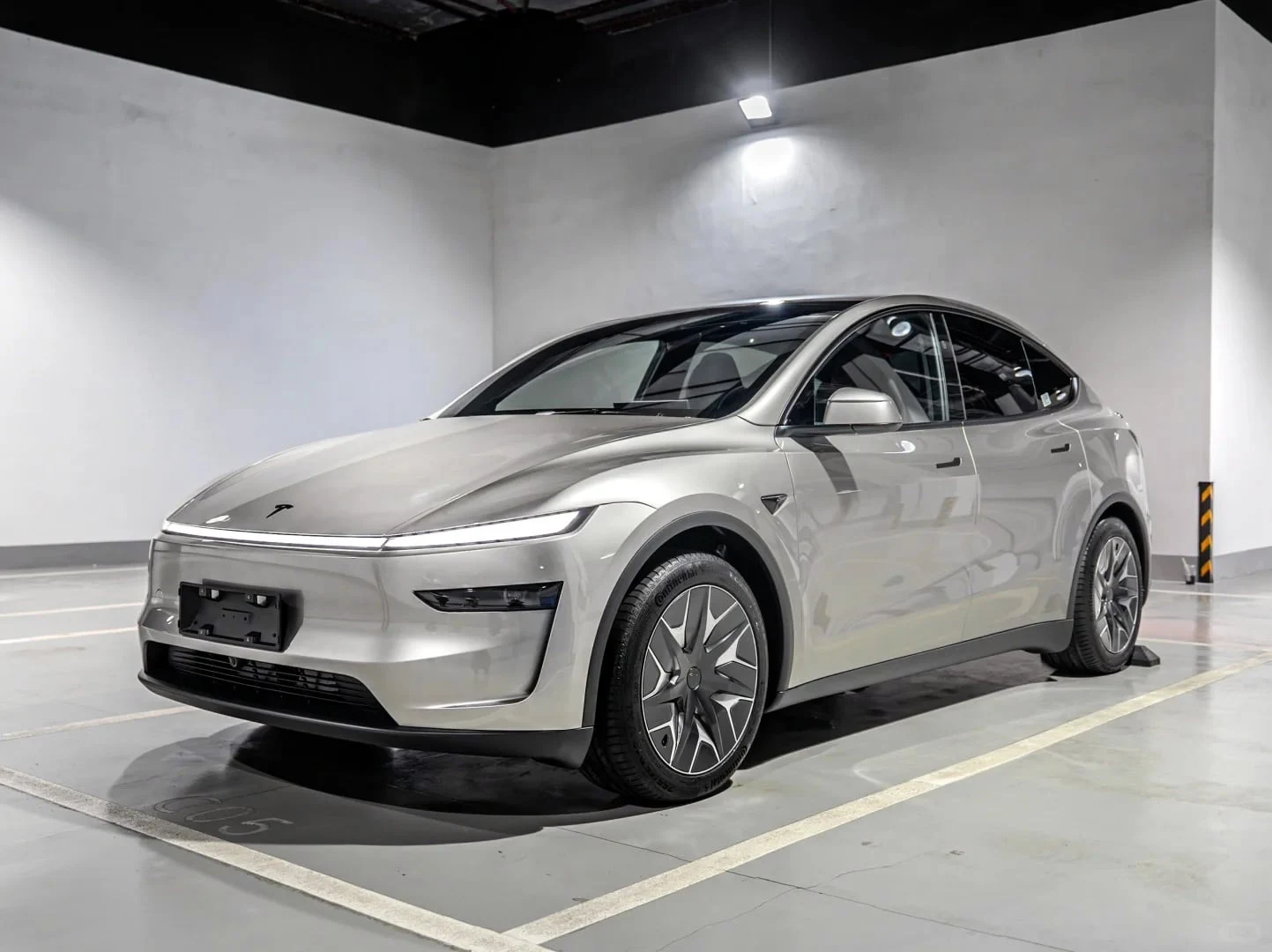
2. The initial popularity of the new six-seat Model Y L and trims of Model 3 and Model Y did not sustain demand, leading to a sharp decline in sales.
3. Local electric vehicle manufacturers are intensifying competition by offering cheaper models with more features, impacting Tesla’s market position.
4. Global sales challenges are evident as BYD, a major competitor, outsold Tesla significantly in key European markets, further distancing Tesla from its brand presence.
5. In response to declining sales, Tesla is introducing various financing options and incentives, including rental programs and purchase credits, to boost sales in the US market.
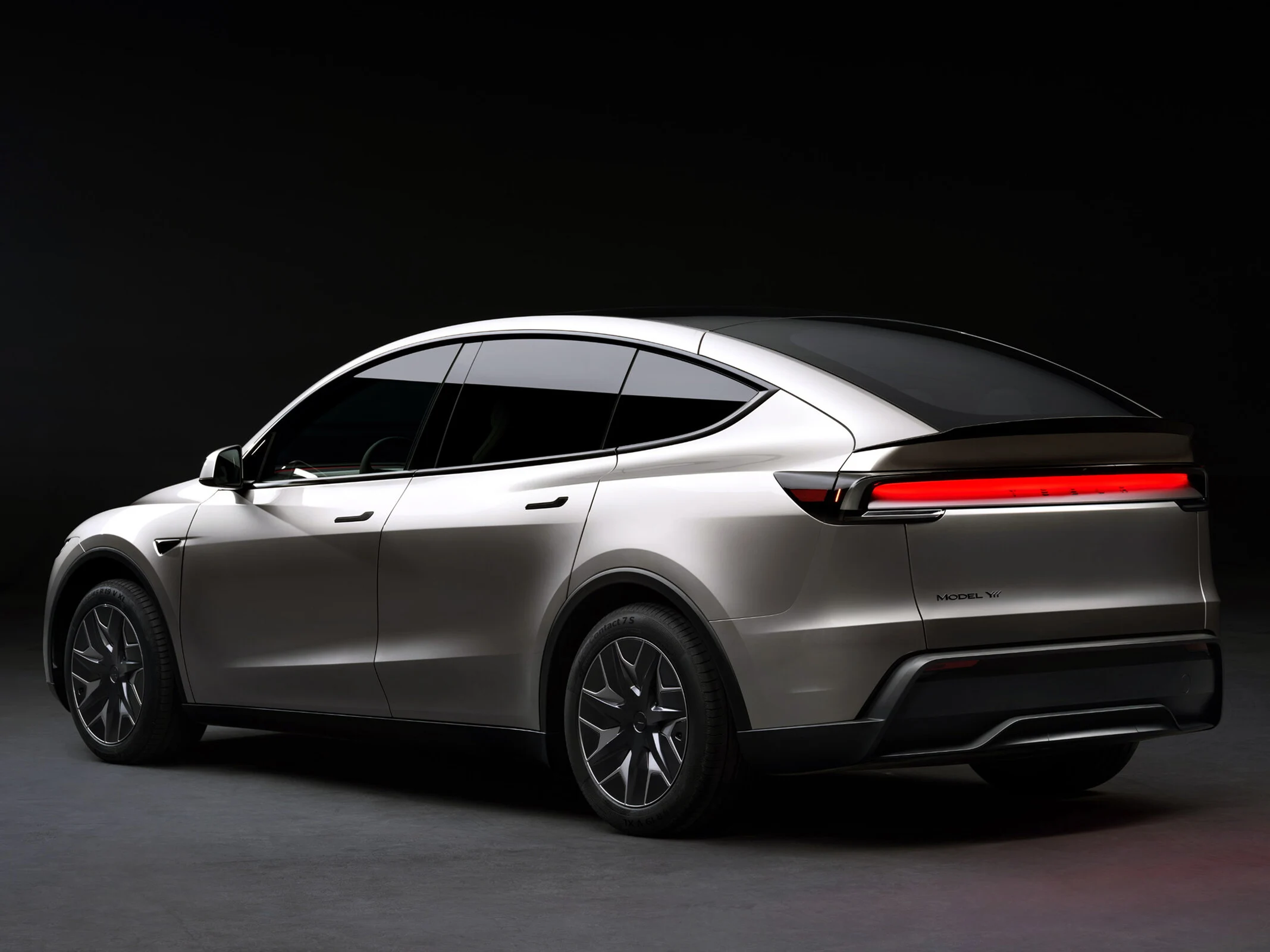
Tesla’s vehicle sales in China have dropped to a level not seen since 2022. Even though the new six-seat Model Y L was initially well-received, along with new trims of the Model 3 and Model Y, Tesla only managed to sell 26,006 cars in China in October.
Significant Decline in Sales
This marks the lowest sales figure for Tesla in a month over the past three years, showing a 36% decrease compared to the same time last year. In September, when demand for the Model Y L was high, Tesla sold 63% more vehicles, indicating a decline in interest after the first wave of buyers completed their purchases. While it’s true that Tesla exported 28% more vehicles from China in comparison to last October, the total export volume is down 8% for the year overall.
Rising Competition and Market Trends
The surge in competition from local electric vehicle manufacturers, which provide cheaper options with more features, is putting pressure on Tesla. Additionally, the popularity of Extended Range Electric Vehicles (EREVs) in China complicates things further. EREVs not only come with larger batteries but also include a gasoline generator to reduce range anxiety. This trend is so appealing to consumers that even companies that were originally focused on electric vehicles are now either producing or considering EREVs.
Global Sales Challenges
In other regions where Tesla faces competition from Chinese brands, sales are also declining. BYD, the largest EV manufacturer in the world, is now closely competing with Tesla in Europe. BYD sold seven times as many cars as Tesla in the UK and four times more in Germany, which are two of the biggest markets for plug-in vehicles. This trend suggests that the European market is continuing to distance itself from the Tesla brand, partly due to Elon Musk’s political actions earlier this year.
With the federal tax credit in the US coming to an end, Tesla is rolling out various traditional financing options, leasing deals, and free upgrade offers. The company has also come up with creative strategies to boost sales, including a rental option that features free Supercharging and Full Self-Driving (FSD) for just $60 per day. If a customer decides to purchase a Tesla after a 7-day rental period available at select locations, they will receive a $250 purchase credit as a bonus. Whether these incentives can counteract the sales decline in the US, similar to what’s observed in markets facing competition from Chinese brands, remains to be seen.
Source:
Link