Tag: Model 3

  • Tesla Model Y Gains New Colors and Safety Features Amid Old Hue Retirement

    Tesla Model Y Gains New Colors and Safety Features Amid Old Hue Retirement

    Key Takeaway

    1. Tesla has discontinued the Deep Blue Metallic color for the Model Y and Model 3 in the US, replacing it with Marine Blue (for Premium trims) and Frost Blue Metallic (for Performance trims).
    2. Marine Blue is a deeper, more intense shade available in North America for the first time, while Frost Blue Metallic is now exclusive to high-performance trims, inheriting it from older models.
    3. The Model Y produced after November 12, 2025, became the first vehicle to pass the NHTSA’s expanded Advanced Driver Assistance Systems (ADAS) criteria, indicating a significant safety milestone.

    Tesla Discontinues Deep Blue Metallic for US Models

    Tesla has decided to stop offering the Deep Blue Metallic color for the Model Y and Model 3 in the United States. This hue, which has been an option since 2017 and a favorite among many, is now retired. It was once amongst the most popular paid choices on Tesla’s configurator, but now buyers must choose differently. The move marks a shift in Tesla’s color lineup and reflects changing preferences and options available for their vehicles.

    New Blue Shades Available for Different Trims

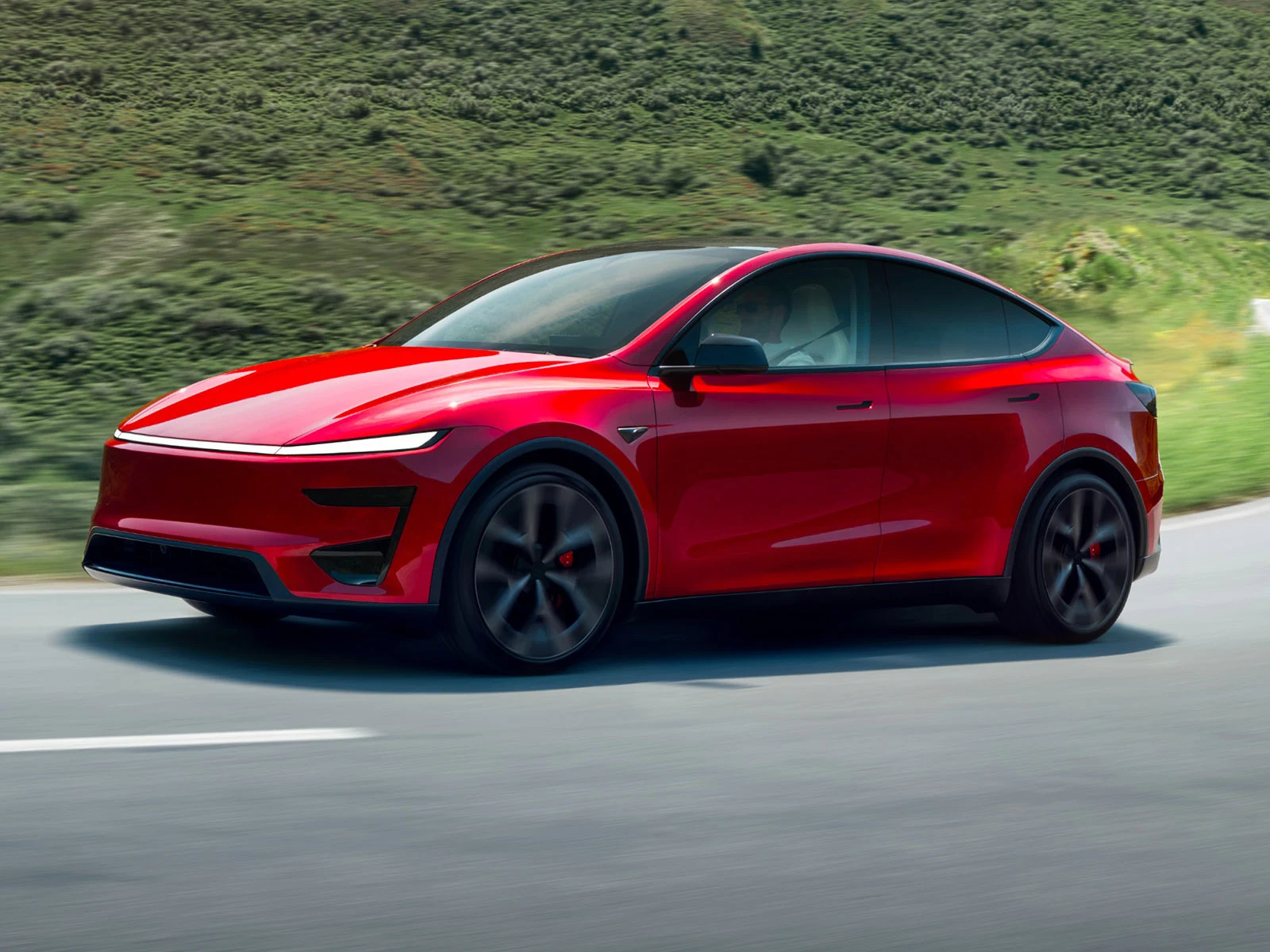
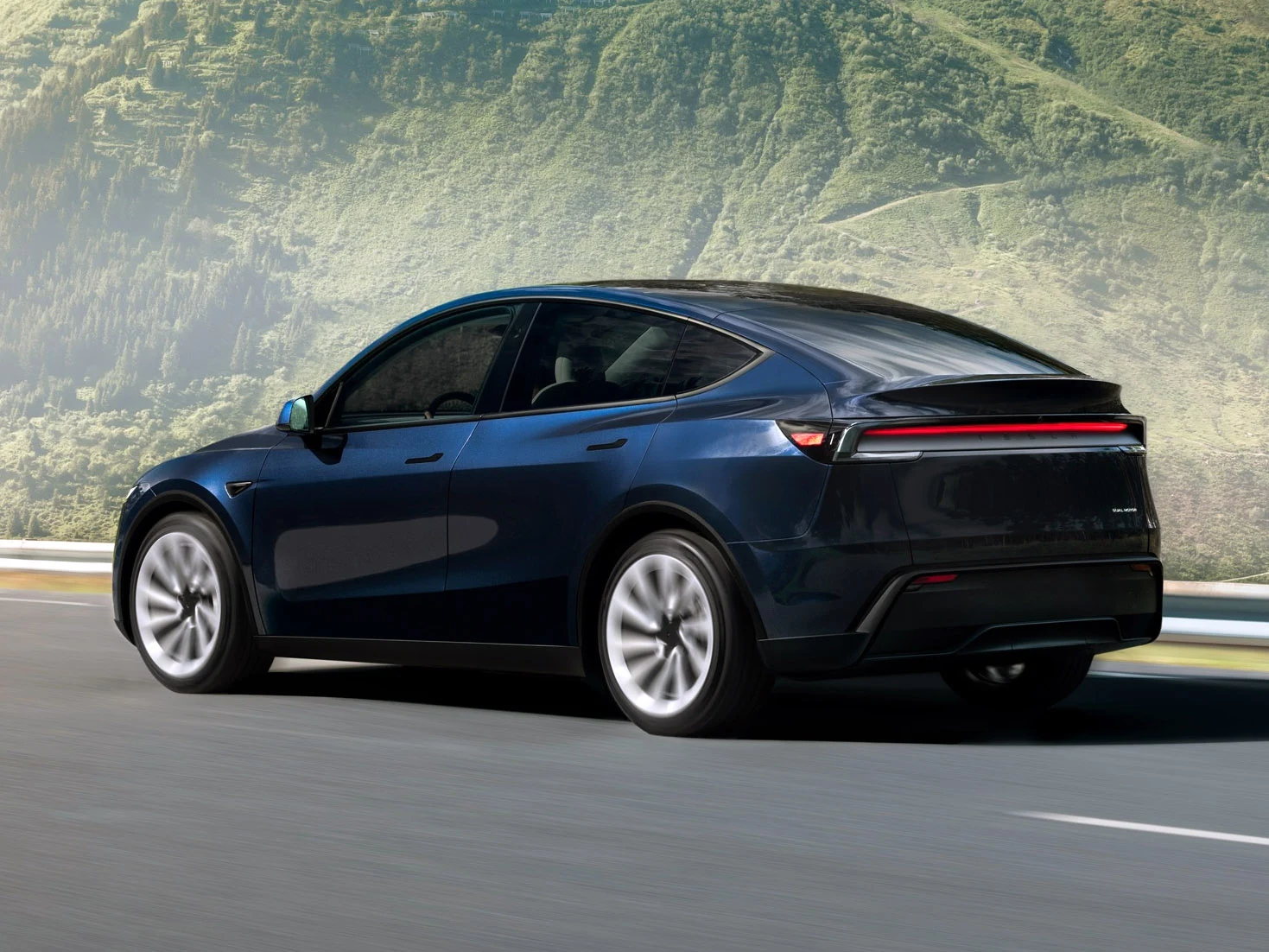
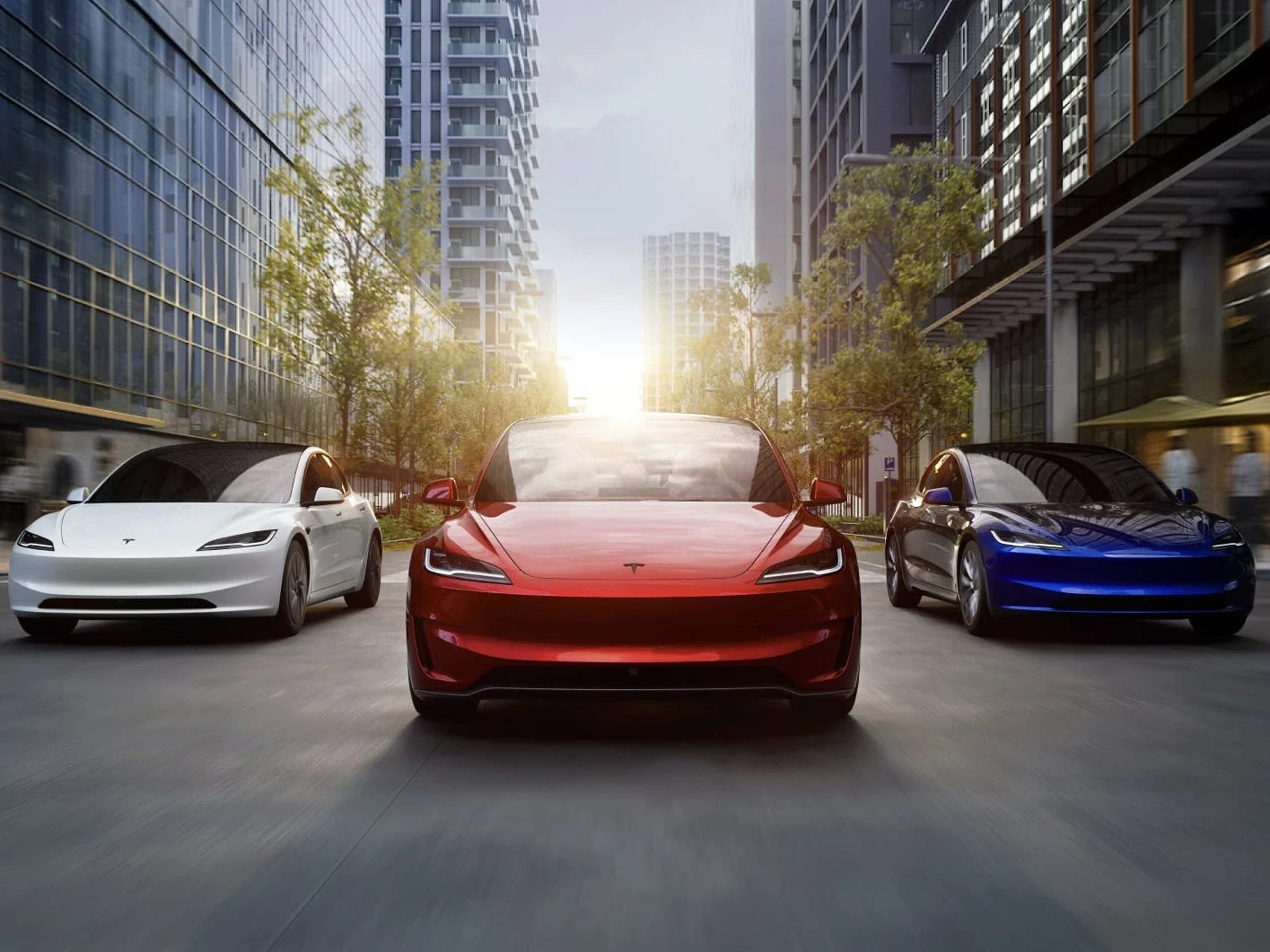
    Replacing Deep Blue, customers are now presented with two different shades of blue depending on the trim level. The Marine Blue, a darker shade arriving from international markets like Europe and Asia-Pacific, is now available for the Premium AWD and RWD versions. Meanwhile, Frost Blue Metallic, a lighter, icy hue, is now exclusive to Performance models of both the Model 3 and Model Y. The latter hue first appeared last year during facelift updates and has a visual appeal that suits Tesla’s high-performance trims.

    Details on New Blue Options and Pricing

    • Marine Blue: Originates from Tesla’s global markets, previously available outside North America.
    • Availability: First time in the US and Canada, costs $1,000 as an upgrade.
    • Frost Blue Metallic: Debuted on Model X and Model S, retained for Model 3 and Y Performance trims.

    The Marine Blue option offers a richer, more intense blue that’s close to black with a metallic finish, providing a more striking look compared to the now-discontinued Deep Blue. The Frost Blue, on the other hand, imparts a lighter, more airy feel, which aligns with the visual identity of the higher-end Performance trims. Interestingly, some enthusiasts lament that the Marine Blue isn’t available on Performance versions, as Frost Blue is often seen as a less aggressive hue, favoring aesthetics over sportiness.

    Model Y Achieves a Major Safety Milestone

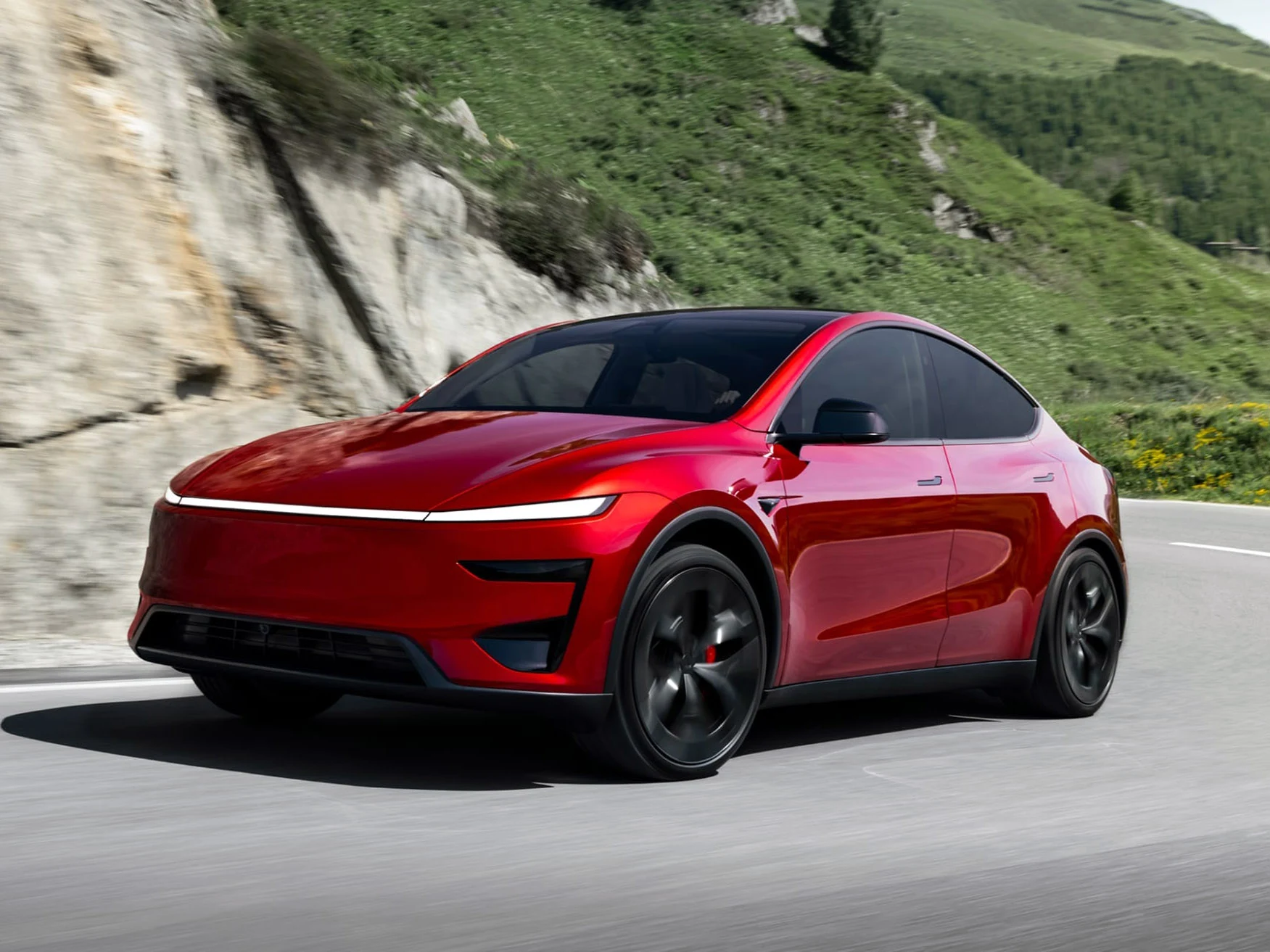
    Post November 12, 2025 production, Tesla’s Model Y has become the first vehicle to meet the National Highway Traffic Safety Administration’s (NHTSA) newly expanded Advanced Driver Assistance Systems standards. It achieved a perfect score by passing all eight criteria, which includes four newly introduced categories such as pedestrian automatic emergency braking, lane keeping assistance, blind spot warning, and blind spot intervention. These enhancements go beyond the original four ADAS tests the vehicle already excelled at, representing a significant upgrade in safety technology.

    Industry Impact and Future Outlook

    This feat is notable because Tesla’s relationship with NHTSA has sometimes been turbulent, making this safety accolade a landmark achievement. Competitors are now eager to meet or exceed similar standards, though whether they will succeed remains to be seen. NHTSA’s administrator, Jonathan Morrison, highlighted that “by successfully passing these new tests, the 2026 Tesla Model Y demonstrates the lifesaving potential of driver assistance technologies and sets a high bar for the industry,” emphasizing that such advancements could shape future vehicle safety benchmarks.
    Sources

  • Tesla Launches 10-Year Model Y Battery Warranty with $500 Deductible

    Tesla Launches 10-Year Model Y Battery Warranty with $500 Deductible

    Key Takeaways

    1. Tesla is now offering a paid option for a longer warranty on high-voltage batteries and drive units for Model 3 and Model Y, extending coverage by two years for $2,000 (CA$2,800).

    2. The standard warranty for Tesla’s high-voltage battery is 8 years with a 70% capacity retention, while competitors like Hyundai-Kia provide a 10-year warranty at no extra charge.

    3. The extended warranty must be paid upfront and is not available on a subscription basis, differing from earlier reports.

    4. The Extended Service Agreement (ESA) for out-of-warranty battery replacements is transferable to new owners, potentially increasing resale value.

    5. Tesla’s new warranty options respond to pressure from competitors offering longer warranties, as the market trends towards 15-year warranties with higher capacity retention.


    After expanding its coverage on other pricey parts, Tesla is now offering a longer warranty option for high-voltage batteries and drive units in both the US and Canada.

    Though it’s not the anticipated 12-year battery warranty for the Model Y, this new choice does provide owners a bit more comfort regarding the costly battery replacements once the warranty period ends.

    Competition in the Market

    Tesla’s primary competitors in the electric vehicle market within the US and Canada are the Hyundai-Kia group, which provides a 10-year battery warranty. This is especially notable given that their EVs utilize modern 800V powertrains that enable faster charging.

    As is typical for Tesla, they’ve managed to create a longer battery warranty for both the Model 3 and Model Y as a paid option, unlike Hyundai and Kia, who offer theirs at no extra charge.

    Warranty Details

    At present, Tesla provides an 8-year warranty for the high-voltage battery and drive unit, ensuring a 70% retention of capacity during that time.

    For those interested in adding two more years of warranty coverage for their Model Y or Model 3, they can pay $2,000 (CA$2,800) for the opportunity, but there’s also a $500 deductible if a battery replacement is needed during the additional 24 months.

    Subscription Misunderstandings

    Earlier reports hinted that Tesla would roll out an extended warranty for the high-voltage battery on a subscription basis, starting at $100 per month. However, the reality is that Tesla requires payment upfront, regardless of when the battery fails—whether it happens early in the coverage or later, or even if it doesn’t fail at all.

    The extended battery warranty for the Model 3 and Model Y will only appear for the vehicle owner in the app before their original factory warranty expires. Luckily, what Tesla refers to as the Extended Service Agreement (ESA) for out-of-warranty battery replacements after the initial eight years is transferable to new owners as well.

    Impact on the Used Market

    This setup means that a Model Y can be sold in its seventh year of ownership while still having three additional years left on the battery warranty, which could enhance the used EV market. Tesla might be feeling pressure from longer battery warranties offered by competitors in both the US and China, where there’s a movement towards a standardized 15-year EV battery warranty with an 85% capacity retention.

    Modern EV battery technologies are capable of supporting these longer warranties as the norm. However, Tesla has calculated that it can charge as much as $2,500 for a replacement or repair at cost. In many situations, Tesla will simply keep the one-time ESA payment since they are well aware that the Model 3 or Model Y battery packs typically last longer than their standard 8-year warranty.

    Source:
    Link


  • Tesla Recalls 6,200 Cybertrucks Due to Sticky Mistake

    Tesla Recalls 6,200 Cybertrucks Due to Sticky Mistake

    Key Takeaways

    1. Tesla is recalling nearly 6,200 Cybertrucks due to potential issues with off-road LED light bars detaching while driving.
    2. The recall affects Cybertrucks made at the Texas Gigafactory between November 13, 2023, and November 5, 2024.
    3. The problem arose from an assembly error involving the use of incorrect adhesive, which could cause vibrations to loosen the light bars.
    4. Tesla will check all affected vehicles for loose or damaged light bars, replace defective units at no cost, and install a mechanical fuse for added safety.
    5. This recall marks Tesla’s tenth in under two years, and the Cybertruck’s sales have struggled due to regulatory issues in the European Union.


    Following a recent recall involving nearly 13,000 Model 3 and Model Y cars due to a potential drive loss, Tesla is now issuing a recall for the Cybertruck as well. The concern relates to the LED light bars, which are made for off-road use but could come loose while being driven. The US National Highway Traffic Safety Administration (NHTSA) has released a recall notice stating that this issue impacts Cybertrucks manufactured at the Texas Gigafactory between November 13, 2023, and November 5, 2024.

    Affected Vehicles

    This recall includes 6,197 vehicles in the US, with a focus on the high-performance Cyberbeast model. Tesla has received 619 warranty claims and one report from the field about the problem, although there have been no accidents or injuries reported so far. The NHTSA explained that the issue resulted from an assembly mix-up, where BetaSeal adhesive was occasionally used instead of the proper BetaPrime primer. This substitution may lead to the LED light bars detaching because of vibrations while driving.

    Installation Concerns

    It’s important to mention that the off-road light bars in question could either be ordered as a factory option or added afterward through Tesla Service. In some instances, customers had to carry out the installation on their own since Tesla employees aren’t legally allowed to install certain electronic parts. However, it’s still uncertain if this had any effect on the light bar issues currently being faced.

    Tesla has announced that all vehicles affected will undergo checks for any loose or damaged light bars. Any defective units will be replaced at no cost, and a mechanical fuse will be installed to enhance safety in the future. A transparent and customer-driven approach is crucial, especially as Tesla’s reputation is already facing challenges.

    Ongoing Recalls

    This latest recall is Tesla’s tenth within a span of less than two years. Earlier this spring, the company had to call back tens of thousands of vehicles due to loose trim and misaligned pedals. Meanwhile, sales of the Cybertruck have not met expectations, partly because the vehicle does not comply with road regulations in the European Union. In response to these challenges, Elon Musk has reportedly had his companies SpaceX and xAI buy an entire fleet of Cybertrucks, likely to increase visibility and demand.


    Source:
    Link


  • Tesla Increases Model 3 and Model Y Lease Prices by Up to $100

    Tesla Increases Model 3 and Model Y Lease Prices by Up to $100

    Key Takeaways

    1. Tesla will increase lease payments for the Model 3 and Model Y starting November 4.
    2. The lease for the Model Y Premium RWD will rise to $529/month, while the Model 3 will increase to $429/month.
    3. The $6,500 lease credit will remain in place despite the increase in monthly payments.
    4. The price gap between leasing a Model Y and Model 3 is now just $100, complicating customer choices.
    5. Tesla aims to protect profit margins after a record number of deliveries, amid rising expenses and declining sales expectations.


    Tesla is set to raise lease payments for the Model 3 and Model Y starting on November 4, as previously warned.

    This adjustment appears to follow a temporary reduction in monthly costs aimed at attracting customers after the federal tax credit expired, with final deliveries pushed to mid-October.

    Updated Lease Costs

    From November 4, the lease for the Model Y Premium RWD will increase to $529/month, up from the current $449. The price hike for the Model 3 is even steeper, rising by $100, from $329 to $429 for a 3-year lease that includes a $3,000 down payment.

    With the gap between leasing a Model Y and a Model 3 narrowing to just $100, Tesla enthusiasts will face some difficult decisions on which model to choose.

    Lease Credit and Financial Outlook

    Fortunately, Tesla is maintaining the $6,500 lease credit that was introduced right after the federal one ended. However, the increase in monthly lease payments appears to be a strategy to recover losses from its own credit program to some extent.

    Despite achieving a record number of vehicle deliveries last quarter, Tesla’s financial situation wasn’t very bright. The surge in revenue from customers racing to take advantage of the $7,500 federal tax credit was countered by higher expenses. Now, Tesla is looking to protect its profit margins during a fourth quarter that could experience a significant decline in sales.

    Source:
    Link


  • Tesla Recalls 13,000 Model 3 and Y for Drive Power Loss Risk

    Tesla Recalls 13,000 Model 3 and Y for Drive Power Loss Risk

    Key Takeaways

    1. Tesla is recalling 12,963 Model 3 and Model Y cars due to a battery component defect that may cause unexpected power loss while driving.
    2. The recall affects specific 2025 Model 3 and 2026 Model Y vehicles produced from March to August 2025.
    3. The issue is linked to a faulty battery pack contactor made with a weak connection, leading to potential loss of acceleration.
    4. Vehicle owners can check if their car is affected using the Tesla or NHTSA VIN Recall Search.
    5. Owners can request repairs through the Tesla app by navigating to the service section and describing the recall concern.


    Tesla, the electric vehicle company, has announced a voluntary safety recall impacting 12,963 Model 3 and Model Y cars because of a battery component defect that might cause unexpected loss of power while driving. This recall has been formally reported to NHTSA under the reference number 25V690. It addresses the concern that vehicles could suddenly be unable to accelerate while they’re in motion.

    Specific Models Affected

    This recall affects certain 2025 Model 3 and 2026 Model Y vehicles that were produced from March to August 2025. Below are the models that are specifically affected:

    The problem is related to the battery pack contactor. The defective contactors were made with an InTiCa solenoid that has a weak coil termination connection. This faulty connection could lead to the contactor unexpectedly opening without any warning. If this occurs while the vehicle is being operated, the driver would abruptly lose the ability to use the accelerator pedal, leading to a loss of movement, while also receiving a visual signal prompting them to safely pull over.

    How to Check if Your Vehicle is Impacted

    Owners of possibly affected vehicles can verify if their vehicle is involved through either the Tesla VIN Recall Search or the NHTSA VIN Recall Search. For the repairs, vehicle owners should open the Tesla app and navigate to Service > Request Service > Other > Something Else, then type “Open Recall Repair – Battery Pack Contactors” into the Describe Concern field.

    Source:
    Link


  • Tesla Updates Model 3 and Model Y with New Features and Batteries

    Tesla Updates Model 3 and Model Y with New Features and Batteries

    Key Takeaways

    1. Tesla has introduced enhancements for the Model 3 and Model Y, including functional improvements and new batteries for better range.
    2. The Model Y now features a front camera and the return of the indicator stalk, with the Model 3 also adopting these changes based on customer feedback.
    3. The updated front camera includes a washer and a heating element to prevent fogging or icing.
    4. Battery advancements have been made for all Model 3 versions, with improved cell density, although specific capacity details are not disclosed.
    5. The Model Y’s new battery upgrade is only available for the “Long Range All-Wheel Drive” model, and prices for the updates remain unchanged.


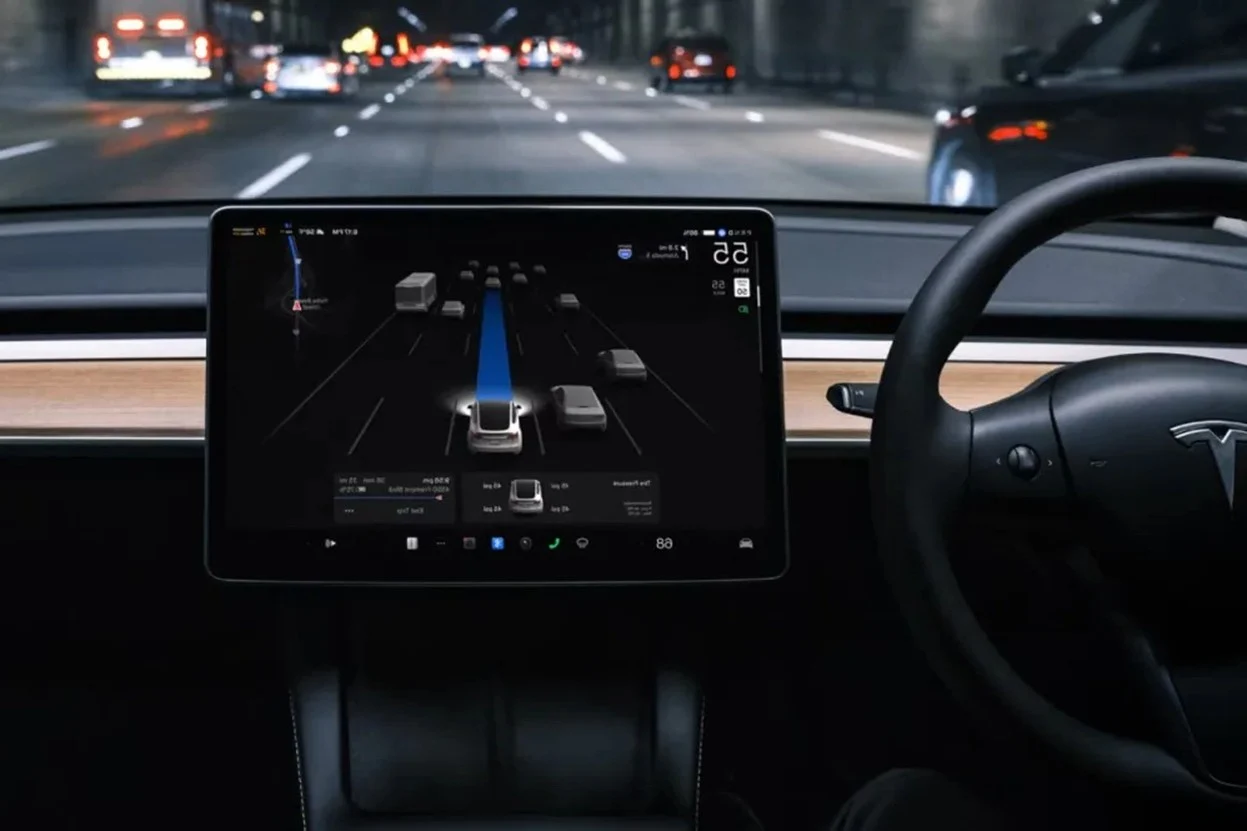
    Tesla has recently introduced a number of enhancements for the Model 3 and Model Y. These upgrades include both functional improvements and new batteries that offer better range. The existing Model Y, known as Juniper, comes equipped with a front camera and the return of the indicator stalk. Now, the Model 3 will also include these features. This change, particularly regarding the indicator stalk, comes in response to feedback from customers who found the steering wheel button operation less than ideal. The updated front camera has a washer and a built-in heating element to help avoid fogging or icing.

    Battery Upgrades

    In addition to these features, Tesla has made advancements in the batteries across all Model 3 versions, although they are not disclosing specific details about battery capacity. The company merely mentions improvements in cell density. According to Tesla, the enhancements in range are as follows:

    The Model Y is also set to receive a new battery, but this upgrade is only available for the “Long Range All-Wheel Drive” model.

    Configuration Changes

    These updates can now be seen in the configurator. Interestingly, the prices remain unchanged.

    Source:
    Link


  • Tesla Offers $6,500 Lease Discount After Federal EV Incentive Ends

    Tesla Offers $6,500 Lease Discount After Federal EV Incentive Ends

    Key Takeaways

    1. Leasing Costs Rise: Tesla has increased leasing prices for the Model Y and Model 3 by 11% due to the end of the federal EV tax credit.

    2. New Leasing Prices: The Model Y’s leasing rates now range from $479 to $599, while the Model 3’s rates range from $429 to $759.

    3. Lease Credit Impact: Customers now face a $1,000 gap to cover since the $7,500 tax credit is no longer available, despite a $6,500 Tesla lease credit.

    4. Eligibility Uncertainty: Tesla states that ordering does not guarantee eligibility for the lease credit, meaning not all customers will qualify.

    5. Market Adjustments: Other EV manufacturers like Ford and GM are also changing their strategies to maintain savings for customers in light of the tax credit’s expiration.


    EV customers in the United States are quickly feeling the impact of the federal tax credit’s end as Tesla raises leasing costs. To help offset this change, the company has introduced a new discount for leases.

    Increased Leasing Costs

    Both the Model Y and Model 3 have seen an 11 percent increase in leasing prices following the removal of the federal EV incentive. The electric Model Y SUV, which previously had leasing rates between $479 and $529 a month, now has a price of up to $599. Likewise, the Model 3’s leasing costs have surged to between $429 and $759, up from the earlier range of $349 to $699. These prices are based on a $3,000 deposit for a lease duration of 36 months.

    Lease Credit Details

    Tesla mentions on its website that the monthly leasing rates include a $6,500 Tesla lease credit. This means customers will need to cover a $1,000 gap now that the $7,500 tax credit is not accessible anymore.

    Moreover, Tesla clarifies that “ordering does not guarantee eligibility,” indicating that not every lessee will qualify for the credit.

    Market Reactions

    While Tesla aims to keep demand steady with the new discount, it’s clear that its profit margins could take a hit. Yet, Tesla isn’t alone in this; other electric vehicle manufacturers like Ford and GM are also adjusting their strategies to prolong the $7,500 lease savings for a few more months.

    Source:
    Link


  • Tesla October Incentives for Model 3, Model Y in China

    Tesla October Incentives for Model 3, Model Y in China

    Key Takeaways

    1. Tesla is offering new buying incentives for customers in China until October 31.
    2. The updated Model 3 has an 8,000 yuan insurance subsidy and up to five years of interest-free financing.
    3. The Model Y also benefits from five-year, zero-interest financing and an 8,000 yuan referral paint credit.
    4. The new six-seat Model Y L qualifies for three years of 0% financing along with the referral paint credit.
    5. Tesla allows Full Self-Driving package transfers for high-end models, encouraging upgrades.


    Tesla is introducing new buying incentives for its customers in China this month. According to information found on Tesla China’s official site, these promotions will be available for certain models until October 31.

    Model 3 Benefits

    The updated Model 3 is set to enjoy the most substantial advantages. Buyers can benefit from an 8,000 yuan (approximately $1,100) insurance subsidy along with up to five years of interest-free financing. Additionally, through Tesla’s referral program, customers can receive an 8,000 yuan credit for paint, which lowers the price of premium color choices. Furthermore, any orders made in October will qualify for 5,000 km of free Supercharging.

    Model Y Promotions

    The popular Model Y is also part of this offer. Buyers have the chance to take advantage of five-year, zero-interest financing and the same 8,000 yuan referral paint credit. The newly released six-seat Model Y L, which debuted in August, qualifies for three years of 0% financing in addition to the referral paint credit.

    Full Self-Driving Transfers

    For high-end models such as the Model S, Model X, Model 3, and Model Y, Tesla is providing Full Self-Driving (FSD) transfer options. This incentive allows current owners who have the FSD package to transfer it to a new vehicle, which has been a significant motivation for upgrades in other areas.

    These incentives represent Tesla’s ongoing effort to keep up sales in the competitive Chinese electric vehicle market as Q4 begins.

    Source:
    Link


  • Tesla FSD Reaches 1 Million Kilometers in Australia and New Zealand

    Tesla FSD Reaches 1 Million Kilometers in Australia and New Zealand

    Key Takeaways

    1. Tesla’s Full Self-Driving (Supervised) feature has covered over 1 million kilometers in Australia and New Zealand shortly after its launch.
    2. The high mileage reflects strong consumer interest and provides valuable data for Tesla’s software improvements.
    3. Tesla drivers in these regions have accumulated the equivalent of 80 years’ driving experience with the FSD feature in just over a week.
    4. FSD (Supervised) is not fully autonomous; it remains a Level 2 driver assistance system, requiring driver attention and readiness to take control.
    5. Data from right-hand-drive markets like Australia and New Zealand is important for Tesla to refine the technology for global use.


    Just a little over a week after Tesla launched Full Self-Driving (Supervised) in Australia and New Zealand, local drivers have already covered more than 1 million kilometers with this feature. This milestone showcases a robust initial interest in the technology, which became available to Model 3 and Model Y cars equipped with Tesla’s newest HW4 hardware in September.

    Consumer Interest and Data Collection

    As per an update from TechAU on X, the total distance driven reflects both consumer enthusiasm for the system and the extensive data now being utilized for Tesla’s software improvements. The update noted that the launch has proceeded without issues so far, with drivers stepping in when needed and without any major incidents reported.

    Driving Habits and Milestone Achievements

    This accomplishment is notable when considering the usual driving patterns in these two nations. Information from the Australian Bureau of Statistics (ABS) shows that the average motorist drives around 33 km daily. This indicates that Tesla drivers have amassed the equivalent of 80 years’ worth of driving experience using FSD in just over a week since its introduction.

    Safety and System Limitations

    Nevertheless, Tesla maintains that FSD (Supervised) is not a fully autonomous system, despite its ability to manage lane changes, roundabouts, intersections, and highway entrances or exits. It is still classified as Level 2 driver assistance, which means drivers need to stay attentive and be prepared to take control at any moment.

    The strong early uptake in Australia and New Zealand is also crucial for Tesla for another reason. It will deliver essential data from right-hand-drive markets, which can assist in fine-tuning the technology for broader global use.

    Source:
    Link


  • Tesla Raises Model Y Lease Prices Before Tax Credit Deadline

    Tesla Raises Model Y Lease Prices Before Tax Credit Deadline

    Key Takeaways

    1. Tesla plans to increase lease prices for the Model Y and Model 3 after September 21, 2023.
    2. The monthly lease price for the Model Y will rise from $399 to $479, and the Model 3 will increase from $299 to $349.
    3. Customers must order by September 21 to utilize the $7,500 federal tax credit as a down payment for the Model Y lease.
    4. Tesla is reducing some incentives due to high demand, but manufacturing costs may also lead to further price hikes.
    5. The promotional APR rate for the Model Y remains at 3.99%, while the company focuses on leasing over direct cash price increases.


    Tesla has hinted that the high demand for its top-selling vehicles, including the Model Y and Model 3, might lead to price increases. The company has confirmed that the current leasing promotions for the Model Y will conclude on September 21.

    Upcoming Lease Price Changes

    After September 21, the monthly lease price for the Model Y will rise from $399 to $479. In contrast, the Model 3 will see a smaller increase. The least expensive lease currently starts at $299, but from September 22, it will increase to $349 per month.

    This means an $80 increase for the Model Y lease and a $50 rise for the Model 3. Tesla is taking advantage of the surge in orders this quarter, driven by the approaching deadline for the government tax credit expiration. Customers who wish to apply the federal tax credit as a down payment for their new Model Y must place their orders by September 21 to benefit from the $399 lease offer.

    Tax Credit Remains Available

    After this date, the lease price will go up. However, if customers sign a lease with a small down payment or start a trade-in, they can still utilize the $7,500 tax credit upon delivery, even if it occurs after September 30, when the credit officially ends.

    Tesla mentioned that the various Model Y APR financing offers and leasing promotions have generated a level of demand not seen in recent quarters, which experienced a decline due to Elon Musk’s political actions and general issues in the electric vehicle market.

    Adjustments to Incentives

    As a result, the company has begun to eliminate some incentives, like free wheel or color upgrades for inventory models, but it hasn’t been enough to reduce demand. Tesla has also noted that additional components ordered from suppliers beyond the original amounts have led to increased manufacturing costs, which may require a price hike.

    Given that most customers in the U.S. choose to lease their Teslas, the company decided to cut back on the promotional monthly lease rates for the Model Y and Model 3 instead of increasing the cash prices directly or modifying the promotional APR rate, which remains at 3.99% for the Model Y.

    Source:
    Link