Tag: Model 3

  • Tesla FSD Price Increase with Free Trial for Australia and NZ Launch

    Tesla FSD Price Increase with Free Trial for Australia and NZ Launch

    Key Takeaways

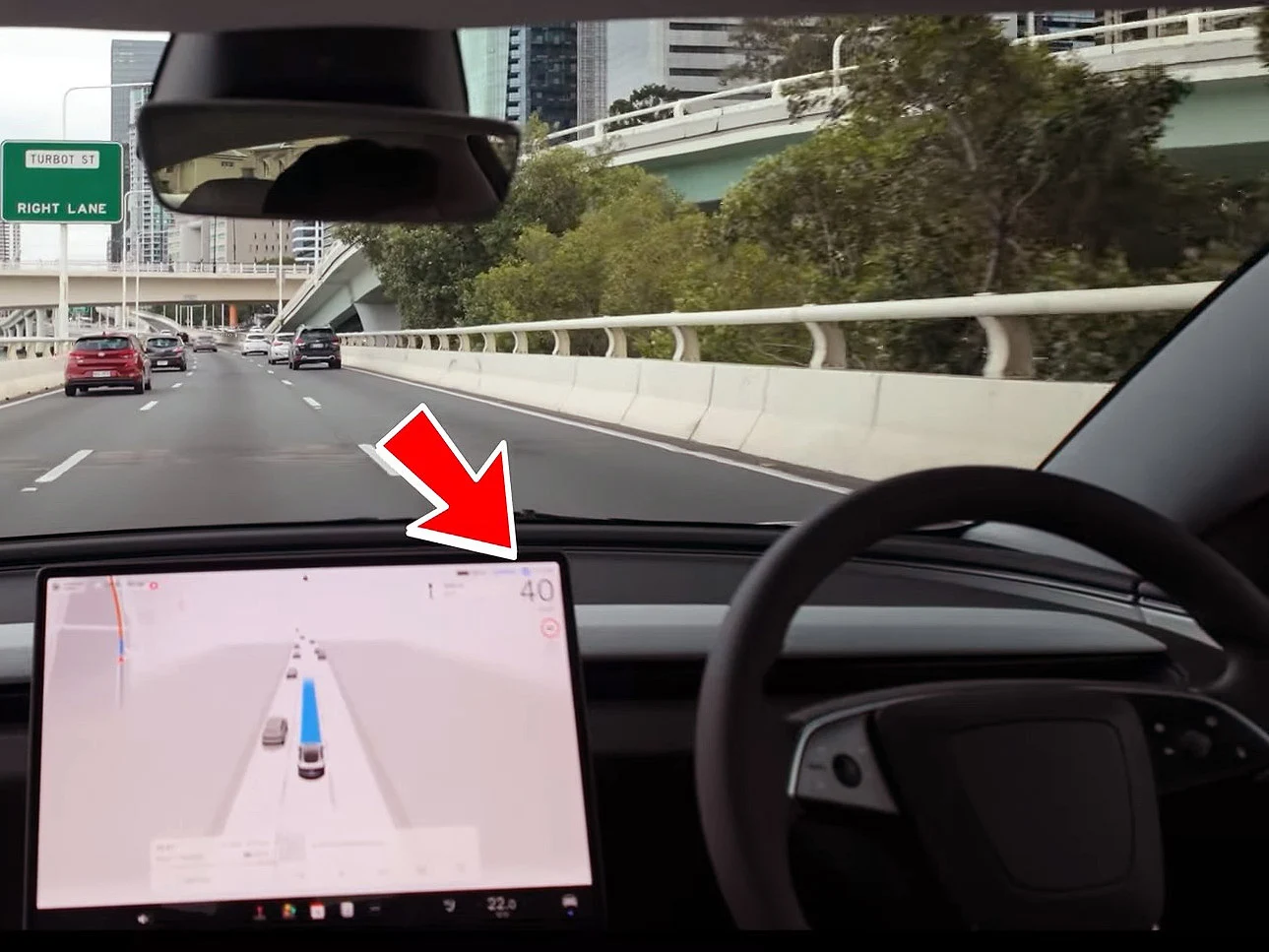
    1. Tesla announced the launch of Full Self-Driving (FSD) features for right-hand drive regions in Australia on August 29.
    2. Initial reviews of FSD 13 have been given to select lifestyle writers and automotive influencers, while regular owners will have to wait for the update.
    3. Only HW4 vehicles, like the Model 3 and Model Y facelifts, will receive the FSD update, with potential future access for HW3 vehicles.
    4. The price for FSD in Australia increased from $AU8,100 to $AU10,100, with no compensation offered to early buyers.
    5. Tesla is offering a 30-day free trial for FSD in Australia and New Zealand, after which customers can purchase the feature at the new price.


    Tesla hinted at a major announcement for its customers in Australia set for August 29, and indeed, when that date arrived, the news was about the launch of the first Full Self-Driving (FSD) feature in right-hand drive regions.

    Exciting Developments

    For several months, the car company has been sharing videos of FSD rides from Australia, eagerly awaiting necessary regulatory approval, which seems to have been granted. Tesla stated that the first FSD RHD release is “coming incredibly soon.”

    Reviews and Updates

    The initial reviews of FSD 13 in Australia were given to both lifestyle writers and various automotive influencers. However, regular Tesla owners in Australia will have to wait a bit longer to receive the Full Self-Driving (Supervised) update.

    Currently, only HW4 vehicles, including the Model 3 and Model Y facelifts, will receive the FSD update in Australia and New Zealand. Tesla has also suggested that HW3 vehicles might eventually gain access to the autonomous driving software.

    Price Changes and Trials

    Tesla considered offering some sort of compensation to Australian customers who bought FSD years ago and have been waiting for its release. Sadly, the compensation comes in the form of a price hike for FSD in Australia, rising from $AU8,100 to $AU10,100, which is quite a jump.

    To promote the FSD launch in Australia and New Zealand, Tesla is providing a 30-day free trial, similar to what they do in the United States.

    After the trial, if Australian Tesla owners are happy with the FSD experience, they can choose to purchase the Full Self-Driving (Supervised) option at the new higher price. Currently, there is no subscription fee for FSD, meaning that direct purchase is the only way to access FSD in Australia for the time being.

    Source:
    Link


  • Tesla Offers Zero Down Model Y Leases on Certified Used Cars

    Tesla Offers Zero Down Model Y Leases on Certified Used Cars

    Key Takeaways

    1. Tesla will gradually discontinue the Model Y APR financing offer, increasing the promotional interest rate from 3.49% to 3.99% due to strong demand.
    2. The final quarter for customers to take advantage of the $7,500 federal tax credit has led to increased deliveries of the Model 3 and Model Y.
    3. To manage preowned inventory, Tesla is introducing affordable leasing options for certified preowned Model 3 and Model Y vehicles.
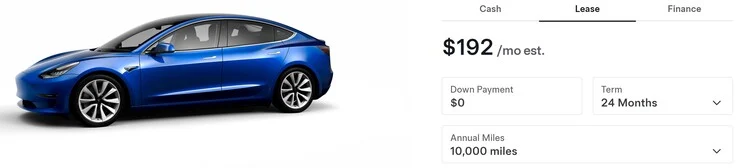
    4. The new leases offer flexible terms of 12 to 24 months with annual mileage options of 10,000 to 15,000 miles and a zero down payment option.
    5. Customers have the option to purchase the leased preowned vehicle at the end of the lease, with some payments as low as $130 per month for Model 3 after a $1,000 down payment.


    Tesla announced it will be slowly discontinuing the Model Y APR financing offer based on demand, raising the promotional interest rate from 3.49% to 3.99%.

    Demand Remains Strong

    With this quarter being the final opportunity for customers to benefit from the $7,500 federal tax credit, Tesla seems to be experiencing robust demand. The Model 3 and Model Y are being delivered quickly, indicating that the company no longer requires the full range of incentives and promotions it introduced back in July, especially after a challenging Q2.

    New Leasing Options

    Despite the strong sales, some customers are choosing to return or upgrade their vehicles after only a few thousand miles. To address the need for clearing out preowned inventory, Tesla is now offering a more affordable option for driving a Model 3 or Model Y by leasing certified preowned vehicles.

    Affordable Lease Plans

    These economical leases for used Model 3 or Model Y models are available for selected inventory in states like Texas and California, allowing customers to choose between 12-month or 24-month lease terms. The annual mileage options are flexible, ranging from 10,000 to 15,000 miles.

    The exciting thing about these leases is that they come with a zero down payment option. This means buyers can take home a certified used Tesla starting at just $192 per month for the Model 3 or $225 per month for the Model Y.

    Purchase Option at Lease End

    Similar to new car purchases, Tesla allows customers to buy the preowned vehicle at the end of their lease. For certain Model 3 units, lease payments can even drop to as low as $130 per month after a modest $1,000 down payment.

    Source:
    Link


  • Tesla Model 3 HW4 Front Camera Retrofit for Parking and FSD 14

    Tesla Model 3 HW4 Front Camera Retrofit for Parking and FSD 14

    Key Takeaways

    1. Tesla will launch FSD version 14 in Q4, featuring ten times the parameters of FSD 13 and fewer driver interruptions.
    2. The Model 3 is receiving a front bumper camera retrofit as part of its 2023 Highland refresh, enhancing parking and auto-parking capabilities.
    3. The absence of a front bumper camera in the initial Model 3 refresh disappointed many buyers, especially after other Tesla models were equipped with this feature.
    4. The front camera feed is expected to be integrated into Tesla’s FSD systems, maintaining consistency across refreshed vehicles.
    5. The MIIT entry suggests that older Model 3 Highland units might have the option for a front camera retrofit, indicating potential future upgrades.


    Tesla is set to launch its FSD version 14 in the fourth quarter, boasting ten times the parameters of the current FSD 13, along with significantly less driver interruptions.

    Model 3 Updates

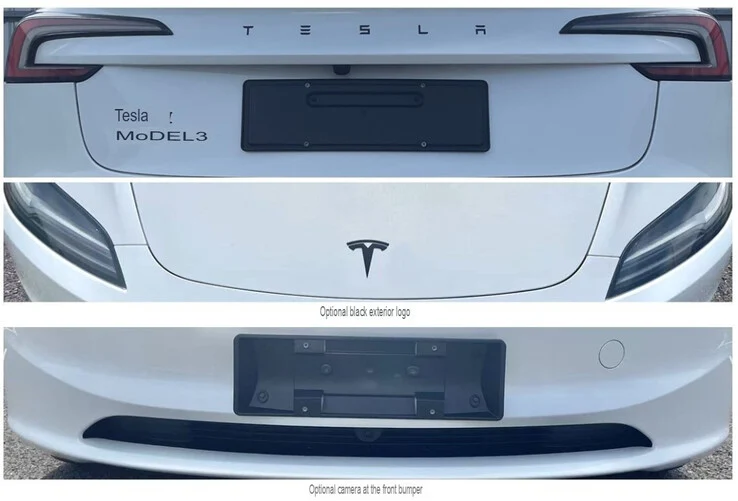
    According to the Chinese MIIT regulatory authority, Tesla is finally adding or retrofitting a front bumper camera to the Model 3. This change is part of the new features that Tesla has filed under the TSL7000BEVAR7 entry in the MIIT database, which pertains to the latest Model 3 Highland refresh that debuted in 2023. Leaked images of the 2024 Model 3 showed that it was equipped with a HW4 front bumper camera, and Tesla even shared teaser promotions highlighting this upgrade on its official site before the launch.

    Driver Concerns

    When the Model 3 refresh was initially launched, the absence of a front bumper camera disappointed many potential buyers, as it complicates parking and auto-parking capabilities. Since then, Tesla has equipped its other models, such as the Model Y Juniper facelift, Cybertruck, and the refreshed Model S and Model X, with front bumper cameras. This left the Model 3 as the only recent Tesla model without this essential HW4 upgrade, which is unfortunate since it not only assists with parking—especially after Tesla removed the USS sensors from the bumper to cut costs—but also supports the Off-Road mode.

    Upcoming Features

    Additionally, there are signs that Tesla is integrating the front camera feed into its FSD systems. Even the Cybercab features one, making it crucial for Tesla to include this in the Model 3 if it aims to maintain uniformity across its refreshed vehicles. Although a front camera might not be critical for the Model 3’s inclusion in the Robotaxi fleet, Tesla tends to be prudent with unnecessary expenses, implying that this feature could be essential for FSD 14. Thus, it seems the company is planning to include it in future production units.

    Regarding retrofitting existing Model 3 facelift units with the HW4 components necessary for Robotaxi service, the MIIT entry mentions an “optional camera at the front bumper,” suggesting that Tesla may also be considering a campaign for older Highland models.

    Source:
    Link


  • Tesla Faces $200M Verdict in Deadly Autopilot Crash Case

    Tesla Faces $200M Verdict in Deadly Autopilot Crash Case

    Key Takeaways

    1. Tesla must pay over 200 million dollars due to a jury ruling related to its Autopilot feature, following a fatal accident in 2019.
    2. The jury found Tesla 33% at fault for the incident, awarding 129 million dollars in compensatory damages and 200 million dollars in punitive damages.
    3. Plaintiffs accused Tesla of overstating Autopilot’s capabilities and hiding critical crash information, which Tesla denies but admits to missing important data.
    4. Tesla plans to appeal the ruling, arguing that the crash could not have been avoided by any car and warning of potential impacts on autonomous driving advancements.
    5. The verdict may lead to more lawsuits against Tesla and could diminish public confidence in the company’s automation claims, as it coincides with preparations for the Robotaxi launch.


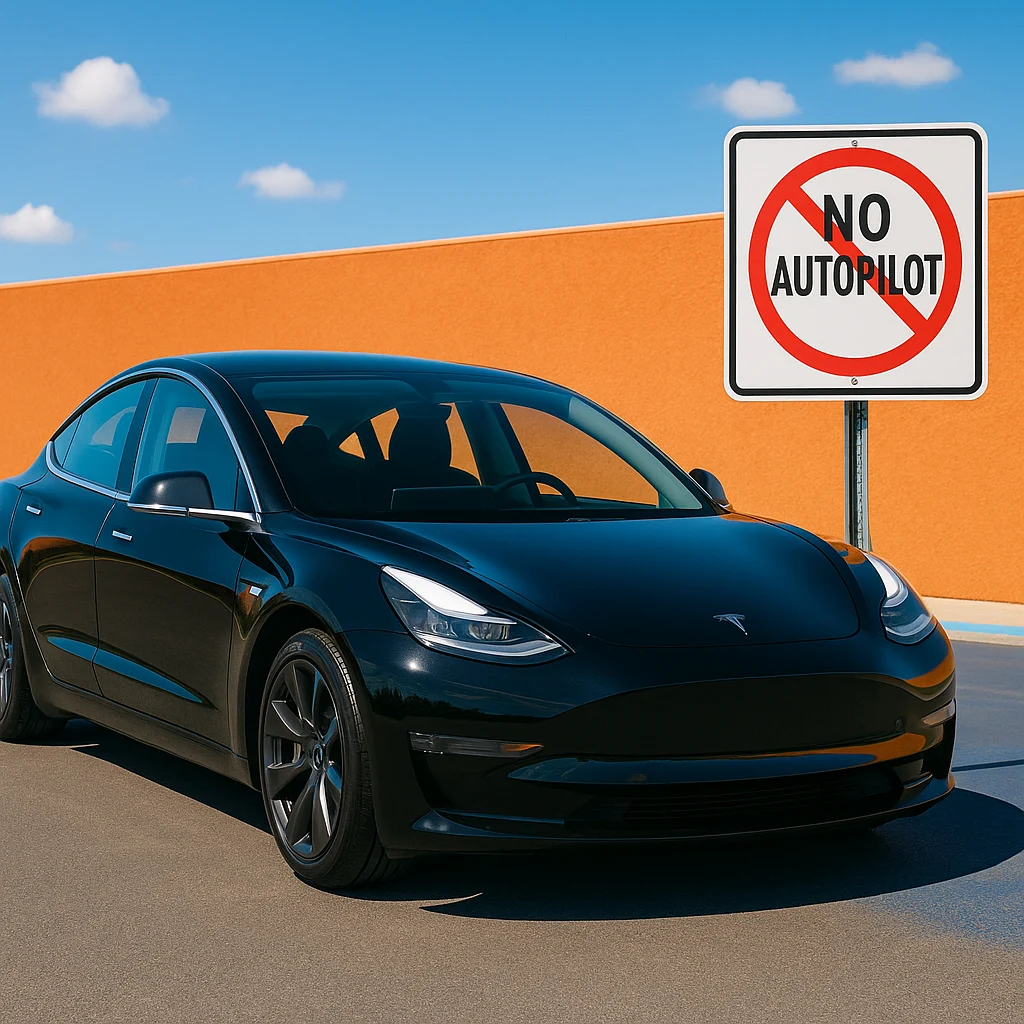
    A jury in Florida has decided that Tesla must pay over 200 million dollars in a significant case related to its Autopilot driver assistance feature. This ruling represents one of the most notable legal setbacks for Elon Musk’s company. The incident in 2019 resulted in the death of 22-year-old Benavides Leon and left her boyfriend with serious injuries after their parked SUV was hit by a Tesla Model 3. The vehicle was driven by a distracted driver who was using the Autopilot system. The jury determined that Tesla was 33% at fault and awarded 129 million dollars in compensatory damages, along with 200 million dollars in punitive damages.

    Accusations Against Tesla

    Lawyers for the plaintiffs claimed that Tesla knowingly overstated the capabilities of Autopilot while hiding important crash information, which was later discovered by a forensic specialist. Tesla has denied any wrongdoing but acknowledged that it had missed critical data, labeling it as a mistake. The company plans to appeal the decision, insisting that “no car” could have avoided the crash and cautioning that the verdict might slow advancements in autonomous driving technology.

    Implications of the Verdict

    This ruling arrives at a time when Tesla is preparing for its Robotaxi launch in the United States. Legal analysts suggest that this case could lead to a surge in similar lawsuits, especially as more troubling internal information comes to light. One attorney referred to this as a “watershed moment” that could change the public’s confidence in Tesla’s claims about automation.

    Source:
    Link

  • Affordable New Tesla Model in Production Before Tax Credits End

    Affordable New Tesla Model in Production Before Tax Credits End

    Key Takeaways

    1. Tesla’s less expensive cars are entering pilot production and quality testing, with a planned release between October and December.
    2. The upcoming budget-friendly model, possibly named Model Z, is expected to be a smaller version of the Model Y.
    3. Tesla may introduce multiple affordable models, including a compact Model Y and a budget version of the Model 3.
    4. The company aims for the lowest monthly lease options, with current leases for Model 3 starting at $299 per month.
    5. The release of the new models is focused on creating a desirable car at a lower price, potentially after the federal tax credits expire.


    The less expensive cars that Tesla has been hinting at for some time are now entering the pilot production and quality testing phase, with a planned release between October and December.

    In a call about the company’s quarterly results, the CFO stated, “we began producing the lower-cost model as we scheduled in the first half,” indicating that Tesla is actively working on and testing its most affordable vehicle yet.

    Naming the New Model

    Originally known as the Model 2 or Model Q, Tesla’s upcoming budget-friendly car might actually be named Model Z. This new model is expected to be a smaller, less expensive version of the well-liked Model Y crossover SUV.

    Lars Moravy, the chief engineer, confirmed that these more affordable Tesla models have been in production aimed at quality validation since June, and will be announced in the fourth quarter. This is also when production will increase, as Tesla is currently prioritizing the output of Model Y and Model 3 units that meet the federal tax credit criteria before it ends on September 30, 2025.

    More Than One Model?

    Interestingly, Lars mentioned “new, more affordable models” as a plural term. The speculation is that Tesla might introduce a compact version of the Model Y with simpler features and a smaller battery, along with a budget option of the Model 3 based on the cloth-seated version they have been selling intermittently, hence the use of plural.

    Regarding pricing, Moravy noted in the Q1 earnings call that they aim for the lowest monthly lease option available, as most customers in the U.S. are looking to lease cars. Presently, leases for the Model 3 begin at $299 per month, but this includes the tax credit.

    Commitment to Affordability

    Tesla’s engineering head expressed that they are postponing the release of the more affordable Tesla models “just to create a car that everyone loves and wants at a lower price.” However, the timing of the release of the Model 2/Q/Z, or whatever it may be called, after the tax credits run out, may not solely be about enhancing the customer experience.

    Source:
    Link

  • Tesla Model 3 Hits 3 Million Sales, World’s Top Electric Sedan

    Tesla Model 3 Hits 3 Million Sales, World’s Top Electric Sedan

    Key Takeaways

    1. Tesla Model 3 was launched in 2016 to provide budget-friendly electric vehicles, with over three million units sold since 2017.
    2. The Model 3 has been the world’s leading battery-electric sedan for seven years, with a new unit delivered every 90 seconds.
    3. Attractive financing options include zero-interest loans in China and 0% APR offers in the US with Full Self-Driving purchase.
    4. Recent updates to the Model 3 include the “Highland” version with improved design and increased driving range.
    5. A new Model 3 Plus in China features a higher-capacity battery for enhanced range, alongside a new Model Y L with three rows of seating.


    Tesla introduced the Model 3 back in 2016, aiming to create more budget-friendly electric vehicles (EVs). Since then, the company has made great strides, with over three million units of this electric sedan sold since production kicked off in 2017.

    A Record-Breaking Sedan

    Per a Weibo post from Tesla China (translated via Google Translate), the Model 3 continues to be the world’s leading battery-electric sedan, holding this position for an impressive seven years. It has become the epitome of mass-market EVs, with a new Model 3 being delivered every 90 seconds.

    Attractive Financing Options

    The post also highlights financing opportunities for the Model 3 in China, offering zero-interest loans for a period of five years, starting at just RMB 2,460 monthly. In the US, Tesla is running a similar deal, providing 0% APR for up to 60 months, although this is only available with the purchase of Full Self-Driving (FSD).

    Recent Updates and Variants

    Tesla has rolled out several updates for the Model 3, the most recent being the “Highland” version, which features a more stylish font and sleeker headlights. These aerodynamic changes have also led to a slight increase in the driving range.

    In addition, Tesla has introduced a Model 3 Plus in China, which comes equipped with a higher-capacity NMC battery from LG, potentially enhancing the EV’s driving range considerably. This was revealed alongside a new Model Y L that offers three rows of seating.

    In conclusion, Tesla continues to innovate and dominate the EV market with its Model 3 and related offerings.

    Source:
    Link

  • Grok AI Now Available in Tesla Vehicles with Latest Update

    Grok AI Now Available in Tesla Vehicles with Latest Update

    Key Takeaways

    1. Tesla’s latest software update (2025.26) introduces Grok AI to vehicles with AMD processors, still in beta testing.
    2. The update includes new features like Accent lights that sync with music, available on select models.
    3. Users can create and save multiple presets for audio settings and enjoy enhanced Dashcam Viewer functionalities.
    4. Improved charging information is provided, including details on valet services and parking options at charging locations.
    5. An Onboarding Guide is now available to help new Tesla owners navigate their vehicle’s features.


    The lines between Elon Musk’s various companies are becoming increasingly indistinct as another product makes its way across different business boundaries. Tesla has just rolled out a software update that introduces the well-known Grok AI to the extensive list of intelligent features present in its cars.

    Software Update Details

    Per the official Tesla account on X, the update 2025.26 brings Grok to vehicles in the US that feature AMD processors. This feature is still in beta testing, meaning drivers can’t use it for vehicle control, and it doesn’t interfere with current voice commands.

    To access the new AI functionality, users must have Premium Connectivity or a WiFi connection.

    About Grok and Other Features

    Grok was created by xAI and made its debut in 2023. It has been integrated into X, significantly improving its ability to perform real-time searches.

    While Grok is certainly a highlight, it isn’t the only feature included in update 2025.26. The update also brings Accent lights (Light Sync) that can react to music. Users can create a more immersive experience by syncing the lights with the colors of an album. This feature is available only on the latest Model 3, Model Y, and the 2026 editions of Model S, Model X, and Cybertruck.

    Additional Functionalities and User Experience

    The software update also enables the creation and saving of multiple presets tailored to users’ listening habits in the settings. Furthermore, Tesla has enhanced the Dashcam Viewer app by adding zooming features and options to adjust playback speed. For Cybertruck users, a grid view is now available, making it simpler to access and review recordings.

    Another important aspect of this update is the improved information regarding charging at different locations. Drivers can now see which charging spots require valet services or pay-to-park options directly in the charger list. Additionally, they will receive notifications with details such as access codes, parking limitations, level or floor information, and restroom availability.

    Onboarding Assistance for New Owners

    Lastly, Tesla has introduced an Onboarding Guide designed to assist new Tesla owners in getting accustomed to their vehicles. This guide provides a quick overview of how to adjust settings, control lights, manage wipers, and use Autopilot, among other features.

    Source:
    Link

  • Tesla Q2 2025: 384,000 Vehicle Deliveries, 13.5% YoY Decline

    Tesla Q2 2025: 384,000 Vehicle Deliveries, 13.5% YoY Decline

    Key Takeaways

    1. Tesla’s Q2 2025 deliveries dropped by 13.5% compared to Q2 2024, with 384,136 vehicles delivered.
    2. The Model 3 and Model Y accounted for 96.73% of production and 97.3% of sales in Q2 2025.
    3. Competition from Chinese EV manufacturers, especially BYD, is increasing, with BYD leading global EV production.
    4. Tesla launched its Robotaxi and reached 70,000 Supercharger stations last month.
    5. Tesla’s first lithium iron phosphate (LFP) cell manufacturing facility in Nevada is nearing completion.


    Tesla’s second quarter results for 2025 indicate a 13.5% drop compared to the 444,956 deliveries recorded in the same period of 2024. When it comes to production numbers, the change is slight — the manufacturer made 410,831 vehicles in Q2 2024 versus 410,244 in Q2 2025.

    Model 3 and Model Y Dominate Sales

    In Q2 2025, the Model 3 and Model Y were the stars of Tesla’s production, representing 96.73% (396,835) of all vehicles produced and 97.3% (373,728) of total sales. This marks an increase of about 1.5% in their share compared to the first quarter of the year, when they contributed to 95.15% of production and 95.59% of sales.

    Facing Tough Competition

    Amid the political challenges surrounding Tesla and Elon Musk, the company is battling tough competition from a rising number of Chinese electric vehicle manufacturers, particularly BYD. Last year, BYD overtook Tesla to become the world’s leading EV producer, with over 4 million vehicles made.

    Recent Developments

    Despite these challenges, Tesla made headlines last month with the introduction of Robotaxi, its first auto-delivery vehicle, and reached the milestone of 70,000 Tesla Superchargers. Additionally, the firm revealed that its first lithium iron phosphate (LFP) cell manufacturing facility in Nevada is nearing completion.

    Source:
    Link


  • Tesla Canada Offers Free Supercharging with Model 3 Purchase

    Tesla Canada Offers Free Supercharging with Model 3 Purchase

    Key Takeaways

    1. Tesla is offering one year of free Supercharging with the purchase of a new Model 3 to boost declining sales in Canada.
    2. The Model 3 and Model Y are Tesla’s bestsellers, but sales have been negatively impacted by higher prices due to tariffs and changing perceptions of Elon Musk.
    3. The promotion includes a 3-month FSD trial for Model 3 purchases delivered by June 30, 2025.
    4. Free Supercharging is only available for new Model 3 vehicles and cannot be transferred or applied to used cars or commercial vehicles.
    5. The starting price of CA$82,600 for a Model 3 after tariffs may limit the effectiveness of the promotion in attracting buyers.


    Tesla has recently introduced free Supercharging for a vehicle that hasn’t seen this offer much before, even though the deal was just found in its app code.

    Marketing Tactics in Response to Sales Decline

    With a significant decrease in sales in Canada, Tesla’s marketing team has decided to provide free Supercharging for a year with the purchase of each Model 3. This move hints at the potential reasons behind the weak sales figures that will be revealed in their Q2 report.

    Bestsellers Under Pressure

    The Model 3 and Model Y are the top-selling cars for Tesla and generate most of its income. The Model Y received an update launched in Q2, but the higher prices of Tesla cars in Canada because of tariffs, along with the changing public perception of Elon Musk’s political views, may have negatively impacted the Model 3.

    New Offers for Customers

    This situation might explain why Tesla is now offering a 3-month FSD trial alongside a year of free Supercharging for any Model 3 purchased and delivered by the end of the quarter, specifically June 30.

    To be eligible for one year of free Supercharging, customers must order a new Model 3 and have it delivered by June 30, 2025. Tesla does not ensure availability or delivery by that date and will not make exceptions. The promotion is linked to your Tesla Account and cannot be transferred to another vehicle, person, or order, even if ownership changes. Used cars, business orders, and vehicles used for commercial purposes (like taxis, rideshares, and delivery services) are not included in this deal.

    Restrictions on the Promotion

    The free Supercharging offer for the Model 3 is only available for new vehicles, including those in its inventory that are still at pre-tariff prices.

    Sadly, the starting price of CA$82,600 for a Model 3, which applies to deliveries after tariffs, isn’t very attractive for sales, so it remains uncertain how many Tesla enthusiasts in Canada will be swayed by the free charging promotion.

    Source:
    Link


  • Tesla Launches Monthly Windshield Protection Plan in the US from $12

    Tesla Launches Monthly Windshield Protection Plan in the US from $12

    Key Takeaways

    1. Tesla has introduced a Windshield Protection plan starting at $12 a month in the US.
    2. The plan covers one complimentary front windshield replacement per year, unlimited chip and small crack repairs, and camera system recalibration.
    3. The subscription costs vary: $12/month for Model 3 and Model Y, $15 for Model S, and $23 for Model X.
    4. Tesla owners can sign up via the mobile app within 30 days of vehicle purchase; existing owners can join starting later in July after a service center check.
    5. The plan does not cover damages from vandalism, accidents, or acts of nature; windshield replacement can cost over $1,000.


    Windshield damage can really hit your wallet hard, especially if you have to get a new one. But Tesla has quietly introduced a new product to help ease the worries of their customers. They now provide a Windshield Protection plan that starts at just $12 a month in the US.

    Pricing Details

    For the Model 3 and Model Y, you can protect your windshield for only $12 a month, while the Model S costs $15. If you own a Model X, the subscription is available for $23. Currently, there’s no information available regarding the Cybertruck.

    Coverage of the Plan

    This new protection plan includes one complimentary front windshield replacement within a year (note that rear window glass is not included). It also takes care of unlimited chip and small crack repairs, plus it recalibrates the camera system for Autopilot and Full Self-Driving (FSD). Customers can opt for additional windshield replacements by paying $100 for each extra incident.

    Subscription Process

    Tesla owners can sign up for this plan via the company’s mobile app. However, they must enroll within 30 days after receiving their new or used vehicle. Existing Tesla owners will be able to join starting later in July, but their vehicles will need to be checked at a service center first. There’s no long-term commitment needed, so you can cancel the subscription whenever you want.

    As a point of reference, replacing a windshield on a Tesla can cost over $1,000. Tesla emphasizes that this plan does not cover damages caused by vandalism, accidents, or acts of nature.

    Source:
    Link