Tag: electric vehicles

  • BYD Spins Off Electric Taxi Unit Linghui Offers $2,300 Free Charging

    BYD Spins Off Electric Taxi Unit Linghui Offers $2,300 Free Charging

    Key Takeaway

    1. BYD is outsourcing commercial EV models to its new sub-brand Linghui to differentiate from its consumer vehicles and maintain brand prestige.
    2. The Linghui e7 features advanced technology, including the Blade Battery and Flash Charging System, enabling rapid charging in just nine minutes.
    3. The company offers aggressive pricing and incentives, such as a year of free charging, to attract ride-hailing drivers and compete in China’s EV market.
    4. The move aims to protect BYD’s core brand image while ensuring profitability in its commercial vehicle segment amidst intense market competition.

    Introduction to BYD’s Electric Vehicle Strategy in China

    When you hail a ride in China nowadays, it’s very likely that the vehicle is an all-electric BYD. While this fact shows how successful the brand’s EVs are, it’s also starting to create some complications for BYD. The problem is, when a car brand gets linked with affordable taxis, it can unfortunately reduce its appeal to private customers. That’s making BYD rethink how to position their electric models in the market and maintain their prestige.

    Market Challenges and Brand Realignment

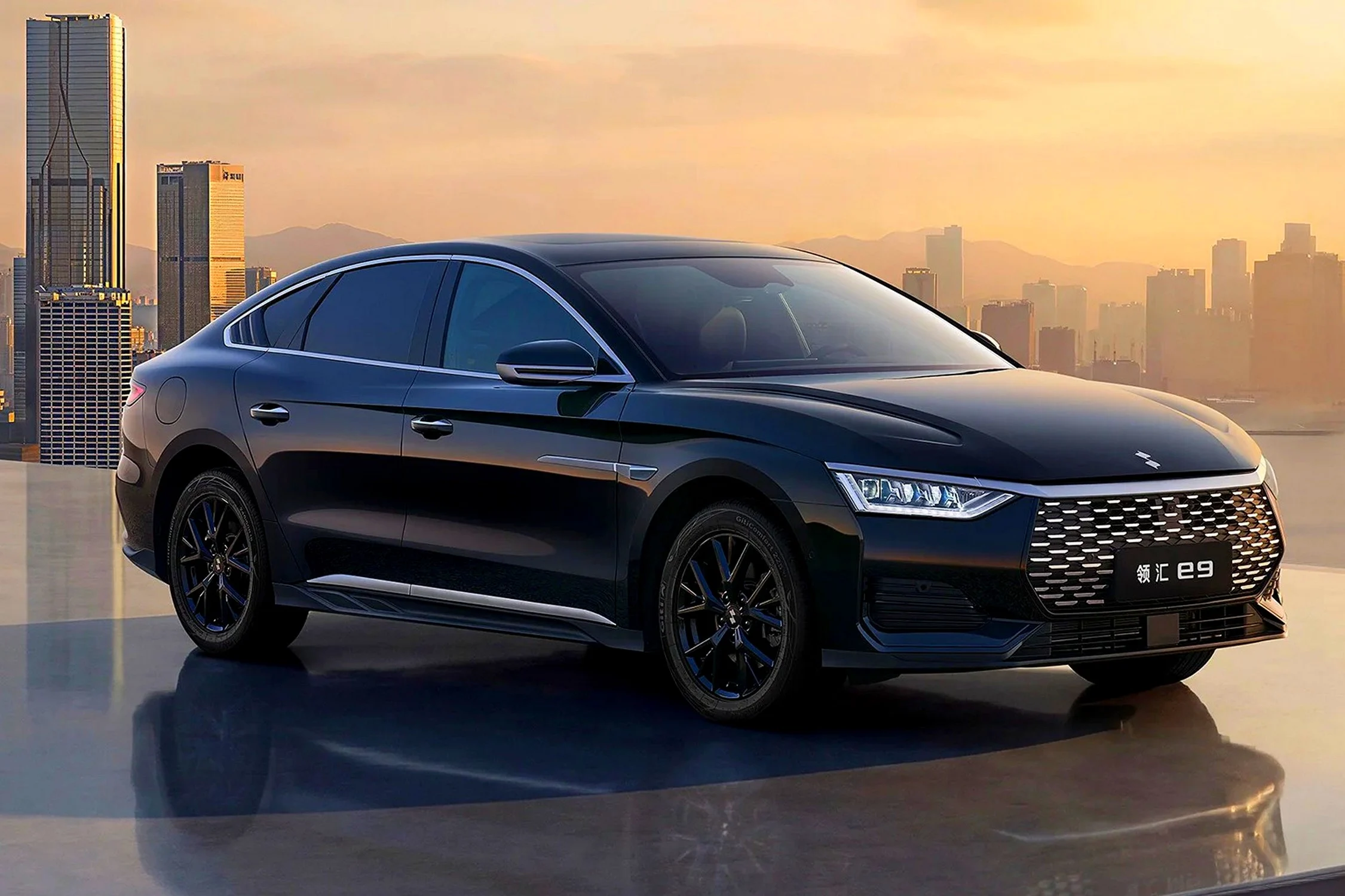
    Other electric car brands such as GAC Aion and Neta already faced shrinking sales as they became too intertwined with commercial use, and now BYD is tackling this by launching a new sub-brand called Linghui. This move is strategic: they are rebranding their commercial electric vehicles under this new label, aiming to separate the taxi fleet from their premium offerings. By doing this, it helps to sustain the image of BYD’s more luxury-oriented and private vehicles, while still catering to commercial needs.

    New Electric Models and Innovations

    • The electric models under Linghui include the e5, e7, and e9 sedans, as well as the M9 plug-in hybrid van.
    • The spotlight is on the Linghui e7, which measures 4.78 meters in length.
    • This vehicle features the second generation Blade Battery and the cutting-edge Flash Charging System that charges from 10 to 97% in just nine minutes — truly impressive.

    Pricing and Incentives in the Chinese Market

    BYD is pulling out all stops to make Linghui attractive in the fiercely competitive Chinese market. They offer an appealing package: buyers of the E7 receive not just the latest tech but also a year of free charging at all Linghui and Didi stations. For drivers with an annual mileage of around 100,000 km, which is typical in ride-hailing, this benefit could save about 16,000 yuan, roughly 2,300 dollars. This significant saving makes the vehicle more profitable for drivers, boosting its appeal.

    Network Expansion and Market Impact

    The charging infrastructure for Linghui models is well-established, covering 127 cities across China. This extensive network supports the strategic move to promote electric taxis while safeguarding the core BYD brand’s image for private customers. In addition, the approach ensures the fleet remains highly profitable for operators and drivers alike. As for international markets, discussions on customs tariffs are still ongoing, but China’s electric vehicle industry clearly demonstrates just how cutthroat this sector has become.
    Sources

  • Electric Car Prices Rise Due to Chip and Material Costs

    Electric Car Prices Rise Due to Chip and Material Costs

    Key Takeaways

    1. Rising production costs for electric vehicles (EVs) have increased by $1,400 due to high memory chip prices and geopolitical issues affecting material costs.
    2. Battery-grade lithium carbonate prices have surged, with copper and aluminum costs also climbing, significantly impacting EV production expenses.
    3. While memory manufacturers like Samsung may benefit, EV makers like Tesla may need to raise vehicle prices due to escalating battery and chip costs.
    4. An influx of affordable used EVs from expiring leases may offer consumers a better option amidst rising new car prices, which have surpassed $55,000.
    5. The depreciation of electric vehicles, particularly the Tesla Model Y, and improved battery warranties may lead consumers to favor used EVs over new models.


    The high prices of memory chips and processing units, along with the increasing costs of lithium carbonate and the metals required for their components and batteries, are set to significantly impact the production of new electric vehicles.

    Chip Prices and Rising Costs

    NIO’s chairman reports that the cost to produce electric vehicles has risen by $1,400, as AI data centers are consuming a majority of the memory and processing chips, driving prices up. Additionally, geopolitical issues affecting energy and metal markets are also pushing material costs higher.

    Continuous Price Increases

    This situation adds to the ongoing surge in battery-grade lithium carbonate prices we’ve seen in recent months. The prices of copper and aluminum are climbing daily due to geopolitical strife, with almost half of the rise in EV production costs attributed to the doubling or tripling of chip prices in recent weeks.

    Impact on Electric Car Companies

    This might be advantageous for memory manufacturers like Samsung, but for electric vehicle makers such as Tesla, the escalating costs of batteries, chips, and materials could compel them to raise vehicle prices.

    In the United States, the inflation in manufacturing costs coincides with the expiration of many Tesla leases, leading to an influx of more affordable electric cars. About 300,000 EVs will soon be available as they exit their three-year leases and reach dealer lots. Meanwhile, the average price for a new car in the US has exceeded $55,000 for the first time, with the Tesla Model Y experiencing a 47% depreciation rate by mid-2025.

    Consumer Choices and Market Dynamics

    Given the sharp decline in resale values of electric vehicles compared to traditional gasoline-powered cars, buyers might prefer a used EV in the $20,000-$30,000 range, especially with rising gas prices, rather than purchasing a new electric vehicle or a used internal combustion engine (ICE) model like a RAV4, which has maintained its resale value better.

    Battery technology is becoming more dependable in terms of longevity, and Tesla is now offering a 10-year warranty on the Model Y battery for an additional price, making used electric vehicles an attractive option. However, combined with the rising factory costs, a more active second-hand market could challenge new Tesla sales—particularly if the company faces the tough choice of hiking prices or absorbing the increased costs.

    Source:
    Link


  • Tesla’s Regulatory Credit Revenue to Drop as EV Fuel Factor Multiplier Cut

    Tesla’s Regulatory Credit Revenue to Drop as EV Fuel Factor Multiplier Cut

    Key Takeaways

    1. The White House canceled a regulation allowing car manufacturers to exaggerate electric vehicle fuel efficiency using the fuel content factor (FCF).
    2. Electric vehicles must now report their actual fuel efficiency, significantly lowering their reported mpg ratings.
    3. Traditional automakers will have less pressure to produce electric vehicles, while Tesla may face revenue declines from energy credits.
    4. Tesla’s reported efficiency for vehicles like the Model Y will drop, impacting its Corporate Average Fuel Economy (CAFE) credits.
    5. The Biden administration’s removal of the FCF was immediate, contrasting with previous plans for it to expire in 2030, amid ongoing changes to fuel efficiency standards.


    The White House has recently canceled a regulation that permitted car manufacturers to exaggerate the actual fuel efficiency of electric vehicles (EVs) in their inventory using the fuel content factor (FCF).

    Changes in Fuel Economy Reporting

    This multiplier was included in the Corporate Average Fuel Economy (CAFE) standards and allowed electric vehicles to be counted as contributing significantly more to the fleet’s overall fuel efficiency than they actually do. The intention behind this rule was to motivate automakers to increase the number of electric vehicles they produced.

    Consequently, manufacturers will now have to report an EV that had a 200 mpg CAFE rating at its true fuel efficiency, which is around 30 mpg, similar to gasoline vehicles.

    Impact on Automakers

    For traditional car manufacturers, this adjustment will markedly relieve the need to focus on producing more electric cars over gasoline-powered ones. For Tesla, the elimination of the FCF could lead to a significant decline in revenue from energy credits in 2026, as its electric vehicles will revert to their normal MPGe ratings when calculating overall fleet efficiency.

    The CAFE petroleum equivalency factor multiplier has been established at 1/0.15, or approximately 6.667, since the beginning of the electric vehicle era. This means that Tesla must now report the Model Y Long Range AWD efficiency at its EPA estimate of about 135 MPGe combined, instead of the nearly 900 MPGe that was allowed under the FCF rule.

    Consequences for Tesla’s Revenue

    This inflated figure enabled Tesla to gather additional CAFE credits for every Model Y sold, which it could then sell to other automakers needing to meet compliance standards. As a result, its Corporate Average Fuel Economy count is set to decline sharply, reducing the number of excess energy credits available as revenue. In 2025, Tesla’s earnings from regulatory credits were still more than half of its total $3.8 billion net profit, even with a decline in vehicle sales, so the removal of the FCF could have serious implications for its financial performance in 2026.

    The Biden administration had initially planned for the FCF to expire in 2030, but it has now been removed immediately. Additionally, the Trump administration is working on significantly lowering fuel efficiency standards from the targeted 50.4 mpg in 2031 to just 34.5 mpg, which may also decrease the demand for regulatory credits from traditional automakers.

  • Xiaomi Adds China’s Cheapest 1500 HP Car to Gran Turismo PS5

    Xiaomi Adds China’s Cheapest 1500 HP Car to Gran Turismo PS5

    Key Takeaways

    1. Xiaomi’s SU7 Ultra is the first Chinese vehicle in Gran Turismo, showcasing its growing electric vehicle market.
    2. The SU7 Ultra features a tri-motor system with 1,548 horsepower, making it a top contender in the racing game.
    3. It outperforms the Bugatti Chiron in its category despite being significantly cheaper at around $73,000.
    4. The SU7 Ultra is claimed to be the fastest four-door sedan in mass production, reaching speeds of 350 km/h (217 mph).
    5. Gran Turismo 7 players can now race with the SU7 Ultra, marking a potential shift towards more electric vehicles in racing games.


    Phone manufacturer Xiaomi has developed the first-ever Chinese vehicle to join the Gran Turismo garage. The racing simulator collaborated with Xiaomi, which has seen its emerging electric vehicle (EV) business grow five times quicker than Tesla, to integrate the handling of its SU7 Ultra supercar into the game.

    Discounted Gran Turismo 7

    In Gran Turismo 7, currently available on Amazon for the PS5 at a 39% discount, the Xiaomi SU7 Ultra is positioned in one of the top two categories. With a tri-motor system generating 1,548 horsepower, it falls just 52 HP short of the five hypercars in this famous racing game series.

    Competing with the Best

    However, it takes the lead in its category on Gran Turismo, surpassing the 1,479 HP Bugatti Chiron to claim the top position, even though it is priced at about $73,000 compared to the Chiron’s three-million-dollar tag. The Bugatti struggles to match the swift acceleration of the electric powertrain, and the Xiaomi SU7 Ultra even outperforms other EVs in its price range, such as Tesla’s Model S Plaid, in drag racing.

    A New Era for Electric Vehicles

    Xiaomi also claims that the SU7 Ultra is the fastest four-door sedan in mass production, capable of achieving speeds of 350 km/h (217 mph). Offering this vehicle in the $70,000-$80,000 price range is a fresh addition to the Gran Turismo lineup, where vehicles boasting 1,500+ HP usually come with million-dollar price tags.

    Players of Gran Turismo 7 can now race with the first Chinese car ever featured in the game, and its electric nature might signal future trends. Reports indicate that Sony is looking to add BYD’s 2025 U9 Extreme to Gran Turismo as well. This car, with over 3,000 HP, has now been recognized as the fastest in the world, reaching a top speed of 308 mph, dethroning Bugatti from its long-held position.

    Source:
    Link


  • Electric BMW M3: Quad Motors, 100kWh Battery, Launch in 2027

    Electric BMW M3: Quad Motors, 100kWh Battery, Launch in 2027

    Key Takeaways

    1. BMW’s future electric M models, including the M3, will debut in 2027 with advanced technology and design features.
    2. A central control unit will manage all drivetrain and chassis systems, enhancing data processing speed.
    3. Smart software will replace traditional mechanical differentials, managing torque distribution across four motors.
    4. The electric M3 will feature a decoupled front axle for rear-wheel-drive operation, improving efficiency for long drives.
    5. There is strong demand for performance vehicles, leading to potential plans for an electric M3 Touring version in select markets.


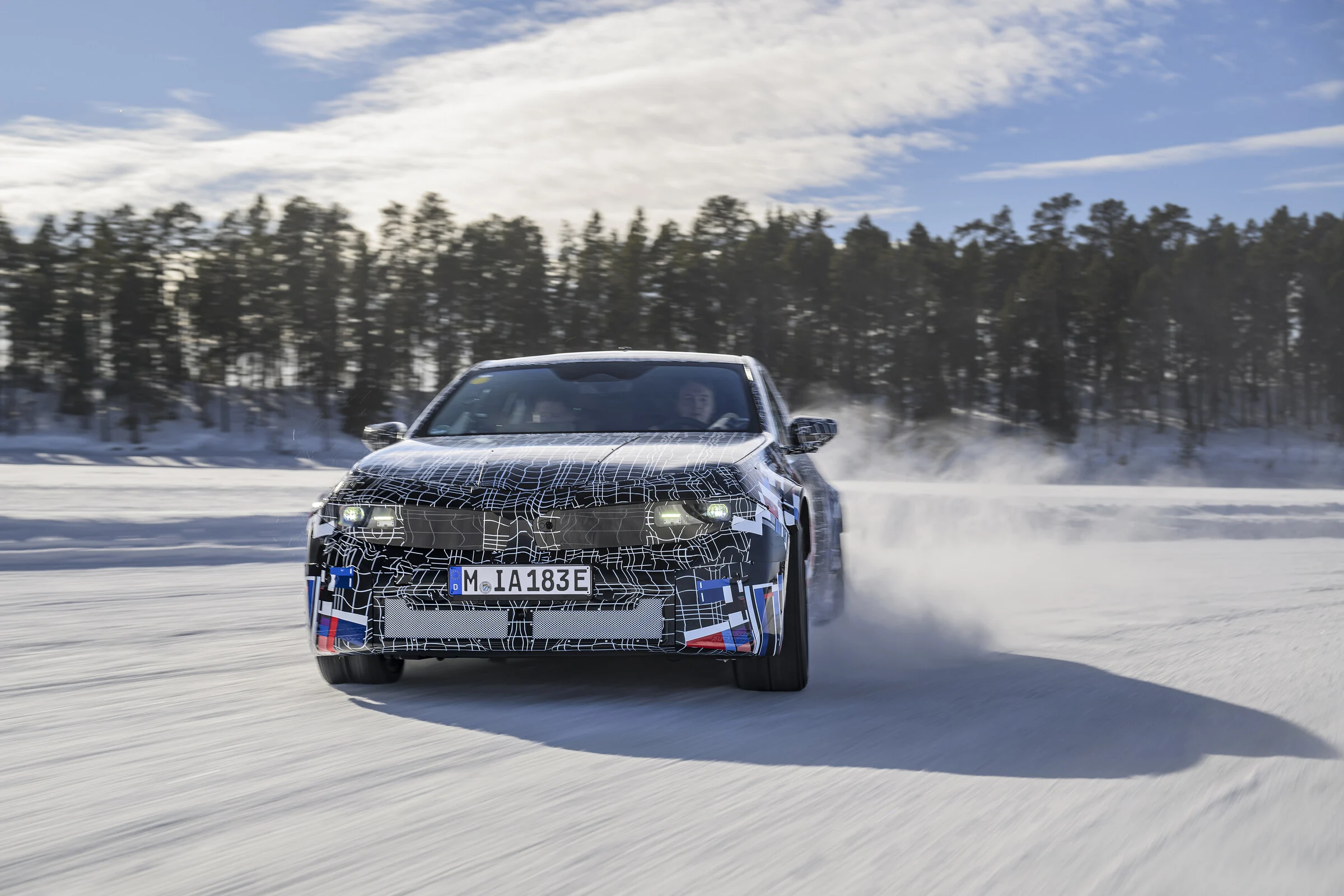
    BMW has shared more details about the design of its future fully electric M models, set to debut in 2027. Central to this new architecture is a control unit that oversees all drivetrain and chassis systems, significantly speeding up data processing compared to what we have today. Instead of using a traditional mechanical differential, smart software will manage torque distribution across the four motors. Additionally, BMW plans to include simulated gear shifts and a unique sound that mimics that of internal combustion engines.

    Electric M3 Overview

    The forthcoming electric M3 is not just an enhanced version of the BMW i3 sedan; it’s a high-performance vehicle that undergoes significant modifications. One of the standout features is the ability to decouple the front axle, allowing the car to operate as a traditional rear-wheel-drive vehicle with just a button press. This feature is designed to boost efficiency for long-distance driving and may attract drivers who prefer this setup. However, it’s important for potential buyers to remember that the electric M3 will be sold alongside the existing combustion-engine variant, which is likely to be available for several more years with the S58 inline-six engine. Thus, those interested in cutting-edge technology might prefer to wait until the electric model launches in 2027. For enthusiasts, the current BMW M3 (G80/G81) will still be available.

    Market Trends and Future Plans

    Recent sales data underscores the importance of performance vehicles that can still be used in everyday life. For instance, the demand for the BMW M3 Touring (G81) soared by 57% in 2024. Given this trend, it’s very possible that BMW will introduce a Touring version of the electric M3 in select markets, including Germany.

    Source:
    Link


  • Ford Halts F-150 Lightning Production Due to Low EV Demand

    Ford Halts F-150 Lightning Production Due to Low EV Demand

    Key Takeaways

    1. Ford has halted production of the electric F-150 Lightning due to ongoing losses and limited demand for electric trucks in the U.S.

    2. Initial excitement for the F-150 Lightning has waned, with decreasing sales attributed to higher costs and challenges like charging infrastructure.

    3. The electric vehicle division has faced billions in losses, prompting Ford to cut expenses, lower production targets, and delay upcoming projects.

    4. Ford is shifting focus to hybrid vehicles, which are experiencing steady demand and more predictable profits compared to fully electric models.

    5. Changes in federal incentives and policy uncertainty have complicated the electric vehicle market, affecting planning and pricing for automakers.


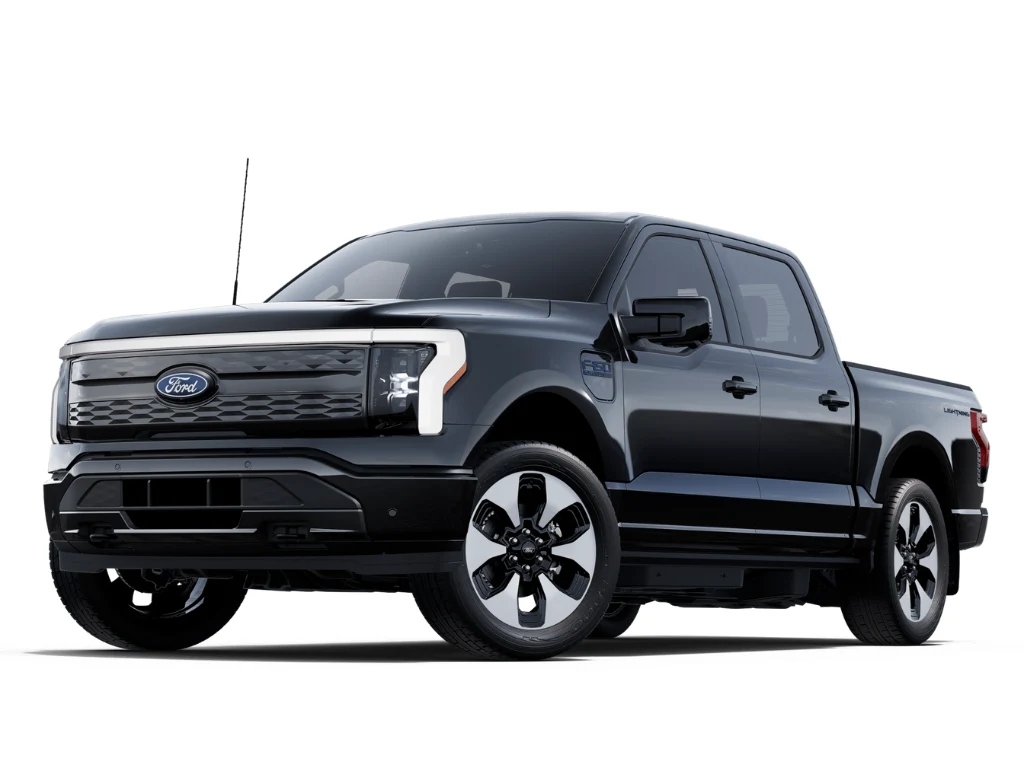
    Ford has stopped making its electric F-150 Lightning pickup truck due to ongoing losses in its electric vehicle unit and the limited demand for electric trucks in the U.S.

    Initial Interest and Current Slowdown

    The F-150 Lightning was launched as the electric version of Ford’s top-selling pickup truck. While there was significant excitement initially, sales have decreased since then. Electric pickups typically cost more than their gasoline counterparts and encounter numerous challenges, such as charging infrastructure and driving range. These factors can be problematic for customers who rely on trucks for towing or traveling long distances.

    Financial Struggles and Strategic Shifts

    Ford’s electric vehicle division has faced billions in losses over the past year. In response, the company has been cutting expenses, lowering production targets, and postponing some upcoming electric vehicle projects. Executives at Ford have acknowledged that the uptake of EVs is happening slower than anticipated. As part of a new approach, Ford is placing greater emphasis on hybrid vehicles, which are seeing consistent demand. This trend suggests that profits are more predictable in the short run compared to fully electric models.

    Impact of Policy Changes

    Additionally, changes in policy have influenced the electric vehicle market. The decrease in federal incentives for electric vehicles during President Donald Trump’s administration has diminished consumer incentives that previously helped balance out higher buying costs. Automakers have indicated that uncertainty regarding long-term policy support has made planning and pricing more challenging.

    Even with the halt in production, Ford emphasizes that it is not leaving the electric vehicle sector altogether. The company will continue to develop future electric vehicle platforms while evaluating production numbers and timing for launches.

    Source:
    Link


  • Xiaomi Shifts Focus as Lei Jun Celebrates Highway Battery Test Success

    Xiaomi Shifts Focus as Lei Jun Celebrates Highway Battery Test Success

    Key Takeaways

    1. Xiaomi has quickly turned a profit in the electric vehicle (EV) market, achieving this in just two years compared to Tesla’s decade-long journey to profitability.

    2. Recent battery efficiency tests show Xiaomi’s vehicles, like the SU7, are performing close to Tesla’s, with notable results in energy consumption.

    3. Xiaomi’s SU7 achieved an efficiency of 22.5 kWh per 100 km, while Tesla’s Model 3 was the most efficient at 20.8 kWh per 100 km.

    4. CEO Lei Jun believes that Chinese EV brands, including Xiaomi, are now on par with Tesla in terms of features and specifications but at lower price points.

    5. The competition in the EV market is increasing, with local brands showing confidence and striving for improved energy efficiency and overall vehicle performance.


    Xiaomi has emerged as a new contender in the electric vehicle (EV) market, taking on Tesla not just in vehicle features but also in sales and profitability.

    It took Xiaomi only two years to turn a profit from its EV segment last quarter, a stark contrast to Tesla, which required a decade before it could report a profitable quarter. Of course, Tesla was the first to bring electric vehicles into the spotlight, which made it a bit easier for Xiaomi, and CEO Lei Jun acknowledges that they have learned valuable lessons from Tesla.

    Testing Results Show Efficiency

    A recent test of popular electric vehicles on battery efficiency showed that Xiaomi’s cars are close to Tesla’s performance. The Autohome test was carried out at a steady speed of 120 km/h, with the same weight and cabin temperature for all vehicles involved.

    This test is quite demanding for electric cars, as they usually perform better in city driving than on highways. The Tesla Model 3 achieved the best efficiency, consuming 20.8 kWh of battery for every 100 km, equating to around three miles per kWh.

    Xiaomi’s Performance

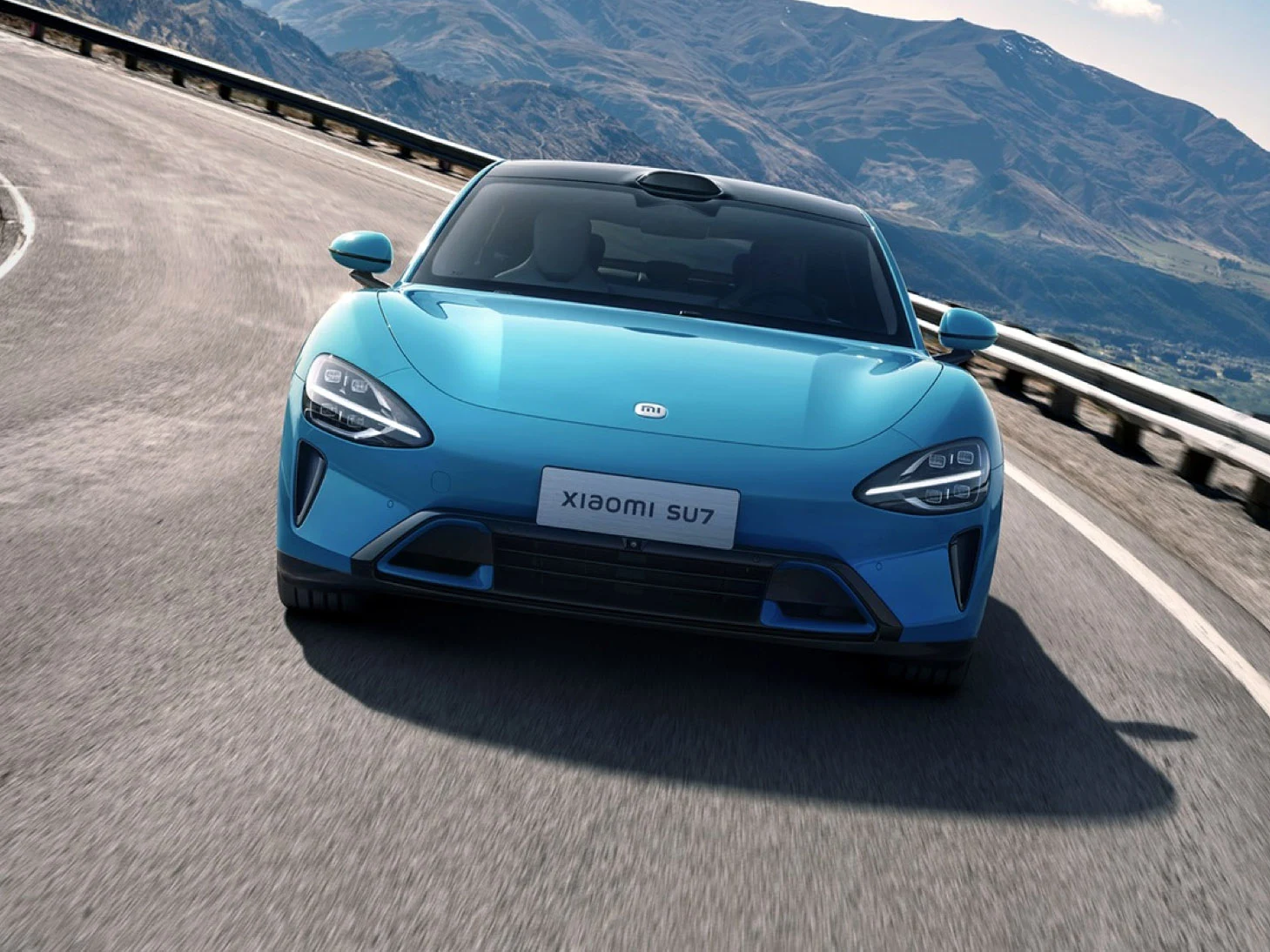
    On the other hand, the Xiaomi SU7 performed admirably, using 22.5 kWh per 100 km, even though it’s a larger and more premium option compared to the Model 3. The Model Y recorded an efficiency of 21.8 kWh/100 km, while the bigger Xiaomi YU7 SUV consumed 25.9 kWh/100 km.

    Lei Jun expressed his satisfaction with these results, noting that Chinese EV brands no longer look up to Tesla. He mentioned that vehicles like the SU7 are comparable in features and specifications, yet come with a lower price tag.

    The Future of EVs

    What excites me about these results is that local EVs are no longer just trying to catch up to Tesla but are now meeting industry standards on equal footing. Every brand is striving to optimize energy usage, thermal management, and overall vehicle efficiency, showcasing solid foundational capabilities. Honestly, I haven’t seen such a surge of confidence from Chinese brands on one of the toughest tracks globally.

    However, CEO Jun also noted that Xiaomi, which is well-known for its affordable smartphones and gadgets like the Redmi Buds 6 Pro, will continue to learn and aim to become an even more efficient automaker.

    In the realm of power consumption, Tesla faces rising competition in the U.S., with Lucid remaining the top player. Lucid’s custom motors and drivetrain achieve a remarkable efficiency of over 5 miles per kWh, although its premium models are pricier than those from Tesla or Xiaomi.

    Source:
    Link


  • Xiaomi’s YU7 Surpasses Tesla Model Y in Electric Car Sales

    Xiaomi’s YU7 Surpasses Tesla Model Y in Electric Car Sales

    Key Takeaways

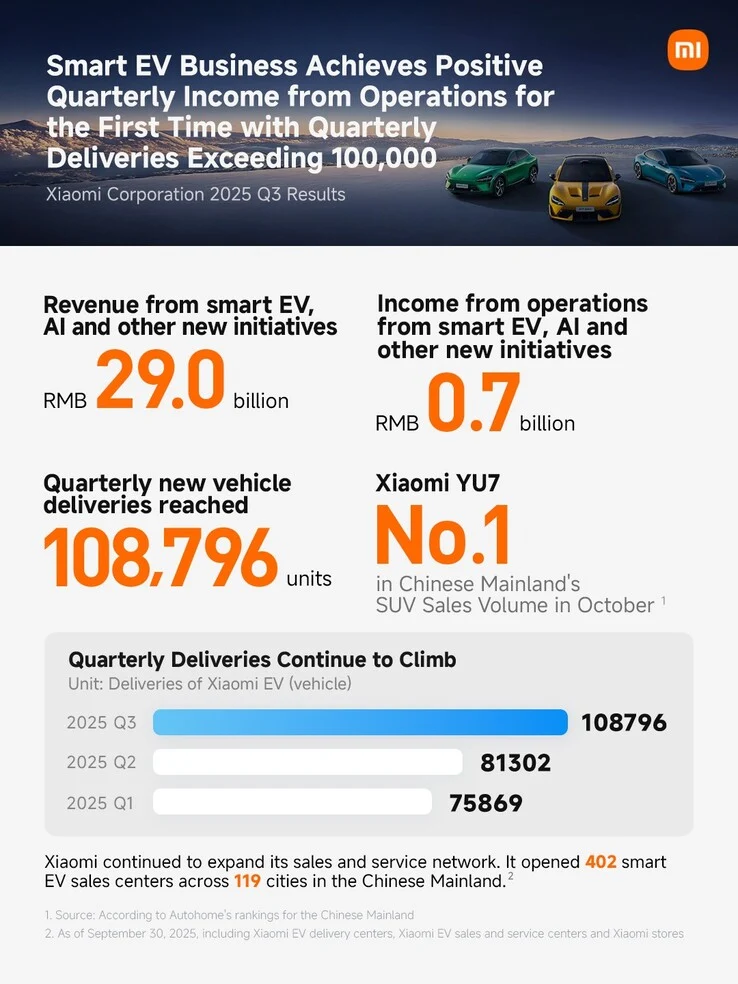
    1. Xiaomi’s electric vehicle division earned nearly $100 million in just one quarter, highlighting its rapid growth since launching its first electric car less than two years ago.
    2. The Xiaomi YU7 electric SUV has surpassed Tesla’s Model Y in sales, becoming the top domestic SUV in October with 108,796 deliveries.
    3. Xiaomi’s EV sales exceeded $4 billion, although margins decreased due to scaling production and investing in research and development.
    4. The YU7 offers a longer driving range, advanced features, and a lower price compared to Tesla’s Model Y, maintaining Xiaomi’s value-for-money strategy.
    5. Production capacity for the YU7 SUV and SU7 sedan is being expanded, significantly reducing delivery times from 30 weeks to as little as six or nine weeks.


    Xiaomi has made waves in the electric vehicle market by launching its first electric car less than two years ago, raking in nearly $100 million from its EV sector just last quarter. To put this in perspective, Tesla took a decade to post its first quarterly profit, and now, its sales in China have plummeted to a three-year low as competition from Xiaomi, BYD, and others increases.

    Rising Popularity

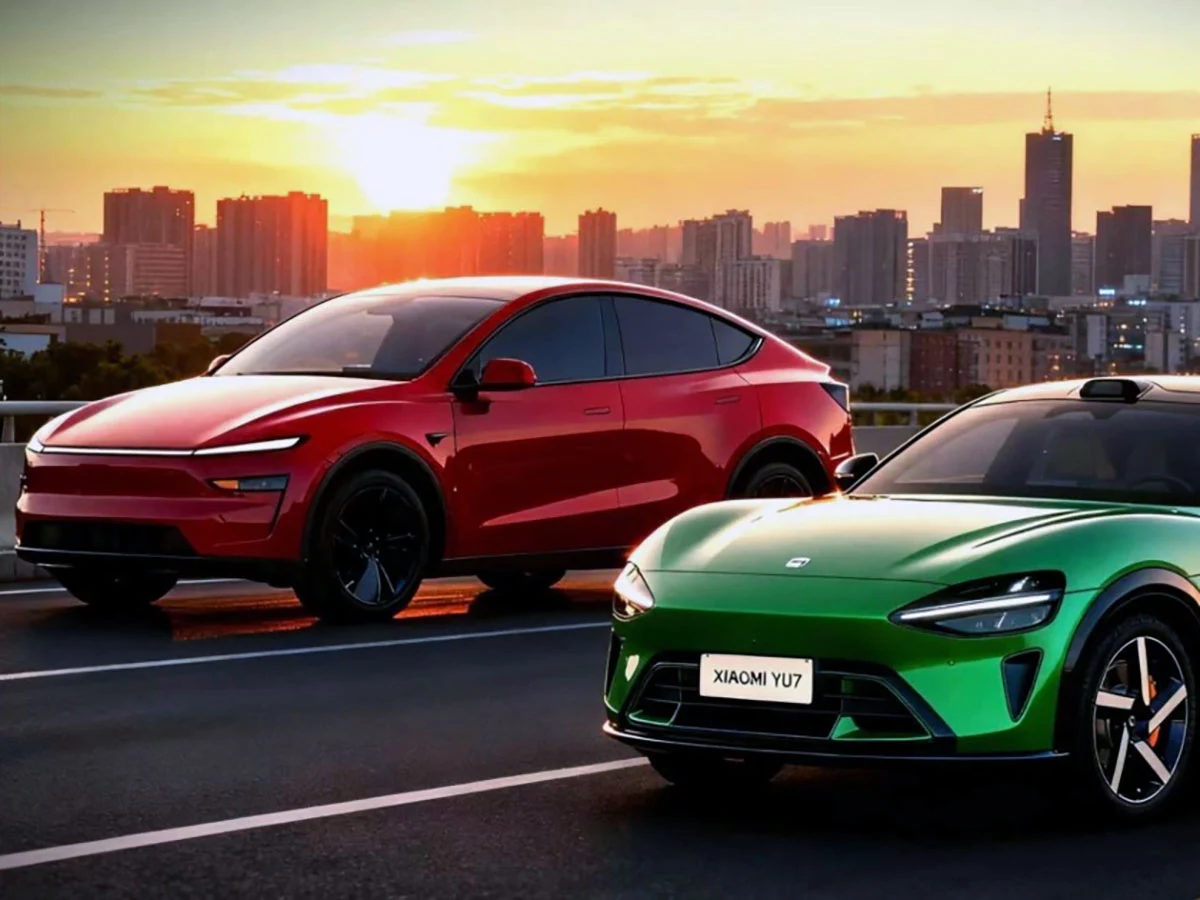
    The initial successful quarter for Xiaomi Auto was driven by the demand for its inaugural electric SUV, the YU7. This model’s outstanding sales have pushed the Tesla Model Y off its top spot for the very first time. In the last quarter, “108,796 new cars were delivered, with the Xiaomi YU7 leading in domestic SUV sales for October,” as highlighted by Xiaomi.

    Significant Sales Growth

    Xiaomi’s EV division recorded over $4 billion in sales, indicating that the margins were slightly lower than the previous quarter due to the company’s efforts in scaling up production to satisfy demand and investing more into research and development.

    The pricing strategy of the Xiaomi YU7 is notably lower than that of Tesla’s Model Y. It not only provides a longer driving range on a single charge but also boasts advanced features like an 800V powertrain and rapid charging capabilities. Xiaomi aims to maintain a similar value-for-money approach as it does with its smartphones and gadgets, such as the triple-driver Redmi Buds 6 Pro that are currently available for under $80 on Amazon.

    Impressive Specifications

    The YU7 is equipped with a 96.3 kWh LFP battery for the Standard RWD and the Pro AWD versions, while the performance-focused YU7 Max comes with a 101.7 kWh battery. This is a key factor in its ability to surpass the Model Y regarding range. Indeed, the YU7 provides the largest battery in its $35,000 electric crossover segment.

    Moreover, the initial Xiaomi SUV surpasses the Model Y in size and incorporates air suspension as a standard feature to enhance comfort. Xiaomi has also upgraded the gauge cluster displays to a head-up display (HUD) that spans the entire view of the driver. The SUV comes in nine different exterior shades and four interior color options, with massage seats made from Nappa leather and a rear bench that can recline into a bed.

    Expanding Production Capacity

    Xiaomi is continually increasing its production capacity for both the YU7 SUV and the SU7 sedan, which has significantly reduced the delivery times for the SU7 from 30 weeks down to six or nine weeks, depending on the specific trim chosen.

    Xiaomi (Weibo)

    Source:
    Link


  • Toyota Aygo X Hybrid Begins Production in Kolin, BEV Coming Soon

    Toyota Aygo X Hybrid Begins Production in Kolin, BEV Coming Soon

    Key Takeaways

    1. Toyota has begun production of the Aygo X Hybrid at its TMMCZ factory in Kolin, Czech Republic, making it the smallest hybrid car in Europe.

    2. The Aygo X Hybrid is the first full hybrid vehicle in the A segment, boasting class-leading CO2 emissions among non-plug-in vehicles.

    3. The new model enhances efficiency, performance, and safety features, continuing Toyota’s strategy to provide hybrid technology to more customers.

    4. The TMMCZ facility is undergoing significant upgrades, including a €680 million investment to support the production of battery electric vehicles (BEVs) by 2026.

    5. The plant will expand its size and capabilities, including a new paint shop and welding shop, while also producing the GR Sport version of the Aygo X.


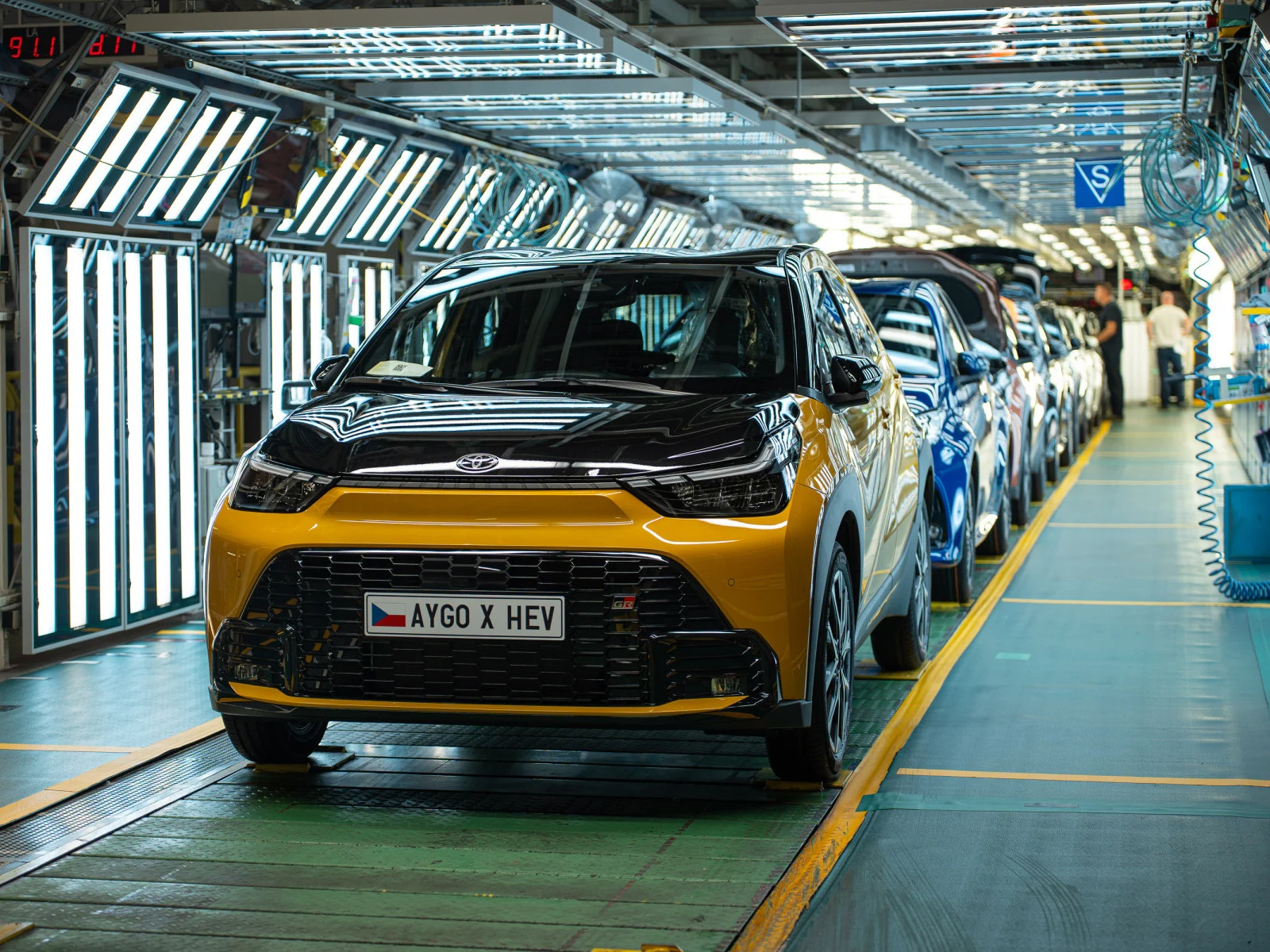
    Toyota has started making the new Toyota Aygo X Hybrid at its TMMCZ factory in Kolin, Czech Republic. This model is the smallest one from Toyota in Europe. Notably, the Aygo X Hybrid is the first and only full hybrid car in the A segment. Toyota claims that this compact car offers “class-leading CO2 values” and has the least CO2 emissions of any non-plug-in vehicle available. With this new hybrid option in the A segment, Toyota aims to make its hybrid technology easier to access for many customers.

    Enhanced Features and Production History

    Peter Rade, who is the Vice President of Quality at Toyota Motor Europe, points out that the Aygo X Hybrid brings “better efficiency, dynamic performance, and advanced safety features”. Production of the Aygo in Kolin started in 2005. The latest version, the Aygo X crossover, was launched in 2021 and has seen over 365,000 units built so far. With this new full hybrid version, Toyota now has electrified powertrains across all major passenger car segments in Europe, continuing its “multi-path strategy” to cut down CO2 emissions.

    Major Upgrades at TMMCZ

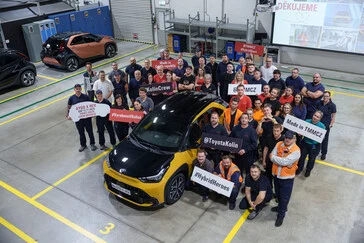
    The beginning of production for the Aygo X Hybrid is just a small part of a larger change happening at the Kolin facility. The TMMCZ plant, which employs about 3,200 workers, also produces the Yaris and has been home to a mega logistics hub since 2024. It is currently undergoing significant upgrades to shift towards full e-mobility. As Toyota announced in September, they are putting in a massive investment of 680€ million into the plant. The aim is to start making a completely new battery electric vehicle (BEV), along with the necessary battery systems, by 2026.

    For this purpose, the TMMCZ plant will grow from 152,000 to over 173,000 square meters, which will include a new paint shop and welding shop. Robert Kiml, President of TMMCZ, confirmed this dual approach: “We are happy to kick off production of the Aygo X Hybrid and at the same time to move forward with plans for electric vehicles.” He also mentioned that the launch of the GR Sport version for the Aygo X represents a “special chapter”. The Czech government is backing the BEV investment with up to 64€ million.

    Source:
    Link


  • Solid-State EV Battery Retains 72% Capacity in Extreme Cold

    Solid-State EV Battery Retains 72% Capacity in Extreme Cold

    Key Takeaways

    1. Dongfeng’s solid-state battery achieves an energy density of 350 Wh/kg, enabling mass production by 2026, despite being lower than the theoretical maximum of 500 Wh/kg.
    2. The battery is designed to provide an electric vehicle range of 1,000 km, potentially exceeding 400 miles in U.S. conditions.
    3. Solid-state batteries enhance safety by eliminating volatile liquid electrolytes and perform better in extreme temperatures, with 72% capacity retention at -30°C.
    4. The new battery successfully endured high-temperature tests up to 170°C, well above the required threshold.
    5. Dongfeng is developing a fast-charging version compatible with 2 MW chargers and aims for a battery approaching 500 Wh/kg energy density by 2027, in line with other industry leaders.


    A new solid-state battery created by a prominent automaker from China has successfully completed key performance and safety evaluations and is now entering pilot production.

    Battery Performance and Specifications

    Dongfeng’s inaugural solid-state battery generation boasts an energy density of 350 Wh/kg. While this figure is lower than the theoretical maximum of 500 Wh/kg for this technology, it is reportedly stable and economically viable enough to commence mass production by 2026. This is arguably more significant for proving the practicality of solid-state batteries in electric vehicle powertrains than merely pursuing the highest specifications with lab prototypes.

    Dongfeng claims that its initial solid-state battery will enable an electric vehicle range of 1,000 km while maintaining the same size as current batteries utilizing liquid electrolytes. This range is likely based on China’s CLTC cycle, which is roughly one-third less stringent than the EPA’s standards, suggesting that the equivalent range in the U.S. could exceed 400 miles on a single charge in real-world conditions.

    Advantages of Solid-State Batteries

    Beyond their higher energy density, solid-state batteries offer numerous other benefits. Their design eliminates the volatile liquid electrolyte, enhancing safety. Additionally, they can be charged more quickly and maintain their capacity much more effectively in extreme temperatures. For Dongfeng’s solid-state battery, which is set to begin mass production next year, tests at cold temperatures showed a remarkable capacity retention of 72% at -30°C (-22 degrees Fahrenheit). This performance is 20% better than conventional lithium batteries with liquid electrolytes, making it suitable for electric vehicles in colder regions.

    The new solid-state battery has also successfully undergone high-temperature testing, known as the hot box test, and demonstrated its ability to endure temperatures as high as 170°C (338 degrees Fahrenheit), significantly exceeding the required threshold of 130°C.

    Future Developments

    Dongfeng indicates that it is also developing a fast-charging version of its solid-state battery, which will be compatible with 2 MW chargers. Additionally, the company is working toward a solid-state battery that approaches the theoretical 500 Wh/kg energy density of sulfide-based technology, although production of this model isn’t anticipated until after 2027. This timeline aligns with other major industry players, such as CATL, Samsung, and Toyota, who have committed to launching vehicles equipped with true solid-state batteries in the same period.


    Source:
    Link