Tag: electric vehicles

  • New Iron-Based Cathode Could Cut EV Battery Costs by 40% in 5 Years

    New Iron-Based Cathode Could Cut EV Battery Costs by 40% in 5 Years

    The electric vehicle (EV) industry is experiencing significant growth, but a key challenge remains—cost. A significant portion of the expense arises from the batteries used in EVs, particularly lithium-ion batteries (LIBs), which account for about 50% of the overall vehicle price. These batteries are efficient and dependable, yet they are made from costly metals such as cobalt and nickel. Fortunately, a group of researchers led by Hailong Chen from Georgia Tech may have discovered a way to significantly reduce EV prices and lessen the environmental impact of battery manufacturing.

    New Cathode Material

    The team’s innovation focuses on a novel cathode material created from iron chloride (FeCl3), which is a far more affordable and sustainable option compared to conventional cathode materials. While traditional cathodes are expensive and depend on scarce resources, the researchers assert that FeCl3 costs only 1-2% of the price of these materials, all while providing comparable energy storage performance. Chen believes this advancement could drastically change both the EV market and large-scale energy storage solutions, significantly lowering costs.

    Impact on EV Pricing

    Utilizing FeCl3 could lead to a 30-40% reduction in the total cost of lithium-ion batteries. This reduction could help bridge the price gap between electric vehicles and internal combustion engine (ICE) vehicles, addressing one of the primary reasons consumers hesitate to switch to electric powertrains.

    Georgia Tech via ScienceDaily


    Image 1
  • Tesla Begins Production of Right-hand Drive EV Models for Potential Indian Exports

    Tesla Begins Production of Right-hand Drive EV Models for Potential Indian Exports

    Tesla is gearing up to make its mark in India, one of the world's top auto markets, by stepping into the electric vehicle arena. The company has initiated the production of right-hand drive models at its Berlin Gigafactory in Germany, specifically tailored for the Indian market. This move strongly suggests potential exports to India as early as this year.

    Tesla's Strategic Planning

    Aiming to establish a firm foothold in India, Tesla is in motion towards exploring the market and setting up possible factory locations. Although an official announcement of Tesla's Indian venture is pending, the company's resolve seems unwavering. A team is set to inspect potential factory sites later this month, with an estimated investment of $2 billion USD earmarked for this endeavor.

    Policy Changes and Incentives

    India's recent policy modifications have been instrumental in luring Tesla into the market. The revised policy offers reduced import duties on specific electric vehicles, contingent upon manufacturers investing a minimum of $500 million and commencing production within three years. Additionally, this policy alteration permits foreign carmakers to import up to 8,000 vehicles annually at a lower tax rate.

    Expansive Vision

    Beyond merely exporting vehicles, Tesla envisions investing in India's charging infrastructure network and increasing local component sourcing. The states of Tamil Nadu, Maharashtra, and Gujarat are being considered as potential factory sites, with construction expected to span approximately two years. This move signifies Tesla's broader ambitions to penetrate the Asian market, with India emerging as a pivotal player in their growth strategy. The company's entry into India will be closely monitored, given the recent policy shifts and the rising demand for electric vehicles in the country.

  • ‘Nissan’s Juke, Qashqai, and Leaf Embrace Electric Future with Bold ‘Hyper’ Design Influence’

    ‘Nissan’s Juke, Qashqai, and Leaf Embrace Electric Future with Bold ‘Hyper’ Design Influence’

    Nissan is making a significant move towards electrifying its vehicle lineup, with a major focus on updating popular models like the Juke and Qashqai, alongside the next generation of the Leaf. This transformation is taking place at Nissan’s Sunderland plant in the UK, a key hub for its electric vehicle (EV) production. What’s intriguing about this plan is the infusion of up to £3 billion (about $3.75 billion) into this project, indicating Nissan’s commitment to electric mobility.

    Drawing Inspiration from Concept Cars

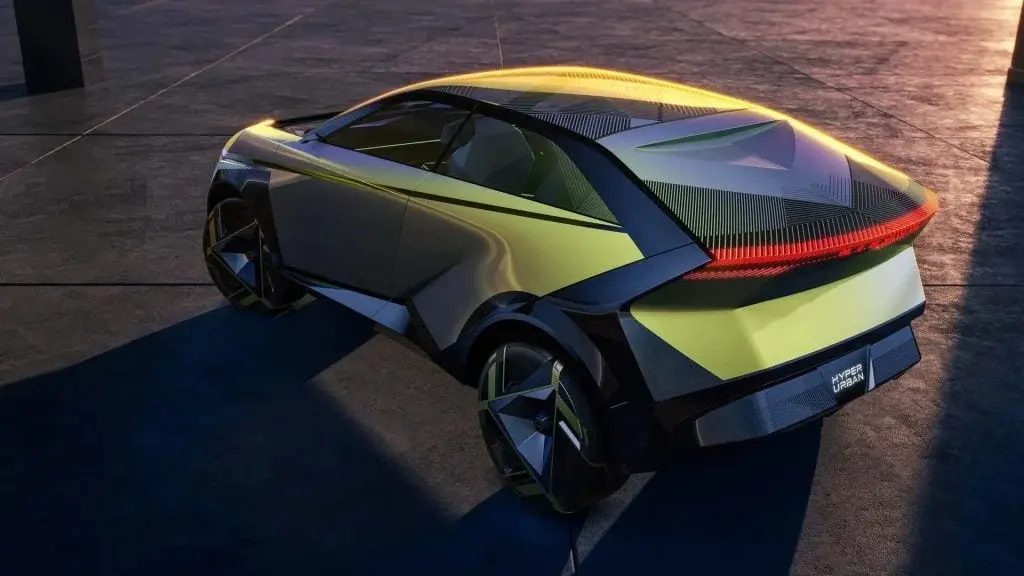
    A unique aspect of this development is the inspiration Nissan is drawing from its ‘Hyper’ series of concept cars. These concepts, showcased at the Japan Mobility Show, are set to shape the design of the new electric versions of the Juke and Qashqai. The Hyper Urban Concept will influence the Qashqai EV, and the Hyper Punk Concept will guide the design of the Juke EV. This approach signifies a fusion of cutting-edge design with practical EV technology.

    Boosting Production Capacity and Infrastructure

    The investment will also boost the production capacity and infrastructure at the Sunderland plant. This includes the establishment of three battery gigafactories in partnership with Envision AESC, highlighting the importance of sustainable and efficient battery production in the EV ecosystem.

    Commitment to Renewable Energy

    Another key aspect of Nissan’s plan is its commitment to renewable energy. The EV36Zero Microgrid will supply 100% renewable electricity for the production of these EVs and their batteries, showcasing Nissan’s dedication to eco-friendly manufacturing processes.

    Overall, Nissan’s move towards electrification and its investment in the Sunderland plant demonstrate the company's dedication to electric mobility and sustainable manufacturing practices. By drawing inspiration from its concept cars and partnering with Envision AESC for battery production, Nissan is positioning itself as a leader in the EV market. The use of renewable energy further solidifies its commitment to reducing its carbon footprint and creating a greener future. With these advancements, Nissan is set to make a significant impact on the automotive industry and pave the way for a more sustainable transportation sector.

  • Shift in the Market: Europe’s Electric Vehicle Registrations Outpace Diesel Sign-ups

    Shift in the Market: Europe’s Electric Vehicle Registrations Outpace Diesel Sign-ups

    Electric Vehicle Registrations Surpass Diesel Cars in Europe

    For the first time ever, electric vehicles (EVs) have surpassed diesel cars in new registrations in the European Union (EU). This shift reflects a growing preference for cleaner, battery-powered transportation over traditional diesel vehicles, which were once a staple on European roads.

    Significant Increase in EV Registrations

    According to the European Automobile Manufacturers’ Association (ACEA), EV registrations have soared from January to October, making them the third most popular vehicle type in the EU, trailing behind gasoline and hybrid cars. Notably, in October alone, battery-electric car registrations saw a remarkable increase of 36.3% compared to the previous year, indicating a substantial surge in EV popularity.

    EVs Becoming Mainstream

    The sharp rise in EV registrations highlights the changing landscape of the automotive industry in Europe. With a 53.1% increase in new EVs registered, totaling 1.2 million units, and achieving a 14% market share in the first ten months of the year, electric vehicles are rapidly becoming a mainstream choice for European drivers.

    Decline of Diesel Cars

    In contrast, diesel-powered cars, which once dominated the European market with a 50% share in 2015, have experienced a significant decline. Their market share has plummeted to just 12% this year, down from 15.9% the previous year. This decline reflects the shifting preferences of consumers who are increasingly opting for more environmentally friendly vehicles.

    Rise of Hybrids

    Hybrid vehicles are also enjoying increased popularity, with 2.2 million new registrations, a 29.8% increase from last year. However, plug-in hybrids are experiencing a decline in demand.

    Contraction in Gasoline Cars' Market Share

    While gasoline-powered cars still lead in overall registrations, they have seen a slight contraction in their market share. This trend, coupled with the rise of EVs and hybrids, indicates a gradual but definite shift away from traditional fuel sources.

    Environmental Goals and Electric Vehicles

    The transition towards electric and hybrid vehicles aligns with broader environmental goals. The European Union Parliament's decision to ban the sale of all new cars producing carbon dioxide emissions from 2035 underscores the commitment to a more sustainable future.

    Overall, the European car market is undergoing a significant transformation, with electric vehicles surpassing diesel cars in new registrations. This shift reflects a growing preference for cleaner, battery-powered transportation and highlights the changing landscape of the automotive industry in Europe. As EVs become more mainstream, diesel cars are experiencing a decline in market share, while hybrids are also gaining popularity. This shift aligns with broader environmental goals and signifies a gradual move away from traditional fuel sources.

  • Impressive Winter Performance of Electric Vehicles: Tesla, Audi, and Nissan

    Impressive Winter Performance of Electric Vehicles: Tesla, Audi, and Nissan

    Electric Vehicles Overcoming Reduced Range Amid Winter Conditions

    With the arrival of winter, electric vehicle (EV) owners typically brace themselves for decreased range caused by the cold climate. Nonetheless, recent studies have exhibited that specific EVs, including those manufactured by Tesla, Audi, and Nissan, are challenging this norm by encountering minimal range loss even in colder temperatures.

    Delving Deeper into the Winter Range Phenomenon

    An exhaustive analysis conducted by Recurrent, a startup specializing in battery health data, has brought to light this intriguing observation. By scrutinizing over 10,000 EVs throughout the winter period of 2022-2023, it was unveiled that these vehicles maintained an average winter range of around 70% of their usual capacity. This revelation carries weight, indicating that not all EVs are equally impacted by chilly weather conditions.

    Unpacking the Science Underlying Range Decrease in Winter

    The decrease in range experienced in winter is deeply intertwined with chemical processes. The cold temperatures impede the battery’s capacity to discharge energy effectively. Moreover, the process of heating the cabin demands additional power, thereby leading to a further decline in range. Nevertheless, breakthroughs in thermal regulation technology, like heat pumps, have emerged as a pivotal factor in alleviating this loss.

    Audi’s Noteworthy Winter Range Performance

    Within the array of EVs scrutinized, the performance of Audi’s E-Tron, specifically the Q8 E-Tron from MY2023 onwards, stood out prominently. This model encountered a mere 16% reduction in its winter range, underscoring the efficiency of its thermal management infrastructure. The E-Tron’s innovative heat pump mechanism can recover as much as 3 kilowatts of electricity from waste heat, underscoring the promise of this technology.

    Enhanced Winter Performance of the Nissan Leaf

    The 2019 Nissan Leaf serves as another exemplar of significant advancements in winter range performance over its predecessors. Despite enduring a 23% decrease in range at 32 degrees Fahrenheit, it exhibits lesser vulnerability to temperature fluctuations owing to its more advanced thermal management system.

    Tesla’s Remarkable Thermal Efficiency in Winter

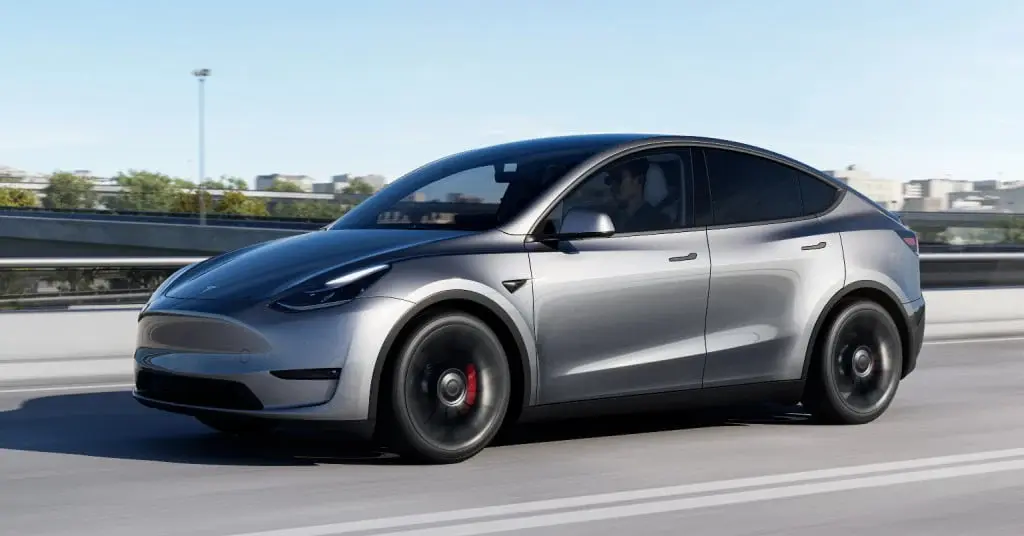
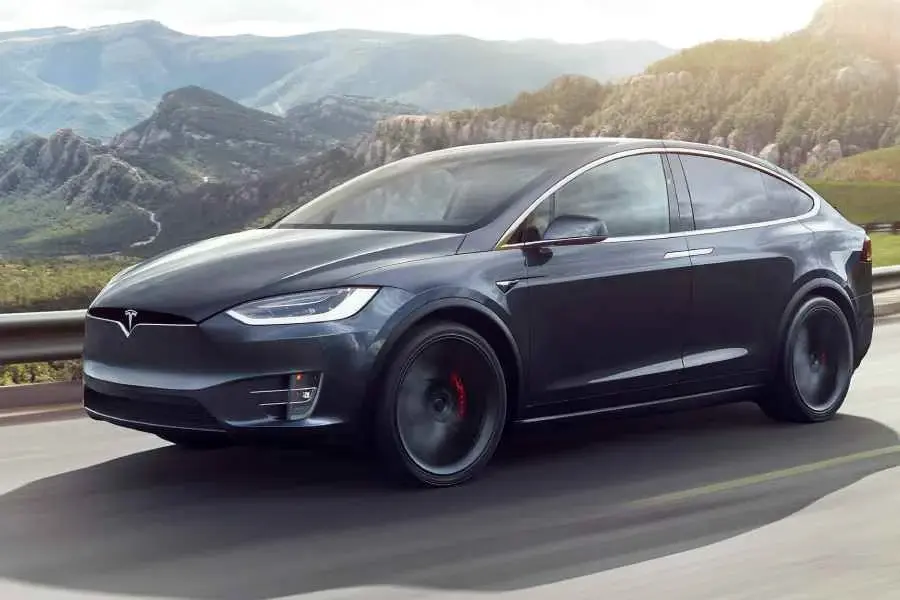
    Tesla’s line-up, notably the Model 3, Model Y, and Model X, also showcases outstanding thermal efficiency when faced with winter conditions. On average, they merely suffer a 24% decline in range. The introduction of Tesla’s pioneering heat pump in 2021 has been instrumental in achieving this feat. With enhancements such as a "super manifold" and an "octo valve," the heat pump bolsters efficiency and contributes to the vehicles’ resilience against diverse weather patterns.

    These noteworthay findings underscore not only the strides made in EV technology but also highlight the increasing durability of EVs when confronted with fluctuating weather conditions. As winter sets in, EV owners can draw solace from the fact that select models are defying the conventional range reduction traditionally associated with cold temperatures.

    Source: Gizmochina

  • U.S. Electric Vehicle Sales Surge Despite Industry Skepticism

    U.S. Electric Vehicle Sales Surge Despite Industry Skepticism

    Surge in Electric Vehicle Sales in the US Market

    The electric vehicle (EV) industry in the United States has defied doubts and emerged as a hive of activity, experiencing a significant surge. Sales data for the third quarter of 2023, as analyzed by InsideEVs, reveals a remarkable uptick in the EV sector. During this period, a notable 130,000 all-electric vehicles were sold by a consortium of 19 prominent brands, showcasing close to a twofold increase from the previous year. This surge indicates a consistent upward trajectory that is anticipated to carry over into the upcoming year.

    Enhanced Transparency in Sales Reporting

    An essential insight gleaned from the sales data pertains to the diverse reporting methodologies adopted by manufacturers. Notably, emerging players such as Tesla, Rivian, Polestar, and Lucid provide limited information by not specifying sales on a country or regional basis, thereby complicating an accurate assessment of their market performance. In contrast, traditional automakers have exhibited greater transparency in reporting their all-electric car sales, thus offering a clearer snapshot of the market dynamics. The sales analysis encompasses data from 19 brands, incorporating well-known entities like Audi, BMW, General Motors, Ford, and Mercedes-Benz.

    Ford Secures the Lead Position

    In the realm of third-quarter sales (excluding Tesla), Ford emerges as the frontrunner, closely trailed by Hyundai and Chevrolet. Noteworthy is Chevrolet’s resilience in the market, particularly evident as the brand plans to phase out models such as the Bolt EV/Bolt EUVs, yet maintains a strong foothold in the EV market.

    Competitive Market Scenario

    A closer examination of the sales figures for the initial nine months of 2023 reveals a tight competition between Chevrolet and Ford to claim the top EV brand position, post Tesla. Hyundai, BMW, Mercedes-Benz, and Volkswagen also demonstrate robust sales, underscoring the increasing allure of EVs across diverse consumer segments. The data underscores the varying levels of dedication among manufacturers toward the EV market, with notable differences in strategies observed, such as Toyota’s conservative BEV sales contrasting starkly with those of Nissan and Volkswagen.

    Notable Growth Trajectory

    By the conclusion of September, the cumulative volume achieved by the 19 discussed brands surpassed 316,000 units, reflecting an impressive 94% surge year-over-year. This growth stands as a testament to the surging dominance of established brands in the BEV segment, which now commands a significant share of the market.

    In essence, the US market is witnessing a booming phase in electric vehicle sales, with a diverse array of brands contributing to this surge. Despite disparities in reporting practices, the data points toward a steady upward trend for the EV sector, with established automakers leading the charge. The evolving market landscape presents an intriguing outlook on how manufacturers will adapt their strategies to harness the escalating consumer interest in EVs.

    Source: 1

  • Only 10 Cybertrucks, Possibly, to be Delivered at Tesla’s November 30 Event

    Only 10 Cybertrucks, Possibly, to be Delivered at Tesla’s November 30 Event

    Limited Initial Deliveries of Tesla Cybertruck May Disappoint Customers

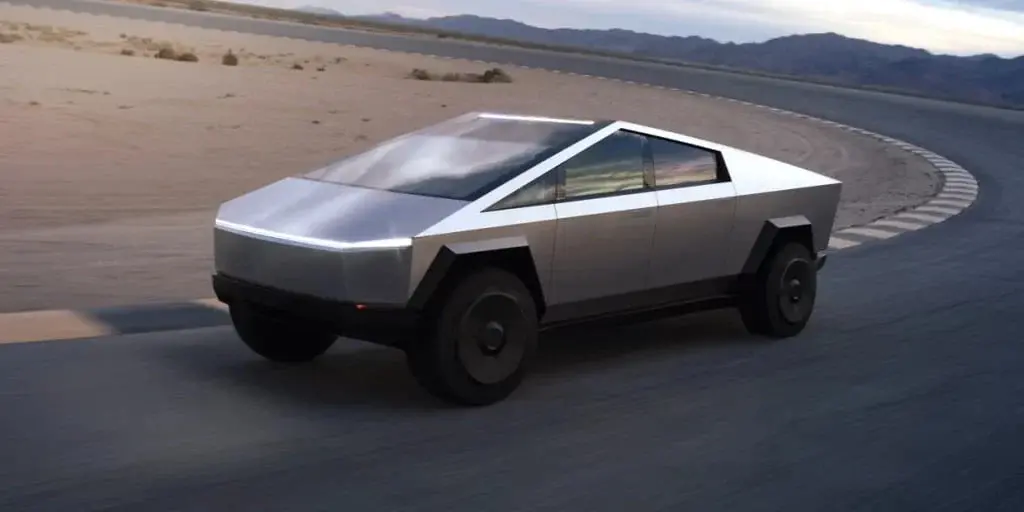
    On November 30, 2023, Tesla is set to unveil its long-awaited Cybertruck in Austin, Texas. This event is highly anticipated by the electric vehicle (EV) giant's fans and reservation holders. However, recent news reveals that only 10 of these futuristic trucks may be handed over to customers initially, which might dampen the spirits of the nearly two million reservation holders.

    A Cautionary Note for Expectations

    Tesla's global product design director, Javier Verdura, hinted at this limited delivery during a speech in Mexico. While his words were exciting, they also serve as a reminder to manage expectations. Tesla has a history of delivering new models in small numbers initially. For instance, during the launch of the Model 3 in 2017, only 30 cars were produced and given to employees.

    This cautious approach is not surprising given the unique manufacturing challenges associated with the Cybertruck. Elon Musk, Tesla's CEO, has openly acknowledged the difficulties in producing the truck's stainless-steel body at a large scale. He has advised stakeholders to be patient, as significant positive cash flow from the Cybertruck may still be 18 months away.

    Overcoming Production Hurdles

    Tesla has a reputation for overcoming production hurdles, and it is possible that the Cybertruck's limited initial deliveries will eventually be expanded. However, this revelation serves as a reality check for customers eagerly awaiting their Cybertruck. Launching a new and highly anticipated product like the Cybertruck can be complex and unpredictable.

    Tesla enthusiasts will have to wait and see how the company manages to scale up production and meet the demands of its reservation holders. In the meantime, it is important for customers to temper their expectations and understand the challenges involved in bringing a revolutionary vehicle like the Cybertruck to market.

    Pricing and Specifications

    As of now, the pricing and specifications for the Cybertruck have not been disclosed. However, the truck is expected to have a unique design with its stainless-steel body and futuristic features. Customers who have made reservations for the Cybertruck will have to wait for further updates from Tesla regarding pricing, delivery timelines, and production plans.

    In conclusion, the limited initial deliveries of the Tesla Cybertruck may disappoint the millions of customers eagerly waiting for their futuristic truck. While Tesla has a track record of overcoming production challenges, the unique nature of the Cybertruck's manufacturing process poses its own set of hurdles. It is crucial for customers to manage their expectations and understand the complexities involved in bringing such an innovative vehicle to market.

  • Renault Introduces the Twingo as their Newest Concept EV, Potentially Launching at a Price Below $22,000

    Renault Introduces the Twingo as their Newest Concept EV, Potentially Launching at a Price Below $22,000

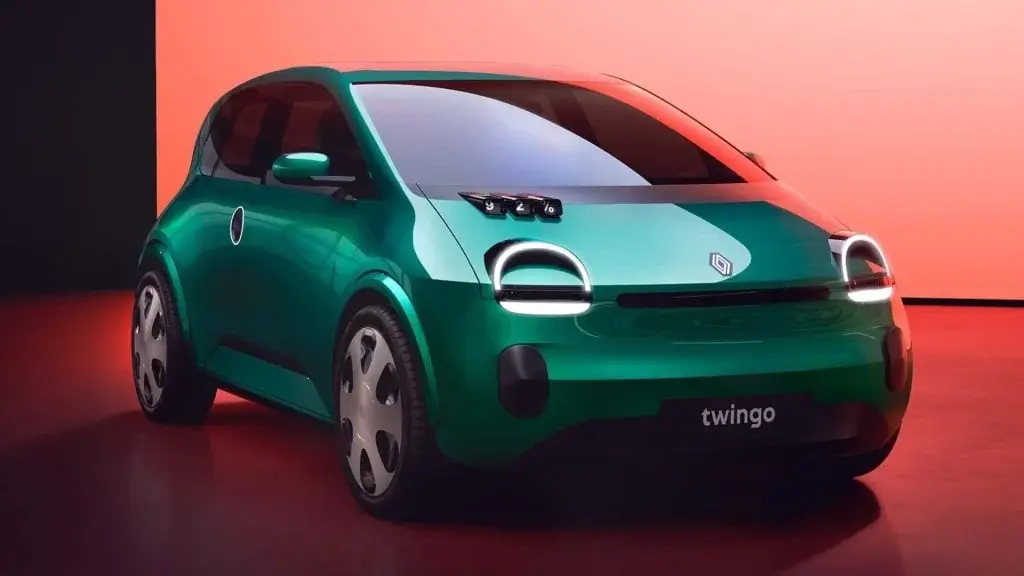
    Renault Group is shaking up the electric vehicle (EV) market with the introduction of its next-generation Twingo, a compact city car. Set to be launched in 2026, the Renault Twingo is aimed at providing a more affordable EV option, with a price tag below 20,000 euros. Not only is it budget-friendly, but it also boasts impressive energy efficiency, consuming just 10 kilowatt-hours per 100 kilometers.

    A Leap in Efficiency

    The Twingo sets itself apart by being 50% more efficient than other small EVs currently available. While specific specifications have not yet been disclosed, it is expected that the Twingo will utilize the newly named AmpR Small platform, which will also be used for upcoming Renault 5 and Renault 4 electric models.

    A Direct Competitor

    Renault's strategy with the Twingo is interesting, as it positions itself as a direct competitor to Chinese EV manufacturers who are known for their fast-paced development cycles. CEO Luca de Meo has highlighted the Twingo's role as a European version of Japan's compact kei cars, emphasizing its suitability for urban environments where larger vehicles are not practical.

    A Blend of Retro and Modern Design

    The 2026 Twingo takes design inspiration from the original 1992 model, combining retro elements with a modern touch. It retains the classic single-box shape but adds contemporary features such as five doors and updated headlights and taillights. The hood vents, reminiscent of the original model, now serve as battery charge level indicators.

    Beyond the European Market

    While the Twingo's launch primarily targets the European market, where it will compete with vehicles like the Volkswagen ID.1 and Citroën e-C3, its impact goes beyond being just another EV release. It signifies a strategic shift for Renault as they embrace the challenges and opportunities of the evolving EV landscape, aiming to provide practical, efficient, and affordable mobility solutions. The Twingo showcases Renault's dedication to innovation and competitiveness in the global EV market.

  • First Batch of BYD’s YangWang U8 Luxury NEV Rolls off Production Line, Celebrating a Milestone

    First Batch of BYD’s YangWang U8 Luxury NEV Rolls off Production Line, Celebrating a Milestone

    BYD's YangWang U8 Luxury Edition Achieves Milestone in the Electric Vehicle Market

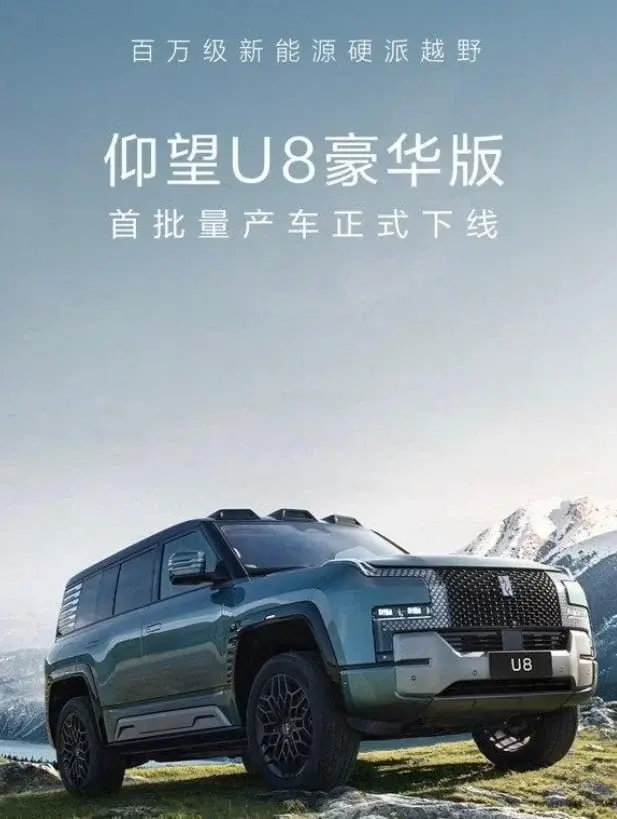
    BYD, a leading Chinese electric vehicle manufacturer, has reached a significant milestone with the launch of its highly anticipated YangWang U8 luxury edition. This groundbreaking electric vehicle, introduced on September 20th, is poised to make waves in the automotive industry with its sleek design and cutting-edge technology.

    Impressive Range and Performance

    The YangWang U8 sets a new standard for electric vehicles with its impressive range capabilities. It offers a continuous driving range of 180km and a comprehensive range of 1000km, making it a viable option for long trips. Priced at 1.098 million yuan, the luxury version of the U8 promises both environmental consciousness and powerful performance. With a maximum power output of 1200 horsepower, this electric vehicle can accelerate from 0 to 100 kilometers per hour in just 3.6 seconds, showcasing its prowess on the road.

    Innovative Technology and Features

    One of the standout features of the YangWang U8 is its integration of self-developed and domestically pioneering YiSiFang technology. This innovative technology, combined with the world's first intelligent hydraulic body control system exclusive to new energy off-road vehicles, known as Cloud P technology, propels the U8 into a league of its own. By incorporating these cutting-edge advancements, BYD has positioned itself at the forefront of automotive innovation.

    Production Milestone and Deliveries

    BYD recently announced that the first batch of U8 vehicles has officially rolled off the production line, marking a significant milestone for the company. This achievement signals the imminent commencement of deliveries, allowing customers to experience the luxury and performance of the YangWang U8. BYD's commitment to innovation and sustainable transportation is evident in the production of the U8, reflecting the global shift towards electric vehicles.

    World's Largest New Energy Production Base

    In addition to the production milestone, BYD has constructed the world's largest new energy production base in Shaanxi, where the U8 is being manufactured. This massive production facility, combined with a comprehensive industrial supply chain system, positions BYD as a key player in the electric vehicle market. Officials from the Shaanxi Provincial Department of Industry and Information Technology have reported that the U8 has already garnered significant attention, with product orders surpassing 30,000 vehicles.

    Shaping the Future of Transportation

    The successful production and imminent delivery of the YangWang U8 represent a pivotal moment for BYD as it solidifies its position as an industry leader in the new energy vehicle sector. The company's strategic investment in cutting-edge technology and environmentally friendly transportation solutions aligns with the global push towards sustainability. As the automotive landscape continues to evolve, the YangWang U8 stands as a testament to BYD's commitment to shaping the future of transportation.

  • Electric Vehicle Fueling Cost Estimation

    Electric Vehicle Fueling Cost Estimation

    Analyzing the Expenses Involved in Powering Electric Cars

    The discourse concerning electric vehicles (EVs) traditionally revolves around their positive impact on the environment and the collective drive towards a sustainable future. Nonetheless, a recent investigation has shed light on a different dimension of EVs – their fueling expenses. As per this research, the cost of fueling an electric vehicle equates to approximately $17 per gallon, prompting a more profound comprehension of EV ownership.

    Unveiling the Actual Fueling Expenses of an EV

    Initially, this cost might appear significantly higher when compared to the standard gasoline prices. Nevertheless, this juxtaposition is not so straightforward. The cost per gallon for EVs does not directly correlate with the typical gallons utilized by gasoline vehicles. Instead, it signifies the financial outlay for the electricity necessary to cover the equivalent distance that one gallon of gasoline would propel a conventional car.

    Grasping the Operational Expenditures

    This particular calculation is pivotal in grasping the genuine expenses associated with running an EV. Despite the fact that the initial buying price of electric vehicles could surpass that of their gasoline-powered counterparts, their operational costs, primarily propelled by fueling, are frequently lower. Electricity, as a fuel source, tends to be comparatively more cost-effective than gasoline, and EVs exhibit higher energy efficiency levels compared to internal combustion engine vehicles. Moreover, the pricing of electricity can fluctuate significantly across different regions, with time-based rates potentially influencing the cost of charging an EV.

    Innovations in Battery Technology and Charging Network

    Additionally, the discoveries of the research emphasize the significance of progressing battery technology and the charging network. Enhancements in battery efficiency and accelerated charging durations have the potential to curtail the overall expenses associated with operating an EV. Furthermore, with the escalating prevalence and declining costs of renewable energy sources, the cost of charging EVs might further diminish, rendering them even more economically viable in the long haul.

    Factors to Deliberate for Consumers and Decision-Makers

    For consumers, comprehending the actual expenses involved in fueling EVs is vital when contemplating the transition from gasoline-powered vehicles. Despite the initial surprise sparked by the $17 per gallon value, an in-depth examination demonstrates that EVs could potentially offer superior cost-effectiveness over their lifespan. As for policymakers and key industry actors, these conclusions stress the necessity for continued investments in EV infrastructure and technology to render electric mobility a more appealing and feasible alternative for a broader spectrum of consumers.

    In summation, the initial expense of fueling electric vehicles may seem exorbitant in comparison to gasoline vehicles. Nevertheless, a profound insight into the financial calculation and operational expenditures elucidates that EVs could prove to be more economical over time. The advancements in battery technology and charging infrastructure will likely further bolster the affordability of EVs. As the globe progresses towards a more sustainable trajectory, backing EVs and their corresponding infrastructure stands as a critical component to encourage widespread acceptance of electric mobility.