Tag: electric vehicles

  • Xiaomi EV Global Launch Begins in Select Regions

    Xiaomi EV Global Launch Begins in Select Regions

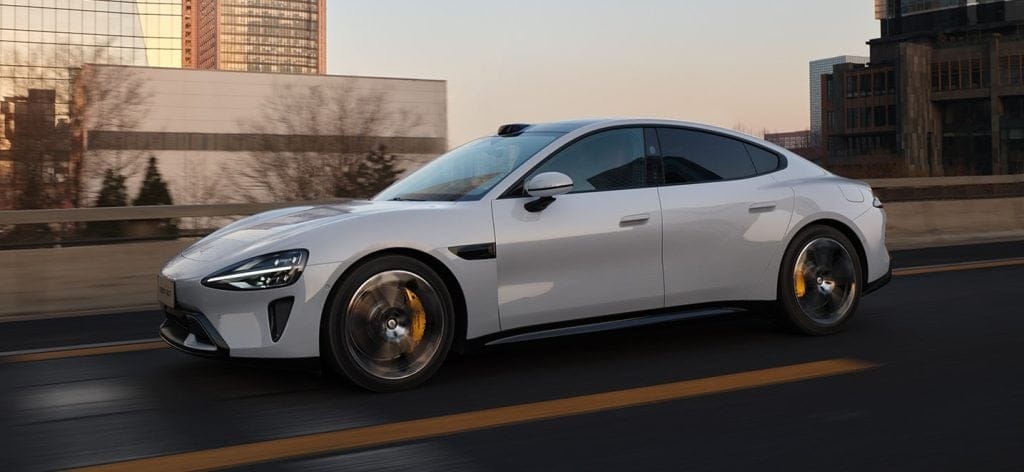
    Xiaomi’s SU7 has become a notable success in China, and it is now looking to attract customers beyond its borders, as per recent news.

    International Appearances

    Previously, the SU7 was showcased in international events, primarily as a demo at MWC and as the Ultra variant that achieved remarkable times at the Nürburgring. However, the situation could evolve in the near future.

    Plans for European Expansion

    The CEO of Xiaomi, Lei Jun, has mentioned the intention to have their vehicles on European roads by 2030. Reports now suggest that steps are being taken to turn this ambition into a reality. The company is busy assembling teams that may help establish automotive sales in markets outside of China, indicating a serious commitment to expanding its electric vehicle (EV) initiatives.

    Future Sales Locations

    While the specific target areas have not been disclosed, it is believed that these regions will be those where Xiaomi already operates as an original equipment manufacturer (OEM) for other items, like its well-known Android smartphones. This means there would be existing sales frameworks in place, including physical stores that might one day also offer the cars.

    Challenges Ahead

    Despite this momentum, Xiaomi’s goal of becoming a prominent global car brand is likely to encounter challenges, particularly in ensuring that its smart car technology meets the varying national and regional safety regulations.

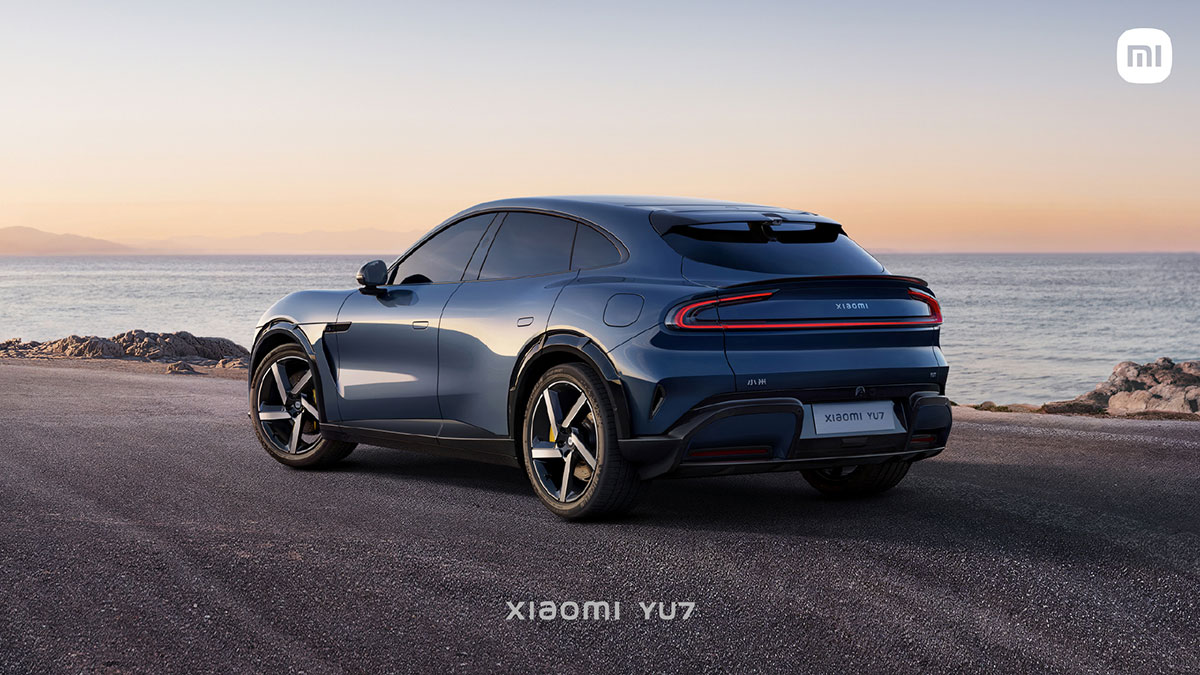
    With that said, the company likely has sufficient brand recognition in numerous markets to pave the way for the SU7—and perhaps the future YU7 SUV—to become electric vehicles seen on roads around the world eventually.

    Source: Link


  • Tesla Model Y Juniper: Design Upgrades Confirmed Ahead of Launch

    Tesla Model Y Juniper: Design Upgrades Confirmed Ahead of Launch

    A new short video showing the upcoming Tesla Model Y “Juniper” facelift has appeared, giving us a glimpse of some exciting design updates. Spotted in San Jose, the test vehicle remains (sadly) camouflaged, but it confirms important features like redesigned headlights and minor modifications to its body shape.

    Design Details Revealed

    The video shared on X/Twitter shows a refreshed Model Y featuring two-part headlights, which are quite similar to the recent designs seen in the Cybertruck. This indicates that Tesla is unifying its design style across various models, giving the Model Y Juniper a sharper and more contemporary look at the front.

    Potential New Features

    Previous reports suggested that the Model Y Juniper could include a front bumper camera to assist with low-speed driving and parking, instead of offering Full Self-Driving (FSD) capabilities. Although the camera has not been confirmed yet, its addition would certainly help owners maneuvering in tight spots.

    Hardware Upgrades Expected

    In addition to exterior changes, the facelift is anticipated to include significant updates to the hardware. Tesla is likely planning to install HW4 FSD hardware, a better powertrain setup, and larger battery packs. This could lead to improved range and efficiency, possibly supported by an 800V high-voltage system and enhanced CATL batteries.

    Reports have also suggested that the Model Y Juniper might make its debut as soon as January 2025, with production lines already gearing up for the updated model. Tesla’s Shanghai Gigafactory is supposedly sharing production lines between the current Model Y and the Juniper version, though at a reduced ratio. Either way, it’s clear that Tesla is gradually introducing the new design before ramping up full production next year.

    Impact on Pricing and Competition

    It’s important to note that the updated Model Y will not be eligible for federal tax credits starting in 2025, following changes in government incentives for electric vehicles. This might encourage Tesla to keep the Model Y’s price competitive, compensating for the loss of tax credits by optimizing manufacturing costs. The vehicle will likely face tougher competition from updated models from traditional automakers and Chinese EV brands. Key competitors include BYD and Volkswagen, both of whom have seen success with affordable models in the electric vehicle market.

    If the planned updates — including a modernized look, HW4 hardware, and enhanced efficiency — are implemented as anticipated, the Model Y Juniper could become Tesla’s standout model. For now, sightings like these in San Jose are all we have to go on, but that could change pretty soon.

    Source: Link


    Image 1
    Image 1
  • Mercedes-Benz Solar Paint Boosts EV Range by 12,000 KM Annually

    Mercedes-Benz Solar Paint Boosts EV Range by 12,000 KM Annually

    Electric vehicles (EVs) are becoming more popular as the world moves towards cleaner forms of energy, but there’s still a big issue—range anxiety. Many drivers are afraid of running out of battery power on long trips or having to wait too long at charging stations. To tackle this problem, Mercedes-Benz is developing an innovative solution that could enhance the energy independence of EVs: solar paint.

    How It Works

    This technology transforms the car’s exterior into a power generator by embedding solar modules in a paint-like layer. With an efficiency rate of 20%, this special paint captures sunlight and changes it into electricity, which can then be used to charge the vehicle’s high-voltage battery. It covers an area of approximately 11 square meters, similar to the size of a mid-sized SUV, and under ideal conditions, it can produce enough energy to allow an electric car to travel up to 12,000 kilometers (around 7456 miles) each year.

    Unique Features

    The secret behind Mercedes-Benz’s solar paint is its wafer-thin solar cells that can be applied to any car body, irrespective of its shape or design. This is different from standard solar panels that are placed on the roofs; the solar paint can cover all surfaces of the vehicle.

    The energy generated isn’t just for driving; it keeps producing power even when the vehicle is parked. This means longer ranges and fewer stops to charge, plus there’s a chance to use any extra energy for homes or the power grid via bidirectional charging. However, this brings up questions—what happens to all the extra energy that’s gathered? Mercedes-Benz hasn’t provided detailed answers in its announcement, but surplus energy might be used for homes (V2H, or vehicle-to-home), sent back to the grid (V2G, or vehicle-to-grid), charged into other EVs (V2V, or vehicle-to-vehicle), or saved for later driving needs.

    Location Matters

    The efficiency of solar paint largely relies on how much sunlight it receives, which can change based on the location. For instance, drivers in Stuttgart, Germany, typically cover about 52 kilometers daily. Solar paint could potentially account for around 62% of that distance using solar energy alone. In sunnier locations like Los Angeles, cars could generate more than enough energy, meeting or exceeding daily driving requirements, according to claims by Mercedes.

    This advancement could help alleviate range worries while lowering energy expenses for EV users. Furthermore, Mercedes-Benz confirms that the paint is eco-friendly, as it does not contain rare earths or silicon, utilizes non-toxic materials, and is easy to recycle—making it both sustainable and cost-effective.

    Future Outlook

    Currently, solar paint is in the research stages, but its possibilities are substantial. By allowing EVs to produce their own energy, it lessens the dependency on charging stations, making electric cars a more viable choice for drivers everywhere. At the moment, manufacturers like Hyundai and Toyota are incorporating traditional solar panels into some of their EVs. However, if Mercedes-Benz can successfully launch its solar paint, it could transform the landscape of clean transportation.

    Source: Link

  • Electric Vehicle Sales May Hit 60 Million by 2030 Amid Battery Shortages

    A recent study by the International Renewable Energy Agency (IRENA) estimates that the yearly sales of electric vehicles (EVs) could hit 60 million units by 2030 to comply with the 1.5°C target. This figure is over four times the current sales of 14 million vehicles as of 2023. Such a swift increase in EV usage will require a notable rise in the production of essential minerals used in batteries.

    Projected Battery Demand

    The report titled Critical Materials: Batteries for Electric Vehicles predicts that the annual demand for EV batteries will soar from 850 gigawatt-hours (GWh) in 2023 to more than 4,300 GWh by 2030, marking a fivefold surge. While the document suggests that existing reserves of critical minerals are adequate to satisfy this demand and even produce potential surpluses, it stresses that proactive policies are vital to avoid supply shortages.

    Supply Chain Challenges

    For lithium, IRENA anticipates a possible surplus of 25% by 2030. Nevertheless, issues within the supply chain might lead to a deficit of as much as 40%, emphasizing the importance of good supply chain management. Cobalt presents more significant challenges due to a strong dependence on nickel-cobalt combinations in batteries. The report suggests that enhancing current supply channels and improving technologies to lessen cobalt reliance could prevent shortages. Likewise, nickel shortages can be addressed by speeding up the shift to LFP (lithium iron phosphate) and LMFP (lithium manganese iron phosphate) battery technologies, which depend less on nickel.

    Innovation and Sustainability

    The research highlights the critical role of ongoing innovation to maximize the usage of vital minerals.

    “With the sustainable growth of material supply chains, along with ongoing advancements in battery technologies, nations can satisfy the increasing need for EV battery materials. This is achievable even with a rapid rise in EV adoption, following a 1.5°C decarbonization strategy,” the report emphasizes.

  • Sleek Audi Sportback EV Accelerates in 3.6 Seconds Without Logo

    Sleek Audi Sportback EV Accelerates in 3.6 Seconds Without Logo

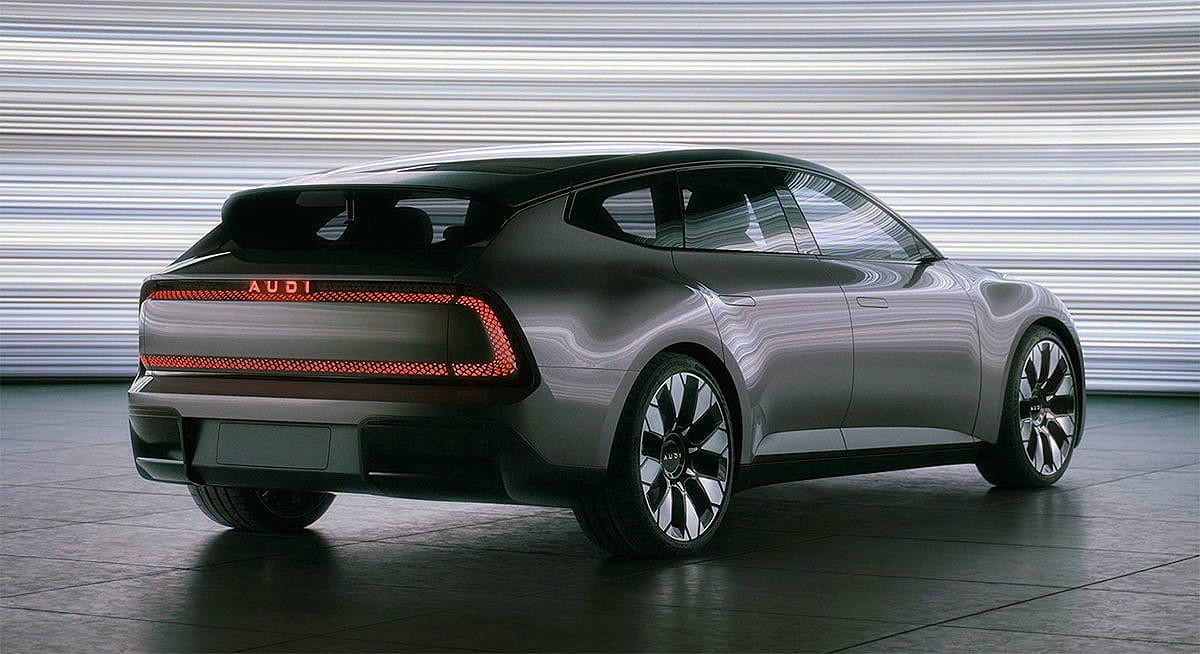
    Audi has introduced a new brand in China, aiming to create a distinct identity that even lacks the famous four-ring logo.

    A Trendy New Identity

    This new brand, simply called Audi in a fashionable font, focuses exclusively on producing "intelligent" electric vehicles equipped with advanced infotainment and driver-assist features. The company has partnered with the major Chinese firm SAIC for its operations in the local market, revealing its first concept vehicle, the AUDI E. This electric sportback is said to "drive like a real Audi in terms of comfort as well as dynamics."

    Innovative Technology

    The vehicles from this new Audi line, which does not feature the four-ring emblem, will utilize an Advanced Digitized Platform co-developed with SAIC. It includes a cutting-edge 800V powertrain that can provide over 200 miles of range to the sportback’s 100 kWh battery within just 10 minutes of charging.

    Despite its relatively large size, the AUDI E concept can accelerate from 0 to 60 mph in merely 3.6 seconds, thanks to Audi’s renowned "quattro" all-wheel-drive system powered by two electric motors that produce over 760HP combined.

    A Strategic Move

    "With the launch of this new brand for electric and intelligent models in China, Audi is exploring new opportunities to reach tech-savvy consumers," remarked Audi’s CEO during the unveiling. Alongside the AUDI E concept, which is expected to retail for around $42,000 upon its debut in August, the new brand will also roll out two additional electric models in the mid- and full-size categories. Audi’s parent company, VW, has faced challenges in its transition to electric vehicles, offering models that have not performed well in terms of software, coinciding with a downturn in the EV market in the West.

    Conversely, the electric vehicle market in China is thriving, and Audi is eager to secure its share, despite shutting down EV factories and laying off employees in Europe. This new branding strategy, which replaces the iconic four rings with a simple text logo, is meant to convey both a connection to and a distinction from its sister brand.


    Image 1
    Image 1
    Image 1
    Image 1
  • CATL Launches 500 Wh/kg Solid-State EV Battery Cell Trial Production

    CATL Launches 500 Wh/kg Solid-State EV Battery Cell Trial Production

    The largest manufacturer of electric vehicle (EV) batteries and energy storage systems, CATL, has commenced the sample validation of 20Ah solid-state battery cells utilizing its sulfide technology research.

    Initial Skepticism

    At first, CATL dismissed the rapid commercialization claims surrounding solid-state batteries. The company stated that after several years of research and development, it remains skeptical about their mass-market readiness before 2030 due to the high costs of production.

    Revised Outlook

    Recently, it has adjusted its forecast, suggesting that solid-state batteries could be available for high-end electric vehicles by 2027. CATL plans to provide its own cells featuring an all-solid electrolyte by that time.

    To facilitate this progress, CATL has assigned about 1,000 engineers to concentrate on the solid-state battery initiative. They have achieved an impressive energy density of 500 Wh/kg, which is nearly double that of batteries commonly found in standard electric vehicles.

    Overcoming Challenges

    Nevertheless, industry insiders mention that CATL still has some issues to resolve regarding charging speeds and battery life. This is the reason for the current sample validation phase for the 20Ah solid-state battery cells, which are essential components of EV battery packs.

    Once the charging and lifespan criteria are satisfied, CATL will need to tackle production engineering and scaling up manufacturing capacity, which are actually where it excels the most.

    CATL isn’t the only player in the solid-state battery arena, as other companies like BYD, Toyota, and Samsung are also making strides with their respective projects. However, CATL is seen as the most adept in this field. The chairman recently stated that CATL’s solid-state technology is significantly ahead of the competition. Given its progress to the sample validation phase for EV-grade cells, this claim may hold some truth.

    Industry Consensus

    Most companies that have disclosed their solid-state battery plans share a common goal: they aim to have their battery packs ready for electric vehicles by 2027. However, Toyota has cautioned that these solid-state batteries will likely be pricier than the existing ternary lithium cells that use liquid electrolytes, meaning they will initially be reserved for luxury electric vehicles in its Lexus lineup.

  • Huawei Patents Innovative Solid-State Battery Technology

    Huawei Patents Innovative Solid-State Battery Technology

    Huawei is making big strides in energy storage with its new solid-state battery technology. The tech leader has recently announced a patent for a sulfide-based solid electrolyte, which is a key part of the next-gen lithium-ion batteries.

    Huawei’s Battery Patent Enhances Lifespan and Safety

    This groundbreaking technology tackles a major issue in the battery sector: the breakdown of liquid electrolytes. By swapping out these liquid elements for solid electrolytes, Huawei seeks to greatly improve the lifespan, safety, and efficiency of batteries, especially for uses like electric vehicles (EVs) and energy storage systems.

    The sulfide-based solid electrolyte in the patent shows outstanding traits, such as high energy density, quick charging and discharging capabilities, and superb performance in low temperatures. Additionally, it enhances safety by reducing the chance of thermal runaway, which is a frequent worry with standard lithium-ion batteries.

    Aligning with the Push for Sustainable Energy

    This development fits well with the worldwide movement towards sustainable energy solutions and the rising need for high-performing batteries. By tackling the drawbacks of existing battery technologies, Huawei’s solid-state battery innovation could speed up the use of electric vehicles and renewable energy sources.

    As society moves towards a greener future, breakthroughs like Huawei’s solid-state battery technology are crucial. By solving the problems of traditional batteries, this innovation might open the door to a new age of energy storage options.

    Battery Innovations in the Smartphone Market

    Battery advancements are also a hot topic in the smartphone industry. At the Mobile World Congress this year, the focus was on creating batteries that charge faster and last longer for smartphones.

    Various companies are investigating materials such as lithium-sulfur and graphene to prolong battery life. This year, most leading smartphone brands are utilizing silicon-carbon batteries, which provide greater energy density, quicker charging, and a longer lifespan compared to conventional lithium-ion batteries.

    In addition, a Chinese startup has introduced a nuclear battery that could potentially power a smartphone for as long as 50 years. The European Union has also rolled out new standards to promote more sustainable and recyclable batteries.

  • Ford CEO loves his Xiaomi SU7 and doesn’t want to part with it

    Ford CEO loves his Xiaomi SU7 and doesn’t want to part with it

    In a surprising twist, CEO Jim Farley of Ford Motor Company recently disclosed on the Everything Electric Show podcast that he has been driving a Xiaomi SU7 for the past six months, rather than a Ford vehicle. This electric sedan comes from the Chinese tech powerhouse Xiaomi.

    Unexpected Choices

    Farley, who is typically focused on Ford’s electrification efforts, usually prefers not to talk about rival companies. However, his time spent with the SU7 led him to share his impressions. “We flew one from Shanghai to Chicago and I’ve been driving it for six months now, and I don’t want to give it up,” he commented during the podcast.

    Impressive Sales

    “It’s fantastic. They sell 10,000, 20,000 a month. They’re sold out for six months,” Farley mentioned, highlighting Xiaomi’s remarkable sales performance with the SU7 earlier in the discussion.

    Xiaomi’s Bold Move

    The SU7 marks Xiaomi’s first foray into the automotive world! The firm, primarily recognized for its success in smartphones and electronics, made its entry into the electric vehicle market back in 2021. The SU7, their initial model, launched this year, is a full-size sedan with a competitive price tag around $30,000. Despite being affordable, the vehicle is equipped with impressive features such as air suspension, adaptive dampers, and active aerodynamics—each enhancing the driving experience.

    Moreover, Xiaomi’s in-house Level 2 and NoA (navigate on autopilot) system provides added convenience, although its certification is presently limited to just 100 cities in China.

    Phenomenal Demand

    The SU7 has gained phenomenal popularity in China. Remarkably, the entire 2024 production was sold out on its first day, with Xiaomi asserting they pre-sold 100,000 units even before the first car left the factory.

    While testing rival cars is common in the car industry, Farley’s enthusiastic endorsement of the SU7 is significant, especially as he usually avoids discussing competitors. This may indicate a potential change in Ford’s approach as they adjust to the increasingly competitive EV landscape that is being shaped by assertive Chinese firms like BYD.

  • Apple Car’s Custom BYD LFP Blade Battery: A Game Changer

    Apple Car’s Custom BYD LFP Blade Battery: A Game Changer

    Apple has been involved in the creation of the highly regarded BYD Blade battery technology, which it intended to incorporate into its electric vehicle.

    Early Interest in LFP Batteries

    The Cupertino team recognized the advantages of iron phosphate (LFP) batteries regarding safety and affordability quite early on, but they sought a specially designed battery pack that could also offer a greater range per charge.

    Partnership with BYD

    BYD is known as the world’s second-largest manufacturer of electric vehicles and batteries. Apple initiated its collaboration with BYD’s R&D team back in 2017. The tech giant invested around $10 billion into its electric car project named Titan, but ultimately concluded that sustaining good profit margins in the electric vehicle market would be challenging.

    Consequently, Apple abandoned the project earlier this year, reallocated the team to other areas, and pulled back its self-driving test licenses from the California DMV just before Tesla’s Robotaxi launch.

    Contributions from Both Companies

    Reports suggest that Apple approached BYD leveraging its knowledge in custom battery designs and thermal management, while BYD provided its LFP production technology. The BYD Blade battery technology has become crucial in the company’s aggressive quest for EV market dominance, enabling a structural battery pack that is more affordable, safer, and possesses a higher energy density compared to older cell packing methods.

    This was the initial reason behind Apple’s interest, although they were shown a fairly basic version of the BYD Blade battery. The LFP cells use widely available iron phosphate instead of costly metals like nickel or cobalt, which are prevalent in the battery packs of today’s high-performance electric vehicles.

    Adoption Across the Industry

    LFP batteries have been embraced by nearly all automakers, including Tesla, even with their slightly lower energy density and less effective charging performance in colder climates. On the upside, LFP packs can be fully charged without significantly accelerating battery wear, while CATL and BYD, the top producers of these cells, have introduced newer generations with energy density nearing that of traditional chemistries and improved charging speeds in cold weather.

    Moreover, LFP cells are extensively utilized in energy storage solutions and portable power stations or power banks that necessitate economical cells with extended lifespans.

    In addition to the iron phosphate chemistry, Apple’s car investments also covered nickel and alkaline cells. The Project Titan team quickly recognized the promise in so-called structural battery packs, which facilitate fitting more cells within the same space, a feature that the BYD Blade technology ultimately delivered to the market.

  • Xiaomi SU7 Sales Hit 16,000 in September, Aiming for 20,000 in October

    Xiaomi SU7 Sales Hit 16,000 in September, Aiming for 20,000 in October

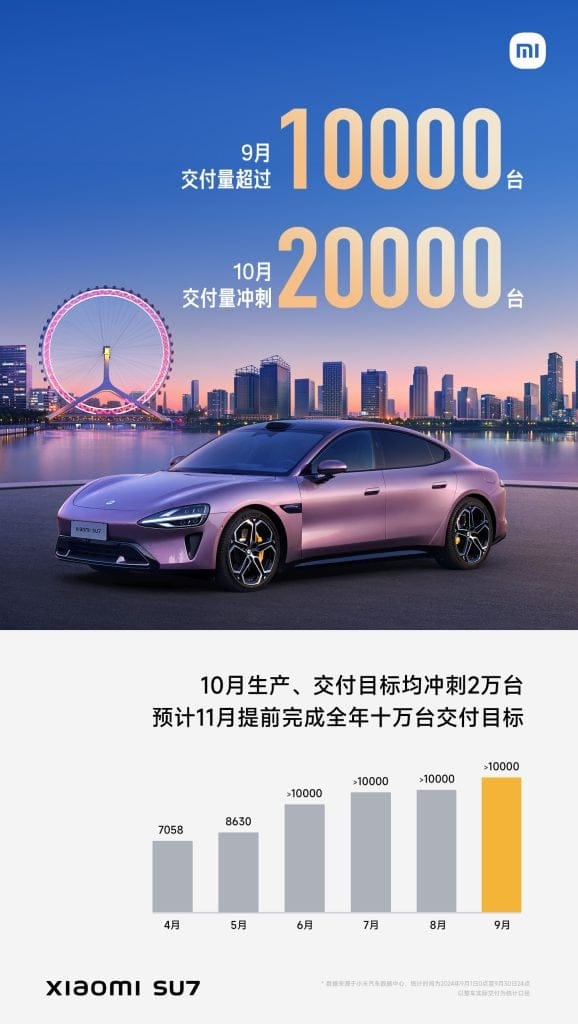
    Amid growing rivalry in the worldwide electric vehicle market, Xiaomi’s recent results are attracting notable interest. On October 1, the firm revealed that its sales for September exceeded 10,000 units, achieving this for four straight months. This achievement lays a strong groundwork for the company’s goal of delivering 20,000 units in October, as mentioned by Lei Jun, the founder of Xiaomi Group, during a live show on CCTV.

    Aspirational Goals

    Since its debut in April, the Xiaomi SU7 has established a position in the market, going head-to-head with Tesla’s Model 3 and Model Y. The SU7 is particularly appealing due to its lower price and advanced technology. Reports suggest that deliveries in September were between 15,000 and 16,000 units, showing an increase in consumer awareness and confidence in the Xiaomi brand.

    If the goal for October is achieved, the weekly delivery rate could hit 5,000 units, which puts pressure on the production lines. Yet, Xiaomi’s ability to adapt and strategize has turned potential issues into advantages.

    Production Improvements

    To boost production capacity, Xiaomi has introduced multiple enhancements in its factory setup and manufacturing techniques. From intelligent manufacturing to automated systems, the continuous technological improvements have greatly increased production efficiency. The integration of AI technologies has optimized every stage of the production process, ensuring consistent product quality while minimizing labor expenses.

    User Experience

    The SU7’s carefully designed interiors and cutting-edge multimedia and AI driving assistance systems provide excellent comfort for users. Reports from owners highlight outstanding performance in navigation and voice assistant capabilities. As Xiaomi moves forward in increasing production and broadening its retail footprint, the SU7 is well-positioned to enhance its competitiveness against established brands like Tesla. With a target of 20,000 units for October, Xiaomi is making notable progress in the electric vehicle sector.


    Image 1