
Tag: Battery Innovation

  • New Tech Offers 1,000-Mile Range for EVs with Electrode-to-Pack

    New Tech Offers 1,000-Mile Range for EVs with Electrode-to-Pack

    Key Takeaways

    1. 24M ETOP technology integrates electrodes directly into battery packs, eliminating the need for cells, leading to a more cost-effective manufacturing process.
    2. This innovative design increases energy density, allowing for up to 80% of a battery pack’s volume to be dedicated to energy storage, compared to 30-60% in traditional designs.
    3. The new technology could potentially increase the range of electric vehicles by 50%, enabling them to travel up to 1000 miles on a single charge.
    4. 24M ETOP technology allows American manufacturers to enhance their competitiveness in the battery market against international rivals.
    5. The new design has future applications beyond electric vehicles, including in emerging sectors like eVTOL aircraft, which require lightweight and high-power solutions.


    24M Technologies has revealed its new 24M ETOP (Electrode-to-Pack) technology, which the company describes as a game-changing manufacturing platform that will allow for a cost-effective and safe battery pack capable of lasting 1000 miles on a single charge.

    Innovative Design

    This platform uniquely integrates electrodes straight into the battery pack, doing away with cells altogether. This marks a step forward from the previous cell-to-body (CTB) technology that removed modules and allowed cells to fit directly within the battery pack. With the 24M ETOP, there’s a promise of a more affordable way to create small, high-voltage batteries that maximize energy density.

    Increased Efficiency

    Standard battery designs rely on cells and modules, meaning that many parts of battery packs only serve structural or safety purposes without contributing to energy storage. The 24M ETOP approach reduces this inefficiency by utilizing sealed anode and cathode pairs that are directly integrated into the pack. The company claims this boosts the energy-storing material volume to 80% of a pack’s total volume, compared to just 30–60% in traditional designs, which could translate to a 50% increase in range for electric vehicles.

    The U.S. needs to push forward with battery innovation, not just focus on expanding production, to narrow the gap with international competitors. Our 24M ETOP gives American manufacturers the tools necessary to surpass Asian rivals with leading energy density. — Naoki Ota, President and CEO of 24M.

    Future Applications

    In addition to electric vehicles, this technology presents a promising opportunity for emerging sectors like eVTOL (electric vertical take-off and landing) aircraft, where lightweight and compact designs that provide maximum power and extended range are essential.

    Source:
    Link


  • Electric Vehicle Sales May Hit 60 Million by 2030 Amid Battery Shortages

    A recent study by the International Renewable Energy Agency (IRENA) estimates that the yearly sales of electric vehicles (EVs) could hit 60 million units by 2030 to comply with the 1.5°C target. This figure is over four times the current sales of 14 million vehicles as of 2023. Such a swift increase in EV usage will require a notable rise in the production of essential minerals used in batteries.

    Projected Battery Demand

    The report titled Critical Materials: Batteries for Electric Vehicles predicts that the annual demand for EV batteries will soar from 850 gigawatt-hours (GWh) in 2023 to more than 4,300 GWh by 2030, marking a fivefold surge. While the document suggests that existing reserves of critical minerals are adequate to satisfy this demand and even produce potential surpluses, it stresses that proactive policies are vital to avoid supply shortages.

    Supply Chain Challenges

    For lithium, IRENA anticipates a possible surplus of 25% by 2030. Nevertheless, issues within the supply chain might lead to a deficit of as much as 40%, emphasizing the importance of good supply chain management. Cobalt presents more significant challenges due to a strong dependence on nickel-cobalt combinations in batteries. The report suggests that enhancing current supply channels and improving technologies to lessen cobalt reliance could prevent shortages. Likewise, nickel shortages can be addressed by speeding up the shift to LFP (lithium iron phosphate) and LMFP (lithium manganese iron phosphate) battery technologies, which depend less on nickel.

    Innovation and Sustainability

    The research highlights the critical role of ongoing innovation to maximize the usage of vital minerals.

    “With the sustainable growth of material supply chains, along with ongoing advancements in battery technologies, nations can satisfy the increasing need for EV battery materials. This is achievable even with a rapid rise in EV adoption, following a 1.5°C decarbonization strategy,” the report emphasizes.

  • iPhone 16 Series Likely to Feature Larger Batteries

    iPhone 16 Series Likely to Feature Larger Batteries

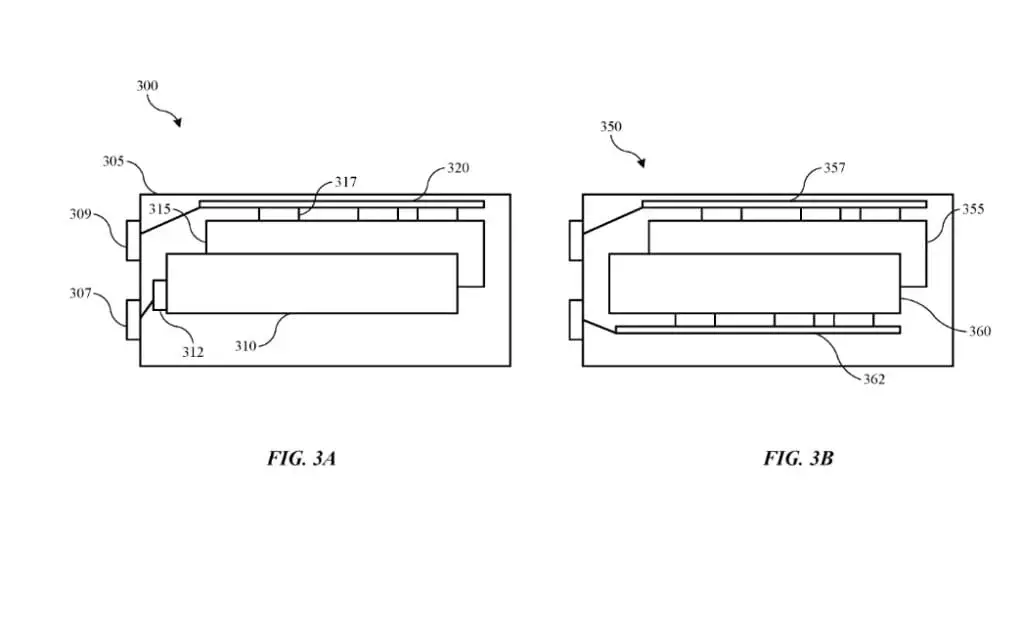
    Apple has recently filed a patent that suggests they have developed a way to enhance battery capacity without increasing the physical size of the battery. In the competitive landscape of smartphones, Android devices have been introducing fast-charging technologies and larger battery capacities, with some devices boasting capacities exceeding 5000 mAh. Apple is now stepping up its game by exploring ways to incorporate larger batteries within its phones.

    Innovations in Battery Technology

    The patent titled "Battery cells with tabs at right angle" reveals Apple’s innovative approach to boosting battery capacity within existing size constraints. This patent, filed in September 2021 and published on March 26, 2024, signifies Apple’s commitment to enhancing battery performance through methods like membranes and foldable battery components.

    Advancements in Smartphone Batteries

    With the smartphone market constantly evolving, the race to deliver devices with longer battery life and faster charging capabilities has intensified. Apple’s pursuit of higher capacity batteries within the same form factor underscores the company’s dedication to providing users with enhanced battery performance without compromising on design or size.


    iPhone 16 Series Likely to Feature Larger Batteries

    Future Prospects

    As technology continues to advance, innovations in battery technology play a crucial role in shaping the user experience of modern devices. Apple’s focus on improving battery capacities without increasing physical size not only aligns with consumer demands for longer-lasting batteries but also sets the stage for further advancements in smartphone battery technology.


    iPhone 16 Series Likely to Feature Larger Batteries