Tag: solid-state battery

  • Foldable 300W Power Bank with Solar & Built-in Charger

    Foldable 300W Power Bank with Solar & Built-in Charger

    Key Takeaway

    – Integrated plug folds down for travel, available in US, EU, and UK versions
    – USB-C cable doubles as a lanyard; supports up to 100W transmission
    – 74 Wh capacity with up to 300W combined output; charges laptops via 140W USB-C ports
    – Solid-state design prevents thermal runaway under physical stress
    – High crowdfunding risk; $89 starting price with shipping expected in August


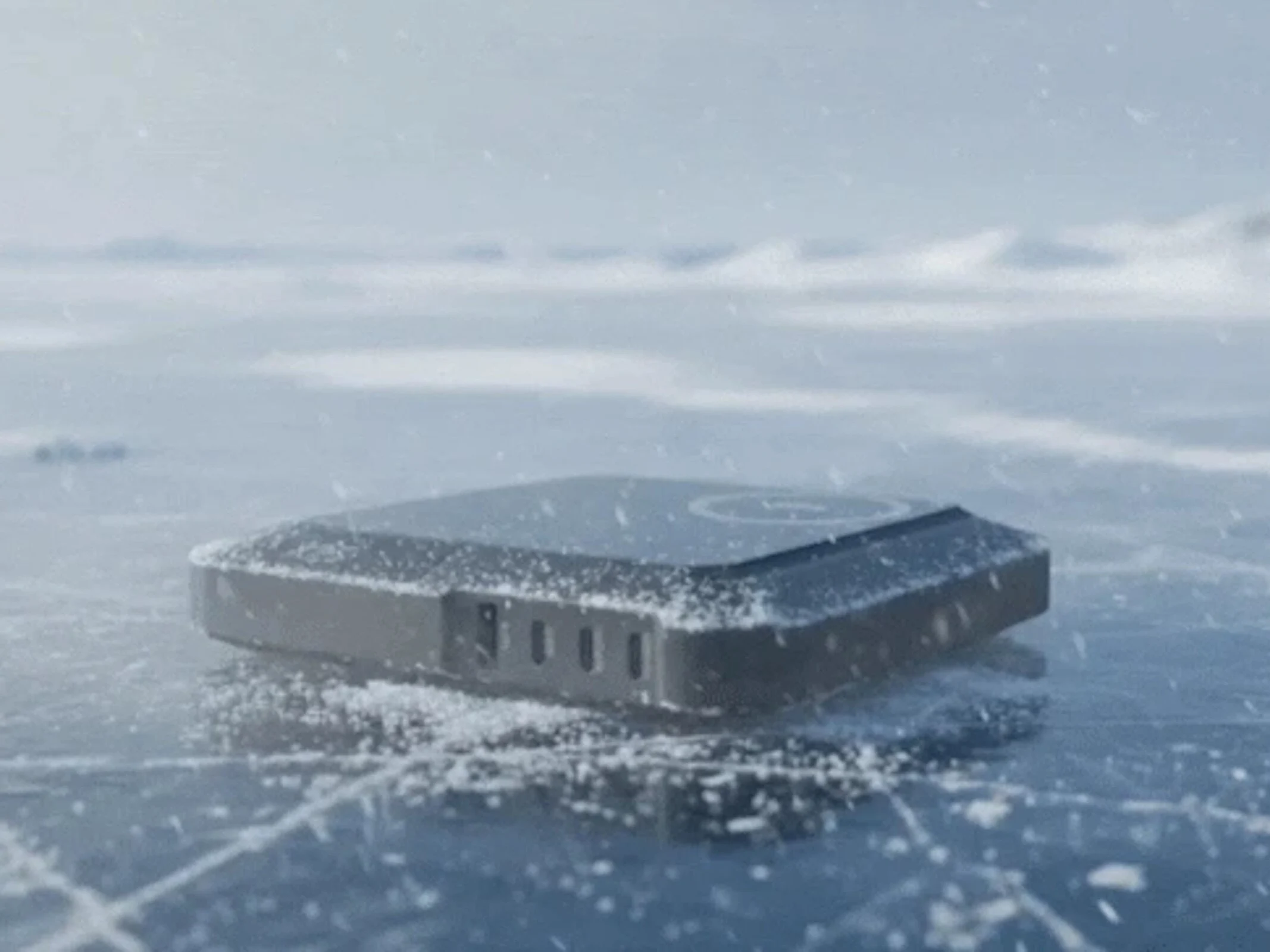
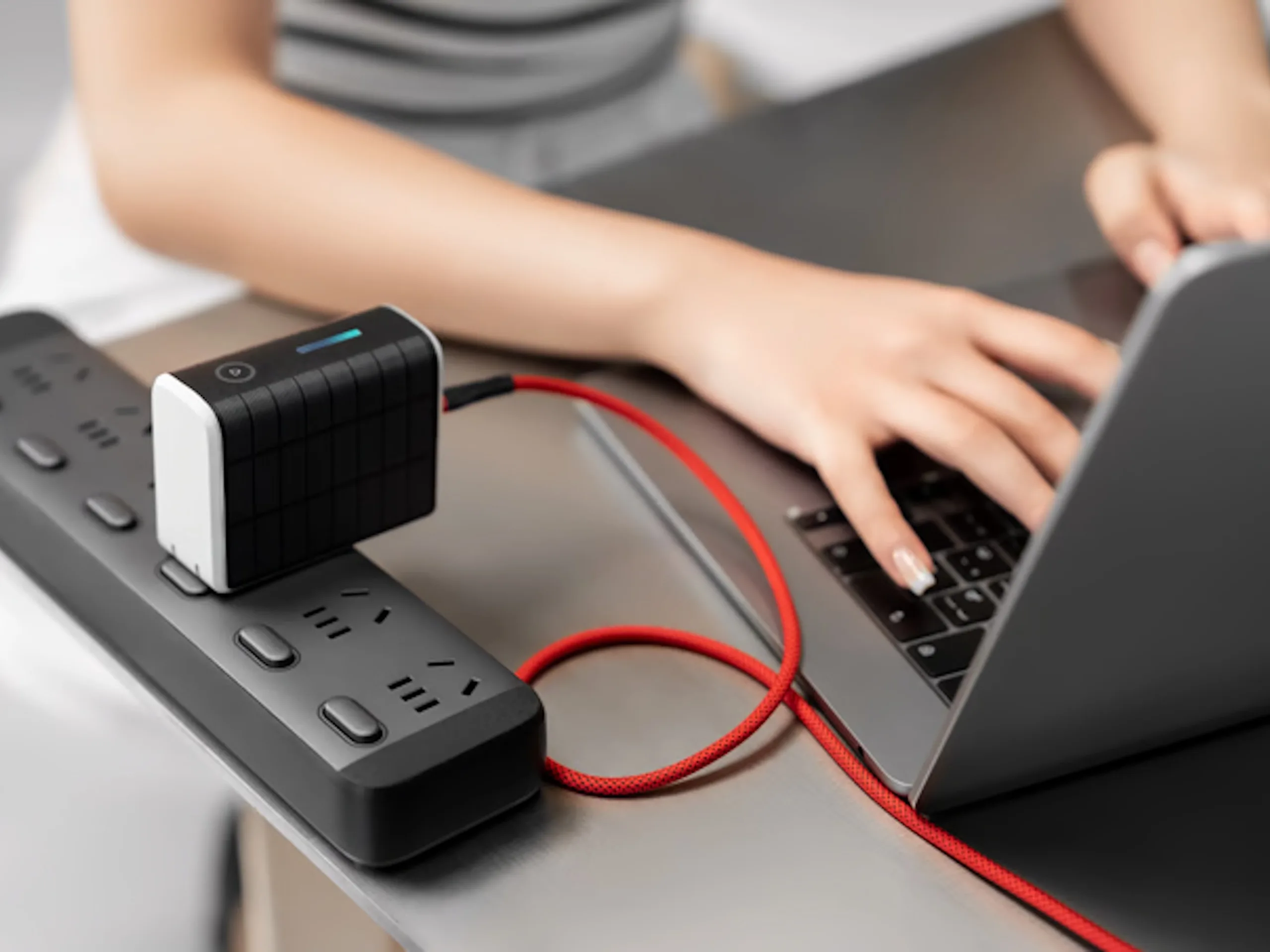
    A new power bank could be interesting for travelers or for anyone who wants to use a power bank without an additional charger. The Solly comes with an integrated charger and a plug. The model is offered in versions with a US, EU and UK plug. This plug simply folds down, which means it should not get in the way during transport.

    The 3.1 x 2 x 1.4-inch gadget comes with a USB-C cable

    Which also functions as a lanyard and should make it easier to carry. Up to 100 watts can be transmitted via the USB-C cable. The weight is listed as 14.1 oz. In an emergency, the built-in solar panel is also supposed to provide a certain amount of charge. According to the manufacturer, the power bank has a capacity of 74 Wh, which should be enough to fully charge typical smartphones more than once.

    It supports output of up to 300 watts

    As usual, this figure refers to the combined output across all ports. The two USB-C ports are said to deliver up to 140 watts each, which should be enough to charge laptops. USB-A can still deliver 20 watts. The Solly can be charged not only with the integrated plug but also via USB-C at up to 140 watts. This is a solid-state power bank, so it should not go into thermal runaway even under severe physical stress.

    As part of the crowdfunding campaign

    Which carries a considerable financial risk for backers, prices start at $89, with shipping scheduled for August. Users should carefully check the shipping terms. In fact, this campaign seems very ambitious to us, so the crowdfunding risk might be relatively high in this specific case.

    • Dimensions: 3.1 x 2 x 1.4 inches
    • Weight: 14.1 oz
    • Capacity: 74 Wh
    • Total output: up to 300 watts
    • USB-C output: up to 140 watts each
    • USB-A output: up to 20 watts
    • Charging input via USB-C: up to 140 watts
    • Integrated plug available in US, EU, UK versions
    • Includes foldable plug and USB-C lanyard cable
    • Built-in solar panel for emergency charging
    • Solid-state battery technology
    • Crowdfunding price: starts at $89
    • Shipping scheduled for August
    Sources
  • Hybrid Li Alloy Technology Surpasses Solid-State Battery Energy Density

    Hybrid Li Alloy Technology Surpasses Solid-State Battery Energy Density

    Key Takeaways

    1. Ganfeng Lithium has developed a battery with 95% solid electrolyte and an energy density of 650 Wh/kg, surpassing competitors’ upcoming solid-state batteries.
    2. The company supplies nearly half of the global lithium market and 70% in China, focusing on innovation in battery technology.
    3. Ganfeng’s new battery retains a small amount of liquid electrolyte for cost efficiency and compatibility while using lithium electrode alloys to boost energy capacity.
    4. Overcoming challenges in lithium alloy preparation has led to improved mechanical properties and production reliability in their new battery.
    5. The battery is classified as a hybrid solid-liquid type and is initially aimed at drones and robots, with potential applications in electric vehicles.


    Ganfeng Lithium, the biggest supplier of lithium metal in the world, has successfully developed a battery that contains 95% solid electrolyte, boasting an energy density that surpasses that of the initial generation of solid-state batteries introduced by companies like Toyota and Samsung.

    Ganfeng’s Dominance in Lithium Supply

    Ganfeng supplies almost half of the global lithium market and controls 70% of the market in China. The company is always looking for new ways to innovate, including experimenting with different applications, electrode alloys, and electrolyte compositions.

    Breakthrough in Battery Technology

    By utilizing a groundbreaking lithium alloy, Ganfeng has started mass production of the first battery cells that incorporate 95% solid-state electrolyte, achieving an impressive 650 Wh/kg energy density. In comparison, Toyota, Samsung, and others are expected to launch their commercial solid-state battery products in 2027, aiming for an energy density of 500 Wh/kg, which was once believed to be the highest possible with this technology.

    Ganfeng believes that a solid-state electrolyte alone isn’t the ultimate solution for achieving high energy densities. The common sulfide-based technology can double the density of current EV batteries, but it risks forming dendrites if pushed too high. In their new 650 Wh/kg battery, Ganfeng retained a small amount of liquid electrolyte to maintain cost-efficiency and compatibility with existing production systems while concentrating on lithium electrode alloys for increased energy capacity.

    Overcoming Challenges in Lithium Alloy Preparation

    There are several significant hurdles that must be addressed when preparing lithium alloys. For one, lithium has a low density, and the elements used in alloying tend to settle, which can create compositional inconsistencies that might lead to a hard second phase, potentially damaging the separator or causing cracks during processing. Additionally, the melting point of the alloy is higher, complicating the melting process. Thanks to advancements in equipment and methods, Ganfeng has achieved uniform alloying and unexpected enhancements in mechanical properties—the alloy’s tensile strength, hardness, and Young’s modulus are all better than pure lithium, greatly reducing the issues related to band breakage during processing and improving production reliability.

    Consequently, the lithium alloy used in the electrodes of the new 650 Wh/kg battery shows a critical current density (CCD) of 50 mA/cm² at a deposition rate of 1 mAh/cm². Under normal manufacturing conditions with a deposition rate of 3 mAh/cm², the CCD stays above 10 mA/cm² and can even reach 12.6 mA/cm², allowing the battery to charge at 3C speeds within just 20 minutes.

    Classification as Hybrid Solid-Liquid Battery

    According to the initial performance and classification standards for solid-state batteries, this new battery would be categorized as a hybrid solid-liquid type, since it still includes some liquid electrolyte. However, it surpasses energy densities of solid-state batteries, except for those still in the prototype phase. The hybrid solid-liquid battery technology is seen as a practical interim solution by CATL, while manufacturers strive to lower costs and extend the lifespan of solid-state batteries.

    Ganfeng’s 650 Wh/kg battery, featuring a hybrid solid-liquid electrolyte, is initially targeted for uses in drones and humanoid robots, where high energy density is crucial, eventually making its way into electric vehicles. Volkswagen’s partner in China, the FAW Group, recently announced that it is testing an electric sedan with hybrid battery technology that offers 500 Wh/kg energy density, showing that the hybrid electrolyte route is becoming increasingly viable.

    Source:
    Link


  • Will Solid-State Batteries Be Ready for Mass Production by 2026?

    Will Solid-State Batteries Be Ready for Mass Production by 2026?

    Key Takeaways

    1. The battery industry is highly competitive, with new materials and technologies emerging regularly.
    2. Rising lithium prices are prompting companies like CATL to explore alternatives, such as sodium-ion batteries.
    3. Donut Lab claims to be ready for large-scale production of solid-state batteries, despite skepticism from industry experts.
    4. Industry experts, including Svolt Energy’s CEO, doubt the viability of Donut Lab’s claims and the existence of its battery.
    5. Independent testing certifications for Donut Lab’s product are currently lacking, with deliveries expected in early 2026.


    The battery industry is extremely cutthroat. New materials and technologies are coming into play, and shifts in pricing or political factors regarding essential raw materials for battery making are influencing most producers. For instance, the recent surge in lithium prices has led CATL to rethink its strategy for sodium-ion batteries to reduce its reliance on lithium.

    Competition in Battery Production

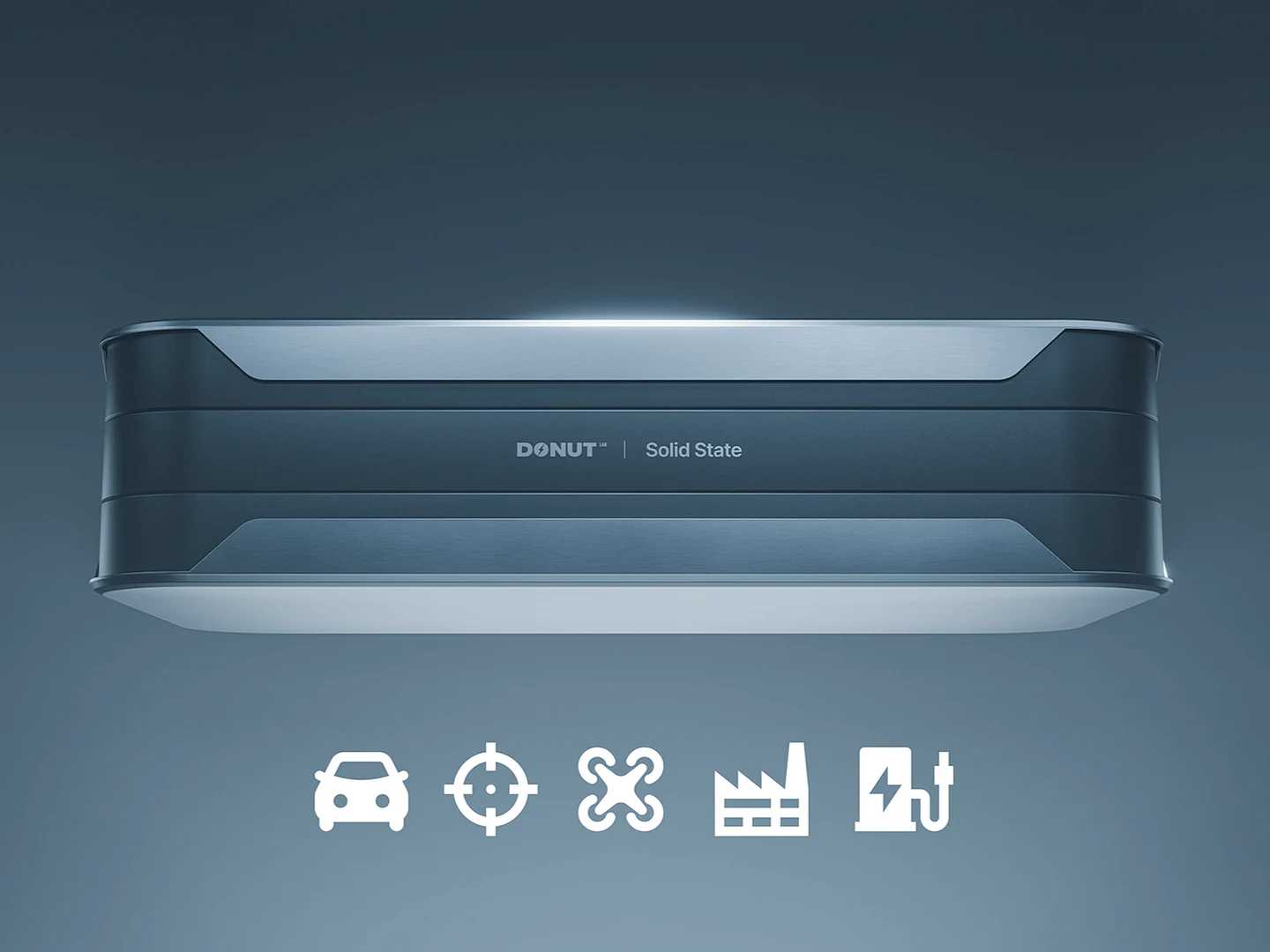
    While leading battery manufacturers like Toyota, Samsung, and several Chinese automakers are still in the process of developing solid-state batteries, Finnish startup Donut Lab has declared its readiness for large-scale production. On their website, the company asserts that it has tackled nearly all significant challenges the industry faces.

    Skepticism from Industry Experts

    Donut Lab makes some bold promises about its product. However, industry experts have pointed out how far-fetched these claims seem. Various news sources are quoting Yang Hongxin, the CEO of the Chinese battery firm Svolt Energy, who argues that such a battery doesn’t exist anywhere globally and is not viable for mass production.

    Future Developments

    Moreover, independent testing certifications are lacking for this product. Nevertheless, since the initial Donut Batteries are expected to begin delivery in the first quarter of 2026, it won’t be long before these assertions are scrutinized.

    In the meantime, take a look at the video below, where the manufacturer showcases their innovative solid-state battery.

    Donut Lab via cnevpost

    Source:
    Link


  • Chery’s 2026 Solid-State Battery EV: 600+ Miles in Arctic Conditions

    Chery’s 2026 Solid-State Battery EV: 600+ Miles in Arctic Conditions

    Key Takeaways

    1. Chery will launch its first vehicle with a solid-state battery, the Exeed ES8, in 2026, ahead of Toyota by one year.
    2. Chery’s solid-state battery boasts a 600 Wh/kg energy density, surpassing previous theoretical limits by 20% and ready for mass production.
    3. The Exeed ES8 is expected to achieve a range of 1,500 km (about 625 miles) on a single charge, significantly outpacing the average range of current US electric vehicles.
    4. Solid-state batteries offer advantages like ultra-fast charging and minimal capacity loss in extreme cold, maintaining performance even at -30 degrees Celsius.
    5. Competitors like Toyota, Samsung, and CATL aim for 2027 to launch solid-state battery vehicles, making Chery a frontrunner in this technology.


    China’s leading car exporter, Chery, is set to launch its first vehicle equipped with a solid-state battery in 2026, getting ahead of Toyota by a year. Chery has been at the forefront of solid-state battery technology and has recently announced that it has developed a 600 Wh/kg solid-state battery that is ready for mass production.

    Advancements in Battery Technology

    Chery, along with other firms such as WeLion, has introduced solid-state batteries with improved energy densities; however, these are still undergoing engineering validation. In contrast, Chery’s production-ready oxide cells featuring a new polymer electrolyte exhibit an energy density that surpasses the previous theoretical maximum by 20%. This advancement allows Chery to incorporate a significantly greater capacity within the same space as the liquid electrolyte batteries currently used in its electric vehicles.

    Impressive Specifications for the Exeed ES8

    The initial 2026 Chery electric vehicle featuring an all-solid-state battery will be the powerful Exeed ES8 shooting brake named Liefeng, which is expected to achieve a range of 1,500 km on a single charge and accelerate in less than three seconds. This performance is attributed to its 800V powertrain and motors that can reach 30,000 rpm, as hinted by the company. It’s important to note that this claimed range is based on the Chinese CLTC cycle, which is approximately one-third less strict than the EPA estimates in the United States, as it mainly involves city driving.

    Real-World Range Estimates

    Consequently, the shooting brake is projected to cover around 625 miles on a single charge when calculated according to EPA standards, which is more than double the average range of current electric vehicles in the US. However, the higher energy density and extended EV range are not the only advantages of solid-state batteries. The 600 Wh/kg cells that Chery plans to use also enable ultra-fast charging and maintain performance with minimal capacity loss, even in frigid temperatures as low as -30 degrees Celsius.

    Competitive Landscape

    Companies such as Toyota, Samsung, and CATL have all set 2027 as the goal for launching cars that utilize solid-state batteries achieving the previously theoretical maximum of 500 Wh/kg. These batteries are expected to provide a range of 500 miles per charge while fitting into the same space as the current 300-mile batteries found in vehicles like the Tesla Model Y. With its 20% longer range, Chery is poised to release its vehicle as early as this year, positioning itself as one of the first automakers to commercialize solid-state batteries successfully.

    Source:
    Link


  • Cost-Effective Solid-State Battery Breakthrough with New Electrolyte

    Cost-Effective Solid-State Battery Breakthrough with New Electrolyte

    Key Takeaways

    1. The TS Pro bike, revealed at CES 2026, will be the first production vehicle with a solid-state battery available for purchase in the US, offering a range of up to 370 miles on a single charge.

    2. The bike is priced at $34,900, highlighting the high costs associated with solid-state battery technology, similar to a Tesla Model 3.

    3. Mass production of solid-state batteries is challenged by expensive production processes and materials, although companies like Samsung are working on solutions to reduce costs.

    4. Researchers from KAIST have made advancements in material science, creating a new electrolyte that enhances ion movement while using cheaper materials, improving cost and performance.

    5. The new design principles from KAIST can lead to more affordable solid-state batteries in the future, potentially transforming the electric vehicle market.


    The TS Pro bike, unveiled at the CES 2026 expo, is set to be the first production vehicle featuring a solid-state battery that will be available for purchase in the US. Thanks to the advanced solid-state battery technology, this bike can travel up to 370 miles on a single charge, and the battery is essentially designed to last the entire lifespan of the vehicle.

    High Costs of Innovation

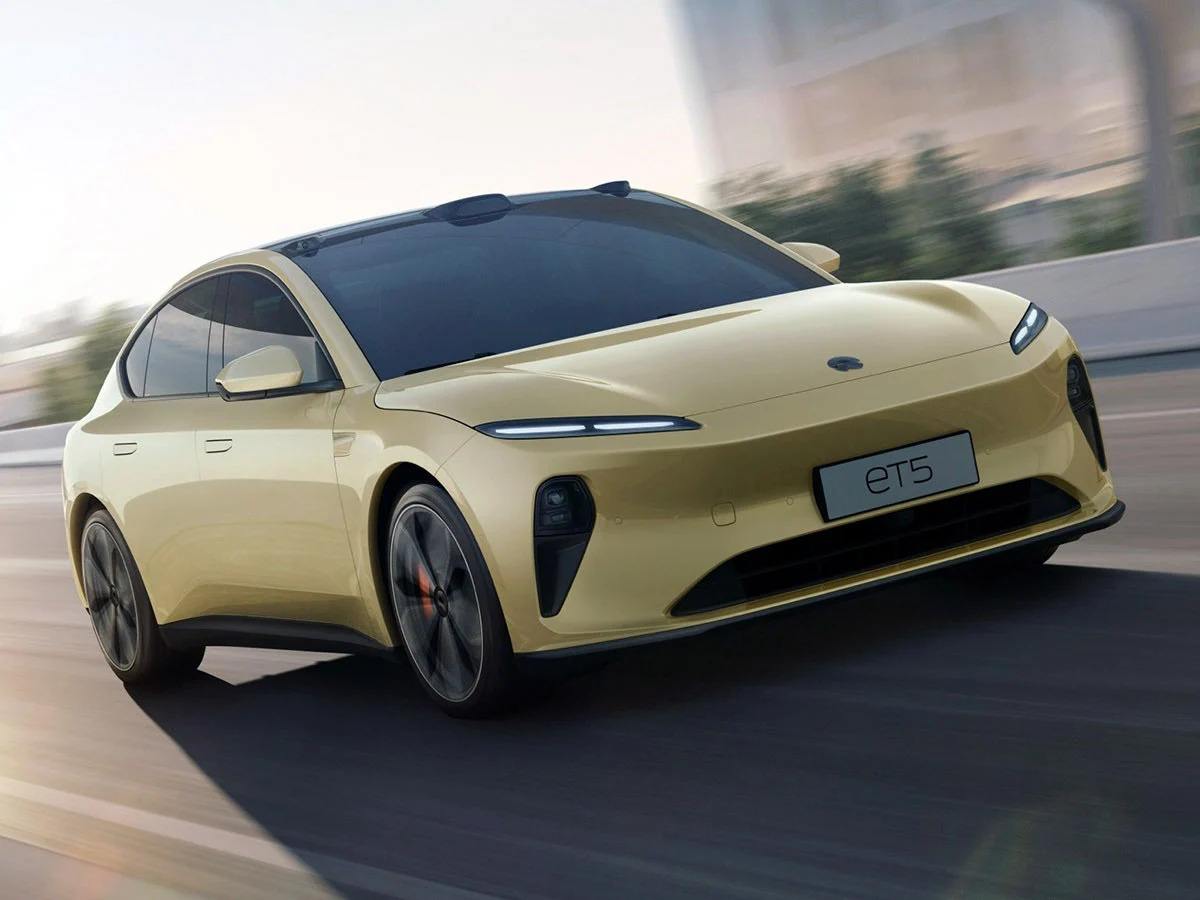
    However, the pricing of this bike highlights the difficulties in bringing solid-state batteries to the market. The bike is priced at $34,900, which is roughly equivalent to the starting price of a Tesla Model 3 electric sedan. Toyota, which aims to be a leader in this technology by 2027, has warned that its initial cars equipped with solid-state batteries will be released in limited quantities and will be in the premium segment under its Lexus brand, indicating high price tags. Additionally, batteries with a semi-solid electrolyte, which still contain 5% liquid, can cost as much as a complete ET5 electric sedan, causing NIO to only offer rentals for longer summer excursions.

    Challenges in Production

    While mass production of solid-state batteries could potentially lower costs, the production process remains inherently expensive. This is because solid electrolytes require more costly materials and complex production methods compared to liquid electrolytes. Companies like Samsung are working on these manufacturing issues to help reduce costs. Meanwhile, researchers from KAIST in Korea have made significant strides in addressing the cost challenges related to solid-state batteries, particularly in terms of materials used.

    Breakthrough in Material Science

    Instead of relying on costly metals to enhance ion conductivity in solid-state batteries, they modified the material structure of existing oxide- or sulfide-based solid-state batteries. By introducing “divalent” oxide and sulfide anions into a more affordable zirconium halide electrolyte, they achieved up to four times easier ion movement. This new approach offers energy density and conductivity comparable to current solid electrolytes that utilize much pricier metals.

    According to Prof. Seo Dong-hwa, the lead researcher from the Department of Materials Science and Engineering at KAIST, their findings “presented design principles that can simultaneously improve the cost and performance problems of solid-state batteries using inexpensive raw materials.” This discovery is practical and can be applied in industry right away, setting the stage for cheaper solid-state batteries in the future.

    Source:
    Link


  • First Production EV with Lifetime Battery and 370-Mile Range

    First Production EV with Lifetime Battery and 370-Mile Range

    Key Takeaways

    1. The first electric vehicle with a solid-state battery will launch in the US this quarter, offering a range of up to 370 miles.
    2. Verge Motorcycles’ TS Pro can recharge in 35 minutes using Tesla’s Superchargers and utilizes stacked solid-state battery cells for increased energy density.
    3. Solid-state battery technology is still largely in the prototype phase, with mass production expected from companies like Toyota around 2027.
    4. The TS Pro features a chainless design with a hubless motor, providing 737 lb-ft of torque and 0 to 60 mph acceleration in 3.5 seconds.
    5. The bike includes advanced features like a NACS port for fast charging and plans for over-the-air updates to improve performance.


    The first-ever electric vehicle in production, utilizing a solid-state battery, is set to hit the US market this quarter, boasting a range of up to 370 miles.

    Fast Charging Capabilities

    Verge Motorcycles has introduced the TS Pro motorbike, which features a NACS port, allowing it to recharge in as little as 35 minutes using Tesla’s Superchargers. While many battery manufacturers have transitioned from solid-state battery prototypes to pilot production, and even into third-generation packs capable of achieving 700 Wh/kg energy density, the number of actual electric vehicles using solid electrolyte batteries remains limited.

    The Current Landscape

    Presently, the only electric vehicles equipped with solid-state batteries — including high-end models like the Mercedes EQS and more affordable options such as the FAW Hongqi — are still in the prototype stage for performance evaluation. Mass production is expected from companies like Toyota around 2027.

    Verge’s Innovative Approach

    Verge Motorcycles has ingeniously stacked 5 kWh solid-state battery cells to develop a production motorcycle capable of achieving up to 370 miles on a single charge when fitted with a 33.3 kWh battery pack. The more affordable 20.2 kWh model offers an EPA-rated range of up to 217 miles. Verge opted for solid-state battery tech because it is safer in accidents and provides double the energy density compared to current Li-ion batteries that use volatile liquid electrolytes. However, this technology comes at a higher cost, making it ideal for compact applications like drones, robots, and motorcycles, leaving the exact price of the TS Pro at launch still unknown.

    Cutting-Edge Features

    In the US, the Verge TS Pro is equipped with a NACS port, enabling it to leverage Tesla’s extensive Supercharger network, allowing for charging speeds up to 200 kW, which can add 186 miles of range in just 10 minutes. The TS Pro’s solid-state battery is built to last throughout the motorcycle’s lifespan, but this isn’t its only standout feature.

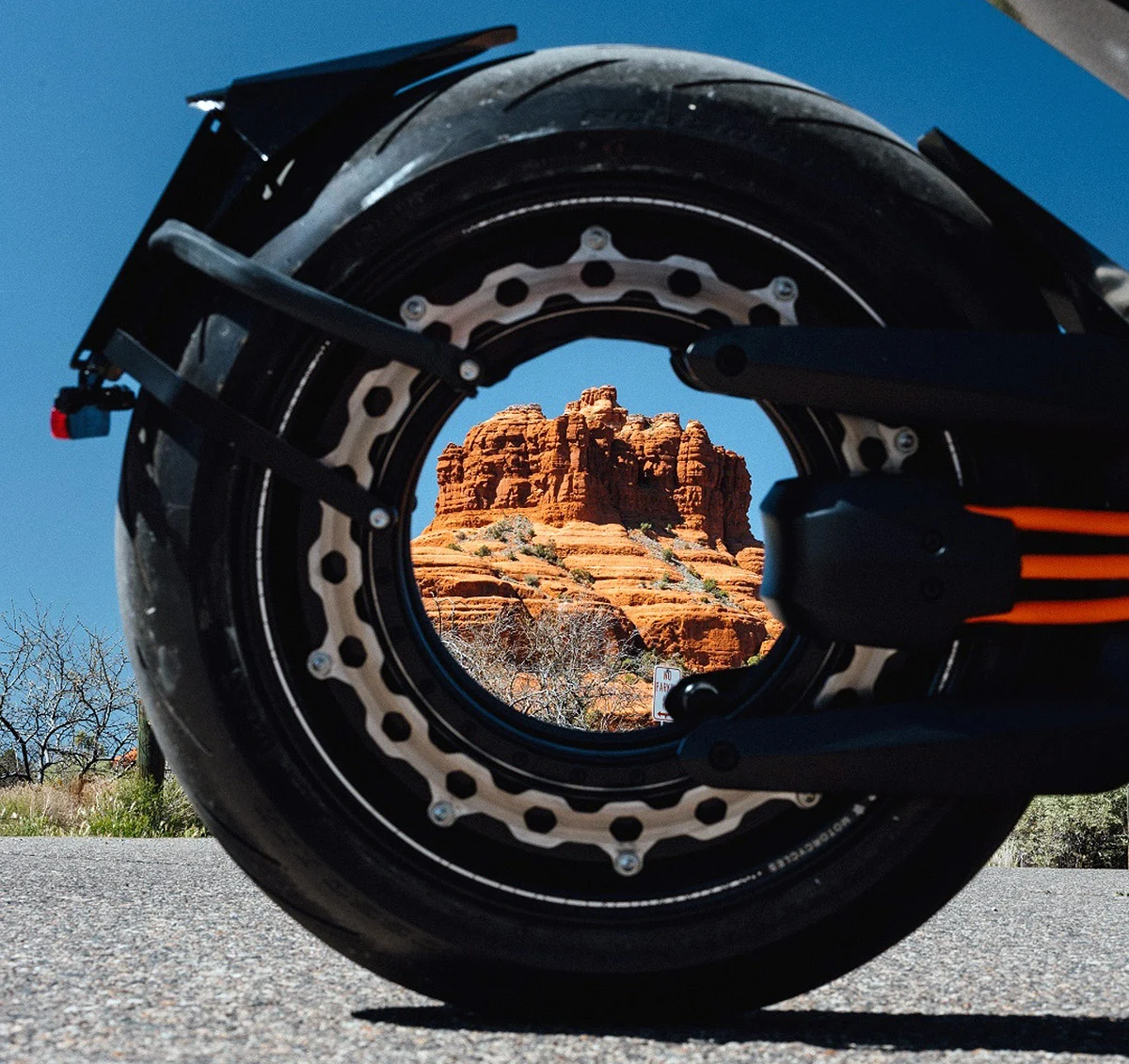
    The bike showcases a chainless design with a hubless motor located in the rear wheel, delivering an impressive 737 lb-ft of torque and allowing it to accelerate from 0 to 60 mph in 3.5 seconds. This chainless drivetrain and its modular design simplify maintenance, and Verge plans to implement OTA updates to enhance driving modes and performance. The first production electric vehicle using solid-state battery technology will come in seven vibrant colors, with only the US release price remaining a mystery before it officially arrives.

    Source:
    Link


  • BMX Launches Affordable Magnetic Power Bank with Built-in Cable

    BMX Launches Affordable Magnetic Power Bank with Built-in Cable

    Key Takeaways

    1. BMX has launched the SolidSafe magnetic power bank with advanced solid-state battery cells, reducing fire and overheating risks.
    2. The power bank is available in three sizes: 5,000 mAh, 10,000 mAh, and 10,000 mAh with a micro-SD card slot, and has a compact design.
    3. SolidSafe offers 15 W fast magnetic wireless charging and 30 W via a USB-C lanyard cable, with data transfer capabilities.
    4. It features a full-color LCD display showing real-time battery percentage, wattage, and status updates.
    5. The pricing starts at $79 for the 5K model, with availability on BMX’s website; the microSD version launches in February 2026.


    BMX (Better Mobile Xperience), known for its smartphone accessories, has introduced its newest magnetic power bank, the SolidSafe, to the worldwide market. This power bank stands out because, instead of using conventional lithium-ion or polymer batteries, it employs advanced solid-state battery cells. The company claims that these new cells significantly lower the chances of fire, overheating, or major failures compared to older types.

    Compact Design and Capacity Options

    The SolidSafe power bank comes in three different battery sizes: 5,000, 10,000, and 10,000 mAh, and it also includes a micro-SD card slot. This magnetic power bank is designed to be portable, with dimensions of 102.7 x 68 x 18.9 mm (4 x 2.6 x 0.74 inches) and a weight of about 209 grams (0.46 lbs), making it easy to carry around.

    Fast Charging Capabilities

    Regarding power output, the SolidSafe provides Qi2 15 W fast magnetic wireless charging and can deliver 30 W through a built-in USB-C lanyard cable. Additionally, the USB-C cable can also be used for data transfers. It features a full-color LCD display that indicates real-time battery percentage, wattage, and status updates. The power bank is compatible with a wide range of devices, including the iPhone (17/16/15/14/13/12 series), Samsung S24/S25 (currently priced at $650 on Amazon), Google Pixel 9/8/7 series, and other smartphones that support USB-C PD or Qi2.

    Pricing and Availability

    The BMX SolidSafe power bank is offered in four color choices: black, orange, blue, and silver. The starting price is $79 for the 5K model, while the 10K and 10K + microSD versions are available for $99 and $129, respectively. Currently, both the 5K and 10K models can be purchased through BMX’s official website, but the microSD version is set to launch in February 2026.

    BMX Press Release

    Source:
    Link


  • Solid-State Battery Breaks Energy Density Record, Doubles Limit

    Solid-State Battery Breaks Energy Density Record, Doubles Limit

    Key Takeaways

    1. A new record for solid-state battery energy density has been set at 824 Wh/kg, surpassing the previous theoretical limit by 20%.
    2. WeLion claims to have achieved 1,000 Wh/kg energy density, which is double the current standards, but this technology is not yet viable for large EV production.
    3. Major companies like Samsung, CATL, and Toyota aim to launch solid-state batteries with 500 Wh/kg energy density by 2027, enabling electric vehicles to potentially travel 750 miles on a single charge.
    4. WeLion’s existing 150 kWh packs are used in NIO vehicles, allowing ranges over 600 miles, but new advancements may exceed 1,000 miles once production is viable.
    5. High energy density solid-state batteries may be more suitable for drones and robots due to their elevated costs, rather than for mainstream electric vehicles.


    One of the leaders in solid-state battery technology has declared a new record for energy density at 824 Wh/kg. The earlier record holder, Cherry, recently revealed that it has developed a 600 Wh/kg solid-state battery that is set to go into mass production by 2027.

    New Heights in Energy Density

    This new achievement surpasses the previous theoretical limit by 20% due to innovative polymer electrolyte tech. However, it is still significantly less than WeLion’s claim of achieving 1,000 Wh/kg energy density, which is double the current ratings for solid-state battery technologies.

    Big names like Samsung, CATL, and Toyota have expressed excitement about launching solid-state batteries that meet the previously theoretical maximum of 500 Wh/kg by 2027. These advancements could allow electric vehicles to travel 750 miles on a single charge while maintaining the same size as today’s batteries, like those in the Tesla Model Y, which currently offer a 300-mile range.

    Real-World Applications

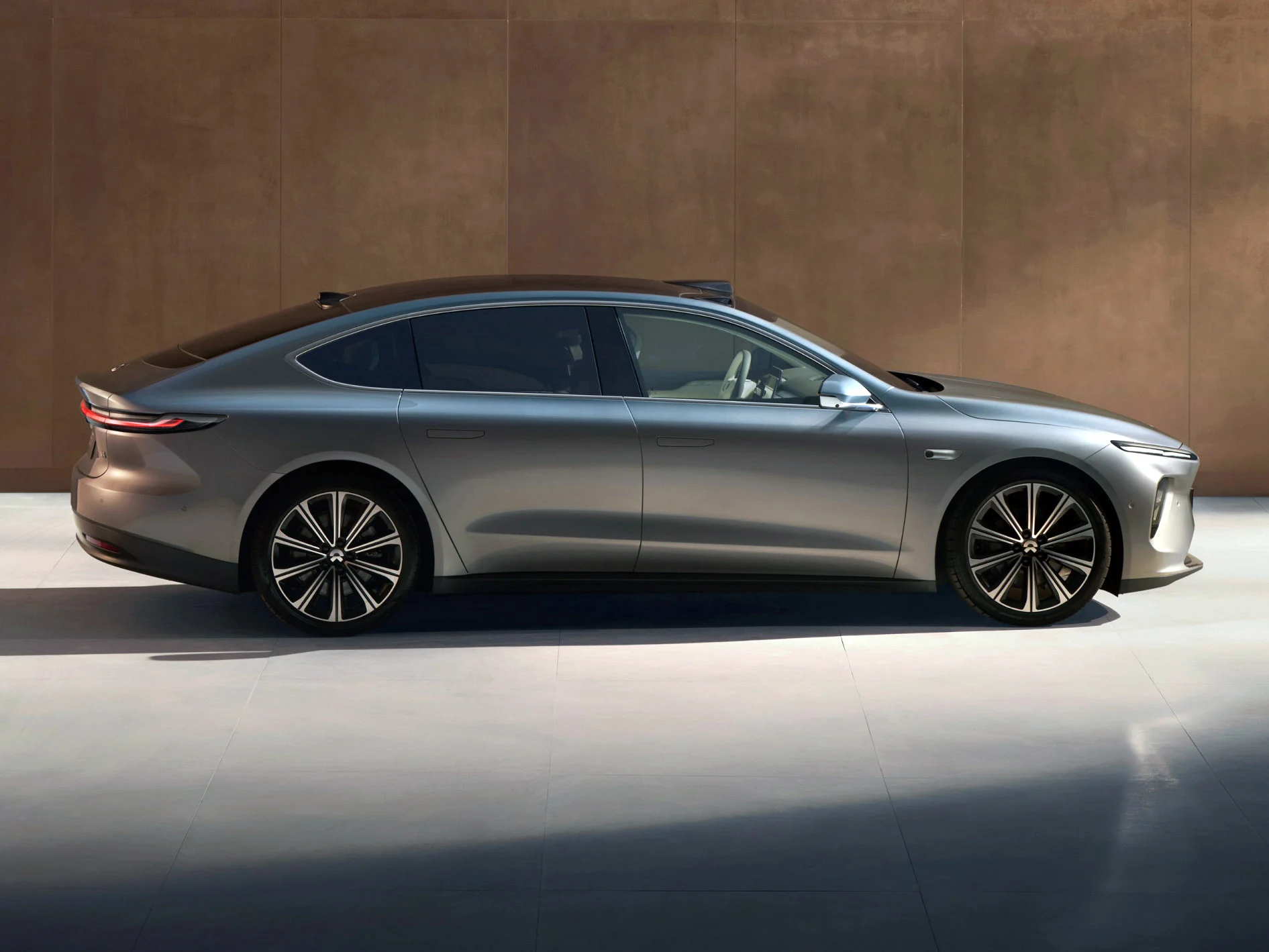
    WeLion has already developed 150 kWh packs featuring 95% solid electrolyte that are currently being used in NIO vehicles such as the ET7 sedan, allowing them to achieve ranges exceeding 600 miles on one charge. Once WeLion’s new energy density breakthrough is ready for production, the same vehicle could potentially exceed 1,000 miles of range. Nevertheless, WeLion’s chairman warns that such battery packs will be very costly.

    For example, the semi-solid electrolyte battery used in the NIO ET7 is priced comparably to an entire electric vehicle, which is why NIO only offers it for rental on longer summer trips at their battery swap stations. WeLion acknowledges that the 1,000 Wh/kg solid-state electrolyte technology it created in collaboration with BASF is not yet viable for large EV batteries, at least until it can be manufactured on a larger scale. However, applications like Tesla’s Optimus, where energy density and battery safety are crucial, could benefit greatly from this new technology.

    Market Trends and Future Outlook

    This aligns with insights from CATL, the world’s largest battery market player, and Panasonic, a key supplier for Tesla. Both companies share the perspective that solid-state batteries characterized by high energy density and elevated costs might be more appropriate for use in drones and robots, rather than electric vehicles, unless they target the luxury market.

    Source:
    Link


  • Solid-State EV Battery Retains 72% Capacity in Extreme Cold

    Solid-State EV Battery Retains 72% Capacity in Extreme Cold

    Key Takeaways

    1. Dongfeng’s solid-state battery achieves an energy density of 350 Wh/kg, enabling mass production by 2026, despite being lower than the theoretical maximum of 500 Wh/kg.
    2. The battery is designed to provide an electric vehicle range of 1,000 km, potentially exceeding 400 miles in U.S. conditions.
    3. Solid-state batteries enhance safety by eliminating volatile liquid electrolytes and perform better in extreme temperatures, with 72% capacity retention at -30°C.
    4. The new battery successfully endured high-temperature tests up to 170°C, well above the required threshold.
    5. Dongfeng is developing a fast-charging version compatible with 2 MW chargers and aims for a battery approaching 500 Wh/kg energy density by 2027, in line with other industry leaders.


    A new solid-state battery created by a prominent automaker from China has successfully completed key performance and safety evaluations and is now entering pilot production.

    Battery Performance and Specifications

    Dongfeng’s inaugural solid-state battery generation boasts an energy density of 350 Wh/kg. While this figure is lower than the theoretical maximum of 500 Wh/kg for this technology, it is reportedly stable and economically viable enough to commence mass production by 2026. This is arguably more significant for proving the practicality of solid-state batteries in electric vehicle powertrains than merely pursuing the highest specifications with lab prototypes.

    Dongfeng claims that its initial solid-state battery will enable an electric vehicle range of 1,000 km while maintaining the same size as current batteries utilizing liquid electrolytes. This range is likely based on China’s CLTC cycle, which is roughly one-third less stringent than the EPA’s standards, suggesting that the equivalent range in the U.S. could exceed 400 miles on a single charge in real-world conditions.

    Advantages of Solid-State Batteries

    Beyond their higher energy density, solid-state batteries offer numerous other benefits. Their design eliminates the volatile liquid electrolyte, enhancing safety. Additionally, they can be charged more quickly and maintain their capacity much more effectively in extreme temperatures. For Dongfeng’s solid-state battery, which is set to begin mass production next year, tests at cold temperatures showed a remarkable capacity retention of 72% at -30°C (-22 degrees Fahrenheit). This performance is 20% better than conventional lithium batteries with liquid electrolytes, making it suitable for electric vehicles in colder regions.

    The new solid-state battery has also successfully undergone high-temperature testing, known as the hot box test, and demonstrated its ability to endure temperatures as high as 170°C (338 degrees Fahrenheit), significantly exceeding the required threshold of 130°C.

    Future Developments

    Dongfeng indicates that it is also developing a fast-charging version of its solid-state battery, which will be compatible with 2 MW chargers. Additionally, the company is working toward a solid-state battery that approaches the theoretical 500 Wh/kg energy density of sulfide-based technology, although production of this model isn’t anticipated until after 2027. This timeline aligns with other major industry players, such as CATL, Samsung, and Toyota, who have committed to launching vehicles equipped with true solid-state batteries in the same period.


    Source:
    Link


  • NeoPow X25: Safe 285W Solid-State Power Bank Now on Sale

    NeoPow X25: Safe 285W Solid-State Power Bank Now on Sale

    Key Takeaways

    1. Safety Features: The NeoPow X25 uses a solid-state battery to reduce risks of fires or explosions, even if damaged.

    2. Durability: It can withstand falls from 4 feet, has an IP54 rating for water and dust resistance, and operates in temperatures from -20 to 60°C.

    3. Specifications: The power bank has a capacity of 98Wh, weighs 1.4 lbs, and measures 5.9 x 5.4 x 0.9 inches, making it suitable for carry-on luggage.

    4. Charging Capabilities: It supports more than 2,000 charging cycles, offers a total output of 285 watts, and includes multiple USB-C and USB-A ports along with wireless charging.

    5. Price and Crowdfunding Risks: Available for pre-order at $169 on Kickstarter; potential buyers should be aware of the risks associated with crowdfunding projects.


    Power banks that use lithium have some risks, even when they’re not charged. The lithium in them can react with oxygen in the air in a way that might cause fires or explosions. The NeoPow X25, however, is a new type of power bank that has a solid-state battery, which is designed to avoid these dangerous situations, even if it gets damaged badly.

    Design and Durability

    The company promotes this safety feature by actually driving a nail into the battery. This power bank is made to handle falls from around 4 feet and has an IP54 rating for water and dust resistance. It’s also operable in very cold conditions, specifically from -20 to 60°C.

    Specifications and Features

    The NeoPow X25 has a capacity of 98Wh, which means it’s allowed on airplanes in carry-on luggage. It weighs 1.4 lbs and its dimensions are 5.9 x 5.4 x 0.9 inches. The device is rated for more than 2,000 charging cycles, and even after that, it should keep a good amount of its original battery life. The total maximum output is noted as 285 watts. It comes with two USB-C ports that can provide up to 140 watts, a third USB-C port that supports 27 watts, and a USB-A port that can give up to 60 watts. There’s also wireless charging that can go up to 15 watts. The power bank itself can recharge at a rate of up to 140 watts.

    Additional Features and Pricing

    Additionally, it features a built-in LED flashlight that can emit up to 450 lumens. As part of a current Kickstarter campaign, interested customers can pre-order the solid-state power bank for $169. However, it’s important for buyers to understand the risks involved with crowdfunding projects. Since this is a new company, the risk might be greater in this case.

    Kickstarter

    Source:
    Link