Tag: KAIST

  • Cost-Effective Solid-State Battery Breakthrough with New Electrolyte

    Cost-Effective Solid-State Battery Breakthrough with New Electrolyte

    Key Takeaways

    1. The TS Pro bike, revealed at CES 2026, will be the first production vehicle with a solid-state battery available for purchase in the US, offering a range of up to 370 miles on a single charge.

    2. The bike is priced at $34,900, highlighting the high costs associated with solid-state battery technology, similar to a Tesla Model 3.

    3. Mass production of solid-state batteries is challenged by expensive production processes and materials, although companies like Samsung are working on solutions to reduce costs.

    4. Researchers from KAIST have made advancements in material science, creating a new electrolyte that enhances ion movement while using cheaper materials, improving cost and performance.

    5. The new design principles from KAIST can lead to more affordable solid-state batteries in the future, potentially transforming the electric vehicle market.


    The TS Pro bike, unveiled at the CES 2026 expo, is set to be the first production vehicle featuring a solid-state battery that will be available for purchase in the US. Thanks to the advanced solid-state battery technology, this bike can travel up to 370 miles on a single charge, and the battery is essentially designed to last the entire lifespan of the vehicle.

    High Costs of Innovation

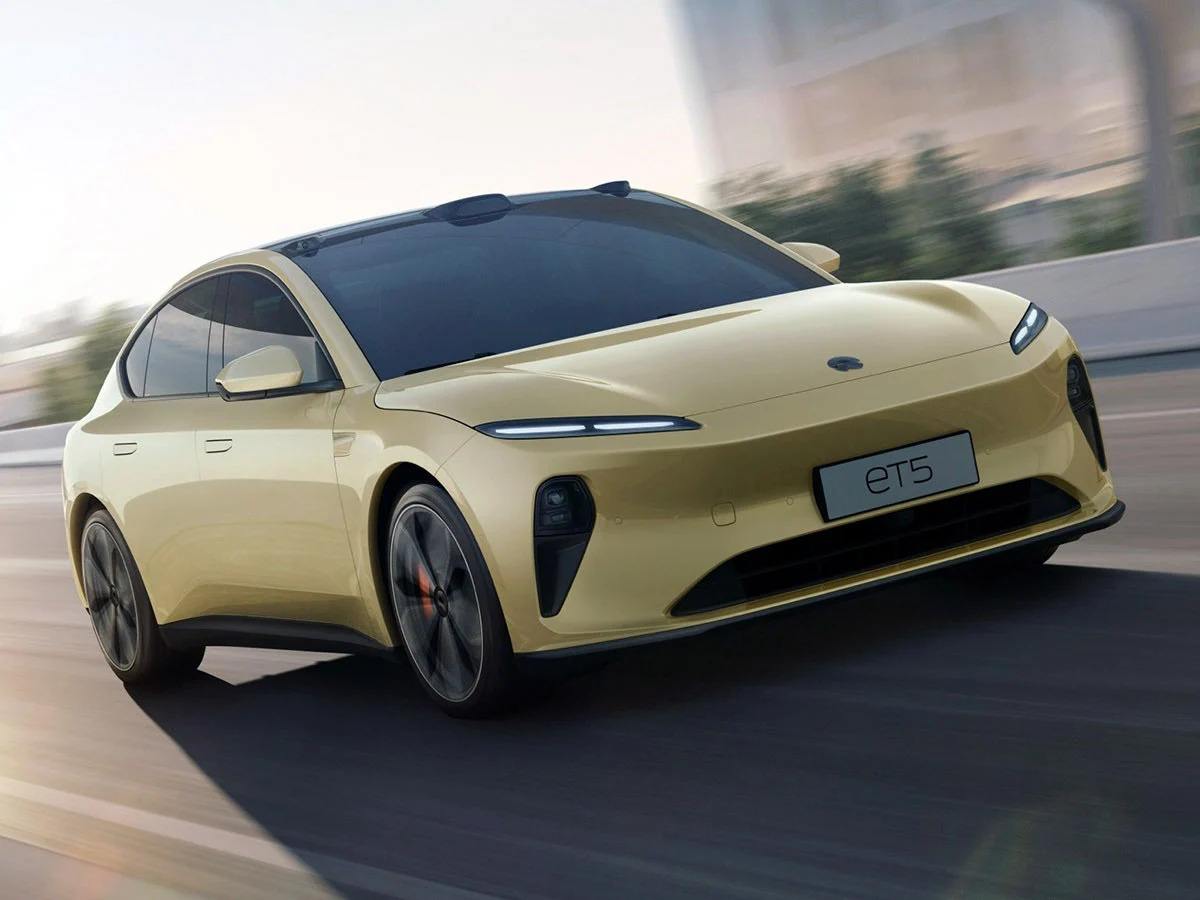
    However, the pricing of this bike highlights the difficulties in bringing solid-state batteries to the market. The bike is priced at $34,900, which is roughly equivalent to the starting price of a Tesla Model 3 electric sedan. Toyota, which aims to be a leader in this technology by 2027, has warned that its initial cars equipped with solid-state batteries will be released in limited quantities and will be in the premium segment under its Lexus brand, indicating high price tags. Additionally, batteries with a semi-solid electrolyte, which still contain 5% liquid, can cost as much as a complete ET5 electric sedan, causing NIO to only offer rentals for longer summer excursions.

    Challenges in Production

    While mass production of solid-state batteries could potentially lower costs, the production process remains inherently expensive. This is because solid electrolytes require more costly materials and complex production methods compared to liquid electrolytes. Companies like Samsung are working on these manufacturing issues to help reduce costs. Meanwhile, researchers from KAIST in Korea have made significant strides in addressing the cost challenges related to solid-state batteries, particularly in terms of materials used.

    Breakthrough in Material Science

    Instead of relying on costly metals to enhance ion conductivity in solid-state batteries, they modified the material structure of existing oxide- or sulfide-based solid-state batteries. By introducing “divalent” oxide and sulfide anions into a more affordable zirconium halide electrolyte, they achieved up to four times easier ion movement. This new approach offers energy density and conductivity comparable to current solid electrolytes that utilize much pricier metals.

    According to Prof. Seo Dong-hwa, the lead researcher from the Department of Materials Science and Engineering at KAIST, their findings “presented design principles that can simultaneously improve the cost and performance problems of solid-state batteries using inexpensive raw materials.” This discovery is practical and can be applied in industry right away, setting the stage for cheaper solid-state batteries in the future.

    Source:
    Link


  • New Electric Car Batteries: 500-Mile Range in Just 12 Minutes

    New Electric Car Batteries: 500-Mile Range in Just 12 Minutes

    Key Takeaways

    1. KAIST developed a new liquid electrolyte that prevents dendrite growth in lithium metal batteries, enhancing safety and performance.
    2. The new batteries can charge from 5 to 70% in just 12 minutes, offering a driving range of about 800 kilometers (under 500 miles).
    3. This technology allows for charging power exceeding 400 kW, significantly faster than current electric vehicle models.
    4. High energy density in lithium metal batteries could reduce weight and increase range without compromising vehicle performance.
    5. Despite promising results, challenges remain in ensuring safety, cost-effective mass production, and long-term performance testing.


    Researchers at the Korea Advanced Institute of Science & Technology (KAIST) have created a new liquid electrolyte that stops dendrite growth in lithium metal batteries. These batteries are different from standard lithium-ion ones because they use pure lithium instead of graphite. This unique feature allows for a higher energy density, resulting in a longer driving range without increasing weight. However, previously, these batteries faced issues with dendrite formation, which are crystal structures that develop during charging and can lead to short circuits. The innovative liquid electrolyte addresses this by encouraging even lithium ion deposition on the anode surface, preventing weak spots that would allow dendrites to grow.

    Fast Charging Breakthrough

    In their laboratory tests, KAIST researchers charged a battery from 5 to 70% in only 12 minutes, which equates to a range of about 800 kilometers (just under 500 miles). The battery’s performance stayed consistent over more than 350 charging cycles. In an even more powerful setup, a charge of 80% was reached in 17 minutes. Professor Hee Tak Kim emphasized in the publication, “This paves the way for broad adoption of electric vehicles.”

    Comparison with Current Models

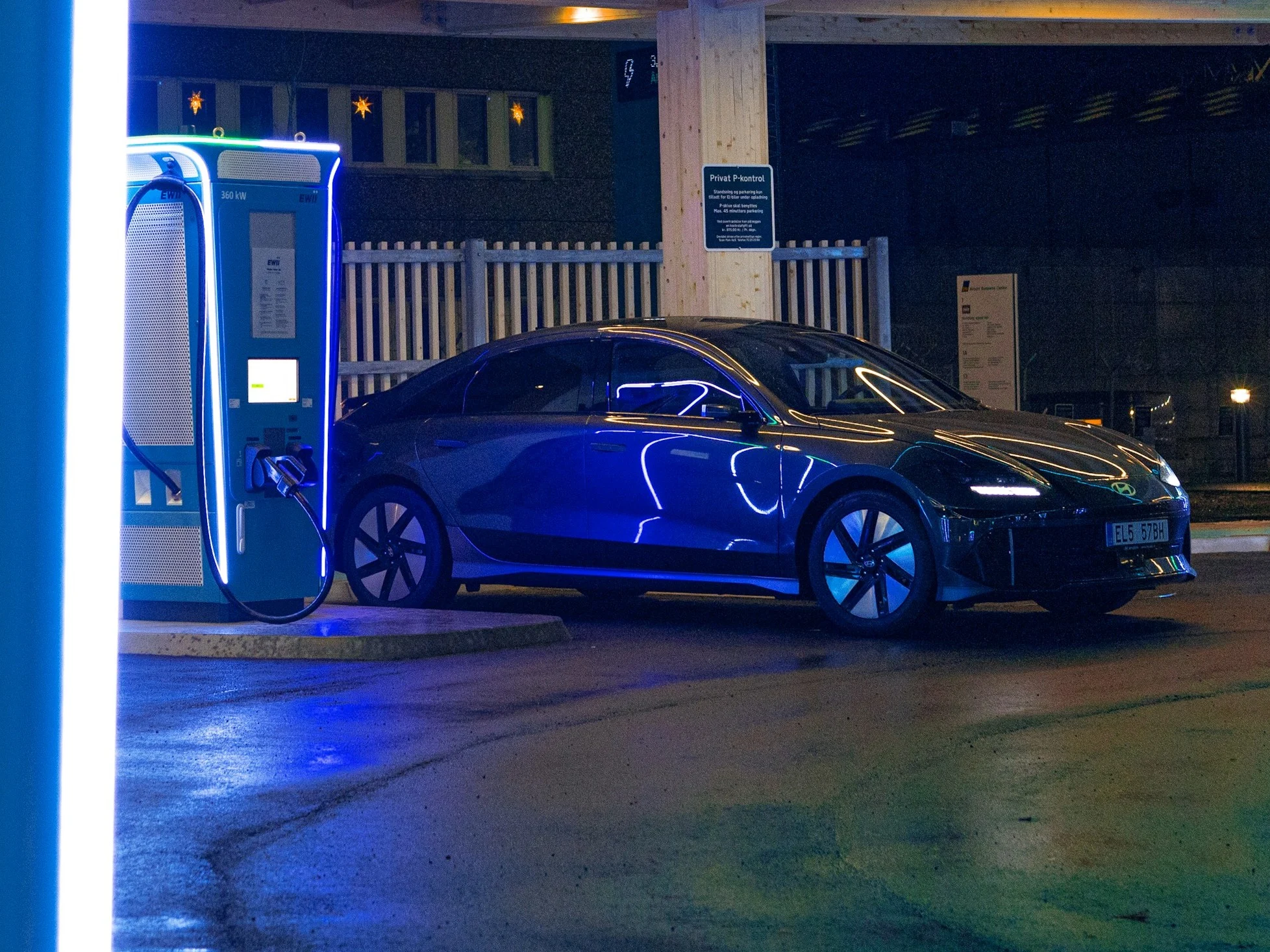
    Current electric cars like the Tesla Model 3 and Hyundai Ioniq 6 can fast charge between 200 and 250 kW at modern HPC (high power charger) stations. In real-world use, these models typically take around 20 to 30 minutes to go from 10 to 80% charge, with ranges of 400 to 600 kilometers (250 – 370 miles), depending on battery type and driving conditions.

    The results from the lab for lithium-metal batteries greatly surpass these figures: a range of 800 kilometers with a 12-minute charging time would mean an effective charging power of over 400 kW. This advancement could bring electric vehicles closer to the refueling time of gasoline or diesel cars for the very first time.

    Implications for Future Vehicles

    The high energy densities of lithium metal batteries could lead to reduced weight in vehicle batteries or allow for longer ranges without adding weight. For consumers, this translates to shorter charging periods and driving distances similar to those of traditional vehicles, thus overcoming a major barrier to the day-to-day use of electric cars.

    Despite these promising lab results, there are still hurdles to tackle. Ensuring the safety of lithium metal anodes in real-world conditions is crucial, and creating special electrolytes on an industrial scale could be expensive. Moreover, how these batteries perform in long-term tests with increased cycle counts remains uncertain. Questions like these must be resolved before car manufacturers can effectively implement the technology on a large scale.

    The findings, published in Nature Energy, represent an important milestone in the quest for more efficient electric cars. If the technology can be safely and economically scaled for mass production, it may revolutionize electric mobility in the years ahead.

    Source:
    Link


  • Revolutionary EV Battery Offers 500 Miles in Just 12 Minutes

    Revolutionary EV Battery Offers 500 Miles in Just 12 Minutes

    Key Takeaways

    1. Researchers from KAIST and LG Energy Solution have developed lithium-metal batteries that can enable electric vehicles to travel 800 kilometers (500 miles) after just 12 minutes of charging.
    2. The breakthrough addresses safety and performance issues caused by dendrite formation during charging, which has limited the use of lithium-metal batteries.
    3. Dendrites are tree-like formations on battery anodes that can lead to reduced performance and safety risks, including short-circuits.
    4. The team created a new liquid electrolyte that inhibits dendrite growth by promoting even lithium deposition on the anode.
    5. Laboratory tests showed the new battery could charge from 5% to 70% in 12 minutes over 350 cycles, with energy densities reaching up to 386 Wh per kilogram.


    Researchers from the Korea Advanced Institute of Science and Technology (KAIST) along with LG Energy Solution have made a significant advancement. This development could enable electric vehicles to cover 800 kilometers (or 500 miles) after just 12 minutes of charging.

    Major Achievement in Battery Technology

    The study, which was featured in the journal Nature Energy, highlights a breakthrough in lithium-metal batteries that addresses a crucial safety and performance concern that has been hindering the progress of this technology. Lithium-metal batteries can deliver a much greater energy density when compared to traditional lithium-ion batteries, as they rely on pure lithium metal instead of a graphite anode. Yet, lithium-ion batteries remain the standard today due to the tendency of lithium-metal batteries to form dendrites.

    Understanding Dendrites and Their Impacts

    Dendrites are sharp, tree-like formations of lithium that can develop on the anodes of lithium batteries during the charging process. Their presence not only reduces performance but can also lead to short-circuits, posing a safety risk. To tackle this issue, the research team carefully examined how dendrites formed and created an innovative strategy to stop their growth. They found that the formation of dendrites was sparked by “non-uniform interfacial cohesion on the surface of the lithium metal.” As a solution, they invented a “cohesion-inhibiting new liquid electrolyte” that features an anion structure with a low binding affinity for lithium ions. This method allows lithium to be deposited evenly across the anode, which helps to minimize dendrite growth even during fast charging.

    Impressive Results in Testing

    In laboratory tests, the new battery was able to charge from 5% to 70% in just 12 minutes over more than 350 cycles. Additionally, the team created models of high-density designs that achieved energy densities up to 386 Wh per kilogram, capable of charging from 10% to 80% in 17 minutes.

    Source:
    Link