
Key Takeaways
1. The TS Pro bike, revealed at CES 2026, will be the first production vehicle with a solid-state battery available for purchase in the US, offering a range of up to 370 miles on a single charge.
2. The bike is priced at $34,900, highlighting the high costs associated with solid-state battery technology, similar to a Tesla Model 3.
3. Mass production of solid-state batteries is challenged by expensive production processes and materials, although companies like Samsung are working on solutions to reduce costs.
4. Researchers from KAIST have made advancements in material science, creating a new electrolyte that enhances ion movement while using cheaper materials, improving cost and performance.
5. The new design principles from KAIST can lead to more affordable solid-state batteries in the future, potentially transforming the electric vehicle market.
The TS Pro bike, unveiled at the CES 2026 expo, is set to be the first production vehicle featuring a solid-state battery that will be available for purchase in the US. Thanks to the advanced solid-state battery technology, this bike can travel up to 370 miles on a single charge, and the battery is essentially designed to last the entire lifespan of the vehicle.
High Costs of Innovation
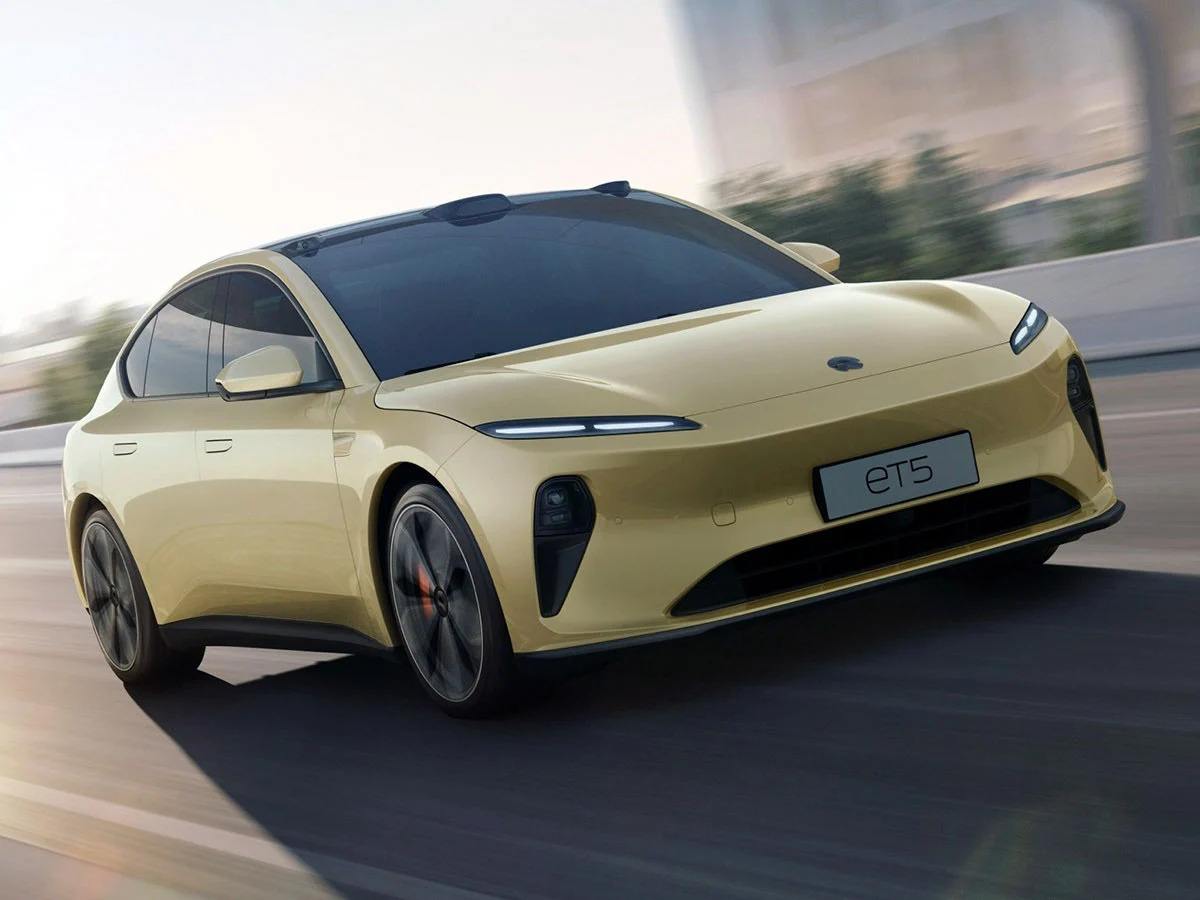
However, the pricing of this bike highlights the difficulties in bringing solid-state batteries to the market. The bike is priced at $34,900, which is roughly equivalent to the starting price of a Tesla Model 3 electric sedan. Toyota, which aims to be a leader in this technology by 2027, has warned that its initial cars equipped with solid-state batteries will be released in limited quantities and will be in the premium segment under its Lexus brand, indicating high price tags. Additionally, batteries with a semi-solid electrolyte, which still contain 5% liquid, can cost as much as a complete ET5 electric sedan, causing NIO to only offer rentals for longer summer excursions.
Challenges in Production
While mass production of solid-state batteries could potentially lower costs, the production process remains inherently expensive. This is because solid electrolytes require more costly materials and complex production methods compared to liquid electrolytes. Companies like Samsung are working on these manufacturing issues to help reduce costs. Meanwhile, researchers from KAIST in Korea have made significant strides in addressing the cost challenges related to solid-state batteries, particularly in terms of materials used.
Breakthrough in Material Science
Instead of relying on costly metals to enhance ion conductivity in solid-state batteries, they modified the material structure of existing oxide- or sulfide-based solid-state batteries. By introducing “divalent” oxide and sulfide anions into a more affordable zirconium halide electrolyte, they achieved up to four times easier ion movement. This new approach offers energy density and conductivity comparable to current solid electrolytes that utilize much pricier metals.
According to Prof. Seo Dong-hwa, the lead researcher from the Department of Materials Science and Engineering at KAIST, their findings “presented design principles that can simultaneously improve the cost and performance problems of solid-state batteries using inexpensive raw materials.” This discovery is practical and can be applied in industry right away, setting the stage for cheaper solid-state batteries in the future.
Source:
Link