Tag: solid-state battery

  • Solid-State Battery Fuels Iron Humanoid Robot to Outpace Tesla Optimus

    Solid-State Battery Fuels Iron Humanoid Robot to Outpace Tesla Optimus

    Key Takeaways

    1. XPeng’s Iron humanoid robot aims for mass production by the end of 2026 and can be customized in various human-like designs.
    2. The robot features advanced technology with three Turing AI chips, 3,000 TOPS of computing power, and 82 degrees of freedom in its body.
    3. XPeng’s Iron robot is powered by an all-solid-state battery, achieving over 500 Wh/kg energy density, outperforming Tesla’s Optimus battery.
    4. The design includes innovative elements like a humanoid spine, bionic muscles, and flexible artificial skin for a more human-like appearance.
    5. XPeng plans to position the Iron robot for diverse roles, potentially making it the first mass-produced humanoid robot, ahead of Tesla.


    One of the leading electric vehicle startups in China, XPeng, has introduced a new generation of its Iron humanoid robot that could challenge Tesla’s Optimus. This development raises questions about Elon Musk’s ambitious claims regarding the trillion-dollar valuation that could come from it.

    Production Timeline and Design

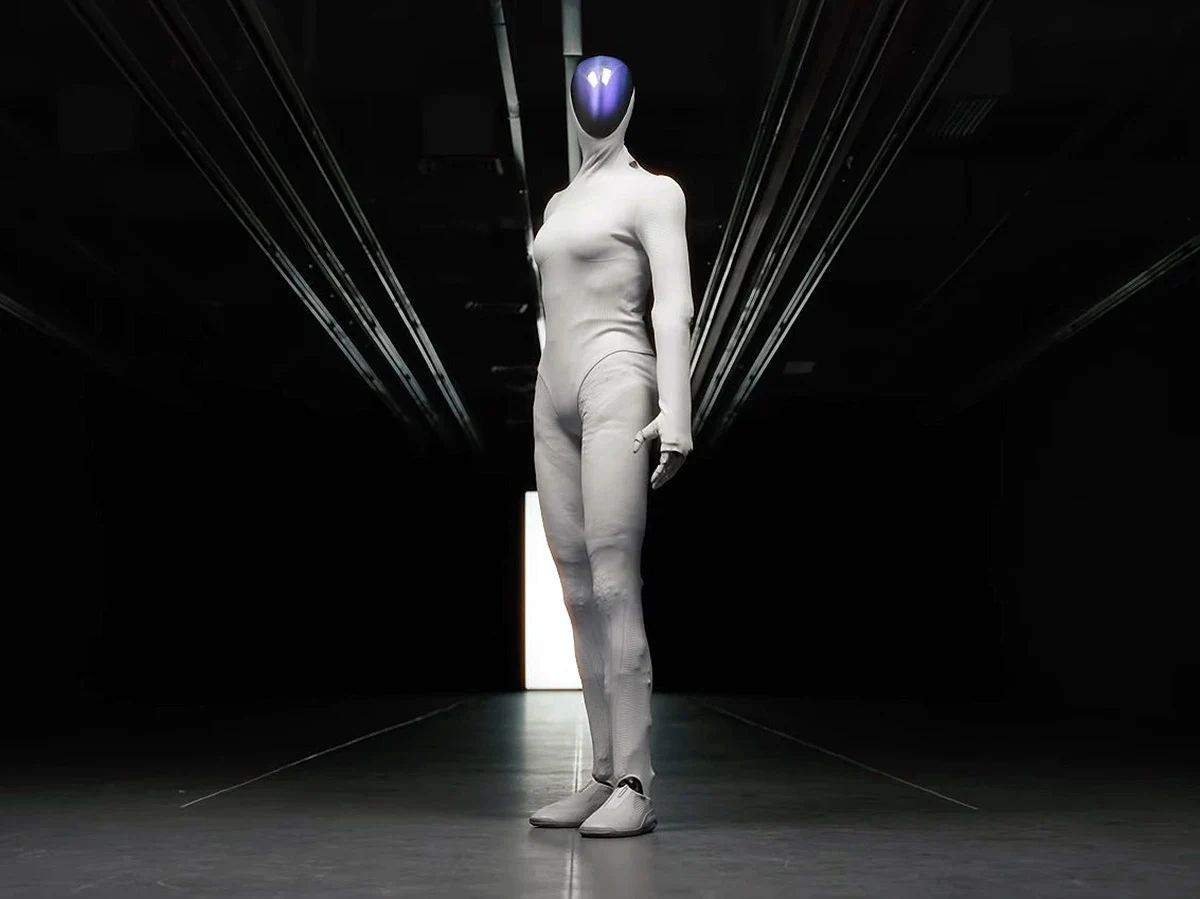
    Set for mass production by the end of 2026, the Iron robot can be customized with various human-like designs, including a female form that ignited debates online about whether XPeng had concealed a human inside. To clarify, an employee had to unzip the robot’s artificial skin to show its mechanical components.

    Advanced Technology

    The second generation of XPeng’s Iron robot is powered by three specially designed Turing AI chips that collectively deliver 3,000 TOPS of computing power. Its “face” is made from a curved OLED display. The robot offers an impressive 82 degrees of freedom in its body, while its robotic hand features the smallest harmonic joint globally and also boasts 22 degrees of freedom, matching Tesla’s Optimus.

    Battery Innovation and Applications

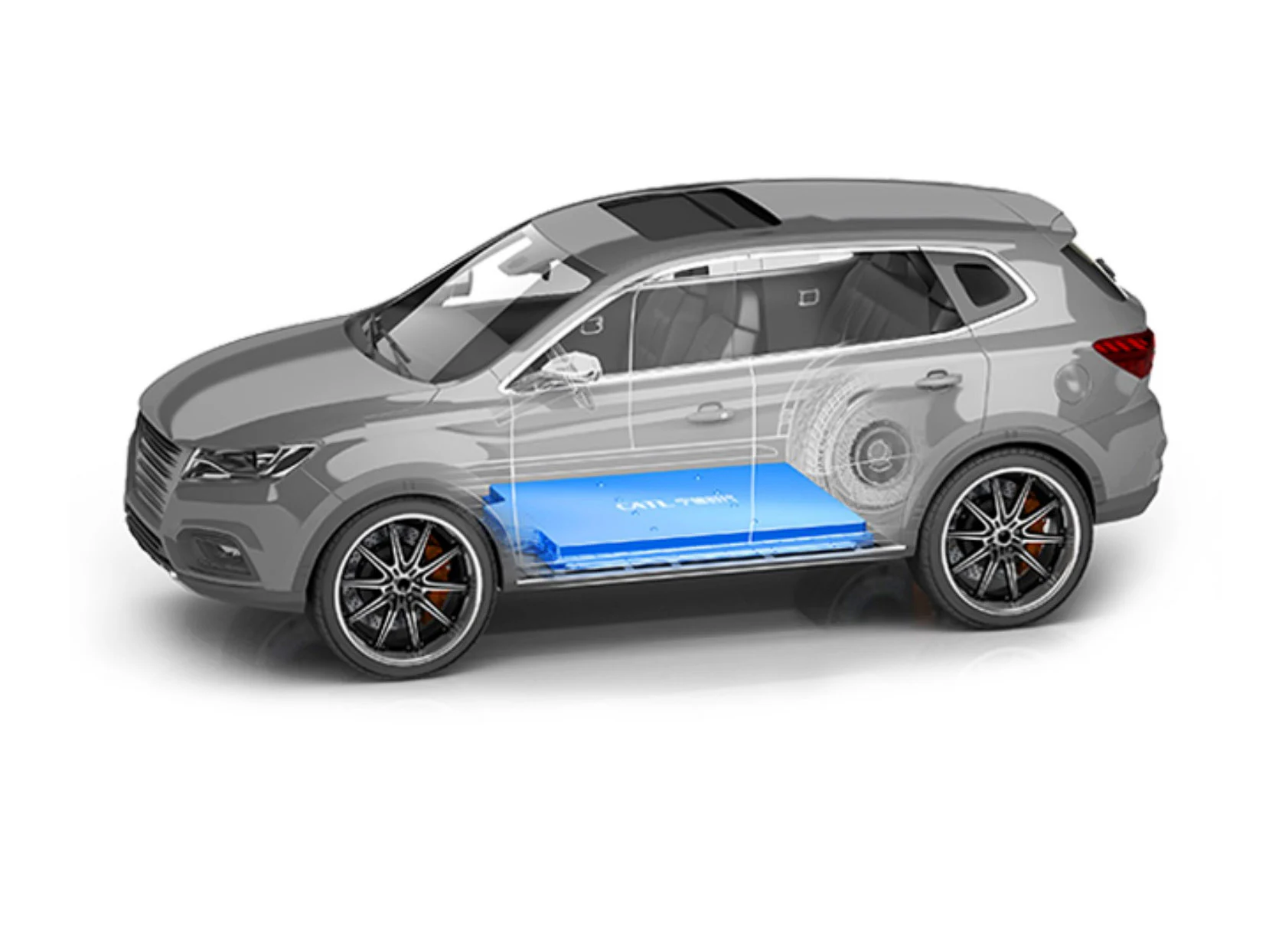
    In addition to a seamless and quiet demonstration, XPeng highlighted the all-solid-state battery that powers its new Iron humanoid robot. Leading battery manufacturers like CATL have indicated that solid-state batteries are better suited for high energy density applications, such as drones or robots, rather than electric vehicles, and XPeng is taking this advice seriously.

    A solid-state battery can achieve energy densities exceeding 500 Wh/kg, which is twice the capacity of the battery used in Tesla’s Optimus, all within the same size constraints. This improvement has enabled XPeng to reduce the dimensions of other parts of the humanoid robot, outfitting it with a “humanoid spine and bionic muscles.” Additionally, Iron is covered in a flexible artificial “skin,” similar to the adult Optimus bodysuit available on Amazon, to enhance its human-like appearance compared to other models.

    Future Prospects

    The Iron robot could potentially be the first mass-produced humanoid robot of its kind, getting ahead of Tesla if production begins as planned next year. XPeng aims to monetize its innovative physical AI platform by offering the Iron robot for roles such as a tourist guide, traffic officer, or shopping assistant for businesses.

    Source:
    Link


  • Chery Rhino S Solid-State Battery for 800-Mile EV by 2027

    Chery Rhino S Solid-State Battery for 800-Mile EV by 2027

    Key Takeaways

    1. Chery has introduced a solid-state battery, the Rhino S, featuring a polymerized electrolyte and manganese cathode, targeting mass production by 2027.
    2. The Rhino S battery achieves an energy density of 600 Wh/kg, nearing theoretical limits and outperforming previous models.
    3. Chery plans to begin pilot production of the Rhino S batteries in March, aiming to integrate them into vehicles by 2027.
    4. China’s national task force is focused on advancing solid-state battery technology, with a goal to transition from lab research to practical application.
    5. Chery’s solid-state batteries promise greater safety, faster charging, and an anticipated range of 800 miles for electric vehicles, addressing range anxiety concerns.


    After Toyota, CATL, and Samsung announced that they would begin mass production of solid-state batteries in 2027, a new contender has emerged, potentially outshining their plans.

    Chery’s Bold Move

    Chery, China’s largest car exporter, has revealed its own solid-state battery featuring a polymerized electrolyte and manganese cathode. The company sold over 1.2 million vehicles globally in the first half of this year, showcasing its market strength.

    The Rhino S battery employs a unique polymer electrolyte, akin to the flexible solid-state battery prototype introduced by the Chinese Academy of Sciences (CAS). This polymerization boosts ion conductivity and decreases transfer times, resulting in an improved energy density within the same size. Furthermore, the addition of manganese to the cathode resembles the technology developed by GM and LG for production in the US.

    Impressive Energy Density

    With its innovative electrolyte and cathode materials, the Rhino S battery achieves an impressive energy density of 600 Wh/kg, nearing the theoretical limits of solid-state battery technology. Although the flexible solid-state battery designed by CAS has shown potential for an 86% increase in energy density compared to previously announced models, it remains in the lab and prototyping phase.

    Chery plans to commence pilot production of its Rhino S solid-state battery cells, maintaining the 600 Wh/kg energy density, next year, and aims to integrate these batteries into vehicles by 2027. Due to the high manufacturing costs of solid-state batteries at low volumes, industry giants like CATL or Panasonic view them as better suited for applications requiring high volumetric density, such as drones or humanoid robots.

    Future of Solid-State Batteries

    Toyota has indicated that its initial solid-state battery cars will be luxury models under the Lexus brand. Meanwhile, Chery’s large exports of hybrid vehicles present another potential market avenue. Competing with well-established brands like CATL or BYD in the current mass market for EV batteries proved challenging for Chery, which is why it has pivoted to focus its significant R&D resources on emerging technologies like solid-state batteries.

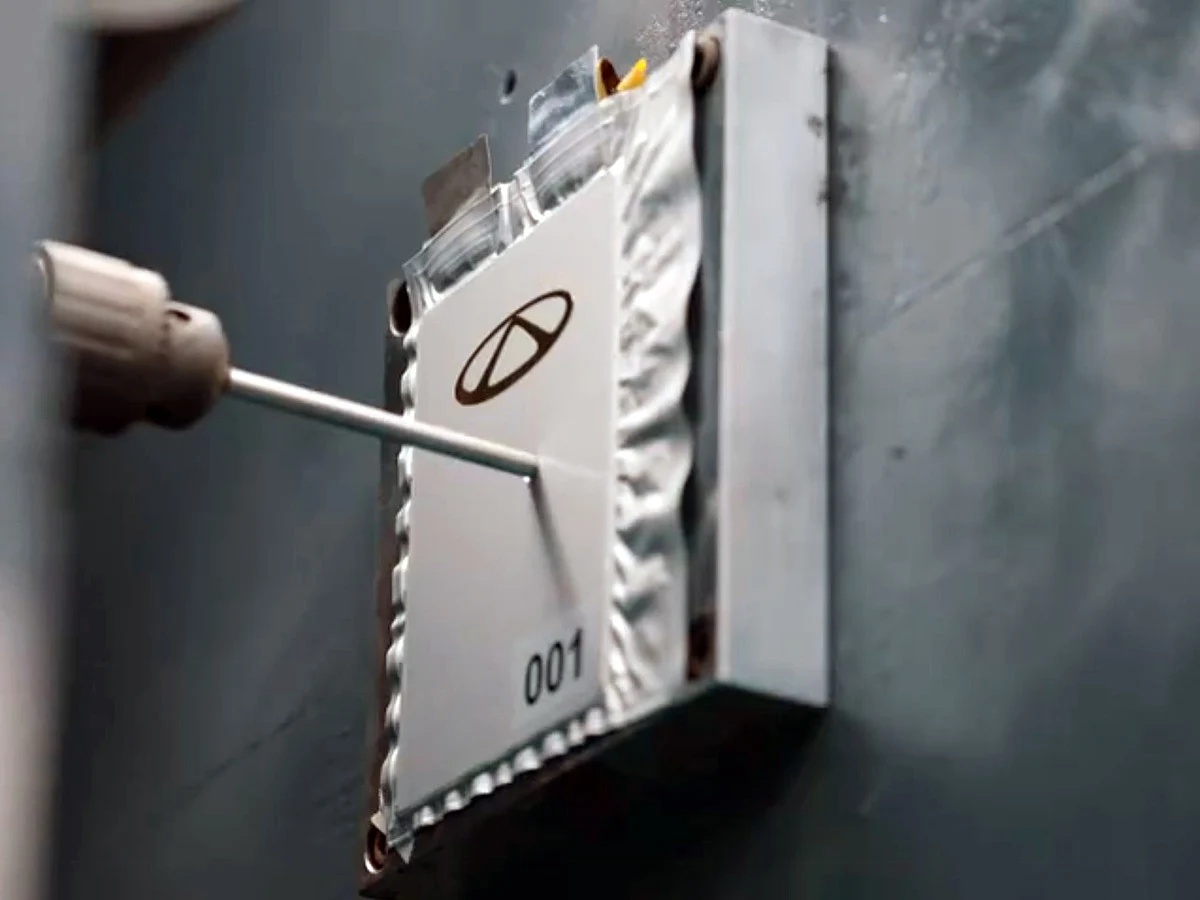
    The Rhino S battery has undergone rigorous testing, including extreme temperature and nail penetration assessments, passing with exceptional results. This success paves the way for pilot production at Chery’s Anwa New Energy Technology facilities, scheduled for March. The first generation of solid-state batteries previously had an energy density of 350 Wh/kg, whereas companies like Samsung, Toyota, and CATL aim to develop commercially viable batteries with 500 Wh/kg energy density by 2028.

    China is striving to be a leader in the next generation of EV battery technology and has formed a national task force dedicated to advancing solid-state battery research. A recent report from state media indicates that the transition from lab research to practical application is underway. “In the past, a 100-kilogram battery could only provide a maximum range of 500 kilometers, but now it is anticipated to surpass the 1,000-kilometer mark,” the report states.

    Chery’s Rhino S stands out as a next-generation solid-state battery with the highest density for a production-ready technology revealed to date. With its 600 Wh/kg solid-state battery, Chery aims to develop electric vehicles with a range of 800 miles, significantly reducing range anxiety. These batteries are also generally safer and can charge more quickly than current EV batteries. The main question remaining is how much will the first mass-produced electric vehicles with solid-state batteries cost when they arrive in 2027.

    Source:
    Link


  • CATL to Start Solid-State Battery Production in 2027 Amid Scale Concerns

    CATL to Start Solid-State Battery Production in 2027 Amid Scale Concerns

    Key Takeaways

    1. CATL will not start large-scale production of solid-state batteries for EVs capable of over 1,200 miles on a single charge by 2027, contrary to some rumors.
    2. The company plans pilot production of solid-state battery cells in 2027 but on a limited scale, with claims of energy density achieving 1,252 miles overstated.
    3. Current advancements in solid-state battery technology are still in the research phase, with a peak energy density of 500 Wh/kg, which is double that of current liquid electrolyte batteries.
    4. CATL has been investing in solid-state battery technology for over a decade and aims for small-scale production by 2027, with a projected manufacturing maturity level of 7 or 8.
    5. Solid-state batteries are costly to produce and currently more suitable for specialized applications like drones and robots rather than mass-market electric vehicles, where LFP battery technology remains dominant.


    CATL has clarified that it will not begin large-scale production of a solid-state battery that can power an electric vehicle (EV) for over 1,200 miles on a single charge by 2027, as some rumors suggested.

    Pilot Production Plans

    The leading battery manufacturer will indeed start pilot production of solid-state battery cells at that time, building on its existing trial production line, although it will be on a limited scale. Furthermore, the claim that its solid-state battery will feature an energy density capable of achieving 2,000 kilometers (1,252 miles) on one charge appears to have been overstated.

    Current Developments in Technology

    While there are advancements in solid-state battery technology that could enable such an EV, these innovations are still in the research phase and not yet ready for market. CATL has already stated that its solid-state battery technology boasts a peak energy density of 500 Wh/kg. This remains the theoretical maximum for mass production-ready solid-state batteries, which is double the capacity of current EV batteries utilizing liquid electrolytes. For example, a solid-state battery with this density recently powered a Mercedes EQS prototype for an impressive 749 miles on a single charge, significantly exceeding the average EV range.

    CATL emphasized that the “commercialization of solid-state batteries, along with the development of the supply chain, is still quite a ways off.” This has been its stance since 2022 when NIO requested the manufacture of its cells using semi-solid electrolytes. At that time, CATL projected that true mass production of solid-state batteries would not commence until around 2030.

    Ongoing Research and Investment

    However, this does not imply that CATL is not advancing its solid-state battery technology. The company has been researching this area for over ten years, involving 1,000 engineers in the development process and operating a pilot production line. “CATL is committed to investing in solid-state battery technology, maintaining its position as a leader in the industry, and expects to achieve small-scale production by 2027,” the company stated, in an effort to manage expectations. Last year, the CEO of CATL rated the industry’s readiness for mass production of solid-state batteries at a 4 on a 9-point scale. He mentioned that by 2027, CATL aims to reach a manufacturing maturity level of 7 or 8, which would enable the production of initial batches, though it remains unclear which EV manufacturer will be the first to receive them.

    Cost and Market Suitability

    While solid-state batteries offer improved energy efficiency and safety, they are also quite expensive to produce. NIO has warned that its 150 kWh pack with a semi-solid electrolyte costs as much as a typical EV, and it is only available for rent during extended summer trips. As production scales up, the costs are expected to gradually become more favorable, but for now, CATL considers solid-state batteries to be more appropriate for applications in drones and robots, where energy density is more critical, rather than for mass-market electric vehicles. In that segment, the widely used LFP battery technology continues to dominate, powering everything from new compact Anker Prime power banks to large energy storage systems.

    Source:
    Link


  • Mercedes Tests 1000-Kilometer Solid-State Battery in the UK

    Mercedes Tests 1000-Kilometer Solid-State Battery in the UK

    Key Takeaways

    1. Mercedes-Benz is testing a modified EQS with a lithium-metal solid-state battery aiming for over 1,000 kilometers of range.
    2. The battery features a sulfide-based solid electrolyte and a lithium-metal anode, boosting energy density to 450 Wh/kg and increasing range by 25% without added weight.
    3. Cells are produced by Factorial Energy in collaboration with Mercedes-AMG High-Performance Powertrains, leveraging racing technology expertise.
    4. Real-world testing began in February 2025 after initial lab tests in Stuttgart, with plans for production vehicle incorporation by the end of the decade.
    5. The testing is part of a global competition in battery development, with other major companies like Volkswagen, BMW, and Toyota also pursuing similar technologies.


    In February 2025, Mercedes-Benz started to test a modified EQS on the road for the first time, featuring a lithium-metal solid-state battery. This testing aims to reach a range of more than 1,000 kilometers, marking a key achievement in the quest for better electric mobility.

    Battery Details

    The battery utilizes a sulfide-based solid electrolyte, which enables the use of a lithium-metal anode. This unique pairing boosts the gravimetric energy density to as much as 450 Wh/kg at the cell level and provides roughly 25% more range without increasing weight compared to standard lithium-ion batteries.

    The cells used are produced by Factorial Energy, which collaborated with Mercedes-AMG High-Performance Powertrains (HPP) to develop the battery pack. Mercedes emphasizes that this is a genuine integration into a vehicle prototype, drawing on knowledge from racing technologies and expertise in battery cells.

    Testing Phases

    After initial laboratory tests conducted in Stuttgart at the end of 2024, the real-world road testing began in February 2025, as reported by Automotive Testing Technology International. Mercedes aims to incorporate this technology into production vehicles by the decade’s end.

    This testing occurs in the context of a worldwide competition for the next generation of batteries, and Mercedes is not the only player. Competitors like Volkswagen, BMW, Toyota, and Chinese firms including BYD and CATL are also developing solid-state or near-solid-state batteries. This evolution underscores the significance of enhancing range through innovative cell chemistry.

    Future Possibilities

    The road tests of the Mercedes solid-state battery represent a major progress toward a market introduction. While challenges such as scaling production, managing costs, and integrating into series production persist, this achievement indicates that efficient electric mobility is achievable.

    Source:
    Link


  • Huawei’s Solid-State Battery Promises 1,800-Mile Range in 5 Minutes

    Huawei’s Solid-State Battery Promises 1,800-Mile Range in 5 Minutes

    Key Takeaways

    1. Huawei’s new patent features a solid-state battery with an energy density of up to 500 Wh/kg, enabling electric vehicles to travel 3,000 kilometers on a single charge.
    2. The proposed charging time for this battery is just five minutes, contingent on the availability of high-performance charging infrastructure.
    3. Experts caution that while solid-state batteries have great potential, significant breakthroughs and market readiness may take several years, similar to the development timeline of lithium-ion batteries.
    4. The patent reveals challenges, including a low cell voltage of about two volts, requiring multiple cells for higher voltages, which could increase battery weight.
    5. The economic feasibility of the solid-state battery is uncertain, with production costs estimated to be significantly higher than current lithium iron phosphate batteries, and no market-ready product is available yet.


    Chinese tech company Huawei is making headlines with its latest patent filing. The patent describes a solid-state battery that claims to achieve an energy density of up to 500 Wh/kg, allowing an electric vehicle to cover 3,000 kilometers on a single charge. Additionally, it is said that a full charge could be completed in just five minutes. These details were reported by Battery Tech Network, mentioning that the patent was submitted to the Chinese Patent Office around mid-2023. The timing of this release is stirring up media buzz, especially with the rising global need for more efficient EV batteries.

    Innovative Design

    The patent highlights a unique sulfide-based solid-state electrolyte that aims to greatly enhance stability and conductivity through nitrogen doping. The specified energy density ranges from 400 to 500 Wh/kg, which is a remarkable leap over current lithium-ion batteries that hover around 265 Wh/kg. Moreover, the charging time proposed is quite ambitious: the patent suggests that a complete charge could occur in five minutes, provided that the necessary high-performance charging infrastructure is in place.

    Expert Opinions

    However, experts caution that we should be careful. Bob Galyen, who once served as chief technology officer at the battery maker CATL and is now leading Galyen Energy, told IEEE Spectrum that while solid-state batteries have enormous potential, a breakthrough in industry is probably several years away.

    “Solid-state is a great technology … but it’s going to be just like lithium‑ion was in terms of the length of time it will take to hit the market. And lithium‑ion took a long time to get there,” he said.

    Challenges Ahead

    Besides the impressive energy density, the patent notes a cell voltage of only about two volts. To reach vehicle voltages between 400 and 800 volts would necessitate multiple individual cells, which could add significant weight to the battery. Moreover, sulfide-based solid-state electrolytes are highly sensitive to moisture, which complicates and raises production costs. As per PatentPC, the current production costs lie between $400 and $800 per kilowatt-hour.

    The economic feasibility of this technology is also uncertain. Unofficial estimates suggest that the price of the solid-state battery could be ten to twenty times higher than today’s lithium iron phosphate batteries. While scaling production may lower costs over time, there isn’t a market-ready product available for mass production just yet.

    With this patent, Huawei is showcasing an ambitious path for research, but transitioning from a patent to a product ready for the market remains a daunting challenge. Experts believe that the indicated range and charging capabilities should be seen as a long-term aspiration rather than something that will materialize soon.

    Source:
    Link


  • Huawei’s Solid-State Battery Patent: 5-Min Charge & Longest EV Range

    Huawei’s Solid-State Battery Patent: 5-Min Charge & Longest EV Range

    Key Takeaways

    1. Huawei has applied for a patent for solid-state batteries that could offer a range of up to 3,000 km (1,864 miles) with rapid charging under ten minutes.
    2. The battery technology relies on a unique solid sulfide electrolyte and nitrogen treatment to enhance electrochemical reactions.
    3. The energy density of Huawei’s solid-state battery is estimated to be between 400-500 Wh/kg, which aligns with industry standards but faces challenges for large-scale production.
    4. The impressive range claims may be based on optimistic testing cycles and could realistically deliver about 1,200 miles under ideal conditions, with potential real-world performance closer to 800 miles.
    5. Huawei faces significant challenges in mass production and cost management of solid-state batteries, especially compared to established manufacturers like Toyota, CATL, and Samsung.


    Huawei, a relatively new player in the electric vehicle market, has recently applied for a patent related to solid-state batteries. This innovative technology could potentially offer a range of up to 3,000 km (1,864 miles) on a rapid charge that takes less than ten minutes.

    Huawei’s Innovations in EV Technology

    The Chinese tech giant, known primarily for its smartphones and long-lasting smartwatches like the GT 5 Pro, has formed partnerships with various electric vehicle manufacturers. Additionally, Huawei provides a widely-used suite of connectivity, infotainment, and autonomous driving solutions as a complete package.

    According to Huawei, the impressive range claimed for its electric vehicles will be achieved through a unique solid sulfide electrolyte technology. This process involves treating the reactive material with nitrogen to control the electrochemical reactions effectively.

    Energy Density and Charging Times

    Huawei’s patent suggests that the energy density of its solid-state battery will fall between 400-500 Wh/kg, which aligns with the current industry standards and the theoretical potential of this emerging technology. The rapid charging time is also typical for solid-state battery tech and not an extraordinary breakthrough.

    A scientist from Korea has pointed out that Huawei might be referring to laboratory results instead of what can be manufactured on a large scale. While nitrogen doping can enhance interface stability, it typically requires precise conditions and vacuum environments, making it challenging to scale for commercial production without incurring significant costs and delays. It’s akin to attempting to add pepper to a sandwich using fine tweezers.

    Real-World Range Considerations

    Moreover, the impressive range mentioned may be based on the optimistic Chinese CLTC testing cycle, which often exceeds real-world mileage by about a third compared to the EPA’s estimates in the United States. This suggests that the solid-state battery developed from Huawei’s patent may realistically deliver around 1,200 miles.

    However, this estimation is under ideal conditions and does not factor in the weight of the active materials in the prototype. When considering “real-world elements such as energy loss and thermal management,” as the Korean researchers noted, the actual range could be significantly less—possibly approaching the 800 miles that Toyota has hinted at for its own solid-state battery technology.

    While this range still surpasses that of current batteries, which typically provide half the energy density of solid-state batteries in a similar size, challenges remain regarding mass production and associated costs. These issues are difficult to tackle, even for established companies like CATL or Samsung, let alone for Huawei, which lacks experience in battery manufacturing.

    Toyota has already indicated that its solid-state batteries will initially be utilized in small quantities for its high-end electric vehicles under the Lexus brand, meaning that price will be the main barrier to widespread adoption of solid-state batteries in the near future.

    Source:
    Link

  • Aluminum Solid-State Battery Keeps 99% Capacity After 10,000 Charges

    Aluminum Solid-State Battery Keeps 99% Capacity After 10,000 Charges

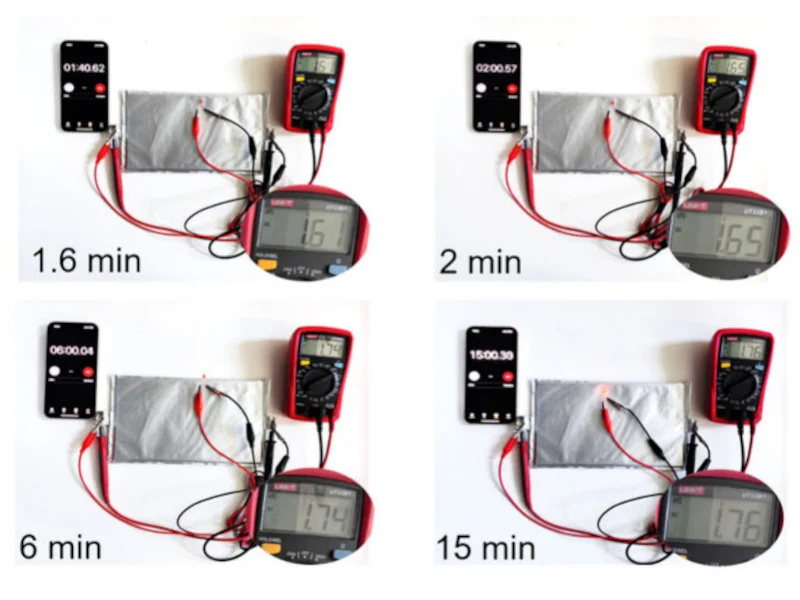
    The findings from a recent study are remarkable and might seem unbelievable. A battery cell made from low-cost materials and requiring only moderate effort shows outstanding performance compared to existing battery technologies. After undergoing 10,000 charging cycles, its capacity remained at an impressive 99% of its initial value. The efficiency of this new battery stayed above 99% consistently, though lithium-ion batteries still have a slight edge in this area. Nevertheless, this innovative solid-state battery excels in stability and durability, making it a strong contender.

    Remarkable Testing Outcomes

    The new battery also demonstrated impressive resilience in various tests. Researchers conducted extreme tests where they punctured, short-circuited, and heated the battery cell to 1,000°C. Remarkably, it did not leak or catch fire, and at 200°C, it maintained the same voltage as it did at room temperature. These results highlight the battery’s robustness under challenging conditions.

    Breakthrough in Technology

    This advancement comes from an aluminum-ion battery using a liquid electrolyte made of aluminum chloride, which usually deteriorates quickly in tests. The anode typically suffers damage, leading to rapid aging of the battery cells. However, by adding aluminum fluoride and coating the electrode with a unique salt, researchers successfully converted the cell into a solid-state battery, addressing the corrosion issue. Together, these components provide high operational safety and outstanding longevity.

    The team of researchers from Peking University and the Beijing Institute of Technology also underscored the battery’s recyclability. Aluminum fluoride can be almost entirely washed out and reused for new battery production. Moreover, aluminum itself is highly recyclable, adding to the environmental benefits of this technology.

    Energy Density Challenges

    However, one significant drawback of this aluminum-based battery is its energy density, which is about 150 watt-hours per kilogram. This is notably lower than that of other competing technologies, being only one-third to one-fifth of the best solid-state and Li-ion batteries. Still, it fares well when compared to standard household batteries.

    Given these factors, it appears that these long-lasting and potentially affordable aluminum-ion solid-state batteries will mainly find applications in stationary devices. While there is definite demand for such products, it remains unclear if commercial production will be successful. The battery’s technical features are certainly appealing and worth paying attention too.

    Source:
    Link


  • Samsung’s High-Energy Density Solid-State Battery Ready for Mass Production

    Samsung’s High-Energy Density Solid-State Battery Ready for Mass Production

    When Samsung decided to shift its focus to solid-state battery technology and production, it announced that prototype models would be ready by 2025, with plans to integrate them into electric vehicles by 2027.

    Confirmation of Readiness

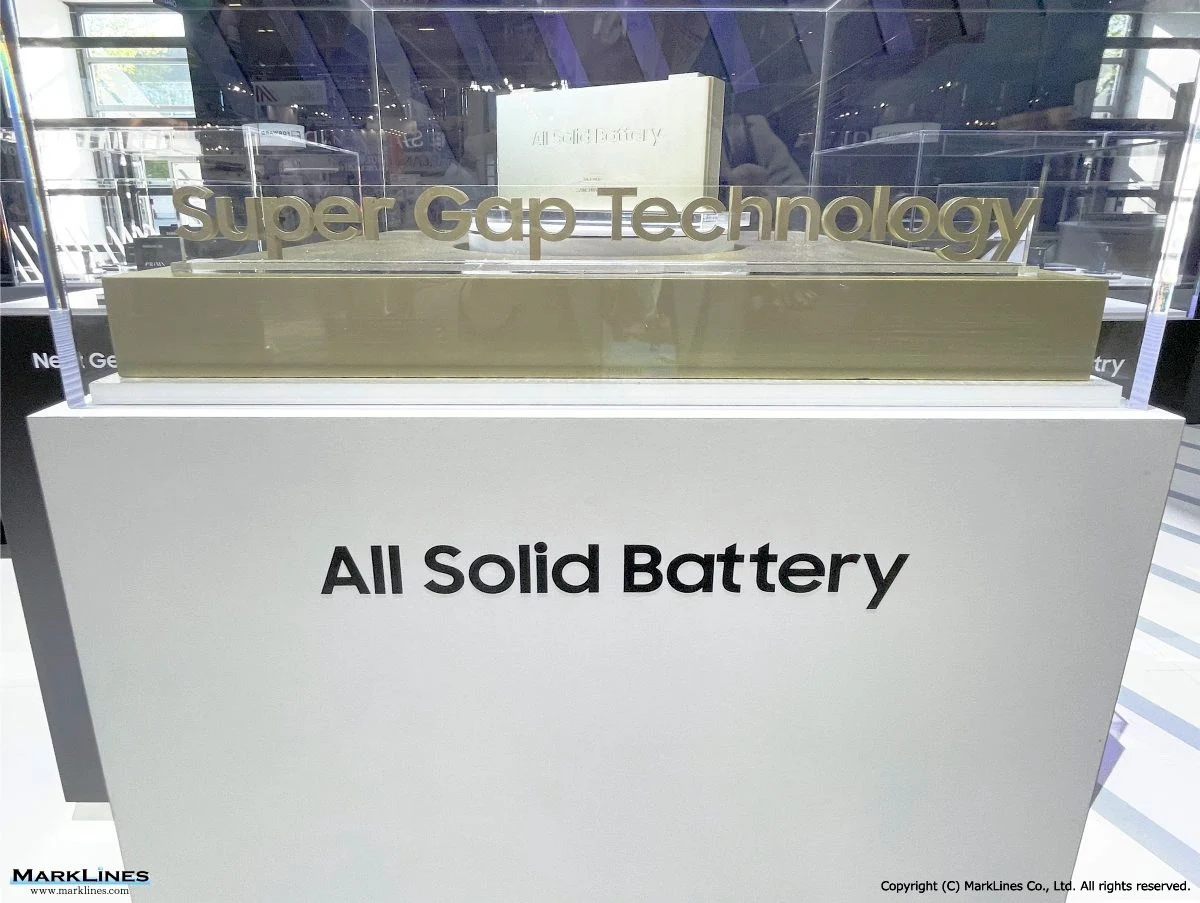
    The leader of Samsung Electro-Mechanics has just verified that the solid-state battery is on schedule and has achieved the highest energy density and capacity-to-size ratio in the market. These solid-state batteries are capable of reaching an energy density of 500 Wh/kg, which seems to align with Samsung’s initial goals.

    Investment in Production

    Samsung is now ready to invest in facilities for mass production, aiming to supply prototypes for its own divisions to use in their products slated for release in 2026. Since the solid-state battery utilizes an oxide base and maintains stability, smaller cells can be incorporated into various devices, including wearables that require flexibility, such as the Galaxy Ring fitness tracker.

    Expanding Applications

    Once the mass production facilities are established and the real-world effectiveness of its solid-state technology is confirmed, Samsung plans to broaden the applications of this technology by 2027. Interestingly, this coincides with announcements from competitors like Toyota and CATL, who also plan to launch their solid-state batteries in electric vehicles around the same time.

    Advantages of Samsung’s Technology

    In addition to the impressive energy density and capacity, Samsung’s solid-state battery technology offers a significant benefit: lower mass production costs. The company has been experimenting with a new manufacturing process called roll pressing. This method does away with the slow Warm Istactic Press (WIP) process for sealing the cell, allowing for quicker placement into water and application of up to 600MPa pressure at high temperatures to solidify the electrode and electrolyte materials for stable performance.

    If Samsung manages to implement this process successfully on a large scale with its solid-state prototypes this year, it could overcome the major challenges hindering the widespread adoption of this promising battery technology, including production speed and costs.

    Source:
    Link

  • CATL Launches 500 Wh/kg Solid-State EV Battery Cell Trial Production

    CATL Launches 500 Wh/kg Solid-State EV Battery Cell Trial Production

    The largest manufacturer of electric vehicle (EV) batteries and energy storage systems, CATL, has commenced the sample validation of 20Ah solid-state battery cells utilizing its sulfide technology research.

    Initial Skepticism

    At first, CATL dismissed the rapid commercialization claims surrounding solid-state batteries. The company stated that after several years of research and development, it remains skeptical about their mass-market readiness before 2030 due to the high costs of production.

    Revised Outlook

    Recently, it has adjusted its forecast, suggesting that solid-state batteries could be available for high-end electric vehicles by 2027. CATL plans to provide its own cells featuring an all-solid electrolyte by that time.

    To facilitate this progress, CATL has assigned about 1,000 engineers to concentrate on the solid-state battery initiative. They have achieved an impressive energy density of 500 Wh/kg, which is nearly double that of batteries commonly found in standard electric vehicles.

    Overcoming Challenges

    Nevertheless, industry insiders mention that CATL still has some issues to resolve regarding charging speeds and battery life. This is the reason for the current sample validation phase for the 20Ah solid-state battery cells, which are essential components of EV battery packs.

    Once the charging and lifespan criteria are satisfied, CATL will need to tackle production engineering and scaling up manufacturing capacity, which are actually where it excels the most.

    CATL isn’t the only player in the solid-state battery arena, as other companies like BYD, Toyota, and Samsung are also making strides with their respective projects. However, CATL is seen as the most adept in this field. The chairman recently stated that CATL’s solid-state technology is significantly ahead of the competition. Given its progress to the sample validation phase for EV-grade cells, this claim may hold some truth.

    Industry Consensus

    Most companies that have disclosed their solid-state battery plans share a common goal: they aim to have their battery packs ready for electric vehicles by 2027. However, Toyota has cautioned that these solid-state batteries will likely be pricier than the existing ternary lithium cells that use liquid electrolytes, meaning they will initially be reserved for luxury electric vehicles in its Lexus lineup.

  • Huawei Patents Innovative Solid-State Battery Technology

    Huawei Patents Innovative Solid-State Battery Technology

    Huawei is making big strides in energy storage with its new solid-state battery technology. The tech leader has recently announced a patent for a sulfide-based solid electrolyte, which is a key part of the next-gen lithium-ion batteries.

    Huawei’s Battery Patent Enhances Lifespan and Safety

    This groundbreaking technology tackles a major issue in the battery sector: the breakdown of liquid electrolytes. By swapping out these liquid elements for solid electrolytes, Huawei seeks to greatly improve the lifespan, safety, and efficiency of batteries, especially for uses like electric vehicles (EVs) and energy storage systems.

    The sulfide-based solid electrolyte in the patent shows outstanding traits, such as high energy density, quick charging and discharging capabilities, and superb performance in low temperatures. Additionally, it enhances safety by reducing the chance of thermal runaway, which is a frequent worry with standard lithium-ion batteries.

    Aligning with the Push for Sustainable Energy

    This development fits well with the worldwide movement towards sustainable energy solutions and the rising need for high-performing batteries. By tackling the drawbacks of existing battery technologies, Huawei’s solid-state battery innovation could speed up the use of electric vehicles and renewable energy sources.

    As society moves towards a greener future, breakthroughs like Huawei’s solid-state battery technology are crucial. By solving the problems of traditional batteries, this innovation might open the door to a new age of energy storage options.

    Battery Innovations in the Smartphone Market

    Battery advancements are also a hot topic in the smartphone industry. At the Mobile World Congress this year, the focus was on creating batteries that charge faster and last longer for smartphones.

    Various companies are investigating materials such as lithium-sulfur and graphene to prolong battery life. This year, most leading smartphone brands are utilizing silicon-carbon batteries, which provide greater energy density, quicker charging, and a longer lifespan compared to conventional lithium-ion batteries.

    In addition, a Chinese startup has introduced a nuclear battery that could potentially power a smartphone for as long as 50 years. The European Union has also rolled out new standards to promote more sustainable and recyclable batteries.