Tag: Electric vehicle technology

  • Mercedes Tests 1000-Kilometer Solid-State Battery in the UK

    Mercedes Tests 1000-Kilometer Solid-State Battery in the UK

    Key Takeaways

    1. Mercedes-Benz is testing a modified EQS with a lithium-metal solid-state battery aiming for over 1,000 kilometers of range.
    2. The battery features a sulfide-based solid electrolyte and a lithium-metal anode, boosting energy density to 450 Wh/kg and increasing range by 25% without added weight.
    3. Cells are produced by Factorial Energy in collaboration with Mercedes-AMG High-Performance Powertrains, leveraging racing technology expertise.
    4. Real-world testing began in February 2025 after initial lab tests in Stuttgart, with plans for production vehicle incorporation by the end of the decade.
    5. The testing is part of a global competition in battery development, with other major companies like Volkswagen, BMW, and Toyota also pursuing similar technologies.


    In February 2025, Mercedes-Benz started to test a modified EQS on the road for the first time, featuring a lithium-metal solid-state battery. This testing aims to reach a range of more than 1,000 kilometers, marking a key achievement in the quest for better electric mobility.

    Battery Details

    The battery utilizes a sulfide-based solid electrolyte, which enables the use of a lithium-metal anode. This unique pairing boosts the gravimetric energy density to as much as 450 Wh/kg at the cell level and provides roughly 25% more range without increasing weight compared to standard lithium-ion batteries.

    The cells used are produced by Factorial Energy, which collaborated with Mercedes-AMG High-Performance Powertrains (HPP) to develop the battery pack. Mercedes emphasizes that this is a genuine integration into a vehicle prototype, drawing on knowledge from racing technologies and expertise in battery cells.

    Testing Phases

    After initial laboratory tests conducted in Stuttgart at the end of 2024, the real-world road testing began in February 2025, as reported by Automotive Testing Technology International. Mercedes aims to incorporate this technology into production vehicles by the decade’s end.

    This testing occurs in the context of a worldwide competition for the next generation of batteries, and Mercedes is not the only player. Competitors like Volkswagen, BMW, Toyota, and Chinese firms including BYD and CATL are also developing solid-state or near-solid-state batteries. This evolution underscores the significance of enhancing range through innovative cell chemistry.

    Future Possibilities

    The road tests of the Mercedes solid-state battery represent a major progress toward a market introduction. While challenges such as scaling production, managing costs, and integrating into series production persist, this achievement indicates that efficient electric mobility is achievable.

    Source:
    Link
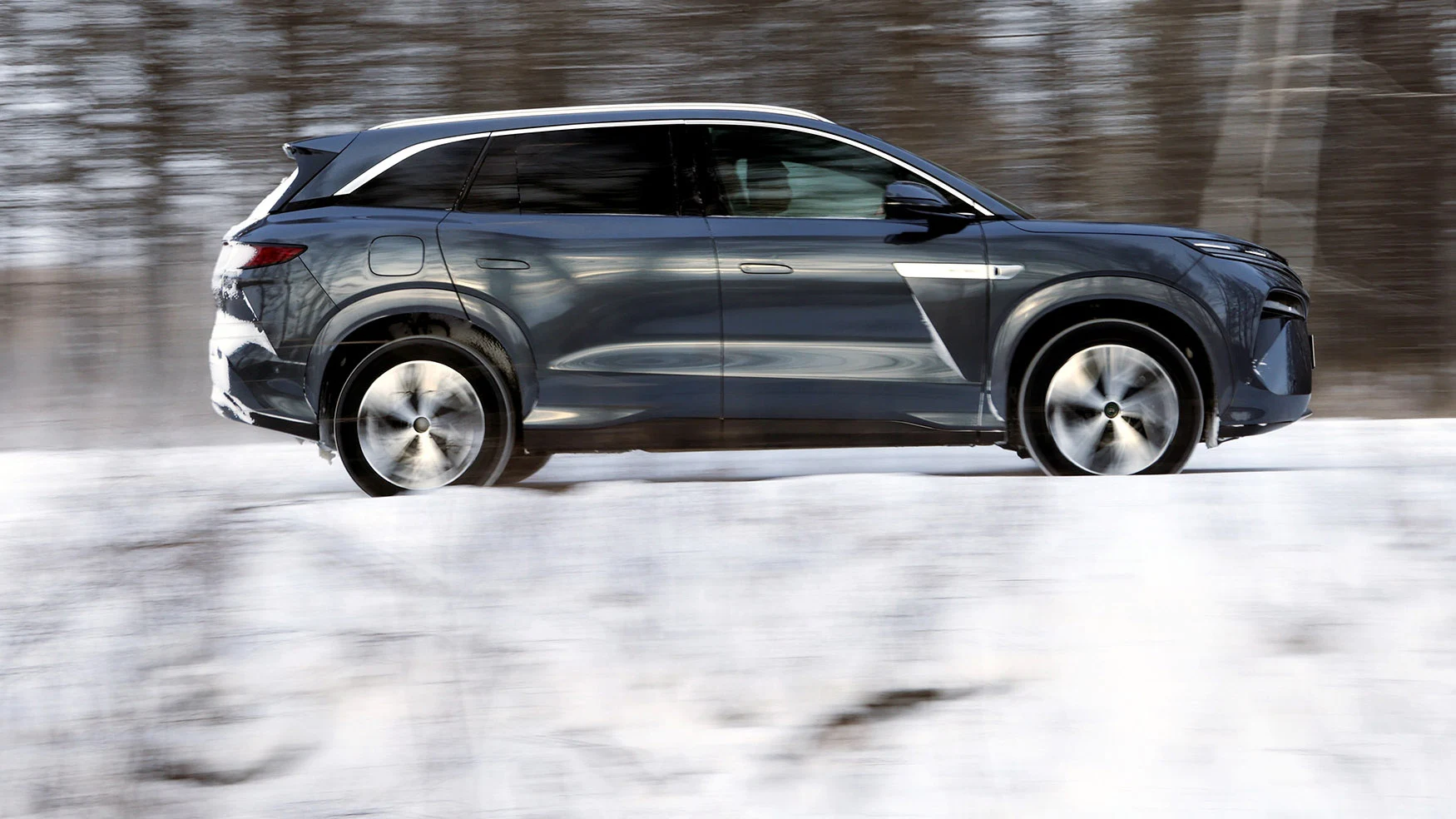


  • China Stops BYD Mexico Factory Amid US EV Tech Competition

    China Stops BYD Mexico Factory Amid US EV Tech Competition

    Key Takeaways

    1. BYD plans to invest $1 billion in a new factory in Mexico to produce 150,000 vehicles annually.
    2. The Chinese government has advised BYD to pause its Mexican factory plans due to national security concerns over potential industrial spying by the US.
    3. New tariffs are increasing costs for importing materials to Mexico, raising fears about American competitors accessing BYD’s technologies.
    4. BYD is launching advanced technologies, including a 1MW EV powertrain system and an autonomous driving system called God’s Eye, which will be free with its vehicles.
    5. Concerns exist about supply chain risks, as a significant part of BYD’s supply chain is in Mexico, making it vulnerable to exploitation by competitors.


    China is expressing concern that the advanced electric vehicle technology of BYD, the leading EV manufacturer globally, might be taken by American car makers if it moves forward with plans to build a factory in Mexico.

    Investment Plans

    BYD plans to invest $1 billion in a new facility capable of producing 150,000 vehicles annually. However, these intentions were made public in 2023, before the current administration’s trade tensions were fully apparent.

    Government Response

    Recently, BYD stated it views Tesla as a partner in the fight against traditional internal combustion engine vehicles and is open to sharing its innovations. In contrast, the Chinese government has advised BYD to halt its plans for the Mexican factory while it assesses national security risks, particularly concerning potential industrial spying by the US.

    Tariff Concerns

    The new tariffs have made importing materials and components to Mexico costlier. Officials fear that the closeness to the US could enable American competitors like Tesla to exploit BYD’s advanced technologies.

    BYD has just unveiled its groundbreaking 1MW EV powertrain system that can charge in just 5 minutes, along with a distinctive 580 kW motor that occupies the same space and a 10C battery to support that powertrain.

    Competitive Features

    Additionally, BYD is introducing its autonomous driving system, called God’s Eye, which will be included for free with all its electric vehicles, even the most affordable ones, whereas Tesla charges $8,000 for its equivalent feature.

    “The commerce ministry’s major worry is Mexico’s nearness to the US,” shared an insider from the government. It seems that now China is anxious that the advanced electric vehicle and battery technologies it has poured resources into for over a decade could fall into the hands of American brands like Tesla or GM.

    Supply Chain Risks

    A significant portion of their supply chain is also based in Mexico, and this vast network developed over the years could potentially be exploited for industrial espionage, according to Chinese officials.

    Source:
    Link

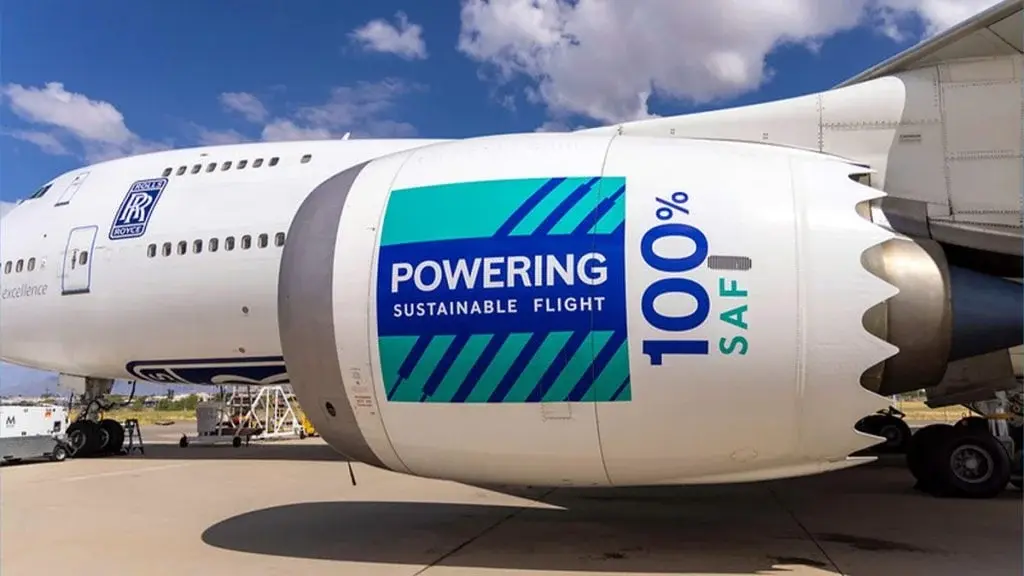
  • Rolls-Royce Achieves Milestone: All Current Engines Now Compatible with 100% SAF Instead of Jet Fuel

    Rolls-Royce Achieves Milestone: All Current Engines Now Compatible with 100% SAF Instead of Jet Fuel

    Rolls-Royce Confirms Compatibility of Engines with Sustainable Aviation Fuel

    Efforts to reduce reliance on fossil fuels have been ongoing for years, and the aviation industry is no exception. As electric vehicle technology gains momentum in the automotive sector, the aviation industry is still heavily dependent on traditional jet fuel. However, Rolls-Royce is taking a step towards a more sustainable future by exploring the use of Sustainable Aviation Fuel (SAF) as an alternative to traditional jet fuel.

    The Rise of Sustainable Aviation Fuel

    Sustainable Aviation Fuel is derived from renewable sources such as waste oils, vegetable oils, and algae. It is considered a promising alternative due to its potential to reduce carbon emissions and its compatibility with existing aircraft engines.

    Rolls-Royce has been testing the use of SAF blended with jet fuel to address concerns about efficiency. However, the company has recently made an exciting announcement – all of its current engines are capable of running on 100% SAF.

    Successful Tests at Rolls-Royce's Facility

    Rolls-Royce conducted a series of tests at its facility in Canada using various aircraft engines, including the Trent 700, 800, 900, 1000, XWB-84, XWB-97, 7000, BR725, and Pearl 700, 15, and 10X. The tests were concluded successfully, demonstrating that these engines can operate efficiently using 100% sustainable aviation fuel.

    Tufan Erginbilgiç, the CEO of Rolls-Royce, expressed his confidence in this alternative fuel, stating, "Announcing that all our currently produced engines are compatible with 100% SAF is a significant step for both Rolls-Royce and the general aviation industry. This is also strong evidence of our commitment to achieving net-zero emissions by 2050 and supporting customers in reaching this goal."

    A Sustainable Future for Aviation?

    While the compatibility of Rolls-Royce engines with 100% SAF is a milestone in the industry, it remains uncertain whether Sustainable Aviation Fuel will become the standard in aviation. The rise of electric aircraft engines may present viable alternatives in the future. As technology continues to advance, electric flying cars and electric aircraft engines may become more feasible options for reducing carbon emissions in air travel.

    In conclusion, Rolls-Royce's exploration of Sustainable Aviation Fuel is a significant step towards a more sustainable future for the aviation industry. By confirming the compatibility of its current engines with 100% SAF, Rolls-Royce is demonstrating its commitment to reducing the environmental impact of air travel and supporting the goal of achieving net-zero emissions. While the future of aviation fuel remains uncertain, the progress made in sustainable alternatives is undoubtedly promising.