Key Takeaways
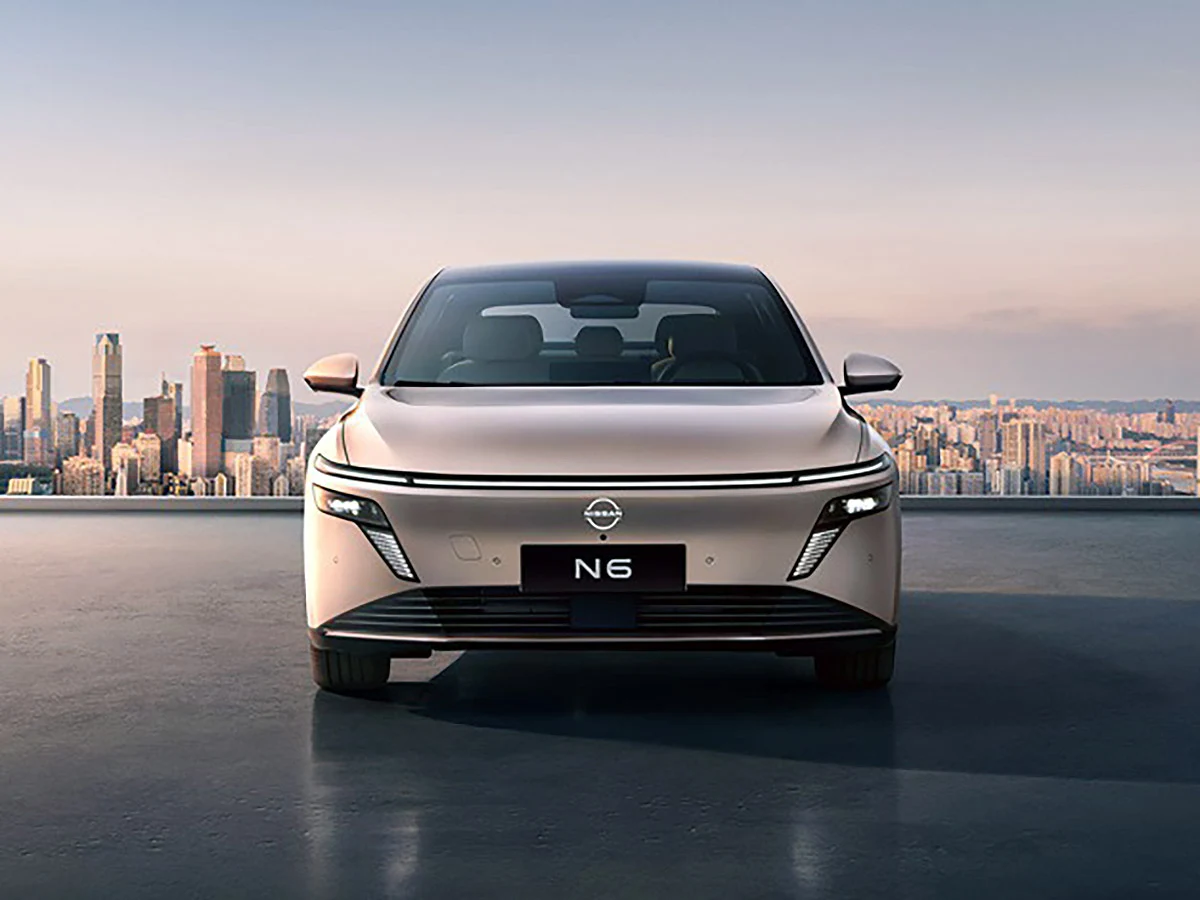
1. Nissan has launched the N6 hybrid sedan, achieving global fuel efficiency standards in collaboration with Dongfeng.
2. The N6 features an impressive Mach 1.5T gasoline engine with over 48% thermal efficiency, making it highly fuel-efficient.
3. The N6 recorded an average fuel consumption of 2.9 liters per 100 km during a 14,000 km journey, verified by Guinness World Records.
4. Electric Range Extended Vehicles (EREVs) are gaining popularity in China, blending electric driving with gasoline engines for longer trips.
5. Nissan plans to integrate Wayve’s self-driving technology into its ProPilot system by 2027, aiming to offer a competitive alternative to Tesla’s Full Self-Driving at a lower cost.
Nissan has made a name for itself in the electric vehicle (EV) world, especially with the launch of the Leaf. The company has now surpassed the global fuel efficiency standard with its new N6 hybrid sedan, which was developed in cooperation with Dongfeng.
Impressive Engine Efficiency
This Dongfeng has recently revealed the world’s most fuel-efficient Mach 1.5T gasoline engine for hybrids, achieving a thermal efficiency of more than 48%.
Nissan’s N6 plug-in hybrid marks its debut in the local market and is constructed on the Tianyan Architecture, which is a joint project of the Dongfeng Nissan Passenger Vehicle Company (DFN). This architecture is designed specifically for “new energy vehicles,” which includes EVs and plug-in hybrids.
Outstanding Fuel Economy
During a remarkable journey of 14,000 km (or 8,750 miles), the Nissan N6 managed to use only 2.9 liters per 100 km, equating to about 81 miles per gallon. Even though the trip faced varying terrains and weather conditions, the average fuel consumption was verified by the Guinness Book of World Records.
The car’s impressive efficiency is due to a hybrid powertrain that combines one of the most effective gasoline engines globally with a 21 kWh LFP battery capable of quick 20-minute recharges. This combination allowed the Nissan N6 to be the first hybrid in its premium sedan segment to achieve less than 2 liters per 100 km in charge-sustaining mode. Nissan claims that the annual running costs for this vehicle are just $280.
The Rise of EREVs
In China, EREVs (electric vehicles with extended range) have gained significant popularity as they blend the benefits of electric-only driving with a gasoline engine for long-distance travel. Even Xiaomi, which started its journey in the electric vehicle market only two years ago and has already turned a profit, has made moves toward hybrid EREV technology by filing for fuel indicator gauges.
Nissan is also an early backer of the self-driving startup Wayve, alongside Nvidia, which recently invested $500 million into Wayve, impressed by its vision-only technology that reportedly rivals Tesla’s Full Self-Driving (FSD).
Future Developments
Nvidia’s Jensen Huang remarked that Wayve could become “the next trillion-dollar company,” and that Nissan plans to integrate Wayve’s technology into its ProPilot self-driving option, expected to be available in 2027. Nissan has stated that it will offer this Tesla FSD rival at a significantly lower price of $4,000.
Meanwhile, Rivian has introduced a subscription service for its Autonomy+ self-driving feature at $50 per month, aiming for Level 4 autonomy similar to Tesla’s unsupervised FSD. This system will feature a custom AI chip and 11 cameras, set to debut in the R2 in 2026.
Though Tesla and Waymo currently lead in self-driving technology and its commercialization, competition is intensifying. If this rivalry leads to reduced FSD costs and increased adoption of driver-assist features, it could make our roads much safer.
Source:
Link