
Tag: self-driving technology

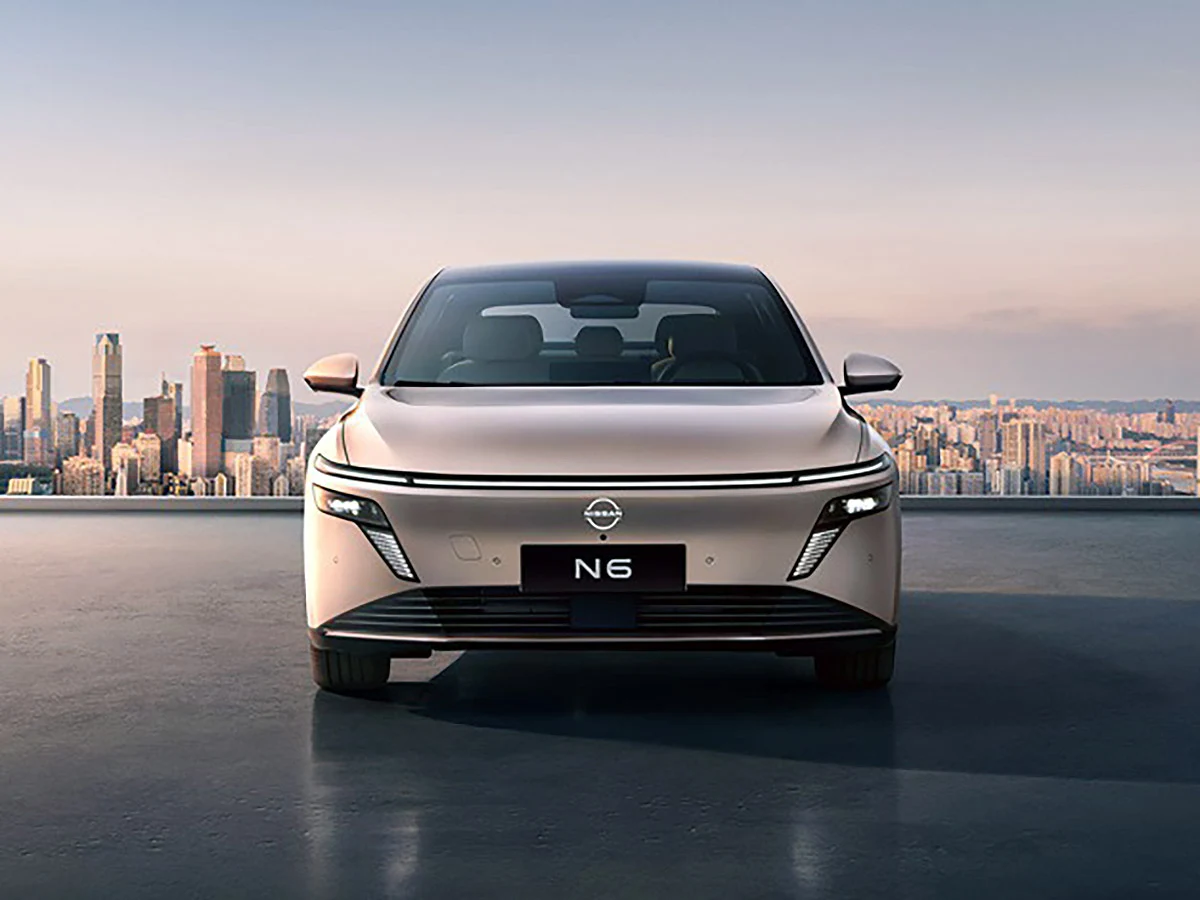
  • Nissan Sets Fuel Efficiency Record with N6 Hybrid, Teases $4K FSD

    Nissan Sets Fuel Efficiency Record with N6 Hybrid, Teases $4K FSD

    Key Takeaways

    1. Nissan has launched the N6 hybrid sedan, achieving global fuel efficiency standards in collaboration with Dongfeng.
    2. The N6 features an impressive Mach 1.5T gasoline engine with over 48% thermal efficiency, making it highly fuel-efficient.
    3. The N6 recorded an average fuel consumption of 2.9 liters per 100 km during a 14,000 km journey, verified by Guinness World Records.
    4. Electric Range Extended Vehicles (EREVs) are gaining popularity in China, blending electric driving with gasoline engines for longer trips.
    5. Nissan plans to integrate Wayve’s self-driving technology into its ProPilot system by 2027, aiming to offer a competitive alternative to Tesla’s Full Self-Driving at a lower cost.


    Nissan has made a name for itself in the electric vehicle (EV) world, especially with the launch of the Leaf. The company has now surpassed the global fuel efficiency standard with its new N6 hybrid sedan, which was developed in cooperation with Dongfeng.

    Impressive Engine Efficiency

    This Dongfeng has recently revealed the world’s most fuel-efficient Mach 1.5T gasoline engine for hybrids, achieving a thermal efficiency of more than 48%.

    Nissan’s N6 plug-in hybrid marks its debut in the local market and is constructed on the Tianyan Architecture, which is a joint project of the Dongfeng Nissan Passenger Vehicle Company (DFN). This architecture is designed specifically for “new energy vehicles,” which includes EVs and plug-in hybrids.

    Outstanding Fuel Economy

    During a remarkable journey of 14,000 km (or 8,750 miles), the Nissan N6 managed to use only 2.9 liters per 100 km, equating to about 81 miles per gallon. Even though the trip faced varying terrains and weather conditions, the average fuel consumption was verified by the Guinness Book of World Records.

    The car’s impressive efficiency is due to a hybrid powertrain that combines one of the most effective gasoline engines globally with a 21 kWh LFP battery capable of quick 20-minute recharges. This combination allowed the Nissan N6 to be the first hybrid in its premium sedan segment to achieve less than 2 liters per 100 km in charge-sustaining mode. Nissan claims that the annual running costs for this vehicle are just $280.

    The Rise of EREVs

    In China, EREVs (electric vehicles with extended range) have gained significant popularity as they blend the benefits of electric-only driving with a gasoline engine for long-distance travel. Even Xiaomi, which started its journey in the electric vehicle market only two years ago and has already turned a profit, has made moves toward hybrid EREV technology by filing for fuel indicator gauges.

    Nissan is also an early backer of the self-driving startup Wayve, alongside Nvidia, which recently invested $500 million into Wayve, impressed by its vision-only technology that reportedly rivals Tesla’s Full Self-Driving (FSD).

    Future Developments

    Nvidia’s Jensen Huang remarked that Wayve could become “the next trillion-dollar company,” and that Nissan plans to integrate Wayve’s technology into its ProPilot self-driving option, expected to be available in 2027. Nissan has stated that it will offer this Tesla FSD rival at a significantly lower price of $4,000.

    Meanwhile, Rivian has introduced a subscription service for its Autonomy+ self-driving feature at $50 per month, aiming for Level 4 autonomy similar to Tesla’s unsupervised FSD. This system will feature a custom AI chip and 11 cameras, set to debut in the R2 in 2026.

    Though Tesla and Waymo currently lead in self-driving technology and its commercialization, competition is intensifying. If this rivalry leads to reduced FSD costs and increased adoption of driver-assist features, it could make our roads much safer.

    Source:
    Link


  • In 2025, 66% of New EVs in China Will Feature Self-Driving Tech

    In 2025, 66% of New EVs in China Will Feature Self-Driving Tech

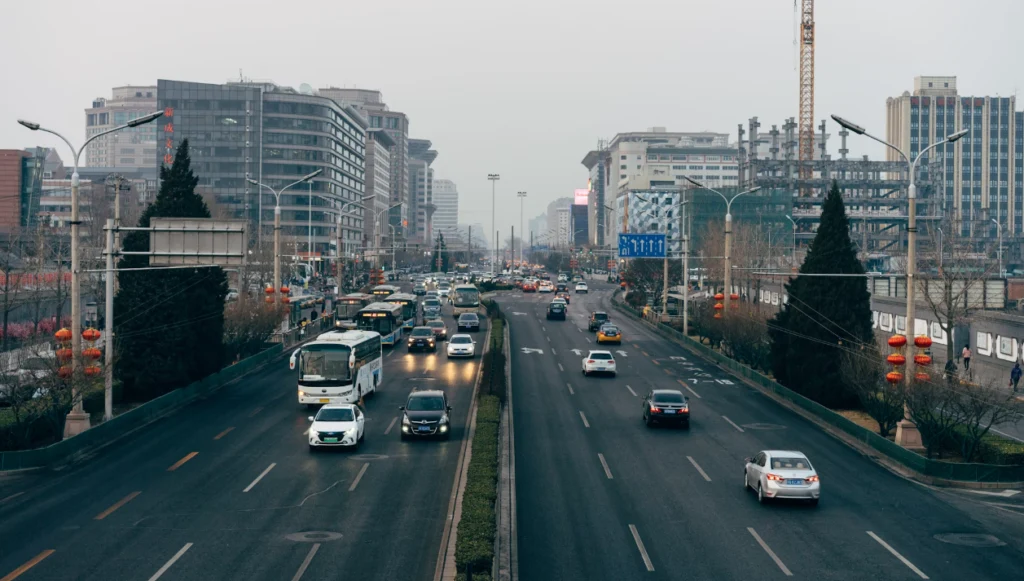
    China is poised for a significant advancement in self-driving technology. This year, 15 million new electric vehicles (EVs) will be fitted with Level 2 (L2) autonomous driving capabilities. Even affordable models with prices below 100,000 yuan (US$13,914) will now feature basic self-driving functions. This swift expansion is fueled by a decrease in the cost of Advanced Driver Assistance Systems (ADAS), making these advanced features more attainable for regular consumers.

    Future Projections

    By 2025, it is expected that two-thirds of new cars in China will possess L2 or more sophisticated autonomous features. L2 systems can manage steering, acceleration, and braking, but they still require the driver to remain attentive. More advanced L3+ features, which enable hands-free driving under specific conditions, are also on the rise, while complete automation (L4 and L5) is still in the works.

    Effects on the Automotive Sector

    The electric vehicle sector in China is continuing to grow, with 22.9 million cars delivered in 2024, representing a 5.5% increase from the previous year. The widespread acceptance of self-driving technology is likely to transform the global automotive landscape, with autonomous trucks predicted to save Chinese firms around 1.8 trillion yuan each year by 2030. The price of ADAS has dropped to about 10,000 yuan per unit, and Lidar sensors, critical for environmental mapping, have decreased from thousands of dollars to merely US$200 per unit over five years. As technology becomes less expensive, more car manufacturers are including self-driving features in their models.

    Competitors in the Market

    Although Tesla continues to lead in self-driving technology on a global scale, it faces significant hurdles in China. The company reached record sales in China by the end of 2024, but is dealing with intense competition from domestic EV manufacturers such as BYD. A worldwide price war in the EV market has also squeezed Tesla’s profit margins, with Q4 revenue not meeting forecasts. Tesla’s main obstacle in China is regulatory limitations. The Chinese government does not permit Tesla to send self-driving training videos overseas, and U.S. regulations restrict AI training activities in China. These challenges have hindered Tesla’s progress with its Full Self-Driving (FSD) technology in the nation.

    Ongoing Developments

    Despite these obstacles, Tesla is pushing forward with its self-driving initiatives in other regions. The company aims to introduce unsupervised autonomous driving in Austin, Texas, and various other U.S. cities by late 2025. Nevertheless, its prospects in China remain uncertain due to economic and political pressures. With self-driving technology becoming a norm in millions of vehicles across China, the nation is solidifying its role as a frontrunner in the future of autonomous transportation.

  • NIO Launches Premium Electric Sedan with Advanced Self-Driving Tech

    NIO Launches Premium Electric Sedan with Advanced Self-Driving Tech

    One of the leading electric vehicle manufacturers has recently unveiled its latest model, the NIO ET9 sedan. This vehicle’s specifications position it prominently in the high-end electric car market, accompanied by a price tag that reflects its premium status.

    Price and Powertrain Details

    Starting at over $100,000, the ET9 is equipped with a groundbreaking 925V drivetrain and NIO’s SkyRide intelligent chassis. This advanced setup includes innovative features like Steer-by-Wire, Rear-Wheel Steering, and Full Active Suspension systems, all combined into one impressive package.

    The Full-Link Ultra-Low Latency communication protocol is a game-changer, enabling the suspension to respond in less than 0.3 seconds. This means the ET9 remains stable even if a tire blows out while traveling at speeds of 100 mph, as demonstrated in the test footage below.

    Design and Interior Space

    The ET9 sedan is a spacious and luxurious four-seater, offering ample legroom and headroom. It measures 5,325 mm in length, 1,621 mm in height, and has a wheelbase of 3,250 mm, providing comfort for all passengers.

    What stands out most about the ET9 is its powertrain configuration and processing capabilities. NIO has successfully developed its own Shenji NX9031 self-driving chip, utilizing a cutting-edge 5nm production process. In addition to a wide array of cameras and sensors, the vehicle’s self-driving system features not only a LiDAR on top but also two side LiDARs. This is a significant difference from Tesla’s Full Self-Driving setup, which primarily depends on camera inputs.

    Advanced Technology Features

    The NIO ET9 marks a milestone as China’s first mass-produced vehicle to incorporate steer-by-wire technology. It also boasts rear-wheel steering with a sharper turning angle of 8.3 degrees, surpassing the capabilities of Tesla’s Cybertruck. This allows the ET9 to achieve a turning diameter of just 10.9 meters, making it easier to perform tight U-turns and park in confined spaces.

    Equipped with a 100 kWh battery, the ET9 can travel 650 kilometers, or over 400 miles, according to the local CLTC test standard, which tends to be more lenient than the EPA assessments used in the US.

    NIO has opened preorders for the 700HP ET9, offering an initial batch of 999 limited edition units starting at $94,500. This includes NIO’s innovative BaaS (battery-as-a-service) option, which allows users to swap their battery for a fully charged one in just three minutes at any of the many swap stations. The monthly rental for the battery pack is $150. Regular deliveries of the new NIO ET9 electric sedan are expected to commence in March 2025.

    Source: Link


    Image 1
    Image 1
    Image 1
    Image 1