
Tag: WeLion

  • First Factory for 360 Wh/kg Solid-State Batteries Opens

    First Factory for 360 Wh/kg Solid-State Batteries Opens

    Key Takeaways

    1. China is the first nation to establish standards for solid-state batteries, aiming to speed up market introduction of solid electrolyte cells.
    2. Hybrid solid-liquid batteries, which contain 5% liquid and 95% solid electrolyte, are recognized for being cheaper to produce while offering high energy density and safety.
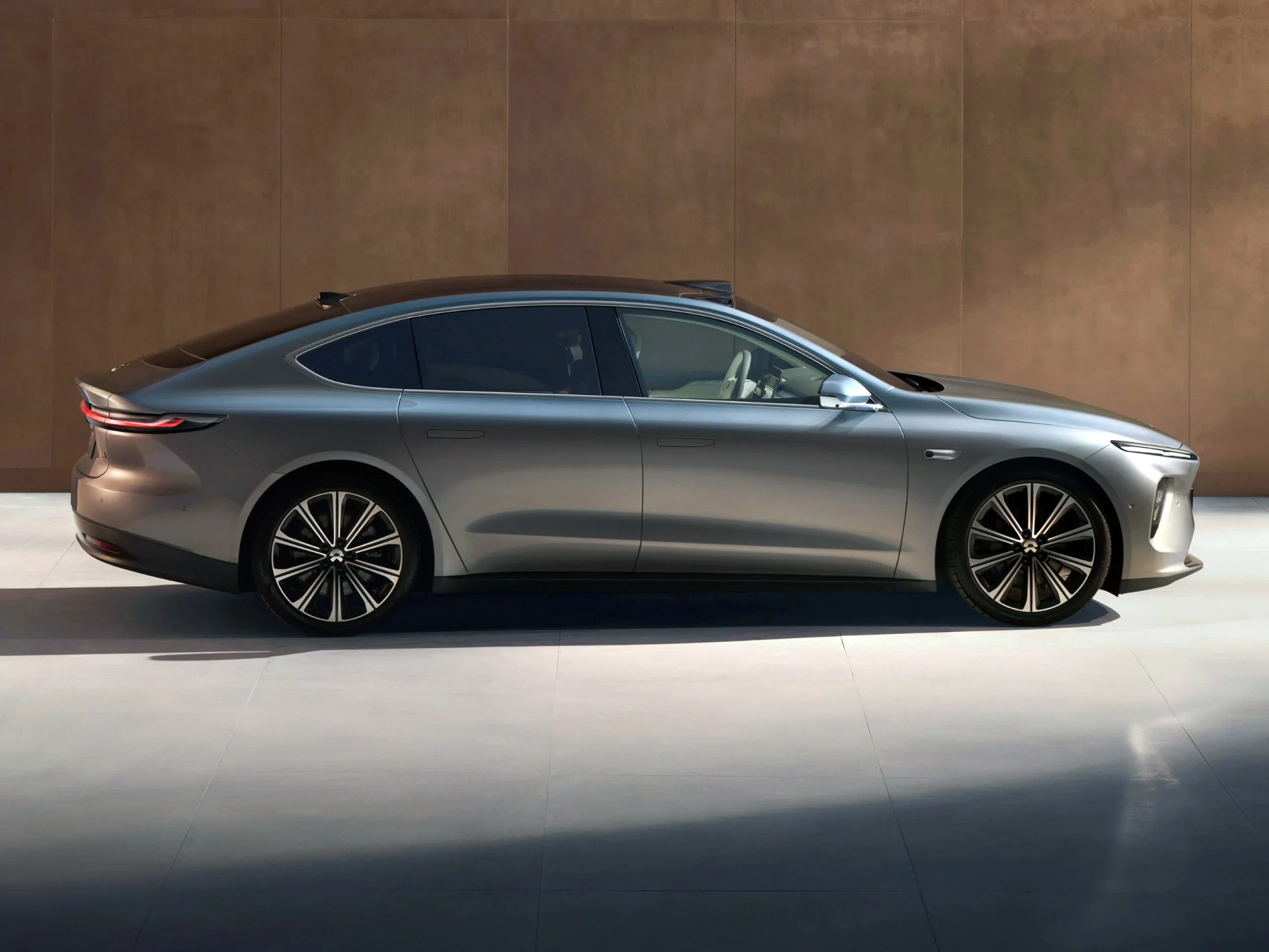
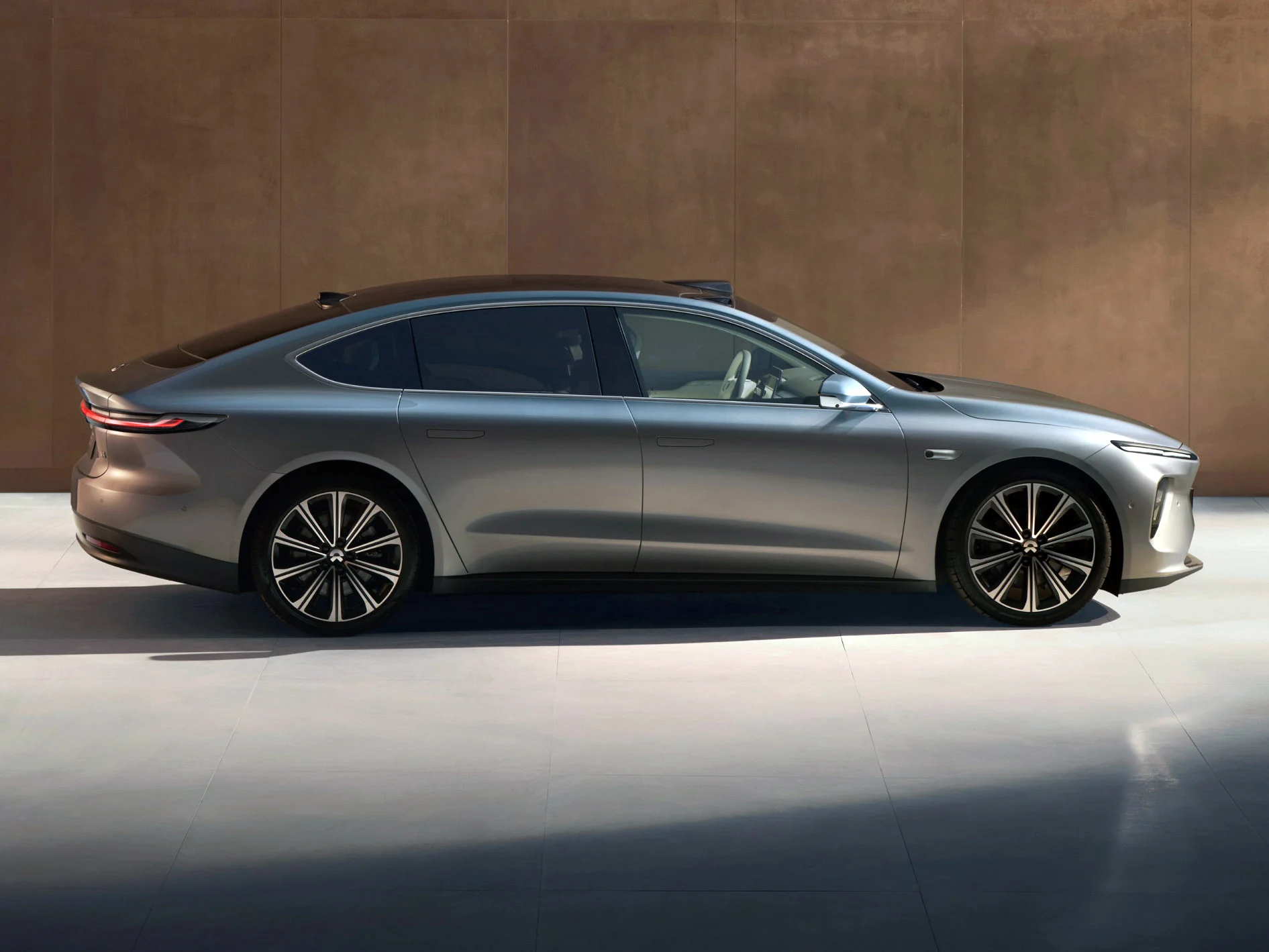
    3. Startups like WeLion are successfully developing innovative battery solutions, such as a 150 kWh battery pack for NIO’s ET7 sedan that provides over 650 miles of range.
    4. Established companies like CATL are now considering hybrid batteries as a practical interim solution while they work on true solid-state batteries.
    5. The world’s first dedicated solid-liquid battery manufacturing plant is being built by Hylic, aiming to produce batteries with significant range and efficiency for various applications.


    China has recently taken a big step by becoming the first nation to try to establish standards for solid-state batteries. Both new companies like WeLion and established players such as CATL are in competition to lead in the next generation of electric vehicle (EV) range and safety.

    Advancing Battery Technology

    The goal of the solid-state battery standard initiative is to hasten the process of bringing cells with solid or nearly solid electrolytes to the market. The new national classification differentiates between these types. Batteries that were previously labeled as semi-solid, which consist of 5% liquid and 95% solid electrolyte, are now referred to as hybrid solid-liquid batteries. These batteries are less expensive to produce compared to those with a 100% solid electrolyte, yet they are almost equally safe and provide significantly higher energy density than current ternary batteries that use volatile liquid electrolytes.

    Innovations from NIO and WeLion

    For example, NIO approached CATL to produce the solid-liquid battery it had developed. However, CATL, the largest EV battery manufacturer globally, initially dismissed the idea, viewing it as costly and not practical, which are two issues CATL typically avoids. Consequently, NIO sought assistance from the startup WeLion and successfully created a 150 kWh battery pack that allows its ET7 sedan to travel over 650 miles on just one charge.

    A Shift in Perspective

    Eventually, CATL revised its opinion and now sees solid-liquid batteries as a viable interim solution while working towards commercializing true solid-state batteries, which remain fairly costly to produce. In contrast, startups in China are focusing directly on developing and manufacturing hybrid or solid-state batteries, skipping the liquid electrolyte phase where they find it hard to compete against major companies like CATL or BYD.

    One such innovative company, Hylic, has started constructing the world’s first production line exclusively for hybrid batteries containing 95% solid electrolyte, also known as solid-liquid packs. Though these batteries don’t provide the same high energy density as solid-state batteries, Hylic’s cells, with only 5% liquid electrolyte, still achieve 360 Wh/kg, which is about 50% more than the average energy density of current EV batteries, and they can last for 1,000 charging cycles.

    Future of EV Battery Production

    The establishment of the first dedicated solid-liquid battery manufacturing plant could lead to electric vehicles capable of 500-600 miles of range at a reasonable cost, thanks to the benefits of large-scale production. Hylic has already initiated the first phase of construction and aims to deliver 10 GWh of solid-state battery capacity for various applications, including robots, drones, and electric vehicles.
  • Solid-State Battery Breaks Energy Density Record, Doubles Limit

    Solid-State Battery Breaks Energy Density Record, Doubles Limit

    Key Takeaways

    1. A new record for solid-state battery energy density has been set at 824 Wh/kg, surpassing the previous theoretical limit by 20%.
    2. WeLion claims to have achieved 1,000 Wh/kg energy density, which is double the current standards, but this technology is not yet viable for large EV production.
    3. Major companies like Samsung, CATL, and Toyota aim to launch solid-state batteries with 500 Wh/kg energy density by 2027, enabling electric vehicles to potentially travel 750 miles on a single charge.
    4. WeLion’s existing 150 kWh packs are used in NIO vehicles, allowing ranges over 600 miles, but new advancements may exceed 1,000 miles once production is viable.
    5. High energy density solid-state batteries may be more suitable for drones and robots due to their elevated costs, rather than for mainstream electric vehicles.


    One of the leaders in solid-state battery technology has declared a new record for energy density at 824 Wh/kg. The earlier record holder, Cherry, recently revealed that it has developed a 600 Wh/kg solid-state battery that is set to go into mass production by 2027.

    New Heights in Energy Density

    This new achievement surpasses the previous theoretical limit by 20% due to innovative polymer electrolyte tech. However, it is still significantly less than WeLion’s claim of achieving 1,000 Wh/kg energy density, which is double the current ratings for solid-state battery technologies.

    Big names like Samsung, CATL, and Toyota have expressed excitement about launching solid-state batteries that meet the previously theoretical maximum of 500 Wh/kg by 2027. These advancements could allow electric vehicles to travel 750 miles on a single charge while maintaining the same size as today’s batteries, like those in the Tesla Model Y, which currently offer a 300-mile range.

    Real-World Applications

    WeLion has already developed 150 kWh packs featuring 95% solid electrolyte that are currently being used in NIO vehicles such as the ET7 sedan, allowing them to achieve ranges exceeding 600 miles on one charge. Once WeLion’s new energy density breakthrough is ready for production, the same vehicle could potentially exceed 1,000 miles of range. Nevertheless, WeLion’s chairman warns that such battery packs will be very costly.

    For example, the semi-solid electrolyte battery used in the NIO ET7 is priced comparably to an entire electric vehicle, which is why NIO only offers it for rental on longer summer trips at their battery swap stations. WeLion acknowledges that the 1,000 Wh/kg solid-state electrolyte technology it created in collaboration with BASF is not yet viable for large EV batteries, at least until it can be manufactured on a larger scale. However, applications like Tesla’s Optimus, where energy density and battery safety are crucial, could benefit greatly from this new technology.

    Market Trends and Future Outlook

    This aligns with insights from CATL, the world’s largest battery market player, and Panasonic, a key supplier for Tesla. Both companies share the perspective that solid-state batteries characterized by high energy density and elevated costs might be more appropriate for use in drones and robots, rather than electric vehicles, unless they target the luxury market.

    Source:
    Link