Tag: Mercedes-Benz

  • Bosch wins major Mercedes EV motor order amid crisis

    Bosch wins major Mercedes EV motor order amid crisis

    Key Takeaway

    – Bosch secures a major long-term order from Mercedes-Benz for high-volume electric motors, signaling a strong recovery milestone for its Mobility division.
    – Motors boast up to 98% efficiency due to innovative winding technology and rotor oil cooling, boosting power density and thermal management.
    – Flexible, scalable drive-unit architecture allows adjustable length and easy integration across axle variants, reducing weight, space, and system costs.
    – Bosch aims to exceed seven million electric-drive components produced globally by 2026, underscoring its competitiveness in the electromobility market.


    Good news for Bosch as Mercedes-Benz orders energize mobility division

    The first paragraph blends a formal tone with a hint of optimism, yet it carries the weight of recent turbulences. It notes that after heavy job cuts and recent unfavorable headlines, a major new order brings relief to the Mobility division. The collaboration with Mercedes-Benz is described as large-scale, focusing on electric motors intended to power upcoming electric vehicles. This long-term partnership is said to extend into the 2030s and spans a high volume of drive units across multiple performance classes, signaling a broadened commitment from both sides.

    Technical edge and efficiency highlighted

    The second paragraph shifts to a more technical register, emphasizing the core components Bosch will supply for the next generation of premium EVs. It specifies an exceptionally high efficiency rate of up to 98% for the electric motors. A pivotal factor cited is a novel winding technology paired with an innovative rotor oil cooling system, designed to dissipate heat effectively and raise power density noticeably, a claim framed as a major competitive advantage for Bosch.

    Scalability and integration benefits for automakers

    In the third paragraph, the writing adopts a practical, industry-oriented tone, pointing out the scalable architecture of the drive units. It explains that the motors can be flexibly adjusted in length and smoothly integrated into various axle configurations. This adaptability is presented as contributing to weight savings, reduced installation space, and lowered overall system costs, with a production target of more than seven million components for electric driving worldwide planned by 2026.

    Production pace and strategic implications

    The fourth paragraph records the current production cadence—about seven electric motors per minute—and frames the Mercedes order as a milestone for Bosch. It also references prior negative headlines about profit slumps and job-cut plans in Germany, contrasting them with the new contract as a sign of resilience and renewed technological leadership in electromobility. The piece notes that Bosch counts over 50 automakers among its clients, including Mercedes-Benz, reinforcing the supplier’s expansive market footprint.

    Conclusion: Bosch reinforces its position in electromobility

    The final segment summarizes Bosch’s strategic stance, presenting the deal as proof of its technological competitiveness in a highly contested electromobility landscape. It reiterates the scale of the Mercedes-Benz order and the broader client base, underscoring Bosch’s ongoing role as a major supplier to the global automotive industry without dwelling on past difficulties.

    Sources

  • First Photos of Mercedes Baby-G EQ Electric SUV Prototype

    First Photos of Mercedes Baby-G EQ Electric SUV Prototype

    Key Takeaways

    1. Mercedes-Benz is blending classic G-Class vintage style with modern interior touches in the Baby-G EQ electric SUV.
    2. The Baby-G EQ features a compact design while retaining the recognizable angular shape of the G-Class.
    3. Key design elements include round daytime running lights, roof rails, and bow-shaped door handles, despite the prototype being camouflaged.
    4. The vehicle maintains iconic features like a side-opening tailgate and all-wheel drive, suggesting off-road capabilities.
    5. The design aims to attract a younger audience, offering a modern look while honoring the G-Class heritage.


    Mercedes-Benz is looking to blend the classic vintage style of its G-Class with contemporary interior touches. The smaller version of the G-Class, recently spotted in Stuttgart and named the “Baby-G” or “Mini-G,” showcases some intriguing aspects of the forthcoming electric vehicle.

    Compact Design with Familiar Features

    Images of the Mercedes Baby-G EQ from Newcar on X show that the recognizable angular design of the G-Class has been kept, yet the all-electric SUV is noticeably more compact than the standard G-Class. Additionally, the spare tire carrier on the back remains a feature.

    Notable Details Despite Camouflage

    Even with the prototype heavily covered, round daytime running lights can be seen at the front, modeled after those of the full-size G-Class and set back into the body. Moreover, the vehicle includes roof rails, noticeable wheel arches, three side windows on either side, and bow-shaped door handles.

    Retaining Iconic Elements

    At the back, there’s the traditional side-opening tailgate typical of off-road vehicles, along with small rear lights and a spot for the license plate. Overall, the Baby-G EQ electric SUV adheres to the classic G-Class aesthetic, hinting at its off-road capabilities. As expected for an off-road vehicle, all-wheel drive is likely to be included.

    Still, the Mercedes Baby-G EQ brings a distinctiveness to its design while honoring its heritage. It seems that Mercedes-Benz is trying to appeal to a younger audience with the Baby-G EQ electric SUV, indicated by its more modern appearance.

    Newcar via X

    Source:
    Link


  • Electric Mercedes-Benz Fire in Korean Garage Raises Safety Concerns

    Electric Mercedes-Benz Fire in Korean Garage Raises Safety Concerns

    Key Takeaways

    1. An electric Mercedes-Benz caught fire while charging in Suwon, South Korea, prompting a large emergency response.
    2. The fire spread to three nearby cars but was contained within an hour, with no fatalities reported.
    3. Investigations are ongoing to determine the cause of the fire, marking the second incident involving a Mercedes-Benz EV in South Korea.
    4. Despite recent incidents, electric vehicles are 60 times less likely to catch fire than gasoline-powered cars.
    5. Government discussions are underway about stricter safety regulations for battery-electric vehicles following these incidents.


    As the use of electric vehicles (EVs) increases, so does the likelihood of incidents involving them. Recently, a fire broke out involving an electric Mercedes-Benz in Suwon, South Korea, prompting the evacuation of local residents.

    Incident Details

    The EV was plugged in and charging while parked beneath a 15-story apartment building. The blaze ignited at around 8:04 AM and quickly spread to three other cars parked nearby.

    In response to the emergency, the city sent out 19 firetrucks and 57 firefighters to manage the situation. The fire was contained within an hour, aided by a fire blanket, and was completely extinguished by 10:16 AM.

    Casualties and Investigations

    Fortunately, there were no fatalities; however, a worker from the apartment complex suffered from smoke inhalation and needed medical care. Officials are currently looking into what caused the fire. The specific model of the electric vehicle involved has not been disclosed yet.

    This incident marks the second occurrence of a fire involving an electric Mercedes-Benz in South Korea in recent times. In August 2024, an EQE sedan that was not charging caught fire in an underground parking garage in Incheon, leading to the destruction of over 140 vehicles. This event has spurred government discussions about implementing stricter safety regulations for battery-electric vehicles (BEVs).

    Fire Statistics and Comparisons

    Despite these incidents, fires in electric vehicles are still relatively uncommon, especially when compared to gasoline-powered cars. According to Fire Statistics, electric vehicles are 60 times less prone to catching fire than traditional gasoline vehicles. Additionally, Tesla has reported only one fire for every 135 million miles driven by their cars from 2012 to 2023.

    Source:
    Link


  • Mercedes EQ 46 Round Cell: LG’s 107 GWh Deal for S-Class EQ 2028

    Mercedes EQ 46 Round Cell: LG’s 107 GWh Deal for S-Class EQ 2028

    Key Takeaways

    1. Mercedes-Benz and LG Energy Solution have signed a significant battery supply agreement valued at 107 GWh, with 32 GWh for Europe and 75 GWh for the US.

    2. The batteries will be cylindrical cells from the “46 series,” with production starting at a new plant in Arizona in 2026.

    3. This new agreement adds to a previous contract for 50.5 GWh, bringing the total to over 150 GWh, indicating the direction of future Mercedes electric vehicle models.

    4. The choice of the 46 round cell aligns with the MB.EA-L platform, which is designed for module-less battery integration.

    5. The deal highlights Mercedes-Benz’s commitment to high technology and quality, outpacing competitors like CATL and Farasis, and is estimated to be worth around $10.8 billion.


    According to Electrive, Mercedes-Benz has come together with LG Energy Solution to form a significant battery supply agreement, which is valued at 107 GWh in total. Out of this, 32 GWh is designated for Europe, with delivery scheduled from August 2028 to December 2035, and 75 GWh is allocated for the US between July 2029 and December 2037.

    Battery Specifications

    The batteries involved are cylindrical cells from the “46 series,” measuring about 46 millimeters in diameter. Electrive reports that this is “the largest single order to date for LG Energy for its cylindrical cells from the 46 series.” Production of these battery cells is set to increase at a new plant in Arizona, along with additional sites, starting in 2026.

    Previous Agreements

    Previously, a supply contract for 50.5 GWh was also established with LGES in October 2024, likely for the same type of cells, beginning in 2028. In total, the contracts will sum up to over 150 GWh of cylindrical battery cells, which hints at the direction that future Mercedes electric vehicle models will take.

    Strategic Decisions

    Electrive suggests that the choice of the 46 round cell may be tied to the upcoming MB.EA-L platform, which lacks a modular battery level (“module-less battery”) making it a good fit for incorporating round cells.

    In the contest for this contract, LGES outperformed well-known Chinese competitors like CATL and Farasis, showcasing Mercedes’ commitment to high technology and quality standards. The deal’s importance is further underscored by its estimated worth, with totals reaching around 15 trillion won, which is about $10.8 billion.

    Future Implications

    With the agreement with LG, Mercedes-Benz is establishing a vital base for its future S-Class EQ and other large electric vehicle models that will utilize the MB.EA-L platform. The emphasis on the 46 round cell and the early acquisition of extensive battery volumes will aid in long-term production and delivery strategies.

    Source:
    Link


  • Reused Car Batteries Fuel Airport Energy Storage in Italy

    Reused Car Batteries Fuel Airport Energy Storage in Italy

    Key Takeaways

    1. Enel has created the largest energy storage system at Aeroporti di Roma using repurposed batteries from Mercedes-Benz, Stellantis, and Nissan.
    2. The photovoltaic plant has an installed capacity of 2.5 megawatts and a storage capacity of 10 megawatt-hours, with a lifespan of 10 to 15 years.
    3. The project, named Pioneer, cost approximately 5.5 million euros and received partial funding from the European Union.
    4. The energy storage system is expected to reduce CO2 emissions by 16,000 tons over ten years of operation.
    5. This facility is the first large-scale system to combine different battery types, offering a scalable model for battery reuse and renewable energy management.


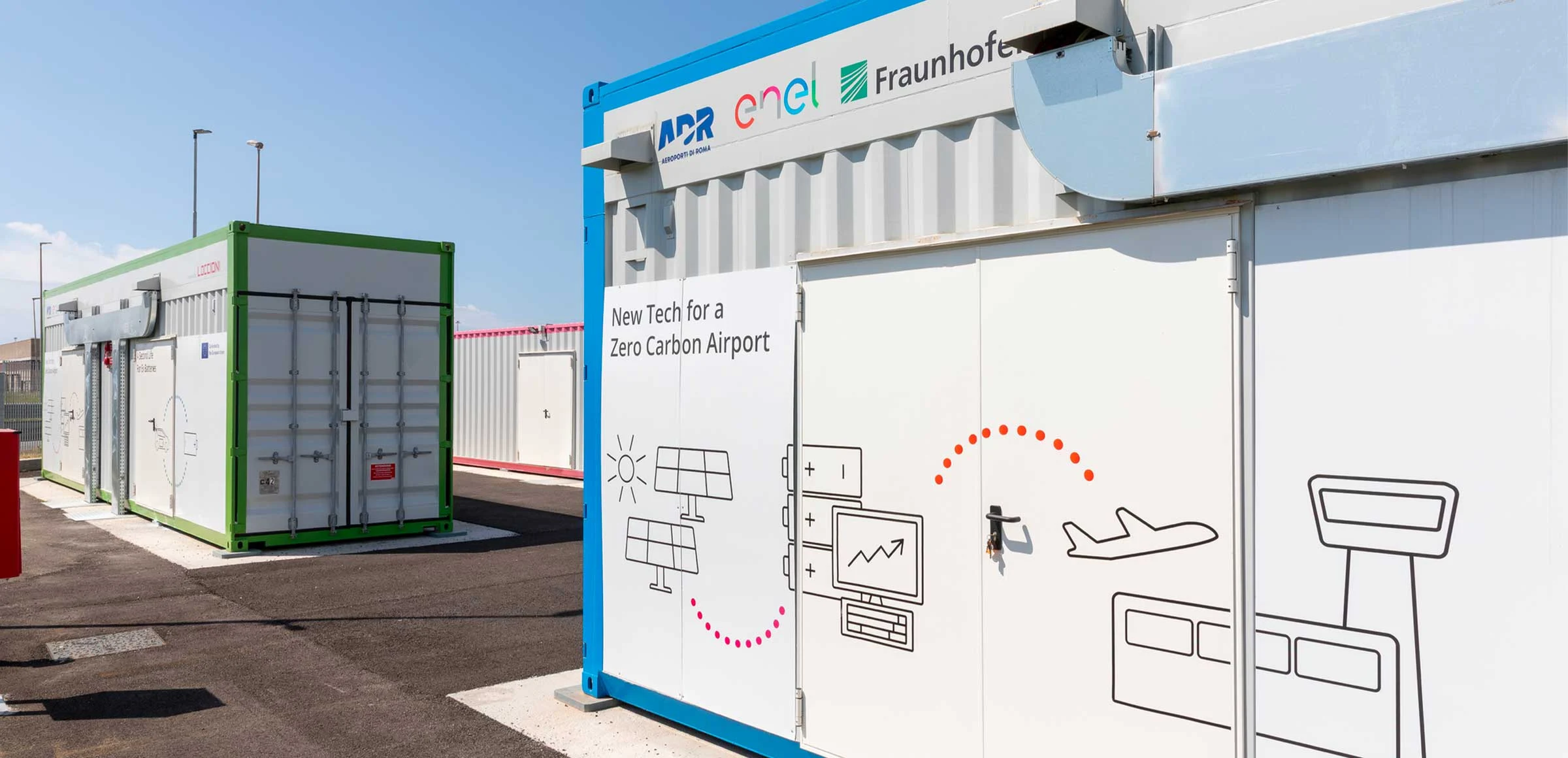
    Enel has created the largest energy storage system of its kind at the Aeroporti di Roma by utilizing used batteries from three leading car manufacturers. This system is powered by a photovoltaic plant constructed alongside runway three at the airport.

    Battery Reuse and Specifications

    The project involved repurposing 762 batteries sourced from Mercedes-Benz, Stellantis (which includes brands such as Chrysler and Citröen), and Nissan. The photovoltaic system boasts an installed capacity of 2.5 megawatts and has a storage capacity of 10 megawatt-hours, which is expected to have a lifespan of 10 to 15 years.

    Inauguration Insights

    At the facility’s inauguration, Francesca Gostinelli, who leads Enel X Global Retail, stated that the reused batteries are in good condition, retaining about 80% of their residual energy, as reported by PV Magazine.

    The initiative, named Pioneer (airPort sustaInability secONd lifE battEry stoRage), is estimated to cost around 5.5 million euros, with partial funding from the European Union Climate, Infrastructure and Environment Executive Agency (CINEA). The airport operator aims to decrease its reliance on the electric grid and increase the use of renewable energy, targeting a capacity of 60 megawatts by 2030.

    Environmental Impact

    Through this energy storage system, Enel anticipates a reduction of 16,000 tons of CO2 over a decade of operation. According to Enel, this facility is the first large-scale industrial setup to combine diverse batteries into a unified energy storage system. This was achieved using optimization software and a design that accommodates different battery packs, presenting a scalable model for utilizing batteries as they reach the end of their life cycle.

    “Pioneer thus inaugurates a scalable model that is not only capable of ensuring smarter management of green energy resources, but also sets a benchmark for the ability to valorise materials and devices at the end of their life,” commented Enel.

    Source:
    Link


  • Enhanced Microsoft Integration in Mercedes-Benz Vehicles

    Enhanced Microsoft Integration in Mercedes-Benz Vehicles

    Key Takeaways

    1. Mercedes-Benz is partnering with Microsoft to enhance digital features in vehicles, targeting business users.
    2. The new MB.OS system will transform Mercedes cars into mobile offices, appealing to employees eligible for company vehicles.
    3. The updated Teams app allows users to join video meetings while driving, with features to reduce distractions and improve privacy.
    4. Microsoft Intune integration will enable secure access to work accounts, distinguishing between personal and business data.
    5. An API for Microsoft 365 Copilot will introduce generative AI features in vehicles, enhancing productivity for users on the go.


    Mercedes-Benz is enhancing its partnership with Microsoft to introduce fresh digital features to its automobiles. The goal is to create a comprehensive package aimed at businesses. The upcoming MB.OS operating system represents a significant leap toward transforming Mercedes vehicles into mobile offices. This could serve as a strong incentive for employees, especially those who qualify for company vehicles, to select a Mercedes in the future.

    Next-Gen Innovations

    Leading the charge is the new Mercedes-Benz CLA, which will debut with the fourth-generation MBUX infotainment system. This will be the first Mercedes model designed with advanced Microsoft integration specifically for business users.

    Enhanced Functionality

    A crucial feature of this updated integration is the revamped Teams app. Users will have the capability to join video meetings while driving, utilizing the in-car camera. Mercedes assures that this feature adheres to applicable legal standards. When the camera is turned on, any shared material and presentations will be automatically concealed from the driver to reduce distractions. Additionally, the camera can be turned off at any moment to guarantee greater privacy control.

    The renewed Teams app also brings a fresh dashboard that allows users to check their upcoming meetings directly in their cars. This makes it faster to access contacts, and the chat feature has been improved for on-the-go use. Integrated voice control aids in text entry, and users can join meetings directly from their calendars without needing extra devices.

    Cloud-Based Solutions

    Another significant advancement is the incorporation of Microsoft Intune into MB.OS. This cloud-based system enables users to log in securely with their work accounts and easily toggle between personal and work applications. Companies gain the advantage of a clear distinction between personal and business data, along with simplified management of access rights. IT managers can centrally establish and oversee security protocols for vehicles, just like they would for smartphones or laptops. This integration will support applications such as Notes and Calendar and is set to launch in both Europe and the US.

    Mercedes-Benz is also gearing up to introduce an API for Microsoft 365 Copilot, which will integrate features of generative AI into its cars. By using voice commands, drivers will be able to summarize emails, access customer details, or prepare for upcoming meetings. This integration is anticipated to be the first of its kind in a production vehicle. Mercedes asserts it will greatly improve productivity for users constantly on the go.

    Through these advancements, Mercedes-Benz aims to transform its vehicles into fully functional workspaces, extending the capabilities of both commercial and home offices. Whether this initiative will be successful remains uncertain, but it is evident that these features are crafted for sophisticated business clients who prioritize ease, connectivity, and security.

    “Our collaboration with Microsoft leads the industry, making it simpler for our clients to maintain productivity while traveling. By embedding the latest Microsoft workspace tools, like Microsoft Teams, into our new MB.OS operating system, we have designed an intuitive and safe user experience that enhances efficiency and cuts down distractions,” states Ola Källenius, CEO of Mercedes-Benz Group.

    Source:
    Link

  • Mercedes-Benz Solar Paint Boosts EV Range by 12,000 KM Annually

    Mercedes-Benz Solar Paint Boosts EV Range by 12,000 KM Annually

    Electric vehicles (EVs) are becoming more popular as the world moves towards cleaner forms of energy, but there’s still a big issue—range anxiety. Many drivers are afraid of running out of battery power on long trips or having to wait too long at charging stations. To tackle this problem, Mercedes-Benz is developing an innovative solution that could enhance the energy independence of EVs: solar paint.

    How It Works

    This technology transforms the car’s exterior into a power generator by embedding solar modules in a paint-like layer. With an efficiency rate of 20%, this special paint captures sunlight and changes it into electricity, which can then be used to charge the vehicle’s high-voltage battery. It covers an area of approximately 11 square meters, similar to the size of a mid-sized SUV, and under ideal conditions, it can produce enough energy to allow an electric car to travel up to 12,000 kilometers (around 7456 miles) each year.

    Unique Features

    The secret behind Mercedes-Benz’s solar paint is its wafer-thin solar cells that can be applied to any car body, irrespective of its shape or design. This is different from standard solar panels that are placed on the roofs; the solar paint can cover all surfaces of the vehicle.

    The energy generated isn’t just for driving; it keeps producing power even when the vehicle is parked. This means longer ranges and fewer stops to charge, plus there’s a chance to use any extra energy for homes or the power grid via bidirectional charging. However, this brings up questions—what happens to all the extra energy that’s gathered? Mercedes-Benz hasn’t provided detailed answers in its announcement, but surplus energy might be used for homes (V2H, or vehicle-to-home), sent back to the grid (V2G, or vehicle-to-grid), charged into other EVs (V2V, or vehicle-to-vehicle), or saved for later driving needs.

    Location Matters

    The efficiency of solar paint largely relies on how much sunlight it receives, which can change based on the location. For instance, drivers in Stuttgart, Germany, typically cover about 52 kilometers daily. Solar paint could potentially account for around 62% of that distance using solar energy alone. In sunnier locations like Los Angeles, cars could generate more than enough energy, meeting or exceeding daily driving requirements, according to claims by Mercedes.

    This advancement could help alleviate range worries while lowering energy expenses for EV users. Furthermore, Mercedes-Benz confirms that the paint is eco-friendly, as it does not contain rare earths or silicon, utilizes non-toxic materials, and is easy to recycle—making it both sustainable and cost-effective.

    Future Outlook

    Currently, solar paint is in the research stages, but its possibilities are substantial. By allowing EVs to produce their own energy, it lessens the dependency on charging stations, making electric cars a more viable choice for drivers everywhere. At the moment, manufacturers like Hyundai and Toyota are incorporating traditional solar panels into some of their EVs. However, if Mercedes-Benz can successfully launch its solar paint, it could transform the landscape of clean transportation.

    Source: Link

  • Enhanced Features: Mercedes-Benz EQE Fully Electric SUV Released, Starting at 486,000 Yuan ($68,000)

    Enhanced Features: Mercedes-Benz EQE Fully Electric SUV Released, Starting at 486,000 Yuan ($68,000)

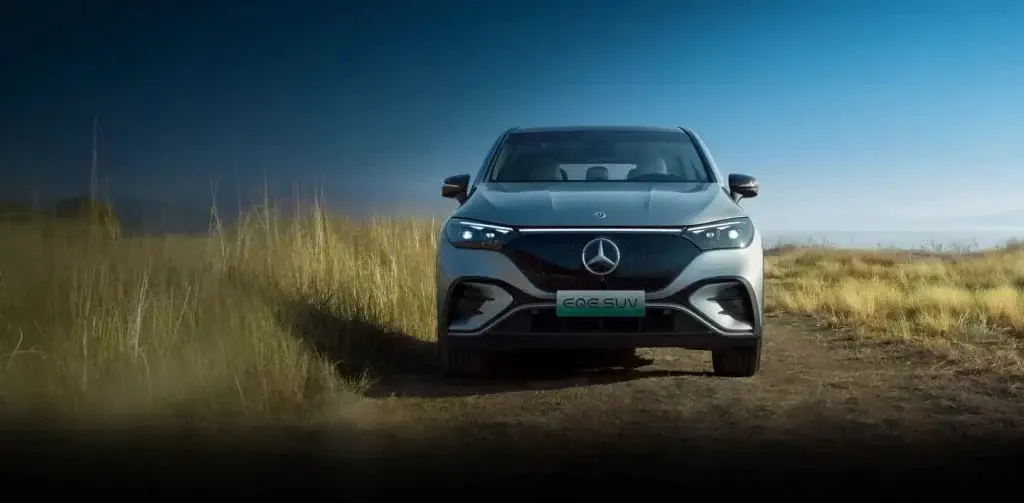
    Mercedes-Benz has recently unveiled its latest offering, the new EQE SUV, providing consumers with an upgraded model that falls within the price range of its predecessor. The new EQE SUV is priced between 486,000 and 630,600 yuan (~$68,000 – $88,250). Despite the various improvements and additions, the base Pioneer version remains affordable.

    Upgraded Features and Specifications

    The exterior design of the EQE SUV maintains the distinctive language of its predecessor. It showcases a closed grille, a through-type LED light strip, and innovative "Meteor Shower" intelligent digital headlights with 2.6 million illumination pixels. The front bumper has been enhanced to exude a more sporty aesthetic, and the SUV boasts a 98% ultra-high screen-to-body ratio, contributing to its captivating appearance.

    For a seamless driving experience, the EQE SUV offers optional air suspension (AIRMATIC) and an adaptive damping system plus (ADS+), which enhances the vehicle's height for increased passability. It also offers multiple driving modes, including "Energy Saving," "Comfort," "Sport," "Personalized," and "Off-Road," catering to diverse driver preferences.

    Inside the vehicle, drivers and passengers can enjoy an oversized triple screen, a multi-function steering wheel, and multi-color ambient lighting, creating a harmonious blend of technology and luxury. The car's MBUX Hyperscreen in-car system spans an impressive 141 cm in width and introduces a zero-level interface that prioritizes key applications, providing an intuitive and distraction-free driving environment.

    Tailored for the Chinese Market

    Mercedes-Benz has specifically tailored the EQE SUV for the Chinese market, introducing ten exclusive configurations that cater to the preferences of Chinese consumers. These configurations include a "boss button" and comfortable rear headrests. The vehicle also focuses on improving noise, vibration, and harshness (NVH) levels, incorporating features such as double-layer silent glass in the front row and a comprehensive vehicle acoustic package.

    Power and Safety Features

    Under the hood, the EQE SUV houses a dual-motor, four-wheel-drive system with a 96.1 kWh battery pack. The 350 model delivers a maximum output power of 215 kW, while the 500 model offers an impressive 300 kW. With a maximum cruising range of 613 kilometers under CLTC operating conditions and a 128-kilowatt charging power, the EQE SUV prioritizes both performance and efficiency.

    In terms of safety, the EQE SUV is equipped with active and passive features such as the attention assist system, active braking assist system, and active lane-keeping assist system. Additionally, an enhanced driving assistance package is available, featuring an intersection start and stop function.

    A Formidable Player in the Electric SUV Market

    With continuous efforts to optimize safety, performance, and user experience, the new EQE SUV positions itself as a strong contender in the electric SUV market. Mercedes-Benz has managed to retain affordability while introducing various upgrades and tailoring the vehicle to meet the preferences of Chinese consumers. The EQE SUV offers a seamless driving experience, advanced technology, and a luxurious interior, making it an attractive option for those in the market for an electric SUV.

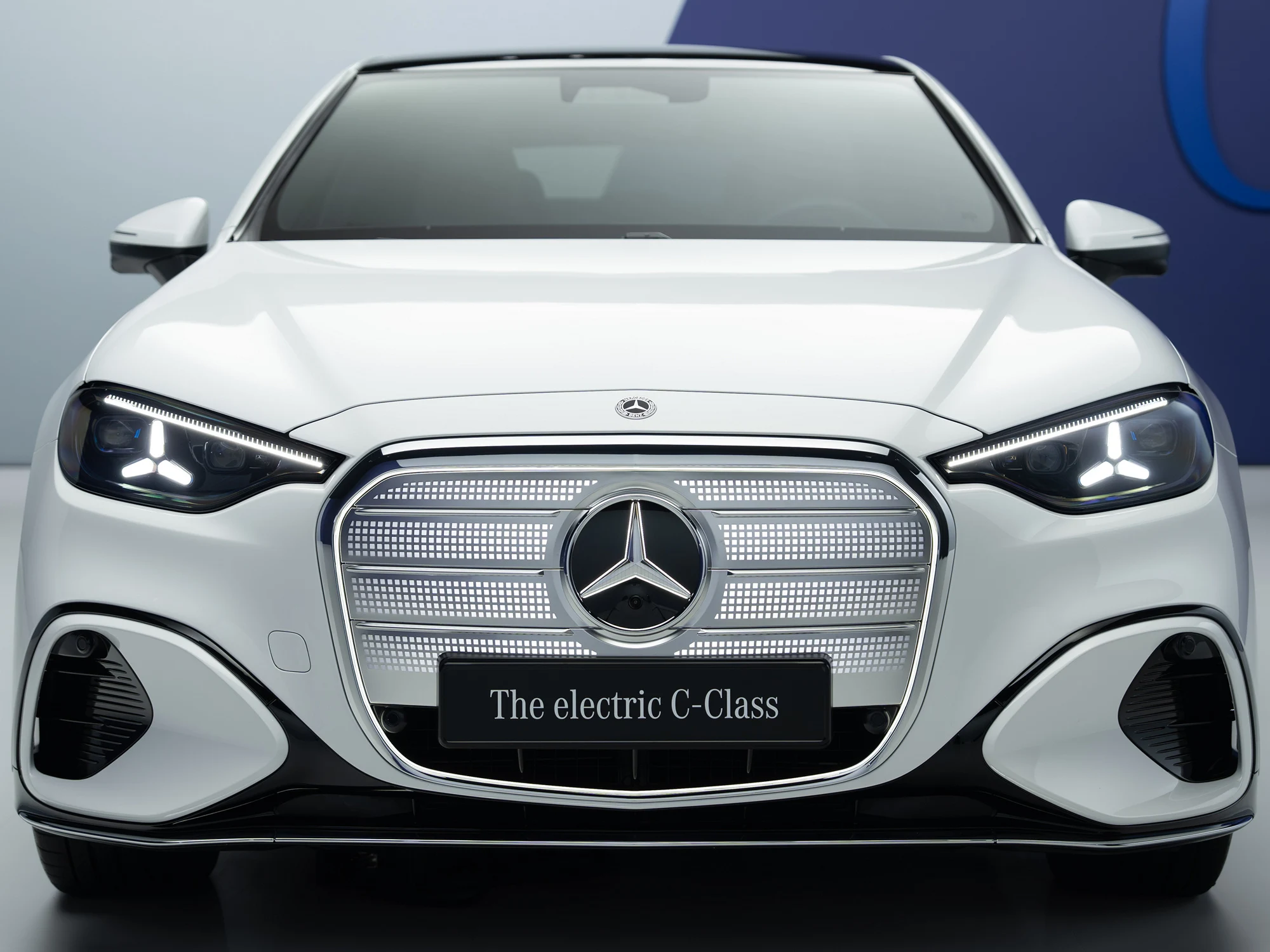
  • Testing of Mercedes-Benz’s New Electric C-Class Captured in the Wild

    Testing of Mercedes-Benz’s New Electric C-Class Captured in the Wild

    The Race in the Electric Vehicle (EV) Market: Mercedes-Benz’s Plans for the Future

    Mercedes-Benz is determined not to be left behind in the race for dominance in the electric vehicle (EV) market. The company has set ambitious plans to transition entirely to electric cars by 2030, depending on market growth. One of the key players in this electric dream is the new electric C-Class, which is set to launch in 2025 and will serve as Mercedes’ answer to the BMW i4.

    The Mercedes Electric C-Class: A More Refined Design

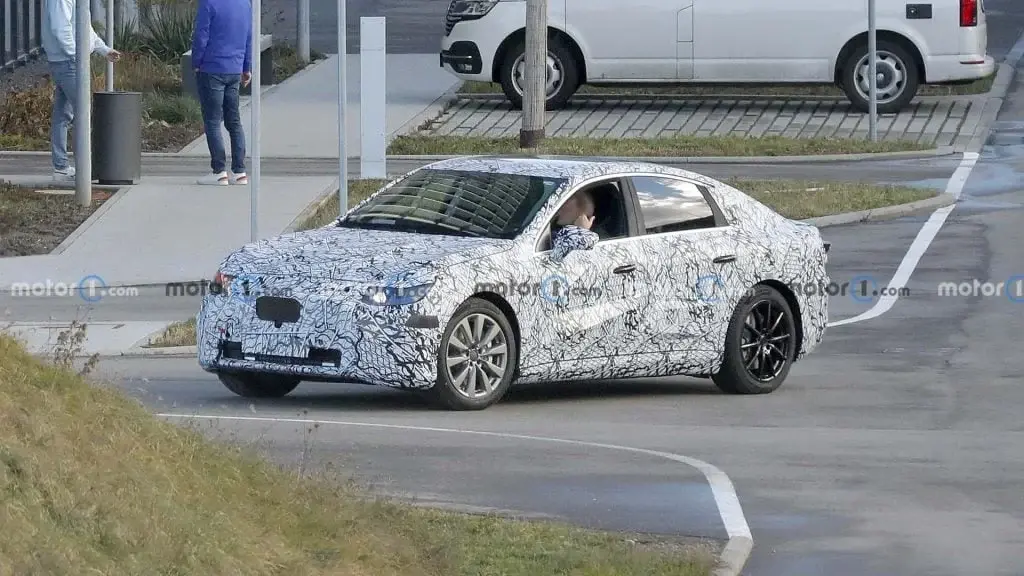
    Recently, the electric C-Class was caught on camera during testing. The vehicle was heavily camouflaged to keep its final design a secret. Despite the disguise, it is evident that Mercedes is aiming for a sleeker and more refined look compared to its larger models like the EQE and EQS. The electric C-Class seems to draw inspiration from the Vision EQXX concept car, particularly in terms of aerodynamics.

    Mercedes’ Exclusive Electric Vehicle Platform: MB.EA

    The new electric sedan is expected to be built on Mercedes’ exclusive electric vehicle platform known as MB.EA. This platform sets it apart from the electric CLA models, which are being developed on a mixed-use platform (MMA) that also supports traditional combustion engines. Mercedes’ strategy reflects their effort to cater to different tastes and needs within the EV market.

    A Possible Change in EV Naming Convention

    There is speculation that Mercedes may change the way they name their EVs. Starting in 2024, they might move away from the “EQ” branding, potentially beginning with the electric version of the G-Class. This shift signifies a new era in Mercedes’ EV journey, as they seek to adapt and evolve in the rapidly changing landscape of electric mobility.

    Head-to-Head Competition with BMW

    As Mercedes prepares to launch the electric C-Class, it is not just about their own evolution. They are also gearing up to compete with BMW’s upcoming electric vehicles, such as the i3 Sedan and the next-gen iX3. These BMW models are expected to be built on the innovative Neue Klasse platform. The competition between these luxury automakers highlights the dynamic and fast-changing nature of the luxury EV market. With its modern design and cutting-edge technology, the Mercedes electric C-Class is ready to make its mark in the rapidly evolving world of electric cars.

    Conclusion

    Mercedes-Benz is making significant strides in the electric vehicle market with its plans to transition entirely to electric cars by 2030. The upcoming electric C-Class, with its refined design and exclusive electric vehicle platform, showcases Mercedes’ commitment to innovation and meeting the diverse needs of EV consumers. As the competition between Mercedes and BMW intensifies, it is clear that the world of luxury EVs is rapidly evolving, and these automakers are at the forefront of this transformation.

  • A Quantum Leap in Electric Vehicle Range: The 2024 Mercedes-Benz EQS

    A Quantum Leap in Electric Vehicle Range: The 2024 Mercedes-Benz EQS

    The 2024 Mercedes-Benz EQS: A New Standard in Driving Range and Efficiency

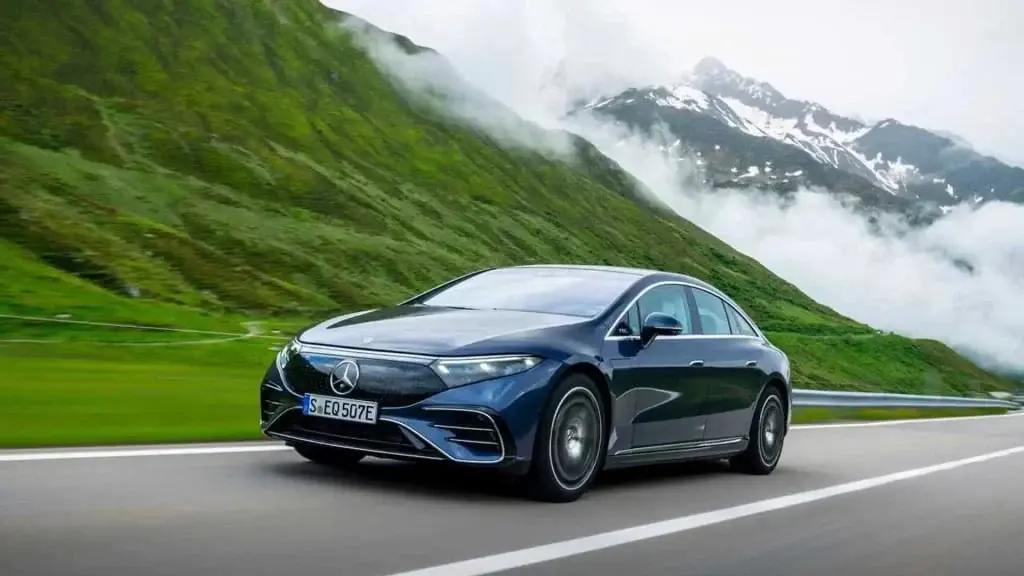
    The 2024 Mercedes-Benz EQS is making waves in the electric vehicle (EV) world with its impressive driving range and efficiency. With the latest EPA ratings, this luxury electric sedan is set to deliver more miles on a single charge, representing a significant leap forward for both the brand and EV enthusiasts.

    A Lineup of Luxury and Performance

    The 2024 EQS lineup consists of three models: the EQS 450+, the EQS 450 4Matic, and the EQS 580 4Matic. Each model offers a perfect blend of luxury and performance. However, it is the EQS 450+ that stands out with its exceptional EPA combined range of 352 miles, surpassing its predecessors. The EQS 450 4Matic and EQS 580 4Matic also offer noteworthy improvements, with each boasting a range of 345 miles.

    The Performance-Oriented AMG EQS 4Matic+: Pushing Boundaries

    While all the models in the lineup showcase impressive ranges, it is the AMG EQS 4Matic+ that truly shines. This performance-oriented variant has witnessed a remarkable 10% increase in range, jumping from 277 to 305 miles. This improvement not only allows for longer drives but also demonstrates Mercedes-Benz's commitment to advancing electric mobility without compromising on performance or luxury.

    Unveiling Enhanced Efficiency

    The gains in driving range are not solely attributed to larger batteries. The 2024 AMG EQS showcases over 6% lower total energy consumption, suggesting improvements in efficiency and a smarter utilization of its powertrain. These enhancements contribute to the overall driving range, ensuring that the EQS models deliver more miles on a single charge.

    Pricing and Considerations

    One aspect that remains a mystery is the pricing of these models. The 2023 lineup, with its six-figure price tags, positions these vehicles as premium choices in the EV market. Additionally, it is worth noting that these models do not qualify for federal tax credits due to their import status and price. This factor could potentially influence prospective buyers when considering their options.

    In conclusion, the 2024 Mercedes-Benz EQS is raising the bar in terms of driving range and efficiency in the EV market. With its impressive EPA ratings, the EQS lineup offers a range of models that blend luxury and performance. The AMG EQS 4Matic+ is a standout, showcasing a significant increase in range. These advancements are not solely due to larger batteries but also reflect improvements in efficiency. As the pricing details remain undisclosed, potential buyers will have to consider the premium positioning of these models and the absence of federal tax credits.