
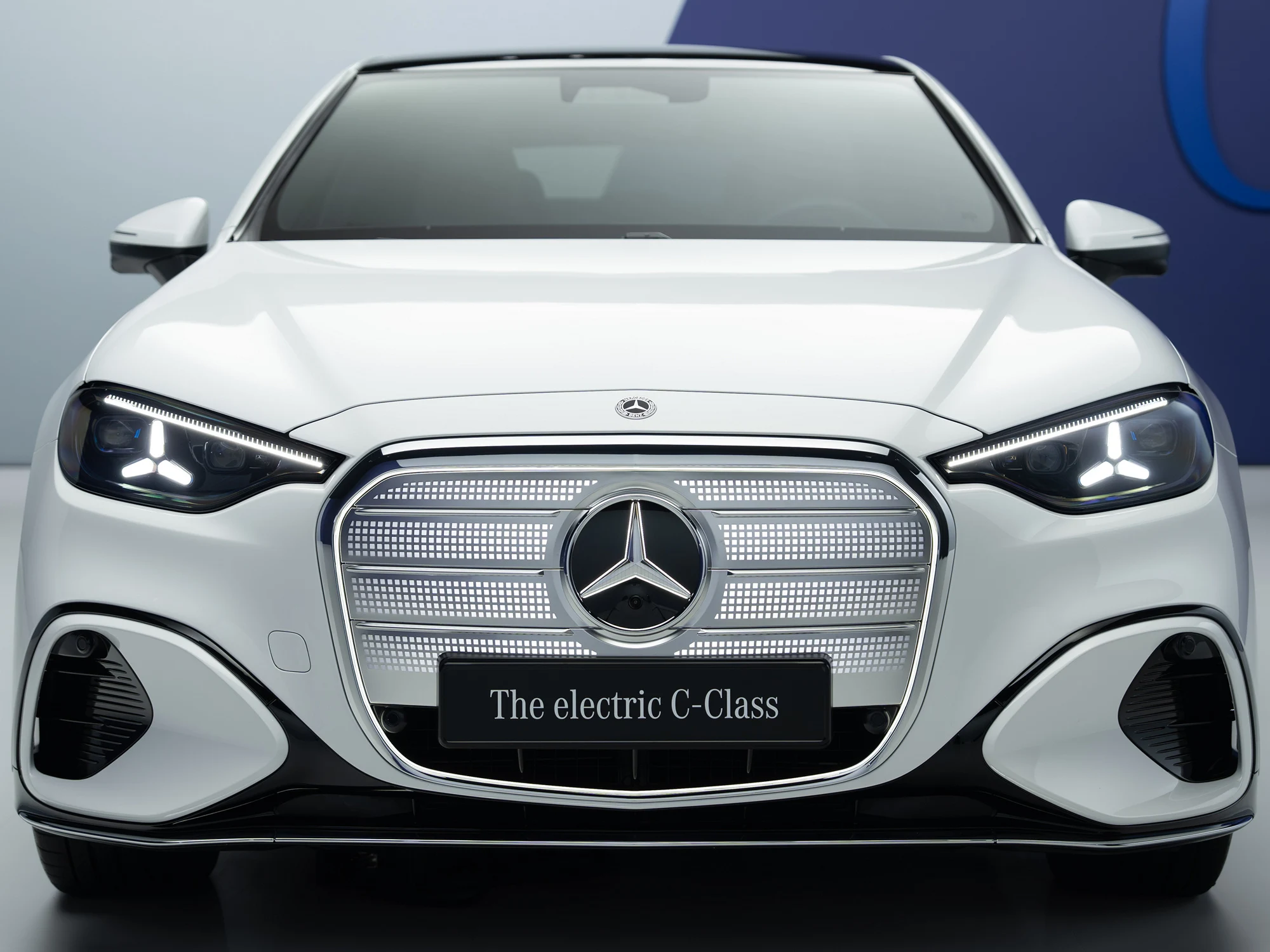
– Bosch secures a major long-term order from Mercedes-Benz for high-volume electric motors, signaling a strong recovery milestone for its Mobility division.
– Motors boast up to 98% efficiency due to innovative winding technology and rotor oil cooling, boosting power density and thermal management.
– Flexible, scalable drive-unit architecture allows adjustable length and easy integration across axle variants, reducing weight, space, and system costs.
– Bosch aims to exceed seven million electric-drive components produced globally by 2026, underscoring its competitiveness in the electromobility market.
Good news for Bosch as Mercedes-Benz orders energize mobility division
The first paragraph blends a formal tone with a hint of optimism, yet it carries the weight of recent turbulences. It notes that after heavy job cuts and recent unfavorable headlines, a major new order brings relief to the Mobility division. The collaboration with Mercedes-Benz is described as large-scale, focusing on electric motors intended to power upcoming electric vehicles. This long-term partnership is said to extend into the 2030s and spans a high volume of drive units across multiple performance classes, signaling a broadened commitment from both sides.
Technical edge and efficiency highlighted
The second paragraph shifts to a more technical register, emphasizing the core components Bosch will supply for the next generation of premium EVs. It specifies an exceptionally high efficiency rate of up to 98% for the electric motors. A pivotal factor cited is a novel winding technology paired with an innovative rotor oil cooling system, designed to dissipate heat effectively and raise power density noticeably, a claim framed as a major competitive advantage for Bosch.
Scalability and integration benefits for automakers
In the third paragraph, the writing adopts a practical, industry-oriented tone, pointing out the scalable architecture of the drive units. It explains that the motors can be flexibly adjusted in length and smoothly integrated into various axle configurations. This adaptability is presented as contributing to weight savings, reduced installation space, and lowered overall system costs, with a production target of more than seven million components for electric driving worldwide planned by 2026.
Production pace and strategic implications
The fourth paragraph records the current production cadence—about seven electric motors per minute—and frames the Mercedes order as a milestone for Bosch. It also references prior negative headlines about profit slumps and job-cut plans in Germany, contrasting them with the new contract as a sign of resilience and renewed technological leadership in electromobility. The piece notes that Bosch counts over 50 automakers among its clients, including Mercedes-Benz, reinforcing the supplier’s expansive market footprint.
Conclusion: Bosch reinforces its position in electromobility
The final segment summarizes Bosch’s strategic stance, presenting the deal as proof of its technological competitiveness in a highly contested electromobility landscape. It reiterates the scale of the Mercedes-Benz order and the broader client base, underscoring Bosch’s ongoing role as a major supplier to the global automotive industry without dwelling on past difficulties.