
Tag: beta testing

  • Android 17 Beta 1 Released: Pixel 6 Support Expanded, Junk Removed

    Android 17 Beta 1 Released: Pixel 6 Support Expanded, Junk Removed

    Key Takeaways

    1. Android 17 beta focuses on enhancing privacy, security, performance, and adaptable applications, along with improved camera and media functionality.
    2. The preview SDK label is “CinnamonBun,” and the emulator system image is called “Baklava.”
    3. Beta 1 is available for various Pixel devices, including Pixel 6, 7, 8, and newer models, with specific build identifiers for different devices.
    4. Users can enroll in the beta program via their Google Account, but should be aware of potential bugs and data loss when opting out.
    5. Notable updates include runtime improvements, dynamic camera session updates, and changes in connectivity, with an aim for better experiences on larger screens.


    Google has just rolled out the initial beta of Android 17, allowing users to test the upcoming major version of Android. In their announcement, Google emphasizes that Android 17 continues its commitment to enhancing privacy, security, and overall performance. The new version also brings enhancements for adaptable applications, improvements in camera and media functionality, upgraded connectivity tools, and profiles for companion devices.

    Avoiding Confusion with Labels

    To clarify any potential misunderstandings regarding internal designations, Google identifies targetSdkPreview = “CinnamonBun” as the preview SDK label found in the Beta documentation. Meanwhile, the emulator system image for Android 17 is referred to as “Baklava” in the official download guidelines provided by Google.

    Compatible Pixel Devices

    According to Google’s official Android 17 webpage, Beta 1 over-the-air updates and downloads are available for a range of Pixel devices. These include the Pixel 6, 6 Pro, and 6a; Pixel 7, 7 Pro, 7a; Pixel Tablet; Pixel Fold; and the Pixel 8, 8 Pro, and 8a, along with the Pixel 9 series and Pixel 10 series.

    In the release notes for Android 17, Beta 1 is identified as build CP21.260116.011.B1, with the build CP21.260116.011.A1 specifically for the Pixel 6 Pro, Pixel 6, Pixel 6a, Pixel 7 Pro, and Pixel 7. The security patch level for Beta 1 is noted as 2026-01-05.

    Enrolling in the Beta Program

    The easiest way to access this beta version is through Google’s Android Beta for Pixel program. Users can sign in using their Google Account, enroll their compatible Pixel device, and then check for the OTA in Settings > System > System update.

    Google cautions that beta versions might have bugs that could disrupt normal device functionality. Additionally, they state that users typically cannot opt-out and revert to a stable public version of Android without first erasing any locally stored data, and that availability may vary by carrier.

    Notable Updates in Beta 1

    The documentation for Beta 1 highlights various changes, such as enhancements for adaptable apps and larger screens, runtime and performance improvements, and updates related to camera and media. Other platform updates include changes in connectivity and companion-device profiles.

    For applications targeting Android 17 (API level 37) on larger screens (with a width of 600dp or more), the new version eliminates the developer opt-out for specific orientation and resizing restrictions. This aims to ensure a more consistent experience across larger devices.

    Google also mentions that Android 17 features a lock-free MessageQueue implementation (for apps targeting SDK 37 and above) designed to minimize missed frames. Furthermore, generational garbage collection support has been integrated into ART’s Concurrent Mark-Compact collector to help lower the garbage collection costs.

    Beta 1 introduces dynamic camera session updates through CameraCaptureSession.updateOutputConfigurations(), allowing users to switch use cases without needing to close the session. Google’s release notes also highlight platform support for VVC (H.266) along with various other media and camera enhancements.

    Source:
    Link


  • Amazfit Launches Beta Testing for New Zepp App

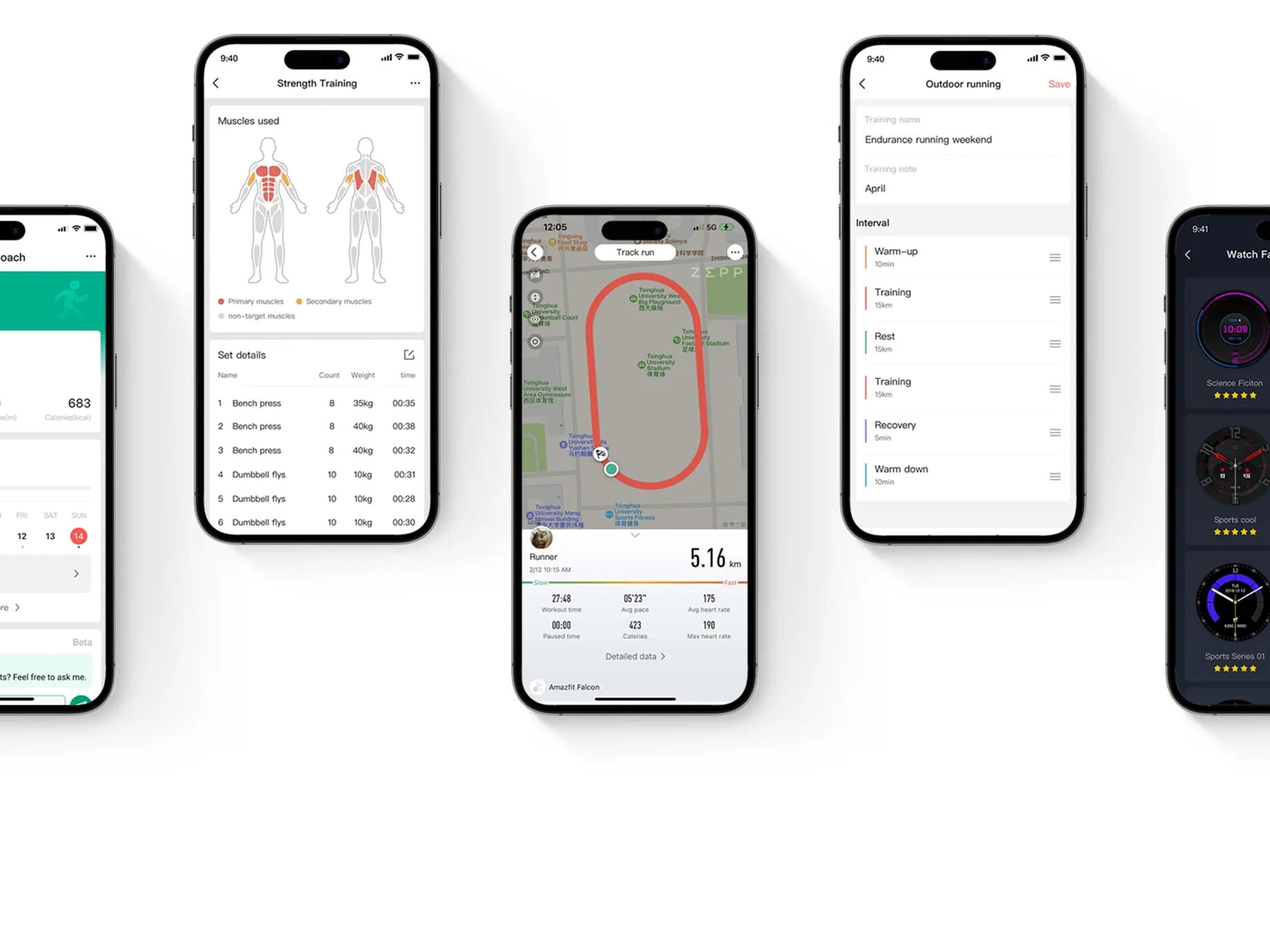
    Amazfit Launches Beta Testing for New Zepp App

    Users of the Amazfit Balance have the opportunity to participate in a beta test for a new version of the Zepp app. This beta testing initiative was revealed in a recent Facebook post by a member of the Amazfit team, who also shared a sign-up link.

    Feedback and Expectations

    Amazfit encourages users of the Balance smartwatch who join the testing to offer their feedback through the app. The sign-up form includes a warning that participants might encounter “incomplete features, bugs, or other unforeseen software issues.” While Amazfit has not officially disclosed the updates in this new app version, several early testers have already provided their opinions along with screenshots.

    New Features and Design

    The revamped app seems to feature a more streamlined design, which should enhance user navigation. Additionally, a new meal logging function has been introduced: users can now upload photos of their meals, and the app utilizes AI to identify the food and log nutritional information accordingly. It remains uncertain if or when users of other Amazfit smartwatch models will have the chance to join the beta program. The timeline for the public release of the updated Zepp app is also not yet clear.

  • Testing of Mercedes-Benz’s New Electric C-Class Captured in the Wild

    Testing of Mercedes-Benz’s New Electric C-Class Captured in the Wild

    The Race in the Electric Vehicle (EV) Market: Mercedes-Benz’s Plans for the Future

    Mercedes-Benz is determined not to be left behind in the race for dominance in the electric vehicle (EV) market. The company has set ambitious plans to transition entirely to electric cars by 2030, depending on market growth. One of the key players in this electric dream is the new electric C-Class, which is set to launch in 2025 and will serve as Mercedes’ answer to the BMW i4.

    The Mercedes Electric C-Class: A More Refined Design

    Recently, the electric C-Class was caught on camera during testing. The vehicle was heavily camouflaged to keep its final design a secret. Despite the disguise, it is evident that Mercedes is aiming for a sleeker and more refined look compared to its larger models like the EQE and EQS. The electric C-Class seems to draw inspiration from the Vision EQXX concept car, particularly in terms of aerodynamics.

    Mercedes’ Exclusive Electric Vehicle Platform: MB.EA

    The new electric sedan is expected to be built on Mercedes’ exclusive electric vehicle platform known as MB.EA. This platform sets it apart from the electric CLA models, which are being developed on a mixed-use platform (MMA) that also supports traditional combustion engines. Mercedes’ strategy reflects their effort to cater to different tastes and needs within the EV market.

    A Possible Change in EV Naming Convention

    There is speculation that Mercedes may change the way they name their EVs. Starting in 2024, they might move away from the “EQ” branding, potentially beginning with the electric version of the G-Class. This shift signifies a new era in Mercedes’ EV journey, as they seek to adapt and evolve in the rapidly changing landscape of electric mobility.

    Head-to-Head Competition with BMW

    As Mercedes prepares to launch the electric C-Class, it is not just about their own evolution. They are also gearing up to compete with BMW’s upcoming electric vehicles, such as the i3 Sedan and the next-gen iX3. These BMW models are expected to be built on the innovative Neue Klasse platform. The competition between these luxury automakers highlights the dynamic and fast-changing nature of the luxury EV market. With its modern design and cutting-edge technology, the Mercedes electric C-Class is ready to make its mark in the rapidly evolving world of electric cars.

    Conclusion

    Mercedes-Benz is making significant strides in the electric vehicle market with its plans to transition entirely to electric cars by 2030. The upcoming electric C-Class, with its refined design and exclusive electric vehicle platform, showcases Mercedes’ commitment to innovation and meeting the diverse needs of EV consumers. As the competition between Mercedes and BMW intensifies, it is clear that the world of luxury EVs is rapidly evolving, and these automakers are at the forefront of this transformation.

  • Introducing WhatsApp Beta’s New Feature: Secure Hidden Codes for Locked Chats

    Introducing WhatsApp Beta’s New Feature: Secure Hidden Codes for Locked Chats

    WhatsApp Introduces Secret Code Feature for Locked Chats

    WhatsApp is constantly improving its user experience through beta testing, where selected users assist in identifying and resolving bugs, refining features, and assessing functionality. Beta testers are given early access to new innovations, allowing for the detection of potential glitches and ensuring stable updates before a global release.

    New Beta Update: Version 2.23.24.20

    In its latest beta update (version 2.23.24.20), WhatsApp has introduced a secret code feature for locked chats. This feature is currently available to some beta testers and aims to enhance privacy by allowing users to hide the entry point to view locked chats.

    How Does the Secret Code Feature Work?

    With the secret code feature, users can configure a secret code that will make the entry point disappear from the chat list. Instead, users can access locked chats by entering the secret code in the Chats tab's search bar. Additionally, WhatsApp is adding a new feature that enables users to easily clear their list of locked chats directly from the privacy settings. This is particularly useful for users who may forget their secret code, as it prevents them from being locked out of their conversations.

    Enhanced Privacy and Security

    The secret code feature ensures that locked conversations remain hidden, safeguarding sensitive information from unauthorized access or accidental exposure. Even if someone gains physical access to a user's phone, they will not be able to access these secured conversations without the secret code.

    Gradual Rollout and Future Updates

    WhatsApp plans to gradually roll out the secret code feature to more users in the coming weeks. The company aims to gather feedback and make any necessary improvements before potentially releasing it as a stable update in the future.

    Ongoing Development of New Features

    Aside from the secret code feature, WhatsApp is also working on other features to further enhance user privacy and convenience. One of these features includes the ability to hide IP addresses during calls, providing an additional layer of privacy. Additionally, WhatsApp is developing an alternate profile feature that allows users to separate their work and personal communication within the app.

    In-App Ads Confirmed by WhatsApp Head

    Furthermore, WhatsApp has confirmed its intention to introduce in-app ads. The head of WhatsApp has acknowledged this plan, indicating that users can expect to see advertisements within the app in the future.

    WhatsApp remains committed to continuously improving its platform and ensuring a seamless user experience. Through beta testing and the introduction of new features, the company aims to provide enhanced privacy, security, and functionality for its global user base.