Key Takeaways
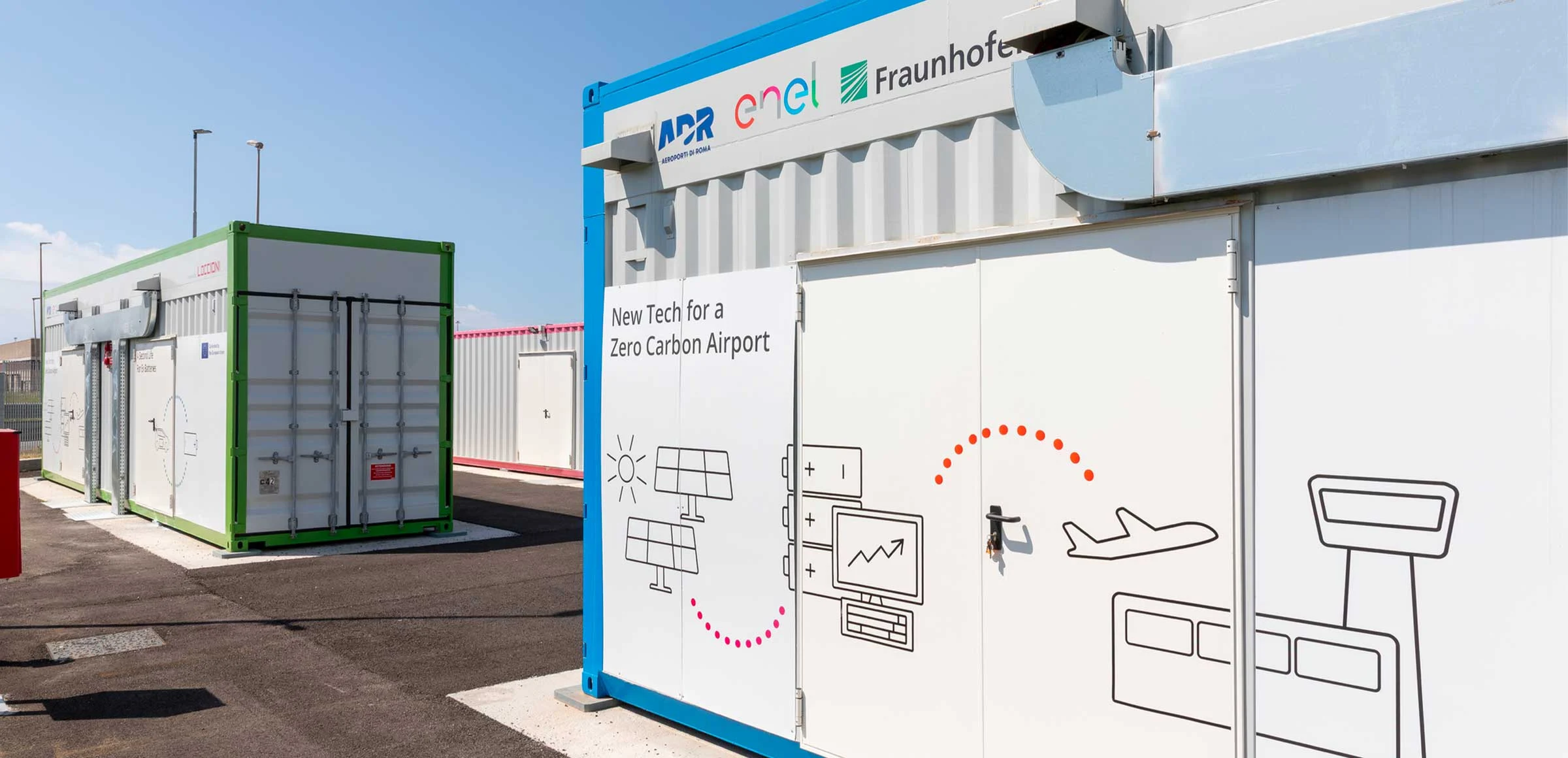
1. Enel has created the largest energy storage system at Aeroporti di Roma using repurposed batteries from Mercedes-Benz, Stellantis, and Nissan.
2. The photovoltaic plant has an installed capacity of 2.5 megawatts and a storage capacity of 10 megawatt-hours, with a lifespan of 10 to 15 years.
3. The project, named Pioneer, cost approximately 5.5 million euros and received partial funding from the European Union.
4. The energy storage system is expected to reduce CO2 emissions by 16,000 tons over ten years of operation.
5. This facility is the first large-scale system to combine different battery types, offering a scalable model for battery reuse and renewable energy management.
Enel has created the largest energy storage system of its kind at the Aeroporti di Roma by utilizing used batteries from three leading car manufacturers. This system is powered by a photovoltaic plant constructed alongside runway three at the airport.
Battery Reuse and Specifications
The project involved repurposing 762 batteries sourced from Mercedes-Benz, Stellantis (which includes brands such as Chrysler and Citröen), and Nissan. The photovoltaic system boasts an installed capacity of 2.5 megawatts and has a storage capacity of 10 megawatt-hours, which is expected to have a lifespan of 10 to 15 years.
Inauguration Insights
At the facility’s inauguration, Francesca Gostinelli, who leads Enel X Global Retail, stated that the reused batteries are in good condition, retaining about 80% of their residual energy, as reported by PV Magazine.
The initiative, named Pioneer (airPort sustaInability secONd lifE battEry stoRage), is estimated to cost around 5.5 million euros, with partial funding from the European Union Climate, Infrastructure and Environment Executive Agency (CINEA). The airport operator aims to decrease its reliance on the electric grid and increase the use of renewable energy, targeting a capacity of 60 megawatts by 2030.
Environmental Impact
Through this energy storage system, Enel anticipates a reduction of 16,000 tons of CO2 over a decade of operation. According to Enel, this facility is the first large-scale industrial setup to combine diverse batteries into a unified energy storage system. This was achieved using optimization software and a design that accommodates different battery packs, presenting a scalable model for utilizing batteries as they reach the end of their life cycle.
“Pioneer thus inaugurates a scalable model that is not only capable of ensuring smarter management of green energy resources, but also sets a benchmark for the ability to valorise materials and devices at the end of their life,” commented Enel.
Source:
Link