Key Takeaways
1. Ford has halted production of the electric F-150 Lightning due to ongoing losses and limited demand for electric trucks in the U.S.
2. Initial excitement for the F-150 Lightning has waned, with decreasing sales attributed to higher costs and challenges like charging infrastructure.
3. The electric vehicle division has faced billions in losses, prompting Ford to cut expenses, lower production targets, and delay upcoming projects.
4. Ford is shifting focus to hybrid vehicles, which are experiencing steady demand and more predictable profits compared to fully electric models.
5. Changes in federal incentives and policy uncertainty have complicated the electric vehicle market, affecting planning and pricing for automakers.
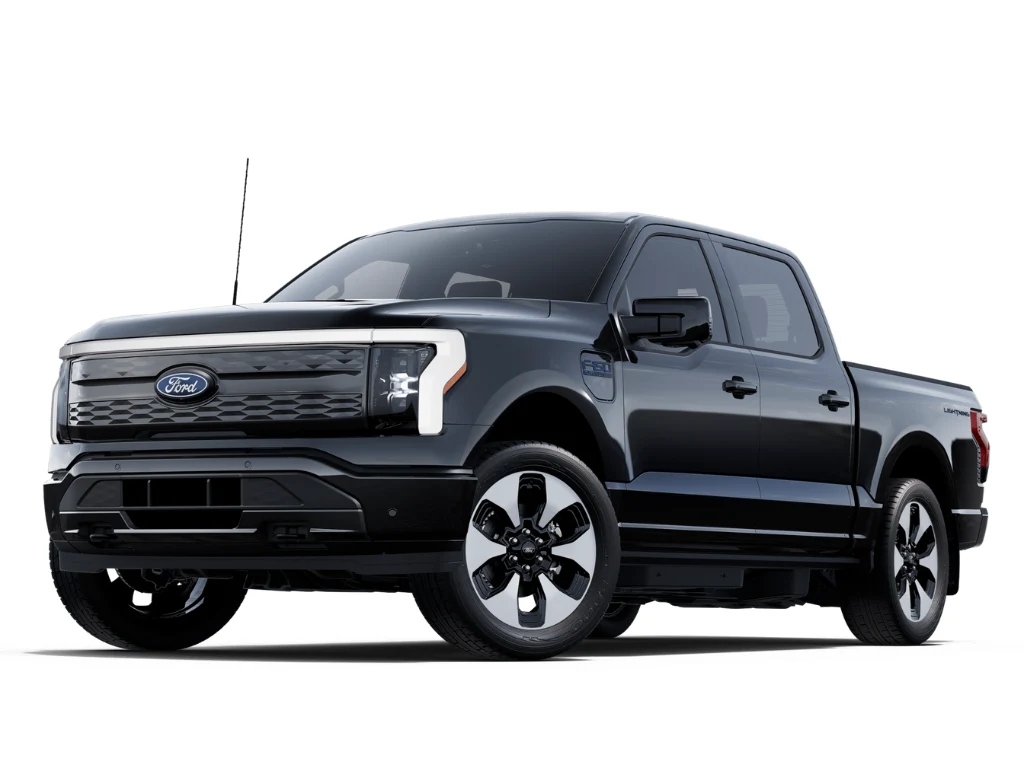
Ford has stopped making its electric F-150 Lightning pickup truck due to ongoing losses in its electric vehicle unit and the limited demand for electric trucks in the U.S.
Initial Interest and Current Slowdown
The F-150 Lightning was launched as the electric version of Ford’s top-selling pickup truck. While there was significant excitement initially, sales have decreased since then. Electric pickups typically cost more than their gasoline counterparts and encounter numerous challenges, such as charging infrastructure and driving range. These factors can be problematic for customers who rely on trucks for towing or traveling long distances.
Financial Struggles and Strategic Shifts
Ford’s electric vehicle division has faced billions in losses over the past year. In response, the company has been cutting expenses, lowering production targets, and postponing some upcoming electric vehicle projects. Executives at Ford have acknowledged that the uptake of EVs is happening slower than anticipated. As part of a new approach, Ford is placing greater emphasis on hybrid vehicles, which are seeing consistent demand. This trend suggests that profits are more predictable in the short run compared to fully electric models.
Impact of Policy Changes
Additionally, changes in policy have influenced the electric vehicle market. The decrease in federal incentives for electric vehicles during President Donald Trump’s administration has diminished consumer incentives that previously helped balance out higher buying costs. Automakers have indicated that uncertainty regarding long-term policy support has made planning and pricing more challenging.
Even with the halt in production, Ford emphasizes that it is not leaving the electric vehicle sector altogether. The company will continue to develop future electric vehicle platforms while evaluating production numbers and timing for launches.
Source:
Link