Key Takeaways
1. Ford has developed its first universal electric vehicle platform (UEV) to create more affordable EVs amid competition from Chinese automakers and a slow EV market.
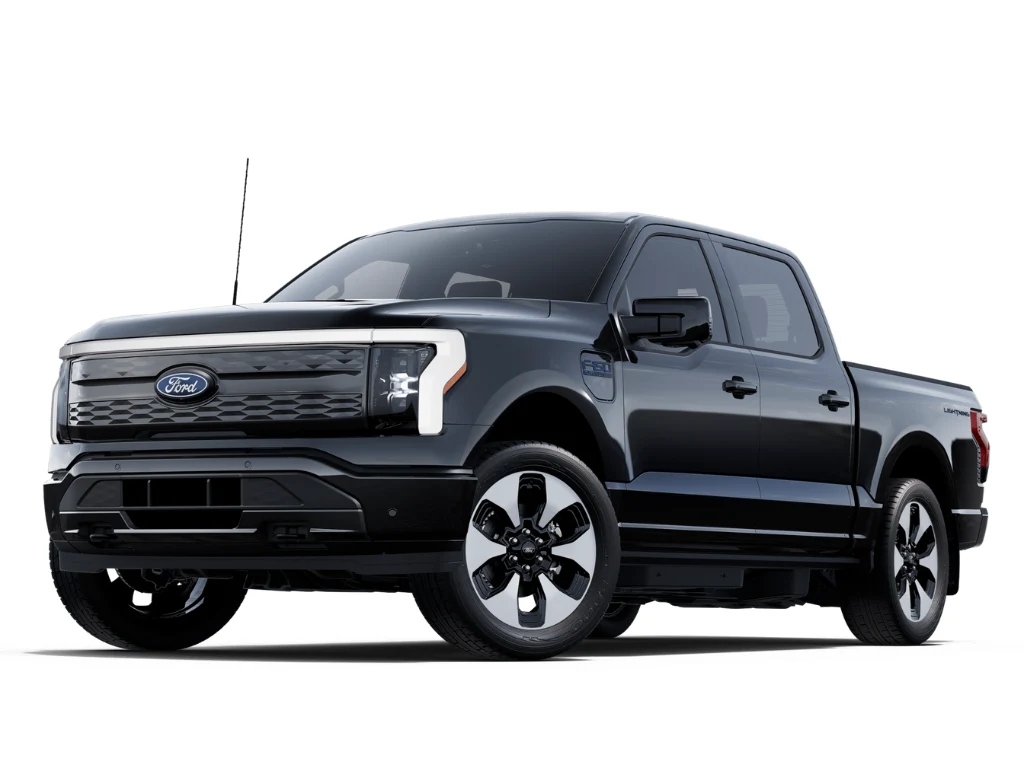
2. The upcoming electric pickup truck will cost around $30,000, making it significantly cheaper than the Ford F-150 Lightning and even the basic Tesla Model 3.
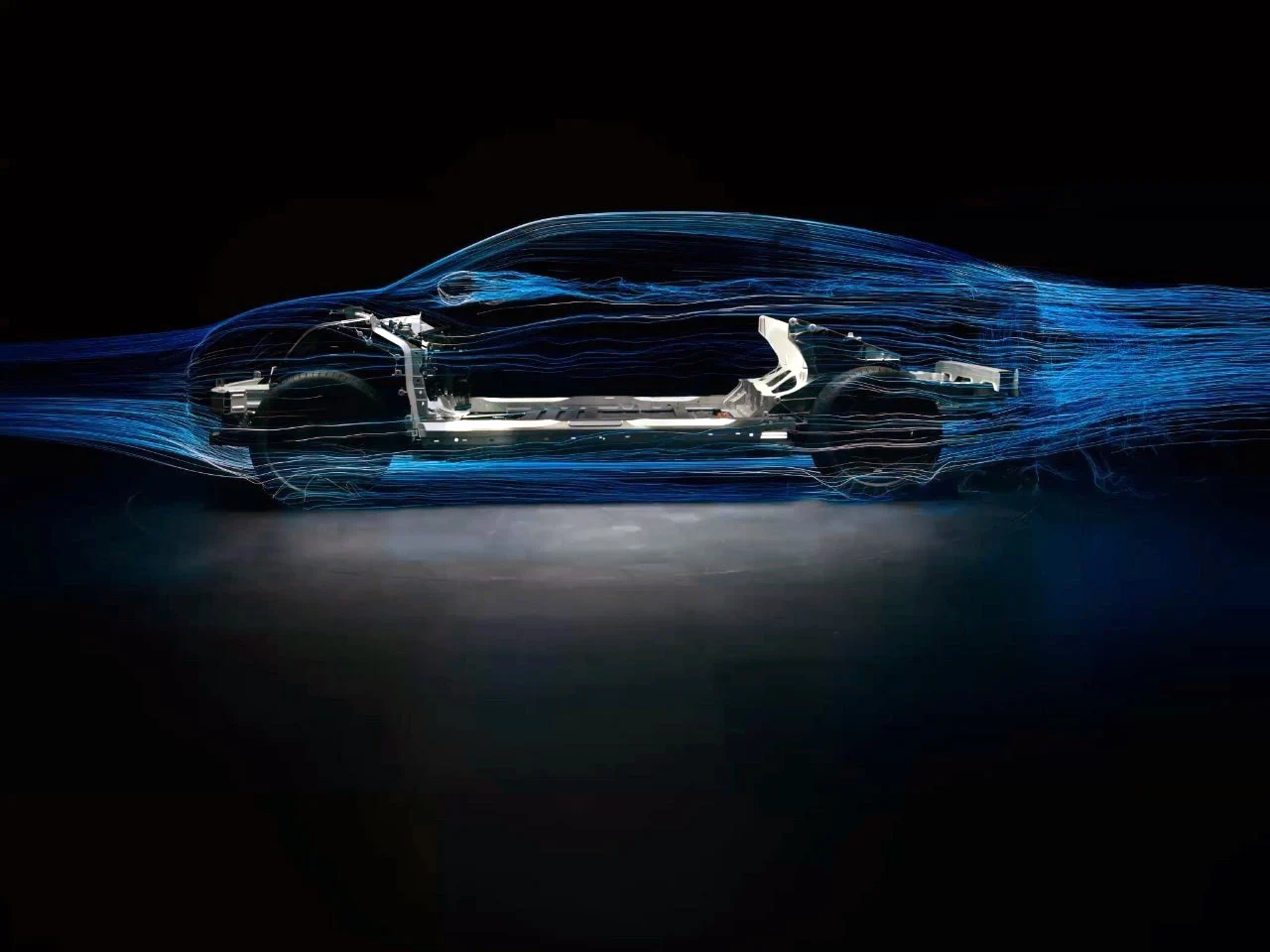
3. The truck features an innovative aerodynamic design using fewer parts, made from two aluminum pieces, and a 48V low-voltage architecture to reduce production costs and time.
4. Ford’s budget-friendly electric pickup will require fewer workers for assembly, using a structural LFP battery pack to further lower costs.
5. The company plans to integrate autonomous driving features into the truck by 2028 and aims to create a ride-share vehicle based on the UEV platform.
Faced with a big challenge from Chinese automakers and a slow electric vehicle (EV) market, CEO Jim Farley mentions that Ford has created its first universal electric vehicle platform (UEV) to make cheaper cars.
Upcoming Electric Pickup
They are set to introduce an electric pickup truck that will cost around half of the Ford F-150 Lightning, which is similar to the price of the imagined affordable Tesla Model 2 that never came out. This truck will be a midsize model with a smaller battery, but the amount of effort Ford has put into hitting that price is quite remarkable.
Innovative Design
The aerodynamic design of this truck is better than any other pickup available in the US. Its body is made from two aluminum pieces, like Tesla’s gigacasting method, instead of the over a hundred parts found in other midsize trucks like the Maverick.
Ford has also embraced a new 48V low-voltage architecture, similar to what’s found in the Cybertruck, significantly reducing the number of electrical components and cables needed. Because of this, Ford’s budget-friendly electric pickup requires fewer parts and can be built in half the time, needing 600 fewer workers at the Louisville factory in Kentucky. Additionally, Ford is using a structural LFP battery pack that integrates the cells into the chassis, helping to lower costs even more.
Competitive Pricing
The anticipated $30,000 pickup will be cheaper than even the most basic Tesla Model 3 when it debuts in 2027, potentially heralding a new phase for Ford’s EV plans after losing billions on earlier projects. This situation isn’t just a Ford issue; the entire auto industry lost around $65 billion when the EV market faced troubles due to high costs, low demand, and the expiration of federal tax credits. Tesla experienced this too, seeing its first annual revenue drop last year, discontinuing its expensive Model S/X vehicles, and introducing APR financing offers to boost lagging Model Y sales.
“You’re not going to beat them—you’ve got to get close on cost—but then you have to apply the innovation,” said Jim Farley. The leader of the UEV team noted that “customers don’t want stripped-down, all-feature-content-removed” vehicles, so the affordable truck will be a nice surprise in that area. Ford also plans to integrate autonomous driving features in 2028 at a lower price than competing systems, and they will utilize the platform to create a ride-share vehicle similar to the Tesla Cybercab.
Source:
Link