Tag: General Motors

  • GM Teases Affordable 400-Mile Electric Trucks with New Battery Tech

    GM Teases Affordable 400-Mile Electric Trucks with New Battery Tech

    Key Takeaways

    1. GM’s electric trucks will standardize a range of over 400 miles on a single charge, starting with high-end versions.
    2. The new manganese-rich battery (LMR) with LG will begin mass production in 2027, offering affordable 400-mile trucks by 2028.
    3. LMR batteries offer better energy density and affordability compared to lithium ferrophosphate (LFP) and nickel-based batteries.
    4. GM is establishing a domestic supply chain for rare-earth magnets to reduce reliance on China amid export restrictions.
    5. Two rare-earth magnet manufacturing plants are set to open by year-end, supporting GM and U.S. defense needs.


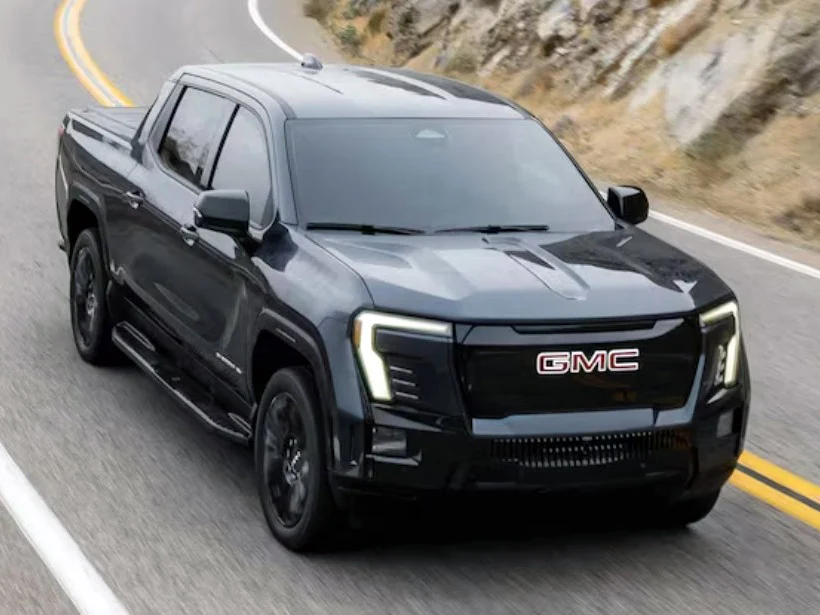
    Select General Motors’ electric trucks already have high-end versions that can travel over 400 miles on a single charge, but the company is gearing up to make this standard across their entire truck range.

    Exciting Battery Developments

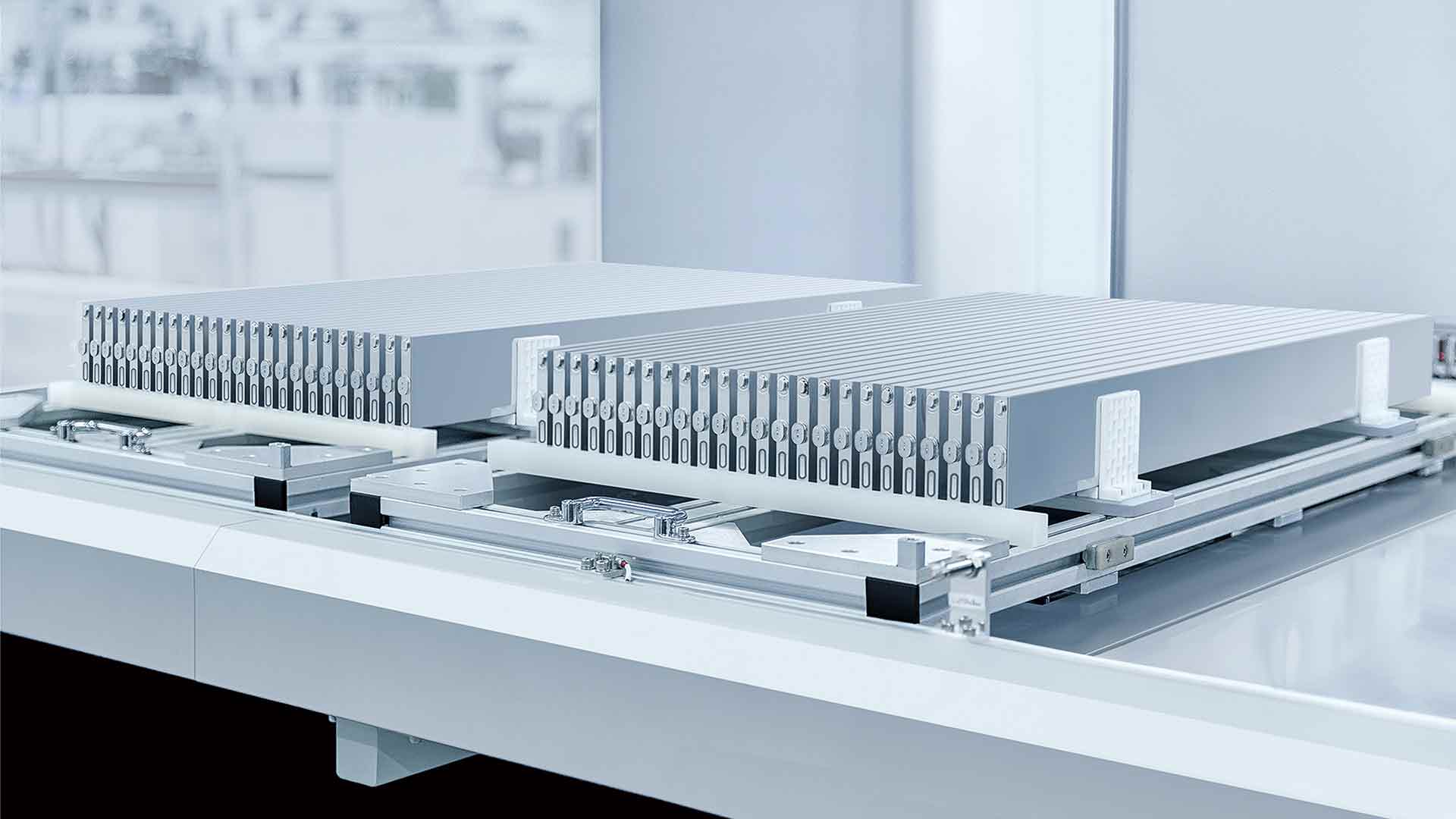
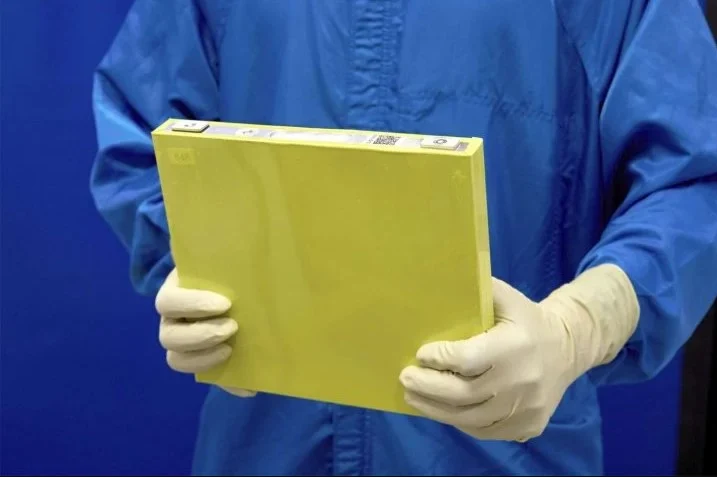
    GM has been working on a manganese-rich battery (LMR) in partnership with LG for ten years and is set to start mass production in 2027, with plans for more affordable 400-mile trucks to launch in 2028. The innovative LMR technology earned the title of “Battery Innovation of the Year” at the 2025 battery expo held in Detroit, largely due to its impressive energy density and cost-effectiveness.

    Comparing Battery Technologies

    The lithium-manganese battery developed by GM and LG has an energy density that surpasses that of the commonly used lithium ferrophosphate (LFP) batteries, which are found in many electric vehicles and even popular devices like Anker Prime power banks. While LFP batteries are budget-friendly and safe, they offer only average energy density. On the other hand, nickel-based batteries provide great performance and long range but are pricier and less stable because they contain metals like nickel and cobalt.

    Manganese is more widely available, making the LMR battery from LG and GM more affordable than those that rely on nickel. It still offers impressive energy density that enables the creation of 400-mile trucks at a lower price and allows for 100% charging without harming battery life. Kurt Kelty, the VP of Batteries and Electrification, states:

    “LMR represents the outcome of a decade of research and is a technology that will provide excellent performance at a fair price. By enhancing battery quality and controlling the supply chain, we can boost our competitiveness in North America.” GM is refining its electric vehicle range by utilizing three types of battery chemistry simultaneously: high-nickel for top performance, LFP for durability, and LMR for a good mix of performance and pricing.

    Industry Insights

    Elon Musk has also identified manganese technology as an ideal compromise between cost and performance, while CATL is now producing M3P manganese batteries with high energy density as well.

    Sadly, American companies face challenges in accessing Chinese batteries because of tariffs and export limitations, so GM’s plan to centralize production is yielding results. Not only is its domestically developed LMP battery moving into mass production, but GM stands as the sole American car manufacturer unaffected by China’s recent restrictions on the export of rare earth mineral magnets.

    These magnets play a crucial role in the electric vehicle sector, leading GM to establish a rare-earth magnet supply chain in the U.S. since 2021. They have been identifying partners and entering into long-term contracts that carry some risk. This is risky because Chinese magnets are less expensive, but with China’s ban on rare earth exports—even if they’re only for magnet production using their minerals abroad—GM’s strategy seems justified.

    The company is now starting to benefit from its choice to reduce reliance on China, with two rare-earth magnet manufacturing plants expected to begin operations by the end of the year, primarily serving GM. A portion will also supply the Pentagon, which has invested $400 million in one U.S.-based magnet firm. However, the government remains a smaller client, so GM’s bet on independence in EV battery and magnet production is crucial for scaling up their operations in the U.S.

    Source:
    Link


  • Canada Stops EV Incentives as Funding Runs Out

    Canada Stops EV Incentives as Funding Runs Out

    Automobile buyers and sellers in Canada are feeling the impact of the unexpected termination of the federal EV rebate program. As reported by Transport Canada, the Incentives for Zero Emissions Vehicles (iZEV) initiative is closing down because it has run out of allocated funds.

    Details of the iZEV Program

    The iZEV program provided EV purchasers with a $5,000 rebate when they bought or leased eligible vehicles. This program was distinct from provincial incentives and supported 546,000 vehicles throughout its duration.

    Initially, Canada’s EV incentive plan was scheduled to continue until March 31, 2025. However, Transport Canada has indicated that the allocated funds were exhausted more quickly than anticipated, largely due to a rapid increase in EV adoption. As of now, there is no word on whether the program might be reinstated in the future.

    Help from Automakers

    In response to this surprising news, several EV manufacturers are stepping in to assist buyers. Companies like Ford, General Motors, Hyundai, and Nissan are providing a $5,000 discount, though this offer is only temporary.

    Canada has set a goal that 20 percent of new passenger vehicle sales must be ZEVs by 2030, increasing to a full 100 percent by 2035. For perspective, approximately 1.86 million new cars were sold in the country in 2024.

    Source:
    Link

  • $9.63 Billion Loan to Enhance US Battery Production

    $9.63 Billion Loan to Enhance US Battery Production

    The loan discussed by Notebookcheck in the middle of 2023 is finally starting to take form. This comes as part of a wider effort by the Biden administration to encourage electric vehicle (EV) manufacturing in light of the upcoming presidential change.

    Importance of Domestic Production

    Jigar Shah, who leads the DOE Loan Programs office, pointed out how crucial this initiative is. He mentioned the competitive threats from China in the global manufacturing scene, stressing the need to boost production capabilities within the U.S.:

    “This program is vital for making people prefer the United States of America.”

    BlueOval SK’s Ambitious Plans

    The BlueOval SK partnership has set ambitious targets, which include constructing three massive plants in the continental U.S., each covering an area of 4 million square feet.

    Additional Funding for EV Growth

    In a similar move to enhance EV manufacturing, the DOE plans to offer up to $7.54 billion in affordable financing to Stellantis and Samsung SDI. This funding will support the establishment of two lithium-ion battery factories in Indiana. This new effort adds to previous financial arrangements, including a $2.5 billion loan provided to General Motors and LG Energy Solution for battery production across various states.

    Source: Link

  • DOE Invests $670M in EV Battery Safety; Aspen Aerogels Expands

    DOE Invests $670M in EV Battery Safety; Aspen Aerogels Expands

    The U.S. Department of Energy (DOE) is providing a significant loan of $670.6 million to Aspen Aerogels, a firm recognized for its fire-resistant materials designed for electric vehicle (EV) batteries. This considerable funding is aimed at finalizing Aspen’s new manufacturing plant in Georgia, where they create insulating materials specifically for EV batteries.

    Tackling Battery Fires

    Aspen Aerogels is addressing one of the more complicated challenges in the EV sector: the risk of battery fires. Though fires are less common compared to traditional gasoline cars, they present unique difficulties in electric vehicles because they can reignite even after being extinguished. The company’s heat-resistant materials, when integrated into battery packs, can help to slow or halt the spread of heat and flames, potentially averting catastrophic incidents.

    Focusing on Safety

    Jigar Shah, the leader of the DOE’s Loan Programs Office, emphasized the need to achieve the industry’s "critical battery safety goals." This funding initiative aligns with a broader effort to enhance the safety of EVs as more drivers choose these vehicles.

    The primary objective of Aspen’s aerogel technology is to prevent thermal runaway, a dangerous cycle where heat and chemical reactions perpetuate one another, resulting in fires or explosions. By incorporating these thermal barriers between battery cells, automakers may contain issues to smaller sections of the battery, thereby diminishing the likelihood of a full vehicle fire.

    Growing Demand

    Major automotive brands like General Motors, Toyota, and Audi have already adopted Aspen’s materials in their electric vehicles. Aspen’s revenue in this sector has soared, increasing from $7 million in 2021 to an impressive $110 million by 2023, with projections indicating it could double once again in 2024.

    The DOE loan will also facilitate the establishment of Aspen’s Georgia facility, with production slated to commence in early 2027. Once fully operational, the plant has the potential to supply materials for over two million EVs annually, significantly boosting the company’s manufacturing capabilities.

    While these materials enhance safety, there is a slight drawback as they may reduce the energy density of batteries. However, due to the lightweight nature of aerogels, this downsides is less impactful compared to alternative solutions. Depending on how they are implemented, adding these thermal barriers could range in cost from $300 to $1,000 per vehicle.

  • iOS 17.1 Update Causes Wireless Charging Issues for GM Vehicle iPhone Users

    iOS 17.1 Update Causes Wireless Charging Issues for GM Vehicle iPhone Users

    iOS 17.1 Update Causes Charging Issues for iPhone Users in GM Vehicles

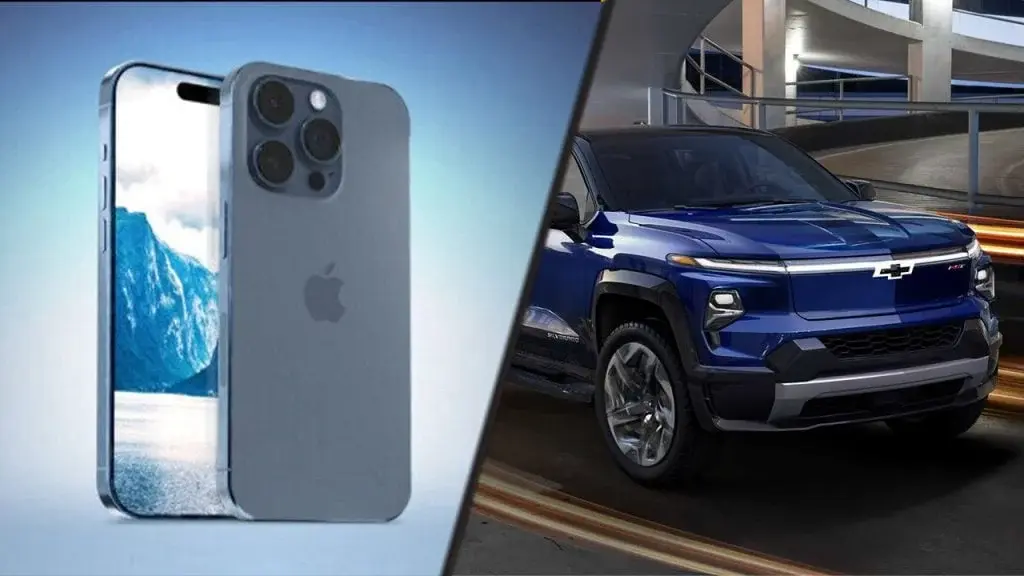
    Apple has recently released the iOS 17.1 update for eligible iPhones, which aims to address existing issues rather than introducing new features. However, it seems that this update has caused a problem specifically for iPhone users in General Motors (GM) vehicles, resulting in charging issues.

    Charging Problem and Troubleshooting

    After updating to iOS 17.1, iPhone users have reported that their phones stop charging and freeze after a few seconds when using wireless charging in GM vehicles. Despite attempting various troubleshooting methods, such as restarting their phones, the issue persists.

    Difference between BMW and GM Models

    While a similar issue was previously encountered by BMW users, there is a slight difference. In BMW models, the Near Field Communication (NFC) feature is also disrupted along with the charging problem. However, in GM vehicles, the NFC technology remains unaffected. Users who have experienced this issue have expressed frustration, stating that they have tried everything to resolve it to no avail.

    User Complaints and Apple's Response

    Users have taken to online forums to share their experiences, with one user mentioning that their iPhone 12 Pro Max worked perfectly in their '23 Chevy Traverse before updating to the iPhone 15 Pro Max. They have since encountered the charging issue described by other users. Some users have even taken their GM vehicles to service centers, suspecting a problem with their cars, but no issues were found. Complaints have also been submitted to Apple, although the company has not yet made any official statements regarding the matter.

    Expectation for iOS 17.2 Update

    Despite the current lack of official response from Apple, it is anticipated that the charging issue will be resolved with the upcoming iOS 17.2 update. Users are hopeful that this update will provide a solution to the problem they are facing when wirelessly charging their iPhones in GM vehicles.