Tag: Nissan

  • Nissan Innovates Car Development with AI Technology

    Nissan Innovates Car Development with AI Technology

    Key Takeaways

    1. Nissan is extending its partnership with AI expert Monolith for three more years to improve automotive development and reduce costly physical tests.
    2. The AI system, named “Re:Nissan,” is crucial to Nissan’s global strategy and was first used in the development of the all-electric Nissan Leaf.
    3. Monolith’s AI platform uses extensive historical data to predict outcomes of physical tests, allowing engineers to focus on problem-solving and decision-making.
    4. The collaboration has already achieved a 17% reduction in physical tests for specific applications, with potential to cut testing time by up to 50% for the European vehicle lineup.
    5. Monolith’s AI tools, including features like “Next Test Recommender” and “Anomaly Detector,” enhance product development while maintaining vehicle quality and performance.


    Nissan is looking to speed up its automotive development significantly. To achieve this goal, the Japanese car maker is broadening its partnership with AI expert Monolith, extending their collaboration for an additional three years. The main aim of this partnership is to overhaul the entire development process and decrease the number of costly physical tests. The specialized AI technology is meant to assist Nissan in adopting innovations and producing new vehicles more efficiently and swiftly than ever.

    AI as a Strategic Asset

    The Japanese automaker considers its AI system, created in partnership with Monolith, as a crucial part of its global business strategy. Named “Re:Nissan”, Nissan initially implemented Monolith’s technology during the creation of the new all-electric Nissan Leaf, using it for AI-based validation of vehicle tests. Nissan intends to apply this AI software in future models for the European market.

    Advanced Data Utilization

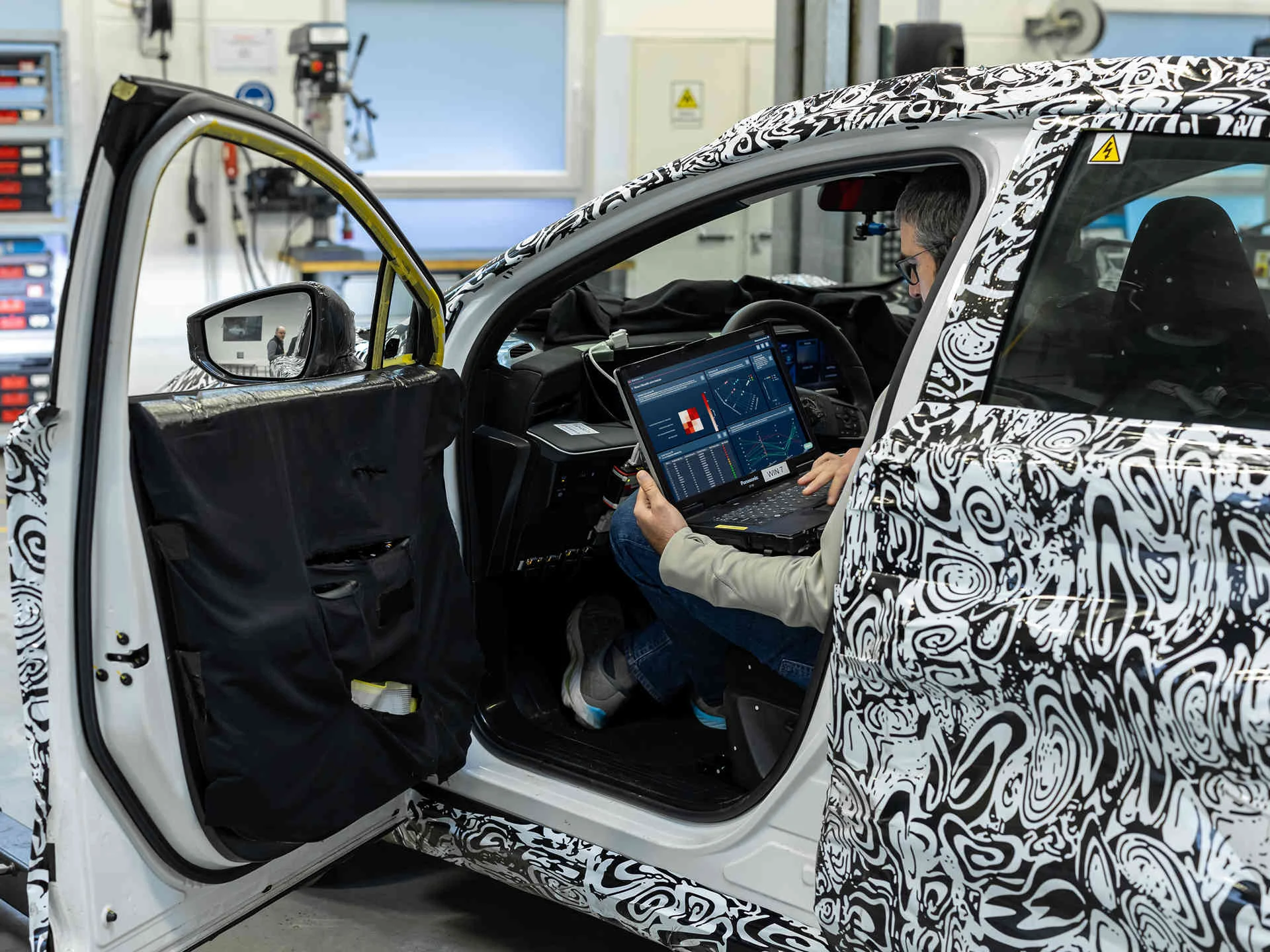
    Monolith’s technology goes beyond being just a simulation tool. The AI platform leverages an extensive data repository, which includes test data from vehicles gathered over ninety years of Nissan’s research and development. Engineers at the Nissan Technical Centre Europe located in Cranfield, UK, are already utilizing this software. The AI is crafted to accurately predict the outcomes of real-world physical tests. This decreases the dependence on physical prototypes, hence optimizing the whole process. As per Nissan’s statement, this enables engineers to concentrate more on practical problem-solving and making final decisions rather than repeating standard tests.

    A Strategic Decision

    The choice to prolong the project for three years wasn’t made casually. It comes after a successful collaboration on a specific application: during the pilot project, the AI technology identified the best torque range for screwing. The engineers were impressed with the AI software’s ability to reliably pinpoint which additional tests still required manual execution by specialists. Physical tests in this area were cut down by nearly 17% compared to traditional procedures without AI.

    Nissan believes this 17% reduction is just the start. The company estimates that if the same AI method were used for the entire development of its European vehicle lineup, testing time could potentially be slashed by up to half. Emma Deutsch, Director at the Nissan Technical Centre Europe, confirmed that the machine learning models lessen reliance on prototypes. AI is set to play a pivotal role in delivering the next generation of vehicles to customers more quickly.

    Enhancing Product Development

    Dr. Richard Ahlfeld, CEO and founder of Monolith, states that these AI tools enhance product development across all sectors. The Monolith platform includes features like a “Next Test Recommender” and an “Anomaly Detector”. This allows development cycles to be reduced by fifty percent without sacrificing the quality and performance of the vehicles.

    Source:
    Link


  • Elon Musk Dismisses Nissan Factory Investment Rumors

    Elon Musk Dismisses Nissan Factory Investment Rumors

    Key Takeaways

    1. Nissan is seeking investors after unsuccessful merger talks with Honda.
    2. Nissan plans to present a proposal to Tesla for potential investment or collaboration.
    3. Elon Musk believes that Tesla’s own manufacturing facilities are superior and may not benefit from investing in Nissan’s plants.
    4. Musk emphasizes the innovative production lines at Tesla’s factories, particularly the unprecedented Cybercab line.
    5. Nissan’s U.S. assembly plants have a capacity of one million vehicles but are currently producing only 500,000 units.


    Nissan is currently seeking investors after its merger discussions with Honda, another Japanese automobile manufacturer, did not succeed. Recent news suggests that Nissan is looking to engage Tesla, and CEO Elon Musk has shared his thoughts on why investing in Nissan’s facilities might not be the best move for his company.

    Nissan’s Proposal to Tesla

    A report from Fortune indicates that Nissan, with support from major industry figures and politicians in Japan, plans to present Tesla with a proposal. This has led to rumors that Tesla could take over Nissan’s manufacturing plants in the United States. However, in response to a post on X that highlighted the article, Musk remarked, “the Tesla factory is the product.” He emphasized that the production line for the Cybercab is unprecedented in the automotive sector.

    Musk’s Factory Insights

    Musk frequently highlights the advancements in his manufacturing facilities. He has stated that Giga Shanghai was built on the enhancements made in the Fremont factory, and Giga Berlin learned from the experiences of the Chinese plant. It’s important to note that upgrading an existing production site to meet Musk’s high standards can be more difficult than constructing a new facility from scratch.

    Nissan’s Production Capacity

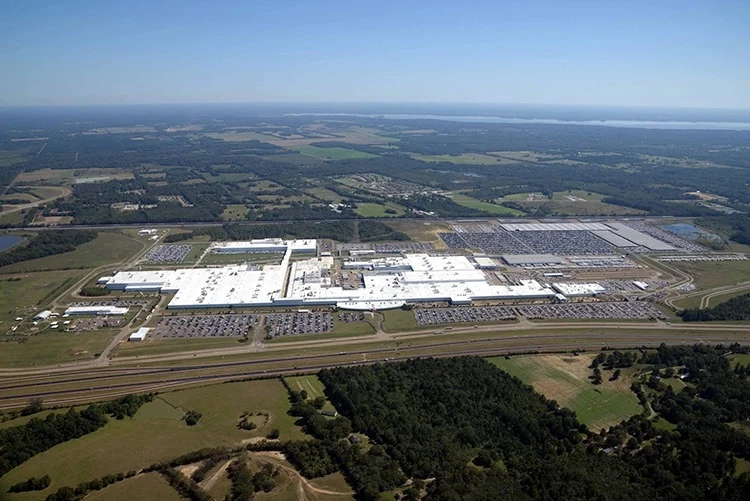
    Nissan operates two assembly plants in the United States, with a total output capability of one million vehicles; however, they are only managing to produce around 500,000 units.

    Source:
    Link

  • Canada Stops EV Incentives as Funding Runs Out

    Canada Stops EV Incentives as Funding Runs Out

    Automobile buyers and sellers in Canada are feeling the impact of the unexpected termination of the federal EV rebate program. As reported by Transport Canada, the Incentives for Zero Emissions Vehicles (iZEV) initiative is closing down because it has run out of allocated funds.

    Details of the iZEV Program

    The iZEV program provided EV purchasers with a $5,000 rebate when they bought or leased eligible vehicles. This program was distinct from provincial incentives and supported 546,000 vehicles throughout its duration.

    Initially, Canada’s EV incentive plan was scheduled to continue until March 31, 2025. However, Transport Canada has indicated that the allocated funds were exhausted more quickly than anticipated, largely due to a rapid increase in EV adoption. As of now, there is no word on whether the program might be reinstated in the future.

    Help from Automakers

    In response to this surprising news, several EV manufacturers are stepping in to assist buyers. Companies like Ford, General Motors, Hyundai, and Nissan are providing a $5,000 discount, though this offer is only temporary.

    Canada has set a goal that 20 percent of new passenger vehicle sales must be ZEVs by 2030, increasing to a full 100 percent by 2035. For perspective, approximately 1.86 million new cars were sold in the country in 2024.

    Source:
    Link

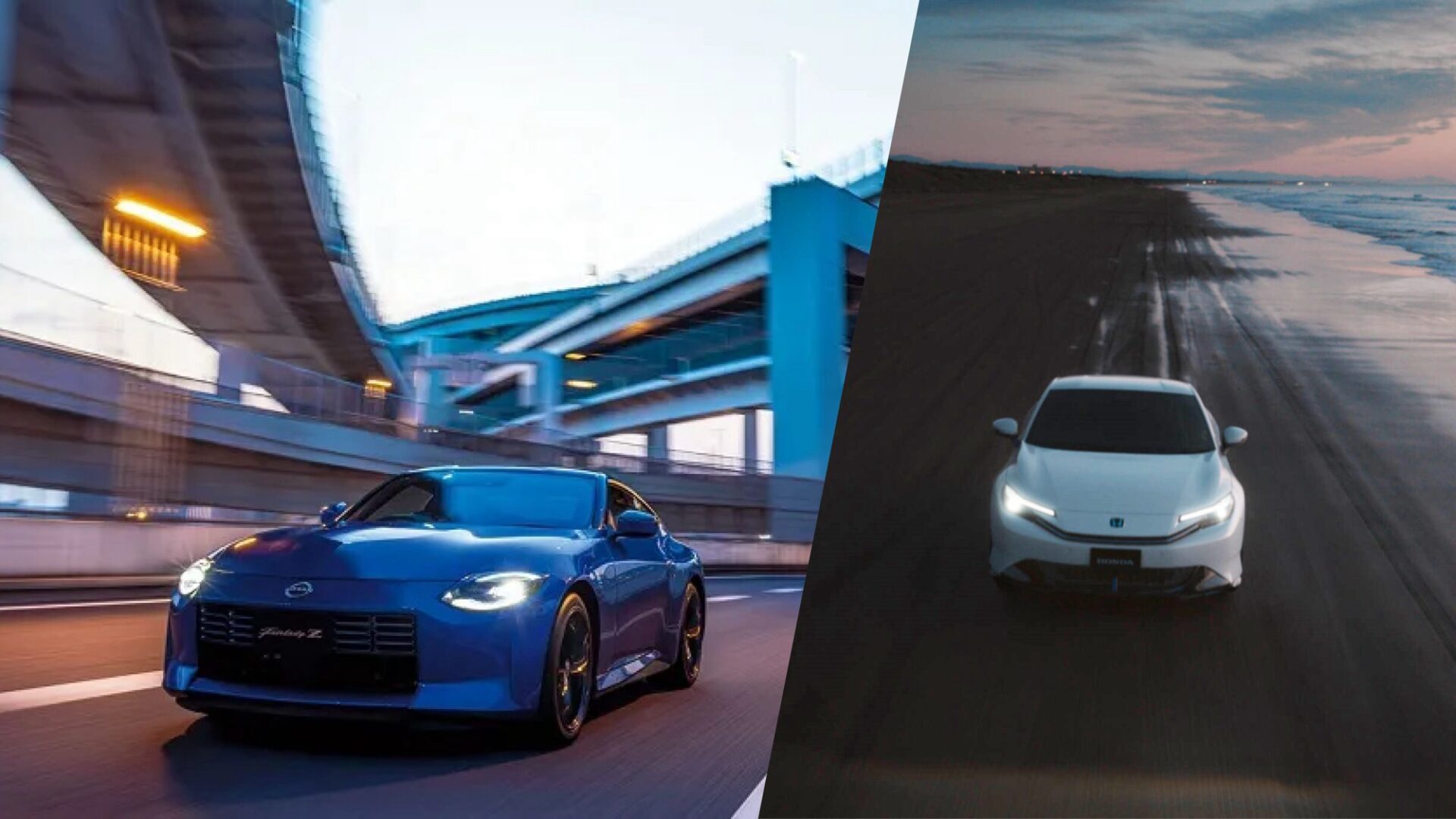
  • Honda and Nissan Plan Merger: What You Need to Know

    Honda and Nissan Plan Merger: What You Need to Know

    Honda and Nissan have recently revealed that they, along with Mitsubishi Motors, have signed a memorandum of understanding showing their interest in merging the three companies. This collaboration will be overseen by a joint holding company. By merging, these automakers aim to combine their resources and share technologies and manufacturing capabilities, positioning themselves better against their rivals.

    Industry Changes

    According to the official press release, these discussions come amid significant transformations in the automotive sector. The companies mentioned the shift towards electric vehicles and the increasing trend of direct sales rather than going through independent dealers. Mitsubishi plans to make a decision by the end of January 2025 about its involvement in the talks. Meanwhile, Honda and Nissan are optimistic about the potential synergies that could arise from their merger, believing it would help them reach a wider audience.

    Future Plans

    The goal is to complete the merger agreement by June 2025 and finalize the contract by August 2026. Initially, Honda will take the lead in managing the joint venture, which isn’t surprising as Honda’s market capitalization is more than four times that of Nissan. The joint venture is projected to have a market value exceeding $52 billion, positioning it just behind Toyota and VW in global sales. However, Carlos Ghosn, the former CEO of Nissan, has expressed skepticism about the merger, telling Bloomberg that it appears to be an “act of desperation” for Nissan, as finding synergies between Honda and Nissan could be quite challenging. Currently, Nissan is facing significant declines in profits, leading to numerous layoffs.

    Source: Link

  • ‘Nissan’s Juke, Qashqai, and Leaf Embrace Electric Future with Bold ‘Hyper’ Design Influence’

    ‘Nissan’s Juke, Qashqai, and Leaf Embrace Electric Future with Bold ‘Hyper’ Design Influence’

    Nissan is making a significant move towards electrifying its vehicle lineup, with a major focus on updating popular models like the Juke and Qashqai, alongside the next generation of the Leaf. This transformation is taking place at Nissan’s Sunderland plant in the UK, a key hub for its electric vehicle (EV) production. What’s intriguing about this plan is the infusion of up to £3 billion (about $3.75 billion) into this project, indicating Nissan’s commitment to electric mobility.

    Drawing Inspiration from Concept Cars

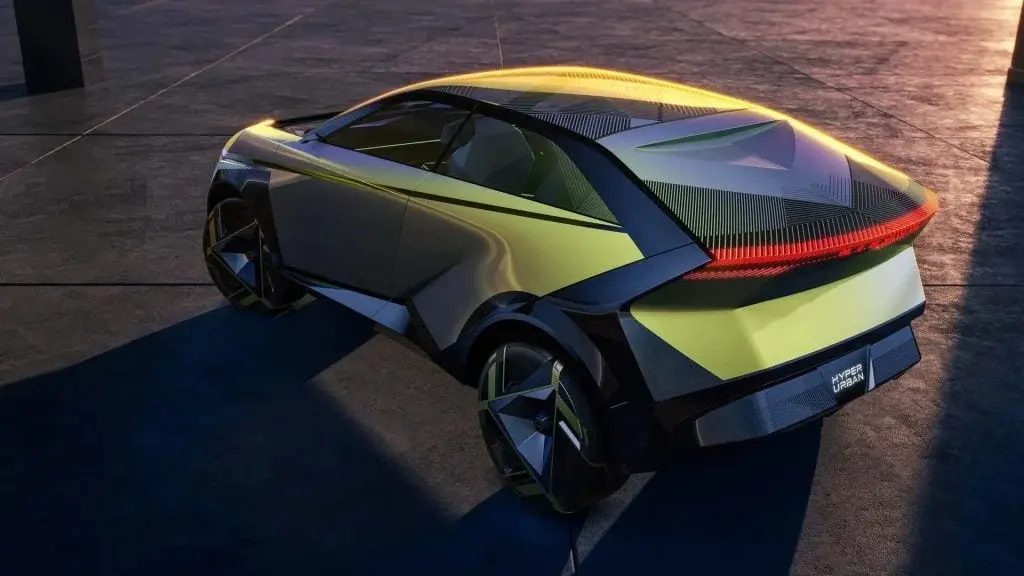
    A unique aspect of this development is the inspiration Nissan is drawing from its ‘Hyper’ series of concept cars. These concepts, showcased at the Japan Mobility Show, are set to shape the design of the new electric versions of the Juke and Qashqai. The Hyper Urban Concept will influence the Qashqai EV, and the Hyper Punk Concept will guide the design of the Juke EV. This approach signifies a fusion of cutting-edge design with practical EV technology.

    Boosting Production Capacity and Infrastructure

    The investment will also boost the production capacity and infrastructure at the Sunderland plant. This includes the establishment of three battery gigafactories in partnership with Envision AESC, highlighting the importance of sustainable and efficient battery production in the EV ecosystem.

    Commitment to Renewable Energy

    Another key aspect of Nissan’s plan is its commitment to renewable energy. The EV36Zero Microgrid will supply 100% renewable electricity for the production of these EVs and their batteries, showcasing Nissan’s dedication to eco-friendly manufacturing processes.

    Overall, Nissan’s move towards electrification and its investment in the Sunderland plant demonstrate the company's dedication to electric mobility and sustainable manufacturing practices. By drawing inspiration from its concept cars and partnering with Envision AESC for battery production, Nissan is positioning itself as a leader in the EV market. The use of renewable energy further solidifies its commitment to reducing its carbon footprint and creating a greener future. With these advancements, Nissan is set to make a significant impact on the automotive industry and pave the way for a more sustainable transportation sector.