Tag: Hyundai

  • Asus Launches Affordable Business Laptop with Ryzen AI 5 & 16GB RAM

    Key Takeaway

    – AMD Ryzen AI 5 330 CPU with NPU (50 TOPS) for local AI workloads
    – Expandable RAM up to 96GB, rare for this laptop category
    – Four customizable blue keys for app/macro shortcuts
    – Modern connectivity: WiFi 7, Bluetooth 5.4, USB-C with DisplayPort, Ethernet
    – Price: ~$965 in China; global availability and pricing not announced


    Asus Launches New Dawn 7S Ryzen Edition Laptop

    Asus has launched the Dawn 7S Ryzen Edition, a new laptop built specifically for business and productivity. This release follows a busy month for the company, which recently announced four new 2026 Zenbook 14 Copilot AI laptops featuring Intel, AMD, and Qualcomm processors at Computex in Taiwan.

    Processor, Memory and Storage Specifications

    The Dawn 7S is powered by AMD’s Ryzen AI 5 330 CPU and comes configured out of the box with 16GB of DDR5 memory and a 1TB SSD. With our benchmark tests of the chip, we found that it has a single hybrid architecture, with four cores and eight threads. Specifically, it uses one big high-performance Zen 5 core that can boost up to 4.5 GHz and three smaller Zen 5c cores that are power-efficient and can reach up to 3.4 GHz.

    AI Capabilities and Graphics Limitations

    It still has a surprisingly robust XDNA 2 neural processing unit but relies on a heavily scaled-back Radeon 820M integrated graphics unit with just two compute units. This NPU is capable of up to 50 TOPS of performance, allowing this budget-friendly chip to accelerate dedicated local AI workloads alongside much more expensive processors.

    However, the laptop’s most interesting feature is its ability to expand the RAM up to 96GB. This is a rarity for laptops in this category. The laptop’s keyboard has four customizable blue keys that allow users to map and launch their most used apps or macro functions instantly.

    Security Features and Connectivity Ports

    Asus also added an integrated fingerprint reader for secure logins, plus a 1080p HD webcam for video conferencing. Connectivity options are also updated to modern standards with support for the latest WiFi 7 and Bluetooth 5.4. As for the ports, the Dawn 7S features two USB Type-C ports, with one supporting DisplayPort output to an external monitor.

    It also gets two standard USB Type-A ports, a physical Ethernet jack for reliable wired network connections, and an audio combo jack. It packs a 70Wh battery that supports 65W fast charging. The Asus Dawn 7S Ryzen Edition is now available for purchase in China at 6,999 Chinese Yuan, or about $965. But no word yet on when it will be officially available worldwide and how much it will cost.
    Sources
  • Boston Dynamics Atlas Robot Performs Backflip in Agility Stunt

    Boston Dynamics Atlas Robot Performs Backflip in Agility Stunt

    Key Takeaways

    1. Hyundai has ordered 30,000 units of the next-generation Boston Dynamics Atlas humanoid robot for its US car factories.
    2. The new Atlas robot features improved agility, longer operational time, and enhanced cognitive skills, including performing backflips.
    3. The Atlas robot has 56 degrees of freedom (DoF), allowing it to regain balance quickly after jumps.
    4. Humanoid robots have advanced significantly in agility and functionality, driven by investments aimed at automating manual labor.
    5. Tesla’s Optimus robot faces competition and challenges from existing humanoid robots like Atlas and XPeng’s models.


    While Elon Musk had thought that by the end of last year, there would be thousands of robots working at Tesla’s factories, other companies making humanoid robots are moving forward quietly.

    Hyundai’s Big Order

    Even if you ignore the many Chinese startups in the robot industry, Hyundai has made a significant move by ordering 30,000 units of the next-generation Boston Dynamics Atlas humanoid robot, which is set to be used in its car factories located in the US.

    Advancements in Robot Technology

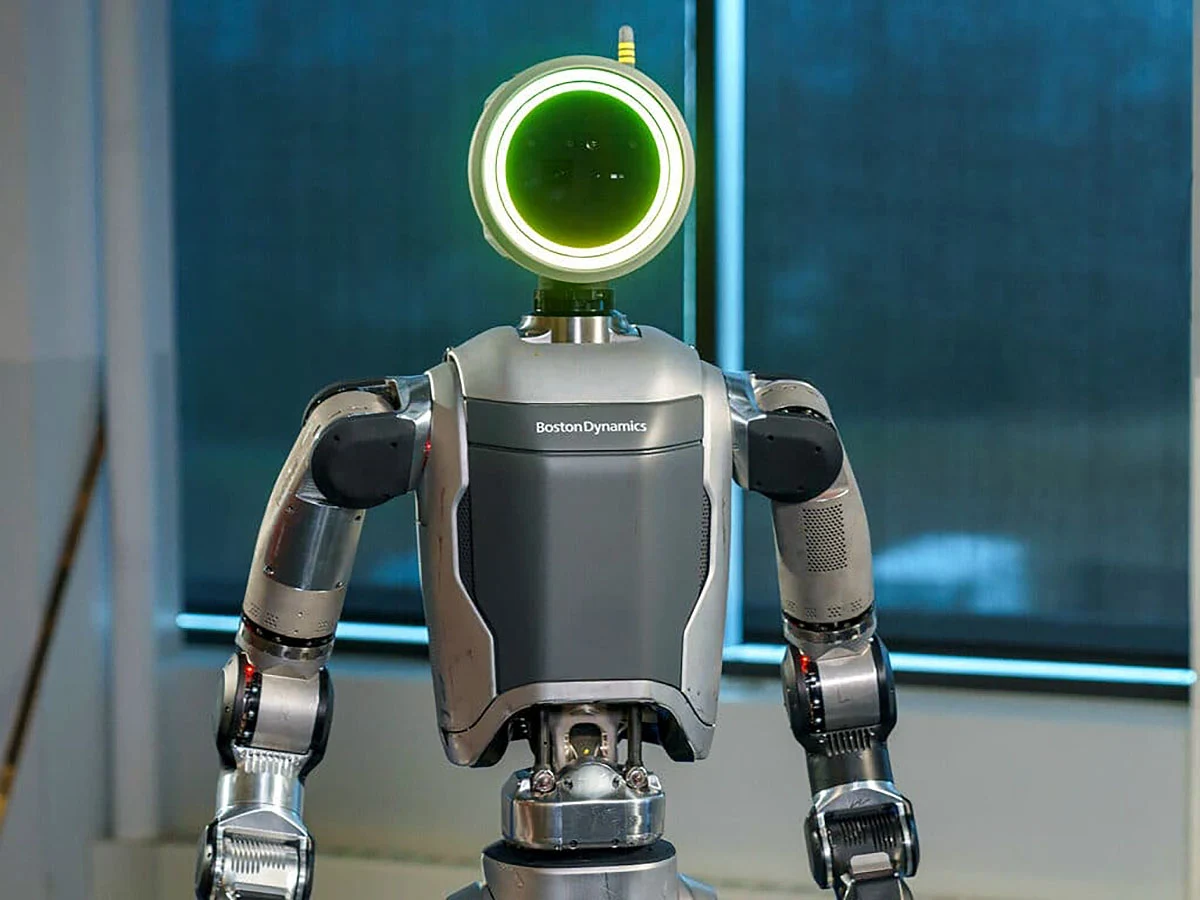
    The improved Atlas robot features more degrees of freedom (DoF), longer operational time thanks to a self-swappable battery, and enhanced cognitive skills than ever before. It has even showcased its impressive agility during a major marketing event at CES, which didn’t go entirely as planned. Boston Dynamics has always been proud of its humanoid robots’ ability to perform backflips; the previous model could do this as far back as 2017. However, this new and much more graceful Atlas has swapped out hydraulics for electric motors and performed a backflip from a standing position.

    The new generation robot was able to jump backward and land on its feet, but it did lose its balance upon landing. Its 56 DoF was useful in helping it regain its stability quickly. Speaking of being useful, the landing was so intense that one of Atlas’s hand caps flew off while it flailed its arms to keep from falling over, unlike the first Russian humanoid robot.

    The Future of Humanoid Robots

    Although the backflip may not serve any practical purpose in a Hyundai factory, it still represents an important milestone in agility, showing how humanoid robots have gone from being clumsy to almost human-like in just a few years, driven by massive investments aimed at replacing tedious manual labor. Tesla’s market value is heavily influenced by hopes surrounding its Optimus robot, but observing the Atlas or XPeng’s human-like robot shows that it faces significant challenges to make Optimus the leading humanoid robot.

    Rohan Paul

    Source:
    Link


  • Hyundai Orders 30,000 Atlas Robots with Self-Swappable Batteries

    Hyundai Orders 30,000 Atlas Robots with Self-Swappable Batteries

    Key Takeaways

    1. New Production Plans: Boston Dynamics plans to manufacture up to 30,000 Atlas humanoid robots annually for use in Hyundai’s U.S. car manufacturing plants.

    2. Cost-Effective Design: The latest Atlas model features fewer custom parts and utilizes components from Hyundai’s existing supply chain for faster and cheaper production.

    3. Advanced Capabilities: Atlas can assess its environment in real-time, maintain balance with Hyundai Mobis actuators, and adjust grip strength using tactile sensors.

    4. AI Enhancement: The robot’s AI capabilities are powered by Nvidia chips, with collaboration from Google’s DeepMind to improve its cognitive functions.

    5. Competitive Landscape: The introduction of Atlas poses significant competition for Tesla’s Optimus in the humanoid robot market, especially with the rapid growth of similar manufacturing in China.


    Hyundai’s robotics branch, Boston Dynamics, has revealed the latest version of its Atlas humanoid robot, which has been around long before Tesla’s flashy marketing for Optimus stirred up the humanoid robot excitement.

    New Production Plans

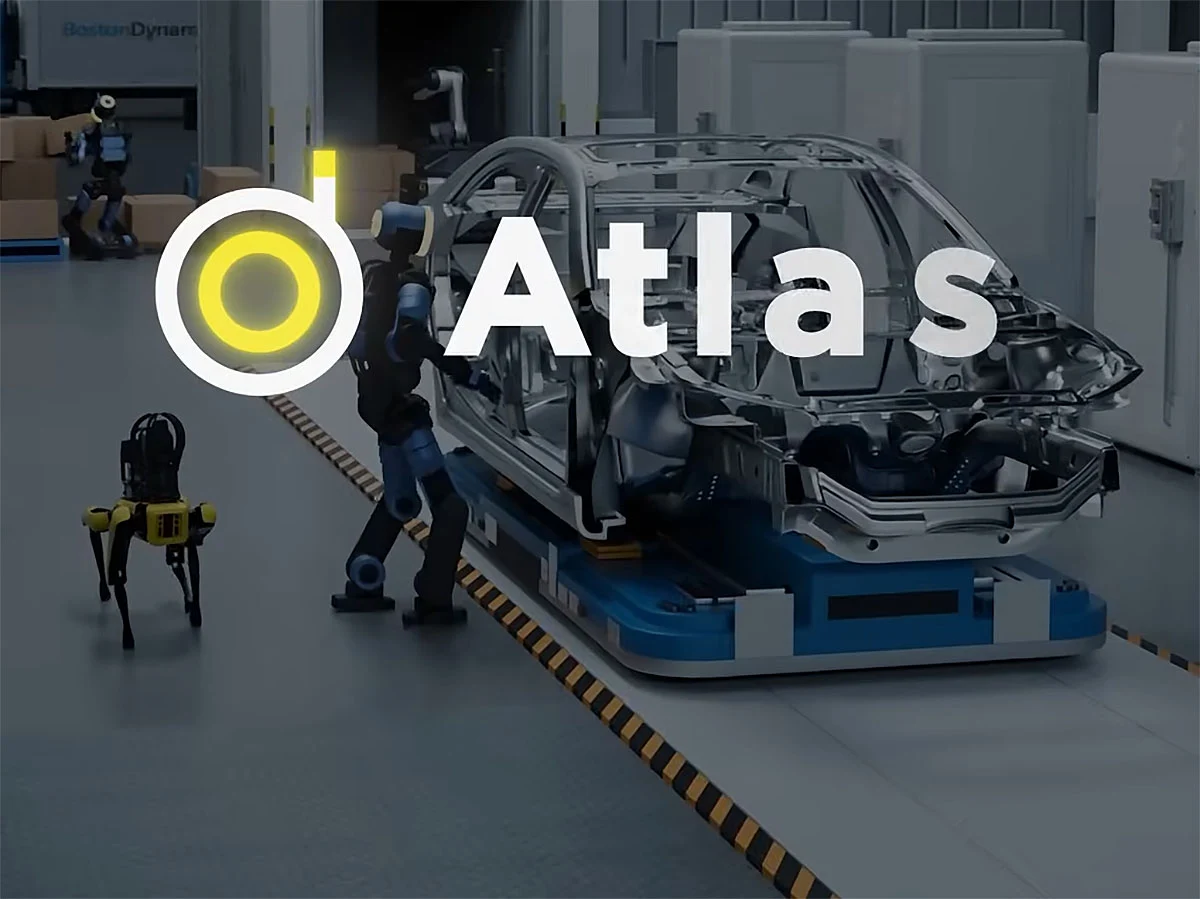
    The newest Atlas model is designed specifically for high-volume production, and Boston Dynamics is set to begin manufacturing right away, aiming to produce up to 30,000 humanoid robots annually. Hyundai plans to use these robots in its car manufacturing plants located in the United States.

    Cost-Effective Design

    To facilitate mass production, the latest Atlas units have minimized the number of custom parts, opting instead for components that are easily sourced from the automaker’s existing supply chain. This approach allows the robots to be manufactured quickly and cost-effectively.

    Advanced Capabilities

    The Atlas robot can assess its environment in real-time. Hyundai Mobis actuators help in maintaining its balance and adjusting its stance, while tactile sensors fine-tune the grip strength of its hands, allowing for adaptability based on the required tasks. The AI that interprets its surroundings is powered by Nvidia chips, and Boston Dynamics has teamed up with Google’s DeepMind to create foundational models to enhance its cognitive abilities further.

    The initial production units of the Atlas humanoid robot are now on their way to key partners, Hyundai and Google, for testing purposes. With the competition from Atlas and the rapid growth of humanoid robot manufacturing in China, it appears that Tesla’s Optimus will encounter significant rivalry when it finally arrives on factory floors.

    Source:
    Link


  • Hyundai Ioniq 2: New Compact City EV Debuts at IAA Munich

    Hyundai Ioniq 2: New Compact City EV Debuts at IAA Munich

    Key Takeaways

    1. Hyundai is developing the Ioniq 2 to enter the affordable compact EV market, competing with models like Renault 5 and VW ID.2.
    2. The Ioniq 2 will be built on a budget-friendly front-wheel-drive version of the E-GMP platform, offering battery options from 58 kWh to 81 kWh, with starting prices around £25,000.
    3. The vehicle features a modern design with a coupé-like roof and a high stance, along with a revamped interior that includes an upgraded dashboard and infotainment system.
    4. The Ioniq 2 will be one of the first to use Hyundai’s new Pleos software platform, providing integrated vehicle operating systems, over-the-air updates, and enhanced connectivity.
    5. Production will take place in Europe, aimed at positioning the Ioniq 2 between the Inster and Kona Electric, with a launch expected at the IAA Mobility 2025.


    Hyundai is working on the Ioniq 2 to bridge a gap in its electric vehicle lineup and establish a presence in the affordable compact EV market. As reported by InsideEVs, the Ioniq 2 is set to be revealed at the IAA Mobility 2025, with sales in Europe anticipated about a year later. Hyundai is specifically looking to compete with models like the Renault 5, the Peugeot e-208, and the soon-to-be-released VW ID.2.

    Platform and Battery Options

    InsideEVs also mentions that the Hyundai Ioniq 2 will be built on the more budget-friendly, front-wheel-drive version of the E-GMP (Electric-Global Modular Platform). This platform provides a range of battery selections, varying from 58 kWh to around 81 kWh, similar to the slightly larger Kia EV3. There will be a smaller battery version featuring LFP technology, with approximate starting prices around £25,000 (about $33,800/€30,000).

    Design Features and Interior

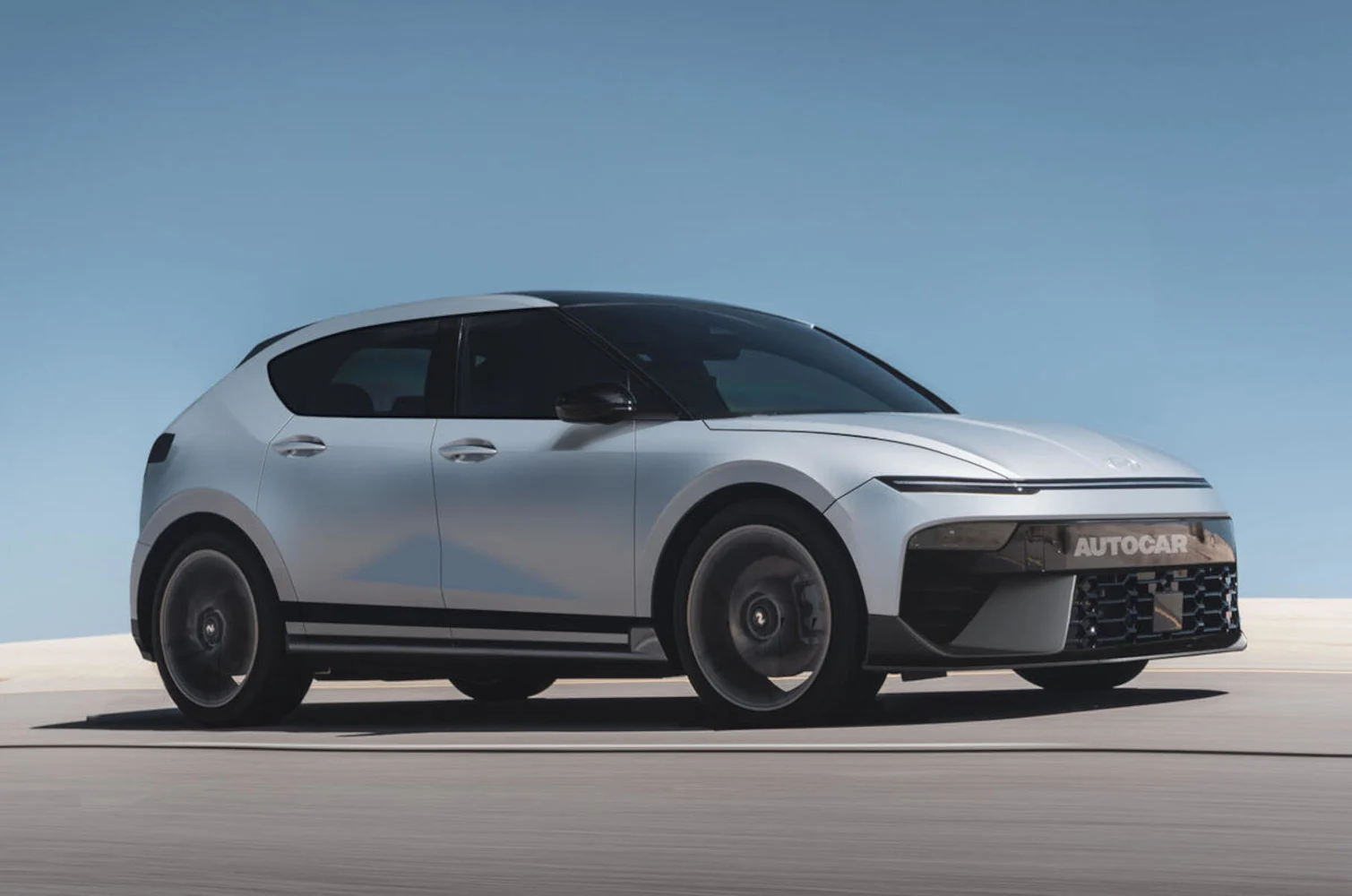
    Autocar has shared spy images of the vehicle showcasing a coupé-like roof design with a higher stance reminiscent of an SUV, similar to the Bayon. The front section is likely to include either an LED light strip or slim LED headlights inspired by the Ioniq 6. Inside the Ioniq 2, there will be a significant upgrade in the user experience, featuring a dashboard instrument cluster for both instruments and infotainment, indicating a fresh, modern cabin. The provided image illustrates a possible look of the vehicle based on the spy shots of the covered model.

    Advanced Technology Integration

    The Ioniq 2 is expected to be among the first vehicles to implement Hyundai’s new Pleos software platform, which integrates the operating system (Vehicle OS), infotainment, cloud connectivity, and applications into a single system. This platform is based on Android Automotive OS and will offer over-the-air updates along with improved connectivity.

    Autocar’s report suggests that Hyundai is using the Ioniq 2 to fill a niche in its lineup between the Inster (A-segment) and the Kona Electric (B/C-segment). The aim is to draw in new customers from the expanding compact EV market. Competing models in this segment include the Renault 4, VW ID.2X, Skoda Epiq, and the Bayon. Production will occur in Europe, aligning with Hyundai’s strategy of local manufacturing to be closer to the market.

    Conclusion and Future Prospects

    The Ioniq 2 may emerge as an appealing entry-level EV due to its favorable price-performance ratio (below £25,000), modern software, and local design. However, there are challenges regarding its exact market placement against established rivals and the final technical details. The launch at IAA Mobility 2025 (scheduled for September 9–[XX], 2025) is anticipated to unveil more specifics.

    Source:
    Link


  • Hyundai Ups Its Game Against Tesla with 48V System Upgrade

    Hyundai Ups Its Game Against Tesla with 48V System Upgrade

    Key Takeaways

    1. Hyundai is set to become the first major car manufacturer to transition its entire fleet from a 12V to a 48V electrical system by 2029.
    2. The shift to a 48V system is necessary for advanced vehicle features like autonomous driving and multimedia systems.
    3. Hyundai is revamping its vehicle electronics supply chain, focusing on a comprehensive 48V architecture rather than partial implementations.
    4. The company aims to create cost savings by developing 48V components that can be used for both vehicles and humanoid robots.
    5. Hyundai’s robotics division, expanded through the acquisition of Boston Dynamics, is also focusing on 48V systems for its humanoid robots.


    Hyundai is on track to be the first major car manufacturer to transition its entire fleet from the outdated 12V low-voltage system to a more modern 48V architecture.

    Upcoming Robot Competitors

    This change will also include Hyundai’s forthcoming humanoid robot competitors, which are being developed through its acquisition of Boston Dynamics.

    Hyundai, similar to Tesla with the Cybertruck, has recognized that the traditional 12V low-voltage system, which has powered vehicle electronics since the 1950s, is inadequate. Advanced features such as autonomous driving assistance, multimedia systems, and drive-by-wire capabilities demand a higher voltage to function effectively.

    Benefits of the 48V System

    Tesla has indicated that switching from a 12V to a 48V system allowed them to significantly reduce wiring and provide sufficient power for the motors used in rear-wheel steering. While the Cybertruck and certain other models utilize a 48V low-voltage system, they only apply it where it is practical.

    For example, the Cybertruck employs a lower voltage converter for its audio amplifiers, and in case the 48V battery fails, a standard 12V jump starter kit can be utilized.

    Hyundai’s Ambitious Plans

    In contrast, Hyundai is requesting its suppliers to completely revamp vehicle electronics to support a comprehensive 48V architecture. Understanding that this is a monumental task that can’t be completed quickly, the company intends to gradually build a 48V electronics supply chain by 2029. This approach aims to reduce the costs associated with this significant transition.

    Tesla also aimed for a similar outcome by making its 48V architecture manual publicly available for other automakers, hoping that as adoption grows, prices for these components will decrease. However, rather than partnering with Tesla or Chinese manufacturers, Hyundai is choosing to independently pursue this path to protect its supplier network. “The key is to maintain the hardware and software ecosystem for four years while slightly reducing profitability and changing the SDV and electrical component standard voltage,” revealed an insider.

    Robotics Division Expansion

    Following its acquisition of Boston Dynamics, Hyundai has established a substantial robotics division that is working on humanoid robots similar to Tesla’s Optimus, which also operates on a 48V system. The company aims to achieve additional cost savings by creating 48V electrical and electronic components that can be used interchangeably in both vehicle and robot production.

    Source:
    link

  • Hyundai and Kia Up to $17K Off Ioniq 5, EV9, and Electric Cars

    Hyundai and Kia Up to $17K Off Ioniq 5, EV9, and Electric Cars

    Key Takeaways

    1. Hyundai and Kia are offering discounts up to $17,000 on electric vehicles (EVs) in key global markets.
    2. Significant discounts are available on popular models like the Ioniq 5, Ioniq 6, and EV9 in various regions including North America, Europe, and Asia.
    3. The discounts are partly a response to a 25% tariff on imported cars in the US, aiming to maintain sales amid expected declines.
    4. Hyundai and Kia are targeting a 10% increase in sales outside the US as they adapt to market changes.
    5. Both automakers are increasing production in the US to mitigate the impact of import taxes.


    Hyundai and Kia customers are set to enjoy substantial discounts on their new electric vehicle (EV) purchases. These two related brands are providing discounts of as much as $17,000 on their electric models in key markets around the world, especially as the US prepares for potential price increases.

    Global Discounts on Popular Models

    The South Korean manufacturers have initiated major campaigns in North America, Europe, the Middle East, as well as Asia and Central and South America, featuring significant offers on popular electric vehicles like the Ioniq 5, Ioniq 6, and the EV9. According to a report from the Korea JoongAng Daily, buyers in Serbia can take advantage of a discount of $17,400 on the Ioniq 5 and Ioniq 6. Promotions are also happening in Thailand and Chile, with similar discounts available for non-EV models.

    Impact of U.S. Market Changes

    In a twist of fate, Hyundai and Kia customers might owe their good luck to the situation in the US. The aggressive marketing strategies are likely designed to compensate for an expected drop in sales in the largest car market in North America, where a 25 percent tariff on imported cars has been put in place by the federal government.

    The Korea JoongAng Daily has stated that Hyundai and Kia have told their regional managers to aim for a 10 percent increase in sales in other areas. The South Korean automakers have committed to keeping prices stable in the US until July 7, but they may need to raise them if the tariff remains unchanged.

    Adapting to Market Dynamics

    Hyundai and Kia are acutely aware of fluctuations in the US automotive scene, which contributes to about 25 percent of their global revenues. However, both companies are rushing to boost production within the US to avoid the heavy import taxes that could affect their sales.

    Source:
    Link

  • Canada Stops EV Incentives as Funding Runs Out

    Canada Stops EV Incentives as Funding Runs Out

    Automobile buyers and sellers in Canada are feeling the impact of the unexpected termination of the federal EV rebate program. As reported by Transport Canada, the Incentives for Zero Emissions Vehicles (iZEV) initiative is closing down because it has run out of allocated funds.

    Details of the iZEV Program

    The iZEV program provided EV purchasers with a $5,000 rebate when they bought or leased eligible vehicles. This program was distinct from provincial incentives and supported 546,000 vehicles throughout its duration.

    Initially, Canada’s EV incentive plan was scheduled to continue until March 31, 2025. However, Transport Canada has indicated that the allocated funds were exhausted more quickly than anticipated, largely due to a rapid increase in EV adoption. As of now, there is no word on whether the program might be reinstated in the future.

    Help from Automakers

    In response to this surprising news, several EV manufacturers are stepping in to assist buyers. Companies like Ford, General Motors, Hyundai, and Nissan are providing a $5,000 discount, though this offer is only temporary.

    Canada has set a goal that 20 percent of new passenger vehicle sales must be ZEVs by 2030, increasing to a full 100 percent by 2035. For perspective, approximately 1.86 million new cars were sold in the country in 2024.

    Source:
    Link

  • BYD Set to Launch Passenger Cars in South Korea Next Year

    BYD Set to Launch Passenger Cars in South Korea Next Year

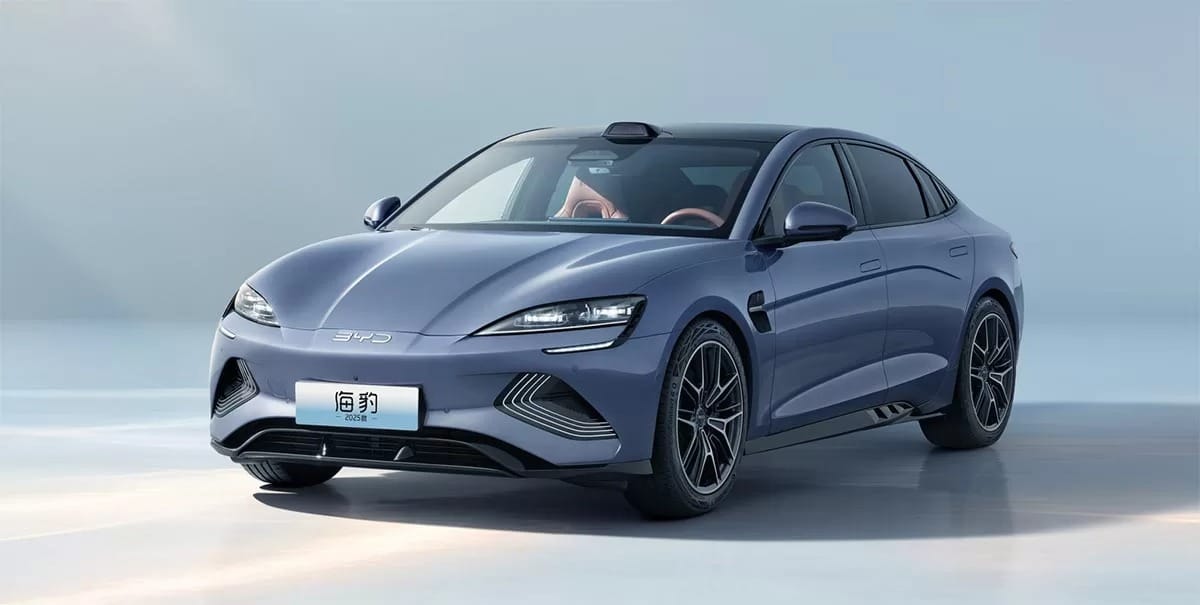
    Next year could pose some difficulties for Tesla and Hyundai in South Korea, largely due to BYD’s recent announcement about entering the local passenger vehicle market. BYD has been active in South Korea since 2016, but primarily in commercial vehicles like buses and forklifts. For those who aren’t aware of this brand and why it might concern Tesla or Hyundai, it’s important to note that the Chinese electric vehicle company has secured an order for at least 100,000 electric vehicles from Uber. Additionally, the upcoming 2025 refresh of the BYD Seal AWD is set to give Tesla’s similarly priced models a run for their money in terms of value.

    New Market Entry

    As reported by KED Global, BYD is set to launch in the South Korean passenger car market next year with premium models. The company aims to be the first Chinese car brand to win over Korean consumers, a feat that has eluded its Chinese competitors in the past due to their inability to meet the high standards of Korean drivers.

    Lessons from the Past

    Previous electric vehicle models that struggled in South Korea, like the BAIC Motor Corp. KENBO 600, faced significant safety and quality problems that hindered their acceptance in the market. However, the BYD Seal midsize sedan and the Atto 3 compact SUV come equipped with features that could help them avoid the same pitfalls.

    The Seal offers over 500 km on a single charge and is projected to be priced below $30,000 in South Korea. In contrast, the Atto 3 boasts a range exceeding 400 km at a similar price point. If these models succeed, BYD is considering introducing additional high-end electric vehicles, including the luxury Denza brand and the HAN series, according to sources familiar with the company’s plans, as reported by KED Global.

    Source: Link


  • Hyundai’s 2024 Kona Electric Features a Slightly Bigger Battery than its Predecessor

    Hyundai’s 2024 Kona Electric Features a Slightly Bigger Battery than its Predecessor

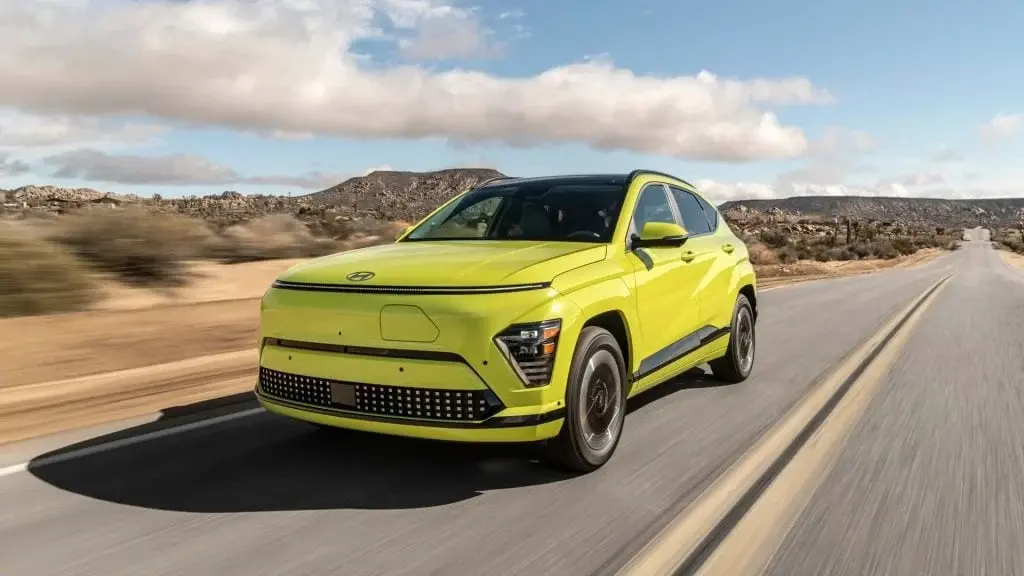
    Hyundai is set to release its latest electric car, the 2024 Kona Electric, in the United States later this year. This new model builds upon the success of its predecessor, the 2023 Kona Electric, with a range of enhancements and improvements.

    Enhanced Battery Capacity

    One of the key upgrades in the 2024 Kona Electric is its battery capacity. The new model features a slightly larger 64.8-kilowatt-hour battery, compared to the previous 64 kWh capacity. While this increase may seem small, it results in a modest boost in range. According to EPA estimates, the 2024 Kona Electric can travel up to 261 miles on a single charge.

    Improved Efficiency

    In addition to the increased range, the 2024 Kona Electric also introduces improvements in efficiency. However, it is marginally less energy-efficient than its predecessor. With an energy consumption rate of 116 MPGe, or about 291 watt-hours per mile, there is a slight uptick in energy use. This could be attributed to the vehicle's larger dimensions, including a longer wheelbase and increased width, which may affect aerodynamics.

    Faster Charging

    Charging time has seen a substantial improvement in the 2024 model. Thanks to a more powerful 10.8-kW on-board charger, the full charging time has been reduced by about three hours. Additionally, DC fast charging is faster, taking only 43 minutes to reach 80% charge.

    Innovative Features

    The 2024 Kona Electric introduces several new features aimed at enhancing the driver experience in electric mobility. One notable innovation is the i-Pedal mode, which enables one-pedal driving. This means that drivers can accelerate and decelerate using only the accelerator pedal, making driving more intuitive and engaging. The Smart Regenerative System is another new feature that adapts to traffic conditions, optimizing energy regeneration. Additionally, the Kona Electric offers Vehicle-to-Load (V2L) capability, allowing owners to use the car's battery to power external devices or even charge other electric vehicles.

    Competitive Pricing

    While pricing details have not been announced yet, it is expected that the 2024 Kona Electric will be priced similarly to its predecessor. This makes it a competitive option in the electric vehicle market. However, it is worth noting that the Kona Electric is not eligible for the $7,500 federal tax credit for imported EVs. Despite this drawback, the discontinuation of the Chevrolet Bolt EV presents an opportunity for the Kona Electric to capture a significant portion of the entry-level EV segment.

    In conclusion, the 2024 Hyundai Kona Electric offers a range of enhanced features and practical improvements compared to its predecessor. With a larger battery capacity, improved efficiency, faster charging, and innovative features, this new model exemplifies Hyundai's commitment to advancing electric vehicle technology. While pricing details and the lack of federal tax credits for imported EVs are important considerations, the Kona Electric remains a compelling choice in the EV market, particularly in the entry-level segment.

  • Hyundai Ioniq 6 N: Ready to Surpass its Predecessors

    Hyundai Ioniq 6 N: Ready to Surpass its Predecessors

    Hyundai’s Ioniq 6 N: A Game-Changing Electric Model in the N Series

    Hyundai is set to revolutionize the electric vehicle (EV) market with its highly anticipated Ioniq 6 N. As the most powerful model in Hyundai’s N series, this electric anomaly is expected to debut by 2025, redefining boundaries in the segment.

    Unmatched Power and Acceleration

    Boasting an impressive dual-motor setup, the Ioniq 6 N is anticipated to deliver a mind-blowing 641 horsepower. While the exact torque figures are still under wraps, speculations suggest that it will surpass the 545 lb-ft offered by its predecessor, the Ioniq 5 N. With these figures, the Ioniq 6 N promises extraordinary acceleration, potentially outperforming the Ioniq 5 N’s impressive 3.2-second sprint from 0 to 60 mph.

    Inspired Design and Technological Advancements

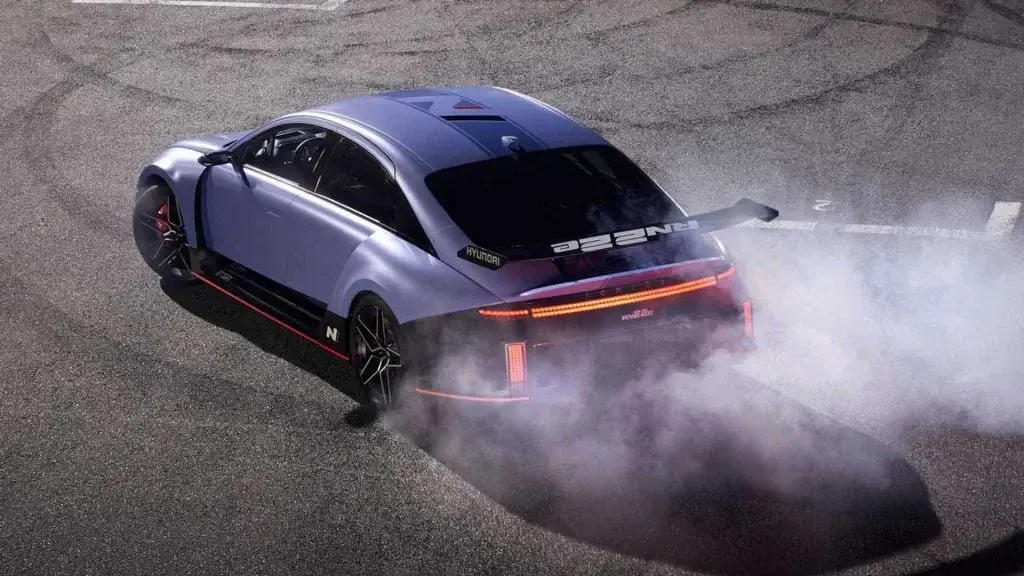
    The design of the Ioniq 6 N draws inspiration from the RN22e concept, which was unveiled last year as a precursor to Hyundai’s electric N models. The RN22e, featuring 577 horsepower, not only rivaled the Kia EV6 GT but also served as a testing ground for Hyundai’s Electric-Global Modular Platform (E-GMP). This platform is crucial for developing high-performance electric vehicles and showcases Hyundai’s commitment to pushing the boundaries of EV technology.

    Balancing Electric and Gasoline Power

    Despite Hyundai’s focus on electrification, the automaker has not abandoned its gasoline-powered cars. In fact, the upcoming Elantra N is expected to feature an even more robust gasoline engine. However, there is an undeniable emphasis on electric N models, driven by the tightening global emissions regulations.

    A Thrilling Electric Future

    Hyundai’s commitment to keeping the thrill of driving alive, even in an electric future, is evident in the Ioniq 6 N. By blending environmental responsibility with the exhilaration of high performance, Hyundai aims to provide a truly captivating driving experience. The Ioniq 6 N stands as a testament to this commitment, pushing the boundaries of what is possible in the EV market.

    With its groundbreaking power, stunning design, and technological advancements, the Hyundai Ioniq 6 N is set to make a lasting impact on the automotive industry. As Hyundai continues its journey towards electrification, we can expect more innovative and high-performance models to redefine the future of driving.