Tag: Boston Dynamics Atlas

  • XPeng’s Iron Robot Falls on Stage During Awkward Debut

    XPeng’s Iron Robot Falls on Stage During Awkward Debut

    Key Takeaways

    1. Humanoid robots are progressing but not ready for mass production yet.
    2. Unitree’s G1 and Boston Dynamics’ Atlas exhibit impressive skills, like creating shapes in snow and performing flips.
    3. XPeng’s humanoid robot, Iron, experienced a fall during a public demonstration, highlighting the challenges in robot development.
    4. XPeng’s CEO compared robot learning to children learning to walk, emphasizing that falls are part of the growth process.
    5. Humorous incidents, like Unitree’s G1 unintentionally kicking its trainer, illustrate the unpredictability of current humanoid robots.


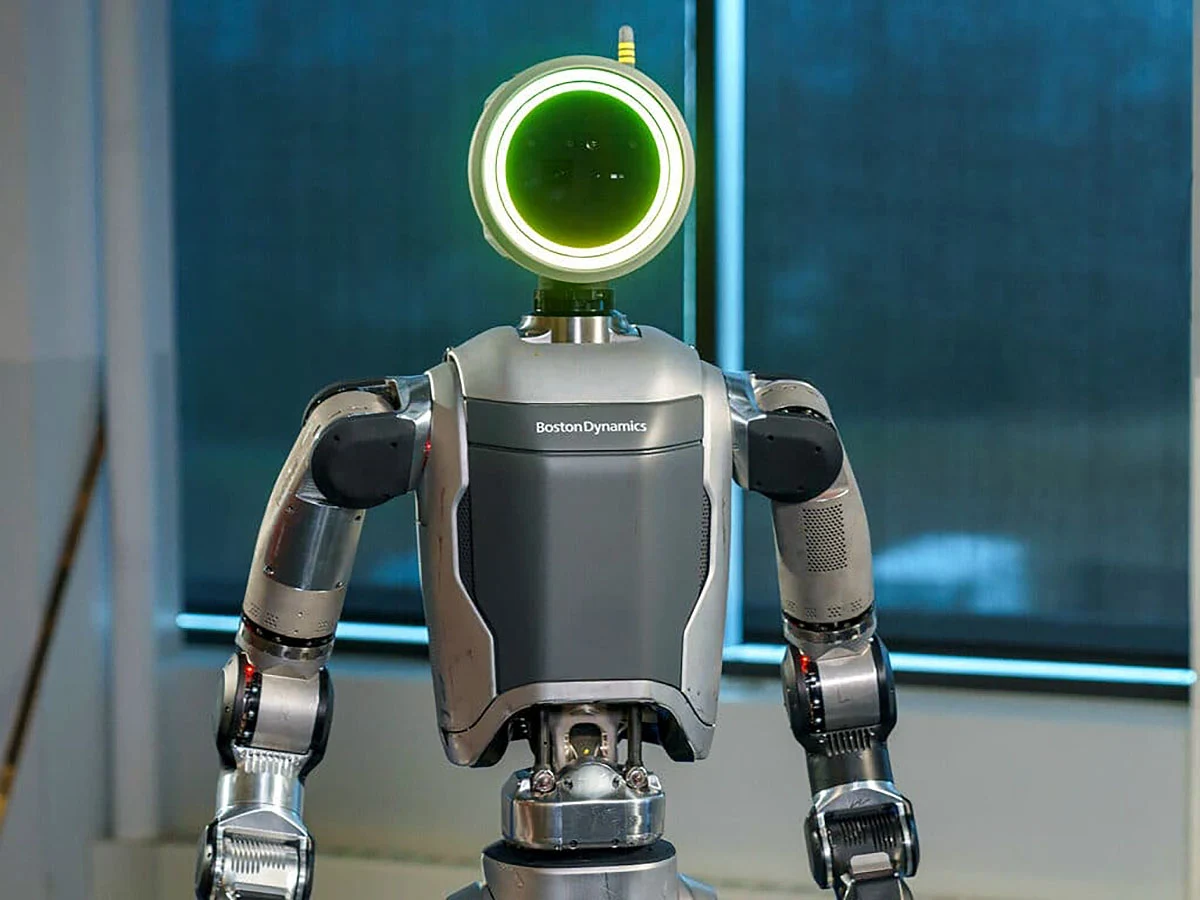
    Humanoid robots are not ready for mass production yet, but recent breakthroughs highlight their progress. For example, Unitree’s G1 recently made a remarkable Olympic logo in fresh snow. Meanwhile, Boston Dynamics’ Atlas showcases even greater agility, executing flips and cartwheels. However, recent videos demonstrate that things don’t always work out as planned.

    A Bumpy Start

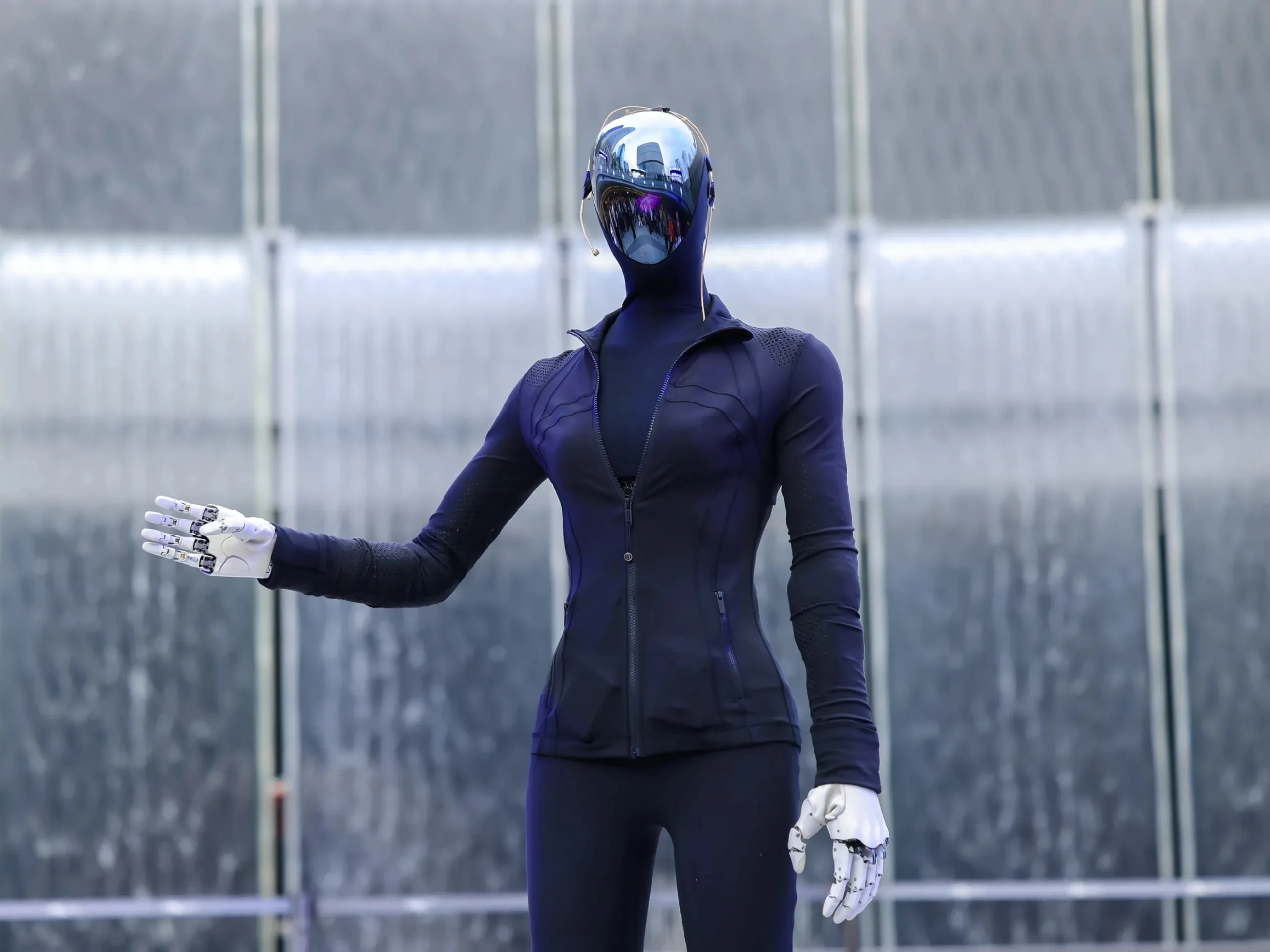
    The introduction of Iron wasn’t exactly perfect – quite the opposite, actually, as the humanoid robot from XPeng Motors fell on stage. In the footage, the robot, which resembles a human in shape, walks toward the audience with somewhat stiff yet steady movements. Once it reaches its spot, it lifts one hand, only to unexpectedly topple over. The reason for this fall is still unknown. The video was shared on X by accounts like The Humanoid Hub.

    CEO’s Response

    In a report from Sina News (in Chinese), XPeng’s CEO He Xiaopeng addressed the incident the next day on Weibo, stating that the fall is a normal part of robot development. “It’s like how all kids learn to walk: they stumble, get back up, and soon they’re off and running – and keep going,” he remarked. The video also made its way to Reddit, where users reacted with humor. Another amusing mishap involved Unitree’s G1, which unintentionally kicked its trainer in a rather unfortunate area.

    Source:
    Link


  • High Cost of Atlas Humanoid Robots Makes Worker Replacement Feasible

    High Cost of Atlas Humanoid Robots Makes Worker Replacement Feasible

    Key Takeaways

    1. Elon Musk estimates the Tesla Optimus could cost between $20,000 and $30,000 if mass-produced, but this is met with skepticism from industry experts.
    2. Achieving low production costs similar to cars is challenging due to competition from established companies like Boston Dynamics, which have higher manufacturing costs.
    3. Analysts believe that even with reduced prices, humanoid robots like Atlas at $130,000 may not effectively replace skilled workers due to current limitations and challenges.
    4. Hyundai aims to significantly cut production costs of robot components by 70% by 2030, but creating cheaper yet durable parts remains a significant hurdle.
    5. Tesla’s Optimus is set to launch in 2027, but its capabilities and final cost are still uncertain amid the emergence of more efficient humanoid robots from competitors.


    While Elon Musk has stated that the Tesla Optimus may be priced between $20,000 and $30,000 when mass-produced, other companies that have more experience in making humanoid robots are skeptical about that figure.

    The Realities of Production Costs

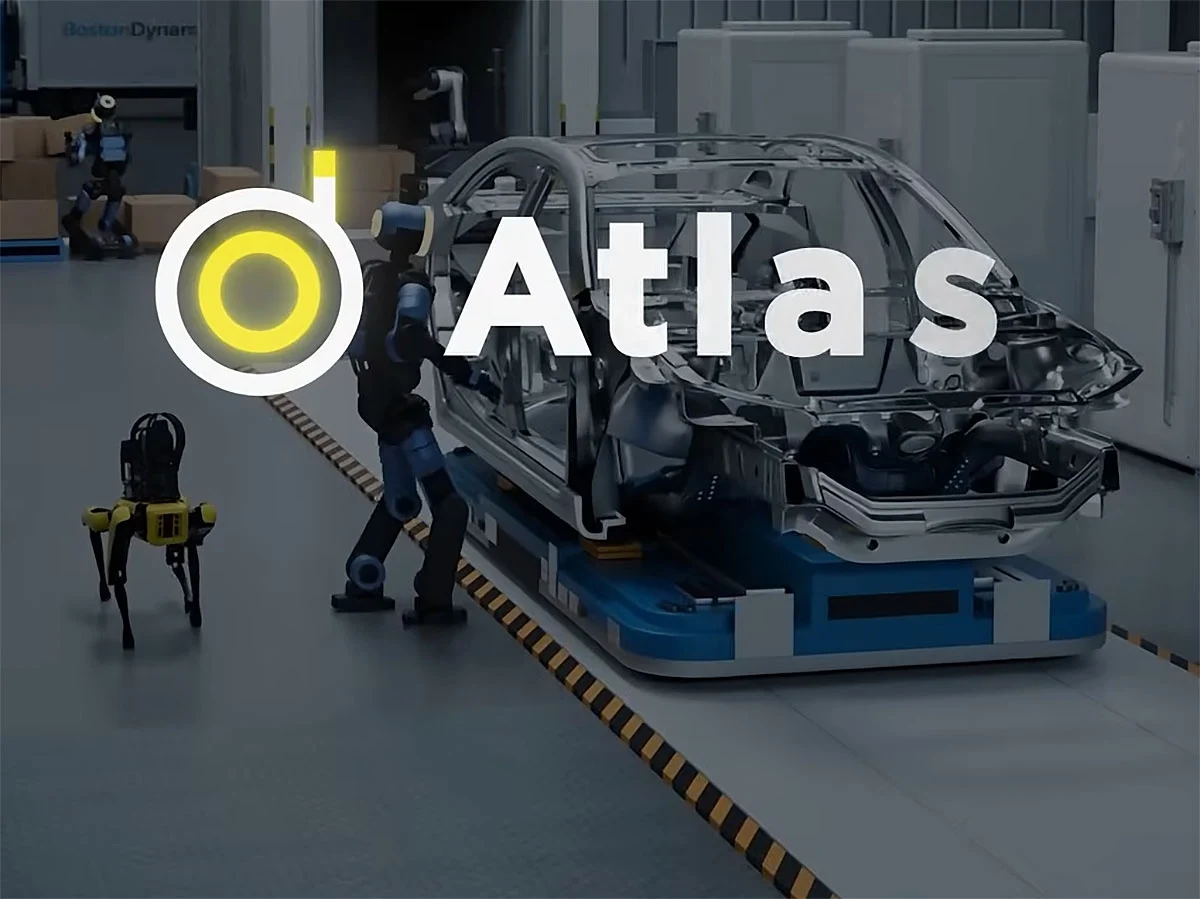
    Elon did mention that a $30,000 price tag for Optimus is only achievable if they produce it in large quantities, similar to how cars are made. However, reaching that production level could be tough due to growing competition from companies like Boston Dynamics. Their Atlas robot showcases impressive capabilities, like doing backflips from a still position on flat ground and swapping its own battery for more operational time. Nevertheless, the manufacturing cost of the latest version is around $300,000. Hyundai, which owns Boston Dynamics, aims to significantly reduce those expenses by integrating more affordable parts, which could potentially lower the cost to about $130,000 by the time they plan to deploy 30,000 Atlas robots in factories by 2030.

    Challenges Ahead

    Analysts suggest that even with a reduced price, $130,000 is still too high to effectively replace a skilled worker. Presently, humanoid robots face several challenges such as balance problems, overheating joints, limited autonomy, and difficulties in manipulating objects accurately — issues that humans do not have. For a robot to take over human jobs, especially for anything beyond simple tasks, it needs to be both inexpensive and robust, but achieving those two goals is going to be difficult.

    Hyundai is working to cut the costs of the joints and actuators, which account for more than half of the Atlas’s production price, by 70% by 2030. This effort aims to make large-scale manufacturing more affordable, but creating components that are cheaper yet just as durable could prove to be a tough challenge. Even after these reductions, the humanoid robots might still start at $130,000, and they may not match the versatility or efficiency of human workers.

    Scaling Issues

    Hyundai’s strategy is to use the Boston Dynamics Atlas robots exclusively in its own factories, which could limit their overall production scale. On the other hand, Tesla is working on the Optimus as a versatile robot set to launch in 2027, but it also faces the same durability concerns. Elon Musk has a reputation for making grand promises that don’t always come to fruition. It remains uncertain what capabilities Optimus will offer and, crucially, how much it will cost, particularly when considering the recent surge of cost-effective and efficient humanoid robots like the XPeng Iron from China, which are already being mass-produced.

    Source:
    Link


  • Boston Dynamics Atlas Robot Performs Backflip in Agility Stunt

    Boston Dynamics Atlas Robot Performs Backflip in Agility Stunt

    Key Takeaways

    1. Hyundai has ordered 30,000 units of the next-generation Boston Dynamics Atlas humanoid robot for its US car factories.
    2. The new Atlas robot features improved agility, longer operational time, and enhanced cognitive skills, including performing backflips.
    3. The Atlas robot has 56 degrees of freedom (DoF), allowing it to regain balance quickly after jumps.
    4. Humanoid robots have advanced significantly in agility and functionality, driven by investments aimed at automating manual labor.
    5. Tesla’s Optimus robot faces competition and challenges from existing humanoid robots like Atlas and XPeng’s models.


    While Elon Musk had thought that by the end of last year, there would be thousands of robots working at Tesla’s factories, other companies making humanoid robots are moving forward quietly.

    Hyundai’s Big Order

    Even if you ignore the many Chinese startups in the robot industry, Hyundai has made a significant move by ordering 30,000 units of the next-generation Boston Dynamics Atlas humanoid robot, which is set to be used in its car factories located in the US.

    Advancements in Robot Technology

    The improved Atlas robot features more degrees of freedom (DoF), longer operational time thanks to a self-swappable battery, and enhanced cognitive skills than ever before. It has even showcased its impressive agility during a major marketing event at CES, which didn’t go entirely as planned. Boston Dynamics has always been proud of its humanoid robots’ ability to perform backflips; the previous model could do this as far back as 2017. However, this new and much more graceful Atlas has swapped out hydraulics for electric motors and performed a backflip from a standing position.

    The new generation robot was able to jump backward and land on its feet, but it did lose its balance upon landing. Its 56 DoF was useful in helping it regain its stability quickly. Speaking of being useful, the landing was so intense that one of Atlas’s hand caps flew off while it flailed its arms to keep from falling over, unlike the first Russian humanoid robot.

    The Future of Humanoid Robots

    Although the backflip may not serve any practical purpose in a Hyundai factory, it still represents an important milestone in agility, showing how humanoid robots have gone from being clumsy to almost human-like in just a few years, driven by massive investments aimed at replacing tedious manual labor. Tesla’s market value is heavily influenced by hopes surrounding its Optimus robot, but observing the Atlas or XPeng’s human-like robot shows that it faces significant challenges to make Optimus the leading humanoid robot.

    Rohan Paul

    Source:
    Link