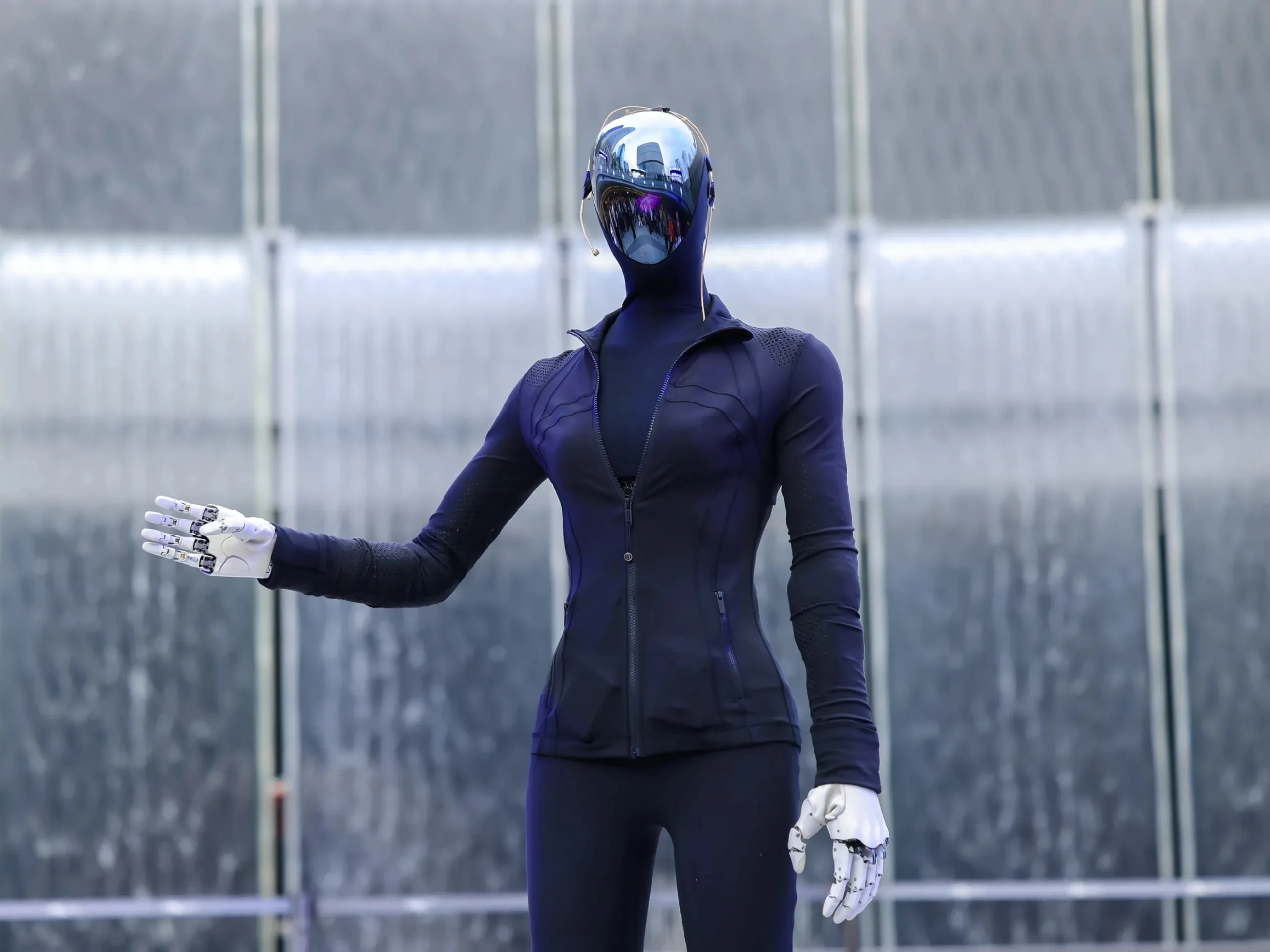
Tag: Unitree G1

  • XPeng’s Iron Robot Falls on Stage During Awkward Debut

    XPeng’s Iron Robot Falls on Stage During Awkward Debut

    Key Takeaways

    1. Humanoid robots are progressing but not ready for mass production yet.
    2. Unitree’s G1 and Boston Dynamics’ Atlas exhibit impressive skills, like creating shapes in snow and performing flips.
    3. XPeng’s humanoid robot, Iron, experienced a fall during a public demonstration, highlighting the challenges in robot development.
    4. XPeng’s CEO compared robot learning to children learning to walk, emphasizing that falls are part of the growth process.
    5. Humorous incidents, like Unitree’s G1 unintentionally kicking its trainer, illustrate the unpredictability of current humanoid robots.


    Humanoid robots are not ready for mass production yet, but recent breakthroughs highlight their progress. For example, Unitree’s G1 recently made a remarkable Olympic logo in fresh snow. Meanwhile, Boston Dynamics’ Atlas showcases even greater agility, executing flips and cartwheels. However, recent videos demonstrate that things don’t always work out as planned.

    A Bumpy Start

    The introduction of Iron wasn’t exactly perfect – quite the opposite, actually, as the humanoid robot from XPeng Motors fell on stage. In the footage, the robot, which resembles a human in shape, walks toward the audience with somewhat stiff yet steady movements. Once it reaches its spot, it lifts one hand, only to unexpectedly topple over. The reason for this fall is still unknown. The video was shared on X by accounts like The Humanoid Hub.

    CEO’s Response

    In a report from Sina News (in Chinese), XPeng’s CEO He Xiaopeng addressed the incident the next day on Weibo, stating that the fall is a normal part of robot development. “It’s like how all kids learn to walk: they stumble, get back up, and soon they’re off and running – and keep going,” he remarked. The video also made its way to Reddit, where users reacted with humor. Another amusing mishap involved Unitree’s G1, which unintentionally kicked its trainer in a rather unfortunate area.

    Source:
    Link



  • Unitree G1 Robot Walks 130,000 Steps in -53.3°F Snow

    Unitree G1 Robot Walks 130,000 Steps in -53.3°F Snow

    Key Takeaways

    1. The Unitree G1 humanoid robot is participating in a project for the 2026 Winter Olympics, showcasing its abilities in extreme conditions.
    2. The robot was modified for cold weather, featuring a thermal jacket, insulated battery, protected joints, and specialized software.
    3. It navigated using China’s Beidou satellite system, achieving high accuracy during its mission.
    4. The G1 took around 130,000 steps to create a large Olympic logo in the snow, demonstrating impressive mobility and control.
    5. Despite skepticism about the video’s authenticity, the public reaction has been largely positive, highlighting the robot’s advanced capabilities.


    The Unitree G1 has been seen doing various things, like playing table tennis and showing off its kung fu skills. Now, this humanoid robot is involved in a bigger project connected to the 2026 Winter Olympics. In the Altay region of Xinjiang, China, it walked through untouched snow to imprint the Olympic logo into the ground. The G1 faced harsh conditions, with temperatures reaching as low as -53.3 °F (-47.4 °C), which is much colder than what regular tech can usually handle.

    Special Features for Extreme Weather

    Unitree stated that the G1 was modified to work in very cold environments. The robot was fitted with a thermal jacket, used an insulated battery, had protected joints, and operated on specially designed software. For navigation, it relied on China’s Beidou satellite system, which provided an accuracy of around four inches (approximately ten centimeters). The robotics firm highlighted that the entire mission was conducted without any human help.

    Impressive Steps and Logo Creation

    The robot, standing at 4.17 feet tall (1.27 meters) and weighing 77 pounds (35 kilograms), took about 130,000 steps to carve a logo that is around 610 by 328 feet (186 × 100 meters) into the snow. A video shared on YouTube on February 2 shows the G1 taking a few steps before showing the completed logo, which looked quite impressive.

    Challenging Conditions and Public Reaction

    What makes this achievement especially remarkable is the tough environment the G1 was in. Moving through deep snow and extremely cold temperatures is much harder than just walking on flat asphalt, which makes its careful movements stand out even more. Although some people have raised doubts about the authenticity of the video, most comments on YouTube have been quite positive, with many viewers expressing their astonishment at the robot’s capabilities.

    Unitree Robotics via YouTube

    Source:
    Link


  • Caviar Aladdin: Luxury Gold Robot Sports Ornaments

    Caviar Aladdin: Luxury Gold Robot Sports Ornaments

    Key Takeaways

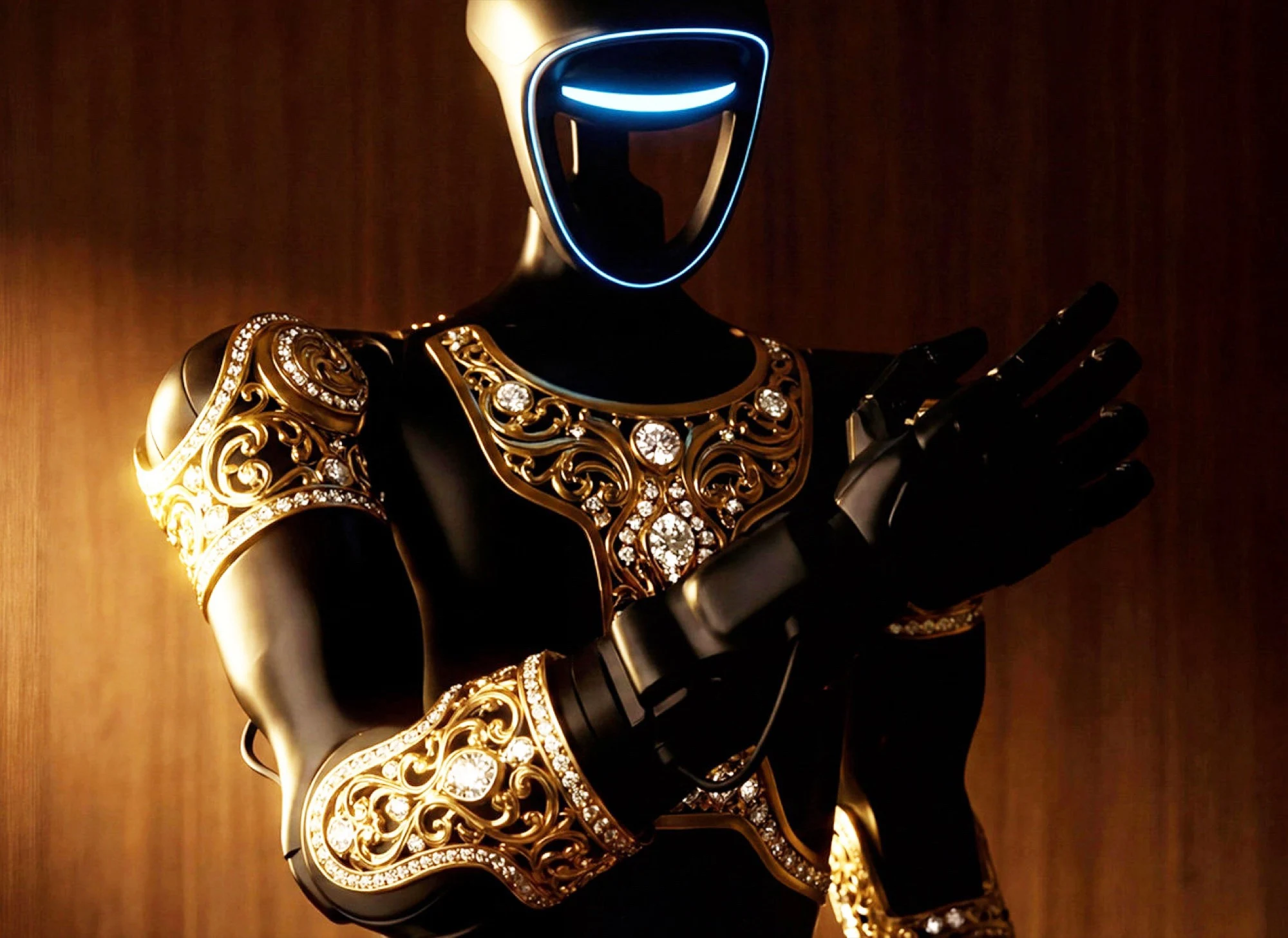
    1. Caviar is expanding from luxury smartphones to humanoid robots, introducing the Caviar Aladdin, a modified Unitree G1.
    2. The Aladdin features a custom design with a black exterior, real gold, and precious stones, allowing for personalization.
    3. The robot stands 4 feet 4 inches tall, weighs 77 pounds, and has a 9,000mAh battery lasting about two hours.
    4. It includes advanced sensing technology with a 3D camera, LiDAR scanner, microphones, and speakers for user interaction.
    5. The Caviar Aladdin is available upon request with varying prices based on customization, while the Unitree G1 starts at $13,500.


    Caviar is widely recognized for its high-end versions of smartphones, particularly the Apple iPhone 17 Pro. Now, the company is branching out into the increasing field of humanoid robots. The Caviar Aladdin, in essence, is a modified version of the Unitree G1.

    Custom Design and Luxury Touches

    With the Aladdin, Caviar has swapped out the plain gray exterior for a sleek black body adorned with real gold and precious stones. Each robot is made to order, allowing customers to personalize the design and choose the stones that suit their tastes. Technically, the Aladdin mirrors the Unitree G1. It stands approximately 4 feet 4 inches tall, weighs around 77 pounds, and is powered by a 9,000mAh battery that reportedly lasts about two hours before needing a recharge.

    Advanced Sensing and Communication

    The Caviar Aladdin is equipped to understand its environment through a 3D camera and LiDAR scanner. It features four microphones and 5-watt speakers for user interaction. Additionally, the robot can lift items weighing up to 4.4 pounds. The true value of the Caviar Aladdin or Unitree G1 will mainly rely on the software they run. Unitree has already programmed the G1 to play sports like tennis and basketball, showcasing its adaptability.

    Pricing and Availability

    The Caviar Aladdin is accessible only upon request, with the cost varying based on customization options. Interested buyers can submit their inquiries through Caviar’s website. In contrast, the Unitree G1 is available at a starting price of $13,500.

    Source:
    Link


  • Humanoid Robot Kicks Trainer and Mimics Pain, Reddit Laughs

    Humanoid Robot Kicks Trainer and Mimics Pain, Reddit Laughs

    Key Takeaways

    1. The Unitree G1 humanoid robot can perform various activities, including sports and martial arts.
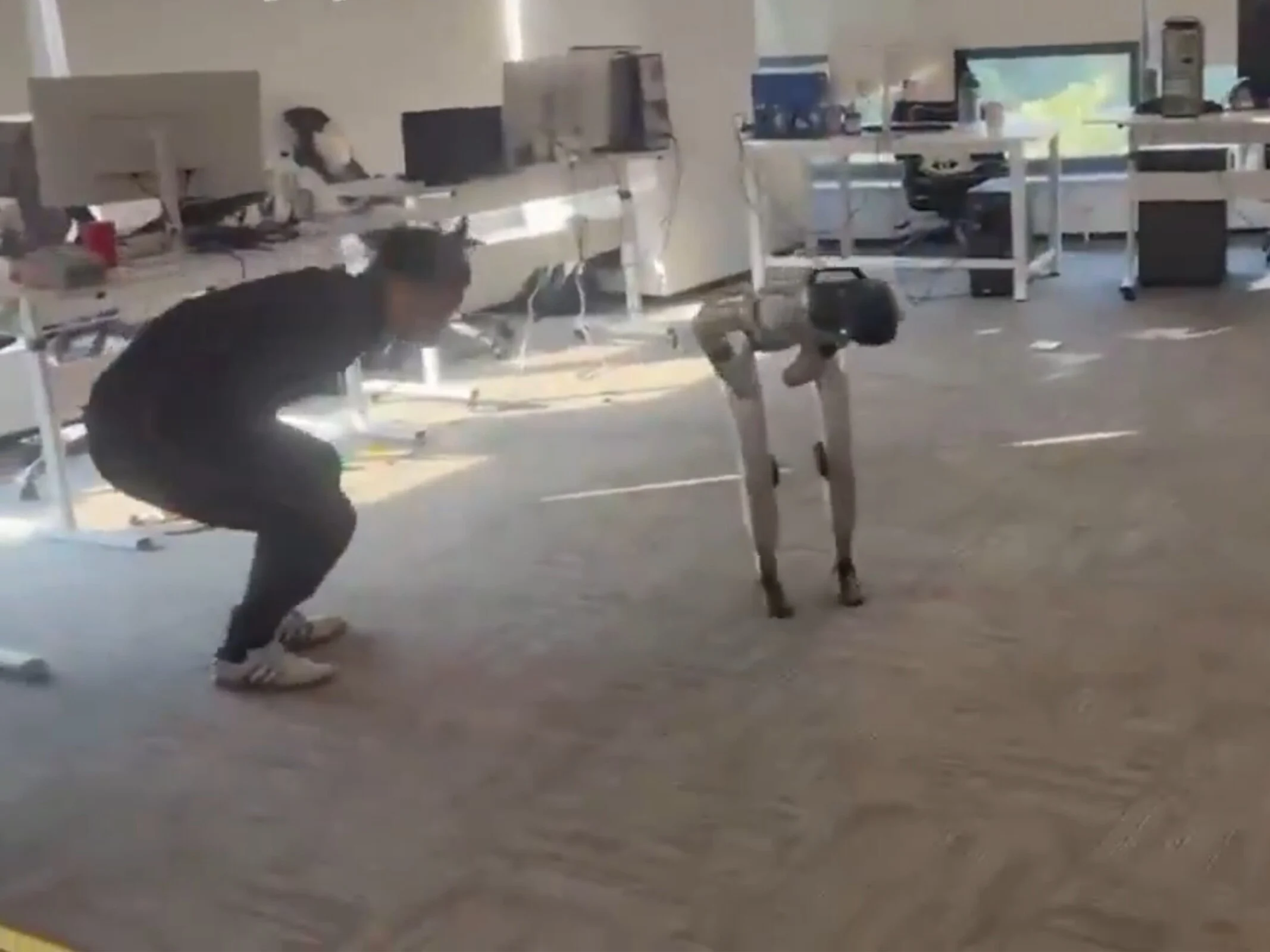
    2. A recent incident during a training session highlighted the risks of real-time teleoperation when the robot accidentally kicked its trainer.
    3. The trainer’s reaction was mimicked by the robot, which added humor to the situation and went viral on social media.
    4. The video was initially shared on the Chinese platform Bilibili before spreading to X (formerly Twitter).
    5. This incident underscores the challenges and potential delays in teleoperation systems, especially in dangerous environments.


    The Unitree G1 is a remarkable all-purpose machine. This humanoid robot has already been seen engaging in various activities, such as playing table tennis, shooting basketballs, and even executing impressive kung fu moves. Yet, the newest video isn’t focused on displaying its skills – it instead highlights what can happen when something goes a bit off the rails. In this scenario, the G1 is operated through real-time teleoperation. The human operator, dressed in a motion capture suit, has their actions mirrored by the robot. This setup likely serves as a part of research focused on AI behavior and systems for remote control.

    An Unexpected Twist

    During the training session, the human trainer executes a variety of kicks and punches, which the humanoid robot replicates. However, at one moment, the G1 fails to execute a turning motion correctly but continues with the subsequent kick, inadvertently landing it directly in the trainer’s groin. The trainer collapses to his knees in agony, and the robot immediately mimics this reaction. This particular incident seems to have garnered the most laughter on Reddit.

    Sharing the Moment

    The video first appeared on the Chinese platform Bilibili on December 25 and was then shared on X the following day by several users, including Wes Morrill, who is the chief engineer of the Tesla Cybertruck.

    Teleoperation has the potential to be crucial in managing robots within dangerous or hard-to-access locations. However, this recent incident emphasizes how susceptible these systems can be to delays and misjudged human movements.

    Source:
    Link


  • Unitree G1: A Kung Fu Robot with Impressive Moves and Upgrades

    Unitree G1: A Kung Fu Robot with Impressive Moves and Upgrades

    Key Takeaways

    1. The Unitree G1 robot, known as “Kungfu Kid V6.0,” shows significant improvements in body control and movement compared to earlier models.
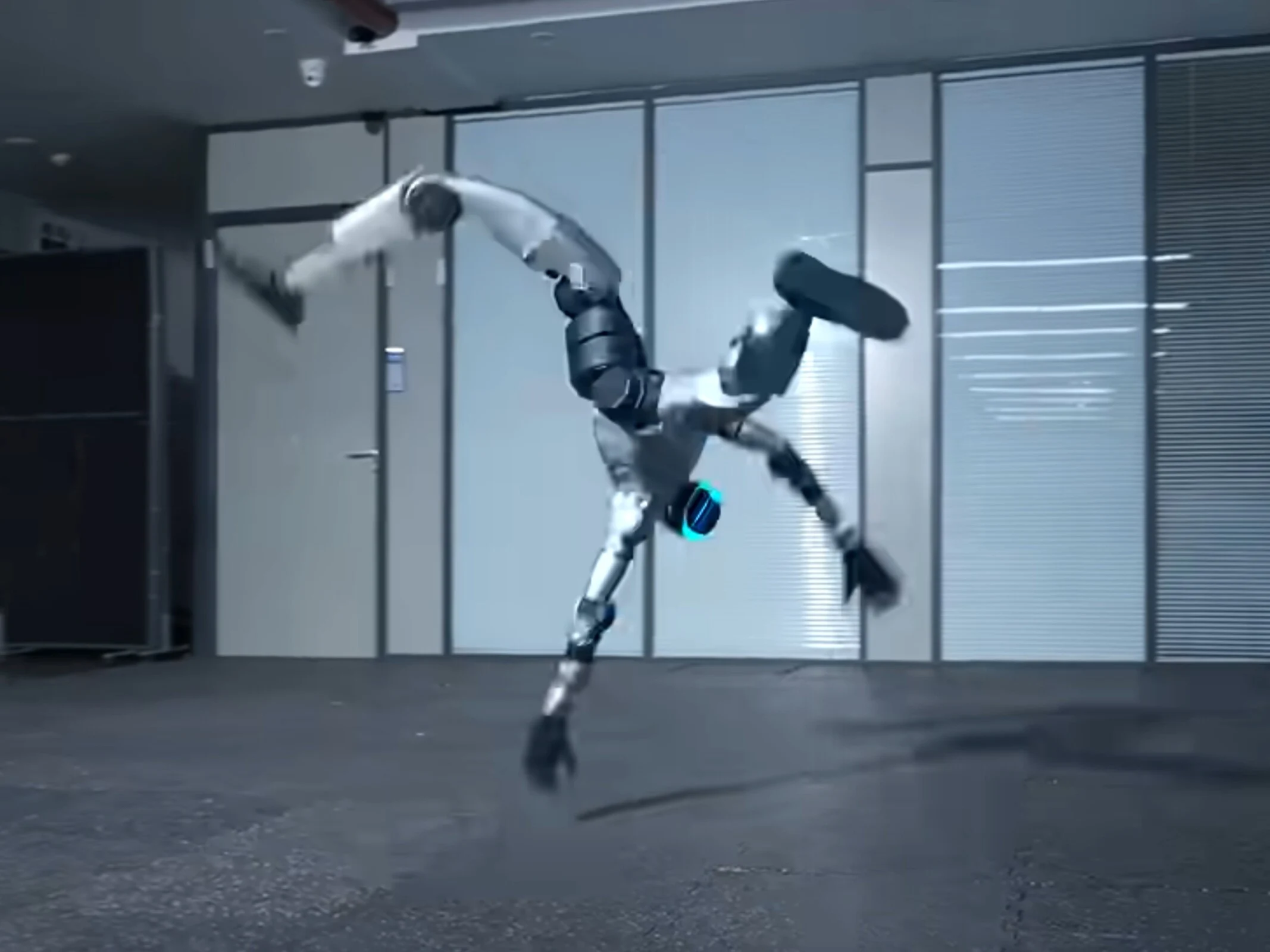
    2. The robot can now perform advanced maneuvers, including quick somersaults and precise spin kicks, demonstrating enhanced confidence and fluidity.
    3. Unitree achieved these advancements using real-time video footage and the open-source LAFAN1 dataset for motion capture data.
    4. The G1 features 31 degrees of freedom and a complete body sensor system that helps maintain balance, allowing for complex martial arts moves.
    5. Public reactions are mixed, with admiration for the technology and concerns about potential military applications and control issues.


    Back in the start of March 2025, we shared the remarkable kung fu skills of the Unitree G1. Recently, Unitree has taken things up a notch, revealing the newest version of its humanoid robot on YouTube, titled “Kungfu Kid V6.0.” The robot stands at 5 feet 5 inches (165 cm) tall and showcases a level of body control that is clearly better than what was shown before.

    Improved Motion and Skills

    When compared to the model presented in February 2025, the G1 now shows a much higher confidence, fluidity, and responsiveness in its movements. Whereas it previously could only do basic punches and spin kicks in March, it now performs more intricate movement patterns, incredibly quick somersaults, and much more precise spin kicks. In April 2025, the G1 even took part in a boxing match, and its physical control appears to have made significant advancements since that time.

    Rapid Advancements

    Unitree has clearly achieved impressive advancements with the G1 in a short period. The Chinese robotics firm stated that all video footage was captured in real-time without any added visual effects. The new motion models utilize the open-source dataset LAFAN1, which includes motion capture data of human actions. The G1 has 31 degrees of freedom (not counting the hands) and employs a complete body sensor system to help it keep its balance. Its high-performance actuators respond at a remarkable speed, allowing the robot to perform complicated martial arts moves with accuracy.

    Public Reaction

    In the comments section of the YouTube video and on Reddit, many viewers share their admiration. Yet, some express concerns about possible military uses or warn about the dangers of losing control over such technology. While the advancements are clear, many people are eager to see more practical, real-world applications. One humorous comment captured it well: “He’s passed his black belt exam – now all he needs is his vacuum cleaner license.”

    Source:
    Link


  • Unitree G1 Robot Plays Table Tennis with Incredible Agility

    Unitree G1 Robot Plays Table Tennis with Incredible Agility

    Key Takeaways

    1. Scientists at UC Berkeley developed a humanoid robot, Unitree G1, capable of playing table tennis nearly as well as a human.
    2. The robot uses a system called HITTER, allowing it to maintain rallies of over 100 shots against a human player.
    3. Humanoid robots struggle with fast-paced sports due to the need for quick reactions to fast-moving objects.
    4. The researchers created a hierarchical framework that mimics human play, using a high-level planner and a low-level controller for movement.
    5. The robot’s control system was trained on human movement data, enabling smooth and lifelike actions, paving the way for more advanced robotic systems.


    A group of scientists at the University of California, Berkeley, has created a new system allowing a humanoid robot to play table tennis nearly as well as a human. The Unitree G1 robot, which operates using HITTER (Humanoid Table Tennis Robot), has been showcased in a video where it managed to keep rallies going for over 100 shots while competing against a human player. This video has gained a lot of attention online, thanks to Zhi Su, the head of the project, who shared it on X.

    Challenges with Fast-paced Sports

    Humanoid robots have made significant progress in tasks like walking and kicking, but they often have trouble with activities that demand quick responses to fast-moving objects in unpredictable settings. Table tennis exemplifies this, with balls flying at speeds greater than 5 meters per second. This means the robot needs to watch, anticipate, and react in mere moments.

    Innovative Framework for Robot Play

    To tackle this issue, the researchers devised a hierarchical framework that mimics how humans engage in the game. A high-level, model-based planner acts as the robot’s brain, utilizing 9 cameras to monitor the ball and decide the best course of action. Following that, a low-level controller converts the planner’s decisions into synchronized movements of the robot’s body.

    The team indicates that they trained the robot’s control system using data from human movements, which helps its actions look more smooth and lifelike. As a result, the fully autonomous robot can grip and swing its paddle fluidly, and even execute side-steps and balance itself with its free hand, just as a human would do. The system, tested on the Unitree G1 robot, offers a model for creating even more advanced robots and systems in the future.

    Source:
    Link


  • Meizu Note 16 Pro Durability Tested by Humanoid Robot

    Meizu Note 16 Pro Durability Tested by Humanoid Robot

    Key Takeaways

    1. The Meizu Note 16 Pro features improved build quality with TÜV, IP66, and IP68 ratings for durability against drops, shocks, and water exposure.
    2. A Unitree G1 robot conducted a unique drop test, tossing the smartphone from a height of 35 meters.
    3. The smartphone survived the extreme drop test without damage, showcasing its robust design.
    4. The upcoming Meizu 22 series is expected to have a different camera bump design and enhanced rear camera specifications.
    5. The Meizu Note 16 Pro will launch on May 13, 2025, while the Meizu 22 series is anticipated to release in July 2025.


    The build quality of the Meizu Note 16 Pro has seen some improvements, now featuring TÜV, IP66, and IP68 ratings, which help it endure drops, shocks, and even being submerged in water (even if it’s hot and steamy). Because of this new durability, the brand felt bold enough to test this device under extreme conditions – quite literally.

    Unique Testing Method

    In an official video demonstrating the Note 16 Pro’s drop test, a Unitree G1 robot takes the stage instead of a typical influencer, showcasing its ability to toss a smartphone from a height of 35 meters—adding this feat to its repertoire of skills, which include boxing and kung fu.

    Surprising Resilience

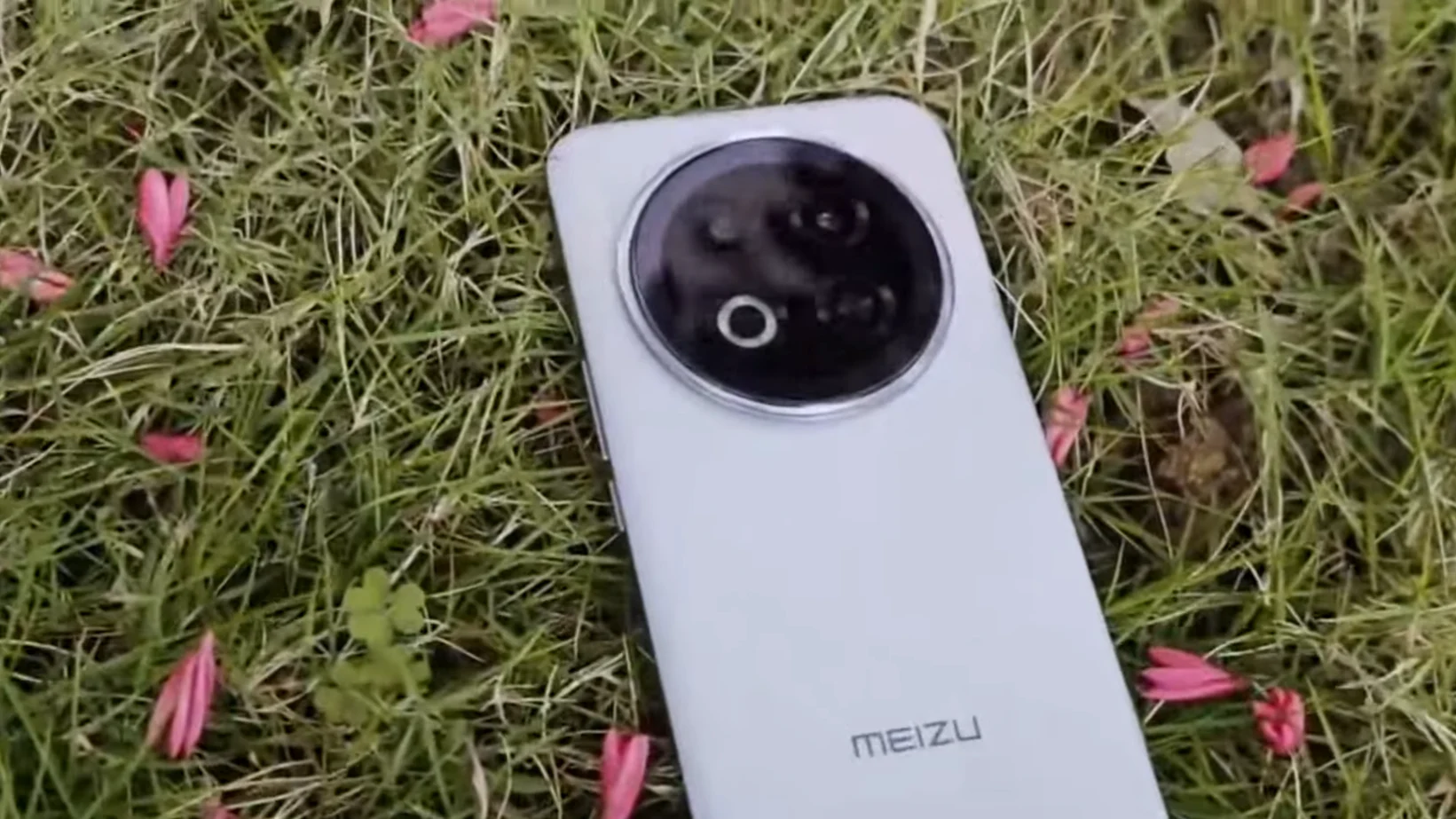
    Miraculously, the smartphone emerged from this challenge unscathed, allowing us to observe its design: it resembles a modern iQoo mid-range phone with a circular camera bump featuring a ring-flash.

    Future Expectations

    On another note, the upcoming Meizu 22 series is rumored to have a completely different camera bump design. This anticipated flagship lineup is also expected to embrace a more compact style and possibly enhanced rear camera specifications.

    However, the launch of this series won’t happen until July 2025, while the Meizu Note 16 Pro is set to officially hit the market on May 13 of the same year, bringing excitement to its fans.

    Source:
    Link