Tag: Honda

  • Peladn HO5 Mini PC: AMD Zen 5 Ryzen AI 9 HX 470 & OCuLink

    Key Takeaway

    – New HO5 mini PC features AMD Ryzen AI 9 HX 470 with 12 cores, 24 threads, and Radeon 890M graphics
    – Delivers up to 80 TOPS for on-device AI tasks and local LLM execution
    – Includes 32GB DDR5 RAM, 1TB PCIe SSD, secondary M.2 Gen4 slot, and OCuLink port for external GPU
    – Connectivity: WiFi 7, Bluetooth 5.4, dual 2.5GbE Ethernet, USB4
    – Global release late June 2026 at $1,299 with IceBlast 2.0 cooling and customizable RGB


    Peladn’s New Mini PC Unveiled

    The firm Peladn has announced there new HO5 mini PC, which is featuring AMDs Ryzen AI 9 HX 470 processor. They have also recentley announced another new mini-PC with the name YO2. This H05 model is set to be released globally in late June 2026 and it will have a retail price of $1,299.

    Recent Hardware Releases

    This newest model follows a steady stream of hardware releases from the manufacturer that have happend over the past several months. Earlier this year, we reviewed a version of the Peladn HO5 mini-PC that was powered by AMDs Strix Point platform. In the months leading up to that event, Peladn released the WO-4 model, which was equiped with a slower AMD Ryzen APU processor.

    Processor and Performance Specs

    The new HO5 is underpin by the Ryzen AI 9 HX 470 chip, build on AMDs Zen 5 architecture. The processor boasts a total of 12 cores and 24 threads, plus an integrated Radeon 890M graphics solution which has 16 compute units. This hardware delivers a combined performance rating of up to 80 TOPS for AI tasks, allowing users to natively run big language models and localized productivity tools rather then relying on cloud services.

    Memory and Storage Details

    For the memory side, you get 32GBs of DDR5 RAM and a 1TB PCIe SSD storage drive. There is also a secondary M.2 Gen4 slot available for expanding the storage capacity. Peladn also included an OCuLink port on the chassis to complement the integrated Radeon 890M graphics, which enables connection to an external GPU dock for upgrading graphics performance to desktop-class levels when needed.

    Connectivity and Cooling System

    Physical connectivity on this device includes WiFi 7, Bluetooth 5.4, two 2.5GbE Ethernet ports, and USB4 interfaces. The internal components are cooled by the companys IceBlast 2.0 thermal system, which makes use of three copper heatpipes, a multi-blade fan, and a high-density heatsink. The chassis also features a geometric design accented by a customizable RGB lighting element thats located on the top panel.

    External Graphics Support

    This focus on external graphics support is following the companys recent launch of the Link S-3 eGPU dock, which comes with Thunderbolt 5 connectivity. By using the OCuLink port, users can connect to that dock or other compatible devices to boost the graphical capabilities significantly, making this mini PC much more versatile for demanding tasks like gaming or content creation work.

    • Processor: AMD Ryzen AI 9 HX 470 (Zen 5, 12 cores, 24 threads)
    • Graphics: Integrated Radeon 890M (16 compute units)
    • AI Performance: Up to 80 TOPS
    • Memory: 32GB DDR5 RAM
    • Storage: 1TB PCIe SSD + secondary M.2 Gen4 slot
    • Ports: OCuLink, USB4, dual 2.5GbE, WiFi 7, Bluetooth 5.4
    • Cooling: IceBlast 2.0 (copper heatpipes, multi-blade fan)
    • Price: $1,299
    • Release: Late June 2026
    Sources
  • Asus ROG Swift PG34WCDN US: 34-inch 360Hz OLED Monitor

    Asus ROG Swift PG34WCDN US: 34-inch 360Hz OLED Monitor

    Key Takeaway

    – Asus ROG Swift OLED PG34WCDN now available in the US for $1,299.
    – Features Samsung’s new 5th Gen RGB Stripe QD-OLED panel for better text clarity.
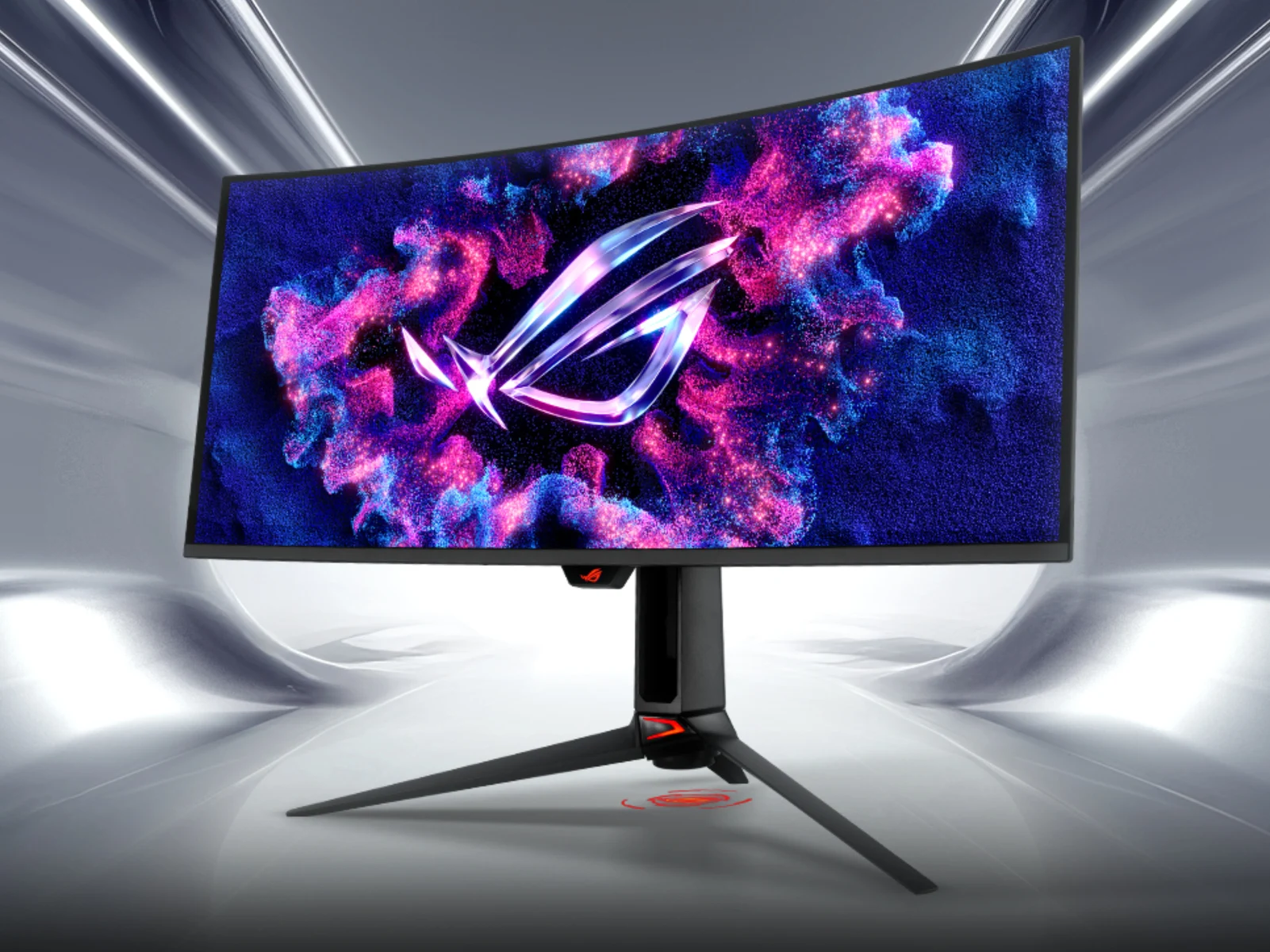
    – Specs: 34-inch ultrawide, 3440×1440, 360Hz refresh rate, 1800R curve.
    – Included features: BlackShield coating, 500 nits full-screen brightness, 1,300 nits peak HDR.
    – Connectivity: full-bandwidth DisplayPort 2.1 UHBR20, USB-C with 90W power delivery.


    Its Finally Here

    Months after its CES 2026 unveiling, the Asus ROG Swift OLED PG34WCDN is finally up for grabs in the US. The monitor is now available through Amazon and Newegg for $1,299, joining a small but growing group of displays built around Samsung Display’s latest RGB Stripe QD-OLED panel, a.k.a 5th Gen QD-OLED panel.

    Pricing and Competition Details

    That also makes it one of the most expensive options in the category. For comparison, MSI’s competing MPG 341CQR QD-OLED X36 uses the same panel but is listed at $899.99, though it has yet to reach store shelves.

    Panel Technology and Performance

    As we previously reported, the ROG Swift OLED PG34WCDN pairs a 1800R-curved 34-inch ultrawide panel with a 3440 x 1440 resolution and a 360Hz refresh rate. The biggest highlight here is the underlying 5th Gen QD-OLED panel from Samsung Display. Unlike earlier generations, it uses an RGB stripe sub-pixel layout that reduces color fringing and improves text clarity, addressing one of the biggest complaints about OLED monitors.

    Coating and Brightness Specs

    The monitor also features a new BlackShield coating, which Asus says improves black depth by 40% and offers 2.5X better scratch resistance than previous QD-OLED monitors. That said, this new panel coating is applied by Samsung Display, so it comes standard on all 5th Gen QD-OLED monitors, just different branding. The PG34WCDN is still an impressive showcase for the panel, with up to 500 nits full-screen brightness and 1,300 nits peak HDR brightness.

    Connectivity and Availability

    Elsewhere, the monitor offers full-bandwidth DisplayPort 2.1 UHBR20 connectivity and a USB-C port with 90W power delivery. Other upcoming monitors based on the same RGB stripe QD-OLED panel include the MSI MPG 341CQR QD-OLED X36, Gigabyte MO34WQC36, Acer Predator X34 F3, and HP’s OMEN 34-inch OLED. For now, however, the ROG Swift OLED PG34WCDN is the only model available to buy.


    Sources
  • Powerful Dreame Robot Vacuum with Upgraded Arms Available

    Powerful Dreame Robot Vacuum with Upgraded Arms Available

    Key Takeaway

    – Pre-order available in Europe at €1,299 (€200 off until June 11)
    – 4,200 Pa suction with dual-joint robotic arms for edge and rear mopping
    – ProLeap chassis climbs obstacles up to 10 cm in two 5 cm steps
    – Navigation uses cameras and 3D structured light; cleans up to 1,000 m² per charge
    – Docking station includes mop cleaning, dustbin emptying, and 5-minute fast charge


    Pre-Ordering the Dreame X60 Pro Ultra Complete Now

    You can now pre-order the Dreame X60 Pro Ultra Complete Robot Vacuum Cleaner at the brand’s online stores in countries like the Netherlands, France and Spain. Customers who purchase the new model before June 11th can get €200 off the €1,499 RRP, lowering the price to €1,299. This means your saving around 13% off the regular price, which is quite good for such a high-end cleaning gadget.

    Specifications and Power Features

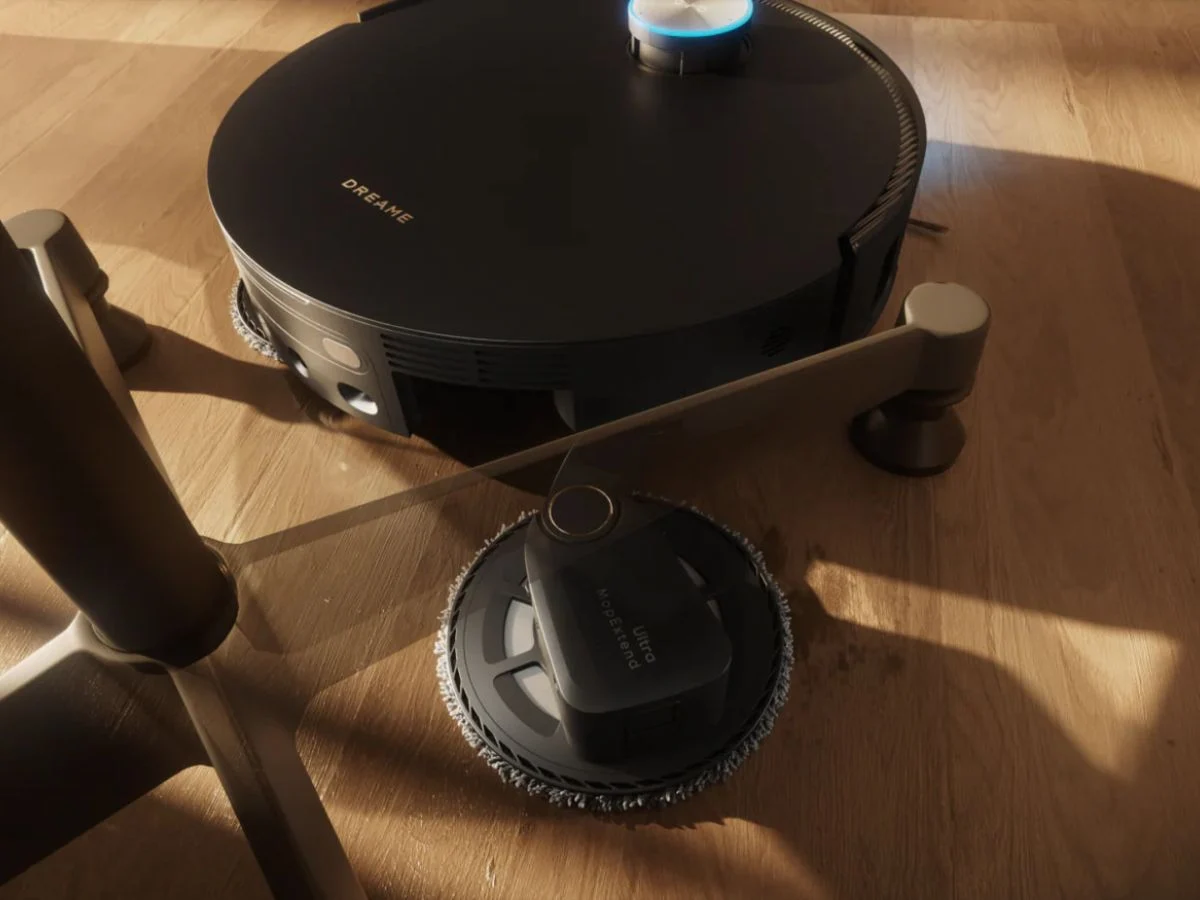
    Dreame’s new X60 Pro Ultra Complete is a relatively powerful model, said to offer up to 4,2000 Pa suction power. The robot is equipped with the HyperStream Detangling DuoBrush 2.0, and the ProLeap chassis allows it to climb over obstacles measuring up to 10 cm (~3.94 inches) tall in two 5 cm (~1.97 inches) steps. Plus, this is the first model from the brand to have dual-joint robotic arms: the SideReach arm with up to 12 cm (~4.72 inches) range and the rear MopExtend RoboSwing arm extending up to 18 cm (~7.09 inches). I think this is a big upgrade from previous versions because it can reach corners so much better.

    Navigation Technology and Battery Life

    To navigate your home, the Dreame X60 Pro Ultra Complete uses a combination of cameras and 3D structured light technology. Another upgrade compared to older models is its ability to clean an area measuring up to 1,000 m² (~10,764 ft²) in size between charges. On top of this, the multifunctional docking station offers mop cleaning and dustbin emptying, as well as a five-minute fast charge feature. This docking station seems very convinient for people which have large homes and need quick recharge times.

    Availability in United States Market

    It is unclear when the Dreame X60 Pro Ultra Complete Robot Vacuum Cleaner could be released in the US. Here, the brand already sells other X60 series models like the X60 Max Ultra Complete (curr. $1,699.99 at Amazon). There is no official release date yet for the US, but many people are hoping it will arrive later this year or early next year. Keep checking their websites for any updates if your interested in buying one.


    Sources

  • Vivo Launches Mid-Range Phone With iPhone 17 Design

    Vivo Launches Mid-Range Phone With iPhone 17 Design

    Key Takeaway

    – Vivo V70 Lite launched as a mid-range successor to V60 Lite with design similar to iPhone 17
    – 50 MP main camera (Sony IMX882), 8 MP ultrawide, and 32 MP front camera
    – MediaTek Dimensity 7400 Turbo processor with 8 GB RAM and up to 256 GB storage (no expansion)
    – 6.77-inch 120 Hz AMOLED display, 6,500 mAh battery with 90 W wired charging (no wireless)
    – Runs Android 16-based OriginOS 6, available in UAE from ~$299 (8/128 GB) to ~$354 (8/256 GB)


    Vivo V70 Lite Launches with Familiar Specs

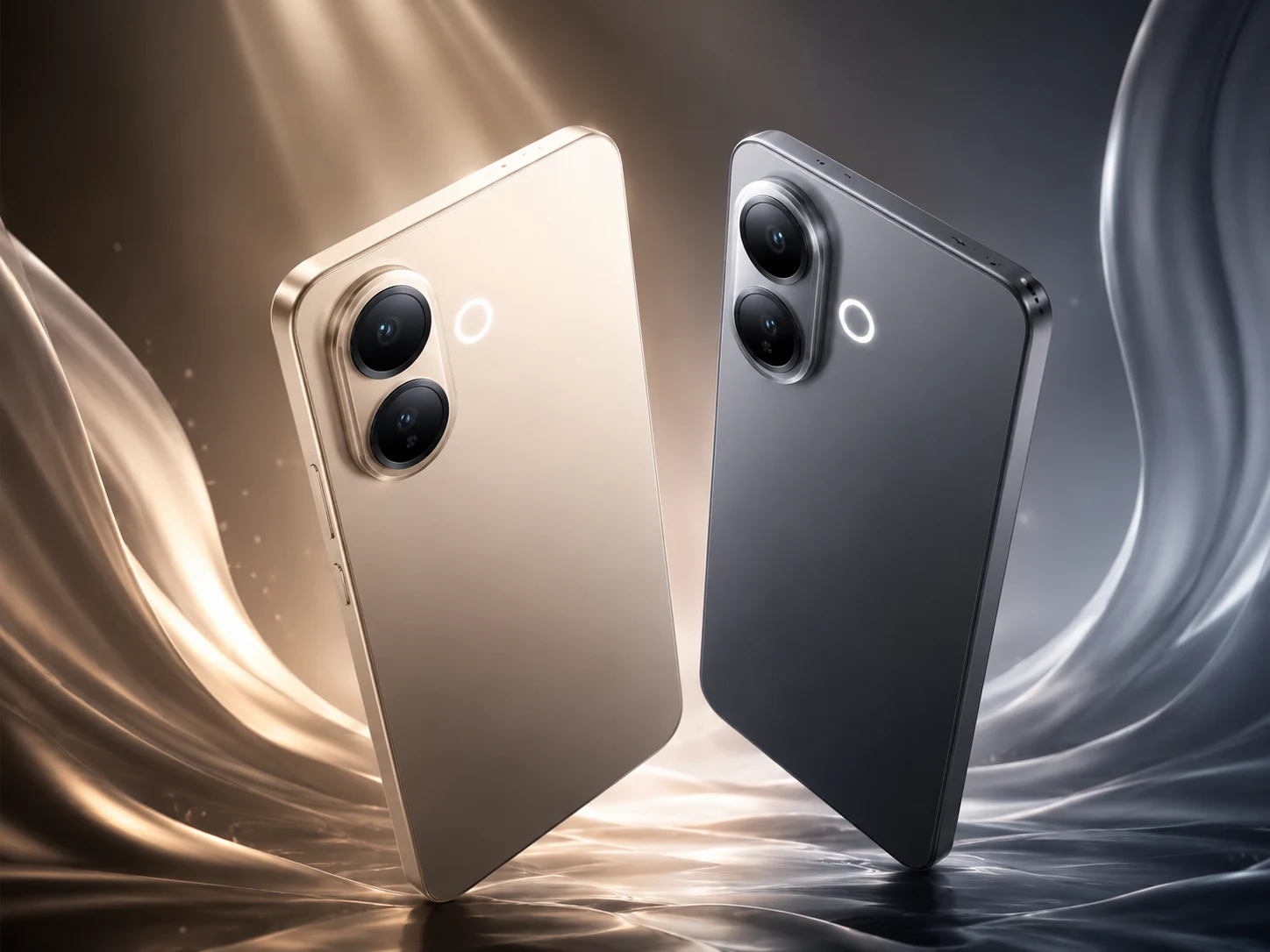
    Earlier this year, Vivo unveiled the V70-series smartphones. Now, the brand has launched a new member, the V70 Lite, joining the V70 and the V70 Elite in the brand’s roster. The company’s new midrange smartphone comes as a direct successor to the V60 Lite. However, it brings a familiar specs sheet to its predecessor. The rear design of the V70 Lite looks very similar to the iPhone 17, featuring a pill-shaped camera island, which houses a dual rear camera setup.

    Camera and Performance Details

    You get a 50 MP Sony IMX882 main camera complemented by an 8 MP ultrawide lens. On the front, there’s a 32 MP front-facing camera, which is the same sensor found on its other siblings. Speaking of powered things, the smartphone is powered by a MediaTek Dimensity 7400 Turbo processor. It is paired with 8 GB LPDDR4X RAM and up to 256 GB UFS 3.1 storage with no room for storage expansion.

    As for the screen, Vivo has outfited a 6.77-inch AMOLED display into the V70 Lite that resolves at 2392 x 1080 pixels. The screen supports a refresh rate of 120 Hz and a peak brightness of 3,000 nits. It retains the same battery capacity from the last-generation model, featuring a 6,500 mAh battery with 90 W wired charging support. Unfortunately, it lacks wireless charging support.

    Software, Dimensions and Features

    Software-wise, it runs Android 16-based OriginOS 6 out of the box. Theres no word on its software support from the brand, though. Moreover, it measures 7.59 mm (0.29 inch) in thickness and measures around 194 grams (0.42 lbs). Other features include an in-display fingerprint sensor, HDR10+ support, SGS Low Blue Light certification, dual stereo speakers, bypass charging, and an IP65 dust and water resistance rating.

    Pricing and Availibility in UAE

    Available in gold and black colorways, the Vivo V70 Lite is now available in the UAE for AED 1,099 (~$299) for the 8 GB + 128 GB model. While the 8 GB + 256 GB variant is priced at AED 1,299 (~$354).


    Sources

  • Sony’s Afeela EV Pre-Production Begins at Honda Ohio Plant

    Sony’s Afeela EV Pre-Production Begins at Honda Ohio Plant

    Key Takeaways

    1. Sony is collaborating with Honda to launch its first electric vehicle, the Afeela 1, with pre-production models now being made for final testing.
    2. The Afeela 1 sedan, designed for the luxury market, will be available in two versions priced at $89,900 and $102,900, with pre-orders open and deliveries starting in mid-2026.
    3. The vehicle features a dual-motor powertrain delivering 480 horsepower and a 91 kWh battery, offering a range of approximately 300 miles on a single charge.
    4. It includes advanced technology with 40 sensors, including lidar and cameras, and is powered by a sophisticated ECU.
    5. The Afeela 1 will provide access to a variety of Sony’s entertainment options on a large display, along with digital side mirrors.


    Sony is getting closer to launching its own electric vehicles as its partner Honda begins pre-production of the electronics giant’s first EV. This initial batch will be utilized for the final testing phases.

    Afeela 1 Unveiled

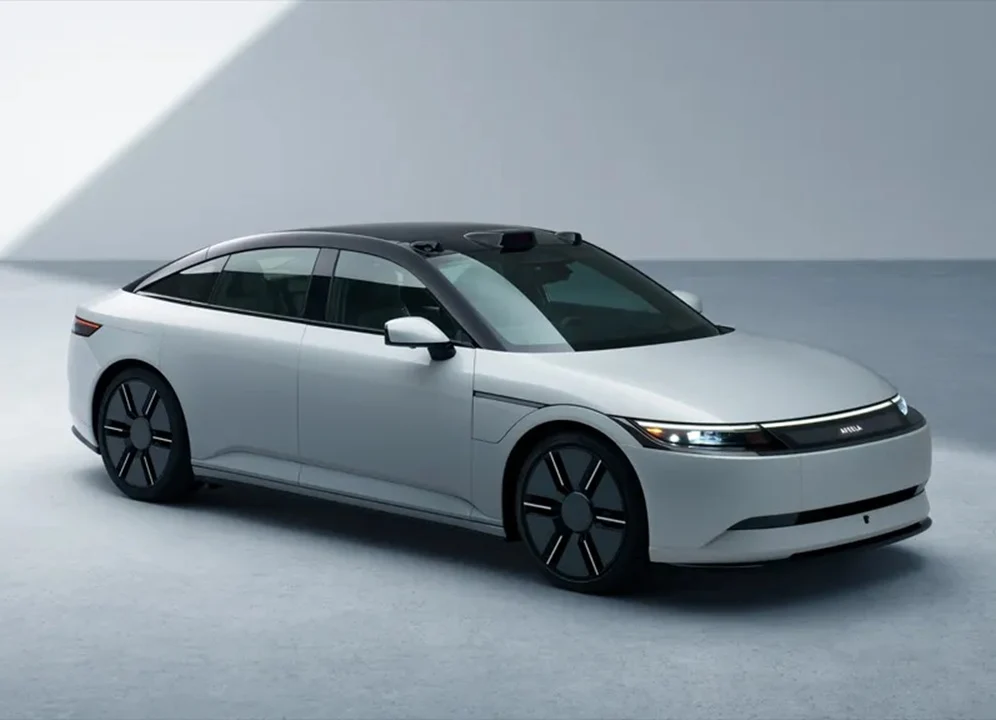
    The Afeela 1 sedan was first introduced four years ago, with its final design showcased at the 2025 CES tech event. Sony aims to debut the vehicle in its home market, Japan, in 2026.

    Pricing and Availability

    Focusing on the luxury market, Sony is offering just two versions: the $89,900 Origin and the $102,900 Signature. Pre-orders are now open with a $200 refundable deposit, and deliveries in California are expected to begin in mid-2026, with plans to expand to additional states later on.

    Honda is producing the pre-production models at its East Liberty factory in Ohio, USA. Unlike its smartphone competitor Xiaomi, which manages its own manufacturing in China, Sony has chosen to partner with a well-established automaker.

    Performance and Features

    The Afeela 1 is equipped with a dual-motor powertrain that generates 480 horsepower. It will come with a 91 kWh battery, providing a range of approximately 300 miles on a single charge, and can charge at a peak speed of 150 kW.

    True to its heritage, Sony has packed the Afeela 1 full of technology. The first edition boasts 40 sensors, including lidar, radar, ultrasonic, and standard cameras. The vehicle’s intelligence is driven by a highly advanced ECU, and owners will have access to a wide range of Sony’s entertainment options on a large display, flanked by digital side mirrors.

    Source:
    Link


  • Honda to Test Lunar Fuel Cell System on International Space Station

    Honda to Test Lunar Fuel Cell System on International Space Station

    Key Takeaways

    1. Honda’s Space Development Division is sending a water electrolysis system to the ISS for lunar fuel cell use.
    2. The system splits water into hydrogen and oxygen using solar-generated electricity through electrolysis.
    3. Hydrogen can be stored for fuel cell applications, while oxygen ensures breathable air for astronauts.
    4. The fuel cell system generates electricity at night using stored hydrogen and oxygen, recycling water as a by-product.
    5. Honda is collaborating with Sierra Space and Tec-Masters, with a launch date yet to be announced.


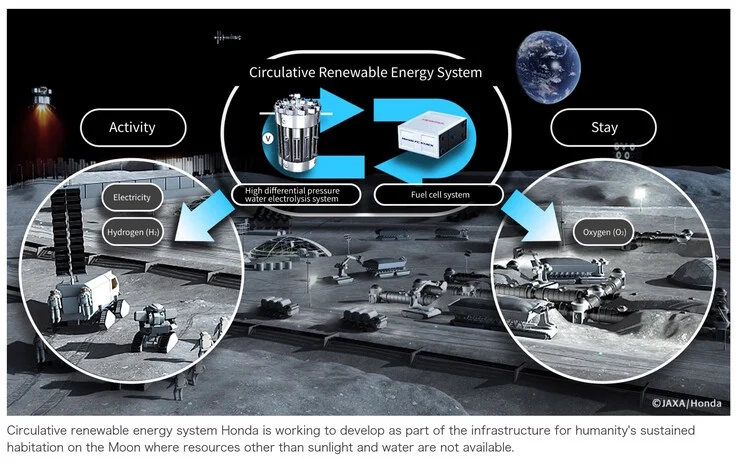
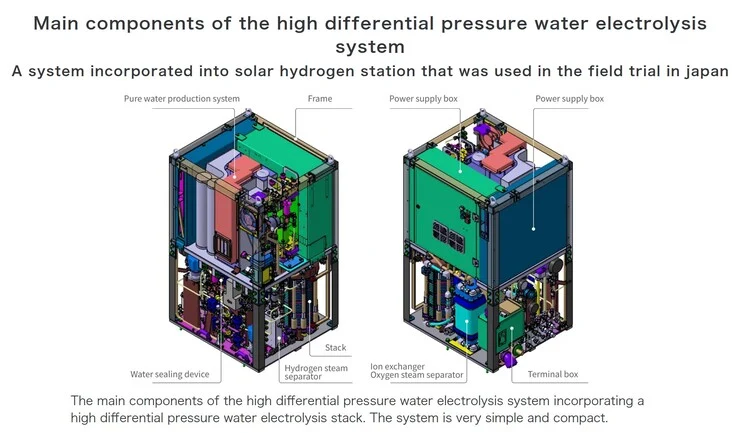
    Honda’s Space Development Division is gearing up to send its water electrolysis system to the International Space Station (ISS). This innovative system plays a crucial role in the regenerative lunar fuel cell setup, which is designed to produce electricity, hydrogen, and oxygen for astronauts working on the moon.

    How It Works

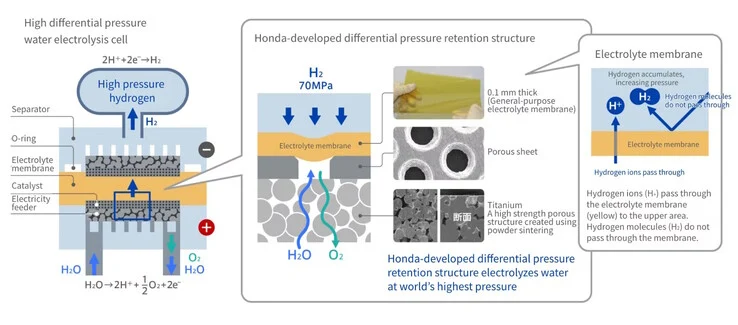
    The only things needed for this system are water and electricity. During the day, solar panels on the moon will generate electricity to split water into hydrogen ions through the process called electrolysis. The small H+ ions move through a special one-way electrolyte membrane and then combine on the other side to form hydrogen. This membrane, which is just 0.1 mm thick, is built to handle a pressure of 70 MPa, which is about 700 times that of Earth’s atmosphere.

    Collecting and Using Hydrogen

    Under these high-pressure conditions, larger H2 molecules can be gathered and stored for use in the fuel cell system or for other applications, like powering lunar vehicles with hydrogen. This electrolysis process also produces oxygen, ensuring that astronauts have enough air to breathe while they’re on the moon.

    At night, the fuel cell system utilizes some of the hydrogen and oxygen in a reverse reaction to generate electricity, with water being the only by-product. This water can then be recycled for use the following day, creating a sustainable energy cycle.

    Collaboration and Future Plans

    Honda is collaborating with Sierra Space and Tec-Masters for this exciting project. However, the specific launch date has not yet been revealed.

    For those fascinated by the potential of hydrogen, there is a book available on Amazon that explores its uses. Additionally, for DIY enthusiasts, there’s a guide on Amazon that teaches how to build a solar hydrogen fuel cell system.

    Source:
    Link


  • Honda Unveils New Hydrogen Fuel Cell: Halves Cost, Triples Energy

    Honda Unveils New Hydrogen Fuel Cell: Halves Cost, Triples Energy

    Key Takeaways

    1. Honda introduced its next-gen fuel cell module, the Clarity Fuel Cell, at the International Hydrogen & Fuel Cell Expo in Tokyo.
    2. The new fuel cell model features a 50% cost reduction, double the durability, and over three times the volumetric power density compared to the previous version.
    3. The Clarity Fuel Cell is designed entirely by Honda, unlike the earlier model developed with General Motors.
    4. Honda plans to start mass production of the new fuel cell module by 2027, with an initial batch of 300 CR-V vehicles using this technology.
    5. The new fuel cell module has a power rating of 150 kW and a peak efficiency of 59.8%, operating effectively in a temperature range from -30°C to +60°C.


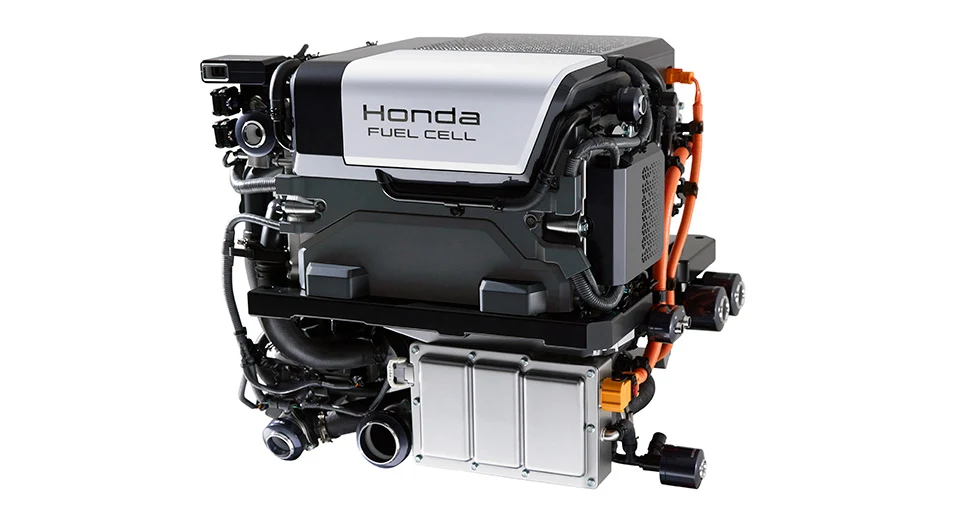
    Honda, a well-known car maker from Japan, has introduced its next-gen fuel cell module at the 23rd International Hydrogen & Fuel Cell Expo held in Tokyo. The company claims that this new model has made impressive improvements compared to the older version, including a 50% drop in cost, twice the durability, and more than a threefold increase in volumetric power density, which adds to the versatility of installation options.

    New Developments in Fuel Cell Technology

    The latest model, called the Clarity Fuel Cell, is the first one entirely designed by Honda. This is different from the current version, which was developed together with General Motors (GM). Honda aims to start mass production of this innovative fuel cell module by the year 2027.

    Performance Specs and Design

    This new fuel cell module is rated at 150 kilowatts (kW) and reaches a peak efficiency of 59.8%, as outlined in the latest development details. In terms of size, the module measures 73cm x 58cm x 70cm and weighs around 250 kilograms. It’s built to perform well in a temperature range of -30°C to +60°C.

    Additionally, Honda has revealed its intention to manufacture 300 CR-V vehicles that will use these fuel cell models. These vehicles will be available in the U.S., specifically in California, as it is currently the only state equipped with public hydrogen refueling stations.

    Commitment to Sustainability

    “Honda is dedicated to expanding the applications and sales territories of this next-gen fuel cell module to help create a sustainable energy-focused society,” the company stated in a press release.

    Source:
    Link

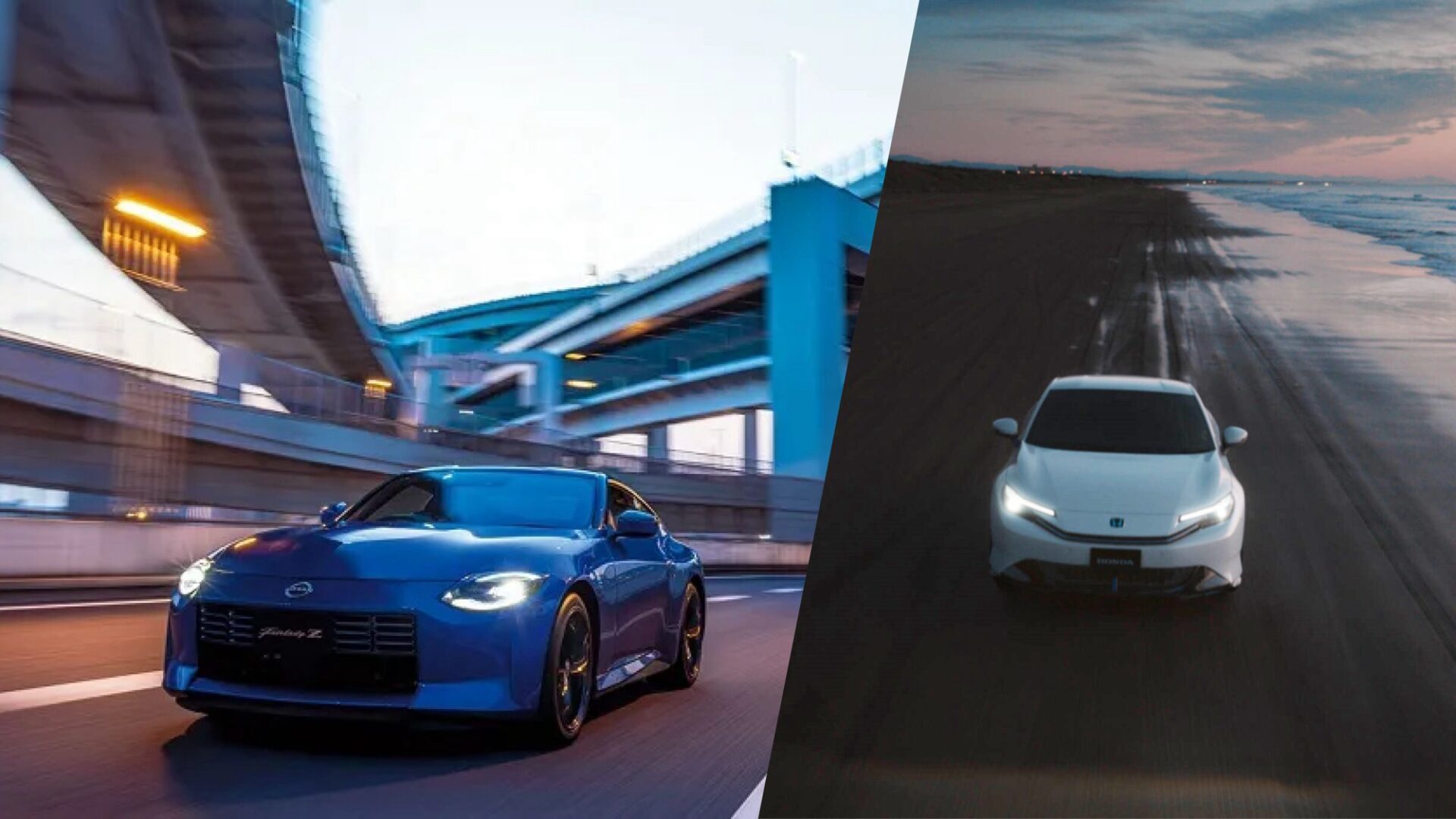
  • Honda and Nissan Plan Merger: What You Need to Know

    Honda and Nissan Plan Merger: What You Need to Know

    Honda and Nissan have recently revealed that they, along with Mitsubishi Motors, have signed a memorandum of understanding showing their interest in merging the three companies. This collaboration will be overseen by a joint holding company. By merging, these automakers aim to combine their resources and share technologies and manufacturing capabilities, positioning themselves better against their rivals.

    Industry Changes

    According to the official press release, these discussions come amid significant transformations in the automotive sector. The companies mentioned the shift towards electric vehicles and the increasing trend of direct sales rather than going through independent dealers. Mitsubishi plans to make a decision by the end of January 2025 about its involvement in the talks. Meanwhile, Honda and Nissan are optimistic about the potential synergies that could arise from their merger, believing it would help them reach a wider audience.

    Future Plans

    The goal is to complete the merger agreement by June 2025 and finalize the contract by August 2026. Initially, Honda will take the lead in managing the joint venture, which isn’t surprising as Honda’s market capitalization is more than four times that of Nissan. The joint venture is projected to have a market value exceeding $52 billion, positioning it just behind Toyota and VW in global sales. However, Carlos Ghosn, the former CEO of Nissan, has expressed skepticism about the merger, telling Bloomberg that it appears to be an “act of desperation” for Nissan, as finding synergies between Honda and Nissan could be quite challenging. Currently, Nissan is facing significant declines in profits, leading to numerous layoffs.

    Source: Link

  • Sony PlayStation EV Afeela to Feature Tesla NACS Charging Port

    Sony PlayStation EV Afeela to Feature Tesla NACS Charging Port

    Sony has teamed up with Honda to introduce its first electric vehicle (EV), the Afeela sedan, which is set to hit the market in the US and other areas by 2025.

    Partnership Details

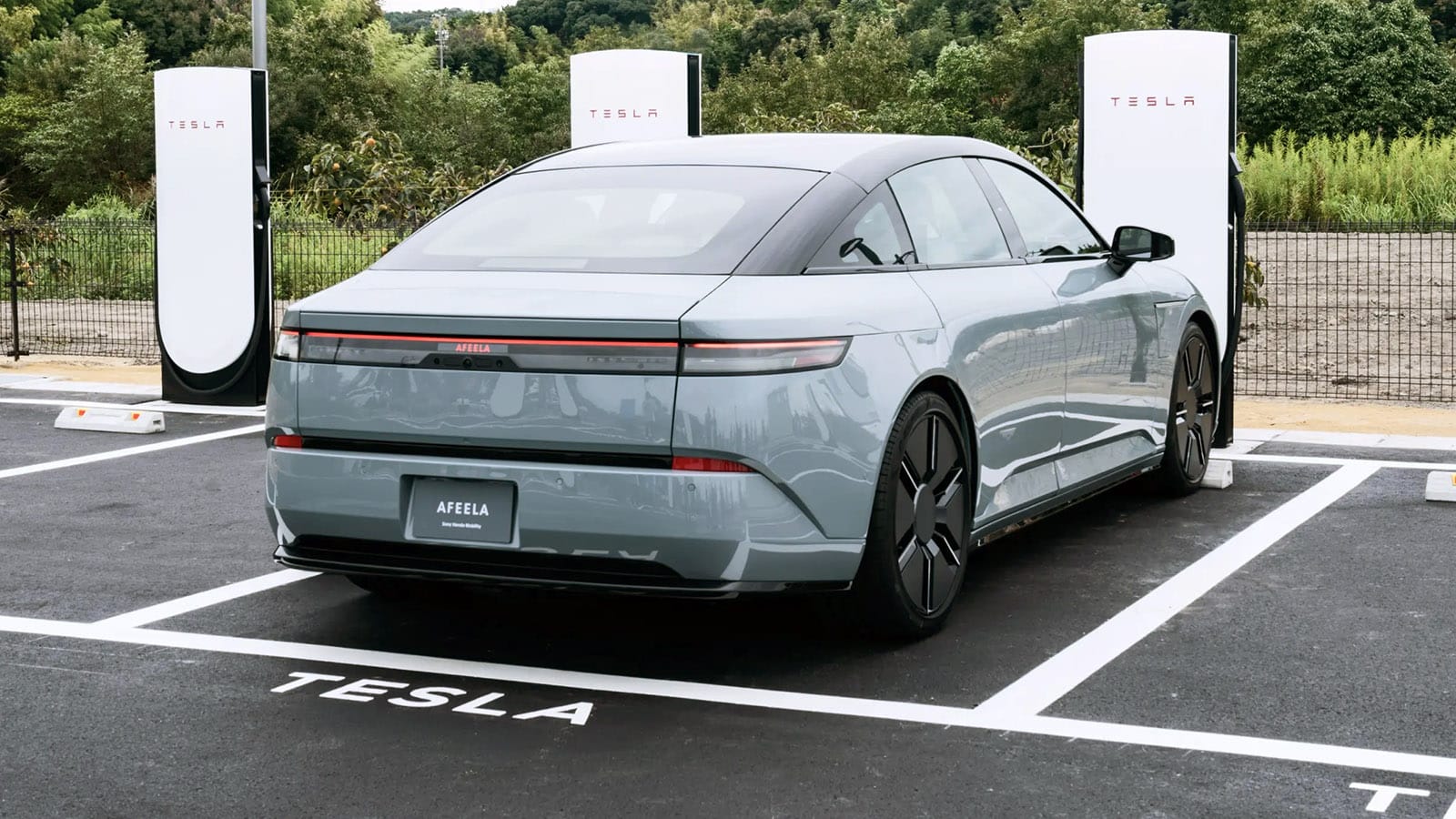
    The Sony Honda Mobility (SHM) collaboration has revealed that the Afeela brand’s inaugural EV will come equipped with Tesla’s NACS connector straight from the factory. This feature will allow the vehicle to utilize Supercharger networks available in the US and Japan, which are the initial markets for the car.

    Max de Zegher, Tesla’s Director of Charging, expressed his enthusiasm for this development, noting that in Japan, 90% of chargers with 150 kW capacity and above are Superchargers. Therefore, it makes sense for SHM to be the first car manufacturer to adopt NACS ports in the country.

    Market Transition

    In the US, several Japanese automakers have also announced plans to transition to NACS, with the latest being Honda as it embarks on its journey as an independent EV manufacturer. Other brands making the switch include Toyota, Nissan, and Lexus.

    Preorders for the Afeela sedan are expected to begin in the first half of the year, with sales launching later in 2025. Initial deliveries in the US are projected to occur in early 2026.

    Unique Features

    During the CES 2024 expo in January, SHM’s COO showcased the vehicle using a PS5 DualSense controller, hinting at an extensive integration with the PlayStation 5 ecosystem for buyers of this performance-oriented electric sedan.

    Izumi Kawanishi from Sony stated, “Sony has content, services, and entertainment technologies that move people. We are adapting these assets to mobility, and this is our strength against Tesla since Tesla is not providing any content services.”

    In addition to its PlayStation integration, Sony has partnered with Epic Games, the creator of Fortnite, to utilize Unreal Engine for mixed-reality rendering while the vehicle is in AI-assisted autonomous driving mode. The Afeela EV will feature an impressive array of 45 cameras and sensors, including interior sensors, Time-of-Flight (ToF) depth sensing units, and a LiDAR system.

    Innovative Communication

    Alongside its entertainment features, Sony’s vehicle will include a Media Bar located at the edge of the hood, which will allow the car to communicate with people nearby through light, enhancing interactive communication between the vehicle and its surroundings.

    Final specifications and pricing for the Afeela sedan, developed in collaboration with Honda, have yet to be disclosed by Sony.


    Image 1
  • Using AI for Innovative Car Design: Toyota, Honda, Subaru Ahead

    Using AI for Innovative Car Design: Toyota, Honda, Subaru Ahead

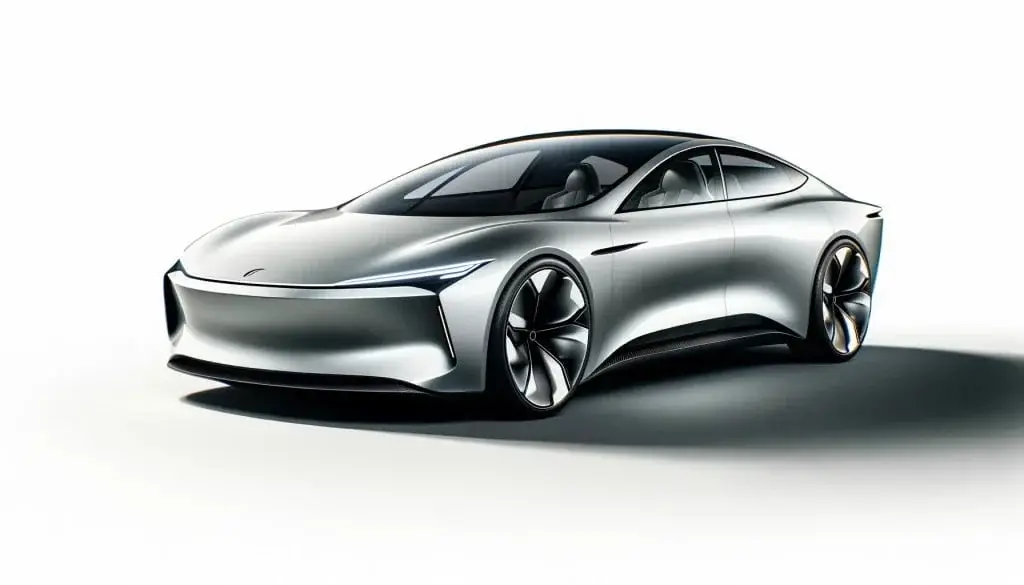
    Generative AI is being increasingly utilized by Japanese car manufacturers to enhance the development process of new vehicle models. By harnessing the potential of generative AI to generate new variations based on existing data, these companies aim to boost efficiency and potentially reduce planning and design time by 50%.

    Embracing Generative AI

    Honda and Toyota are at the forefront of integrating generative AI into their operations. Toyota's US research arm employs image-generating AI to analyze car design drawings and optimize both design and functionality by calculating air resistance. On the other hand, Honda, in partnership with Sony, is exploring generative AI for the advancement of their upcoming AFEELA car's advanced driver-assistance systems (ADAS).

    Workforce Training in AI Principles

    Subaru and Mazda are adopting a more holistic approach by focusing on training their workforce in AI principles. Subaru aims to equip over 4,000 engineers with the necessary skills to leverage generative AI effectively, while Mazda is set to make AI training mandatory for all indirect employees in design and experimental departments by 2025. Mazda's ambitious target is to double overall production efficiency by 2030, a vision that aligns with the rapid advancements in AI technology.

    Shaping the Future of Transportation

    As the automotive industry races towards developing electric vehicles and autonomous driving technologies, the role of generative AI in accelerating innovation is becoming increasingly evident. This technology has the potential to reshape transportation by facilitating the swift development of unique car designs and functionalities that were previously unimaginable. In the near future, it might not be far-fetched to proudly declare, "My car was designed by Artificial Intelligence," showcasing the evolving landscape where AI becomes an integral part of automotive innovation and design.