Key Takeaways
1. A study by Fraunhofer shows that plug-in hybrid electric vehicles (PHEVs) use more fuel than manufacturers claim, averaging around 1.5 gallons per 100 miles instead of less than 1 gallon.
2. The engines in PHEVs activate more frequently in real-world driving than suggested by automakers, leading to higher fuel consumption.
3. PHEVs now have fuel efficiency levels similar to traditional hybrids, which do not have external charging capabilities.
4. Asian manufacturers like Toyota and KIA showed better performance in fuel efficiency compared to larger models from brands like Porsche.
5. The findings could lead to changes in regulations regarding emission testing and certification for PHEVs, as many drivers do not charge their vehicles daily.
According to many automaker specifications, plug-in hybrid electric vehicles (PHEVs) are said to use less than a gallon of fuel for every 100 miles driven. However, a recent extensive study reveals that these claims may not be accurate.
Study Findings
The renowned research organization Fraunhofer took a closer look at everyday driving situations to provide a clearer understanding of the actual fuel consumption of plug-in hybrids, which combine a gas engine with a battery that can be charged through the grid. They examined various PHEVs from models produced between 2021 and 2023 and discovered that the engines activated much more frequently than the manufacturers suggested, leading to higher fuel usage than what was advertised. Instead of consuming only half or a quarter of a gallon (1-2 liters) per 100 kilometers as claimed by most companies, these hybrids actually averaged around a gallon and a half of fuel.
Comparison to Traditional Hybrids
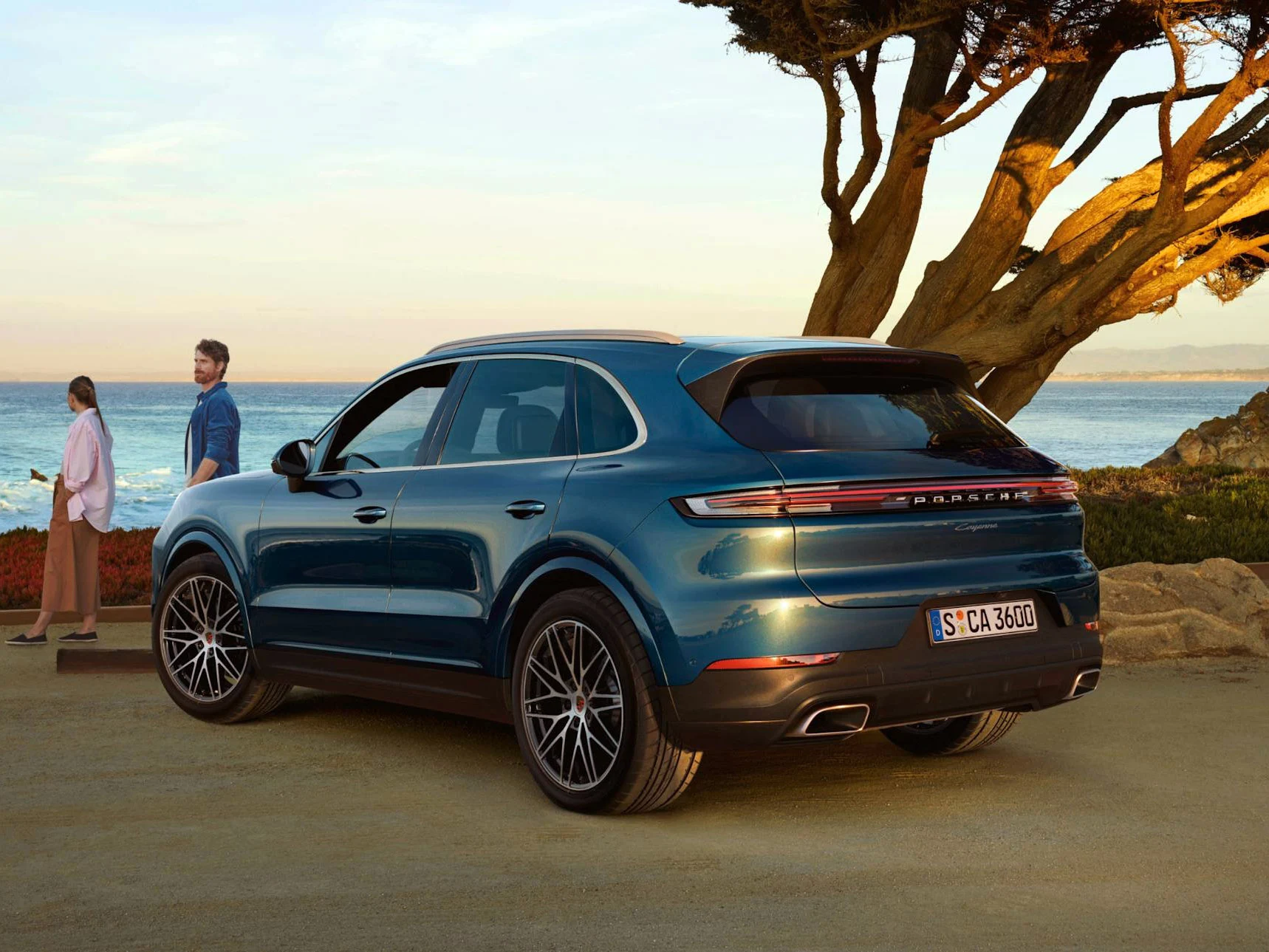
This significant rise in fuel consumption when compared to the auto industry’s efficiency claims means that PHEVs are now on the same level as standard hybrids, which don’t have the ability to be charged externally and thus rely solely on their auxiliary batteries for electric power. Unsurprisingly, the bigger and more powerful models, such as those from Porsche, were the biggest culprits, averaging 7 liters per 100 km. Porsche defended its testing processes, stating they complied with legal standards, while also suggesting that different driving behaviors may account for the increased fuel use.
Brand Performance and Recommendations
Among the brands tested, Asian manufacturers like Toyota and KIA performed the best. Additionally, more affordable options from Ford and Renault, which feature smaller engines, closely aligned with their stated fuel efficiency figures. “Laboratory tests assume that drivers charge their vehicles daily and take short trips, leading to low official CO₂ emissions. However, many drivers do not charge every day and often take longer trips, resulting in actual fuel consumption being much higher,” says Patrick Plötz from Fraunhofer. The researchers believe their findings on PHEV efficiency could prompt necessary changes to regulations regarding emission testing and certification.
Source:
Link