Tag: Porsche

  • Wild Rift Porsche Neon Daredevil Event & Free Gragas Skin Update

    Wild Rift Porsche Neon Daredevil Event & Free Gragas Skin Update

    Key Takeaway

    1. Wild Rift is partnering with Porsche for its first major brand collaboration, featuring racing-themed content including a co-created Kai’Sa skin and other champion cosmetics.
    2. The collaboration took over two years to develop, with a focus on connecting the core brand values of Porsche and Kai’Sa—precision, speed, and performance—through the “Neon Daredevil” skin line.
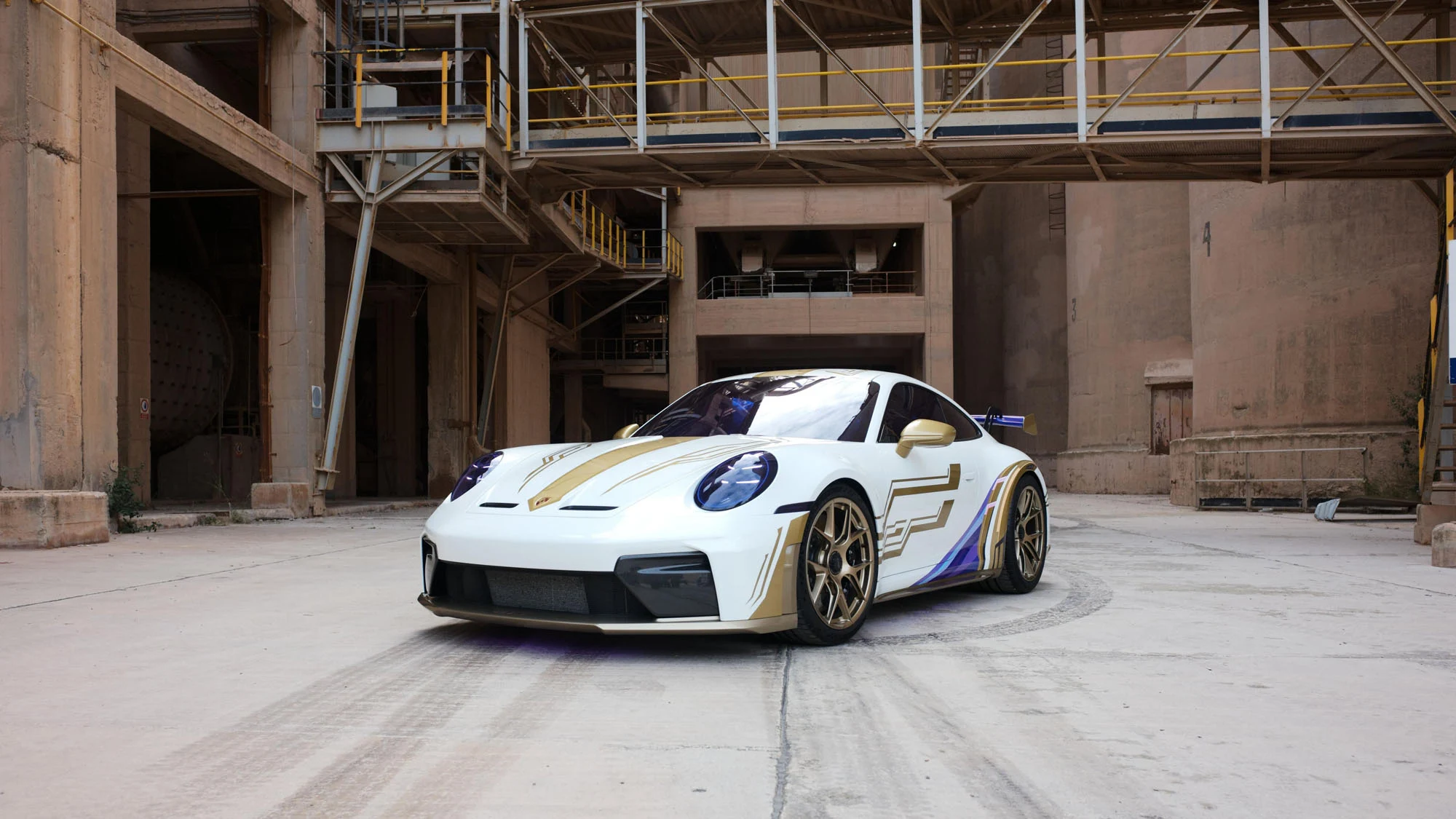
    3. A physical Porsche 911 GT3 has been built to match the collaboration theme, appearing at Porsche Experience Centers and connecting the virtual and real-world brands via a short film.
    4. The event introduces a collectible robotic horse, Hyperspeed Cloudchaser, and offers a free Gragas skin, emphasizing accessible, in-game engagement.
    5. This marks Wild Rift’s first major in-game cosmetic collaboration centered around a real-world automotive brand, aiming to enhance premium brand interaction within the game.

    First Major Brand Partnership in Wild Rift

    Wild Rift is stepping into the big leagues with it’s very first significant collaboration with a automobile company, Porsche. The event called “Neon Daredevil Grand Prix” will be held from April 30, 2026, to May 28, 2026. During this period, players can enjoy a racing themed content drop featuring a special Kai’Sa skin co-created with Porsche, five more champion cosmetics, and a free-to-unlock Gragas skin for players who play casually. This brings a whole new level of gaming entertainment intertwined with automotive branding.

    Development of the Porsche Connection

    The partnership between Riot Games and Porsche AG, a renowned automotive manufacturer, was a prolonged process that took over two years to develop. The highlight of this collaboration is the Prestige Select Neon Daredevil Kai’Sa skin, which is inspired by the sleek design language of the Porsche 911 GT3—an iconic sports car known for its impressive performance. As described by Wild Rift Executive Producer David Xu, the skin was carefully designed to reflect shared traits between Kai’Sa and the Porsche 911 GT3: precision, speed, and high-pressure performance. The skin upgrade includes new voice lines, cool recall animations, and special visual effects to enhance in-game presence. Plus, players can choose between a standard Neon Daredevil skin and the more exclusive Prestige version for added flair.

    The Porsche 911 GT3 and In-Game Content

    The Porsche 911 GT3 is no typical sports car, boasting an acceleration from 0 to 100 km/h in just 3.4 seconds, with a top speed of 311 km/h. It uses a 510-horsepower, naturally aspirated flat-six engine borrowed directly from Porsche’s motorsport racing program. The Neon Daredevil skinline extends across six champions in total. For example, Irelia is reimagined as a high-mobility motorbike, Zed and Aurora wear racing suits, and Hecarim adopts a mechanized form with enhanced ultimate effects. Meanwhile, Gragas gets a Pit Crew skin which is free to unlock during the event, making it the most accessible of all featured skins.

    Additional Event Features and Physical Car

    • A collectible robotic horse named Hyperspeed Cloudchaser, inspired by the Porsche crest’s horse.
    • ARAM mode receives a visual overhaul with a racing theme and new game augmentations during the event.
    • Porsche crafted an actual physical 911 GT3, decorated with a livery matching the Kai’Sa skin design. This car will be displayed at Porsche Experience Centers in Los Angeles and Shanghai, where select community creators will get to experience it firsthand.

    To connect the real-world and digital worlds, a short film was created that was shot near Barcelona, featuring the physical car and tying it into the game universe. Deniz Keskin, Porsche’s Director of Brand Management, expressed that the collaboration aimed to convey core brand values in a digital setting, transforming Wild Rift into a platform for premium brand interaction that goes beyond typical skins or cosmetic items.

    Significance and Accessibility

    This collaboration marks the first time Wild Rift has teamed up with a real-world automotive brand to deliver a major in-game cosmetic experience. The game remains free to play and can be downloaded from both the App Store and Google Play. The trailer for this exciting event has recently been released, showcasing the high-energy Porsche-themed content coming to Wild Rift. Overall, this partnership is a trailblazing example of how gaming and luxury automotive brands can work hand-in-hand to create innovative, immersive experiences for players worldwide.
  • Fraunhofer Study Reveals Misleading Hybrid Fuel Efficiency Claims

    Fraunhofer Study Reveals Misleading Hybrid Fuel Efficiency Claims

    Key Takeaways

    1. A study by Fraunhofer shows that plug-in hybrid electric vehicles (PHEVs) use more fuel than manufacturers claim, averaging around 1.5 gallons per 100 miles instead of less than 1 gallon.

    2. The engines in PHEVs activate more frequently in real-world driving than suggested by automakers, leading to higher fuel consumption.

    3. PHEVs now have fuel efficiency levels similar to traditional hybrids, which do not have external charging capabilities.

    4. Asian manufacturers like Toyota and KIA showed better performance in fuel efficiency compared to larger models from brands like Porsche.

    5. The findings could lead to changes in regulations regarding emission testing and certification for PHEVs, as many drivers do not charge their vehicles daily.


    According to many automaker specifications, plug-in hybrid electric vehicles (PHEVs) are said to use less than a gallon of fuel for every 100 miles driven. However, a recent extensive study reveals that these claims may not be accurate.

    Study Findings

    The renowned research organization Fraunhofer took a closer look at everyday driving situations to provide a clearer understanding of the actual fuel consumption of plug-in hybrids, which combine a gas engine with a battery that can be charged through the grid. They examined various PHEVs from models produced between 2021 and 2023 and discovered that the engines activated much more frequently than the manufacturers suggested, leading to higher fuel usage than what was advertised. Instead of consuming only half or a quarter of a gallon (1-2 liters) per 100 kilometers as claimed by most companies, these hybrids actually averaged around a gallon and a half of fuel.

    Comparison to Traditional Hybrids

    This significant rise in fuel consumption when compared to the auto industry’s efficiency claims means that PHEVs are now on the same level as standard hybrids, which don’t have the ability to be charged externally and thus rely solely on their auxiliary batteries for electric power. Unsurprisingly, the bigger and more powerful models, such as those from Porsche, were the biggest culprits, averaging 7 liters per 100 km. Porsche defended its testing processes, stating they complied with legal standards, while also suggesting that different driving behaviors may account for the increased fuel use.

    Brand Performance and Recommendations

    Among the brands tested, Asian manufacturers like Toyota and KIA performed the best. Additionally, more affordable options from Ford and Renault, which feature smaller engines, closely aligned with their stated fuel efficiency figures. “Laboratory tests assume that drivers charge their vehicles daily and take short trips, leading to low official CO₂ emissions. However, many drivers do not charge every day and often take longer trips, resulting in actual fuel consumption being much higher,” says Patrick Plötz from Fraunhofer. The researchers believe their findings on PHEV efficiency could prompt necessary changes to regulations regarding emission testing and certification.

    Source:
    Link


  • Porsche Faces 99% Profit Drop Due to Major Strategy Change

    Porsche Faces 99% Profit Drop Due to Major Strategy Change

    Key Takeaways

    1. Porsche’s operating profit dropped 99% in Q3 2025, falling from €4.035 billion to €40 million.
    2. The shift to electric mobility is causing significant financial strain, with special costs of €2.7 billion incurred.
    3. Current electric models, the Taycan and Macan, are not gaining popularity, impacting sales.
    4. The Chinese market, previously a stronghold for Porsche, is facing decreased demand and increased competition.
    5. For 2025, Porsche forecasts sales between €37 and €38 billion, with an operating return of 0% to 2%, aiming for recovery in 2026.


    For a long time, Porsche was seen as the pinnacle of high profits, especially with models like the 911. Now, the company’s shift towards electric mobility is costing it billions in adjustments, which is evident in the latest statistics.

    Profit Drop

    A press release from October 24 reveals that Porsche faced a significant decrease in profits during the third quarter of 2025. Operating profit plummeted from €4.035 billion last year to merely €40 million, representing a staggering 99% drop. Revenue also declined by 6%, totaling €26.86 billion. The operating return on sales has dramatically decreased from 14.1% to just 0.2%.

    Shift to Electric

    The primary cause for this poor performance in the third quarter is the transition to electric mobility. Currently, Porsche has two electric vehicles available: the sporty Taycan (available in various models) and the compact Macan SUV. However, neither of these models is particularly popular. According to their own reports, Porsche has incurred special costs of €2.7 billion to enhance profitability in its electric vehicle sector, amounting to around €3.1 billion when including customs duties. Plans for future electric models have been delayed, and they are redesigning the current electric platform to accommodate combustion engines and hybrid systems for about €1.8 billion. Concurrently, a new electric platform for the 2030s is being developed in partnership with other VW brands.

    Changing Market Dynamics

    Another factor impacting Porsche is the evolving Chinese market, historically its strongest sales area. Recently, the demand for luxury cars has decreased, while competition from companies like BYD, Nio, and Xpeng is intensifying. Consequently, Porsche is scaling back its dealer networks and workforce in China.

    For the entirety of 2025, Porsche anticipates sales between €37 and €38 billion and an operating return ranging from 0% to 2%. The company hopes for a notable recovery starting in 2026. Their goal is to make Porsche more resilient and profitable in the long run. Whether they will succeed in this endeavor remains uncertain.

    Source:
    Link


  • Recycled EV Batteries: Moon Power’s Modular RE:LIFE Storage System

    Recycled EV Batteries: Moon Power’s Modular RE:LIFE Storage System

    Key Takeaways

    1. Moon Power focuses on reusing batteries for stationary storage to reduce electronic waste and manufacturing costs.
    2. Porsche’s RE:LIFE battery system aims for small-scale production after successful prototypes, emphasizing efficiency and safety.
    3. The storage system in MoonCity Salzburg consists of two modular units with a total capacity of 411 kWh, aiding in energy management.
    4. Collaborative efforts involve Pramac for cabinet systems, B-ON for battery management, and Moon Power for system integration and testing.
    5. RE:LIFE demonstrates that second-life EV batteries can effectively support sustainable energy solutions for businesses.


    Moon Power is concentrating on giving a second life to batteries that are re-used for stationary storage systems. Porsche has announced that after a successful prototype stage, the modular RE:LIFE battery system will soon begin small-scale production. This initiative aims to cut down on electronic waste and decrease manufacturing costs. Project leader Konstantin Pache highlights: “With RE:LIFE, we are showing how modern technology and sustainability go hand in hand—without compromising on efficiency or safety.”

    Storage System Details

    The prototype located in MoonCity Salzburg is composed of two storage units, each having 30 slots. These modules connect to the local energy management system, aiding in self-consumption, peak shaving, and photovoltaic storage. Two inverters deliver a total of 176 kVA of AC power. The setup includes sixty NMC traction batteries sourced from the MEB platform, offering a gross capacity of 411 kWh. The entire outdoor system is air-conditioned and features a modular design, managed by the OptiMoon system, which allows for flexible scaling.

    Production Plans

    Once management gives the green light in the summer of 2025, the small-scale production will begin. The units will be set up and tested at chosen locations. Florian Fürtbauer from Porsche Real Estate GmbH states: “The storage systems enhance the self-sufficiency of our sites.” RE:LIFE illustrates how second-life batteries can effectively contribute to a sustainable energy supply for businesses.

    Collaborative Efforts

    Pramac has created the modular cabinet system and modified the high-voltage batteries. B-ON is responsible for the battery management system, while Moon Power oversees the system’s architecture, integration, and testing phases. These partnerships are said to guarantee the flexibility, efficiency, and reliability of the storage solution.

    RE:LIFE showcases that previously used EV batteries can function as stationary energy storage. The modular design merges flexibility, affordability, and sustainability, serving as a potential model for the energy transition in companies and corporations.

    Source:
    Link


  • Porsche EVs Can Now Use Tesla’s 23,500 Superchargers in North America

    Porsche EVs Can Now Use Tesla’s 23,500 Superchargers in North America

    Key Takeaways

    1. Porsche drivers can charge their vehicles at Tesla’s 23,500 Superchargers starting September 9, expanding their charging options.
    2. A soft launch will begin the transition, requiring Porsche owners to use NACS DC adapters and initially manage charging via the Tesla app.
    3. The 2026 Taycan and 2026 Macan Electric models will include the charging adapter for free, while 2025 Taycan and Macan Electric owners can request one at no cost.
    4. Older Porsche electric vehicles can purchase the adapter for $185 through online or local dealerships.
    5. Porsche drivers can still use other charging networks like Ionity and Electrify America, with improved navigation software to locate compatible charging stations.


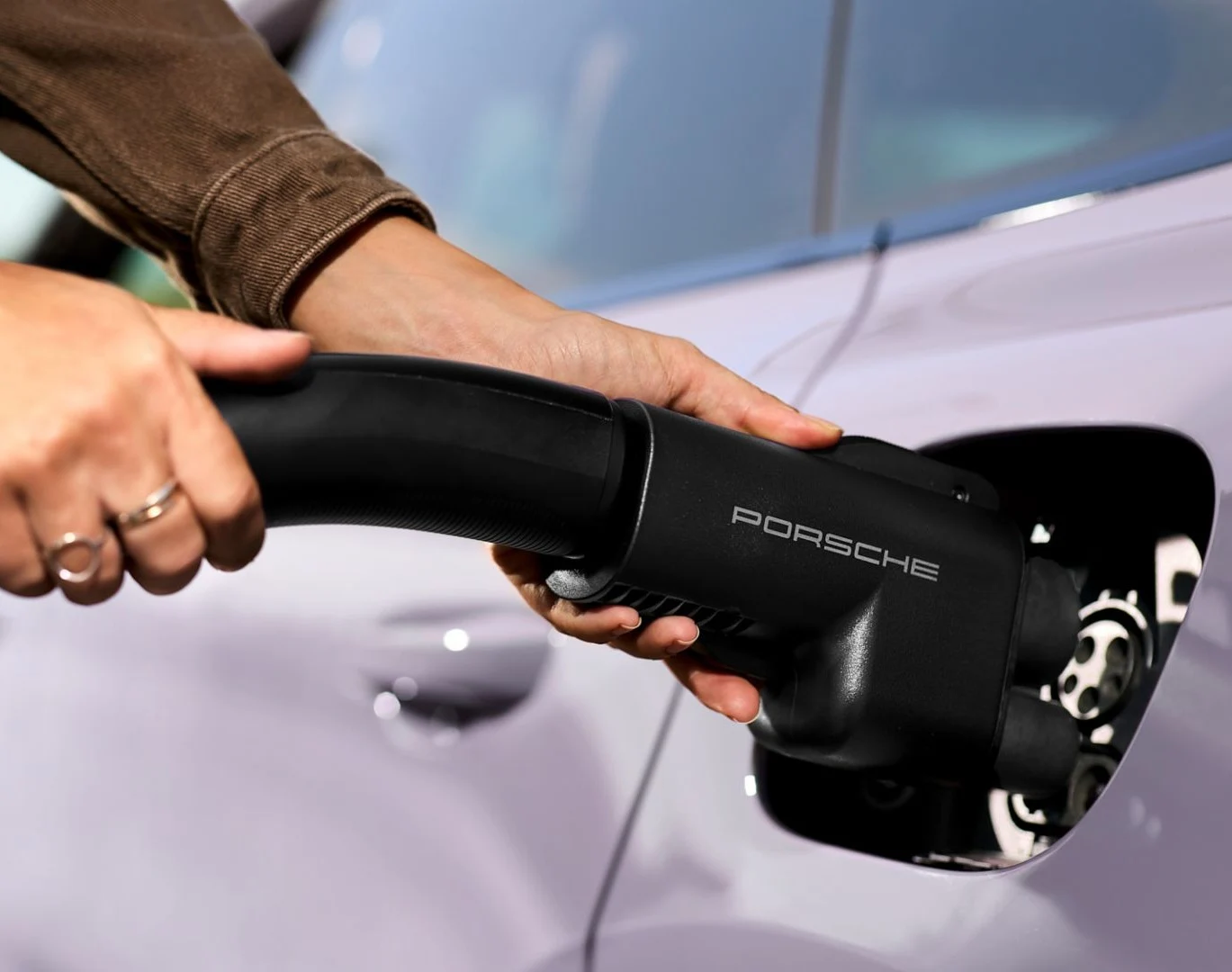
    Starting on Tuesday, September 9, drivers of Porsche vehicles will have the ability to charge their cars at any of Tesla’s extensive network of 23,500 Superchargers located in the U.S., Canada, and Mexico. This change provides more options for charging, in addition to the existing networks they currently utilize.

    Transition Details

    An update on their website highlights that the shift to this new charging system will take place in stages, beginning with a soft launch. Owners of Porsche cars will need to use NACS DC adapters that are provided by Porsche. Initially, drivers will have to rely on Tesla’s app to manage their charging sessions. However, Porsche plans to integrate their own app for a smoother experience in the upcoming months, allowing users to simply plug in their vehicles and have the payment process start automatically.

    Adapter Availability

    All 2026 Taycan and 2026 Macan Electric models will come with the adapter included at no extra charge. Those who own the 2025 Taycan or any Macan Electric models can receive a free adapter as well and should keep an eye on their Porsche app for notifications regarding its availability. For older Porsche electric vehicles, the adapter can be purchased for $185, either online or at local Porsche dealerships.

    Other Charging Options

    Porsche drivers can still access other charging networks like Ionity or Electrify America directly through the Porsche app. Furthermore, the luxury automotive brand is enhancing its navigation and charging software to show the nearest Tesla Superchargers and other compatible charging stations to the users.

    Source:
    Link


  • Porsche Halts UK Taycan EV Sales Over Battery Safety Issues

    Porsche Halts UK Taycan EV Sales Over Battery Safety Issues

    Key Takeaways

    1. Porsche has halted sales of specific Taycan EVs due to battery fire concerns.
    2. The issue involves potential short-circuiting of the battery pack, which could lead to fires.
    3. Not all Taycan models are affected; buyers can still purchase unaffected vehicles.
    4. A software solution to enhance battery monitoring is expected by the end of June.
    5. This is the 12th safety recall for the Taycan since its launch, highlighting ongoing safety issues.


    Porsche has reached out to its dealerships to put a stop to the sales of a specific group of Taycan EVs. This recall is due to concerns over a possible battery fire.

    Battery Fire Concerns

    As per the Driver and Vehicle Standards Agency (DVSA), the issue stems from the potential for the battery pack to short-circuit, which “might result in thermal events and subsequently cause a fire in the vehicle.” The DVSA oversees recalls when safety risks for passengers are found in vehicles.

    Affected Models

    It’s important to note that not every Taycan model is involved in this issue, so buyers can still acquire vehicles that are not part of the affected group. Nevertheless, Porsche has assured that a software solution will be rolled out in July to identify the issue and alert drivers.

    Porsche stated, “We expect enhanced battery monitoring software for the first-generation Taycan models to be ready by the end of June. With this update on the horizon, we have instructed our retail partners to refrain from selling a limited, specific batch of first-generation Taycan models until the software update is available.”

    Previous Recalls

    Since the Taycan’s launch, there have been 12 safety recalls. Previous concerns included problems with faulty cell blocks in the high-voltage battery, issues with the brake hose, and suspension troubles. Porsche has also recently dealt with the danger of tires detaching from other models while on the road.

    Source:
    Link

  • Introducing the 2025 Porsche Taycan: Enhanced Charging, Extended Range, and Innovative Tech Features

    Introducing the 2025 Porsche Taycan: Enhanced Charging, Extended Range, and Innovative Tech Features

    Porsche Sets New Standards with the 2025 Taycan

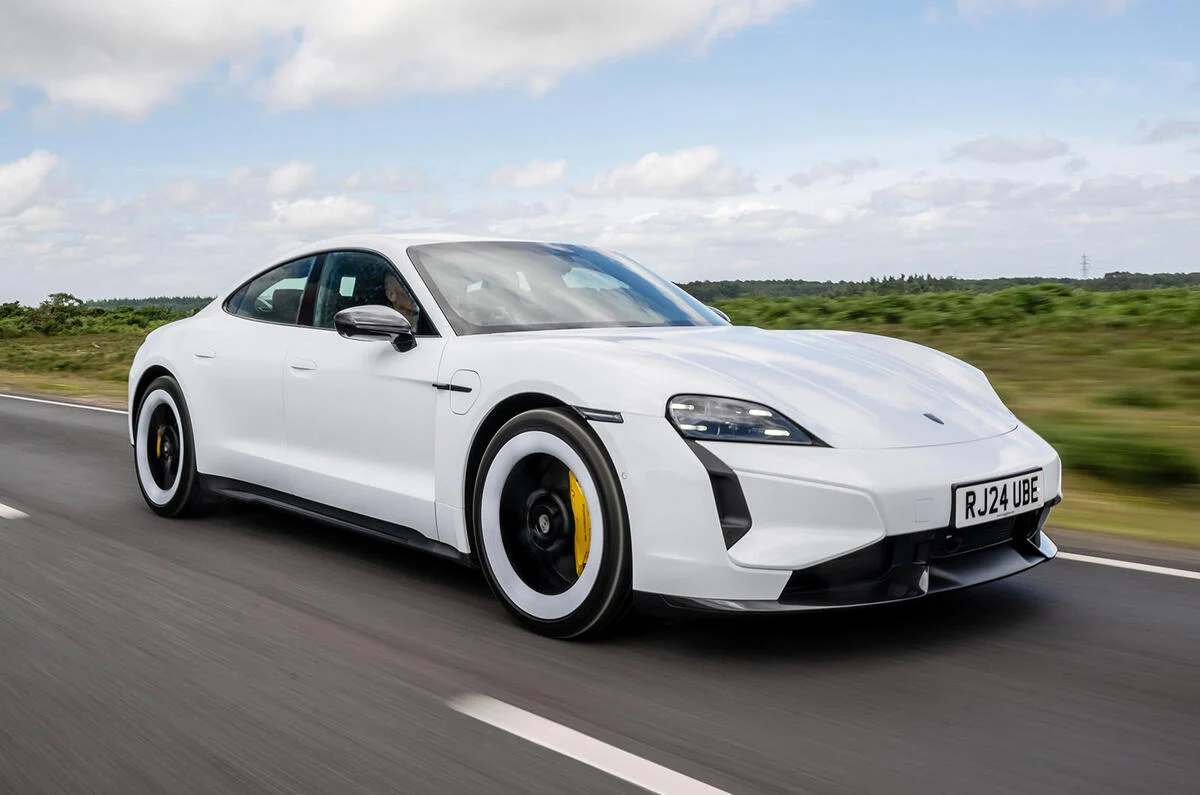
    Porsche is taking electric vehicle (EV) technology to new heights with the 2025 Taycan, pushing the boundaries of performance, charging speed, and driving dynamics. In a rapidly evolving EV landscape, Porsche is not content to rest on its laurels. The latest version of the Taycan, Porsche’s flagship EV, is a clear indication that the company is adapting to meet the demands of the EV market.

    A Range of Models to Suit Every Driver

    The 2025 Taycan is available in both sports sedan and Cross Turismo wagon body styles, offering a choice of four powertrain options and rear- and all-wheel drive configurations. This diverse range of models is designed to cater to the preferences of various drivers. The entry-level sedan starts at $101,395, while the top-tier Cross Turismo model is priced at $213,695. One notable feature of this year’s models is the introduction of a new 105kWh battery option under the Performance Battery Plus package, promising extended range and enhanced performance.

    Lightning-Fast Charging Speeds

    Charging speed is a crucial factor for any EV, and Porsche has made significant advancements with the Taycan. The vehicle can charge from 0 to 80 percent in just 18 minutes at 800-volt DC charging stations, putting it at the forefront of charging technology. This improvement is not just about speed; it’s about making electric driving more convenient and seamlessly integrating it into drivers’ lives.

    Enhanced Efficiency and Performance

    The 2025 Taycan achieves enhanced efficiency through several technical advancements. A new rear-axle motor, a modified pulse inverter, a more powerful battery, revised thermal management, and an upgraded recuperation system all contribute to a more efficient and dynamic driving experience. These improvements enable the Taycan to accelerate from zero to 60 mph even faster, with the Turbo S model accomplishing this feat in just 2.3 seconds, making it the quickest production car ever offered by Porsche.

    Design and Technological Updates

    Porsche’s innovation extends beyond performance and efficiency. The 2025 Taycan introduces design and technological updates, including new headlights and taillights, refreshed front fenders, and the option for a high-quality, leather-free interior. Additionally, Porsche is enhancing the digital experience inside the Taycan, with a deeper integration of Apple CarPlay and new video streaming capabilities on the vehicle’s displays.

    Exciting Times Ahead

    The 2025 Taycan represents Porsche’s commitment to pushing the boundaries of electric vehicle technology. With its impressive charging speed, enhanced efficiency, and cutting-edge design and technology, the Taycan is setting new standards in the EV market. Are you excited for the 2025 Taycan? Let us know in the comments below!

  • Porsche Introduces the 2024 Macan Electric SUV Equipped with New PPE Architecture

    Porsche Introduces the 2024 Macan Electric SUV Equipped with New PPE Architecture

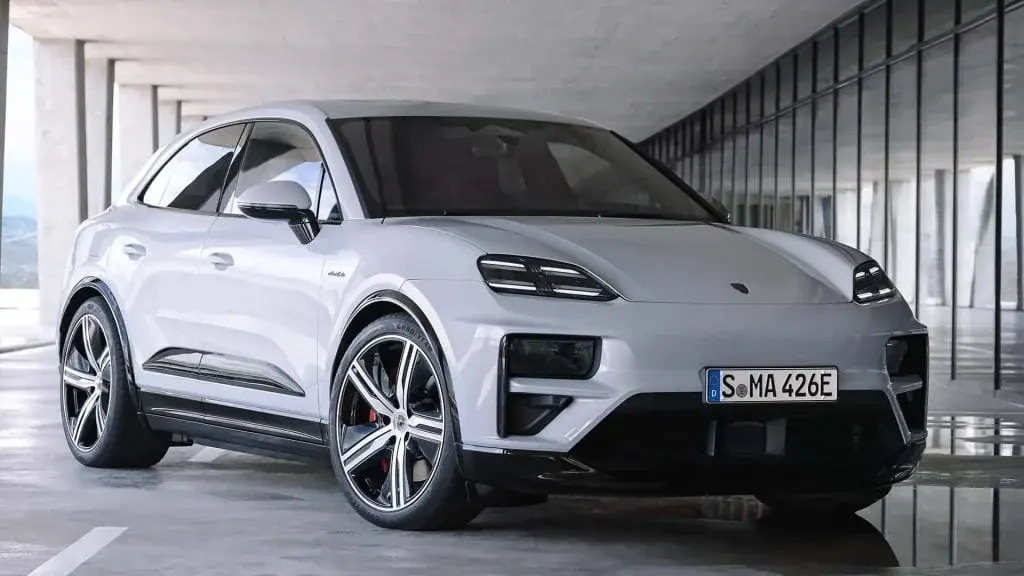
    Porsche has recently introduced its latest addition to the electric vehicle (EV) market, the 2024 Porsche Macan Electric. This all-electric SUV is not only a new model but also a strong contender in a market where manufacturers strive to differentiate themselves. With its updated design, impressive performance, and advanced technology, the Macan Electric sets a high standard for the future of electric cars. Let’s take a closer look at its specifications.

    Extensive Testing and Innovation

    Porsche has demonstrated its commitment to innovation and resilience in the journey of transforming the Macan from a popular gas-powered SUV to an electric powerhouse. The company has conducted extensive trials across various terrains and climates, covering over 2.1 million miles. This rigorous testing phase highlights Porsche’s dedication to delivering quality and performance, even in their electric offerings.

    Power and Range with PPE Architecture

    At the core of the Macan Electric lies the Volkswagen Group’s new Premium Platform Electric (PPE) architecture. This platform is a game-changer, providing more power and longer range, surpassing even Porsche’s own Taycan in terms of range. The Macan Electric is available in two variants: the Macan 4 and the Turbo. The Turbo variant stands out with its impressive 630 horsepower and 833-pound-foot of torque, promising an exhilarating driving experience.

    Sustainable Luxury Design

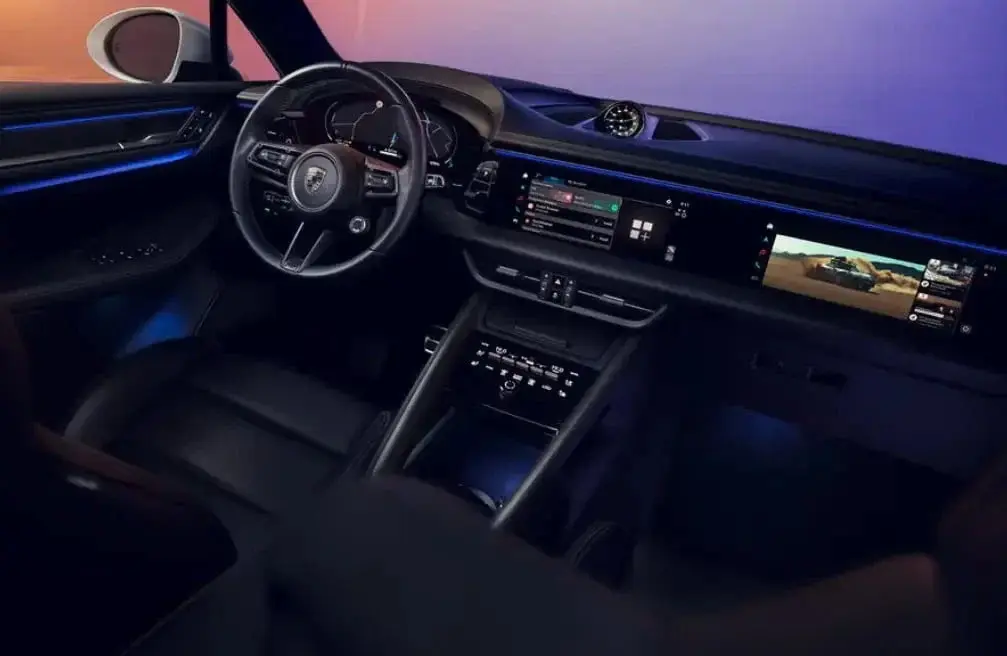
    The Macan Electric exemplifies Porsche’s commitment to sustainable luxury. Its sleek design, featuring a low drag coefficient of 0.25, not only adds visual appeal but also enhances the vehicle’s efficiency. The interior of the Macan Electric offers up to three screens, including an augmented reality head-up display, seamlessly blending luxury with the latest automotive technology.

    What are your thoughts on the new Macan Electric? Share your opinions with us in the comments below!

  • January 25 Launch of New Electric Macan Designs Unveiled by Porsche

    January 25 Launch of New Electric Macan Designs Unveiled by Porsche

    Porsche Unveils the Electric Macan: A Game-Changer in the EV Market

    Porsche has officially announced its latest offering in the electric vehicle (EV) market, the pure electric Macan. This model represents a significant milestone in the luxury car manufacturer’s foray into electric mobility. Built on the advanced Premium Platform Electric (PPE), the Macan not only embraces sustainability but also showcases Porsche’s unwavering commitment to high-performance engineering.

    A Striking Design that Blends Sportiness and Elegance

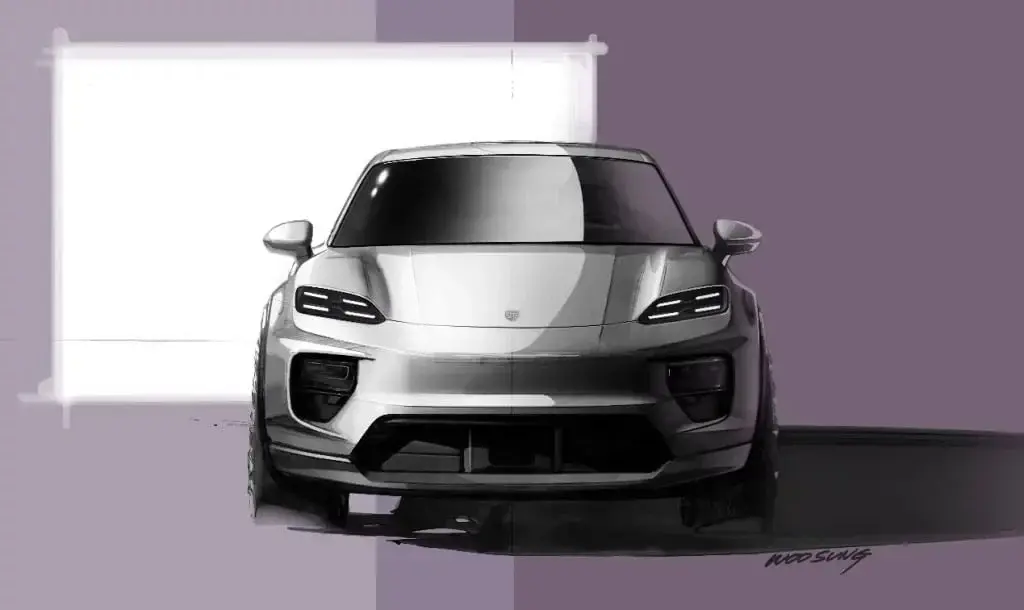
    At first sight, the electric Macan demands attention with its captivating design that seamlessly combines sportiness and elegance, a hallmark of Porsche’s vehicles. The front of the car is particularly eye-catching, featuring split headlights with a matrix LED daytime running light. Below these, the high and low beam headlights not only serve a functional purpose but also add a stylish touch. The rear design of the Macan is equally captivating, characterized by a through-type taillight and the iconic Porsche logo.

    A Futuristic and Intuitive Interior

    The interior of the Macan is equally impressive, boasting a futuristic cockpit that is both visually appealing and intuitive. The centerpiece of the interior is a 12.6-inch fully digital floating curved display, strategically positioned in the driver’s line of sight. This display provides easy access to crucial driving information, ensuring a seamless driving experience. Additionally, the integration of augmented reality in the head-up display system revolutionizes the way drivers interact with their surroundings, with navigation and speed data projected directly onto the windshield.

    Cutting-Edge Technology for Ultimate Comfort and Safety

    Porsche has spared no expense in equipping the Macan with cutting-edge technology. The car features ambient lighting with communication lights, which not only enhances the driving experience but also provides visual cues for various functions. This attention to detail underscores Porsche’s commitment to delivering not just exceptional performance but also unparalleled comfort and safety for both the driver and passengers.

    Unleashing Power and Performance

    Underneath the hood, the electric Macan houses a true powerhouse. It is equipped with the latest generation permanent magnet synchronous motors, delivering an impressive output power exceeding 450 kW. The flagship model of the Macan lineup further impresses with the electronically controlled Porsche Traction Management System, which generates over 1000 Nm of torque. When combined with the Porsche Active Suspension Management System, the Macan promises an exhilarating yet smooth driving experience.

    In conclusion, Porsche’s introduction of the electric Macan signifies a bold move in the EV market. With its striking design, futuristic interior, and powerful performance, the Macan sets a new standard for electric vehicles. Porsche’s unwavering commitment to sustainability and high-performance engineering is evident in every aspect of this remarkable car. As the luxury car maker ventures further into the realm of electric mobility, the Macan is poised to make a lasting impact on the industry.