Tag: Tesla Superchargers

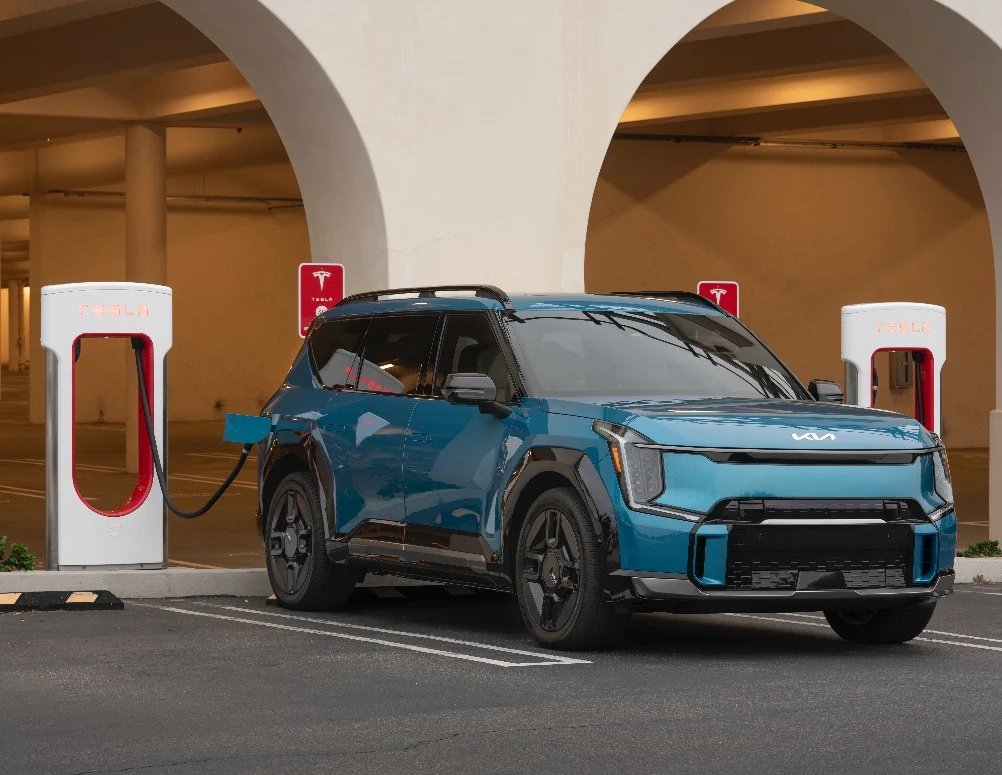
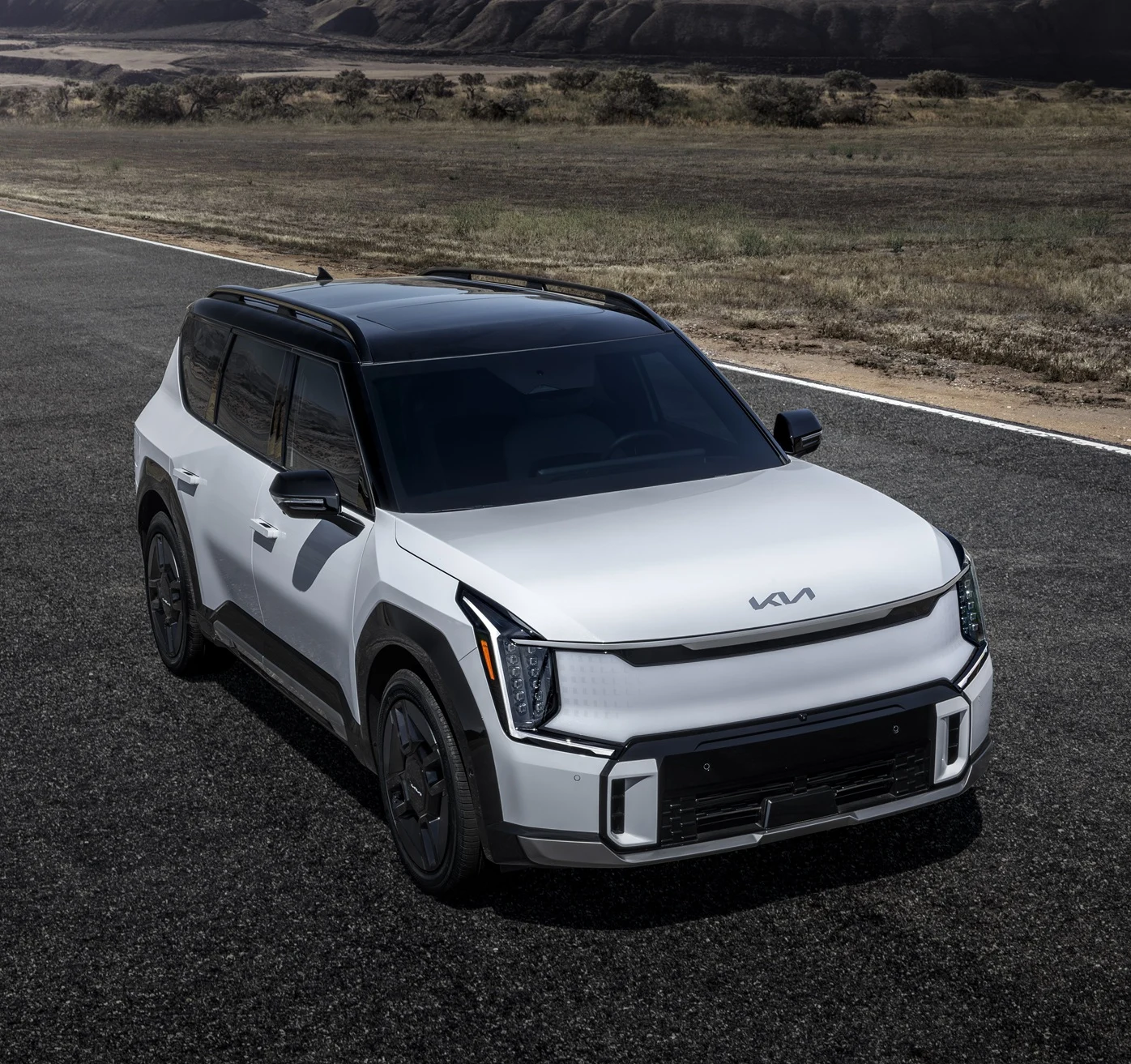
  • Kia EV6 and EV9 Gain Tesla NACS Support for Superchargers

    Kia EV6 and EV9 Gain Tesla NACS Support for Superchargers

    Key Takeaways

    1. The new Plug & Charge feature simplifies the charging process for Kia EV drivers, allowing automatic authentication and billing.
    2. Drivers can now plug in their vehicle and walk away, as the entire charging experience is handled in the background.
    3. Kia’s Plug & Charge feature aligns with practices already used by Tesla and other manufacturers like Rivian and Volkswagen.
    4. The feature will be available for the 2025 Kia EV6 by September 2025 and the 2026 Kia EV9 by the end of that year.
    5. Both models will feature Tesla’s NACS charging port for easy access to Tesla Superchargers, but some non-Tesla DC fast chargers will still require an adapter.


    Until now, drivers of Kia EVs had to go through a few steps to charge their vehicles at public DC fast chargers. Typically, they would have to open an app, tap a card, or start the session manually. With the new Plug & Charge feature, this whole process is getting a lot easier.

    Automatic Charging

    Once a payment method is registered in Kia’s Charge Pass system, the charging process becomes automatic. Now, drivers can simply use a compatible public charger, plug in their vehicle, and walk away after charging is done. The whole experience is quicker and smoother, as authentication, billing, and charging are all handled in the background without any extra effort from the driver.

    User-Friendly Experience

    “This upgrade makes the EV experience more user-friendly than ever,” stated Sujith Somasekharan, who’s the Connected Car & Mobility Director at Kia America.

    Kia’s approach is similar to what Tesla users have enjoyed for a while at Superchargers. Other electric vehicle manufacturers are also starting to use this feature: Rivian allows Plug & Charge at Tesla Superchargers and Ionna’s Rechargeries, while Volkswagen ID.4 drivers can do this at Electrify America charging stations. Kia is now joining this expanding group with its latest electric vehicles.

    Upcoming Launches

    The Plug & Charge feature is set to launch for the 2025 Kia EV6 by the end of September 2025 and will be followed by the 2026 Kia EV9 by the end of the year. Kia plans to inform owners when the update is available, along with clear instructions for setting it up.

    Both the 2025 Kia EV6 and the 2026 Kia EV9 will be the first Kia models equipped with Tesla’s NACS charging port. This allows owners to use Tesla Superchargers and select Electrify America stations directly without needing an adapter. However, it’s worth noting that many non-Tesla DC fast chargers in the U.S. still rely on the CCS1 connector, so drivers will require an adapter for those locations.

    Source:
    Link


  • Porsche EVs Can Now Use Tesla’s 23,500 Superchargers in North America

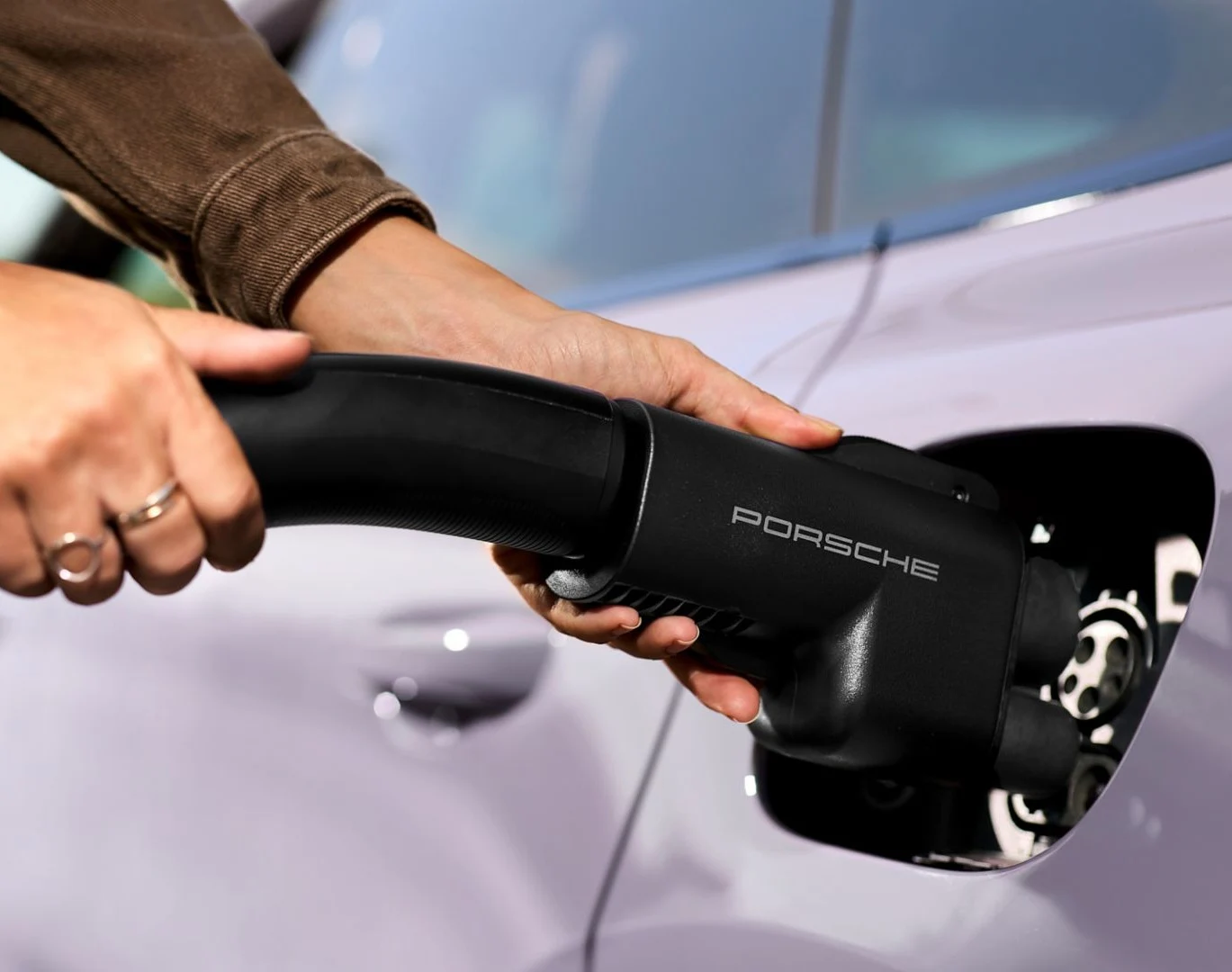
    Porsche EVs Can Now Use Tesla’s 23,500 Superchargers in North America

    Key Takeaways

    1. Porsche drivers can charge their vehicles at Tesla’s 23,500 Superchargers starting September 9, expanding their charging options.
    2. A soft launch will begin the transition, requiring Porsche owners to use NACS DC adapters and initially manage charging via the Tesla app.
    3. The 2026 Taycan and 2026 Macan Electric models will include the charging adapter for free, while 2025 Taycan and Macan Electric owners can request one at no cost.
    4. Older Porsche electric vehicles can purchase the adapter for $185 through online or local dealerships.
    5. Porsche drivers can still use other charging networks like Ionity and Electrify America, with improved navigation software to locate compatible charging stations.


    Starting on Tuesday, September 9, drivers of Porsche vehicles will have the ability to charge their cars at any of Tesla’s extensive network of 23,500 Superchargers located in the U.S., Canada, and Mexico. This change provides more options for charging, in addition to the existing networks they currently utilize.

    Transition Details

    An update on their website highlights that the shift to this new charging system will take place in stages, beginning with a soft launch. Owners of Porsche cars will need to use NACS DC adapters that are provided by Porsche. Initially, drivers will have to rely on Tesla’s app to manage their charging sessions. However, Porsche plans to integrate their own app for a smoother experience in the upcoming months, allowing users to simply plug in their vehicles and have the payment process start automatically.

    Adapter Availability

    All 2026 Taycan and 2026 Macan Electric models will come with the adapter included at no extra charge. Those who own the 2025 Taycan or any Macan Electric models can receive a free adapter as well and should keep an eye on their Porsche app for notifications regarding its availability. For older Porsche electric vehicles, the adapter can be purchased for $185, either online or at local Porsche dealerships.

    Other Charging Options

    Porsche drivers can still access other charging networks like Ionity or Electrify America directly through the Porsche app. Furthermore, the luxury automotive brand is enhancing its navigation and charging software to show the nearest Tesla Superchargers and other compatible charging stations to the users.

    Source:
    Link


  • Tesla Reveals Supercharger Dynamic Pricing; GM Tests NACS Ports

    Tesla Reveals Supercharger Dynamic Pricing; GM Tests NACS Ports

    Key Takeaways

    1. Tesla is expanding its EV charging network with more Superchargers, but wait times at busy locations remain an issue during peak hours.
    2. A new virtual queuing system has been trialed to manage the order of cars at Superchargers and reduce line-cutting incidents.
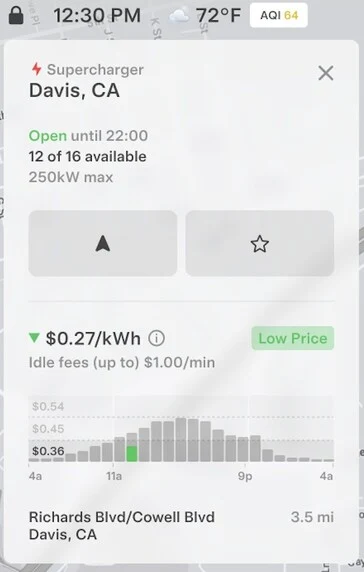
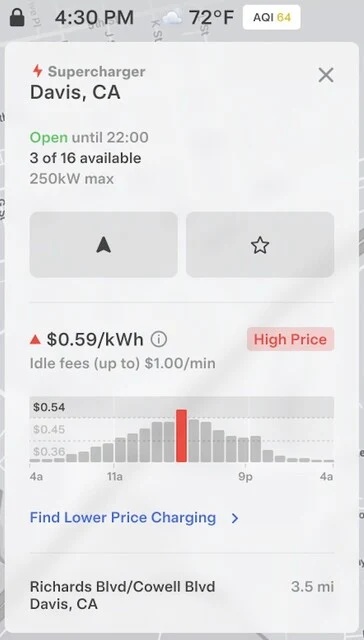
    3. Tesla is introducing a dynamic pricing model for Superchargers that adjusts costs based on real-time usage to manage traffic during busy times.
    4. The dynamic pricing trial is starting at ten Supercharger stations in California, ensuring prices remain stable during a charging session.
    5. Tesla’s Supercharger technology is becoming a standard for charging, with other manufacturers like Hyundai, KIA, and GM starting to adopt it.


    While Tesla continues to expand its extensive EV charging network with more Superchargers, the growth is often not rapid enough to eliminate lines and annoying wait times at busy spots during rush hours.

    New Virtual Queuing System

    Earlier this year, Tesla started a trial of a virtual queuing system designed to help cars in line based on a first-come-first-served approach. This initiative was aimed at reducing the problems that occasionally occur when someone cuts in line at the Supercharger.

    Dynamic Pricing Structure

    Now, the company is rolling out a dynamic pricing model for Superchargers to help manage traffic during peak times and promote a more balanced distribution of charging sessions throughout the day. The so-called on-peak and off-peak prices are based on real-time data rather than estimates, reflecting the actual usage of each charging station. For instance, if a popular Supercharger is unusually busy during off-peak hours, the price per kWh will increase, thereby discouraging additional drivers from charging if they can wait.

    Conversely, if a usually busy Supercharger has several open stalls at a time known for high traffic, the system will drop prices, even if it’s during a peak time. Tesla has now published a list of all Supercharger sites where this real-time off-peak pricing is in effect.

    Initial Testing Phase

    Tesla is kicking off this dynamic pricing test at ten Supercharger stations in California, with the company stating that average prices will remain quite similar, just more equitably spread throughout the day based on demand. It also assures customers that prices won’t change while charging is in progress; they will stay the same as what is shown at the start of the session, no matter if the station gets busier or not.

    This is a significant development, given that Tesla’s Superchargers have become the leading standard for charging, with almost all major EV manufacturers adopting the open-source technology. Earlier this year, Hyundai and KIA vehicles gained access, and now GM is reportedly testing vehicles with built-in NACS ports to charge directly at Superchargers without needing an adapter like the Lectron NACS to CCS kit.

    For example, the new Cadillac Optiq does not have a port for direct Supercharger access; GM is retrofitting testing vehicles to collect data on how the Tesla charging system performs under real-world conditions.

    Source:
    Link


  • Kia Electric Cars Gain Access to Tesla Superchargers

    Kia Electric Cars Gain Access to Tesla Superchargers

    Key Takeaways

    1. Kia EV owners can now access Tesla’s 21,500 Superchargers, increasing available charging stations to over 40,000 in North America.
    2. Most Kia electric vehicles come with a CCS1 charging port, and NACS adapters will be provided for Supercharger compatibility.
    3. The latest Kia models, like the 2025 EV6 and 2026 EV9, feature NACS charging ports for easier access.
    4. Kia owners can locate Supercharger stations via their vehicle’s infotainment system or a smartphone app, with an option to enroll in the Kia Charge Pass program.
    5. Access to Tesla’s charging network has been moved from January 2025 to spring, allowing Kia EVs to join other brands using Superchargers.


    Kia EV owners have some great news. They now have access to one of the largest public charging networks in North America: Tesla’s fast DC chargers.

    According to a statement from the South Korean automobile manufacturer, Kia customers can now utilize Tesla’s 21,500 Superchargers, increasing the total charging stations available to over 40,000.

    Charging Ports and Adapters

    Most Kia electric vehicles are equipped with a CCS1 charging port. Nonetheless, the company will provide NACS adapters to enable connections to the Superchargers. The latest models, such as the 2025 EV6 and the 2026 EV9, feature NACS charging ports.

    Kia owners can easily find, locate, and navigate to Supercharger stations directly from their vehicle’s infotainment system or via an app on their smartphones. They also have the option to enroll in the Kia Charge Pass program to utilize the charging network.

    Timing and Competition

    The access to Tesla’s network was initially scheduled for January 2025, but it has now been postponed to spring. At this point, Kia EVs can officially join brands like Ford, GM, Rivian, Volvo, Polestar, Hyundai, Lucid, Nissan, and Genesis in using the Superchargers.

    Kia has also expressed its disapproval of the recent vandalism targeting Tesla’s public charging facilities, highlighting that such acts of destruction hinder the ease of owning an electric vehicle.

    Kia’s commitment to improving the charging experience for its customers is clear.

    Source:
    Link

  • BYD Launches 1000V EV System for 10-Minute Charging and Superchargers

    BYD Launches 1000V EV System for 10-Minute Charging and Superchargers

    Key Takeaways

    1. BYD is introducing a 1000V powertrain system that allows high-end models to gain 200 miles of range in just 5 minutes.
    2. The company plans to develop a comprehensive network of charging stations similar to Tesla’s V4 Superchargers to support the new powertrain.
    3. Premium models in the Dynasty lineup will be the first to feature the 1000V architecture, surpassing competitors like Tesla and NIO.
    4. Upcoming models like the revamped Han sedan and Tang SUV will enable 300 kilometers (186 miles) of range in just 5 minutes of charging.
    5. BYD’s marketing strategy leverages the 1000V architecture to enhance their brand image and advertising ahead of a planned announcement.


    The largest electric vehicle manufacturer in the world is set to surpass its rivals by introducing a 1000V powertrain system. This new technology will enable its high-end models to gain an impressive 200 miles of range in just 5 minutes.

    Charging Infrastructure Development

    In addition to the powertrain, the company is also gearing up to establish a robust network of charging stations, akin to Tesla’s V4 Superchargers. This infrastructure will be designed to support the high demands of their new powertrain.

    Premium Model Advancements

    The first vehicles to feature this groundbreaking 1000V architecture will be the premium BYD models in the Dynasty lineup. This new system will outperform Tesla’s Cybertruck’s 800V architecture and the 900V systems offered by competitors like NIO and XPeng.

    The 1000V system will not only reduce heat generation from the battery, enabling quicker charging times, but it will also allow for more powerful electric motors to fit within the same design space. Each 100V increase allows for an extra 25 kW of faster charging compared to the Cybertruck’s 800V baseline.

    Future Model Expectations

    For upcoming BYD models equipped with the 1000V system, such as the revamped Han sedan and Tang SUV, which are set to launch later this month, drivers can expect to add an impressive 300 kilometers (186 miles) in just 5 minutes of charging.

    However, theoretical charging speeds are of little value without the necessary infrastructure to support them. Therefore, BYD plans to construct a significant number of charging stations, creating a network similar to Tesla’s Superchargers but with even more powerful charging stalls.

    Marketing Strategy Behind the Move

    The “above 5C” charging network will enable a full charge in as little as 10 minutes for compatible vehicles, and details about the dual-gun stalls have already been leaked.

    The reason BYD opted to outshine competitors like Tesla with its 1000V architecture seems to stem from a marketing strategy. It appears the team believes this advancement will not only provide engineering benefits but will also enhance their advertising, especially with an announcement planned for next week.

    Source:
    Link