Tag: Dynamic Pricing

  • Sony Tests Dynamic Pricing in PlayStation Store for Better Deals

    Sony Tests Dynamic Pricing in PlayStation Store for Better Deals

    Key Takeaways

    1. Sony is testing dynamic pricing on the PlayStation Store, resulting in different game prices based on location.
    2. The trial began in November last year and has expanded to over 150 games across 68 regions.
    3. Some games have experienced price drops of up to 17.6% during this trial period.
    4. The dynamic pricing system includes both third-party and first-party titles, with notable price reductions for games like Marvel’s Spider-Man 2 and God of War Ragnarok.
    5. This pricing strategy is still in the testing phase and has not been fully implemented across the PlayStation Store.


    If you have a PS5 or PS4, you might have noticed that certain games on the PlayStation Store are priced differently based on where you are. This isn’t a mistake; Sony is said to be trying out something called dynamic pricing. This trial began in November last year, starting with about 50 games across 30 regions. Now, it has grown a lot, with over 150 games being part of the test in more than 68 regions.

    What is Dynamic Pricing?

    The dynamic pricing system means that gamers in various places may see different costs for the same title. For example, a game might show its usual price for you, but someone in a different area could find it for less.

    Price Changes Observed

    According to a report from psprices, certain games in the trial have experienced price drops of up to 17.6%. For instance, WWE 2K25 typically goes for €74.99, but its trial price is said to be €61.82, making it about 17.6% cheaper. Similarly, Warhammer 40,000: Space Marine 2 is listed at €58.35 instead of €69.99, showing a 16.6% reduction, while Kingdom Come: Deliverance II has decreased from €69.99 to €59.57, which is a 14.9% difference.

    Inclusion of First-Party Titles

    Interestingly, while this experiment includes third-party games, Sony is also testing its own titles. Games like Marvel’s Spider-Man 2, God of War Ragnarok, and Stellar Blade have reportedly shown experimental prices of €69.99 instead of €79.99, representing a decrease of about 12.5%.

    Currently, it looks like Sony hasn’t rolled out this system across the whole PlayStation Store yet. It seems to be just a trial run for now, as the company is keen to see how players respond to various pricing strategies before deciding to broaden the initiative.

    Source:
    Link


  • Tesla Introduces Live Supercharger Pricing to Reduce Congestion

    Tesla Introduces Live Supercharger Pricing to Reduce Congestion

    Key Takeaways

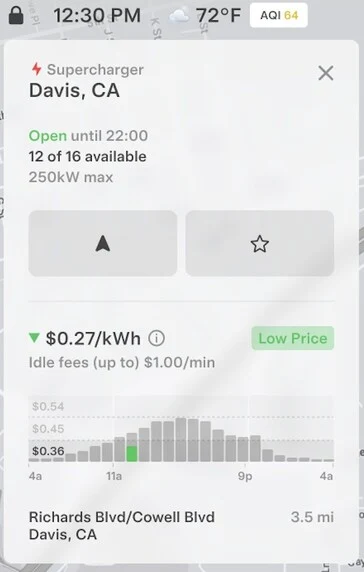
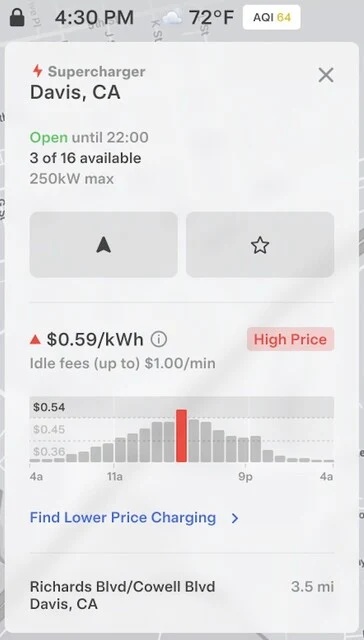
    1. Tesla has introduced dynamic pricing for Superchargers based on station busyness, affecting over 550 locations in the U.S.
    2. The new pricing model aims to reduce congestion by encouraging drivers to use less busy charging stations.
    3. Customers experience fewer peak rates, and average costs at Supercharger stations have not significantly changed.
    4. Charging rates are fixed once a vehicle is plugged in, even if the station becomes busier.
    5. Drivers can only benefit from lower prices by unplugging and reconnecting their vehicle; Tesla is seeking customer feedback on this system.


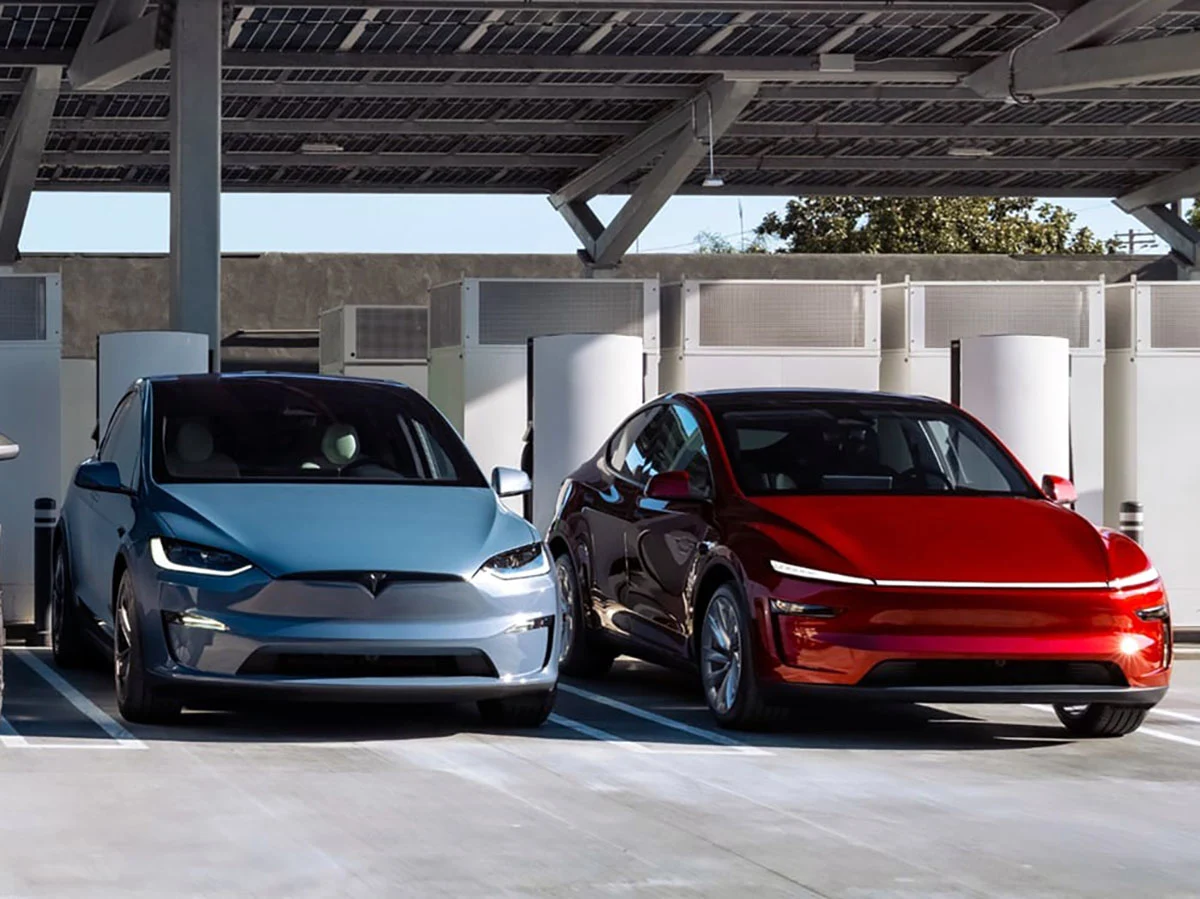
    Tesla is changing its Supercharger pricing system. Instead of relying solely on the time of day, they have launched dynamic pricing at over 550 locations in the United States.

    New Pricing Model

    In states like Florida, California, New Jersey, Illinois, and New York, the Supercharger prices now depend on how busy the station is, rather than just the clock. Many drivers prefer to charge their cars at home and use Superchargers mainly for long trips, making the old time-of-day pricing less appealing for most users.

    Successful Pilot Program

    Earlier this year, Tesla tested this dynamic pricing at a few stations, and it seems to have worked well. The company noted that charging more when a station is crowded led drivers to seek out less busy sites, reducing congestion. This approach has helped distribute the charging load more evenly, resulting in shorter wait times.

    Locked-In Rates

    Tesla states that with dynamic pricing, fewer customers are facing peak rates, and the average cost at Supercharger stations has not changed much. They plan to continue refining this pricing model and will make adjustments if customers feel they are being charged too much.

    It’s important to note that the price does not change once a driver starts charging, even if more customers arrive at the station. The charging rate is fixed when the vehicle is plugged in and will not fluctuate during the session.

    If a driver notices that the price has dropped while they’re charging and wants to take advantage of the new rate, they will have to unplug their vehicle and then reconnect it to receive the lower price. Tesla is actively seeking customer feedback as dynamic pricing rolls out to more than 550 locations.


    Source:
    Link


  • Dynamic Pricing on PS5 Games Criticized for Account Variation

    Dynamic Pricing on PS5 Games Criticized for Account Variation

    Key Takeaways

    1. Dynamic pricing in gaming, exemplified by Sony’s pricing strategies, raises concerns about fairness to consumers.
    2. Users on the PlayStation Store have reported significant price differences for the same games across family accounts.
    3. The gaming community is divided, with calls for a ban on dynamic pricing and complaints about its anti-consumer nature.
    4. Sony faces lawsuits over monopolistic practices, prompting them to introduce a price comparison feature for games.
    5. Gamers advocate for more consistent regional pricing, highlighting disparities in game costs across different countries.


    Dynamic pricing is a hot topic, with many people arguing it’s unfair to consumers. Sony has recently faced backlash for using this pricing method. A user on Reddit discovered that Red Dead Redemption 2 was cheaper on his wife’s account in the PlayStation Store. This has led fans to question why some players receive bigger discounts on PS5 games than others.

    Differences in Pricing

    On the PlayStation subreddit, a user named DarXIV shared how prices on the PS Store varied within his family. Both he and his wife live in the same area and buy in the same currency. Despite this, Red Dead Redemption 2: Ultimate Edition was $5 more expensive on his account on their shared PS5. In 2024, Twisted Voxel noted similar incidents involving different prices for Astro Bot.

    Reactions from the Community

    The response from the community was quick, with one commenter suggesting that dynamic pricing should be banned. Although laws differ from country to country, this pricing tactic is quite common in various sectors. For instance, rideshare apps often increase fares during busy times. However, the reasons behind fluctuating PS5 prices remain unclear.

    Many gamers suspect that the PlayStation Store takes into account individual buying habits and preferences. If a player has shown interest in similar games, they might get better sale offers. Still, the platform has faced criticism for being anti-consumer in the past.

    Lawsuits and Market Competition

    With PS5 games only purchasable through the PS Store, Sony is dealing with lawsuits alleging monopolistic practices. Recently, they added a price comparison feature that displays a game’s lowest price from the past month. Yet, players argue that having more competition from third-party sellers could lead to even better discounts.

    Interestingly, gamers from other countries hope Sony would apply regional pricing more consistently. For instance, Brazilian users often find themselves paying much higher prices compared to the rates on Steam for PC versions. Other platforms tend to factor in average salaries in different nations when setting game prices.

    Source:
    Link


  • Tesla Introduces Dynamic Robotaxi Fare Pricing in Austin

    Tesla Introduces Dynamic Robotaxi Fare Pricing in Austin

    Key Takeaways

    1. Tesla’s Robotaxi service started with a flat fee of $4.20 but increased to $6.90 after expanding the service area.
    2. The latest app update (version 25.7.10) introduced dynamic pricing based on travel distance.
    3. Fares can start as low as $2.10 for short trips and go up to $12.04 for longer distances (3 to 9 miles).
    4. Dynamic pricing aligns Tesla’s service with traditional taxis and ride-hailing platforms like Uber and Lyft.
    5. Tesla plans to expand Robotaxi services to California’s Bay Area and Arizona, with safety drivers required in California initially.


    Tesla started their Robotaxi service back in June, offering a flat fee of $4.20 for each ride. However, after expanding the service area, this price rose to $6.90. With a recent update to the app, riders can now pay according to how far they travel.

    New Pricing Updates

    The latest version of the Robotaxi app, version 25.7.10, introduces dynamic pricing. This change comes after Tesla widened the geofenced area to include downtown Austin, the University of Texas, and additional neighborhoods. Along with this, Tesla made some smaller fixes and enhancements.

    Pricing Breakdown

    As per a chart shared by X user @Tslachan, users can now find rides for as little as $2.10 for a distance of approximately 0.9 miles. For trips ranging from 3 to 9 miles, fares can go up to $12.04.

    Competing with Traditional Services

    The introduction of dynamic pricing aligns Tesla’s Robotaxi service more closely with traditional taxis and ride-hailing platforms like Uber and Lyft. This will also encourage users who have shorter trips to experience the service.

    Aside from this, Tesla has also made a few other updates to the Robotaxi app since its launch. Users can now modify their destinations post-booking, and the app provides directions from the user’s current location to their pickup spot.

    Looking ahead, Tesla plans to roll out Robotaxi services in the Bay Area of California and Arizona. However, in California, they will need to have safety drivers present behind the wheel, at least during the initial phase.

    Source:
    Link

  • Tesla Reveals Supercharger Dynamic Pricing; GM Tests NACS Ports

    Tesla Reveals Supercharger Dynamic Pricing; GM Tests NACS Ports

    Key Takeaways

    1. Tesla is expanding its EV charging network with more Superchargers, but wait times at busy locations remain an issue during peak hours.
    2. A new virtual queuing system has been trialed to manage the order of cars at Superchargers and reduce line-cutting incidents.
    3. Tesla is introducing a dynamic pricing model for Superchargers that adjusts costs based on real-time usage to manage traffic during busy times.
    4. The dynamic pricing trial is starting at ten Supercharger stations in California, ensuring prices remain stable during a charging session.
    5. Tesla’s Supercharger technology is becoming a standard for charging, with other manufacturers like Hyundai, KIA, and GM starting to adopt it.


    While Tesla continues to expand its extensive EV charging network with more Superchargers, the growth is often not rapid enough to eliminate lines and annoying wait times at busy spots during rush hours.

    New Virtual Queuing System

    Earlier this year, Tesla started a trial of a virtual queuing system designed to help cars in line based on a first-come-first-served approach. This initiative was aimed at reducing the problems that occasionally occur when someone cuts in line at the Supercharger.

    Dynamic Pricing Structure

    Now, the company is rolling out a dynamic pricing model for Superchargers to help manage traffic during peak times and promote a more balanced distribution of charging sessions throughout the day. The so-called on-peak and off-peak prices are based on real-time data rather than estimates, reflecting the actual usage of each charging station. For instance, if a popular Supercharger is unusually busy during off-peak hours, the price per kWh will increase, thereby discouraging additional drivers from charging if they can wait.

    Conversely, if a usually busy Supercharger has several open stalls at a time known for high traffic, the system will drop prices, even if it’s during a peak time. Tesla has now published a list of all Supercharger sites where this real-time off-peak pricing is in effect.

    Initial Testing Phase

    Tesla is kicking off this dynamic pricing test at ten Supercharger stations in California, with the company stating that average prices will remain quite similar, just more equitably spread throughout the day based on demand. It also assures customers that prices won’t change while charging is in progress; they will stay the same as what is shown at the start of the session, no matter if the station gets busier or not.

    This is a significant development, given that Tesla’s Superchargers have become the leading standard for charging, with almost all major EV manufacturers adopting the open-source technology. Earlier this year, Hyundai and KIA vehicles gained access, and now GM is reportedly testing vehicles with built-in NACS ports to charge directly at Superchargers without needing an adapter like the Lectron NACS to CCS kit.

    For example, the new Cadillac Optiq does not have a port for direct Supercharger access; GM is retrofitting testing vehicles to collect data on how the Tesla charging system performs under real-world conditions.

    Source:
    Link