Tag: Kia EV6

  • Kia Surpasses Tesla in EV Battery Capacity Longevity

    Kia Surpasses Tesla in EV Battery Capacity Longevity

    Key Takeaways

    1. Nearly 80% of used electric vehicles retain over 90% of their original battery capacity after several years.
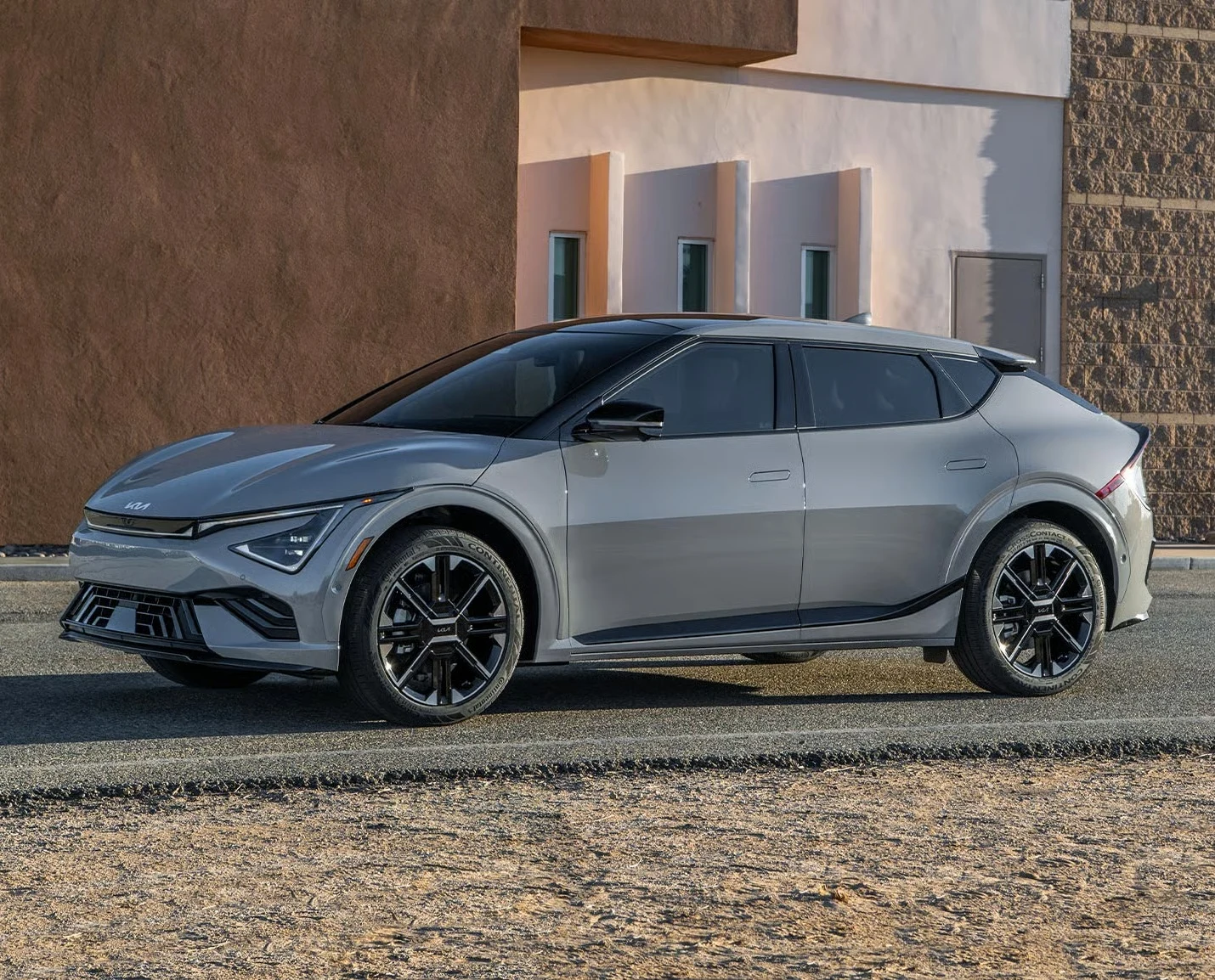
    2. Kia is recognized for having the most durable batteries, with models like the EV6 and Sportage SUV leading in battery longevity.
    3. Tesla ranks second for battery health, despite slower charging rates and a decline in European sales this year.
    4. Battery State of Health (SoH) is crucial for used EV buyers, with Kia offering a comprehensive 7-year/150,000 km warranty.
    5. Current EV batteries are estimated to be suitable for at least 15 years, indicating a need for extended warranties to boost the used EV market.


    With the rise in sales of used electric vehicles, a recent test on their battery capacity retention over time has shown some truly impressive results regarding longevity.

    Battery Retention Findings

    Almost 80% of the 723 electric cars and 643 plug-in hybrids evaluated were able to keep over 90% of their original battery capacity after several years, once factors like charging levels, weather conditions, vehicle age, and mileage were averaged out.

    Yet, certain EV brands utilize more robust battery cells equipped with advanced cooling and energy management systems, which excelled in the study that involved KVD’s three-star testing system to assess their batteries’ State of Health (SoH).

    Top Brands for Battery Longevity

    Kia stands out as the manufacturer of the most durable, long-lasting batteries with the highest capacity retention over time, applicable to their electric vehicles such as the EV6 and plug-in hybrids like the Sportage SUV. Another Kia model claimed the second position in the battery capacity retention ranking, closely followed by the Model Y, despite Tesla vehicles having considerably slower charging rates compared to those from Kia or Hyundai.

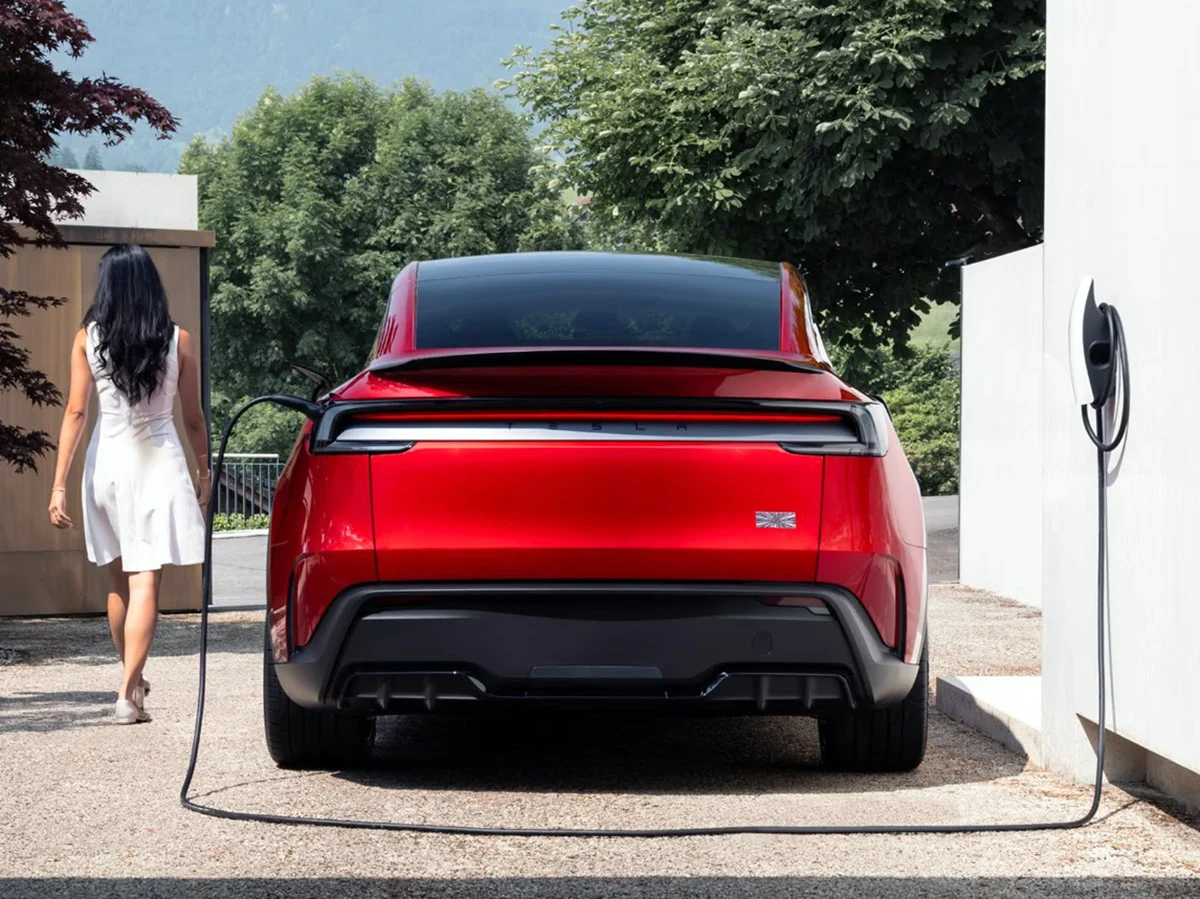
    Tesla’s ranking as second best among EV brands for battery health is noteworthy, particularly since the Model Y is sold in much larger numbers than models from other brands in Europe, where the battery longevity assessment was conducted. This is despite a significant decline in Tesla’s sales in Europe this year, influenced by Elon Musk’s political actions and the growing presence of BYD and other Chinese brands.

    Key Insights on Battery Longevity

    There are several key insights regarding the potential longevity of EV batteries, according to KVD’s Martin Reinholdsson:

    The used EV market has become more dynamic and diverse than ever, with the battery SoH of second-hand vehicles now being a critical factor for buyers. Kia provides a 7-year or 150,000 km warranty in Europe, covering both the battery and drivetrain, while Tesla offers a basic vehicle warranty of four years and 80,000 km, with an 8-year warranty specifically for the battery. In the US, Kia’s battery warranty leads the industry with a ten-year coverage.

    Both manufacturers guarantee that the battery will maintain at least 70% of its original capacity during this period, while Chinese brands are aiming to standardize 15-year warranties with an 85% capacity retention. The world’s largest battery producer, CATL, is already issuing a 12-year warranty for NIO’s battery swap stations and 20 years for some LFP energy storage units, indicating the chemistry advancements are well-established.

    The largest EV battery recycler in the US, Redwood Materials, has indicated that current EV batteries are suitable for at least 15 years, so the longevity potential revealed in the recent study isn’t particularly surprising. However, for the used EV market to become as vibrant as that of internal combustion engine vehicles, official battery warranties will need to be significantly extended.

    Source:
    Link


  • Kia EV6 and EV9 Gain Tesla NACS Support for Superchargers

    Kia EV6 and EV9 Gain Tesla NACS Support for Superchargers

    Key Takeaways

    1. The new Plug & Charge feature simplifies the charging process for Kia EV drivers, allowing automatic authentication and billing.
    2. Drivers can now plug in their vehicle and walk away, as the entire charging experience is handled in the background.
    3. Kia’s Plug & Charge feature aligns with practices already used by Tesla and other manufacturers like Rivian and Volkswagen.
    4. The feature will be available for the 2025 Kia EV6 by September 2025 and the 2026 Kia EV9 by the end of that year.
    5. Both models will feature Tesla’s NACS charging port for easy access to Tesla Superchargers, but some non-Tesla DC fast chargers will still require an adapter.


    Until now, drivers of Kia EVs had to go through a few steps to charge their vehicles at public DC fast chargers. Typically, they would have to open an app, tap a card, or start the session manually. With the new Plug & Charge feature, this whole process is getting a lot easier.

    Automatic Charging

    Once a payment method is registered in Kia’s Charge Pass system, the charging process becomes automatic. Now, drivers can simply use a compatible public charger, plug in their vehicle, and walk away after charging is done. The whole experience is quicker and smoother, as authentication, billing, and charging are all handled in the background without any extra effort from the driver.

    User-Friendly Experience

    “This upgrade makes the EV experience more user-friendly than ever,” stated Sujith Somasekharan, who’s the Connected Car & Mobility Director at Kia America.

    Kia’s approach is similar to what Tesla users have enjoyed for a while at Superchargers. Other electric vehicle manufacturers are also starting to use this feature: Rivian allows Plug & Charge at Tesla Superchargers and Ionna’s Rechargeries, while Volkswagen ID.4 drivers can do this at Electrify America charging stations. Kia is now joining this expanding group with its latest electric vehicles.

    Upcoming Launches

    The Plug & Charge feature is set to launch for the 2025 Kia EV6 by the end of September 2025 and will be followed by the 2026 Kia EV9 by the end of the year. Kia plans to inform owners when the update is available, along with clear instructions for setting it up.

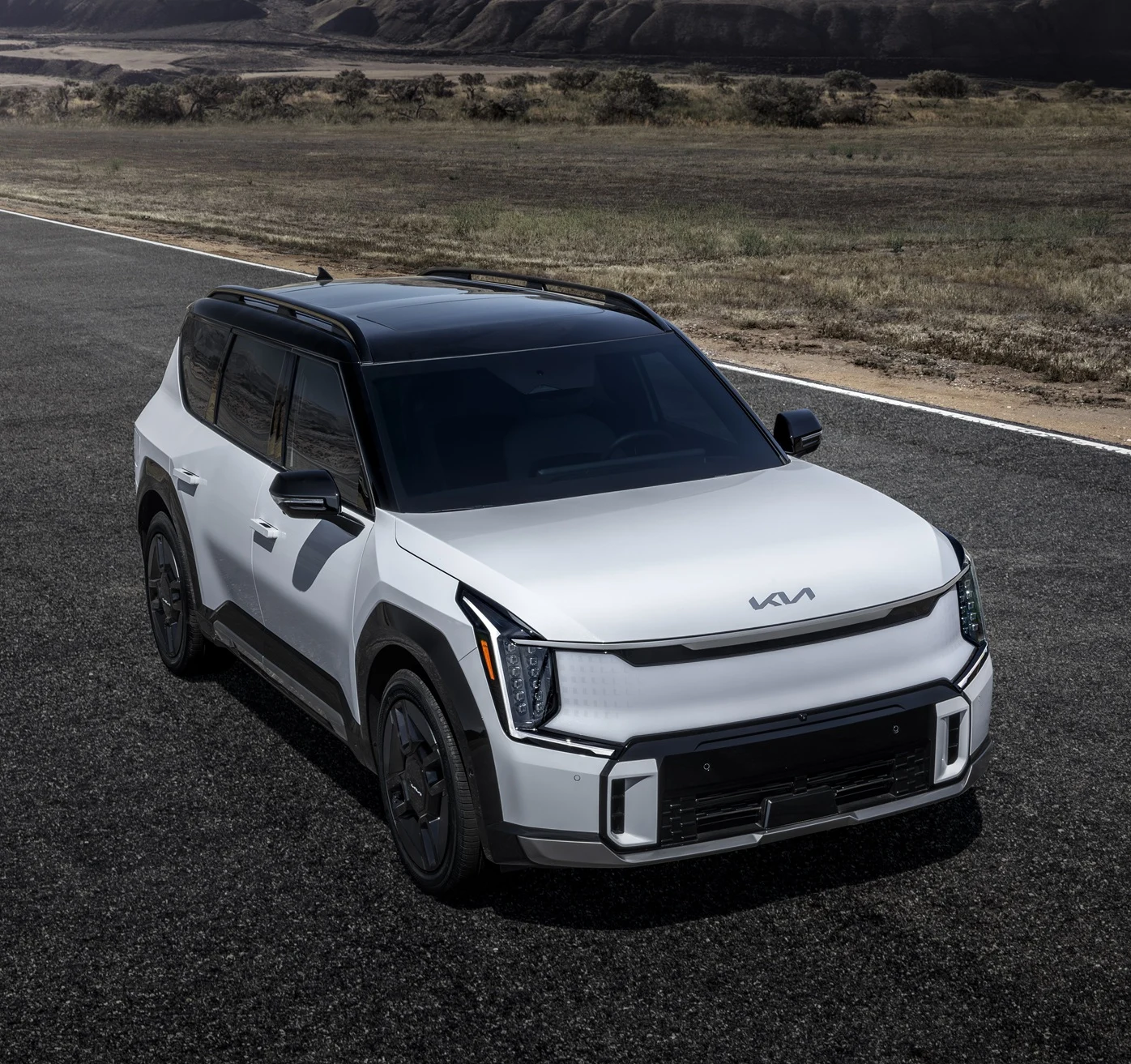
    Both the 2025 Kia EV6 and the 2026 Kia EV9 will be the first Kia models equipped with Tesla’s NACS charging port. This allows owners to use Tesla Superchargers and select Electrify America stations directly without needing an adapter. However, it’s worth noting that many non-Tesla DC fast chargers in the U.S. still rely on the CCS1 connector, so drivers will require an adapter for those locations.

    Source:
    Link


  • 2025 Kia EV6 Lease: $239/month for 24 Months – Limited Time Offer

    2025 Kia EV6 Lease: $239/month for 24 Months – Limited Time Offer

    Key Takeaways

    1. Kia offers a lease for the 2025 EV6 Light Long Range RWD model at $239 per month for 24 months, with an initial payment of $3,999.
    2. No security deposit is required, but customers must qualify and be approved by Kia Finance.
    3. The lease-end purchase price is set at $27,174.75 for those who wish to keep the vehicle.
    4. The EV6 features a driving range of up to 319 miles, an 84.0 kWh battery, and can charge from 10% to 80% in about 20 minutes with DC fast chargers.
    5. The vehicle has a starting price of $46,200 and includes a 12.3-inch touchscreen, 225 hp, and a towing capacity of 2,700 lbs.


    Kia has launched a lease offer for the 2025 EV6 in the United States, valid until September 2. For just $239 per month, customers can lease the Light Long Range RWD model (Model #N4342) of this electric SUV on a 24-month agreement, with an initial payment of $3,999.

    Lease Details

    Additional lease terms include a capitalized cost reduction of $4,110 and an acquisition fee of $650. Kia mentions that no security deposit is needed, but customers must be qualified and get approval from Kia Finance.

    Purchase Option

    Those who decide to keep the Kia EV6 at the end of their lease will find the lease-end purchase price set at $27,174.75.

    The Light Long Range RWD Kia EV6 boasts an impressive driving range of up to 319 miles (according to EPA estimates), supported by an 84.0 kWh battery. This battery can charge from 10% to 80% in roughly 20 minutes when using DC fast chargers. Plus, customers will find it compatible with Tesla Superchargers, which greatly expands their public charging choices.

    Performance Specs

    The vehicle’s powertrain delivers 225 hp and 258 lb-ft of torque, allowing it to accelerate from 0 to 60 mph in just 7.3 seconds. Notable features include a 12.3-inch touchscreen display, a towing capacity of 2,700 lbs, and 24.4 cu-ft of cargo space.

    The starting price for the 2025 Kia EV6 Light Long Range RWD is $46,200, before any incentives are applied.

    Source:
    Link


  • Hyundai and Kia Recall 208,000 EVs for Power Loss Risk

    Hyundai and Kia Recall 208,000 EVs for Power Loss Risk

    Related auto brands Hyundai and Kia are recalling a total of 208,000 electric vehicles (EVs) in North America due to a problem that could heighten the chances of an accident. Correspondence from the National Highway Traffic Safety Agency (NHTSA) to Hyundai Motor America reveals that the issue lies within the Integrated Charging Control Unit (ICCU), which may fail and stop the 12-volt battery from charging. This malfunction can result in a loss of driving power.

    Affected Models

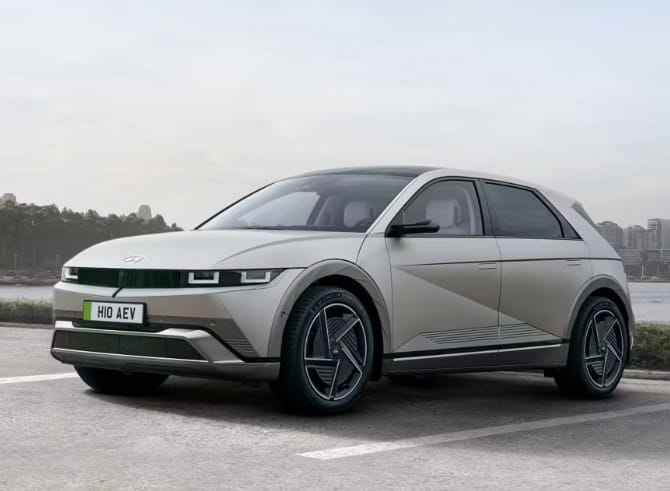
    Most of the recalled cars belong to the Hyundai brand, with 145,235 units possibly impacted. The models included in this action are the Genesis GV60, Genesis GV70 “Electrified,” Genesis G80 “Electrified” (for the years 2023-2024), Ioniq 5 (2022-2024 editions), and Ioniq 6 (2023-2025 editions).

    Inspection and Repairs

    To fix the issue, car owners will need to take their vehicles to a dealer. There, the ICCU and its fuse will be checked and replaced if needed, all at no cost to the owner. Additionally, the dealer will update the software for the ICCU.

    The NHTSA has indicated that this current Hyundai recall takes precedence over an earlier one. The solution will also cover any vehicles that have already undergone repairs.

    Kia Recall Details

    Kia is recalling approximately 63,000 EV6 models from the 2022-2024 lineups for a similar concern. A malfunctioning transistor in the ICCU might hinder the 12-volt battery’s ability to charge, which could lead to a loss of power.

    Owners of the Kia EV6, including those previously recalled for the same issue, must visit a Kia dealer to have their ICCU unit checked and possibly replaced for free. They will also receive a software update.

    Both Hyundai and Kia aim to issue recall notifications, with Hyundai expected to do so in January and Kia in December.

    Source: Link