
Key Takeaways
1. Nearly 80% of used electric vehicles retain over 90% of their original battery capacity after several years.
2. Kia is recognized for having the most durable batteries, with models like the EV6 and Sportage SUV leading in battery longevity.
3. Tesla ranks second for battery health, despite slower charging rates and a decline in European sales this year.
4. Battery State of Health (SoH) is crucial for used EV buyers, with Kia offering a comprehensive 7-year/150,000 km warranty.
5. Current EV batteries are estimated to be suitable for at least 15 years, indicating a need for extended warranties to boost the used EV market.
With the rise in sales of used electric vehicles, a recent test on their battery capacity retention over time has shown some truly impressive results regarding longevity.
Battery Retention Findings
Almost 80% of the 723 electric cars and 643 plug-in hybrids evaluated were able to keep over 90% of their original battery capacity after several years, once factors like charging levels, weather conditions, vehicle age, and mileage were averaged out.
Yet, certain EV brands utilize more robust battery cells equipped with advanced cooling and energy management systems, which excelled in the study that involved KVD’s three-star testing system to assess their batteries’ State of Health (SoH).
Top Brands for Battery Longevity
Kia stands out as the manufacturer of the most durable, long-lasting batteries with the highest capacity retention over time, applicable to their electric vehicles such as the EV6 and plug-in hybrids like the Sportage SUV. Another Kia model claimed the second position in the battery capacity retention ranking, closely followed by the Model Y, despite Tesla vehicles having considerably slower charging rates compared to those from Kia or Hyundai.
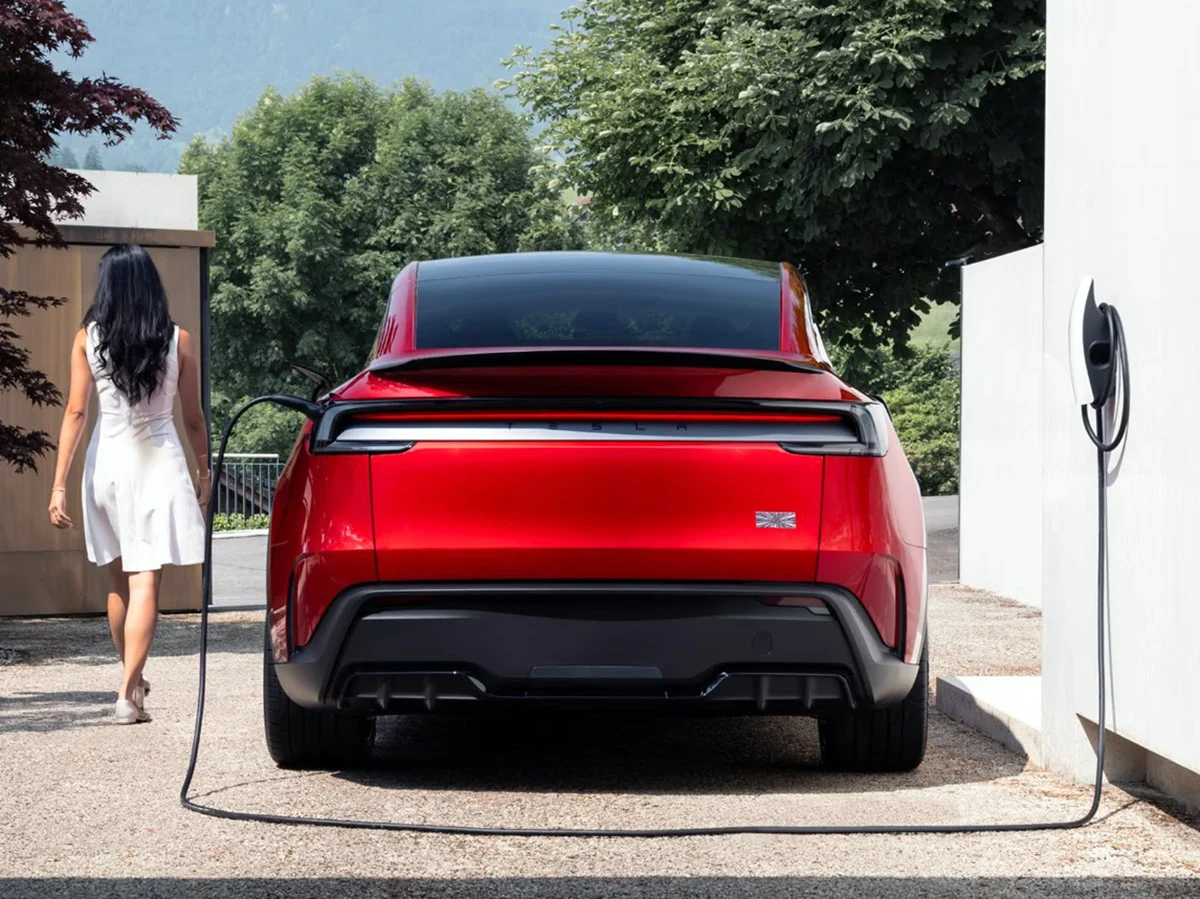
Tesla’s ranking as second best among EV brands for battery health is noteworthy, particularly since the Model Y is sold in much larger numbers than models from other brands in Europe, where the battery longevity assessment was conducted. This is despite a significant decline in Tesla’s sales in Europe this year, influenced by Elon Musk’s political actions and the growing presence of BYD and other Chinese brands.
Key Insights on Battery Longevity
There are several key insights regarding the potential longevity of EV batteries, according to KVD’s Martin Reinholdsson:
The used EV market has become more dynamic and diverse than ever, with the battery SoH of second-hand vehicles now being a critical factor for buyers. Kia provides a 7-year or 150,000 km warranty in Europe, covering both the battery and drivetrain, while Tesla offers a basic vehicle warranty of four years and 80,000 km, with an 8-year warranty specifically for the battery. In the US, Kia’s battery warranty leads the industry with a ten-year coverage.
Both manufacturers guarantee that the battery will maintain at least 70% of its original capacity during this period, while Chinese brands are aiming to standardize 15-year warranties with an 85% capacity retention. The world’s largest battery producer, CATL, is already issuing a 12-year warranty for NIO’s battery swap stations and 20 years for some LFP energy storage units, indicating the chemistry advancements are well-established.
The largest EV battery recycler in the US, Redwood Materials, has indicated that current EV batteries are suitable for at least 15 years, so the longevity potential revealed in the recent study isn’t particularly surprising. However, for the used EV market to become as vibrant as that of internal combustion engine vehicles, official battery warranties will need to be significantly extended.
Source:
Link
Leave a Reply