
Key Takeaways
1. Shift Back to Combustion Engines: Car manufacturers are refocusing on combustion engines and hybrid vehicles due to a decline in electric vehicle demand as subsidies decrease.
2. Toyota’s Cautious Approach: Toyota’s strategy of gradual vehicle electrification has proven successful, leading to increased profits as consumers opt for hybrids over EVs.
3. Growth of EREVs in China: Extended Range Electric Vehicles (EREVs) are becoming popular in China, offering a balance of electric driving and gasoline backup through a small engine.
4. CATL’s Innovations: CATL is introducing a new 80 kWh battery aimed at hybrids, promising over 500 km of pure electric range and addressing weight issues in EREVs.
5. High Nickel Ternary Batteries: The new CATL battery uses high nickel content to enhance energy density without increasing vehicle weight, improving efficiency for extended-range options.
After the market for electric vehicals took a hit as subsidies began to diminish, car manufacturers are shifting gears back to combustion engines, committing to boost the presence of hybrid vehicles in their offerings.
Toyota’s Steady Strategy
Toyota has been a strong advocate for a gradual and cautious approach towards vehicle electrification. They are now feeling justified, as they reported a significant rise in gross profits last year when the demand for EVs started to decline and consumers turned to hybrids. Many other automakers are also delaying their plans for electrifying their portfolios. Companies like GM are now pushing for the elimination of clean vehicle mandates and for lowering emission standards.
The Rise of EREVs in China
In China, the top market for electric vehicles, a new trend involving Extended Range Electric Vehicles (EREV) is gaining attention. These plug-in hybrids come with a small gasoline engine that acts as a generator to recharge the battery, providing a balance of speed and distance.
The largest EV battery manufacturer worldwide has been catering to this growing EREV market by introducing a 60 kWh Freevoy battery for hybrids, which they claim enables a pure electric range of 400 km (248 miles). With the average battery size in hybrids being under 30 kWh, CATL is clearly aiming at the premium EREV segment. There are already vehicles available that utilize its Freevoy package, offering over 1,000 km of total range.
New Innovations from CATL
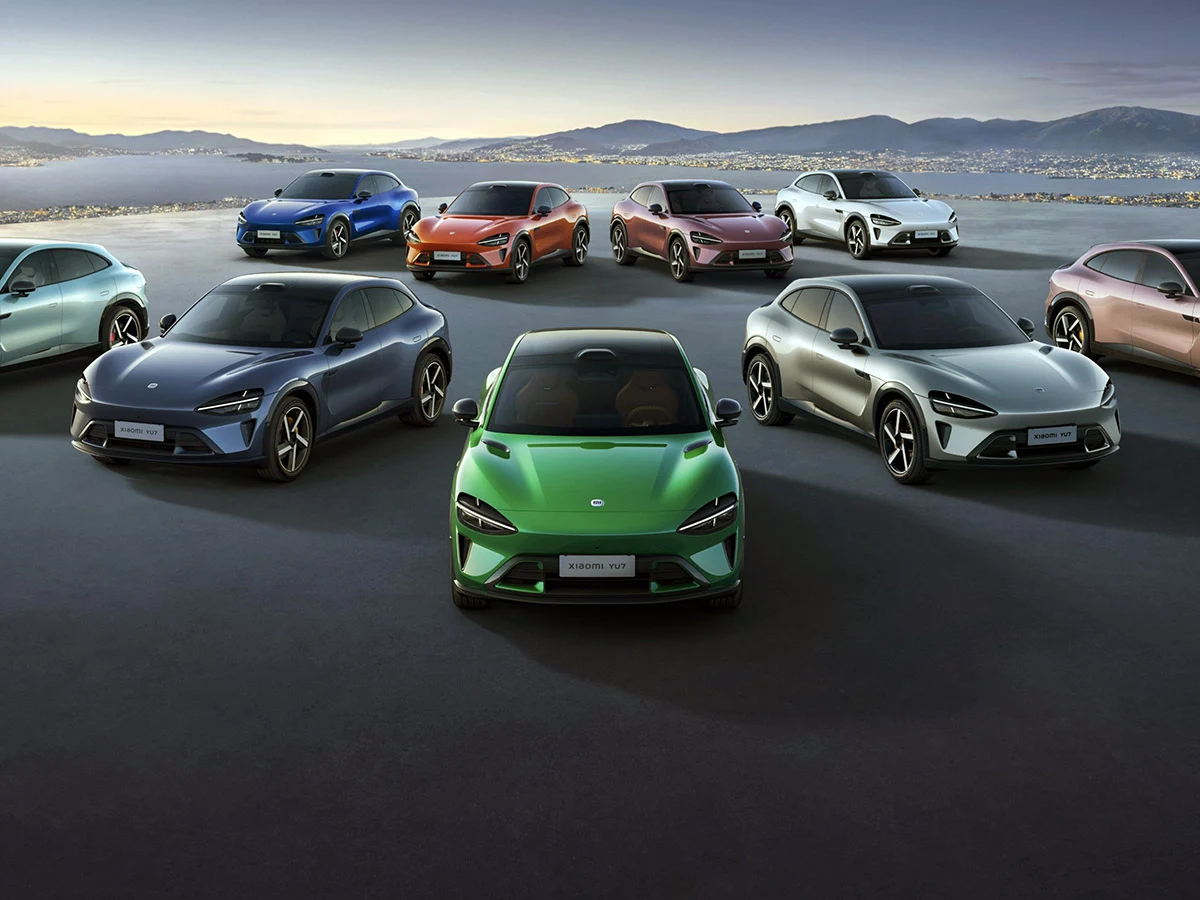
CATL is reportedly taking it a step further by creating a nickel battery with an impressive 80 kWh capacity, comparable to many mainstream electric vehicles, specifically targeting extended-range options. This new battery will be mass-produced next year and is expected to feature in various SUVs and MPVs, including a highly anticipated 2026 Xiaomi EREV that has yet to be officially announced.
The upcoming 80 kWh CATL battery for hybrids is said to provide over 500 km of pure electric range. It also tackles the weight issue with EREVs, some of which are nearing the 3-ton weight limit due to the size of the battery and internal combustion engine.
Ternary batteries that contain high nickel levels deliver a much greater energy density compared to the LFP batteries that are becoming common in everything from popular Anker power stations to hybrid vehicles. By returning to higher nickel content, the new CATL battery doesn’t need to add more cells, thus preventing an increase in vehicle weight while still achieving the promised range extension.
Source:
Link
Leave a Reply