
Key Takeaways
1. GM’s electric trucks will standardize a range of over 400 miles on a single charge, starting with high-end versions.
2. The new manganese-rich battery (LMR) with LG will begin mass production in 2027, offering affordable 400-mile trucks by 2028.
3. LMR batteries offer better energy density and affordability compared to lithium ferrophosphate (LFP) and nickel-based batteries.
4. GM is establishing a domestic supply chain for rare-earth magnets to reduce reliance on China amid export restrictions.
5. Two rare-earth magnet manufacturing plants are set to open by year-end, supporting GM and U.S. defense needs.
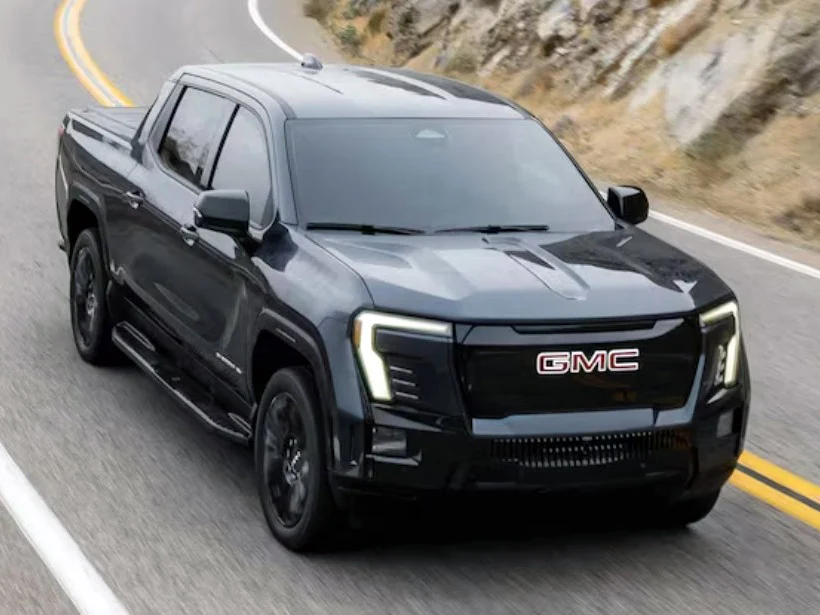
Select General Motors’ electric trucks already have high-end versions that can travel over 400 miles on a single charge, but the company is gearing up to make this standard across their entire truck range.
Exciting Battery Developments
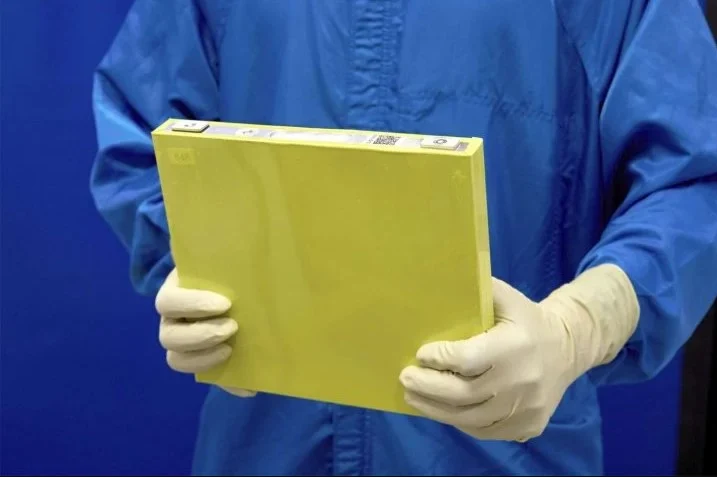
GM has been working on a manganese-rich battery (LMR) in partnership with LG for ten years and is set to start mass production in 2027, with plans for more affordable 400-mile trucks to launch in 2028. The innovative LMR technology earned the title of “Battery Innovation of the Year” at the 2025 battery expo held in Detroit, largely due to its impressive energy density and cost-effectiveness.
Comparing Battery Technologies
The lithium-manganese battery developed by GM and LG has an energy density that surpasses that of the commonly used lithium ferrophosphate (LFP) batteries, which are found in many electric vehicles and even popular devices like Anker Prime power banks. While LFP batteries are budget-friendly and safe, they offer only average energy density. On the other hand, nickel-based batteries provide great performance and long range but are pricier and less stable because they contain metals like nickel and cobalt.
Manganese is more widely available, making the LMR battery from LG and GM more affordable than those that rely on nickel. It still offers impressive energy density that enables the creation of 400-mile trucks at a lower price and allows for 100% charging without harming battery life. Kurt Kelty, the VP of Batteries and Electrification, states:
“LMR represents the outcome of a decade of research and is a technology that will provide excellent performance at a fair price. By enhancing battery quality and controlling the supply chain, we can boost our competitiveness in North America.” GM is refining its electric vehicle range by utilizing three types of battery chemistry simultaneously: high-nickel for top performance, LFP for durability, and LMR for a good mix of performance and pricing.
Industry Insights
Elon Musk has also identified manganese technology as an ideal compromise between cost and performance, while CATL is now producing M3P manganese batteries with high energy density as well.
Sadly, American companies face challenges in accessing Chinese batteries because of tariffs and export limitations, so GM’s plan to centralize production is yielding results. Not only is its domestically developed LMP battery moving into mass production, but GM stands as the sole American car manufacturer unaffected by China’s recent restrictions on the export of rare earth mineral magnets.
These magnets play a crucial role in the electric vehicle sector, leading GM to establish a rare-earth magnet supply chain in the U.S. since 2021. They have been identifying partners and entering into long-term contracts that carry some risk. This is risky because Chinese magnets are less expensive, but with China’s ban on rare earth exports—even if they’re only for magnet production using their minerals abroad—GM’s strategy seems justified.
The company is now starting to benefit from its choice to reduce reliance on China, with two rare-earth magnet manufacturing plants expected to begin operations by the end of the year, primarily serving GM. A portion will also supply the Pentagon, which has invested $400 million in one U.S.-based magnet firm. However, the government remains a smaller client, so GM’s bet on independence in EV battery and magnet production is crucial for scaling up their operations in the U.S.
Source:
Link


Leave a Reply