Tag: EVs

  • Aito 9 Launches as Luxury Electric Vehicle for Global Market

    Aito 9 Launches as Luxury Electric Vehicle for Global Market

    Key Takeaways

    1. Aito is a partnership between Seres (a Chinese car manufacturer) and Huawei, surpassing Xiaomi in global EV launches.
    2. The initial Aito models are designed specifically for the Middle Eastern market, focusing on a “new luxury” smart mobility experience.
    3. The Aito 9 features a dual-motor AWD SUV option, with both EREV and BEV configurations, offering up to 523 horsepower.
    4. The Aito 5 offers both BEV and EREV options, producing up to 268hp with an 83kWh CATL battery and impressive AWD capabilities.
    5. The Aito 7, positioned between the Aito 5 and 9, utilizes the same power system as the Aito 5 and produces up to 449hp, with plans for diverse energy options in future markets.


    Aito began as a brand through a partnership between the Chinese state-owned car manufacturer Seres and the well-known tech company Huawei. It has now outpaced Xiaomi in launching its electric vehicles (EVs) globally.

    Global Launch and Ambitions

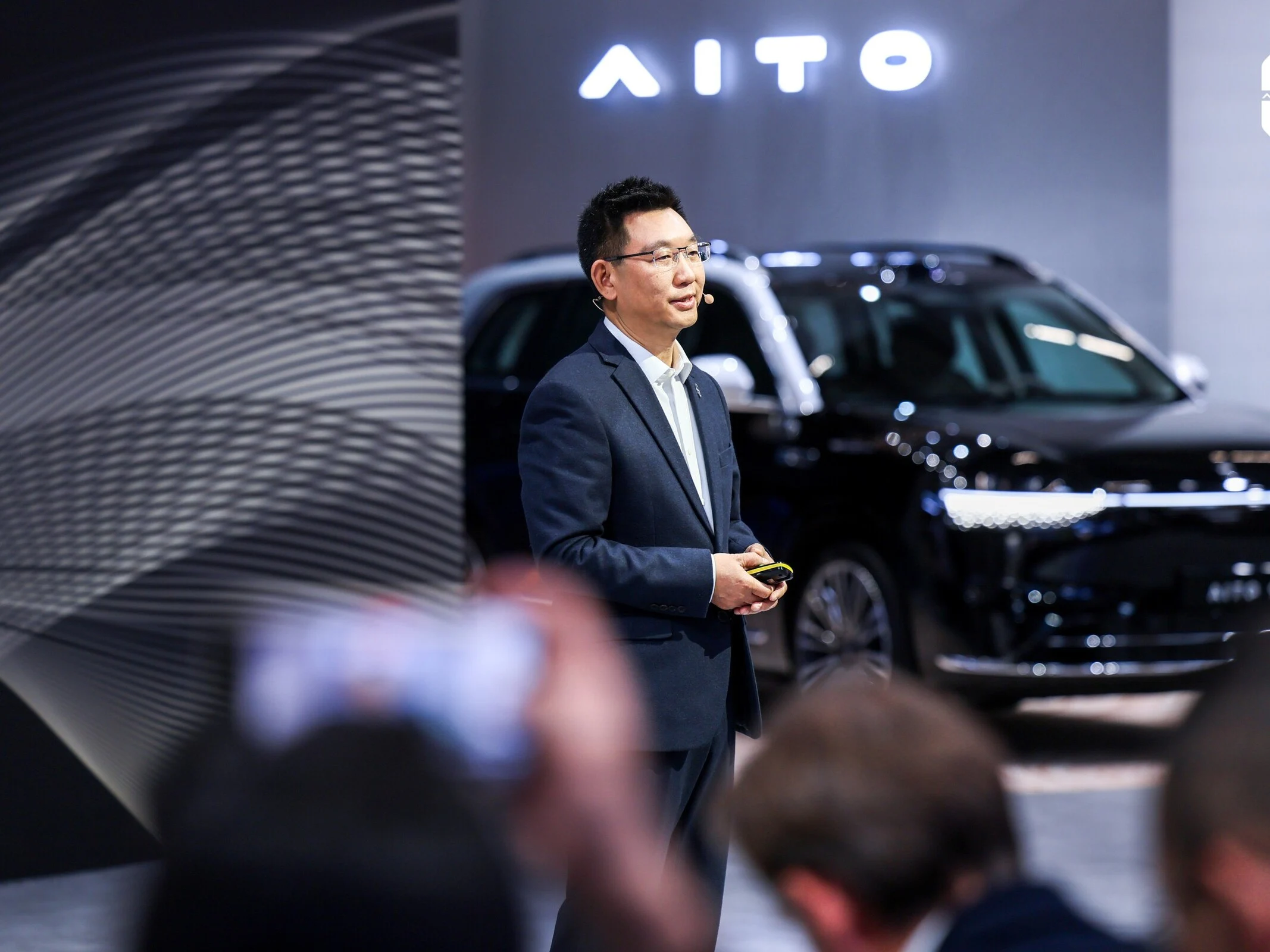
    Leon He, the president of Seres Auto, has claimed that they are set to offer “an unmatched ‘new luxury’ smart mobility experience to consumers around the globe.” However, the initial three global models are specifically tailored for the Middle Eastern market.

    Specifications of the Aito Models

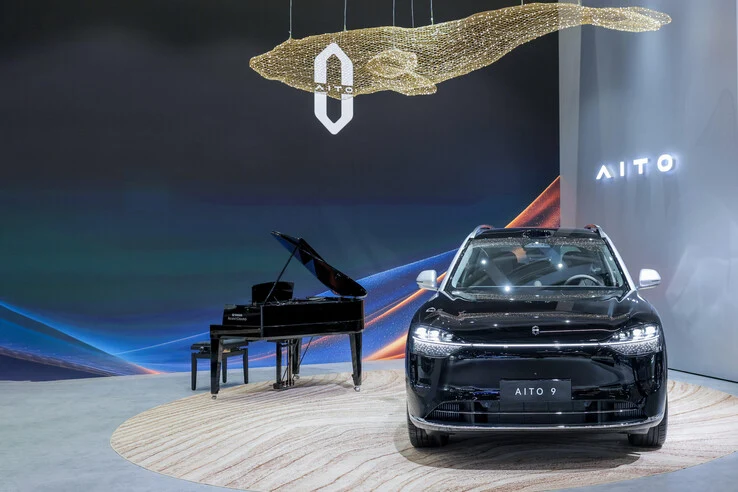
    Among these models is the Aito 9, which is designed for markets like China and the Philippines, serving as the high-end version of the M9 extended-range EV (EREV). This model is available as a dual-motor all-wheel-drive (AWD) SUV that can seat 5 to 6 people. It features a ternary NMC battery with a capacity of up to 52 kilowatt-hours (kWh) alongside a 1.5-liter internal combustion engine.

    In addition, there’s a battery-powered electric vehicle (BEV) option for the Aito 9, which also utilizes dual motors and delivers up to 390kW (about 523 horsepower). In contrast, its EREV variant produces 365kW (approximately 489hp).

    The Aito 5 and 7 Models

    The Aito 5 is likened to the existing M5—a smaller SUV that offers both BEV and EREV alternatives. It can produce up to 200kW (around 268hp) using an 83kWh CATL battery that utilizes LFP technology. Meanwhile, in its AWD 1.5l/42kWh NMC setup, it can reach up to 365kW (about 489hp).

    The M9 also features impressive technology, including a 12.3-inch LCD instrument panel and a 16-inch monitor for passengers, along with a 15.6-inch central console display shared with the M5.

    Future Prospects

    The Aito 7, previously known as the M7, is positioned between the Aito 5 and 9. It uses the same 1.5l/42kWh NMC power system, producing up to 330kW (approximately 449hp) and includes the main and instrument screens, though it lacks the passenger display.

    Aito has stated that the international versions of these vehicles will offer a similarly “diverse range” of energy options upon their entrance into new markets. The Aito 9, 7, and 5 are currently available for preview at the IAA Mobility 2025 event until September 12, 2025.

    Source:
    Link


  • US Car Imports Plunge 72% Year-Over-Year Due to Trade Tariffs

    US Car Imports Plunge 72% Year-Over-Year Due to Trade Tariffs

    Key Takeaways

    1. Introduction of Tariffs: President Trump imposed a 25% tariff on new car imports and auto parts in April and May 2025 to boost US auto manufacturing.

    2. Significant Decline in Vehicle Imports: US vehicle imports dropped by 72.3% in May 2025 compared to May 2024, impacting the overall auto market.

    3. Impact on Used Car Prices: Increased demand for used cars, driven by higher new car prices and reduced imports, has led to a 4% rise in used car prices in 2025.

    4. Uncertainty in the Market: Many manufacturers may be delaying new car imports, hoping for changes in tariff policies, contributing to market unpredictability.

    5. Future Implications: The long-term effects of tariffs and potential changes to EV mandates could significantly alter the US car market and consumer behavior.


    In April, President Donald Trump implemented a 25% tariff on new car imports to rapidly revive auto manufacturing in the US. On May 3rd, another 25% tariff was placed on auto parts imports. These tariffs have significantly impacted US auto imports.

    Decline in Vehicle Imports

    As reported by Automotive News (via InsideEVs), US importers brought in 72.3% fewer vehicles in May 2025 compared to May 2024. This drastic drop could have severe consequences in a market where a majority of buyers prefer used vehicles.

    Effects on Used Car Prices

    While the tariffs from President Trump do not directly influence used cars, the overall auto market’s changes do affect used car prices, including electric vehicles (EVs). An increase in new car prices or a reduction in new car imports can push buyers towards the used car market. This heightened demand tends to drive prices higher.

    Rising Costs of Used Cars

    Data from Cox Automotive shows that used car prices in the US are currently 4% higher than in 2024. This increase could worsen due to the significant 72% drop in imports.

    InsideEVs speculates that such a substantial decline in auto imports may indicate that manufacturers are delaying new car imports into the US, hoping for relief from tariffs soon. President Trump has been unpredictable regarding these import tariffs, creating a lot of uncertainty.

    Future Market Implications

    It remains unclear how the car market and consumer habits will change as the effects of the tariffs become more apparent. If the auto import tariffs persist and the current US administration decides to scrap the EV mandate—suggested by the recent dispute between Elon Musk and President Trump—the US car market could face a major upheaval.

    Source:
    Link

  • Electric Vehicle Fueling Cost Estimation

    Electric Vehicle Fueling Cost Estimation

    Analyzing the Expenses Involved in Powering Electric Cars

    The discourse concerning electric vehicles (EVs) traditionally revolves around their positive impact on the environment and the collective drive towards a sustainable future. Nonetheless, a recent investigation has shed light on a different dimension of EVs – their fueling expenses. As per this research, the cost of fueling an electric vehicle equates to approximately $17 per gallon, prompting a more profound comprehension of EV ownership.

    Unveiling the Actual Fueling Expenses of an EV

    Initially, this cost might appear significantly higher when compared to the standard gasoline prices. Nevertheless, this juxtaposition is not so straightforward. The cost per gallon for EVs does not directly correlate with the typical gallons utilized by gasoline vehicles. Instead, it signifies the financial outlay for the electricity necessary to cover the equivalent distance that one gallon of gasoline would propel a conventional car.

    Grasping the Operational Expenditures

    This particular calculation is pivotal in grasping the genuine expenses associated with running an EV. Despite the fact that the initial buying price of electric vehicles could surpass that of their gasoline-powered counterparts, their operational costs, primarily propelled by fueling, are frequently lower. Electricity, as a fuel source, tends to be comparatively more cost-effective than gasoline, and EVs exhibit higher energy efficiency levels compared to internal combustion engine vehicles. Moreover, the pricing of electricity can fluctuate significantly across different regions, with time-based rates potentially influencing the cost of charging an EV.

    Innovations in Battery Technology and Charging Network

    Additionally, the discoveries of the research emphasize the significance of progressing battery technology and the charging network. Enhancements in battery efficiency and accelerated charging durations have the potential to curtail the overall expenses associated with operating an EV. Furthermore, with the escalating prevalence and declining costs of renewable energy sources, the cost of charging EVs might further diminish, rendering them even more economically viable in the long haul.

    Factors to Deliberate for Consumers and Decision-Makers

    For consumers, comprehending the actual expenses involved in fueling EVs is vital when contemplating the transition from gasoline-powered vehicles. Despite the initial surprise sparked by the $17 per gallon value, an in-depth examination demonstrates that EVs could potentially offer superior cost-effectiveness over their lifespan. As for policymakers and key industry actors, these conclusions stress the necessity for continued investments in EV infrastructure and technology to render electric mobility a more appealing and feasible alternative for a broader spectrum of consumers.

    In summation, the initial expense of fueling electric vehicles may seem exorbitant in comparison to gasoline vehicles. Nevertheless, a profound insight into the financial calculation and operational expenditures elucidates that EVs could prove to be more economical over time. The advancements in battery technology and charging infrastructure will likely further bolster the affordability of EVs. As the globe progresses towards a more sustainable trajectory, backing EVs and their corresponding infrastructure stands as a critical component to encourage widespread acceptance of electric mobility.