
Key Takeaways
1. Xiaomi has quickly turned a profit in the electric vehicle (EV) market, achieving this in just two years compared to Tesla’s decade-long journey to profitability.
2. Recent battery efficiency tests show Xiaomi’s vehicles, like the SU7, are performing close to Tesla’s, with notable results in energy consumption.
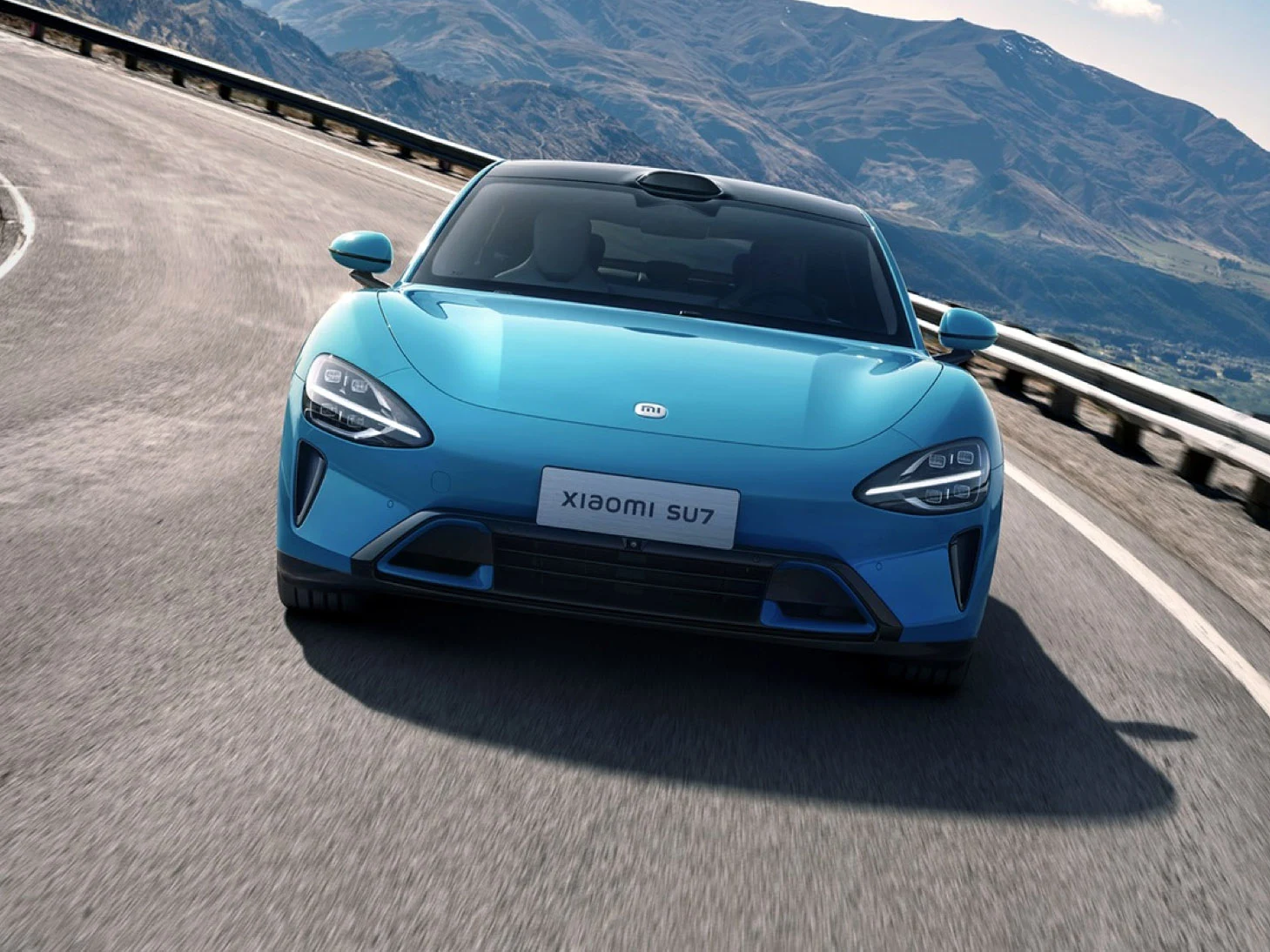
3. Xiaomi’s SU7 achieved an efficiency of 22.5 kWh per 100 km, while Tesla’s Model 3 was the most efficient at 20.8 kWh per 100 km.
4. CEO Lei Jun believes that Chinese EV brands, including Xiaomi, are now on par with Tesla in terms of features and specifications but at lower price points.
5. The competition in the EV market is increasing, with local brands showing confidence and striving for improved energy efficiency and overall vehicle performance.
Xiaomi has emerged as a new contender in the electric vehicle (EV) market, taking on Tesla not just in vehicle features but also in sales and profitability.
It took Xiaomi only two years to turn a profit from its EV segment last quarter, a stark contrast to Tesla, which required a decade before it could report a profitable quarter. Of course, Tesla was the first to bring electric vehicles into the spotlight, which made it a bit easier for Xiaomi, and CEO Lei Jun acknowledges that they have learned valuable lessons from Tesla.
Testing Results Show Efficiency
A recent test of popular electric vehicles on battery efficiency showed that Xiaomi’s cars are close to Tesla’s performance. The Autohome test was carried out at a steady speed of 120 km/h, with the same weight and cabin temperature for all vehicles involved.
This test is quite demanding for electric cars, as they usually perform better in city driving than on highways. The Tesla Model 3 achieved the best efficiency, consuming 20.8 kWh of battery for every 100 km, equating to around three miles per kWh.
Xiaomi’s Performance
On the other hand, the Xiaomi SU7 performed admirably, using 22.5 kWh per 100 km, even though it’s a larger and more premium option compared to the Model 3. The Model Y recorded an efficiency of 21.8 kWh/100 km, while the bigger Xiaomi YU7 SUV consumed 25.9 kWh/100 km.
Lei Jun expressed his satisfaction with these results, noting that Chinese EV brands no longer look up to Tesla. He mentioned that vehicles like the SU7 are comparable in features and specifications, yet come with a lower price tag.
The Future of EVs
What excites me about these results is that local EVs are no longer just trying to catch up to Tesla but are now meeting industry standards on equal footing. Every brand is striving to optimize energy usage, thermal management, and overall vehicle efficiency, showcasing solid foundational capabilities. Honestly, I haven’t seen such a surge of confidence from Chinese brands on one of the toughest tracks globally.
However, CEO Jun also noted that Xiaomi, which is well-known for its affordable smartphones and gadgets like the Redmi Buds 6 Pro, will continue to learn and aim to become an even more efficient automaker.
In the realm of power consumption, Tesla faces rising competition in the U.S., with Lucid remaining the top player. Lucid’s custom motors and drivetrain achieve a remarkable efficiency of over 5 miles per kWh, although its premium models are pricier than those from Tesla or Xiaomi.
Source:
Link


Leave a Reply