Tag: electric vehicles

  • Chery Rhino S Solid-State Battery for 800-Mile EV by 2027

    Chery Rhino S Solid-State Battery for 800-Mile EV by 2027

    Key Takeaways

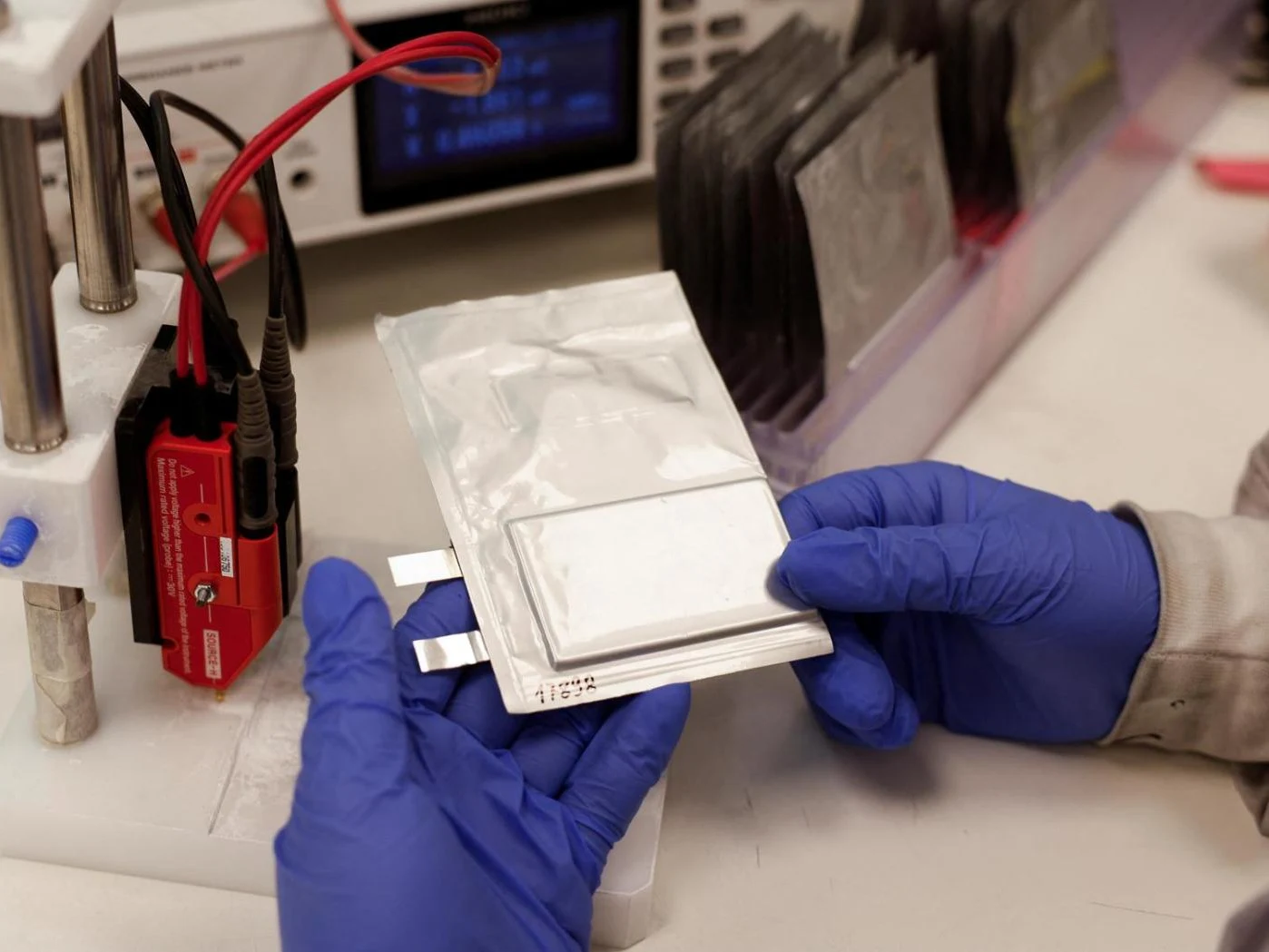
    1. Chery has introduced a solid-state battery, the Rhino S, featuring a polymerized electrolyte and manganese cathode, targeting mass production by 2027.
    2. The Rhino S battery achieves an energy density of 600 Wh/kg, nearing theoretical limits and outperforming previous models.
    3. Chery plans to begin pilot production of the Rhino S batteries in March, aiming to integrate them into vehicles by 2027.
    4. China’s national task force is focused on advancing solid-state battery technology, with a goal to transition from lab research to practical application.
    5. Chery’s solid-state batteries promise greater safety, faster charging, and an anticipated range of 800 miles for electric vehicles, addressing range anxiety concerns.


    After Toyota, CATL, and Samsung announced that they would begin mass production of solid-state batteries in 2027, a new contender has emerged, potentially outshining their plans.

    Chery’s Bold Move

    Chery, China’s largest car exporter, has revealed its own solid-state battery featuring a polymerized electrolyte and manganese cathode. The company sold over 1.2 million vehicles globally in the first half of this year, showcasing its market strength.

    The Rhino S battery employs a unique polymer electrolyte, akin to the flexible solid-state battery prototype introduced by the Chinese Academy of Sciences (CAS). This polymerization boosts ion conductivity and decreases transfer times, resulting in an improved energy density within the same size. Furthermore, the addition of manganese to the cathode resembles the technology developed by GM and LG for production in the US.

    Impressive Energy Density

    With its innovative electrolyte and cathode materials, the Rhino S battery achieves an impressive energy density of 600 Wh/kg, nearing the theoretical limits of solid-state battery technology. Although the flexible solid-state battery designed by CAS has shown potential for an 86% increase in energy density compared to previously announced models, it remains in the lab and prototyping phase.

    Chery plans to commence pilot production of its Rhino S solid-state battery cells, maintaining the 600 Wh/kg energy density, next year, and aims to integrate these batteries into vehicles by 2027. Due to the high manufacturing costs of solid-state batteries at low volumes, industry giants like CATL or Panasonic view them as better suited for applications requiring high volumetric density, such as drones or humanoid robots.

    Future of Solid-State Batteries

    Toyota has indicated that its initial solid-state battery cars will be luxury models under the Lexus brand. Meanwhile, Chery’s large exports of hybrid vehicles present another potential market avenue. Competing with well-established brands like CATL or BYD in the current mass market for EV batteries proved challenging for Chery, which is why it has pivoted to focus its significant R&D resources on emerging technologies like solid-state batteries.

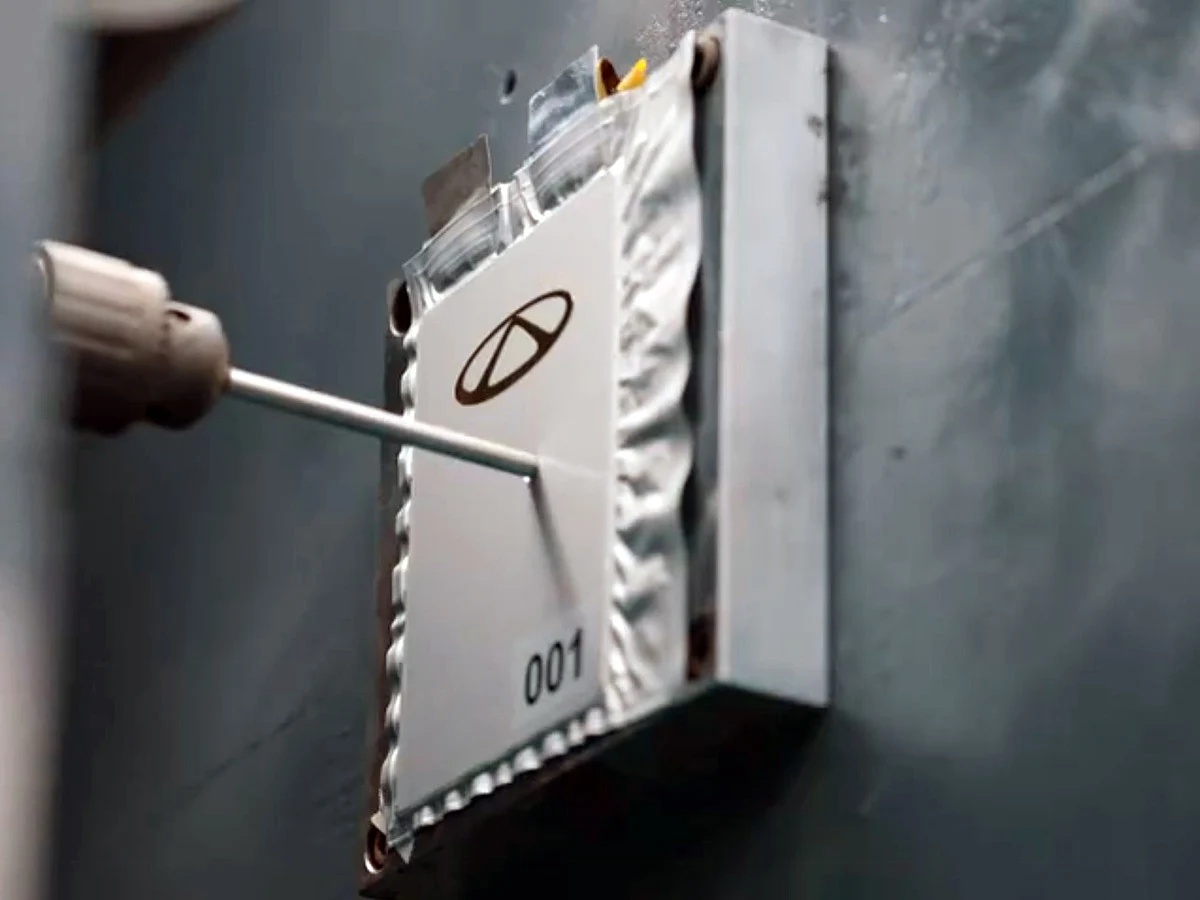
    The Rhino S battery has undergone rigorous testing, including extreme temperature and nail penetration assessments, passing with exceptional results. This success paves the way for pilot production at Chery’s Anwa New Energy Technology facilities, scheduled for March. The first generation of solid-state batteries previously had an energy density of 350 Wh/kg, whereas companies like Samsung, Toyota, and CATL aim to develop commercially viable batteries with 500 Wh/kg energy density by 2028.

    China is striving to be a leader in the next generation of EV battery technology and has formed a national task force dedicated to advancing solid-state battery research. A recent report from state media indicates that the transition from lab research to practical application is underway. “In the past, a 100-kilogram battery could only provide a maximum range of 500 kilometers, but now it is anticipated to surpass the 1,000-kilometer mark,” the report states.

    Chery’s Rhino S stands out as a next-generation solid-state battery with the highest density for a production-ready technology revealed to date. With its 600 Wh/kg solid-state battery, Chery aims to develop electric vehicles with a range of 800 miles, significantly reducing range anxiety. These batteries are also generally safer and can charge more quickly than current EV batteries. The main question remaining is how much will the first mass-produced electric vehicles with solid-state batteries cost when they arrive in 2027.

    Source:
    Link


  • New Tech Offers 1,000-Mile Range for EVs with Electrode-to-Pack

    New Tech Offers 1,000-Mile Range for EVs with Electrode-to-Pack

    Key Takeaways

    1. 24M ETOP technology integrates electrodes directly into battery packs, eliminating the need for cells, leading to a more cost-effective manufacturing process.
    2. This innovative design increases energy density, allowing for up to 80% of a battery pack’s volume to be dedicated to energy storage, compared to 30-60% in traditional designs.
    3. The new technology could potentially increase the range of electric vehicles by 50%, enabling them to travel up to 1000 miles on a single charge.
    4. 24M ETOP technology allows American manufacturers to enhance their competitiveness in the battery market against international rivals.
    5. The new design has future applications beyond electric vehicles, including in emerging sectors like eVTOL aircraft, which require lightweight and high-power solutions.


    24M Technologies has revealed its new 24M ETOP (Electrode-to-Pack) technology, which the company describes as a game-changing manufacturing platform that will allow for a cost-effective and safe battery pack capable of lasting 1000 miles on a single charge.

    Innovative Design

    This platform uniquely integrates electrodes straight into the battery pack, doing away with cells altogether. This marks a step forward from the previous cell-to-body (CTB) technology that removed modules and allowed cells to fit directly within the battery pack. With the 24M ETOP, there’s a promise of a more affordable way to create small, high-voltage batteries that maximize energy density.

    Increased Efficiency

    Standard battery designs rely on cells and modules, meaning that many parts of battery packs only serve structural or safety purposes without contributing to energy storage. The 24M ETOP approach reduces this inefficiency by utilizing sealed anode and cathode pairs that are directly integrated into the pack. The company claims this boosts the energy-storing material volume to 80% of a pack’s total volume, compared to just 30–60% in traditional designs, which could translate to a 50% increase in range for electric vehicles.

    The U.S. needs to push forward with battery innovation, not just focus on expanding production, to narrow the gap with international competitors. Our 24M ETOP gives American manufacturers the tools necessary to surpass Asian rivals with leading energy density. — Naoki Ota, President and CEO of 24M.

    Future Applications

    In addition to electric vehicles, this technology presents a promising opportunity for emerging sectors like eVTOL (electric vertical take-off and landing) aircraft, where lightweight and compact designs that provide maximum power and extended range are essential.

    Source:
    Link


  • Tesla Cybertruck Now Available for Orders in the Middle East from $116K

    Tesla Cybertruck Now Available for Orders in the Middle East from $116K

    Key Takeaways

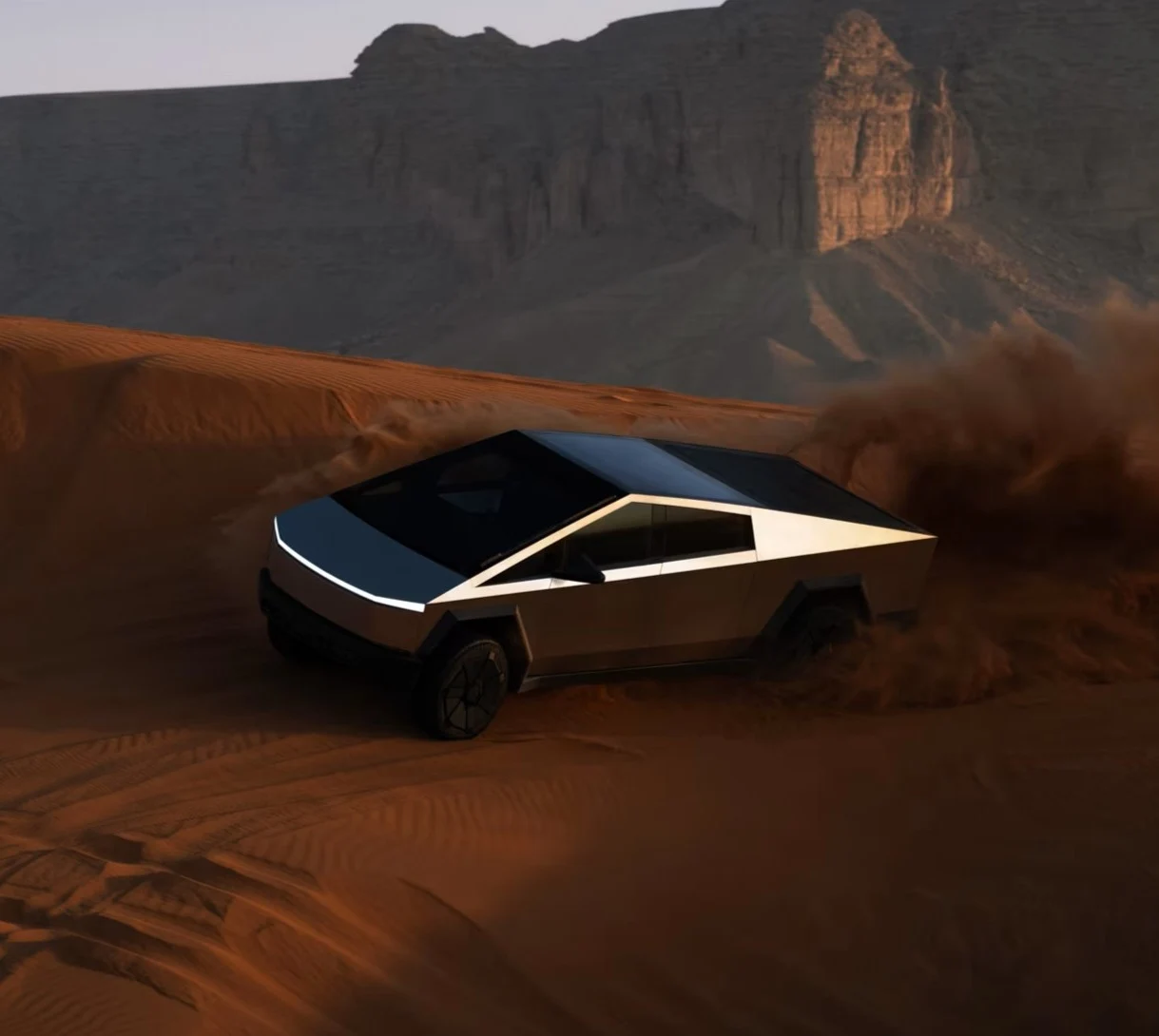
    1. Tesla’s Cybertruck is now available for orders in Saudi Arabia, Qatar, and the UAE, offering AWD and performance options (Cyberbeast).
    2. Pricing for the AWD Cybertruck starts at SAR 434,990 ($116,000) in Saudi Arabia, while the Cyberbeast starts at SAR 484,990 ($129,300).
    3. The AWD model has a range of 523 km, accelerates from 0 to 100 km/h in 4.3 seconds, and can tow up to 4,990 kg; the Cyberbeast does it in 2.7 seconds.
    4. Tesla introduced a more affordable Rear-Wheel Drive (RWD) Cybertruck earlier in the year, with a longer range of 563 km, but has since discontinued it in the US.
    5. The Cybertruck launch aligns with the rising interest in luxury electric vehicles in the Middle East, supported by government incentives and charging infrastructure expansion.


    Tesla’s fully electric Cybertruck is now ready for orders in several key Middle Eastern countries, such as Saudi Arabia, Qatar, and the UAE. The company is providing both the All-Wheel Drive (AWD) and a performance-oriented version known as the Cyberbeast, giving buyers choices that fit their driving preferences.

    Pricing and Specifications

    In Saudi Arabia, the AWD Cybertruck has a starting price of SAR 434,990 (around $116,000), while the Cyberbeast starts at SAR 484,990 (approximately $129,300). Tesla estimates that the AWD model can travel roughly 523 km on a single charge. It accelerates from 0 to 100 km/h in just 4.3 seconds and can tow as much as 4,990 kg. The Cyberbeast takes things a step further, achieving 100 km/h in merely 2.7 seconds.

    Previous Model Introduction

    Earlier this year, Tesla also rolled out the Rear-Wheel Drive (RWD) Cybertruck in Saudi Arabia at a more affordable starting price. This version boasts a slightly longer range of 563 km on a full charge, although its acceleration is not as fast compared to the other trims. Deliveries for this model are anticipated to kick off in late 2025. However, the company recently discontinued the RWD trim in the US last month, raising questions about how long it will remain available in other regions outside of North America.

    Growing Electric Vehicle Interest

    The introduction of the Cybertruck in the Middle East aligns with the increasing interest in luxury electric vehicles within this region. With more government incentives and an expanding network of charging stations, making the switch to electric vehicles is becoming more attractive. For Tesla and electric vehicle enthusiasts in the area, the Cybertruck presents an appealing choice with its long-range capabilities and impressive towing strength.

    South Korea also welcomed the AWD and Cyberbeast trims back in August, demonstrating Tesla’s ongoing efforts to expand into global markets.

    Tesla Middle East

    Source:
    Link


  • Electric Ford Mustang Mach-E Sales Double Gas Version in Q3

    Electric Ford Mustang Mach-E Sales Double Gas Version in Q3

    Key Takeaways

    1. The Mustang Mach-E electric SUV has outperformed the gasoline Mustang in sales, selling over 100% more units in Q3 2025.
    2. In Q3 2025, Ford sold 20,177 units of the Mach-E compared to 9,267 units of the gasoline-powered Mustang.
    3. The Mach-E’s sales grew by 50% in Q3 2024, partly due to the rush of buyers before the $7,500 federal tax credit ended.
    4. Sales of the F-150 Lightning electric truck also increased by 40% in Q3 2025, with 10,005 units sold.
    5. Ford has obtained IRS approval to extend the $7,500 tax savings by purchasing existing inventory, benefiting dealers and lessees.


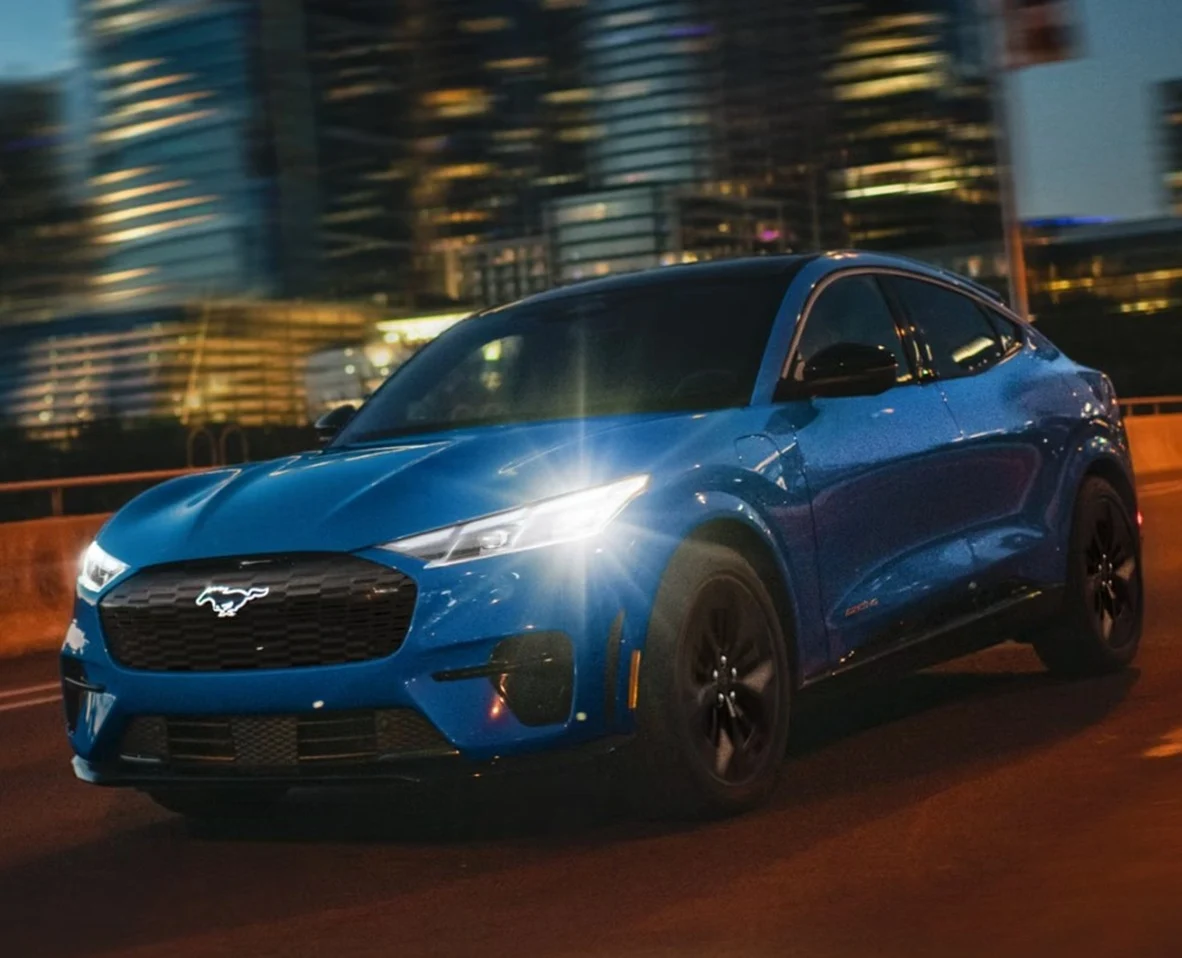
    Many car lovers criticized the Mustang Mach-E when Ford first introduced it for not running on gasoline. Nonetheless, this electric SUV is showing its strength by selling more than the gas version by over 100 percent.

    Sales Figures in Focus

    In the third quarter of 2025, Ford sold 20,177 units of the Mustang Mach-E, while the gasoline-powered Mustang only managed 9,267 sales. Yet, numerous automotive experts would agree it was just a matter of time before electric vehicles took the lead, as the Mach-E surpassed the traditional model by more than 4,000 units in 2024, achieving sales of 51,745.

    Year-on-Year Growth

    When comparing sales, the Mach-E’s performance improved by 50 percent in Q3 2024. This surge was not entirely surprising, particularly in the US market. The $7,500 federal tax credit ended on September 30, leading many buyers to rush and grab the opportunity for savings at the last moment.

    Lightning Strikes

    At the same time, sales for the F-150 Lightning enjoyed a 40 percent increase, with 10,005 units sold in Q3 2025. So far this year, Ford has delivered a total of 23,034 of the electric trucks.

    Ford, however, had devised a strategy to extend the $7,500 savings for a few more months. The company received approval from the Internal Revenue Service (IRS) to begin purchasing existing inventory, which would make them eligible for the tax incentive, allowing dealers to pass these savings on to those leasing the vehicles.

    Jalopnik, Carbuzz.

    Source:
    Link


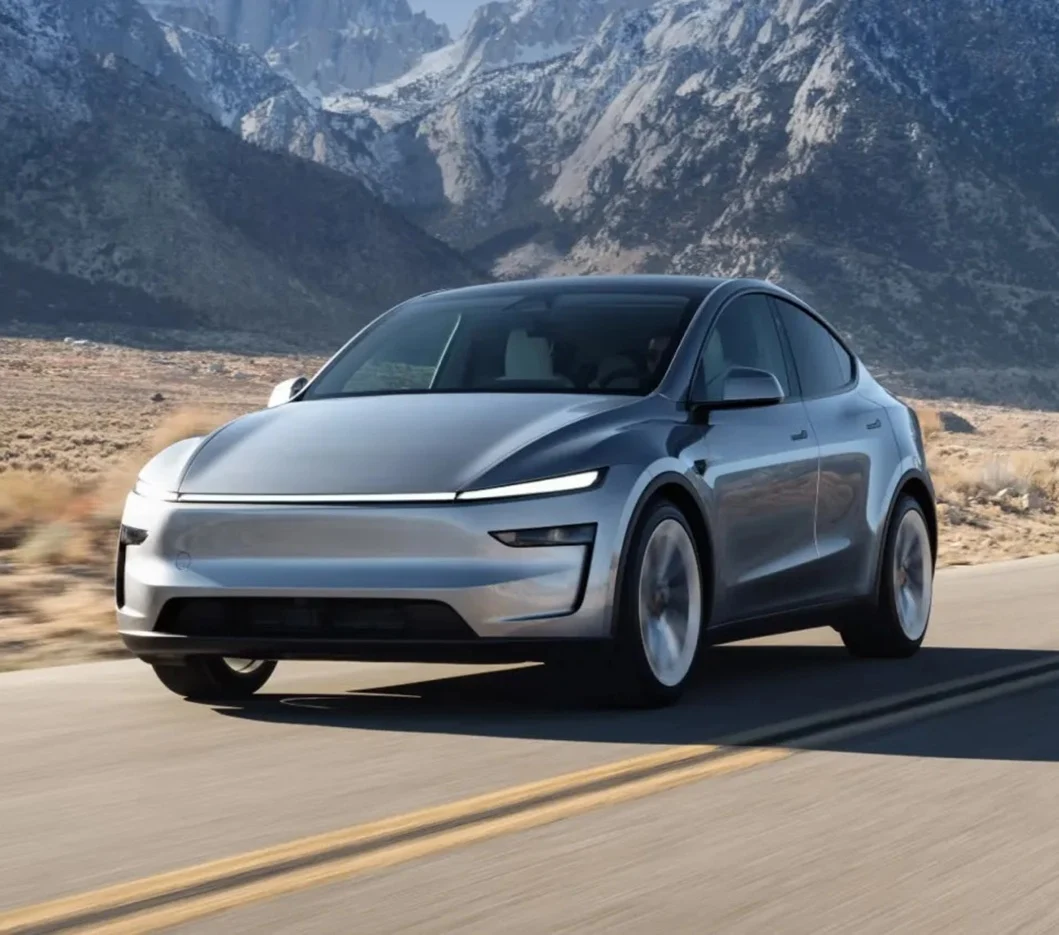
  • Lei Jun Applauds Tesla Model Y Engineering After Xiaomi’s Review

    Lei Jun Applauds Tesla Model Y Engineering After Xiaomi’s Review

    Key Takeaways

    1. Xiaomi has purchased multiple 2026 Tesla Model Y units to analyze and enhance its upcoming YU7 electric SUV.
    2. The YU7 features improvements in range and interior space, with faster charging, an 800V powertrain, and the largest battery in its segment, all at a lower price than the Model Y in China.
    3. The base RWD version of the Xiaomi YU7 offers a range of 518 miles, outperforming the Tesla Model Y’s 446 miles based on China’s CLTC testing.
    4. Xiaomi is leveraging its experience in electronics to compete in the EV market, following successful launches like the SU7 sedan.
    5. The company plans to challenge Tesla’s premium models and introduce a hybrid vehicle with a new 80 kWh battery, aiming for a significant total range.


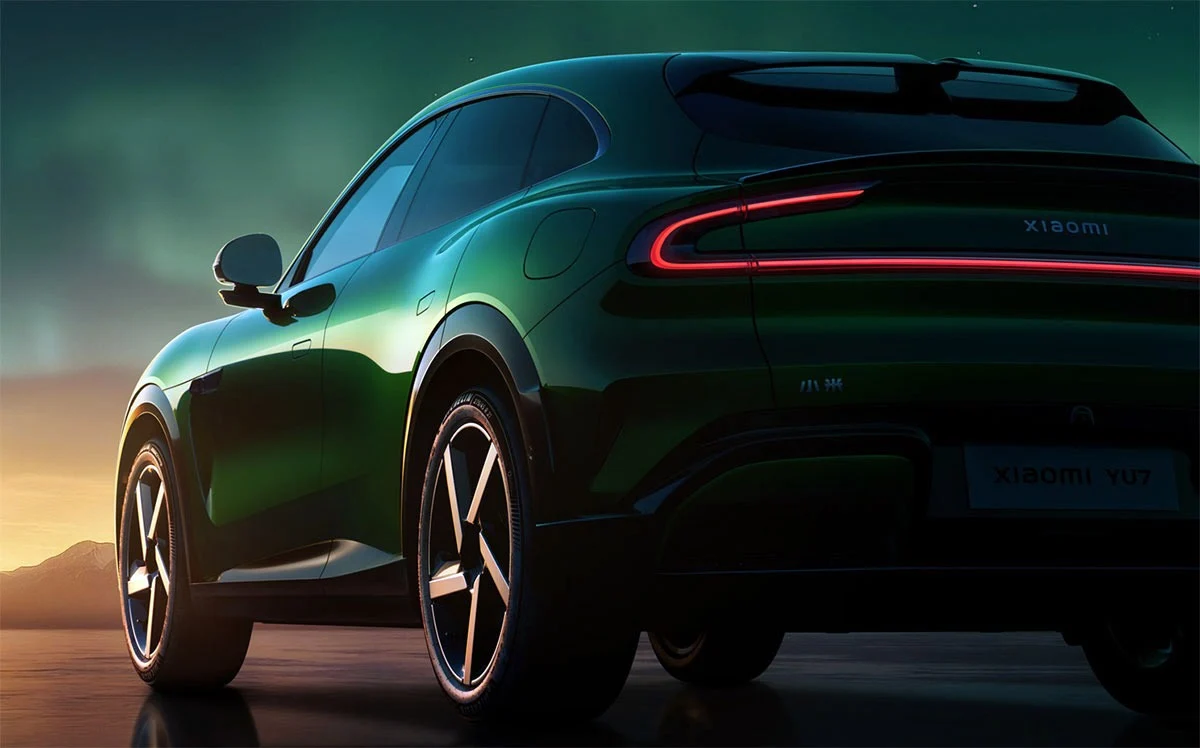
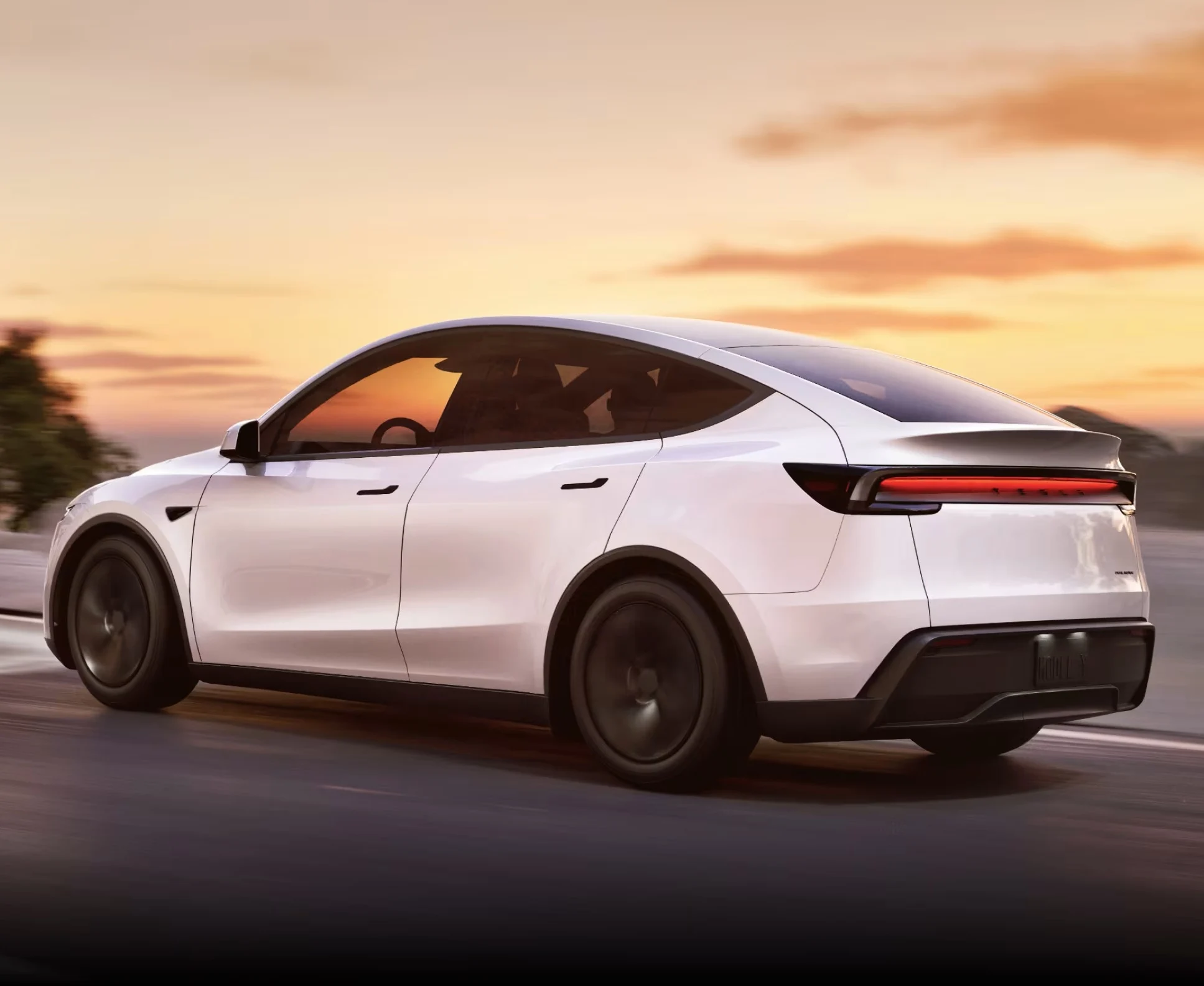
    After Toyota took apart their previous model, Xiaomi has purchased multiple units of the 2026 Tesla Model Y to dissect and understand its inner workings ahead of the launch of its first YU7 electric SUV.

    Impressive Engineering Insights

    Xiaomi’s founder, Lei Jun, praised the Model Y’s “excellent” engineering. However, after examining each component, Xiaomi claims to have improved upon its range and interior space. The YU7 also excels in various aspects compared to the Model Y, featuring faster charging capabilities, an 800V powertrain, and the largest battery in its segment, all while being priced lower than the Model Y in China.

    Competitive Range and Pricing

    In terms of range, the Xiaomi YU7 surpasses the Tesla Model Y, with its base RWD version rated for 518 miles, while the Model Y RWD only achieves 446 miles based on the CLTC cycle used for testing in China. This range is notably more generous than the EPA estimates in the US, yet when comparing ranges directly, the Model Y falls short against the YU7, even with its higher price tag.

    Xiaomi’s Ambitious Plans

    Previously known for its smartphones and home gadgets like the 4K Xiaomi TV Box, Xiaomi entered the electric vehicle arena with the SU7 sedan last year and has been achieving market success since. Although it lacks the vertical integration seen in companies like BYD, it has effectively utilized its vast experience in electronics production to create competitive EV models that rival the Model 3 and Model Y.

    Moreover, Xiaomi is setting its sights on Tesla’s premium offerings, such as the Model S and Model S Plaid, with the SU7 Ultra and the upcoming YU7 GT version. Xiaomi aims not just to surpass Tesla but to establish itself as a major player in the fierce automotive market. Reports suggest that it plans to introduce an EREV with a hybrid powertrain, utilizing the largest battery ever seen in a hybrid vehicle—a new 80 kWh pack that CATL might announce soon, promising an impressive total range.

    Source:
    Link


  • Tesla Confirms $7,500 EV Tax Credit Valid for September 30 Orders

    Tesla Confirms $7,500 EV Tax Credit Valid for September 30 Orders

    Key Takeaways

    1. The US federal tax credit for electric vehicles is ending on September 30, prompting Tesla to encourage customers to order before the deadline.
    2. Tesla’s website now prominently displays “Order by September 30 to Qualify” to inform potential buyers about the tax credit timeline.
    3. The IRS has confirmed that orders placed on September 30 can still qualify for the tax credit, even if delivery happens later.
    4. Customers can make a down payment or trade-in to show commitment and secure the tax incentive.
    5. The updated ordering process allows buyers to customize their vehicles while managing Tesla’s inventory more effectively.


    It’s already known that the US federal tax credit is set to end on September 30. In response, Tesla is making an effort to encourage as many customers as they can to utilize the incentive before time runs out. They have refreshed their US website with clear information regarding orders made on the final day of the program.

    Update on Tesla’s Website

    On the homepage, Tesla’s site now shows “Order by September 30 to Qualify” alongside the federal tax credit promotion. This is meant to provide peace of mind for potential buyers who might be confused about what the end date of the program entails.

    IRS Guidance Confirmation

    This update is in line with the most recent instructions from the Internal Revenue Service (IRS). The agency clarified that electric vehicle orders made on September 30 are eligible for the credit, even if delivery doesn’t occur until later. All that customers need to do is show commitment, which could be through a down payment or a trade-in.

    Flexibility for Buyers

    The ability to secure and pay in full weeks or even months ahead gives purchasers some leeway. They can personalize their vehicle and wait for it to be built in the factory instead of hurrying to select from the available inventory.

    This setup helps Tesla manage its stock more efficiently and also aims to increase sales during the final quarter of 2025.

    Source:
    Link


  • Electric Vehicles Hit 20% of Car Sales in South Korea

    Electric Vehicles Hit 20% of Car Sales in South Korea

    Key Takeaways

    1. Electric vehicles (EVs) accounted for 18.4% of all vehicle sales in South Korea in August, with over 23,000 new registrations.
    2. There have been 141,986 EV registrations in South Korea this year, a 48.4% increase compared to the previous year.
    3. Imported electric vehicles made up nearly 40% of total registrations in August, with a 100% increase in sales from last year.
    4. The Tesla Model Y has been a top seller, consistently moving over 6,000 units monthly since May, capturing 30% of the imported car market.
    5. Local brands like KG Mobility, Hyundai, and Kia are also experiencing growth, with KG Mobility’s Musso EV already meeting its annual sales target within six months.


    More South Koreans are choosing to buy electric vehicles, as shown by data from Carisyou. In August, electric cars made up 18.4 percent of all vehicle sales in the country.

    Record Sales of EVs

    Over 23,000 new electric vehicles were registered, part of a total of 126,787. This marks the best performance for battery-operated cars since Carisyou began tracking the data in 2020. So far this year, there have been 141,986 EV registrations, reflecting a growth of 48.4 percent compared to the previous year. Industry experts believe that South Korea will surpass 200,000 annual sales for the first time in 2025.

    Rise of Imported Electric Vehicles

    Another noteworthy point is the increasing share of imported electric vehicles. According to the Korea Automobile Importers & Distributors Association, foreign brands registered 10,855 units last month, which is nearly 40 percent of the total. This figure represents a more than 100 percent increase compared to last year.

    The growth in EV sales is largely driven by the popularity of new electric models. The upgraded Tesla Model Y is leading the way, consistently selling over 6,000 units each month since May, and capturing 30 percent of South Korea’s imported car market. To take advantage of this positive trend, the American EV company has also launched the Cybertruck in South Korea, marking its first introduction outside North America.

    Local Brands Making Progress

    Local manufacturers are also seeing success. For instance, KG Mobility’s Musso EV electric pickup achieved its yearly sales target of 6,000 units in just six months after its launch in May. Hyundai and Kia also performed well with their cost-effective Casper Electric and EV3 models.

    Source:
    Link


  • Sodium Batteries: Charge Fully in Just 6 Minutes

    Sodium Batteries: Charge Fully in Just 6 Minutes

    Key Takeaways

    1. Sodium-ion batteries are a cost-effective and eco-friendly alternative to lithium-based batteries, utilizing abundant sodium found in table salt.
    2. The innovative anode-free design generates the anode during charging, addressing previous issues with short circuit risks.
    3. Increasing sodium salts concentration in the electrolyte improves ion deposition and battery stability, enabling fast charging capabilities.
    4. The batteries can charge fully in six minutes and retain over 70% capacity after 500 cycles, showing promise for longevity.
    5. Successful commercial production of these batteries could significantly lower costs for electric vehicles and renewable energy storage solutions.


    According to a research group from Lingnan University in Hongkong, sodium-ion batteries have been a budget-friendly and eco-friendly option to lithium-based energy storage solutions for many years. Sodium is nearly limitless on Earth, found as table salt, and much cheaper to extract than lithium. This means these batteries could offer lower costs and reduced reliance on scarce materials. Nonetheless, earlier methods faced issues like short lifespans and dangers during rapid charging.

    Innovative Design Approach

    The research team adopted an innovative anode-free design, where there is no fixed anode installed. Rather, the anode is created during the charging process as sodium ions deposit onto a collector. In past experiments, this method often resulted in dendrite formation – tiny metal structures that can trigger short circuits. Fast charging particularly intensified this issue.

    Breakthrough in Electrolyte Concentration

    Scientists from Hong Kong and Beijing tackled this challenge by significantly upping the sodium salts concentration in the electrolyte. This strategy ensures that there are enough ions close to the collector during charging, allowing for even deposition. Consequently, the battery maintains stability, even when charged quickly. In tests, the cell demonstrated a fast-charging capability of 10C, fully charging in just six minutes. After 500 charge cycles, it retained over 70% of its original capacity.

    Potential Impact on the Market

    “Sodium is less than a tenth of the cost of lithium, is abundant in seawater, and can drastically drop the prices of electric vehicles and energy storage solutions,” said project lead Prof. Li Liangliang. The researchers believe their work is a significant move toward widespread energy storage use. Possible uses include electric cars, stationary storage systems for renewable energy, and even portable gadgets.

    These findings are still in the lab phase. The next goal is to advance the anode-free sodium battery beyond the prototype level for commercial production. If they succeed, this technology might pose a real challenge to lithium-ion systems.

    Source:
    Link


  • Lucid’s Tesla Model Y Rival Priced Under $50,000

    Lucid’s Tesla Model Y Rival Priced Under $50,000

    Key Takeaways

    1. Lucid is launching a competitor to the Tesla Model Y in 2026, targeting a price around $50,000.
    2. A smaller, more affordable sedan is expected to follow the SUV, expanding Lucid’s model lineup beyond the premium Air.
    3. Lucid is adopting a strategy similar to Tesla, starting with high-end EVs to fund the development of lower-cost vehicles.
    4. The Lucid Air boasts an impressive range of over 400 miles, with some tests showing over 500 miles, and has surpassed competitors in energy efficiency.
    5. Lucid’s electric cars feature unique designs and advanced interior options, raising questions about whether these advantages will carry over to their more affordable models.


    Lucid is getting ready to launch a competitor to the 2026 Tesla Model Y, aiming for a price around $50,000 or a little less. The CEO of Lucid has shared that this more affordable SUV, set to rival the Model Y, is expected to debut in 2026. Following this, there will likely be a smaller, cheaper sedan introduced, which will be more accessible than the current premium Air lineup.

    Future Lucid Models

    Additionally, a third, more economical Lucid vehicle is in the works, built on the same midsize platform, but the CEO did not disclose what that vehicle would look like. Lucid is mirroring Tesla’s strategy, beginning with high-end, pricey electric vehicles (EVs) and using the profits from those sales to fund the development of more affordable options.

    Cult Following

    Despite the Air Pure sedan starting at over $70,000, Lucid has attracted a dedicated fanbase. The entry-level Lucid model boasts an EPA estimated range of over 400 miles, with tests indicating it can even surpass 500 miles on a single charge. The Gravity, which is Lucid’s first three-row SUV, leads its segment with an impressive EPA range of 450 miles per charge, achieved with a significantly smaller battery than the Rivian R1T.

    Lucid has achieved multiple records for energy efficiency, covering more than five miles per kWh of battery power. Simultaneously, its efficient electric motors generate over 400 HP, even in the rear-wheel-drive version of the Air, while the performance-focused tri-motor Sapphire trim outperforms the Tesla Model S Plaid during drag races.

    Design and Interior Features

    But energy efficiency, rapid charging, and high performance are not the only strengths of Lucid’s electric cars. They also stand out with unique designs and a variety of interior features that are lacking in the more plain Tesla vehicles. It remains uncertain whether Lucid can maintain these advantages in their $50,000 Model Y competitor.

    Source:
    Link


  • France Increases EV Incentives: Up to €5,200 for European Battery Cars

    France Increases EV Incentives: Up to €5,200 for European Battery Cars

    Key Takeaways

    1. France will offer an additional €1,000 subsidy for electric vehicles (EVs) made in Europe with European-manufactured batteries, starting October 1, 2025.
    2. Current subsidies for EV purchases range from €2,000 to €4,200, depending on income and environmental scores, with plans to raise support to €5,200 with the new bonus.
    3. The initiative aims to increase EV accessibility, support European automotive and battery industries, reduce emissions, and decrease reliance on international supply chains.
    4. Few EVs currently have batteries produced in Europe, but France is building new factories and Germany and Hungary are expanding battery production.
    5. The government is reinstating its EV leasing program for low-income families, with a budget of €370 million to support at least 50,000 vehicles, starting applications on September 30, 2025.


    France is set to provide an extra €1,000 subsidy for purchasers of electric vehicles (EVs) that are made in Europe and equipped with batteries manufactured within the continent, starting October 1, 2025. This is in addition to the current environmental bonus (Bonus Écologique), which assists families in buying EVs.

    Current Subsidy Details

    At present, French consumers can obtain as much as €4,200 based on their income levels, as long as the vehicle achieves a certain environmental score related to the CO₂ emissions from its production and battery creation. Since the subsidy was launched in February 2024, the financial aid has varied from €2,000 to €4,000. The government raised this amount in July 2025 to a range of €3,100 to €4,200, likely to address the decline in EV sales. Nonetheless, there was a 4.3% drop in registrations from January to July 2025.

    Maximum Support Increase

    With the introduction of this new bonus, the total possible support climbs to €5,200 for eligible vehicles. This initiative aims not only to make EVs more accessible but is also anticipated to bolster Europe’s automotive and battery sectors, lower emissions, and strategically lessen dependency on international supply chains.

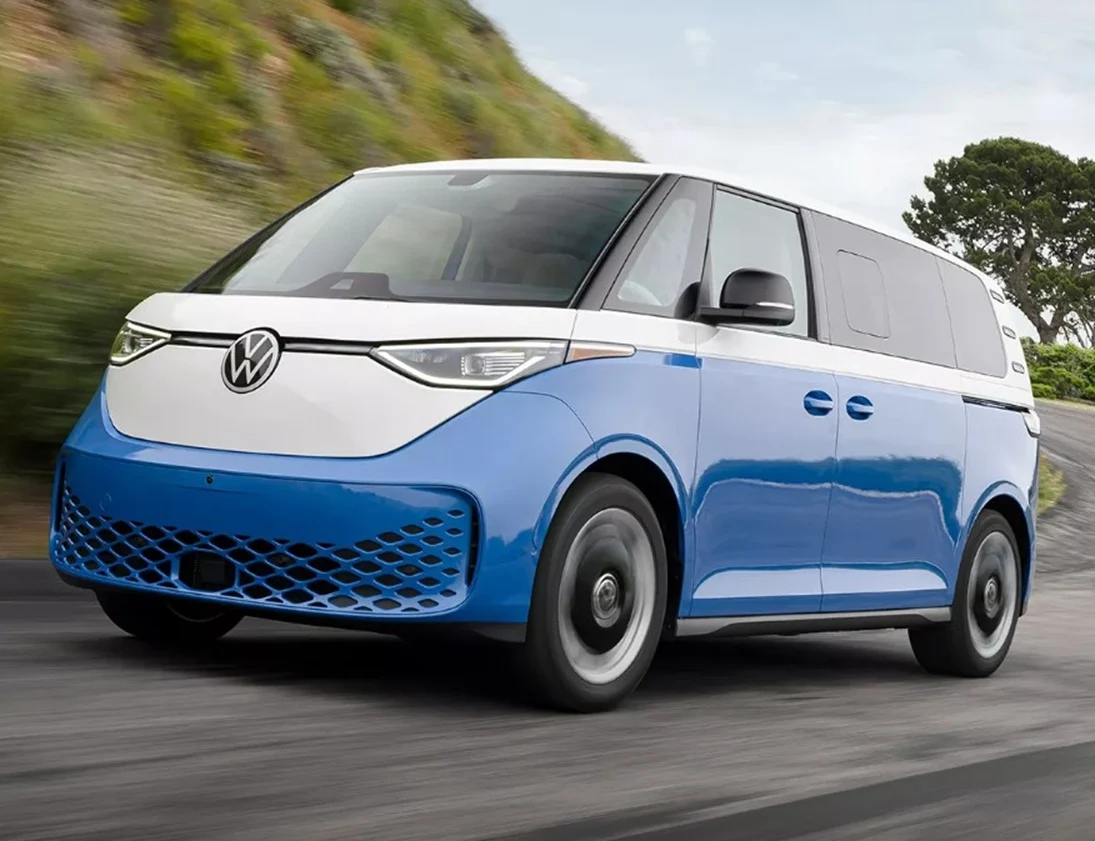
    Currently, however, there are only a limited number of EVs that feature batteries produced in Europe. France is working on establishing new factories, especially in the northern region, while Germany (VW in Salzgitter) and Hungary are also increasing their battery production capacities. A list of qualifying models will be regularly updated by ADEME, France’s Environment and Energy Management Agency.

    Reviving the Leasing Program

    In addition to these bonuses, the government is also bringing back its EV leasing initiative for low-income families, which had been suspended since February 2024. Supported by a budget of €370 million, this program will aid at least 50,000 electric vehicles. The application process will commence on September 30, 2025.

    Source:
    Link