
Tag: Ford F-150 Lightning

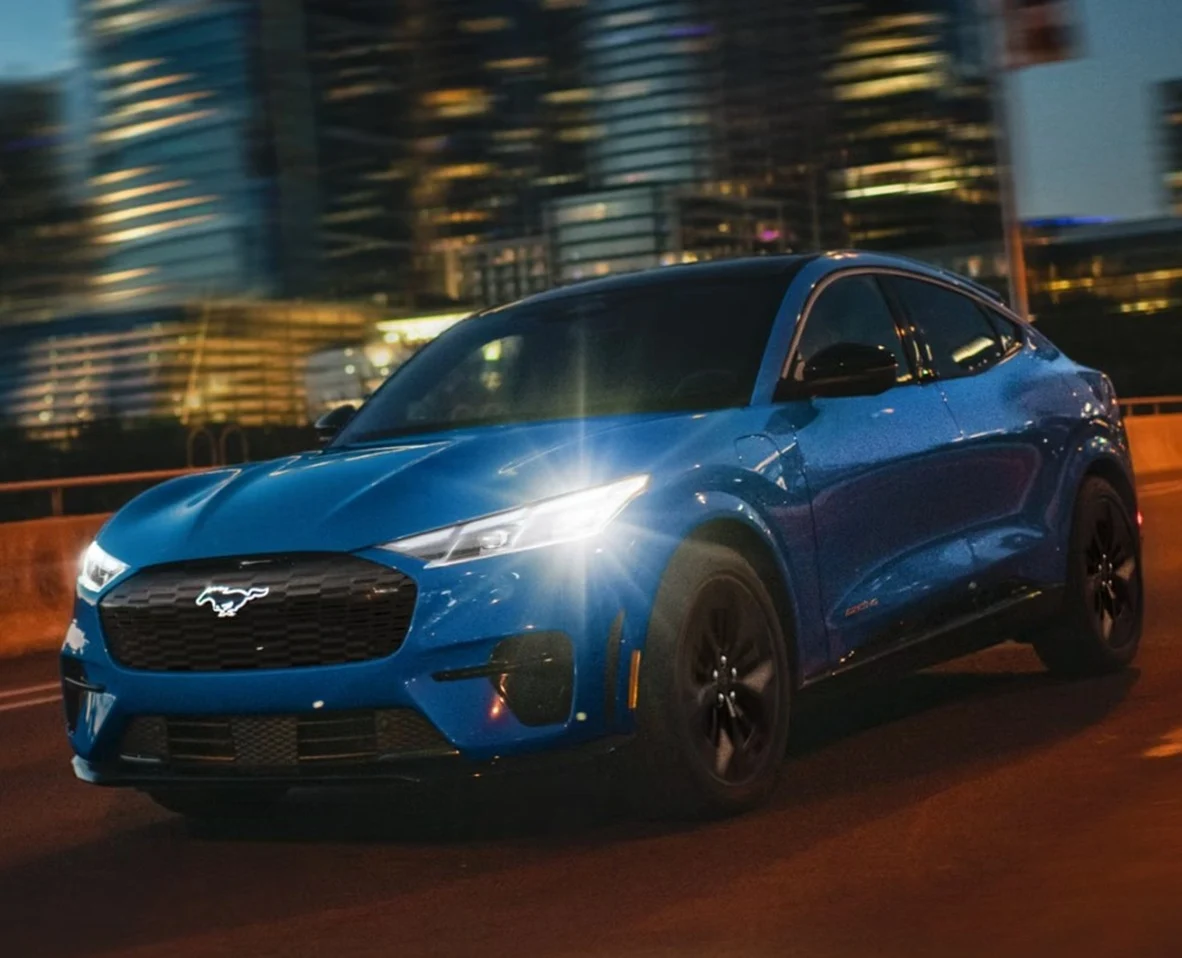
  • Electric Ford Mustang Mach-E Sales Double Gas Version in Q3

    Electric Ford Mustang Mach-E Sales Double Gas Version in Q3

    Key Takeaways

    1. The Mustang Mach-E electric SUV has outperformed the gasoline Mustang in sales, selling over 100% more units in Q3 2025.
    2. In Q3 2025, Ford sold 20,177 units of the Mach-E compared to 9,267 units of the gasoline-powered Mustang.
    3. The Mach-E’s sales grew by 50% in Q3 2024, partly due to the rush of buyers before the $7,500 federal tax credit ended.
    4. Sales of the F-150 Lightning electric truck also increased by 40% in Q3 2025, with 10,005 units sold.
    5. Ford has obtained IRS approval to extend the $7,500 tax savings by purchasing existing inventory, benefiting dealers and lessees.


    Many car lovers criticized the Mustang Mach-E when Ford first introduced it for not running on gasoline. Nonetheless, this electric SUV is showing its strength by selling more than the gas version by over 100 percent.

    Sales Figures in Focus

    In the third quarter of 2025, Ford sold 20,177 units of the Mustang Mach-E, while the gasoline-powered Mustang only managed 9,267 sales. Yet, numerous automotive experts would agree it was just a matter of time before electric vehicles took the lead, as the Mach-E surpassed the traditional model by more than 4,000 units in 2024, achieving sales of 51,745.

    Year-on-Year Growth

    When comparing sales, the Mach-E’s performance improved by 50 percent in Q3 2024. This surge was not entirely surprising, particularly in the US market. The $7,500 federal tax credit ended on September 30, leading many buyers to rush and grab the opportunity for savings at the last moment.

    Lightning Strikes

    At the same time, sales for the F-150 Lightning enjoyed a 40 percent increase, with 10,005 units sold in Q3 2025. So far this year, Ford has delivered a total of 23,034 of the electric trucks.

    Ford, however, had devised a strategy to extend the $7,500 savings for a few more months. The company received approval from the Internal Revenue Service (IRS) to begin purchasing existing inventory, which would make them eligible for the tax incentive, allowing dealers to pass these savings on to those leasing the vehicles.

    Jalopnik, Carbuzz.

    Source:
    Link


  • Police Departments Share Mixed Views on EVs as Patrol Cars

    Police Departments Share Mixed Views on EVs as Patrol Cars

    Over the past year, three police departments that switched to electric police vehicles have shared their mixed experiences with these purchases. While Teslas performed poorly in actual patrol situations, Fords showed better results. The insights gained from these departments can assist others in avoiding the purchase of EVs that are not ideal for police duties.

    Specialized Vehicle Needs

    Police cars are typically modified versions of SUVs and sedans provided by manufacturers, but some are just regular vehicles that have been adapted. These cars come with tough tires, high-capacity batteries, additional lights, enhanced cooling systems, stronger shocks, and robust engines, all aimed at helping officers chase down suspects in any conditions. They are also equipped with police terminals, cameras, barriers for rear seats, waterproof seating, gun mounts, and sometimes even bulletproof features, all of which add weight and limit the space inside for officers who carry body armor and gear, along with transporting suspects.

    Challenges with Tesla Models

    Two departments that incorporated Teslas encountered multiple issues when using them as patrol cars. The Ukiah Police Department, located in Northern California, reported that their Tesla Model 3s had notable downsides. One major problem was the small rear seats, which could only accommodate one prisoner. Additionally, the front seats were cramped, making it hard for officers to exit the vehicle comfortably. They also faced long charging times, which could lead to hours of waiting at charging stations during long prisoner transports. Each modified Tesla 3 ended up costing around $150,000.

    The Menlo Park Police Department, situated a few hours south of Ukiah, noticed similar issues with their Tesla Model Ys. A key disadvantage was the inefficiency stemming from the vehicle’s software. Officers reported that the Teslas would unexpectedly stop while pulling over cars, due to the advanced driver-assistance systems (ADAS) that could not be turned off. This posed challenges during chases. Additionally, the vehicle would automatically lock its doors when the officer with the key walked away, wasting critical time if they needed to return quickly. The touch controls also required multiple taps to turn off lights, which hindered stealthy operations.

    Ford’s Different Experience

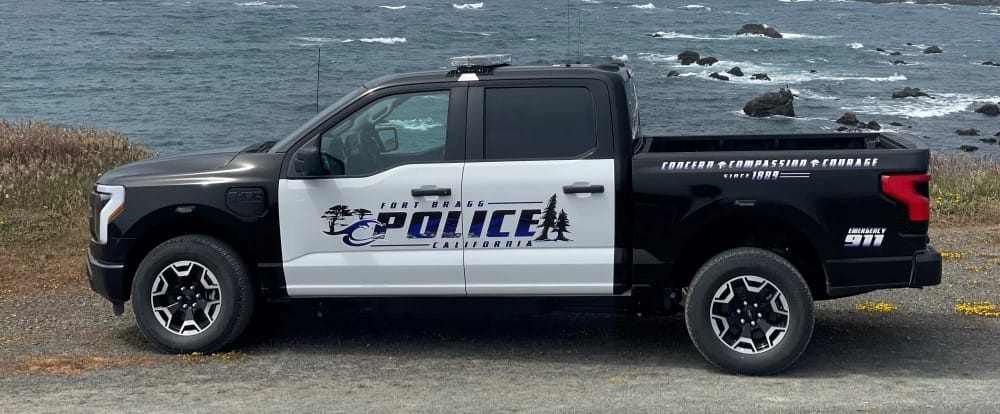
    The Fort Bragg Police Department, located an hour north of Ukiah, opted for the Ford F-150 Lightning EV. They faced issues primarily due to the officers’ unfamiliarity with EV charging. This led to a situation where officers were late to an event because they chose a slow Level 1 charging station instead of looking for faster Level 2 or higher options. A 600-mile test using quicker charging stations still required 1.5 hours of wait time for battery recharges.

    Another drawback involved limited range in hilly areas. A couple of trips to the local jail, which is 55 miles away, utilized 80% of the battery. The range of EVs can also decrease significantly in cold weather. Lastly, the department faced challenges finding transformers necessary for installing fast chargers at their station. They reported that the required transformer is delayed by a year due to supply chain problems, forcing them to rely on Level 1 charging.

    Police departments need to think carefully about whether the charging infrastructure, range, or features of pricier EVs fit their requirements, especially when considering additional armor. Aspiring officers wanting to catch criminals can prepare for their police exam by looking for study guides on platforms like Amazon.