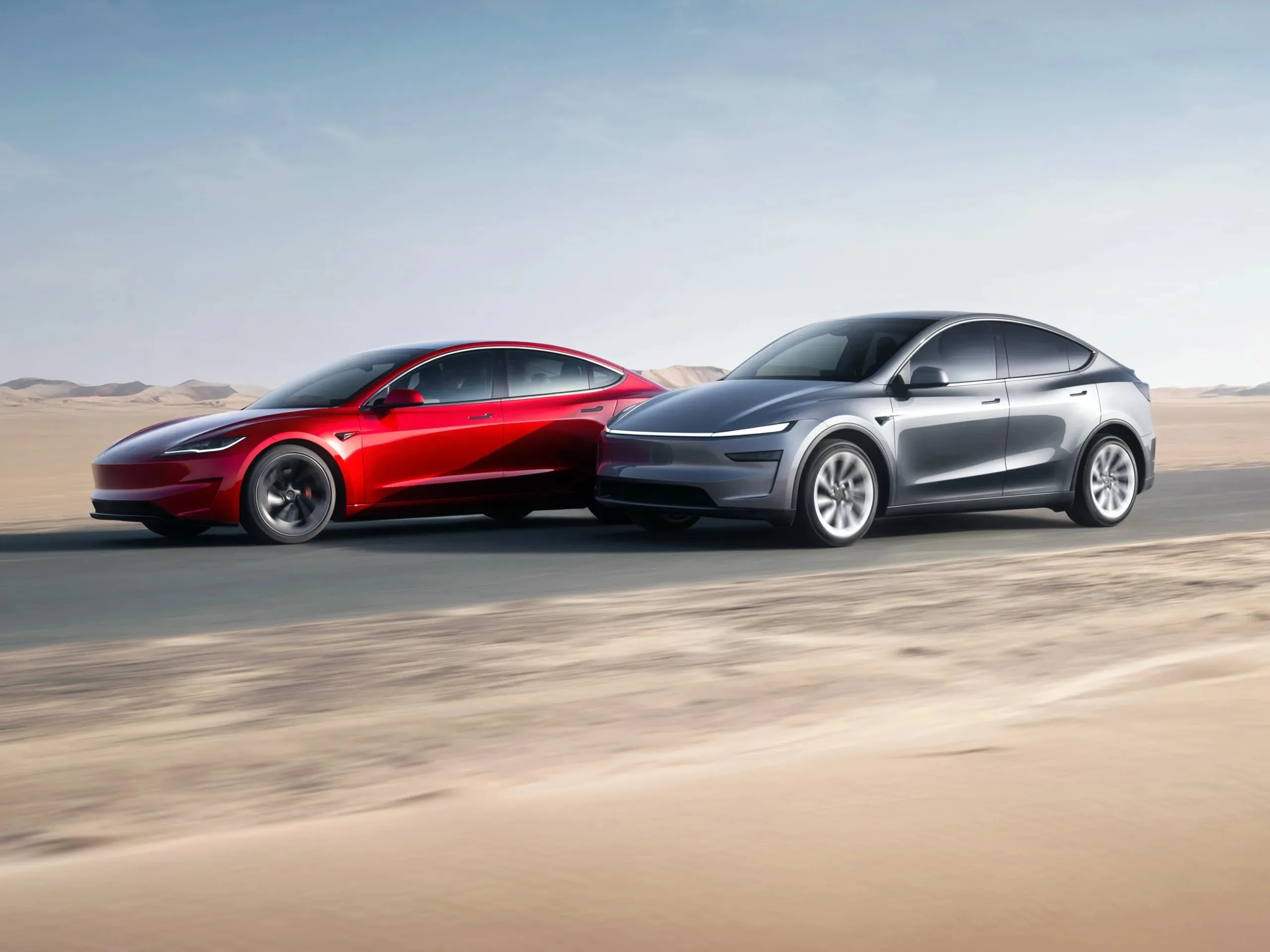
Tag: Tesla

  • Samsung Set for AI6 Chip Revenue Surge as Tesla Secures Wafers

    Samsung Set for AI6 Chip Revenue Surge as Tesla Secures Wafers

    Key Takeaways

    1. Tesla plans to invest $20 billion in 2026 to stay competitive in electric vehicles, robotics, and energy storage, doubling its usual spending.
    2. A significant portion of this investment will go to Samsung, with Tesla potentially paying $5 billion annually for custom chips and 5G modems.
    3. Tesla’s contract with Samsung covers 16,000 wafers monthly, but it seeks to increase this to 40,000 wafers due to rising production needs.
    4. The new AI6 chips will use Samsung’s 2nm technology, but they won’t be ready for Tesla vehicles or robots until 2028.
    5. There is uncertainty about Samsung’s ability to meet Tesla’s wafer demands and the pricing, amid high demand for AI chips affecting market dynamics.


    Faced with increasing costs of parts like AI chips and batteries, Tesla announced its largest ever capital expenditure figure during the most recent quarterly earnings call.

    Major Investment in 2026

    The company plans to invest $20 billion just to remain competitive in the electric vehicle, robotics, and energy storage markets in 2026, which is double its usual spending. A significant portion of this funding will go toward Samsung.

    Reports indicate that Tesla is seeking to secure more AI6 wafers from its Texas facility and may pay Samsung as much as $5 billion each year for chips and 5G modems that are specifically designed for Tesla’s products.

    Expanding Production Capacity

    Last year’s contract with Samsung for its foundry is worth around $2 billion annually, covering 16,000 wafers each month. However, Tesla believes it will require 40,000 wafers, leading to current discussions with Samsung to obtain the extra capacity.

    Tesla’s AI6 silicon is set to be produced using Samsung’s cutting-edge 2nm technology, and the chip manufacturer has also created a 5G modem for Tesla, which is expected to be available later this year. For reference, the current AI4 chip used in the 2026 Model Y is made with a 5nm process. However, the AI6 processor is not anticipated to be integrated into Tesla vehicles or robots until 2028, and Samsung may not be prepared with its Taylor fab in Texas this year as initially scheduled.

    Uncertain Future

    It is still unclear whether Samsung will be able to fulfill Tesla’s request and what the pricing will be. Notably, the company has been able to charge Nvidia double for its upcoming HBM4 memory due to the surge in demand for AI chips, which has driven its stock price to unprecedented levels.


    Source:
    Link


  • Tesla Shifts to American-Made Batteries in $4 Billion Deal

    Tesla Shifts to American-Made Batteries in $4 Billion Deal

    Key Takeaways

    1. Tesla switched to lithium iron phosphate (LFP) batteries for its Megapack energy storage system, which are safer, cheaper, and longer-lasting.

    2. Tesla has two Megafactories in California and Shanghai that currently rely on Chinese LFP cells, making them vulnerable to federal tariffs.

    3. To reduce import dependency, Tesla is establishing a new LFP battery facility in Nevada and has signed a contract with LG Energy to produce LFP batteries in the US.

    4. LG Energy’s Lansing, MI facility will produce prismatic LFP batteries with an annual capacity of 50 GWh, supporting Tesla’s Megapack production.

    5. The contract with LG is valued at over $4 billion and will last until the end of the decade, providing LFP batteries for both Megapacks and Tesla’s electric vehicles.


    About five years ago, Tesla made a major change to its Megapack energy storage system (ESS) by switching to lithium iron phosphate (LFP) batteries, which are safer, cheaper, and last longer. These LFP batteries are currently the most favored choice for energy storage, both for grid applications and portable power solutions like the Anker Solix C2000, which is now available at a 48% discount on Amazon.

    Tesla’s Manufacturing Facilities

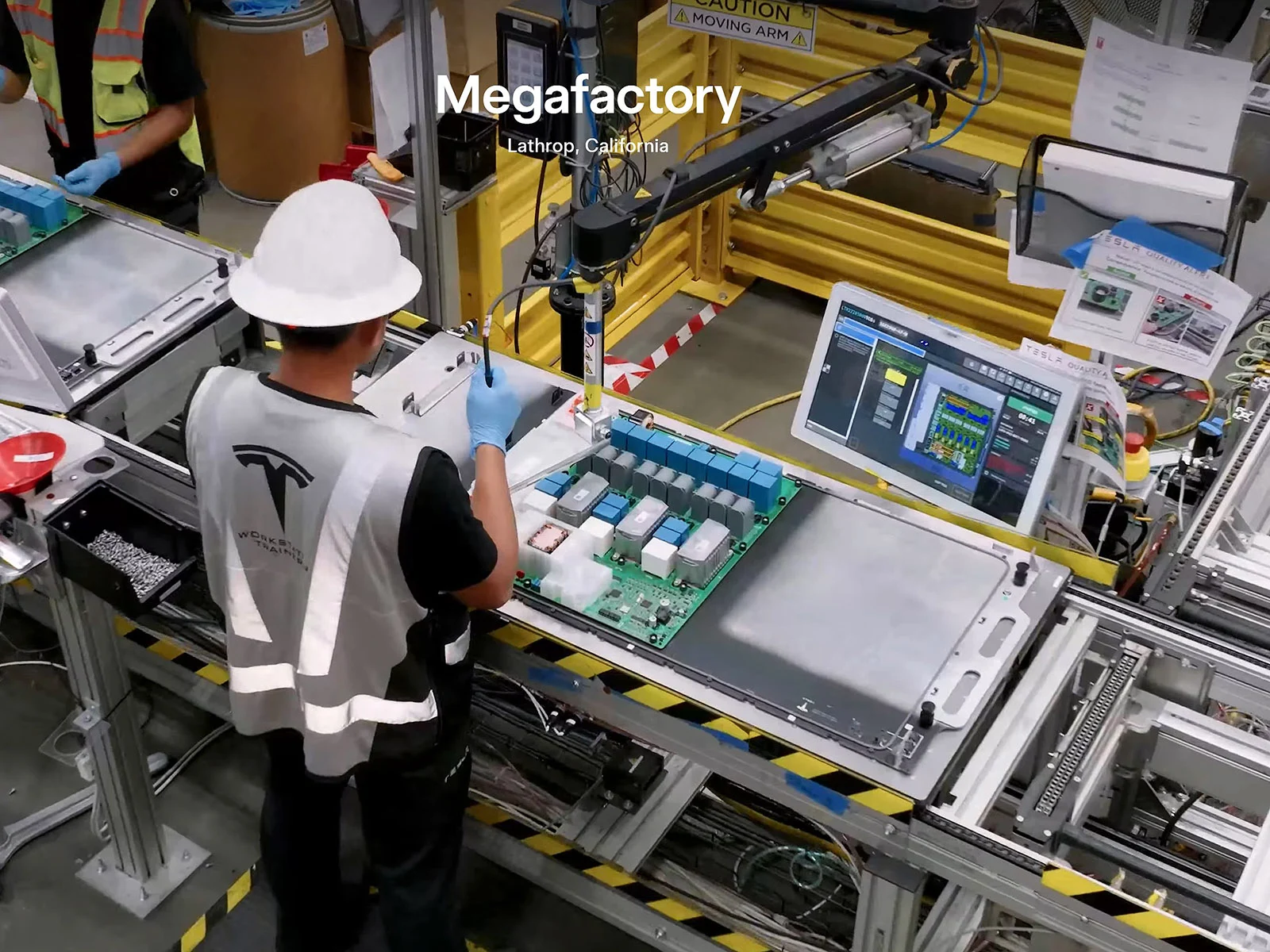
    Tesla has set up two Megafactories for producing Megapacks, located in Lathrop, California, and Shanghai. However, both factories rely on Chinese LFP cells to assemble the Megapack ESS. The company has been comparing the two largest battery manufacturers, CATL and BYD, to secure the lowest price available.

    The Lathrop Megafactory can produce 10,000 Megapacks each year, using CATL batteries, which makes them susceptible to potential federal tariffs and restrictions on imports from China. To mitigate this issue, Tesla is working on increasing imports through a new LFP battery facility in Nevada, but it still depends on CATL’s equipment, and the output is insufficient to fully replace CATL as a supplier.

    New Partnerships for Growth

    This is why Tesla has allegedly signed a contract with LG Energy, a key supplier of 2170 cells for its electric cars, to also produce LFP batteries for its Megapack ESS division. This segment has shown some sales growth according to Tesla’s 2025 financial report, marking it as one of the few positive areas.

    A significant advantage for Tesla is that these LFP cells will be manufactured in the US by a company not subject to import restrictions, meaning the Megapacks can qualify for any and all local or federal subsidies for American-made energy products.

    Production Capacity and Future Plans

    LG will produce the batteries at its Lansing, MI facility, which it fully owns after acquiring GM’s stake as the automaker shifted away from its EV production plans. LG will provide prismatic LFP batteries, similar to the current CATL cells used by Tesla, which are the most common form factor for energy storage systems.

    The Lansing factory has an impressive annual capacity of 50 GWh, exceeding that of Tesla’s Shanghai facility. This will allow it to support the existing Megapack production in Lathrop independently once the LFP production lines are operational next year. The contract with LG is reportedly valued over $4 billion and will last until the end of the decade. In addition to LFP batteries for Megapack energy storage and 2170 EV cells, LG is expected to enhance the supply of 4680 batteries, which Tesla uses in the Cybertruck and certain Model Y versions as well.

    Source:
    Link


  • Cybertruck Under $60K Valid Until March; June Release Date Set

    Cybertruck Under $60K Valid Until March; June Release Date Set

    Key Takeaways

    1. The 2026 Cybertruck AWD is priced at $59,990 for the first 10 days after its reveal, ending on March 2.
    2. This price is significantly lower than the Premium AWD trim, offering similar features and range.
    3. The future price may increase based on order volume after the introductory period, potentially reaching up to $70,000.
    4. The base AWD version provides good value by sacrificing only a few features for a lower price.
    5. Buyers can secure the introductory price with a $250 deposit.


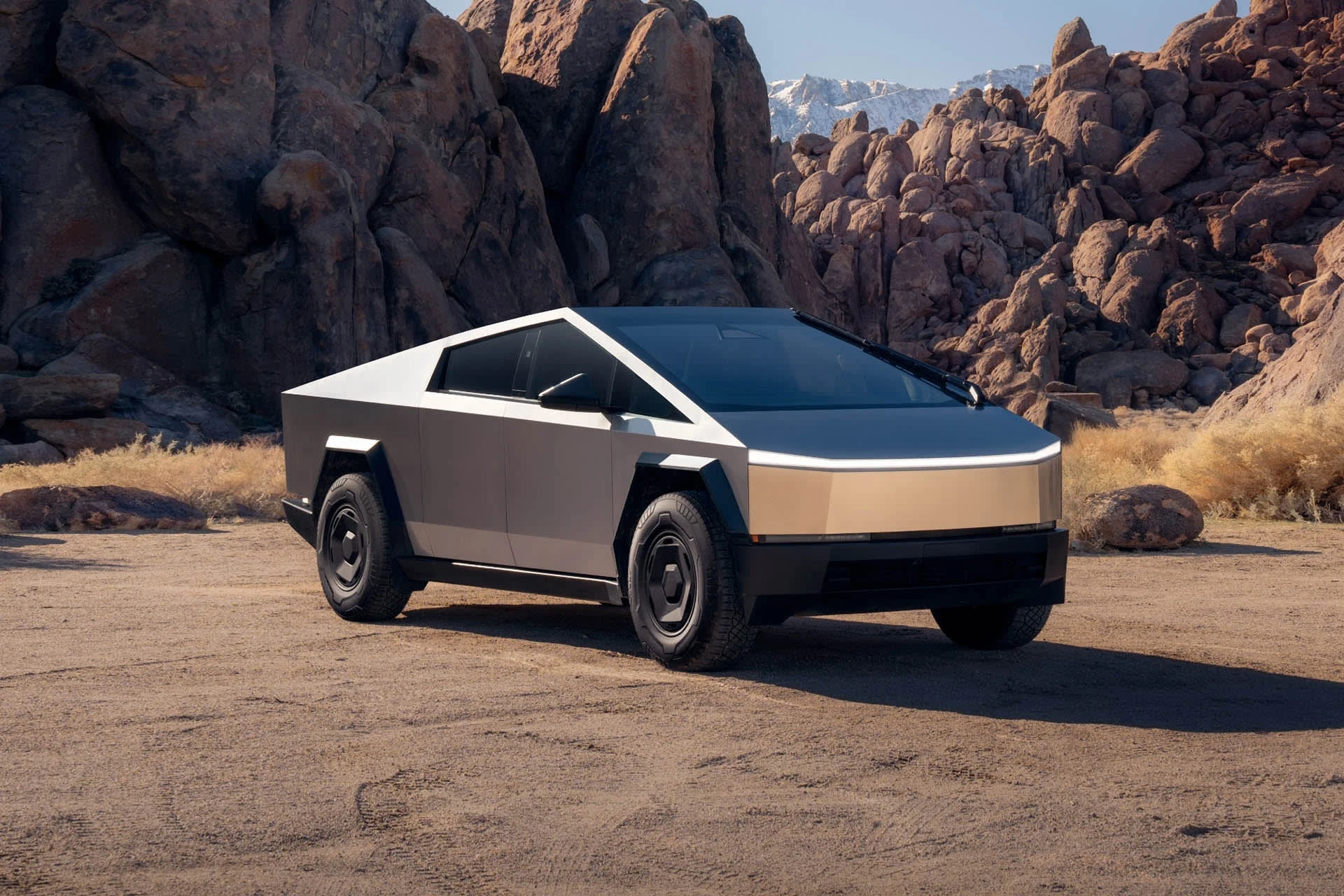
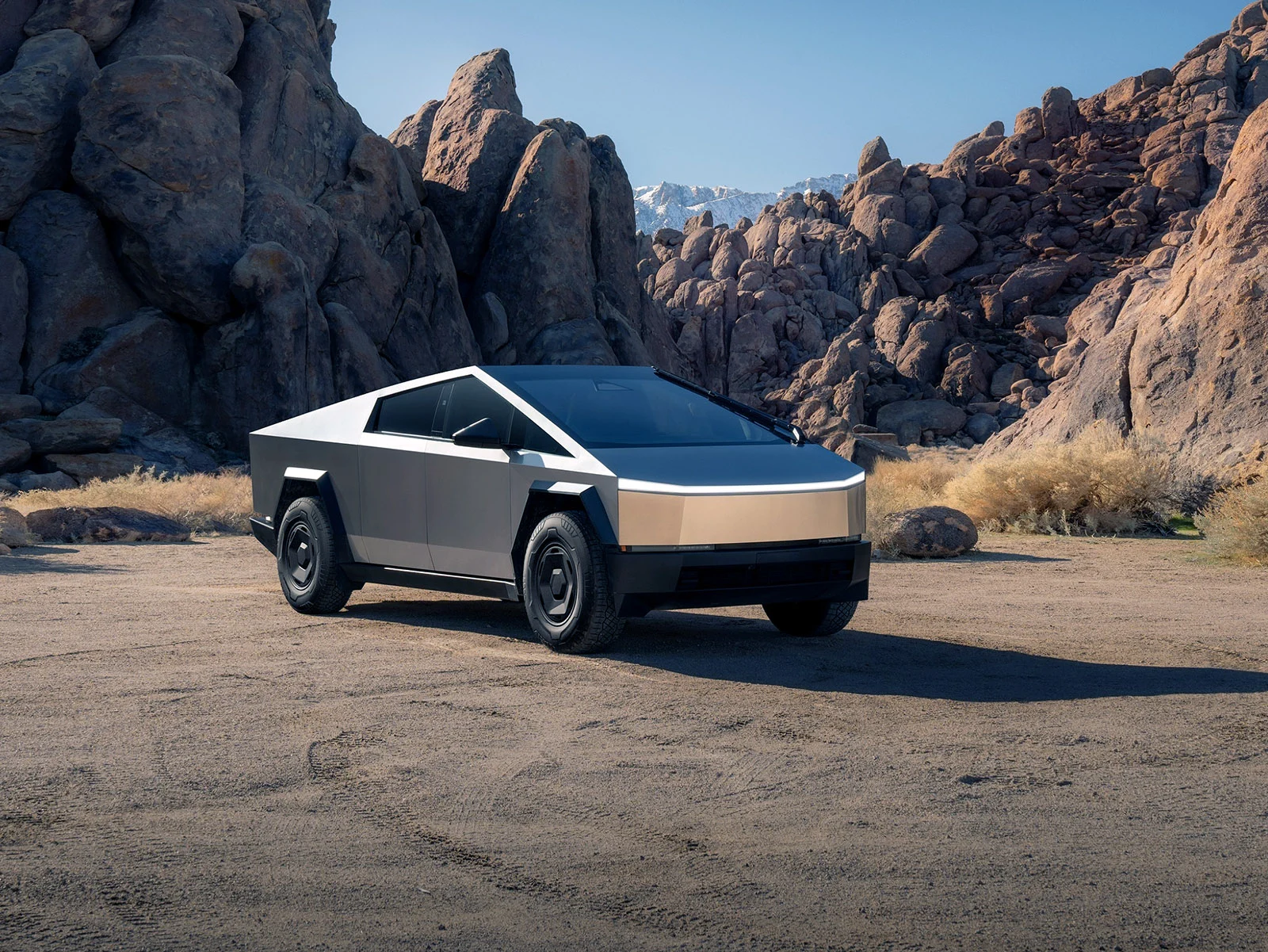
    The most affordable Cybertruck ever announced by Tesla is set to launch in June, but the price under $60,000 might not be available right away.

    Price Details and Timeline

    Elon Musk has stated that the 2026 Cybertruck AWD will be priced at $59,990 for just 10 days following its reveal, or until Monday, March 2. It remains uncertain whether this indicates a price increase for the new Cybertruck trim after March or if Tesla plans to introduce a cheaper RWD version in the meantime. Since Elon mentioned “only for the next 10 days” in response to lead engineer Wes Morrill’s announcement that the AWD Cybertruck starts below $60,000, it’s likely that the price will simply rise.

    Value and Demand

    At its current price of $59,990, the 2026 AWD Cybertruck is considered a good deal, being $20,000 less than the Premium AWD trim, while providing the same range and drivetrain. This means Tesla has room to increase the price and still attract buyers. By launching the 2026 dual-motor trim at this introductory rate, Tesla seems to be assessing demand for production purposes. Buyers can secure this price with a $250 deposit.

    Future Price Adjustments

    Musk mentions that the price increase for the Cybertruck AWD on March 2 will depend on how many orders come in at the introductory price. If Tesla receives a healthy number of orders, we might see the price rise to $64,990, still $15,000 less than the next trim. On the other hand, if there is a surge in orders, the price could edge closer to $70,000, reflecting the gap between the Premium AWD and the short-lived RWD version that was discontinued in 2025 due to poor sales.

    The base AWD Cybertruck offers better value since it only gives up a few features, like air suspension and towing capacity, while saving buyers $20,000. Therefore, Tesla needs to see an unusually low volume of orders to keep the price at the current $59,990.

    Source:
    Link


  • Tesla Launches Affordable Cybertruck with New AWD Trim for Sales Boost

    Tesla Launches Affordable Cybertruck with New AWD Trim for Sales Boost

    Key Takeaways

    1. Tesla’s Foundation Series Cyberbeast launched at $120,000, leading to a significant backlog of orders.
    2. The new AWD Cybertruck is priced at half of the initial launch price and aims to improve sales after the RWD model was pulled from the market.
    3. The latest AWD Cybertruck trim is the most affordable yet, priced $20,000 less than the Premium AWD variant.
    4. The AWD version retains the same 123 kWh battery with a range of 325 miles but lacks some features found in the previous RWD model.
    5. Key features missing from the AWD Cybertruck include a rear display, light bar, and cabin outlets, but it still offers unique options like rear-wheel steering and rapid charging.


    When Tesla introduced the Foundation Series Cyberbeast in late 2023, it set the price at $120,000, creating a massive order backlog worth billions.

    Price Changes Over Time

    Now, Tesla is offering the Cybertruck at a price that is half of the initial launch price, introducing a new AWD trim that improves on the RWD model that was available last year but was pulled from the market after just five months.

    The 2025 RWD Cybertruck not only had a higher price tag compared to the 2026 AWD version, but it also came with fewer features than what Tesla is now providing in its effort to boost the Cybertruck’s sluggish sales.

    New Features and Specs

    The latest AWD Cybertruck trim is $20,000 less than the Premium AWD variant, making it the most affordable Cybertruck Tesla has released to date. For example, the RWD Cybertruck was priced at $69,990, but with the now-removed federal tax credit, it dropped to $62,490, which is still more than the 2026 AWD version.

    Although the new trim doesn’t include many features found in the RWD model, such as air suspension, leather seating, or 20-inch wheels, it does come equipped with a motorized tonneau cover for the truck bed. Moreover, it retains the same 123 kWh battery, allowing for a range of 325 miles and the quickest charging system on any Tesla due to its 800V architecture.

    What’s Missing?

    Similar to last year, the 9.4″ rear display and rear light bar are absent, along with the 120V cabin outlets and Vault bed storage. However, Tesla has maintained the 120V outlets in the bed, as well as other unique Cybertruck features like rear-wheel steering, a motorized tonneau cover, rapid charging, and Powershare capabilities.

    It remains unclear whether this most affordable Cybertruck will achieve more success than Tesla’s earlier efforts to revitalize its electric pickup line, which currently reflects a mere footnote in the “Other” section of its financial reports.

    Source:
    Link


  • Tesla Model Y Robotaxi Accidents Rise Above Human Driver Rate

    Tesla Model Y Robotaxi Accidents Rise Above Human Driver Rate

    Key Takeaways

    1. Tesla is operating around 500 self-driving Model Y robotaxis in Austin and San Francisco, far fewer than Waymo’s 3,000 in six U.S. cities.

    2. Tesla’s robotaxis, equipped with FSD software, have reported five incidents in Austin last month, an increase compared to nine incidents from the previous year.

    3. The frequency of new incidents for unsupervised FSD operation is about one every 57,000 miles, contrasting with Tesla’s claim of being “6x safer than humans.”

    4. Tesla does not provide detailed data on autonomous miles by driver-assist software type, leading to confusion about their safety statistics.

    5. The company plans to expand its robotaxi fleet to more U.S. cities this year, introducing new models like the Cybercab, which features no steering wheel.


    Elon Musk has stated that Tesla is currently running around 500 self-driving Model Y robotaxis in Austin and San Francisco, which is significantly less than Waymo’s more than 3,000 operating in six U.S. cities.

    Robotaxis and Incidents

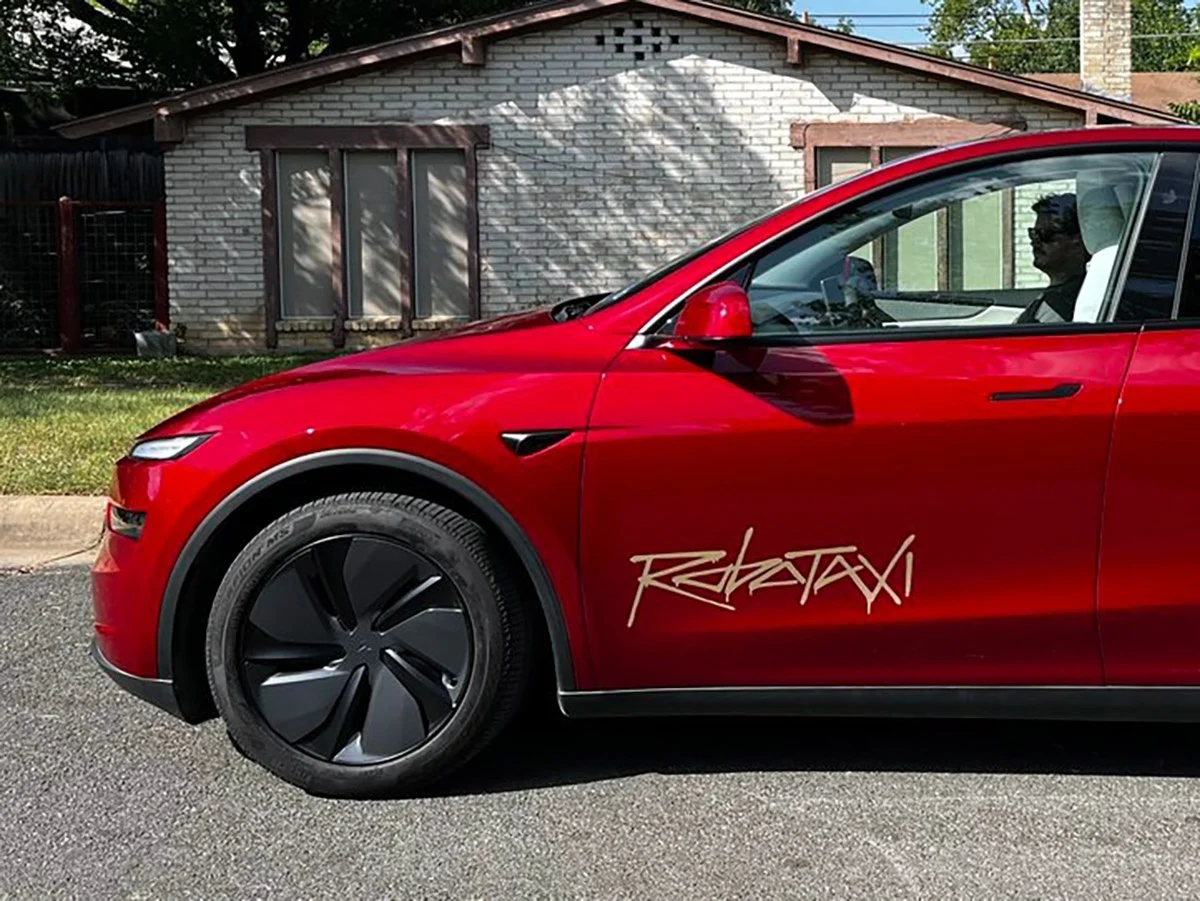
    These Tesla robotaxis are essentially standard 2026 Model Y vehicles equipped with a specialized FSD software that allows them to operate without human oversight. However, they are accumulating incidents at an increasing rate.

    According to the latest report on crashes involving self-driving cars, which Tesla must file with the NHTSA, the robotaxis recorded five incidents in Austin just last month. This is a contrast to the nine incidents reported last year when Tesla’s Robotaxi service began in that area. It’s important to note that Tesla only started allowing its Model Y robotaxis to transport passengers without a human safety monitor in January.

    Safety Concerns

    It’s uncertain if the increase in incidents is related to the removal of the safety monitor from Tesla’s robotaxis. Meanwhile, the company has been expanding its ride-share fleet. The data shows that the frequency of new incidents with vehicles operating on unsupervised FSD is about one every 57,000 miles. This is quite different from the “6x safer than humans” claim Tesla makes for its Autopilot incident statistics, as it actually aligns more with ten times the human average of one incident every approximately half a million miles.

    Tesla does not provide a breakdown of its autonomous miles by the type or version of driver-assist software used, which adds to the confusion about their safety claims. For example, using Autopilot on a clear highway presents a different risk level compared to an autonomous ride without a safety monitor during busy traffic in downtown Austin. Tesla reports that most accidents involving its robotaxis resulted in “property damage,” especially when backing up in parking lots, though there have been some hospitalizations as well.

    Future Expansion

    The EV manufacturer is gearing up for a significant expansion of its robotaxi ride-share fleet in additional U.S. cities later this year. This includes the unique Cybercab two-seater, which lacks a steering wheel, making it interesting to see if the accident rate will increase correspondingly.

    Source:
    Link


  • Tesla Offers 0.99% APR Financing on Model Y Amid Sales Drop

    Tesla Offers 0.99% APR Financing on Model Y Amid Sales Drop

    Key Takeaways

    1. Tesla is facing a significant sales slump, with a 17% decrease in US car deliveries in January compared to last year.
    2. The company has introduced zero APR financing for the affordable Model Y Standard RWD to boost sales, but it hasn’t had the desired effect.
    3. Tesla is offering a new AWD Model Y that is $7,000 less expensive than the Premium version, along with five different trim options.
    4. The financing rates for the Premium RWD and Premium AWD trims have been reduced to 0.99% from 2.99%, aiming to stimulate interest.
    5. Monthly payments for the Premium AWD trim are $674, while the base AWD version is $557 with zero-interest financing, which may complicate sales of the base trims.


    Faced with a huge slump in sales and the first yearly revenue decline after the federal tax credit ended last year, Tesla is hastening its incentives program in an effort to improve its situation.

    In January, Tesla delivered 17% fewer cars in the US than during the same month last year. The electric vehicle manufacturer is now rolling out an APR financing offer for its top-selling Model Y vehicle to create some excitement before it potentially reports another lackluster quarter that could threaten its high stock valuation.

    New Financing Offers

    When Tesla noticed that the affordable Model Y Standard RWD version was not performing as expected, it began providing it with zero APR financing in December. However, this strategy didn’t significantly boost holiday sales, as consumers were not inclined to purchase the stripped-down Model Y Standard, which has over 20 fewer features compared to its Premium counterpart, along with a considerably shorter driving range per charge.

    Increased Options

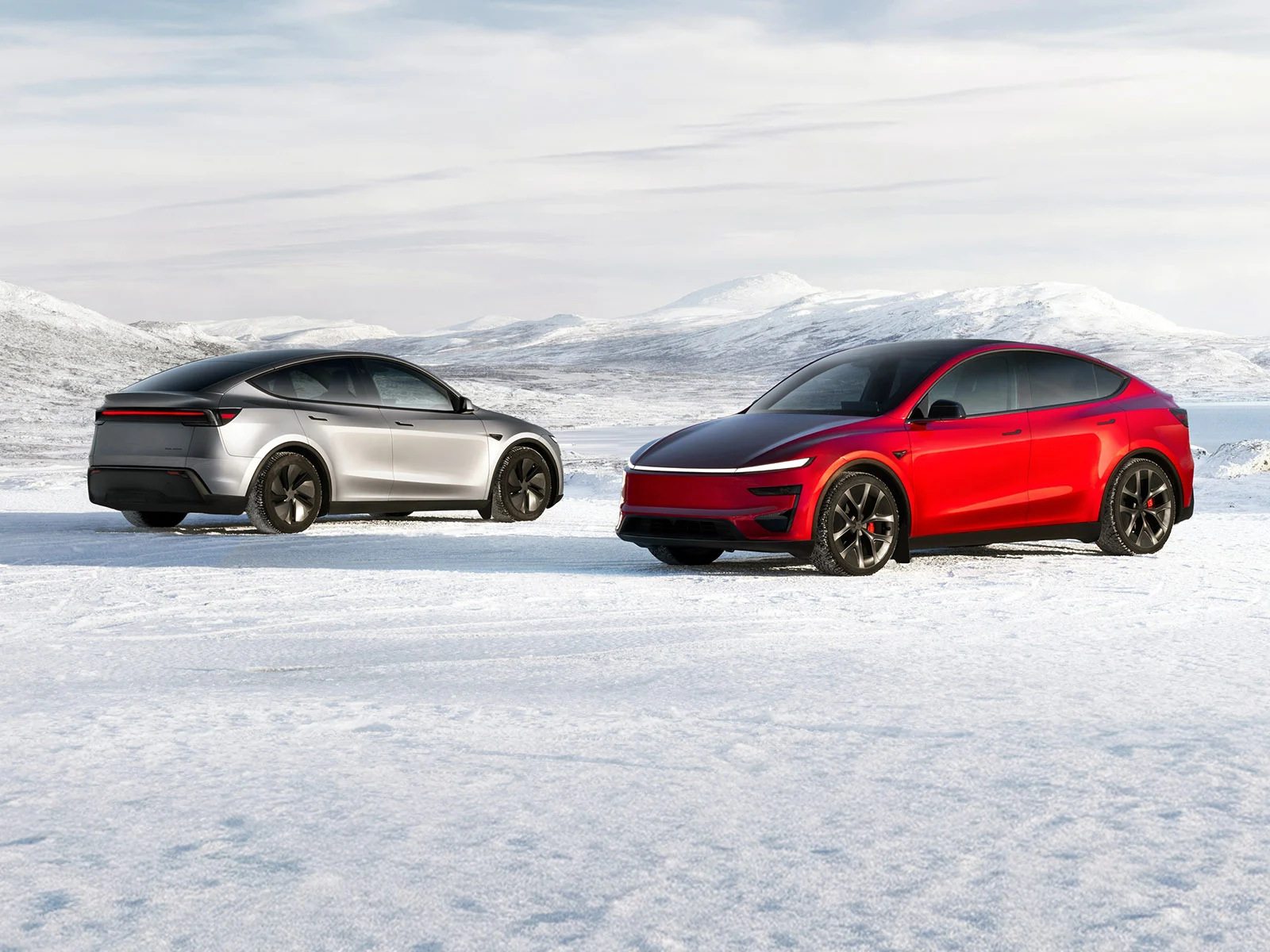
    In response, Tesla launched an AWD Model Y that is $7,000 less expensive than its long-range Premium version and is currently offering five different trims of the Model Y in the US.

    The effectiveness of this new AWD Model Y is still uncertain since Tesla somewhat undermined it by introducing a 0.99% APR financing option for the Premium RWD and Premium AWD trims, down from a previous rate of 2.99%. This new financing offer applies to all terms except for the 84-month option, which remains at over 6% APR.

    Monthly Payments

    With the latest Model Y APR financing promotion, buyers can now obtain the Premium AWD trim for $674 per month after making a $3,300 down payment over a 72-month period at the 0.99% interest rate. In contrast, the least expensive AWD version costs $557 per month with its zero-interest financing, making the Premium Model Y seem more accessible, but this might complicate the sales of the base trims.

  • SpaceX and Tesla Compete for Efficient Solar Panels for Energy

    SpaceX and Tesla Compete for Efficient Solar Panels for Energy

    Key Takeaways

    1. Tesla and SpaceX are securing high-efficiency solar panels by visiting Chinese manufacturers, boosting their stock prices significantly.
    2. SpaceX is focusing on heterojunction technology for solar cells, indicating a commitment to high-quality supplies.
    3. SpaceX plans to launch one million satellites powered by solar energy to create an AI data center in space.
    4. The AI satellites aim to generate 100 gigawatts of compute capacity annually with minimal maintenance, relying solely on solar power.
    5. Tesla is preparing to install 200 GW of solar capacity in the US and has launched a complete energy generation kit, increasing their need for solar panels.


    Two of Elon Musk’s leading businesses, valued at over $2.5 trillion combined, are making moves to obtain a large supply of high-efficiency solar panels.

    Tesla and SpaceX representatives have been visiting Chinese solar panel manufacturers to check out their factories and place orders, which has caused their stock prices to rise by as much as 10% on the Hong Kong stock market. “The SpaceX group is mainly looking at photovoltaic equipment makers and has placed an order with a top local heterojunction equipment producer,” according to sources in the solar industry.

    Focus on Heterojunction Technology

    The heterojunction interface is crucial for high-efficiency solar cells, indicating that SpaceX is clearly aiming to secure the best supplies available. It’s still under wraps which local solar company has landed the SpaceX deal, but shares of Junda climbed by over 10%.

    SpaceX has also recently requested permission from the FCC to launch as many as one million satellites, creating what they call the Orbital Data Center system. In simpler terms, they want to deploy AI computing power into space, taking advantage of all the benefits this brings.

    Solar-Powered Satellites

    The AI data center satellites will be continuously powered by solar energy, eliminating the need for energy storage and other components found on Earth. SpaceX claims that “if we launch 1 million tonnes of satellites generating 100 kW of compute power per tonne, this would provide 100 gigawatts of AI compute capacity each year, with very little ongoing operational or maintenance requirements.” This project will require a vast number of high-efficiency solar panels, which SpaceX is currently working to secure. They might plan to test some AI data center satellites during the upcoming Starship 3 rocket launch, which will also carry the large Starlink V3 satellites into space.

    Meanwhile, Tesla’s team has been examining photovoltaic production plants, as they plan to install 200 GW of capacity in the US in the coming years. They recently launched their first complete energy generation kit that includes their solar panel, inverter, and a Powerwall 3 storage system, meaning they will need a large quantity of panels.

    Source:
    Link


  • Tesla Launches $7,000 Cheaper Model Y AWD with Under 300-Mile Range

    Tesla Launches $7,000 Cheaper Model Y AWD with Under 300-Mile Range

    Key Takeaways

    1. Tesla now offers seven trims of the Model Y globally, including a new short-range Model Y AWD in the US.
    2. The Model Y trims in the US range in price from $39,990 to $57,490, providing more options for customers.
    3. The new Model Y AWD has the shortest range of all Model Y versions and is the only Tesla model with less than a 300-mile range.
    4. The Model Y AWD is positioned as a budget-friendly option with a $7,000 price difference from the Premium AWD trim.
    5. Choosing the AWD model means sacrificing luxury features and color options for a more affordable price, with only a slight difference in driving range.


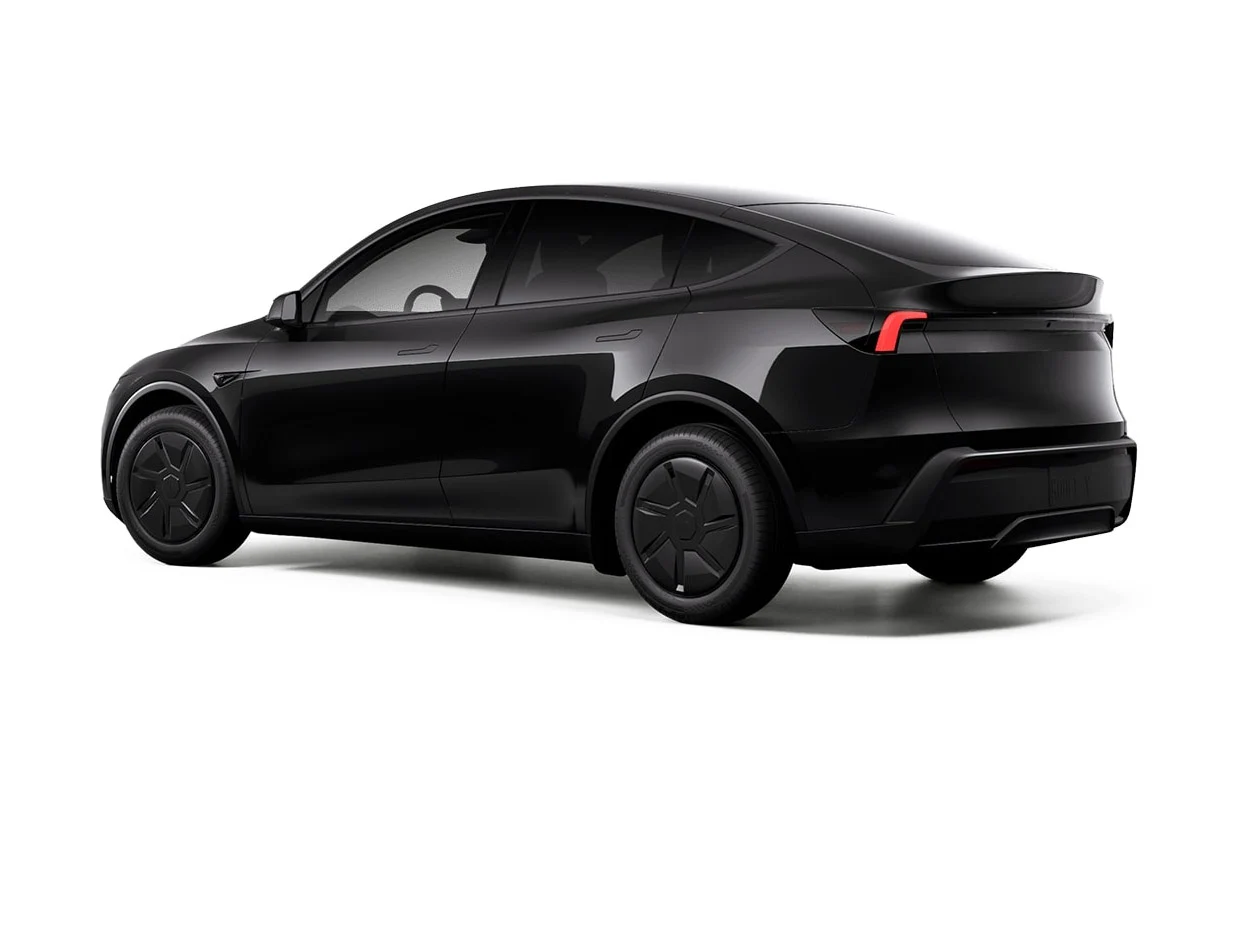
    Tesla has recently expanded its offerings with seven different trims of the Model Y available worldwide. Following the launch of a long-range Model Y RWD in Europe, the company has now introduced a short-range Model Y AWD in the United States. Additionally, the Model Y Standard has been rebranded as the Model Y RWD to steer clear of any negative connotations related to affordability.

    Expanded Choices for Customers

    Currently, Tesla presents five Model Y trims for consumers in the US, with prices ranging from $39,990 to $57,490. This variety gives customers more options after the removal of the Model S and Model X from the lineup, ensuring there is truly something for everyone.

    Price and Performance Adjustments

    The new Model Y AWD trim, which includes an additional motor on the base RWD version while maintaining the same battery capacity, has the least range of all Model Y versions available in the US. It is also unique as the only Tesla model that offers less than a 300-mile range.

    Initially, a $7,000 price gap compared to the Premium AWD trim makes the new Model Y AWD an attractive budget-friendly choice. The Standard RWD version was not performing well in sales, prompting Tesla to enhance its entry-level lineup.

    Trade-offs for Affordability

    However, opting for the AWD model means buyers will miss out on several luxury features, including vented and motorized leather seats, a light bar, panoramic glass roof, HEPA filter, matrix LED headlights, acoustic glass, and a superior sound system. There is also a more limited selection of colors available. In terms of driving range, the difference is only about 30 miles, so the lack of design elements and some comforts might not deter those looking for a more affordable AWD option at a $7,000 lower cost.

    Source:
    Link


  • Tesla’s Optimus Robot: Elon Musk’s Pipe Dream Revealed

    Tesla’s Optimus Robot: Elon Musk’s Pipe Dream Revealed

    Key Takeaways

    1. Tesla’s Optimus robot is still under development and not currently in use for production in factories, contrary to previous claims by Elon Musk.
    2. There are only a few prototypes of Optimus, with some requiring teleoperation instead of being fully autonomous.
    3. Musk faces backlash on social media, with accusations of misrepresentation and dishonesty regarding the robot’s capabilities and timeline.
    4. The upcoming Optimus Gen 3, expected in Q1 2026, aims for large-scale production but may face delays due to supply chain challenges.
    5. Uncertainty remains about whether the third generation of the robot will meet expectations and achieve significant advancements.


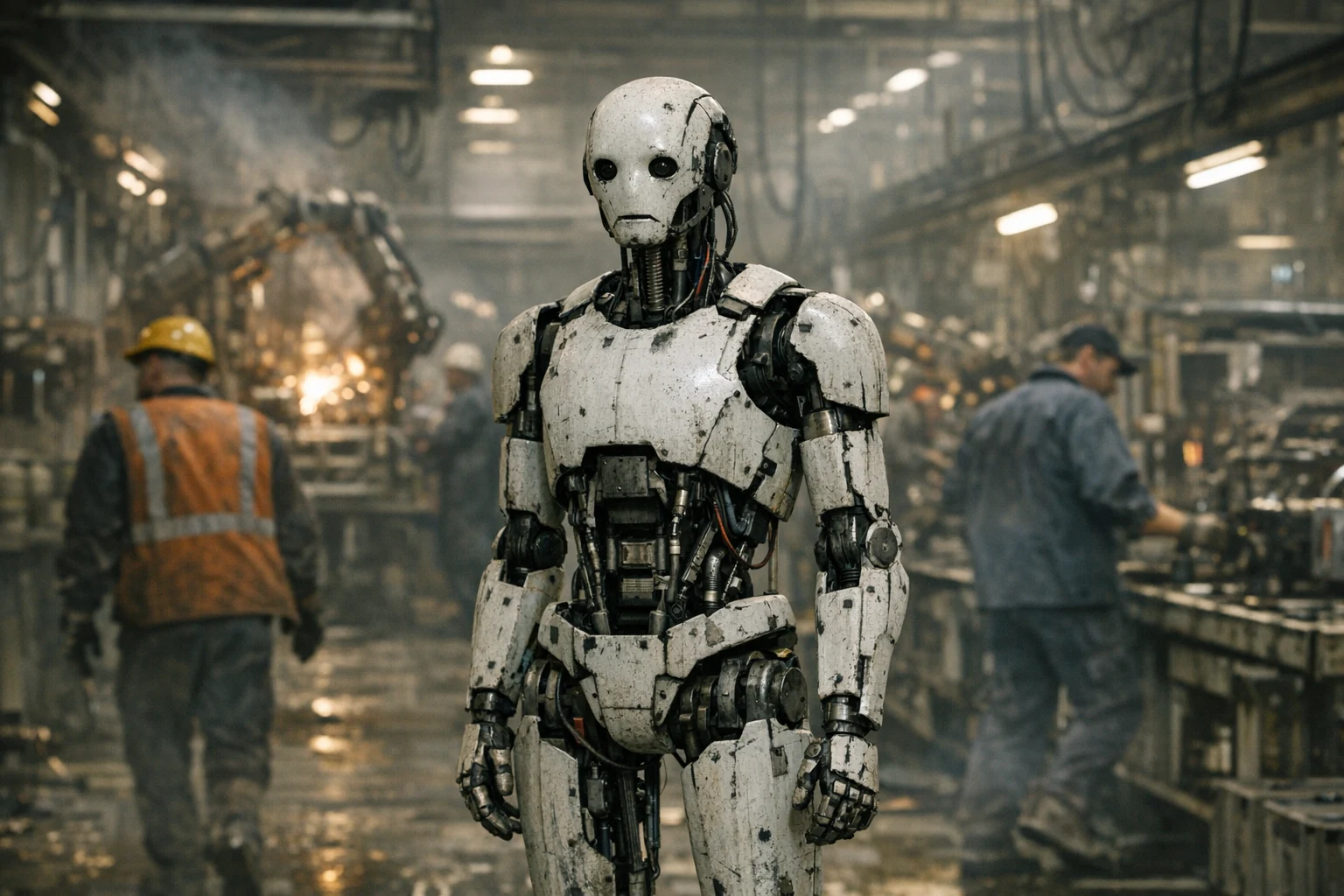
    Until recently, Elon Musk had stated that Tesla’s Optimus robot was already in use at the company’s factories and could be available for private buyers by 2027. Nevertheless, this now seems to be quite the opposite. Contrary to previous claims, no Optimus units are currently doing any productive work in Tesla’s facilities. Musk confirmed in the recent earnings call that the robot is still under development and is being trained – “it’s more so that the robot can learn,” he explained – rather than actually helping in production.

    New Perspective on Past Claims

    This revelation sheds a different light on earlier predictions from 2024 and 2025, which discussed fully autonomous robots and the expectation of thousands of units by the end of 2025. In fact, only a few prototypes are in existence now, and some depend on teleoperation, which means they are controlled from afar instead of being fully autonomous. On Reddit, Elon Musk is encountering significant backlash. Many users label him as a “liar” and a “fraud,” accusing him of intentionally misrepresenting facts. One commenter, u/Real-Technician83, noted: “He has learned that lies pump the stock more than admitting them later drops the value.”

    The Future of Optimus

    Optimus Gen 3, which is set for a Q1 2026 release, could represent a significant shift. Tesla claims this new version will be the first one made with large-scale production in mind, including a revamped hand system and the capability to learn from observation, voice commands, or video inputs. However, production might not kick off until late 2026, and a long ramp-up period would be necessary due to the establishment of a completely new supply chain. Given the recent developments, it remains uncertain if this third generation will achieve the much-anticipated breakthrough that many have been eagerly waiting for.

    Tesla via YouTube

    Source:
    Link


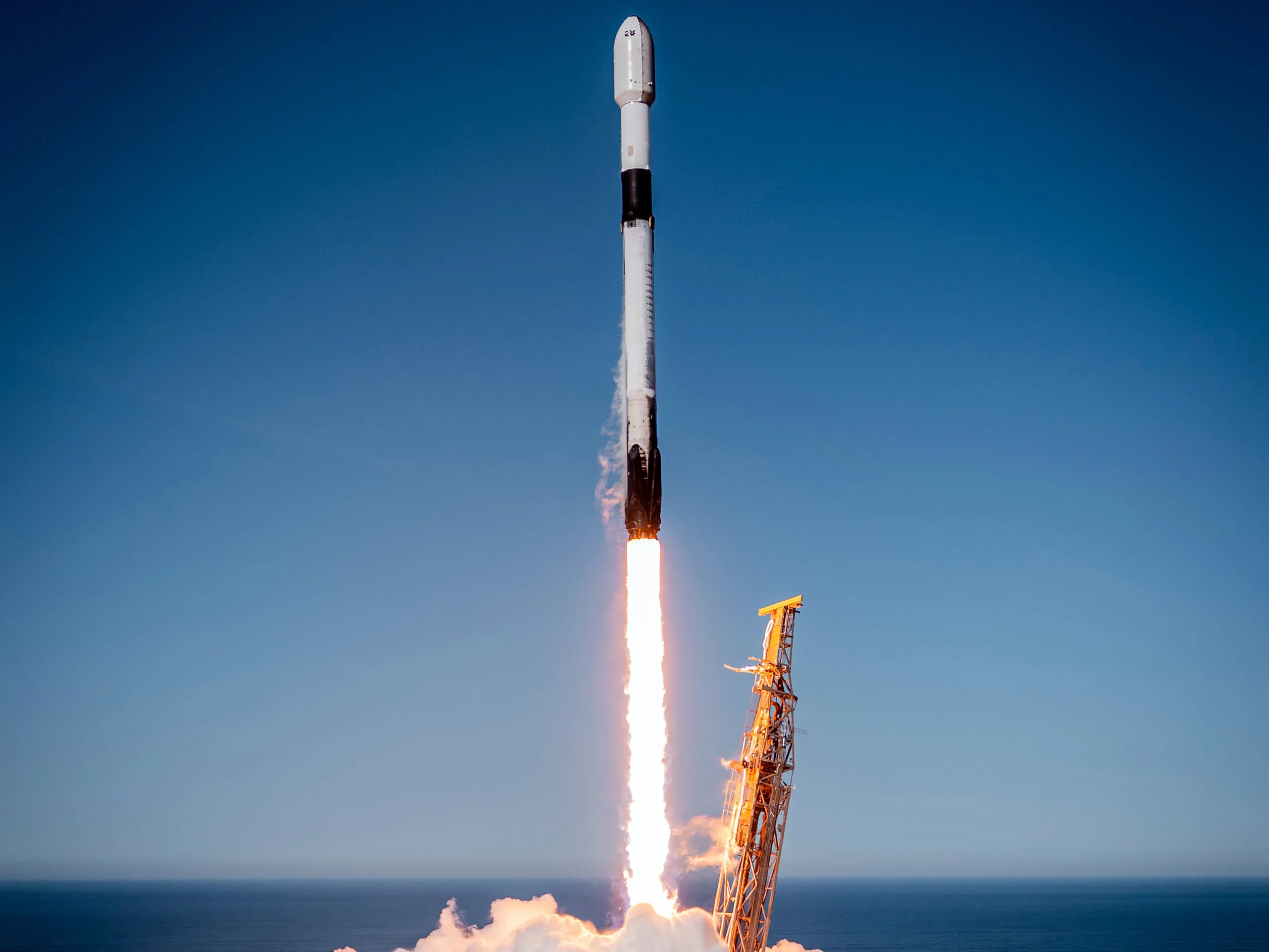
  • Musk Considers Merging Tesla, Starlink, and xAI for IPO Delay

    Musk Considers Merging Tesla, Starlink, and xAI for IPO Delay

    Key Takeaways

    1. Tesla’s stock declined despite a small earnings increase, indicating investor concerns about the company’s performance.
    2. Elon Musk is shifting Tesla’s focus from cars to autonomous driving, robotaxis, and humanoid robots, while discontinuing certain vehicle models.
    3. Reports suggest Musk is considering a merger of Tesla, SpaceX, and xAI, which could create operational synergies.
    4. A merger could enhance Tesla’s valuation and address current negative sentiment due to declining profits and increased competition.
    5. Recent legal filings hint at the possibility of integrating SpaceX, Tesla, and xAI into one publicly traded company.


    The small earnings increase did not assure investors that everything is fine with Elon Musk’s vehicle company, leading to a decline in Tesla’s stock after the announcement amid ongoing selling pressure.

    Shifting Focus Away from Cars

    Musk’s attempts to transform Tesla into a “physical AI” entity, focusing on autonomous driving subscriptions, robotaxis, and the Optimus humanoid, stand in stark contrast to the news that Tesla is struggling to compete in the high-end EV market. The company has decided to discontinue the Model X and Model S, while also contemplating the future of the Cybertruck.

    Potential Merger News

    However, following the drop in Tesla’s stock, recent news might boost the share price instead. Reports from both Bloomberg and Reuters suggest that Elon Musk is thinking about merging Tesla, SpaceX, and xAI into a single entity. It is said that he is considering a merger between SpaceX and xAI through a stock exchange, which could create various synergies like orbital data centers, or simply integrate SpaceX into Tesla without pursuing a separate IPO.

    Positive Implications for Tesla

    This move would be beneficial, especially since SpaceX is rumored to be preparing for a $50 billion IPO at a valuation of $1.5 trillion. Such a merger would transform Tesla into a company that encompasses space, AI, and robotics, rather than just being an automaker, which could enhance its future valuation. It might also alleviate the current negative sentiment resulting from decreasing profits and limited growth opportunities. Even though Tesla leads in autonomous vehicles and humanoid robots, competition is intensifying, and Musk’s ambitious growth plans may not materialize as expected in the coming years.

    A merger involving SpaceX and Tesla, along with xAI as a bonus, could surely address these challenges. Alternatively, this could simply be a strategic rumor, but recent legal filings by the SpaceX CFO in Nevada, which include the term “merger sub,” could indicate that Musk is at least contemplating the integration of SpaceX, Tesla, and xAI into a single publicly traded company.


    Source:
    Link