
Key Takeaways
1. Tesla is operating around 500 self-driving Model Y robotaxis in Austin and San Francisco, far fewer than Waymo’s 3,000 in six U.S. cities.
2. Tesla’s robotaxis, equipped with FSD software, have reported five incidents in Austin last month, an increase compared to nine incidents from the previous year.
3. The frequency of new incidents for unsupervised FSD operation is about one every 57,000 miles, contrasting with Tesla’s claim of being “6x safer than humans.”
4. Tesla does not provide detailed data on autonomous miles by driver-assist software type, leading to confusion about their safety statistics.
5. The company plans to expand its robotaxi fleet to more U.S. cities this year, introducing new models like the Cybercab, which features no steering wheel.
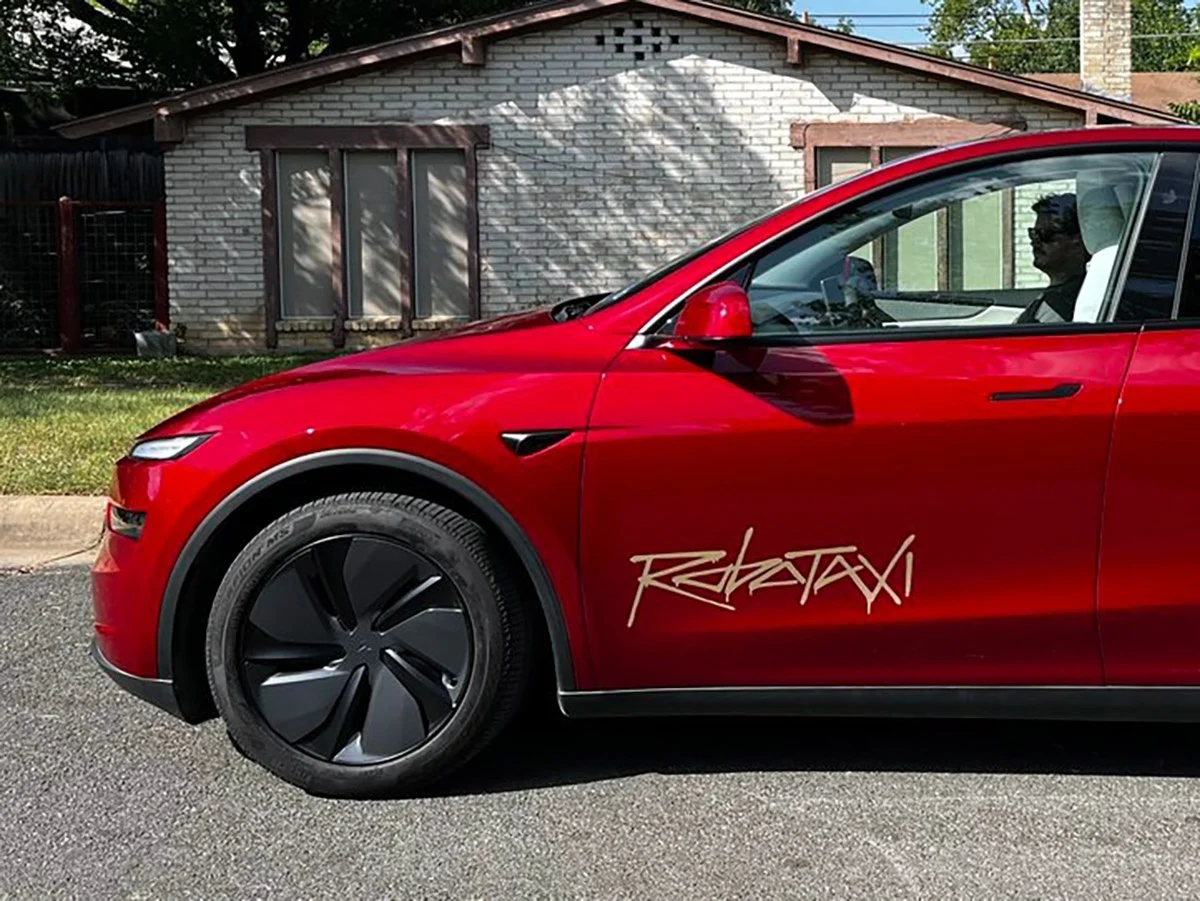
Elon Musk has stated that Tesla is currently running around 500 self-driving Model Y robotaxis in Austin and San Francisco, which is significantly less than Waymo’s more than 3,000 operating in six U.S. cities.
Robotaxis and Incidents
These Tesla robotaxis are essentially standard 2026 Model Y vehicles equipped with a specialized FSD software that allows them to operate without human oversight. However, they are accumulating incidents at an increasing rate.
According to the latest report on crashes involving self-driving cars, which Tesla must file with the NHTSA, the robotaxis recorded five incidents in Austin just last month. This is a contrast to the nine incidents reported last year when Tesla’s Robotaxi service began in that area. It’s important to note that Tesla only started allowing its Model Y robotaxis to transport passengers without a human safety monitor in January.
Safety Concerns
It’s uncertain if the increase in incidents is related to the removal of the safety monitor from Tesla’s robotaxis. Meanwhile, the company has been expanding its ride-share fleet. The data shows that the frequency of new incidents with vehicles operating on unsupervised FSD is about one every 57,000 miles. This is quite different from the “6x safer than humans” claim Tesla makes for its Autopilot incident statistics, as it actually aligns more with ten times the human average of one incident every approximately half a million miles.
Tesla does not provide a breakdown of its autonomous miles by the type or version of driver-assist software used, which adds to the confusion about their safety claims. For example, using Autopilot on a clear highway presents a different risk level compared to an autonomous ride without a safety monitor during busy traffic in downtown Austin. Tesla reports that most accidents involving its robotaxis resulted in “property damage,” especially when backing up in parking lots, though there have been some hospitalizations as well.
Future Expansion
The EV manufacturer is gearing up for a significant expansion of its robotaxi ride-share fleet in additional U.S. cities later this year. This includes the unique Cybercab two-seater, which lacks a steering wheel, making it interesting to see if the accident rate will increase correspondingly.
Source:
Link
Leave a Reply