Tag: Megapack

  • Tesla Shifts to American-Made Batteries in $4 Billion Deal

    Tesla Shifts to American-Made Batteries in $4 Billion Deal

    Key Takeaways

    1. Tesla switched to lithium iron phosphate (LFP) batteries for its Megapack energy storage system, which are safer, cheaper, and longer-lasting.

    2. Tesla has two Megafactories in California and Shanghai that currently rely on Chinese LFP cells, making them vulnerable to federal tariffs.

    3. To reduce import dependency, Tesla is establishing a new LFP battery facility in Nevada and has signed a contract with LG Energy to produce LFP batteries in the US.

    4. LG Energy’s Lansing, MI facility will produce prismatic LFP batteries with an annual capacity of 50 GWh, supporting Tesla’s Megapack production.

    5. The contract with LG is valued at over $4 billion and will last until the end of the decade, providing LFP batteries for both Megapacks and Tesla’s electric vehicles.


    About five years ago, Tesla made a major change to its Megapack energy storage system (ESS) by switching to lithium iron phosphate (LFP) batteries, which are safer, cheaper, and last longer. These LFP batteries are currently the most favored choice for energy storage, both for grid applications and portable power solutions like the Anker Solix C2000, which is now available at a 48% discount on Amazon.

    Tesla’s Manufacturing Facilities

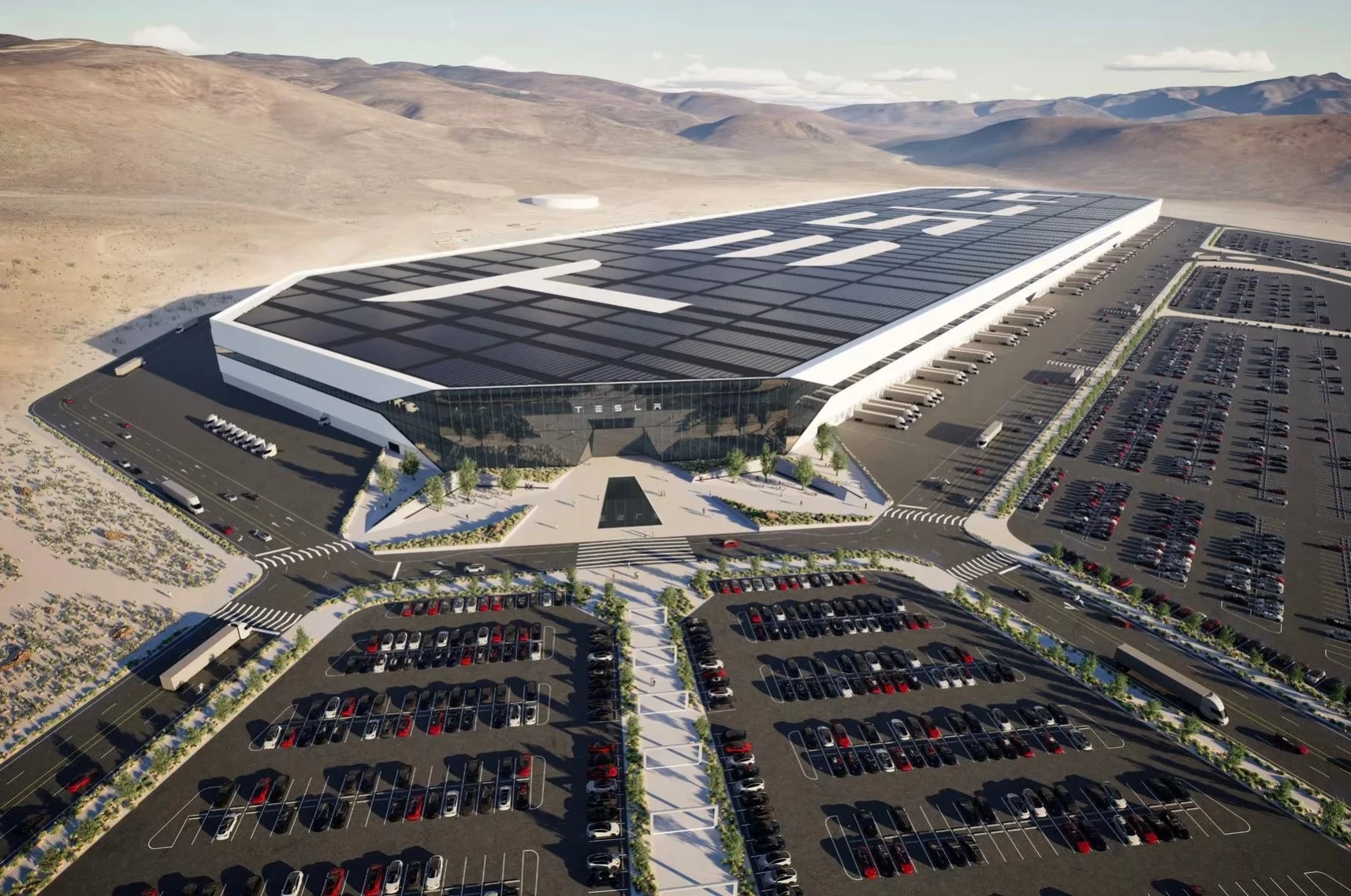
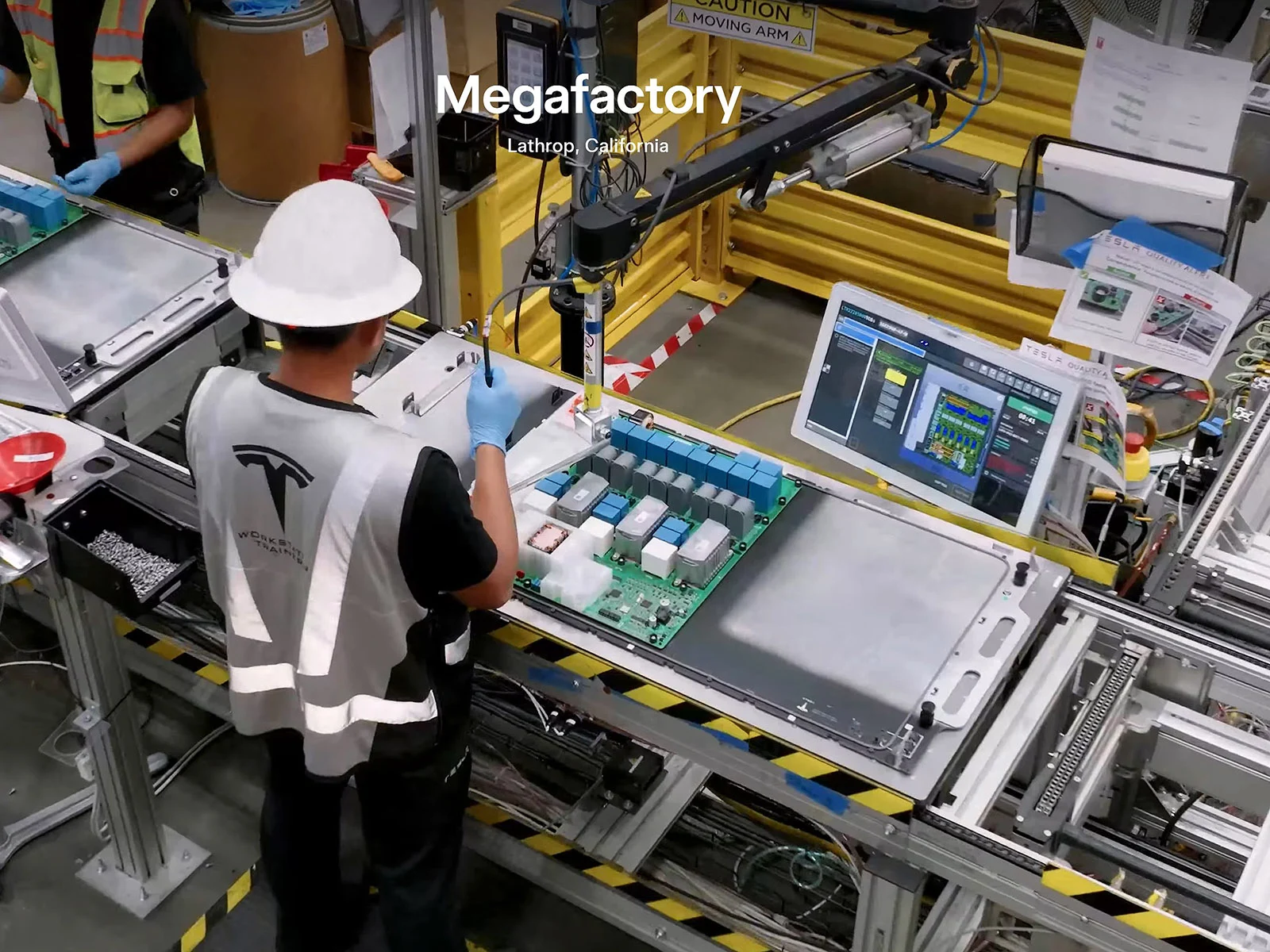
    Tesla has set up two Megafactories for producing Megapacks, located in Lathrop, California, and Shanghai. However, both factories rely on Chinese LFP cells to assemble the Megapack ESS. The company has been comparing the two largest battery manufacturers, CATL and BYD, to secure the lowest price available.

    The Lathrop Megafactory can produce 10,000 Megapacks each year, using CATL batteries, which makes them susceptible to potential federal tariffs and restrictions on imports from China. To mitigate this issue, Tesla is working on increasing imports through a new LFP battery facility in Nevada, but it still depends on CATL’s equipment, and the output is insufficient to fully replace CATL as a supplier.

    New Partnerships for Growth

    This is why Tesla has allegedly signed a contract with LG Energy, a key supplier of 2170 cells for its electric cars, to also produce LFP batteries for its Megapack ESS division. This segment has shown some sales growth according to Tesla’s 2025 financial report, marking it as one of the few positive areas.

    A significant advantage for Tesla is that these LFP cells will be manufactured in the US by a company not subject to import restrictions, meaning the Megapacks can qualify for any and all local or federal subsidies for American-made energy products.

    Production Capacity and Future Plans

    LG will produce the batteries at its Lansing, MI facility, which it fully owns after acquiring GM’s stake as the automaker shifted away from its EV production plans. LG will provide prismatic LFP batteries, similar to the current CATL cells used by Tesla, which are the most common form factor for energy storage systems.

    The Lansing factory has an impressive annual capacity of 50 GWh, exceeding that of Tesla’s Shanghai facility. This will allow it to support the existing Megapack production in Lathrop independently once the LFP production lines are operational next year. The contract with LG is reportedly valued over $4 billion and will last until the end of the decade. In addition to LFP batteries for Megapack energy storage and 2170 EV cells, LG is expected to enhance the supply of 4680 batteries, which Tesla uses in the Cybertruck and certain Model Y versions as well.

    Source:
    Link


  • Record-Breaking Off-Grid Tesla Supercharger with 12 Trailer Piles

    Record-Breaking Off-Grid Tesla Supercharger with 12 Trailer Piles

    Key Takeaways

    1. Tesla has launched the world’s largest Supercharger station in Lost Hills, California, with 168 stalls, half of which were operational at its opening for the 4th of July.

    2. The station operates independently from the local utility grid, using 11 MW of solar energy from ten Megapack systems, with a total capacity of 39 MWh.

    3. Future expansion plans include adding more stalls and services, with twelve large pull-through stalls for vehicles towing trailers.

    4. Tesla addressed the charging infrastructure gap between San Francisco and LA by powering the station with Megapacks and solar canopies, completing it in under eight months.

    5. The use of prefabricated Supercharger stalls and innovative setup methods reduces construction time and costs, enhancing Tesla’s ability to secure public charging infrastructure grants.


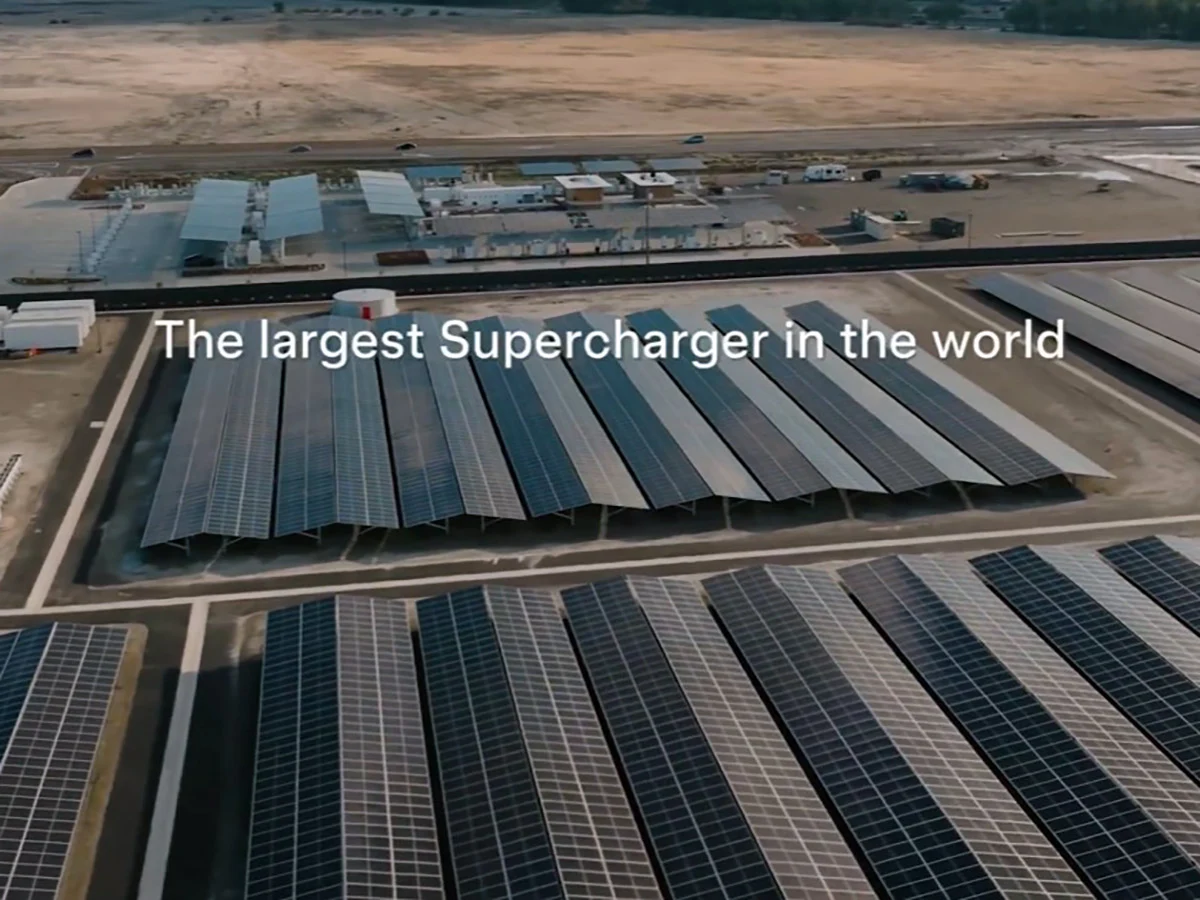
    After just eight months of hard work, Tesla has launched the largest Supercharger station in the world. Situated in Lost Hills, California, this station boasts an impressive 168 charging stalls, although only half were operational at its grand opening, timed perfectly for the 4th of July travel rush.

    Solar Power and Capacity

    As of Thanksgiving, Tesla has activated the remaining 84 stalls, utilizing 11 MW of solar energy generated from ten Megapack energy storage systems, totaling a remarkable capacity of 39 MWh. Notably, this enormous Supercharger station operates independently from the local utility grid, running entirely on solar power.

    Future Expansion Plans

    The only minor utility connection present is designed for future growth, as Tesla intends to expand the Supercharger site with more stalls and additional services. Among the features of this record-breaking station are twelve large pull-through stalls, which accommodate vehicles towing trailers, allowing them to charge without needing to disconnect.

    Addressing Infrastructure Needs

    Tesla recognized a significant gap in charging infrastructure along the route from San Francisco to LA, especially with the Thanksgiving holiday approaching. Rather than waiting for a utility connection, the company opted to power this massive station with Megapacks and solar canopies over the 168 stalls.

    This strategic decision enabled Tesla to complete this record-setting Supercharger site in under eight months from the start of construction. The company is now employing prefabricated Supercharger stalls and an innovative method to set them up on a foundation without pouring concrete. This approach not only accelerates the building process but also reduces costs, giving Tesla an edge in securing public charging infrastructure grants.

    Source:
    Link


  • Tesla’s 2024 Production and Deliveries Drop for First Time in Years

    Tesla’s 2024 Production and Deliveries Drop for First Time in Years

    Key Takeaways

    1. Tesla experienced a 4% reduction in vehicle production in 2024, the first decline since 2020, with a notable drop in models Y and 3.
    2. Total vehicle production for the year was 1.77 million, down from 1.84 million in 2023, despite a 33% increase in production of other models.
    3. Deliveries fell by 1%, largely due to a 2% decrease in models Y and 3, but were partially offset by a 33% increase in other model deliveries.
    4. Financial results showed a 1% rise in total revenues, despite a 6% decline in automotive revenues, aided by growth in energy generation and storage.
    5. Tesla is planning to boost truck production in late 2025, launching new budget-friendly vehicles, and has started production at its Shanghai megafactory for large energy storage batteries.


    In 2024, Tesla saw a 4% reduction in vehicle production, largely due to a 5% fall in the output of models Y and 3, as per the financial documents. This was the first decrease in production since 2020. On the other hand, production of other models rose significantly, by 33% throughout the year. Tesla managed to produce 1.77 million vehicles, a decline from 1.84 million in 2023.

    Deliveries and Trends

    Alongside this production dip, deliveries also fell by 1%, with the largest drop occurring in models Y and 3, which saw a decrease of 2%. However, these declines were somewhat balanced out by the increased production and delivery of other models, which grew by 33% and 24%, respectively. Still, their overall effect on total numbers was not as significant as that of models Y and 3.

    Financial Overview

    The financial outcomes revealed a 1% rise in total revenues, even with a 6% decrease in automotive revenues. The reports indicate that growth in energy generation and storage, along with other services, helped to mitigate the impact on the main segment.

    Tesla noted that the lowered selling prices for its models S, 3, X, and Y had a negative effect on revenues, particularly in the last quarter. Likewise, higher operating costs due to AI initiatives and R&D projects have influenced the company’s profitability.

    Future Plans

    Nonetheless, the company is advancing in the development of semifactories in the US, aiming to boost truck production starting in late 2025. For the upcoming year, Tesla anticipates launching new vehicles, including some more budget-friendly options.

    As the energy generation and storage sector expands, Tesla has commenced production at its Shanghai megafactory, which has been under construction since May 2024. This facility is expected to manufacture around 10,000 units of Megapack, a very large commercial energy storage battery capable of storing over 3.9 megawatt-hours (MWh) of energy.

    Source:
    Link

  • New Megapack Battery Factory Establishes Tesla’s Expanding Presence in Shanghai

    New Megapack Battery Factory Establishes Tesla’s Expanding Presence in Shanghai

    Tesla, the renowned electric vehicle (EV) and clean energy company, is expanding its presence in China by purchasing land in Shanghai for a new factory dedicated to producing its Megapack large-scale batteries. This move signifies Tesla’s commitment to China’s growing new-energy market and its strategic expansion beyond electric cars.

    Tesla’s Focus on Energy Storage Solutions

    The new factory in Shanghai, which will be located in the Lingang free-trade zone, will be Tesla’s first facility outside the US solely focused on energy-storage batteries. By venturing into energy storage, Tesla aims to not only lead in electric vehicle production but also in providing solutions for energy storage needs. Their Megapack batteries, with the capability to power 3,600 homes for one hour, play a crucial role in addressing the increasing demand for energy storage, an essential component of the renewable energy landscape.

    Competing in China’s EV Market

    Interestingly, Tesla’s decision to expand its energy storage operations in China comes at a time when the EV market in the country is experiencing rapid growth and heightened competition. While Tesla has been a dominant player in China’s premium EV segment, local Chinese companies such as Li Auto and Xpeng are quickly catching up. These companies have been breaking monthly sales records and offering stiff competition to Tesla.

    Strategic Response to China’s New-Energy Sector

    The construction of the Megapack factory is a strategic response by Tesla to not only solidify its position in the EV market but also to tap into the broader new-energy sector in China. With the country’s ambitious goals of achieving peak carbon emissions by 2030 and carbon neutrality by 2060, there is a significant opportunity for Tesla’s energy storage products. By localizing production, Tesla can better serve the Chinese market and also export these products to other countries. This latest move positions Tesla as a key player in the green energy revolution, as the world increasingly shifts towards renewable energy and sustainable practices.

    Conclusion

    Tesla’s purchase of land in Shanghai for a new Megapack factory demonstrates its commitment to expanding its presence in China’s new-energy market. By focusing on energy storage solutions, Tesla aims to address the growing demand for energy storage and solidify its position as a leader in the renewable energy landscape. With competition intensifying in China’s EV market, this strategic move allows Tesla to maintain its dominance while also capitalizing on the broader new-energy sector. As the world transitions to greener energy practices, Tesla’s expansion positions the company at the forefront of the green energy revolution.