
Tag: Figure AI

  • Musk’s Optimus Outperforms Chinese Robots with Helix 02 Platform

    Musk’s Optimus Outperforms Chinese Robots with Helix 02 Platform

    Key Takeaways

    1. Tesla is shifting focus from luxury cars to developing Optimus humanoid robots, discontinuing the Model X and Model S production.
    2. Elon Musk believes Optimus will outperform competing Chinese robots in cognition and hand design, despite China’s lead in mass production and AI capabilities.
    3. China sold 18,000 humanoid robots last year, showcasing advanced factory task performance, while Tesla has yet to launch Optimus.
    4. Competitors like Figure AI are advancing robot technology with dexterous hands that can perform complex tasks, increasing pressure on Tesla.
    5. If successful, Tesla aims to produce one million Optimus robots per year, potentially lowering costs to around $30,000 each, while competitors face high production costs.


    Tesla is taking a big leap into “physical AI” by stopping the production of its luxury Model X and Model S cars to focus on making Optimus humanoid robots instead.

    Tesla’s Ambition

    During Tesla’s Q4 investor call, Elon Musk mentioned that only robots from China can rival Optimus, but he believes Optimus has the edge in many areas. When questioned about whether Optimus can compete with impressive Chinese robots like those from Ubtech or XPeng, which are already in mass production, Musk suggested that “Optimus will be much more capable than any robot that we are aware of under development in China.”

    Competitive Landscape

    Musk pointed to Optimus’s superior cognition and hand design as its strengths, though he recognized that Chinese companies excel in AI-driven awareness and large-scale production, which are also essential for humanoid robots. China is currently ahead in the field, boasting over $400 million in sales and an impressive fleet of 18,000 humanoid robots sold just last year. Their robots can perform complex factory tasks, while Tesla has yet to launch the Optimus robot, despite Musk’s claims of its potential capabilities.

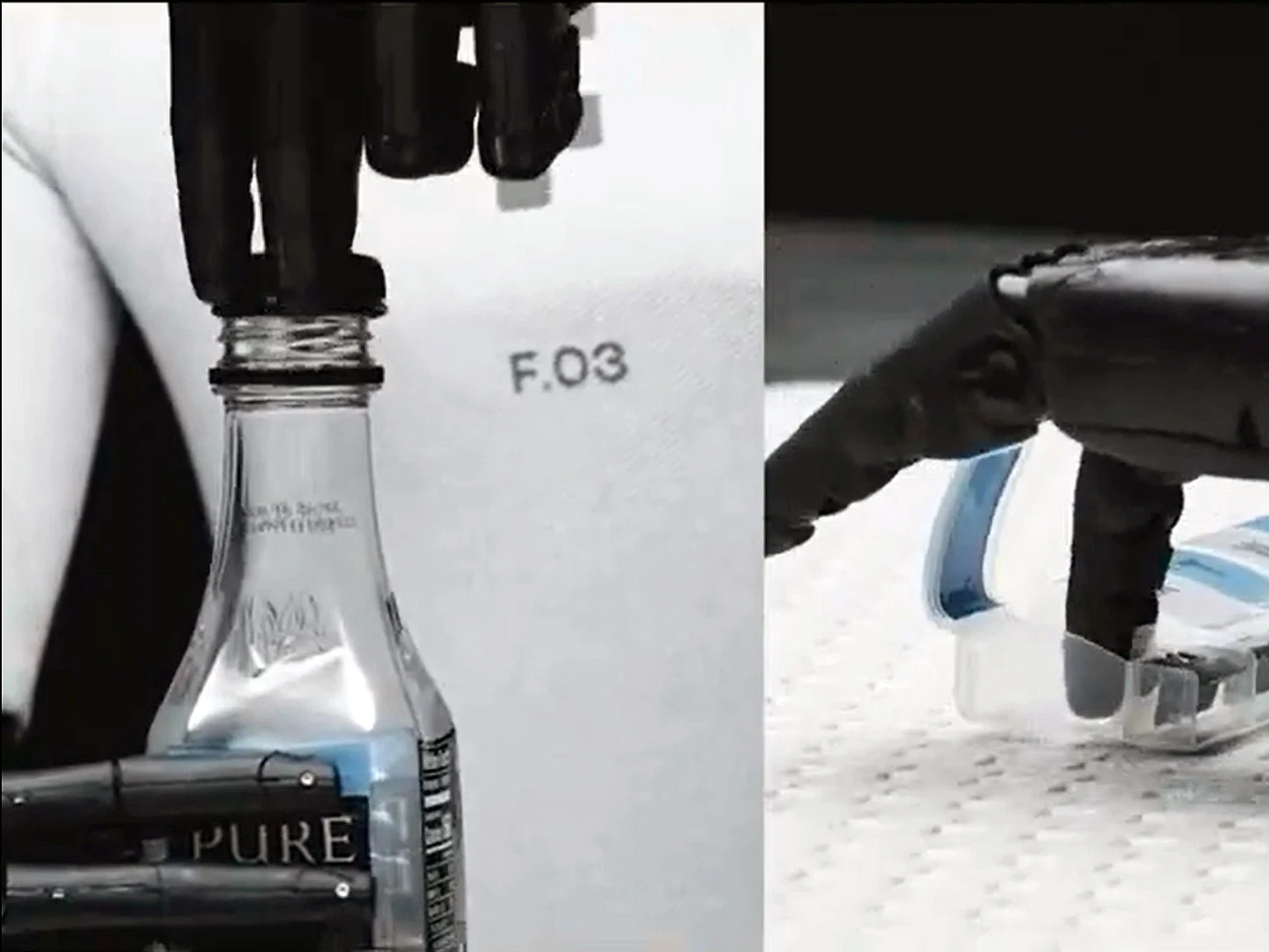
    Moreover, there are other humanoid robots that display impressive hand dexterity, and they aren’t solely from China. Figure AI’s robots, equipped with the new Helix 02 full-body autonomy platform, not only have the strength to exert force but also the finesse to open tricky bottle caps and extract small items from boxes with ease.

    Innovative Technology

    The Helix 02 robot hand includes tactile sensors and cameras in its palm, allowing it to “extract individual pills, dispense precise syringe volumes, and separate small, irregular objects from clutter despite self‑occlusion,” according to Figure AI. It appears that Tesla will face significant competition when Optimus finally enters mass production, both from within China and beyond. Whether Tesla can meet its ambitious goal of producing one million humanoid robots per year remains uncertain.

    If successful, this could lead to lowering the cost of each Optimus unit to around $30,000, as Musk has often mentioned. On the other hand, Boston Dynamics is discovering that its Atlas humanoid robots might be too costly to substitute for skilled workers at Hyundai’s factories, despite efforts to bring the cost down to $130,000 from the current $300,000 by 2030.

    Source:
    Link


  • Whistleblower Lawsuit: Figure AI Robots Can Fracture Skulls

    Whistleblower Lawsuit: Figure AI Robots Can Fracture Skulls

    Key Takeaways

    1. Robert Gruendel, former product safety chief at Figure AI, claims wrongful termination after raising safety concerns about the company’s robots.
    2. Gruendel alleges that his safety warnings were dismissed by leadership, and he was let go shortly after filing formal complaints.
    3. He accuses Figure AI of fraudulent misrepresentation concerning a safety roadmap for investors, which was altered after funding was secured.
    4. Figure AI is valued at $39 billion, with major investors including Jeff Bezos, Nvidia, and Microsoft, while Gruendel seeks damages and a jury trial.
    5. The lawsuit occurs as Figure AI plans to deploy 200,000 robots by 2029, aiming for over $9 billion in revenue amid a rapidly growing robotics market.


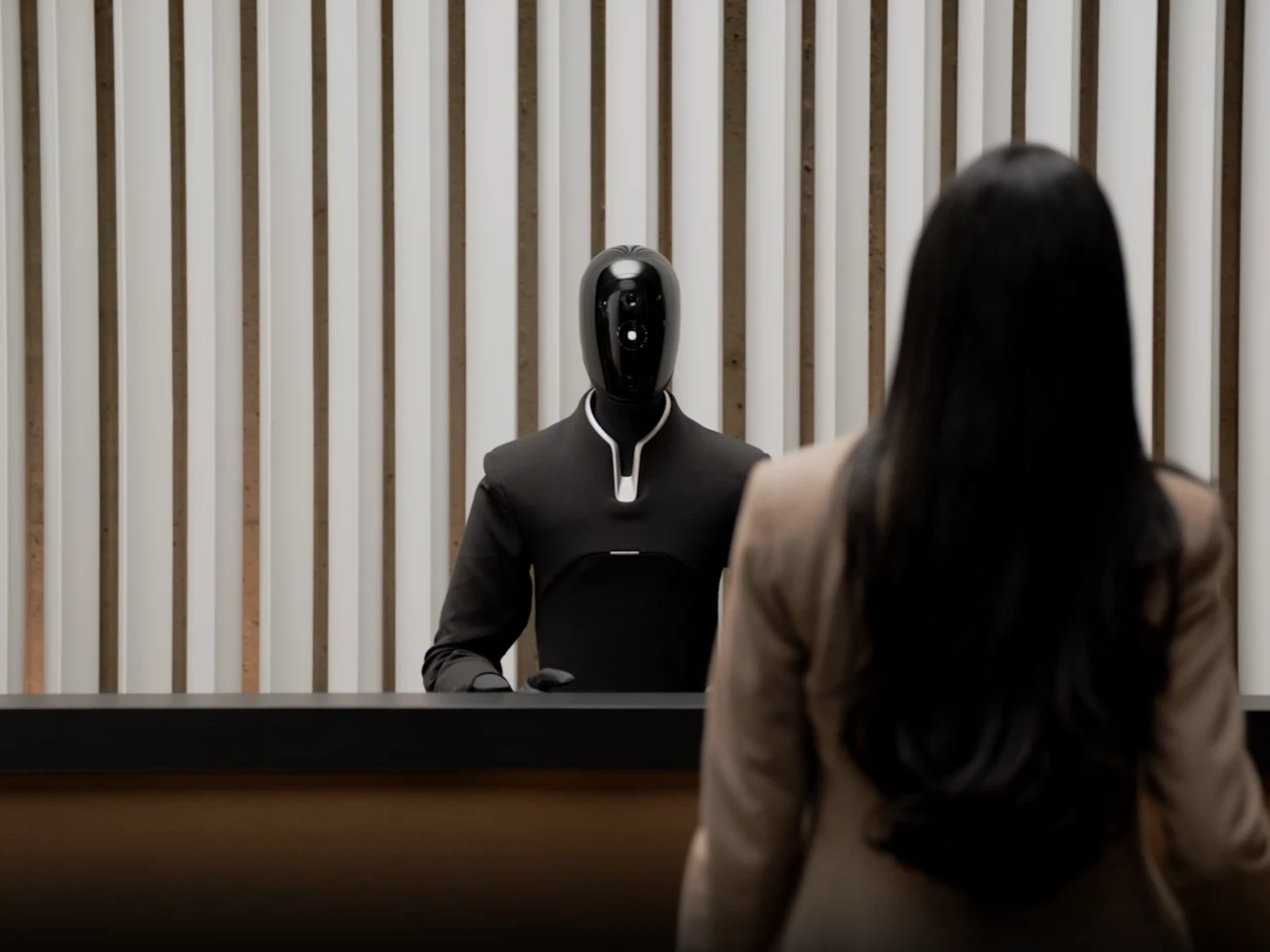
    Figure AI, a robotics company that has backing from Nvidia, is facing a lawsuit from its former product safety chief, Robert Gruendel. Gruendel is claiming wrongful termination after he voiced concerns regarding the safety of the company’s robots, stating these machines are powerful enough to break human skulls.

    Safety Warnings Ignored

    Gruendel is said to have alerted CEO Brett Adcock and Chief Engineer Kyle Edelberg about the deadly nature of the robots, mentioning an incident where a robot made a ¼-inch cut in a steel refrigerator door. His worries were reportedly brushed off as mere “obstacles” rather than legitimate safety concerns. He was let go in September, just days after he filed formal safety complaints. His legal representatives refer to him as a whistleblower.

    Allegations of Fraud

    Gruendel asserts that he was requested to create a safety roadmap for potential investors, but he claims that this safety plan was “gutted” during the same month that funding was secured. He suggests this could be seen as fraudulent misrepresentation. Recently, the company has been valued at $39 billion, which is an astonishing 15-fold increase from early 2024. Significant investors in Figure AI include Jeff Bezos, Nvidia, and Microsoft.

    Gruendel is pursuing economic, compensatory, and punitive damages and is asking for a jury trial. A spokesperson for Figure AI, however, claims that Gruendel was terminated due to “poor performance” and asserts that the company will “thoroughly discredit” the allegations in a court of law. The attorney indicated that this case might be one of the first whistleblower cases concerning the safety of humanoid robots.

    Ambitious Future Plans

    This lawsuit emerges as the company aims to deploy 200,000 robots by 2029, with expectations to generate over $9 billion in revenue. Morgan Stanley forecasts significant market growth extending into the 2030s, with the market potentially hitting $5 trillion by 2050.

    Source:
    Link