Tag: Nvidia GeForce RTX 5060

  • Deal: 3.2K OLED Lenovo Laptop, Core Ultra 9, RTX 5060

    Key Takeaway

    – Lenovo Yoga Pro 9i Aura Edition with RTX 5060 is discounted to $1,699 (23% off $2,199 MSRP)
    – Features a 16-inch 3200×2000 OLED display with 120Hz refresh and 1,600 nits peak HDR brightness
    – Includes Intel Core Ultra 9 285H, 32GB soldered DDR5 RAM, 1TB SSD, and WiFi 7
    – Strengths: high performance, accurate colors, aluminum chassis, and good speakers
    – Weaknesses: PWM flickering, soldered RAM, and loud fans in performance mode


    Get the full lowdown on this deal

    The vast majority of PC users wont be able to afford a maxed-out ThinkPad P16 Gen 3, which doesnt mean that decent high-end laptops have to cost more than $2,000. In fact, many users with multimedia workloads could probably be very happy with a machine such as the currently discounted Lenovo Yoga Pro 9.

    Pricing and specification details

    Fittingly, the American electronics retailer Best Buy has marked down the Yoga Pro 9i Aura Edition with the Intel Core Ultra 9 285H and soldered 32GB DDR5 RAM as well as an Nvidia GeForce RTX 5060 graphics card to $1,699 including free store pickup where stock permits. This configuration carries an official MSRP of $2,199, so this discount amounts to $500 or 23% relative to that.

    What this screen can really do

    As for the aforementioned multimedia workloads, this 16-inch laptop sports a fantastic tandem OLED display with 3200 x 2000 pixels, a 120Hz refresh rate and very high peak HDR brightness of 1,600 nits according to the manufacturer. A 1TB SSD and WiFi 7 module are also onboard, as are two Thunderbolt 4 ports, HDMI 2.1 and an SD card reader.

    Our testing shows mixed results

    We tested two different model variants of the Lenovo Yoga Pro 9i 16 G10 Aura Edition, which is why prospective buyers should make sure to read our review of the RTX 5060 version as well as the RTX 5070 SKU. The former has the same GPU as the notebook thats on sale here, while the latter was equipped with the same Intel processor and OLED display. Our hands-on video is also worth checking out.

    What we liked and what we didn’t

    Overall, the 16-inch Yoga Pro 9 impressed us with its high performance, and an excellent screen with accurate colors. We also liked the aluminum chassis and speakers, the same applies to the input devices. However, the OLED panel shows the usual PWM flickering, the RAM is soldered and the laptop can get quite loud in performance mode. None of this changes the fact that the Lenovo Yoga Pro 9i G10 Aura Edition is a well-rounded multimedia machine thats arguably worth considering in the sub-$2,000 price segment.

    • Processor: Intel Core Ultra 9 285H
    • RAM: 32GB soldered DDR5
    • GPU: Nvidia GeForce RTX 5060
    • Display: 16-inch tandem OLED, 3200×2000, 120Hz, 1600 nits HDR peak
    • Storage: 1TB SSD
    • Ports: 2x Thunderbolt 4, HDMI 2.1, SD card reader
    • Wireless: WiFi 7
    • Original MSRP: $2,199
    • Sale price: $1,699 at Best Buy
    • Discount: $500 (23% off)
    Sources
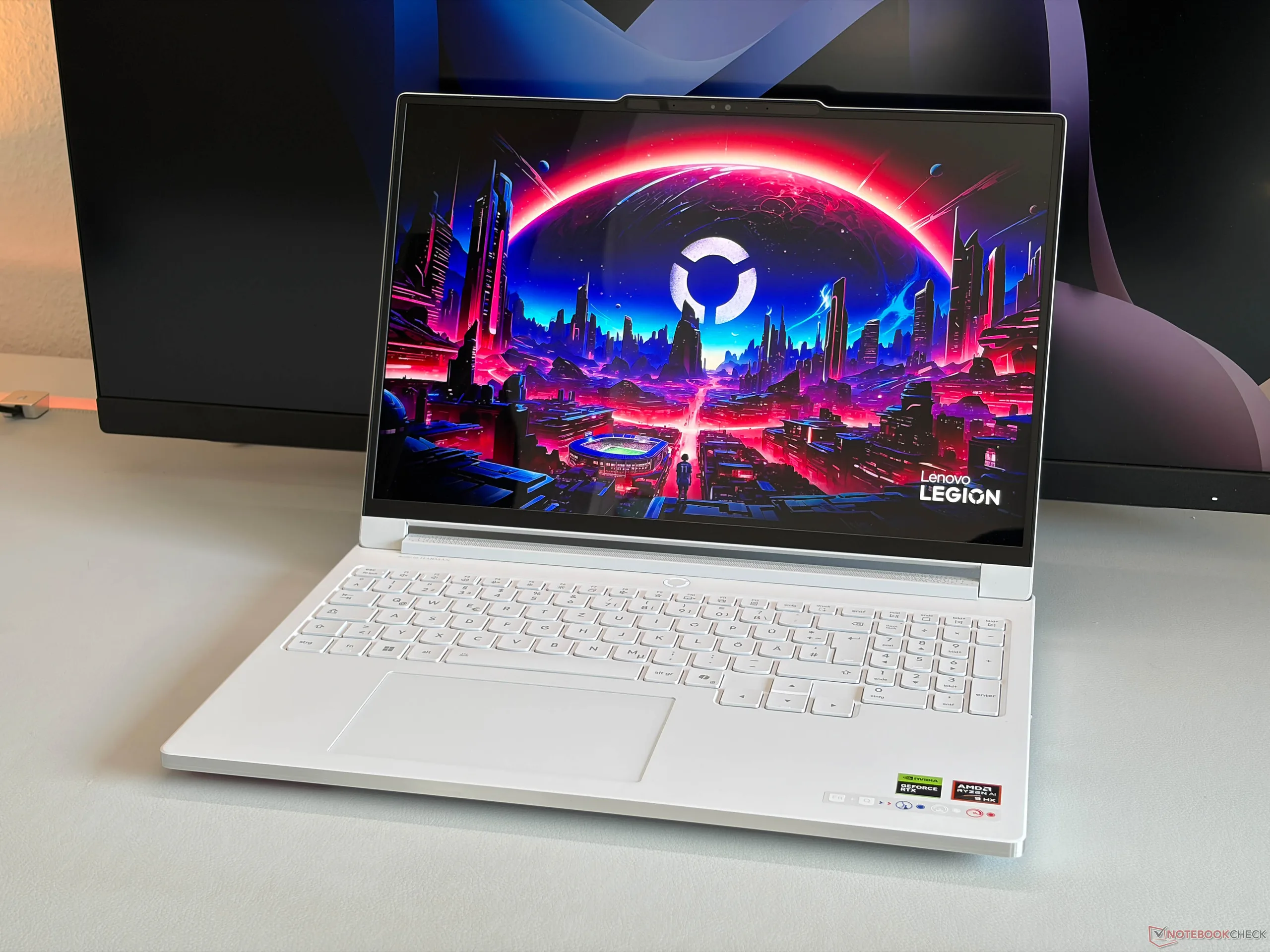
    • Lenovo Legion 7a 16 Gaming Laptop: Lighter Design, Lower Performance

      Lenovo Legion 7a 16 Gaming Laptop: Lighter Design, Lower Performance

      Key Takeaway

      1. The Lenovo Legion 7 16 G11 is lighter and more portable, with a weight below 1.8 kg, while maintaining a high-quality aluminum chassis and a premium OLED screen with 240 Hz, VRR, G-Sync, and peak brightness of 1100 nits.
      2. Performance has been reduced compared to the previous G10 model, featuring a slower AMD Ryzen 9 HX470 CPU, soldered 32 GB RAM, and a lower GPU TGP of 95W, impacting gaming and processing power.
      3. The laptop retains a premium design and display quality but offers limited upgradeability and manual GPU power adjustments, which are less convenient.
      4. The high price point ($2279) may be a concern, especially considering the availability of the more powerful G10 model at a lower cost.

      Lightweight Design with Great Screen Quality

      Last year’s Lenovo Legion 7 16 G10 was definitely a light 16-inch gaming laptop, but Lenovo pushed the limits further with the new G11 model. The AMD version has shed about 200 grams, making it less then 1.8 kg overall. Even with its slimmed down physique, the aluminum chassis remains quite sturdy. Lenovo has kept the input devices very comfy and has equipped this model with an OLED screen that boasts 240 Hz refresh rate, VRR, & G-Sync support. For gaming enthusiasts who love HDR, the peak brightness of 1100 nits will make the visuals pop like never before.

      Performance & Hardware Specs

      But, you need to know that to make it lighter, some features had to be sacrificed. Unlike the previous G10 that had the strong Intel Core Ultra 7 255HX and upgradeable RAM, the G11 now comes with a somewhat slower AMD Ryzen AI 9 HX470 paired with 32 GB of soldered RAM. The graphics card remains Nvidia’s mobile GeForce RTX 5060, and it supports Advanced Optimus for GPU switching. However, the maximum TGP in Performance mode was cut down from 115 Watts to 95 Watts. There is a manual mode to boost it back up to 115 Watts, but you gotta activate it yourself via software, which is kinda inconvenient. Consequently, this results in slightly lower CPU, GPU, and gaming performance compared to last year’s model.

      Performance and Portability Balance

      That being said, considering how lightweight it is, the overall performance still stays kinda decent. The new Legion 7a 16 G11 is again a very stylish gaming laptop. It’s really a choice between the lighter weight or better performance. Keep in mind that the price is kinda steep too. The review unit we saw was priced at $2279. That’s quite high, especially knowing you can grab the faster G10 model for under $1800 from Amazon or other stores. For more details, make sure to read our full review about the new Legion 7a 16 G11.

      Sources
      • Gaming Laptop with 16-Core AMD Ryzen 9 and 240Hz Display Sale

        Gaming Laptop with 16-Core AMD Ryzen 9 and 240Hz Display Sale

        Key Takeaways

        1. The Tuxedo Gemini 17 Gen 4 features a powerful 16-core AMD Ryzen 9 9955HX CPU, excelling in multicore performance.
        2. The laptop includes only an Nvidia GeForce RTX 5060 Laptop GPU, which may limit gaming performance compared to competitors with higher-end GPUs.
        3. It has a 17.3-inch display with 2560 x 1440 resolution and 240 Hz refresh rate, offering good color coverage but modest brightness and contrast.
        4. Memory and storage options are extensive, supporting up to 128 GB of RAM and 8 TB of SSD storage, catering to heavy workloads.
        5. The base model is priced at €1,763.87 (about $2,023), with alternatives like the Lenovo Legion Pro 5 Gen 10 available at a slightly lower price.


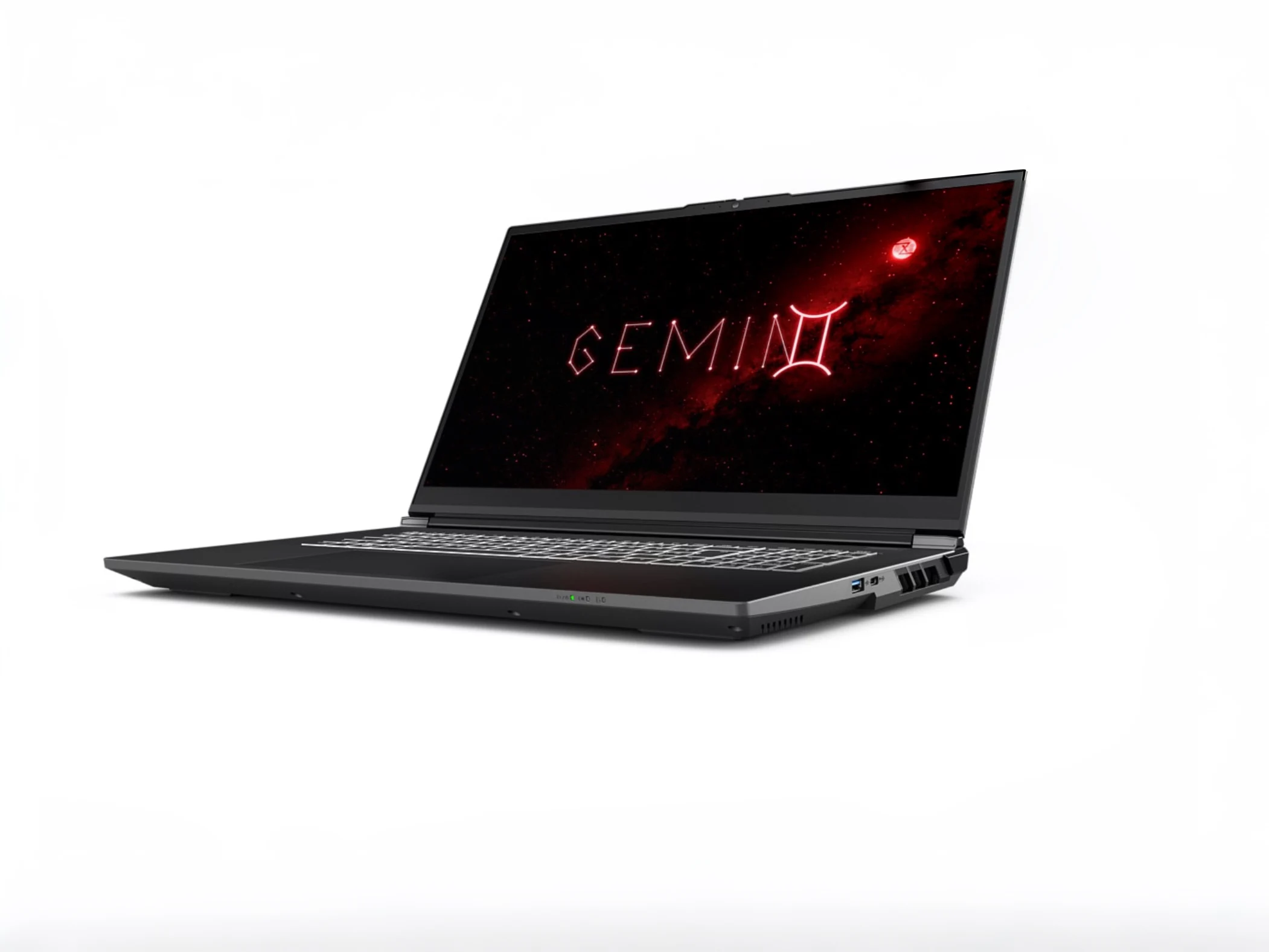
        Tuxedo has launched a fresh version of the Gemini 17 Gen 4 desktop-replacement gaming laptop, which is driven by a powerful 16-core AMD Fire Range CPU. Weighing in at over 8 lbs, this machine is designed for users with heavy workloads who don’t mind sacrificing portability.

        Performance Powerhouse

        The AMD Ryzen 9 9955HX CPU is a real powerhouse, featuring a 16-core configuration that includes only Zen 5 high-performance cores. In multicore performance tests, the Ryzen 9 competes closely with the Core Ultra 9 275HX and has about a 10% advantage over the Ryzen AI Max+ 395 Strix Halo APU.

        Graphics and Limitations

        Interestingly, Tuxedo has not opted to include high-end GPUs in the 17.3-inch Gemini 17 laptop. The only available option is an Nvidia GeForce RTX 5060 Laptop GPU with a 115-watt TGP and 8 GB of VRAM, which is somewhat underwhelming, especially when compared to its Intel-powered counterpart that can be fitted with an RTX 5070 Ti Laptop GPU with 12 GB of VRAM.

        Nevertheless, the RTX 5060 Laptop GPU is still capable and should manage modern AAA gaming at reasonable settings. Performance will ultimately depend on how well Tuxedo has addressed thermal management, given the CPU’s high power demands. Considering the overall size of the system, it’s reasonable to expect a robust cooling mechanism is in place.

        Display and Visuals

        The Gemini 17 gaming laptop boasts a 17.3-inch display with a resolution of 2560 x 1440 and a refresh rate of 240 Hz. Tuxedo claims it achieves 100% coverage of the DCI-P3 color gamut, making it a fair option for occasional content creators too. However, the peak brightness is a modest 300 nits, and the panel’s 1000:1 contrast ratio isn’t particularly impressive.

        Memory and storage can go up to 128 GB of DDR5-5600 RAM and a massive 8 TB of solid-state storage, thanks to dual SODIMMs and dual M.2 2280 PCIe Gen 4 slots. The I/O options are outlined below:

        Additional features include dual 2W speakers, an FHD webcam, a 73 Wh battery, a Kensington lock, and a 15 x 9 cm trackpad.

        Pricing and Alternatives

        The base model, which includes 16 GB of DDR5 RAM and a 1 TB SSD, is priced at €1,763.87, approximately $2,023 without taxes and other import fees.

        In conclusion, gamers looking for stronger GPU alternatives might also consider the Lenovo Legion Pro 5 Gen 10, which features the same CPU and RTX 5060 Laptop GPU, and is currently priced around $1,715 on Lenovo’s official website.

        Source:
        Link


      • Asus ExpertCenter P700 Mini Tower PC with AMD APUs and RTX 5060

        Asus ExpertCenter P700 Mini Tower PC with AMD APUs and RTX 5060

        Key Takeaways

        1. The Asus ExpertCenter P700 SFF PC features powerful AMD Ryzen AI 7 445 processors and supports up to 64 GB DDR5-5600 RAM.
        2. It is MIL-STD-810H certified, indicating durability and long-lasting quality.
        3. The mini tower can accommodate discrete GPUs like the Nvidia GeForce RTX 5060 for enhanced gaming performance.
        4. It operates quietly with a cooling system that produces only 27.8 dB under continuous loads.
        5. The compact design measures approximately 11.6 x 6.1 x 13.6 inches and includes storage options of up to 2 TB HDD and 1 TB M.2 PCIe SSD.


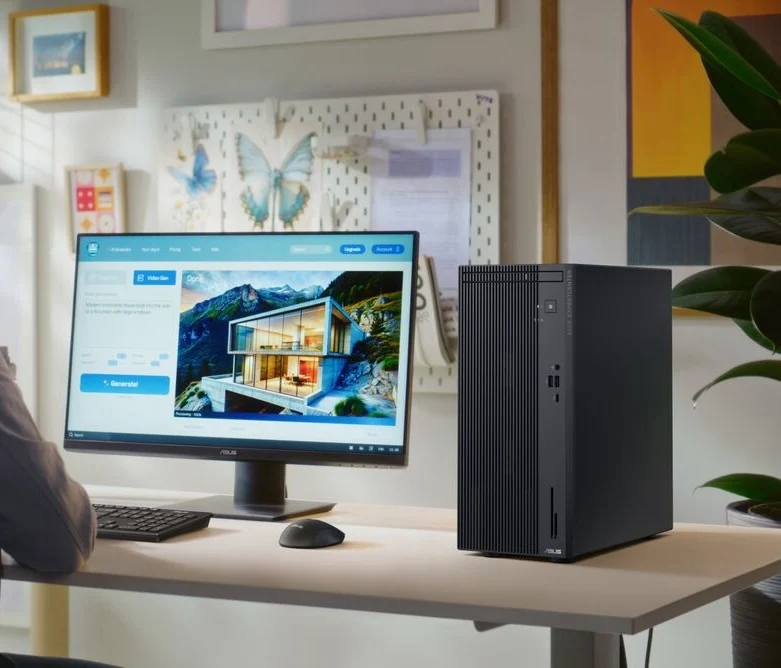
        Asus has recently introduced the ExpertCenter P700 SFF PC, which boasts powerful AMD processors and robust discrete graphics. This mini tower also holds a MIL-STD-810H certification, which is likely to attract users who value long-lasting quality.

        Specifications and Performance

        The P700 mini tower PC can be configured with an AMD Ryzen AI 7 445 APU, along with a maximum of 64 GB DDR5-5600 RAM. This Ryzen AI 7 445 is quite similar to the Ryzen AI 5 340, a chip also commonly found in various laptops and mini PCs. In easier terms, the 6-core, 12-thread APU should manage most moderately demanding tasks well. That said, opting for a stronger 8-core or better processor might have been a more advantageous decision.

        Graphics and Gaming Capability

        Additionally, the P700 mini tower utilizes its 15-liter size effectively by accommodating discrete GPUs, which can include the Nvidia GeForce RTX 5060 (currently priced at $339 on Amazon) featuring 8 GB of GDDR7 VRAM. The ultimate performance will hinge on how well Asus handles thermal management, but one can safely anticipate commendable performance in AAA gaming at reasonable settings, alongside productivity tasks.

        Cooling and Dimensions

        The 45-watt CPU enables the cooling system to operate quietly, with Asus stating it only generates 27.8 dB under continuous loads. Nonetheless, the actual performance of the cooling system and the temperatures will only be clear after independent evaluations. The I/O options available are listed as follows:

        Measuring approximately 11.6 x 6.1 x 13.6 inches, the Asus ExpertCenter P700 mini tower is fairly compact and weighs around 13.2 lbs (or 6 kg). For storage, it comes with a 3.5″ HDD that can hold up to 2 TB, in addition to an M.2 PCIe 4.0 SSD with a capacity of up to 1 TB. Pricing and availability information is still not clear at this moment.

        Asus PR, via TechPowerUp

        Source:
        Link


      • Framework Desktop Prices Rise by Up to $460 Due to RAM Shortage

        Framework Desktop Prices Rise by Up to $460 Due to RAM Shortage

        Key Takeaways

        1. Framework has adjusted its desktop model prices for the first time, following several increases in laptop prices.
        2. The price hikes are intended to counterbalance rising production costs, with lower-end models seeing only a $40 increase.
        3. The high-end model’s price increased by $460 due to the cost of components, now priced at $2,459.
        4. The Framework Desktop remains competitive against similar mini-PCs, despite higher prices, particularly for developers.
        5. The base model is attractive for gamers, offering good value compared to custom builds, but individual components might provide better deals.


        After increasing laptop prices several times recently, Framework has now adjusted the prices for its desktop models for the very first time. The Framework Desktop doesn’t have user-upgradeable RAM like its laptop versions, which is why the company waited before making any price changes.

        Price Adjustments Explained

        In a recent blog post, Framework stated that the price hikes are only meant to balance out the rising costs of production. Interestingly, the lower-end models with 32 GB or 64 GB of RAM experienced just a small increase of $40. The variant equipped with a Ryzen AI Max 385 and 32 GB of RAM now sells for $1,139, while the upgraded model that includes a Ryzen AI Max+ 395 and 64 GB of RAM is now priced at $1,639 after the change.

        High-End Model’s Price Surge

        The top-end model took a significant blow from the price increase because it needs eight 128-Gbit chips, which have seen a sharp rise in cost. The 128 GB configuration is now offered at $2,459, reflecting a $460 increase. While this higher price might deter some AI developers, the Framework Desktop still stands strong against other mini-PCs with similar specifications, like the GMKtec Evo-X2, which also has the same processor and 128 GB of RAM (around $2,300 on Amazon).

        Gaming Performance and Value

        The base model is particularly appealing to gamers. According to Framework, it offers better value compared to a custom-built desktop with similar capabilities. However, shoppers might find better deals by purchasing individual components in the current market. For example, the Nvidia GeForce RTX 5060, which outperforms the AMD Radeon 8050S, is available for about $300 on Amazon.

        Source:
        Link


      • InfinityBook Max 16: Up to 128GB RAM, Core Ultra 9 HX, RTX 5070

        InfinityBook Max 16: Up to 128GB RAM, Core Ultra 9 HX, RTX 5070

        Key Takeaways

        1. The InfinityBook Max 16 Gen 10 is available for preorder starting at €1,899, with expected delivery in early February.
        2. It features a 16-inch display, customizable to an OLED option, and is designed for Linux systems like Tuxedo OS and Ubuntu 24.0.
        3. The entry-level model includes 16GB of RAM, an Intel Core Ultra 9 275HX processor, and an Nvidia GeForce RTX 5060 GPU, with options for upgrades.
        4. It has a 1TB SSD as standard, with the option to add a second SSD, and supports high-speed connectivity options including WiFi 7 and Thunderbolt 4.
        5. The laptop is lightweight at 4.63 lbs and has a robust aluminum chassis, making it suitable for users on the go.


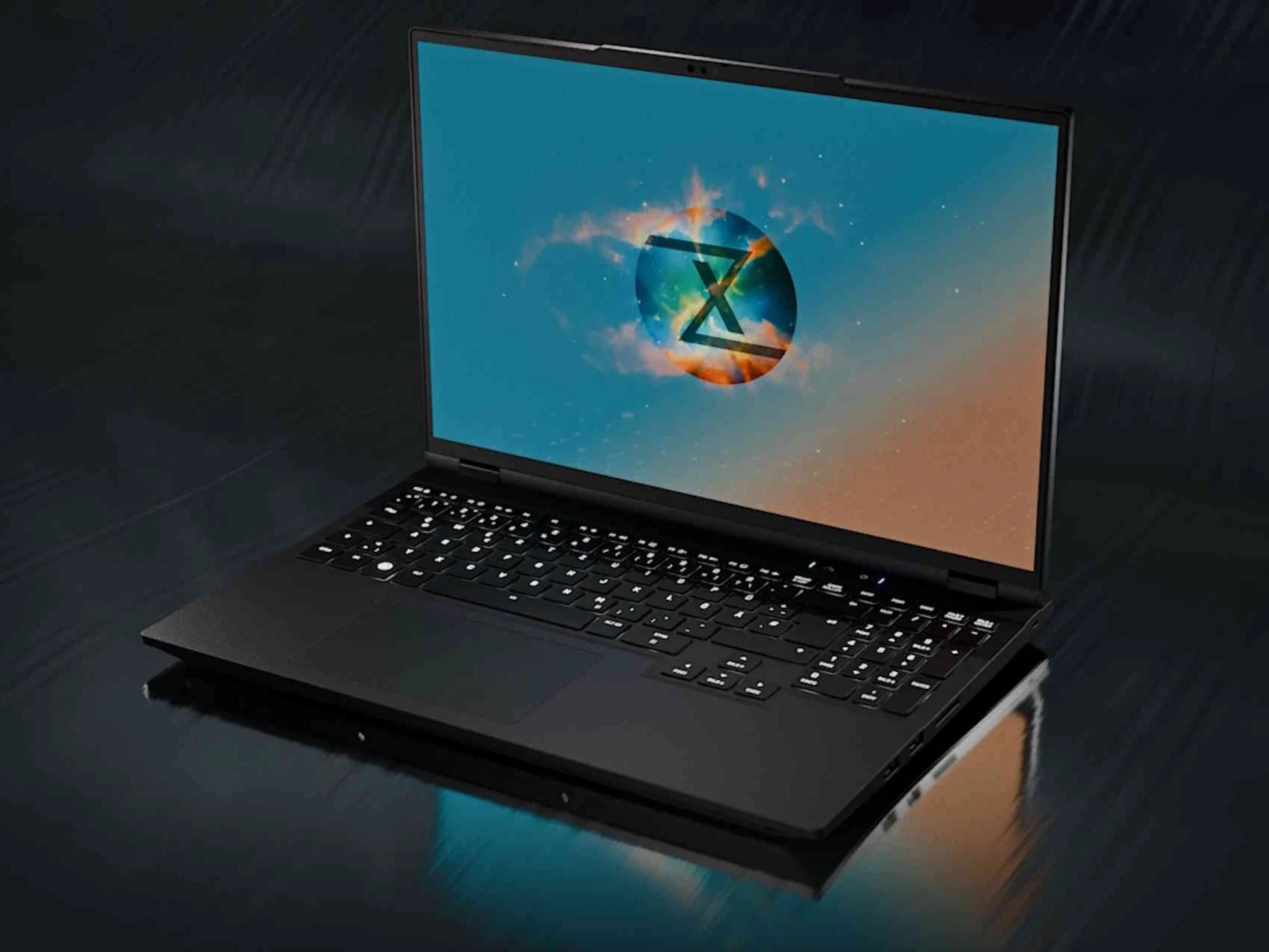
        The InfinityBook Max 16 Gen 10 is now available for preorder from its makers, starting at €1,899. This fresh 16-inch laptop measures 0.9 inches thick, making it ideal for users on the go. It is tailored for Linux systems like Tuxedo OS or Ubuntu 24.0, featuring a lightweight yet sturdy aluminum chassis. The laptop is expected to be available by the end of January, with initial buyers likely receiving theirs in early February.

        Specifications and Display Options

        The entry-level model comes with 16GB of RAM, an Intel Core Ultra 9 275HX processor, and an Nvidia GeForce RTX 5060 GPU. For an added fee of €120, customers can upgrade to a 16-inch OLED screen, which has a refresh rate of 120Hz instead of 300Hz and offers a resolution of 2880 x 1800 pixels, compared to the standard 2560 x 1600. This OLED display has a peak brightness of 400 nits, slightly lower than the 500 nits of the regular display, but it provides a much better contrast ratio. With this OLED option, the laptop’s weight is just 4.63 lbs.

        Storage and Graphics Options

        The standard SSD provides 1TB of storage, but users can add a second SSD through the configurator or manually later. The second M.2 2280 slot uses four PCIe 4.0 lanes, unlike the primary drive which utilizes PCIe 5.0. For those needing more graphical power, an Nvidia GeForce RTX 5070 is available for an extra cost. Both graphics cards have a total graphics power (TGP) of 100 watts, plus an additional 15 watts of boost. Additionally, the 99Wh battery is secured with screws, making it relatively easy to replace. The laptop includes built-in speakers and supports WiFi 7 and Ethernet connections with speeds of up to 2.5Gbps. Connectivity options are rounded out with Thunderbolt 4, USB Type-C 3.2 Gen 2 with Power Delivery, HDMI, Mini DisplayPort 2.1, and a card reader, making the Tuxedo InfinityBook Max 16 Gen 10 a well-equipped machine for various tasks.

        Final Thoughts

        With its sleek design and powerful specifications, the InfinityBook Max 16 Gen 10 caters to users looking for a high-performance laptop that runs on Linux. It offers a range of customizable options, ensuring that buyers can tailor the device to their needs, whether it be for work, gaming, or creative tasks. The expected release in early February makes it an exciting option for tech enthusiasts.

        Source:
        Link


      • Asus TUF Gaming A14: Affordable Gaming Laptop with Ryzen AI 9 465

        Asus TUF Gaming A14: Affordable Gaming Laptop with Ryzen AI 9 465

        Key Takeaways

        1. Asus launched the TUF Gaming A14 (2026) with AMD’s Strix Halo platform, offering a more affordable option than the ROG Zephyrus 14.
        2. The Strix Halo variant features a Ryzen AI 7 350 and Nvidia GeForce RTX 5060 GPU, priced at approximately $1,749.
        3. A second variant, the TUF Gaming A14 (2026) FA401GM, includes a Ryzen AI 9 465, up to 32 GB of RAM, and 1 TB of storage.
        4. The FA401GM variant has upgraded RAM speed (8,533 MT/s) compared to the FA401EA (7,500 MT/s).
        5. The TUF Gaming A14 (2026) maintains a familiar design with a 2.5K 165 Hz IPS display and a 73 Wh battery, though its availability is still uncertain.


        Asus has recently annouced that it has introduced AMD’s Strix Halo platform to its TUF Gaming A14. This model serves as a more affordable option compared to the ROG Zephyrus 14. Customers can currently choose configurations that include a Ryzen AI 7 350 and an Nvidia GeForce RTX 5060 laptop GPU, with a price of around $1,749 on Amazon. While Asus hinted at having two versions of the TUF Gaming A14 (2026), only the details of the Strix Halo variant were shared prior to yesterday’s launch event.

        New Model Release

        Now that the CES 2026 event is over, Asus has made its second TUF Gaming A14 (2026) laptop available on its global website. This new version features AMD’s Gorgon Point architecture alongside the familiar Nvidia GeForce RTX 5060 laptop GPU. It can be identified by its model number FA401GM, which sets it apart from the Strix Halo variant (FA401EA). This second TUF Gaming A14 (2026) variant is equipped with a Ryzen AI 9 465, offering up to 32 GB of RAM and 1 TB of storage.

        Key Differences

        The primary distinction between the Ryzen AI 9 365 and the Ryzen AI 9 465 is the transition to 8,533 MT/s RAM instead of 7,500 MT/s. In addition, the TUF Gaming A14 (2026) FA401GM maintains a recognizable design, featuring a 73 Wh battery, a 2.5K 165 Hz IPS display, and dual M.2 2280 slots. At this moment, the availability of this model is still unclear. However, Asus is likely to market the FA401GM as a more budget-friendly option compared to the FA401EA, similar to the previous models FA401UH and FA401KM.

        Source:
        Link


      • Minisforum MS-02 Ultra: RTX 5060 Runs Cyberpunk 2077 at 160 FPS

        Minisforum MS-02 Ultra: RTX 5060 Runs Cyberpunk 2077 at 160 FPS

        Key Takeaways

        1. Significant Upgrades: The MS-02 Ultra has improved features over the MS-01, including high-end processors, support for up to 256 GB DDR5 RAM, four M.2 SSD slots, and a PCIe 5.0 ×16 slot for desktop GPUs.

        2. Enhanced Design and Cooling: It comes in a larger 4.8-litre chassis that supports better cooling, a more powerful 350W PSU, and upgraded connectivity options like USB4 v2 and 25 GbE networking.

        3. Simple Setup: The internal setup is user-friendly, requiring only two screws for access, with limited space for components but well-organized RAM and storage slots.

        4. Performance Benchmarks: The MS-02 Ultra achieves notable scores in Geekbench 6 and Cinebench R24, though it shows slightly lower performance compared to higher-end CPUs in its class.

        5. Gaming Capability: The system demonstrates solid gaming performance at 1440p, averaging over 70 FPS in Red Dead Redemption 2 and around 75 FPS in Cyberpunk 2077 with DLSS enabled, showcasing its capabilities even with a compact GPU.


        The MS-02 Ultra was unveiled by Minisforum during Japan Autumn IT Week 2025 and was released as a barebones unit priced at $949 shortly after, in November 2025. Compared to its predecessor, the MS-01, the MS-02 Ultra features significant improvements, including new high-end processors, the ability to support up to 256 GB of DDR5 RAM, much larger storage with four M.2 SSD slots, and three PCIe slots, notably a PCIe 5.0 ×16 slot that can fit desktop GPUs.

        Upgraded Design and Connectivity

        The MS-02 Ultra is designed in a bigger 4.8-litre chassis, which Minisforum claims enhances cooling efficiency, supports a more robust 350W PSU, and introduces better connectivity options like USB4 v2 and 25 GbE networking, which are clear upgrades from the previous MS-01 model.

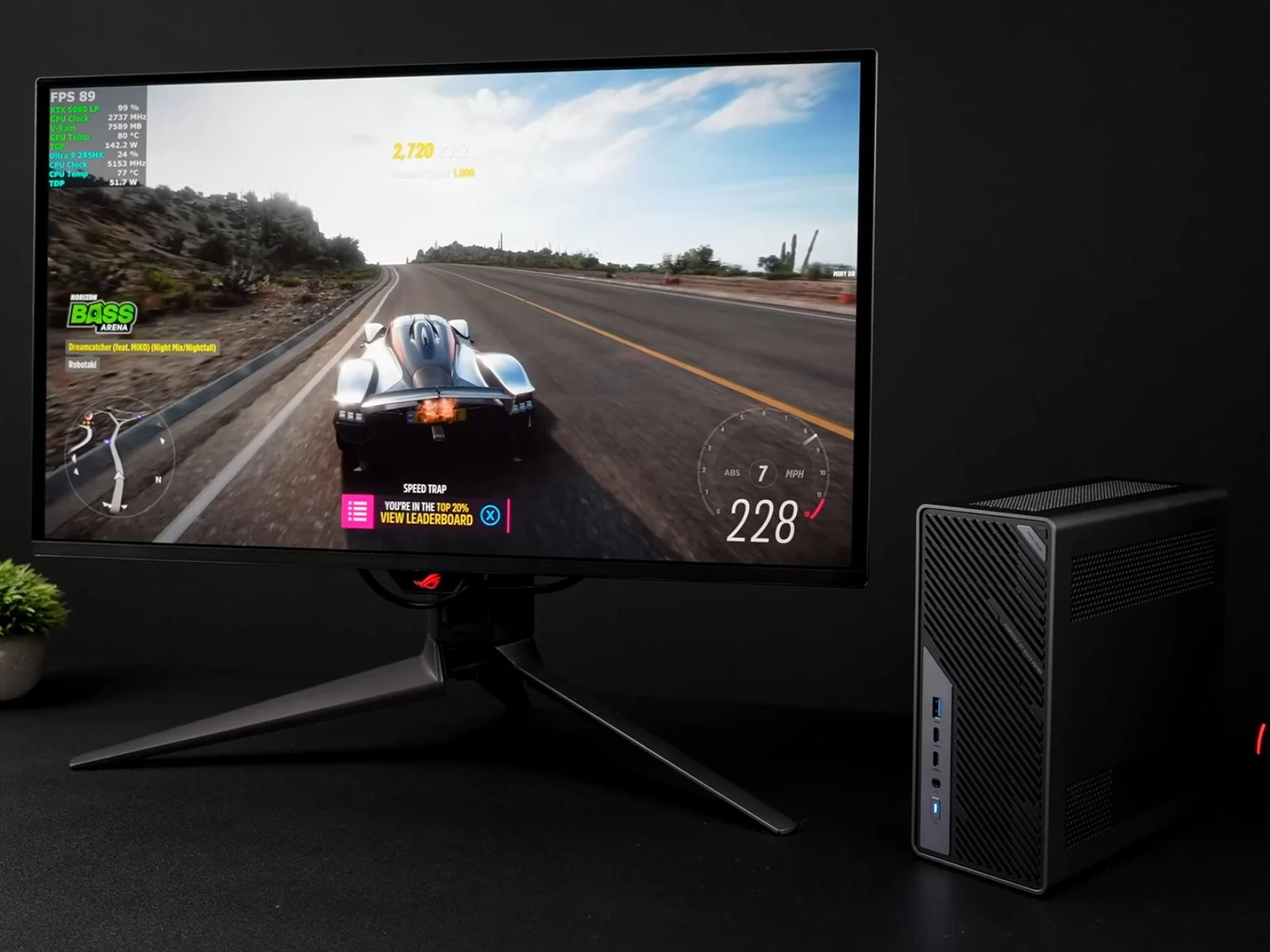
        To evaluate the new design and features, YouTuber ETA Prime set up their Minisforum MS-02 Ultra equipped with an Intel Core Ultra 7 285HX, 64 GB of DDR5 RAM, and an Nvidia GeForce RTX 5060 low-profile card that has 8 GB of GDDR7 VRAM.

        Easy Setup and Space Management

        In the video, the YouTuber kicks off with a teardown of the MS-02 Ultra, noting that the process is surprisingly simple—just two screws need to be removed for the internal frame to slide off. Inside, the CPU cooler and the 350W PSU take up most of the room, leaving limited space for a low-profile GPU, and as shown in the image, the RTX 5060 LP fits rather snugly.

        To maximize space, two SODIMM RAM slots are located on the opposite side of the motherboard, along with two M.2 slots.

        After adding the RTX 5060 LP, the PL1 for the Core Ultra 7 285HX reduces to 90 W while the PL2 drops to 110 W. Without the Nvidia GPU, the PL1 can reach 100 W, with the PL2 said to peak at 140 W.

        Performance Metrics

        Testing kicks off with Geekbench 6 single and multi-core benchmarks, where the Minisforum MS-02 Ultra achieves scores of 2,957 in single-core and 17,992 in multi-core. It’s important to note that these results reflect CPU performance with a dedicated GPU, which likely contributes to the lower scores. For perspective, Notebookcheck’s data shows the Intel Core Ultra 9 285HX with a median single-core score of 3,026 (around 2% higher) and a multi-core score of 20,758 (about 13% higher).

        Next, in Cinebench R24, the MS-02 Ultra scores 128 in single-core and 1,938 in multi-core. In comparison, Notebookcheck’s figures indicate the CPU scores 129 in single-core and 1,974 in multi-core. During 3DMark Time Spy testing, the MS-02 Ultra achieves a total score of 13,672, which is below the median score of 14,072 recorded in our database.

        Gaming Performance

        The YouTuber then transitions to real-world gaming tests. In Red Dead Redemption 2, using a blend of ultra, high, and medium settings without DLSS, the system averages slightly over 70 FPS at 1440p. Both CPU and GPU temperatures remain lower than anticipated, primarily due to the ventilation design and triple-fan cooling on the graphics card. Shadow of the Tomb Raider is assessed next at 1440p on very high settings, yielding an average of 121 FPS with no upscaling.

        Cyberpunk 2077 is also examined at 1440p on Ultra settings. With DLSS Quality enabled, the system averages around 75 FPS, and activating DLSS 4 frame generation at X4 boosts this to over 160 FPS. The YouTuber mentions that many buyers might not opt for an RTX 5060, but the test illustrates the system’s capabilities even with a compact GPU. For a more detailed look at the machine, you can check out the complete video linked below.

        Source:
        Link


      • Minisforum Launches AtomMan G1 Pro Mini-PC with RTX 5060 GPU

        Minisforum Launches AtomMan G1 Pro Mini-PC with RTX 5060 GPU

        Key Takeaways

        1. The AtomMan G1 Pro features AMD’s Ryzen 9 8945HX APU with 16 cores and 32 threads, offering peak clock speeds of 5.4 GHz.
        2. It includes an Nvidia GeForce RTX 5060 desktop GPU, which has 3,840 CUDA cores and 8 GB of GDDR7 VRAM, outperforming the RTX 4060.
        3. The mini-PC measures 315 x 215 x 57 mm and offers multiple connectivity options, including DisplayPort 2.1, HDMI 2.1, and five USB ports.
        4. The starting price for the AtomMan G1 Pro is $1,439.90, which includes 32 GB of DDR5 RAM and 1 TB of storage.
        5. A barebones version is expected at $1,039 but is currently out of stock; only the fully equipped version is available on certain regional websites.


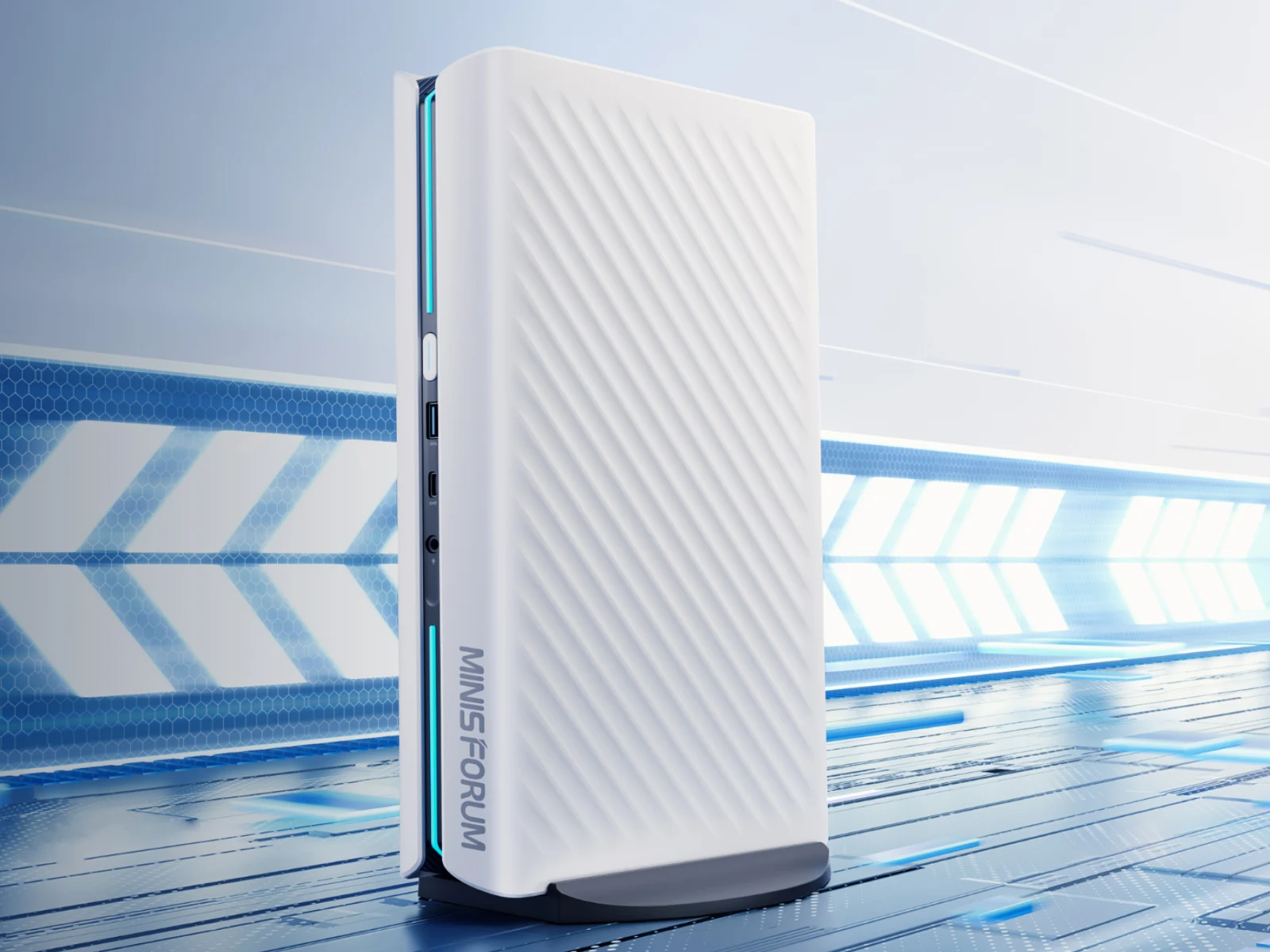
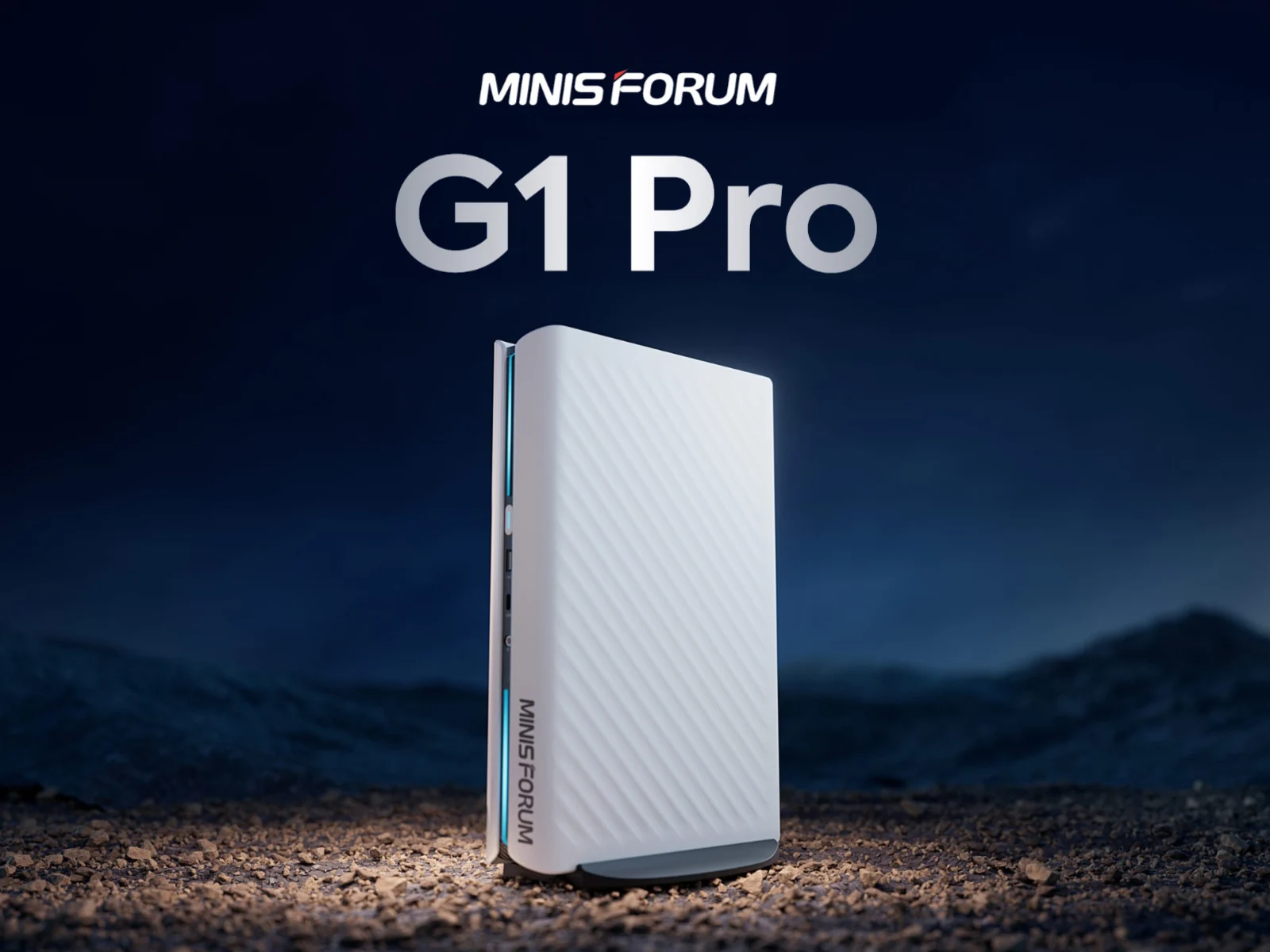
        Minisforum has recently introduced the AtomMan G1 Pro, an upgrade to its AtomMan series, following a preview last month. This new mini-PC comes more than a year after the release of the AtomMan G7 and G7 Ti, which currently retails for $1,389 on Amazon. The G1 Pro features a much stronger CPU and GPU setup compared to its predecessors.

        Powerful Components

        The AtomMan G1 Pro is powered by AMD’s Ryzen 9 8945HX APU from the Dragon Range refresh series. This APU boasts 16 cores and 32 threads, reaching peak clock speeds of 5.4 GHz, and has a total of 80 MB of L2 and L3 cache. It can deliver up to 100 W of performance in ‘Best Mode’. Alternatively, users can opt for lower performance modes, with 60 W for Office tasks and 80 W for gaming.

        Enhanced Graphics

        In addition, the G1 Pro features an Nvidia GeForce RTX 5060 desktop GPU, which has 3,840 CUDA cores and 8 GB of GDDR7 VRAM connected via a 128-bit memory bus. During testing, the GeForce RTX 5060 outperformed the older GeForce RTX 4060 but fell short by approximately 14% compared to the RTX 5060 Ti. While this GPU is theoretically upgradable, the 145 W TDP and the mini-PC’s 350 W power supply may pose limitations on upgrades.

        Connectivity and Pricing

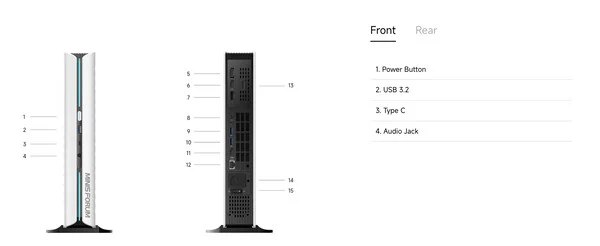
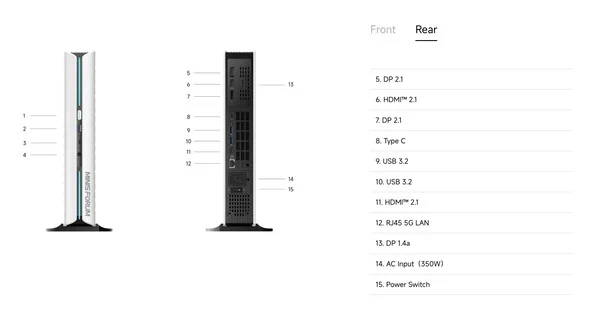
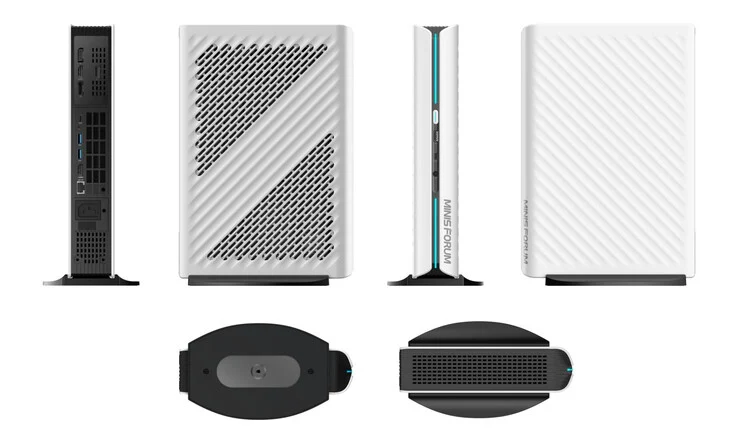
        Despite its compact dimensions of 315 x 215 x 57 mm, the AtomMan G1 Pro is well-equipped with various ports. It includes DisplayPort 2.1 and HDMI 2.1 through the GeForce RTX 5060, along with five USB ports and 5 Gbps LAN connectivity. The starting price for the AtomMan G1 Pro is $1,439.90, which includes 32 GB of DDR5 RAM and 1 TB of storage, not accounting for any available discounts. A barebones version is expected to be priced at $1,039, but it is currently out of stock. At the moment, only the 32 GB RAM and 1 TB SSD variant is shown on Minisforum’s Eurozone, Canadian, and UK websites.

        Source:
        Link


      • Minisforum G1 & G1 Pro Launch Dates with AMD APUs & RTX 5060 GPU

        Minisforum G1 & G1 Pro Launch Dates with AMD APUs & RTX 5060 GPU

        Key Takeaways

        1. Minisforum introduced the G1 and G1 Pro mini-PCs at the Japan IT Week and IFA 2025 events.
        2. Both models feature the desktop version of Nvidia GeForce RTX 5060, utilizing 145 W of their 350 W power supply.
        3. They support up to 96 GB of DDR5-5200 RAM and 8 TB of PCIe 4.0 storage across two M.2 2280 slots.
        4. The main difference between G1 and G1 Pro is their AMD Ryzen 9 processors: G1 uses the 8940HX, while G1 Pro uses the 8945HX.
        5. Launch is expected at the end of November, but pricing details are not yet available.


        Minisforum has recently revealed more information regarding the G1 and G1 Pro after hinting at these models earlier in the year. Just to remind everyone, the G1 and G1 Pro were first introduced in April during the Japan IT Week Tokyo Spring Show. Following that, the company displayed both devices last month at the IFA 2025 event held in Berlin.

        New Appearances at Japan IT Week

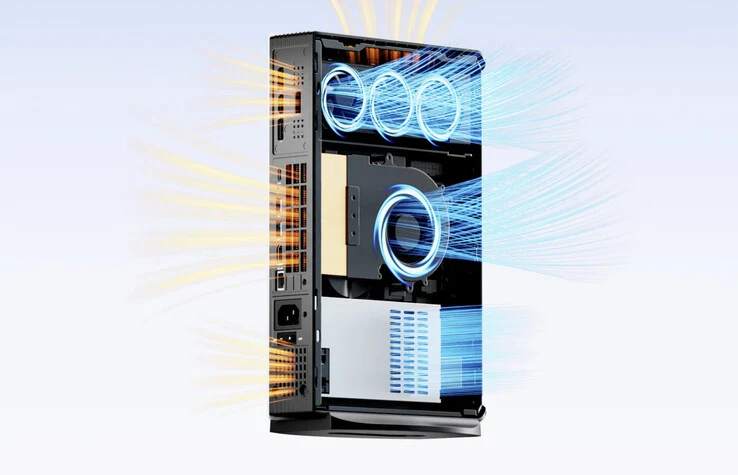
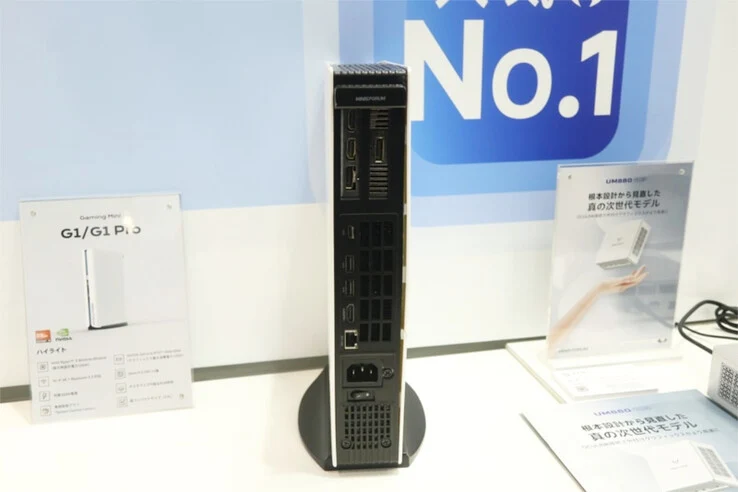
        Currently, Minisforum has presented both mini-PCs at the Japan IT Week in Chiba. There’s not much difference between the G1 and G1 Pro, similar to the previous models N5 and N5 Pro (currently priced at $1,019 on Amazon). Minisforum has confirmed that these two models will feature the desktop version of the Nvidia GeForce RTX 5060, which utilizes 145 W of the total 350 W from the built-in power supplies (PSU) of the G1 and G1 Pro.

        Specifications and Features

        Moreover, both models support up to 96 GB of DDR5-5200 RAM and can accommodate 8 TB of PCIe 4.0 storage, divided across two M.2 2280 slots. As shown in the image below, the back of the G1 series is equipped with a variety of ports, including five dedicated for video output.

        In the end, the primary distinction between these models is the type of AMD Ryzen 9 processor they use: the G1 is powered by the 8940HX APU, while the G1 Pro features the 8945HX. These are both Dragon Range refresh APUs, and benchmark tests indicate a mere 3% difference in performance between the two. VideoCardz has reported that Minisforum is set to launch the G1 and G1 Pro ‘at the conclusion of November.’ However, pricing details have not been disclosed yet.