1. Nirav Patel warns that personal computing could become obsolete due to AI-driven industry practices and rising component costs.
2. Framework has pioneered repairable, upgradable laptops to empower users and challenge industry norms.
3. Despite industry shifts, Patel emphasizes the importance of user ownership and control over their devices, vowing to continue advocating for it.
Tech Industry Warns of Potential End to Personal Computing
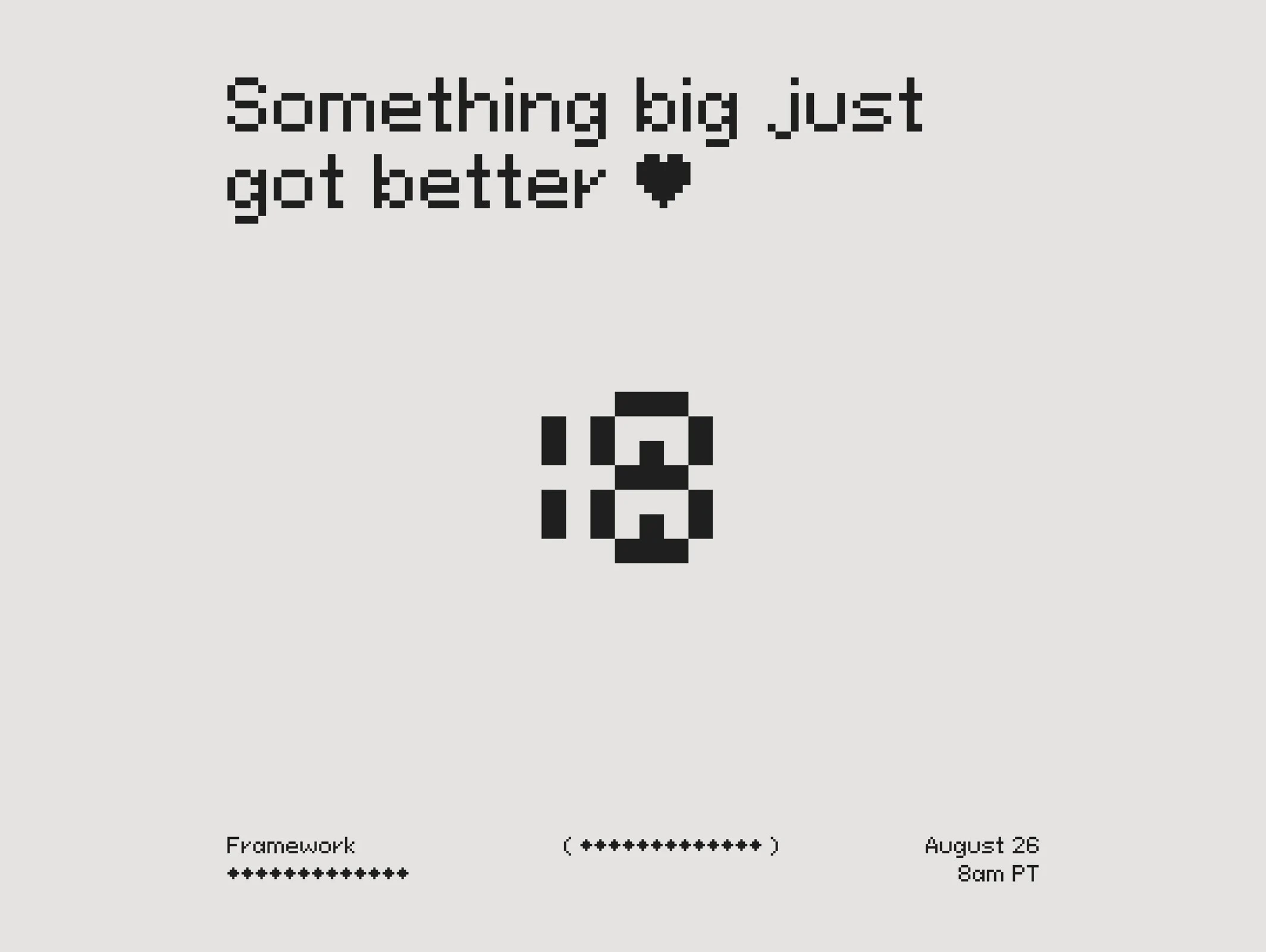
Basically, the founder of Framework, Nirav Patel, is warning the tech world that our beloved personal computers might be heading to an end soon, like he said it in his recent blog post. He shared his concern about how big corporations are making it harder for us to keep and upgrade our devices. The announcement for his Next Gen Event, held in San Francisco on April 21, 2026, was part of his effort to send a message to the industry.
Framework’s Mission for Repairable Tech
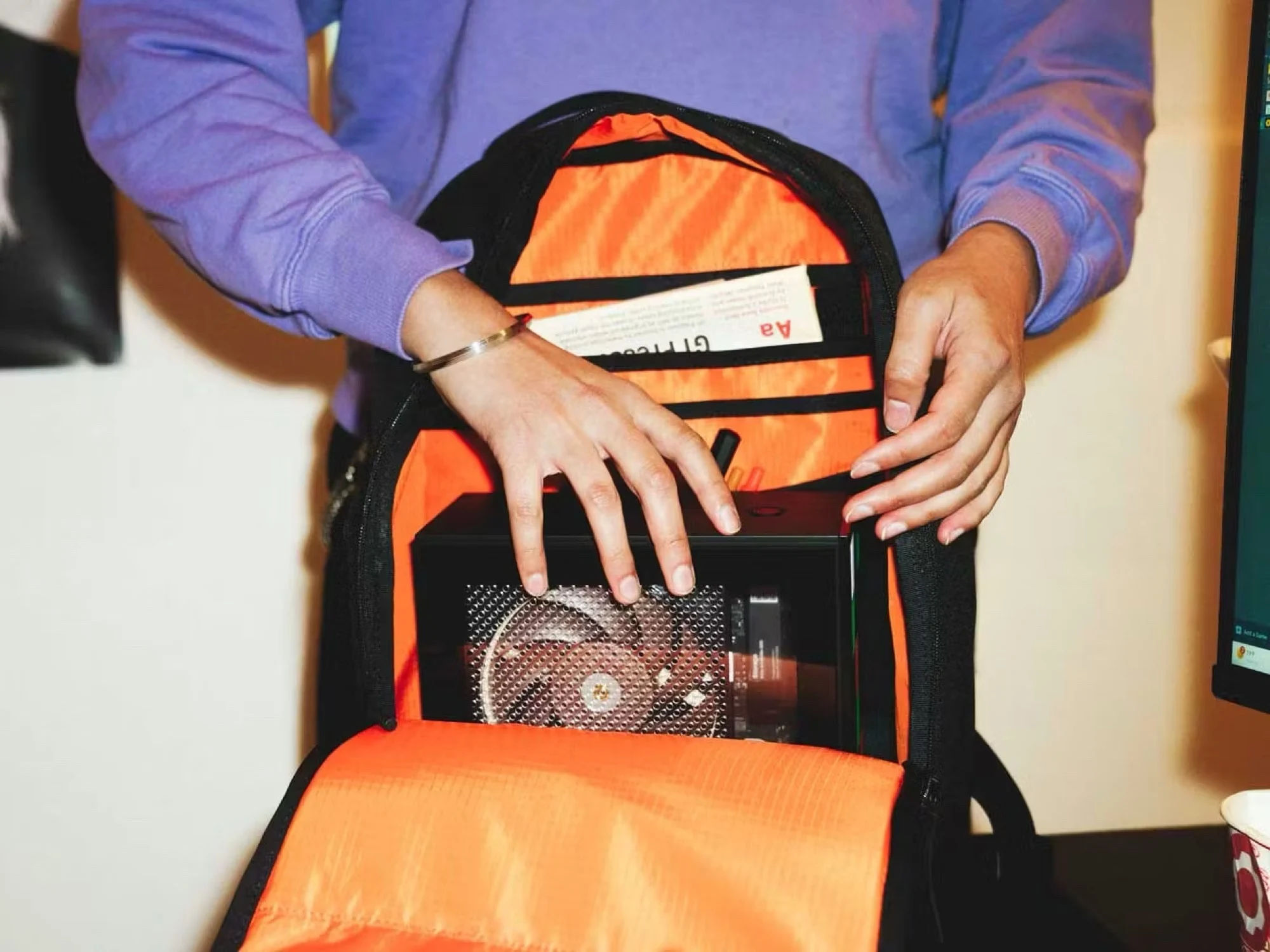
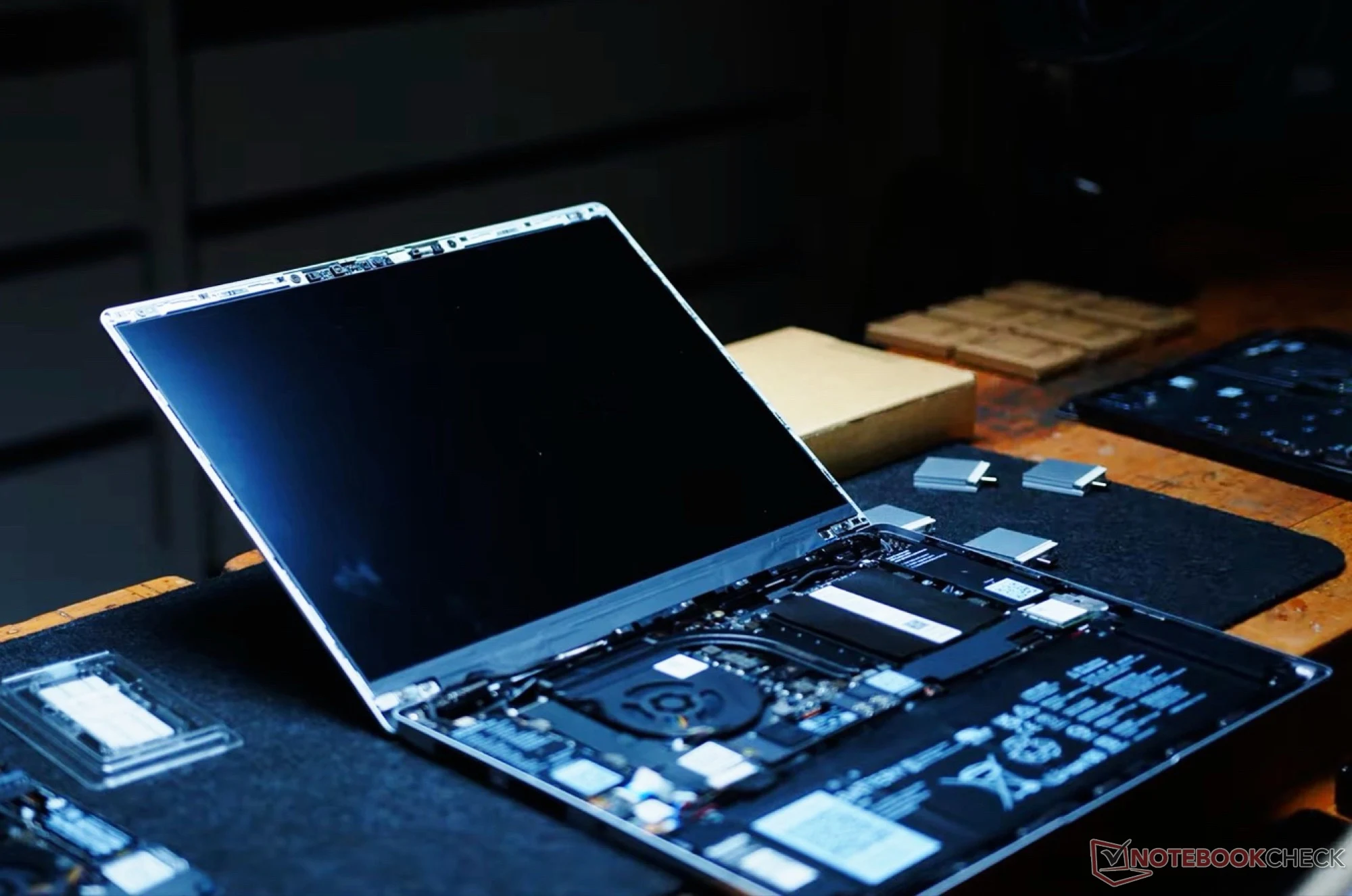
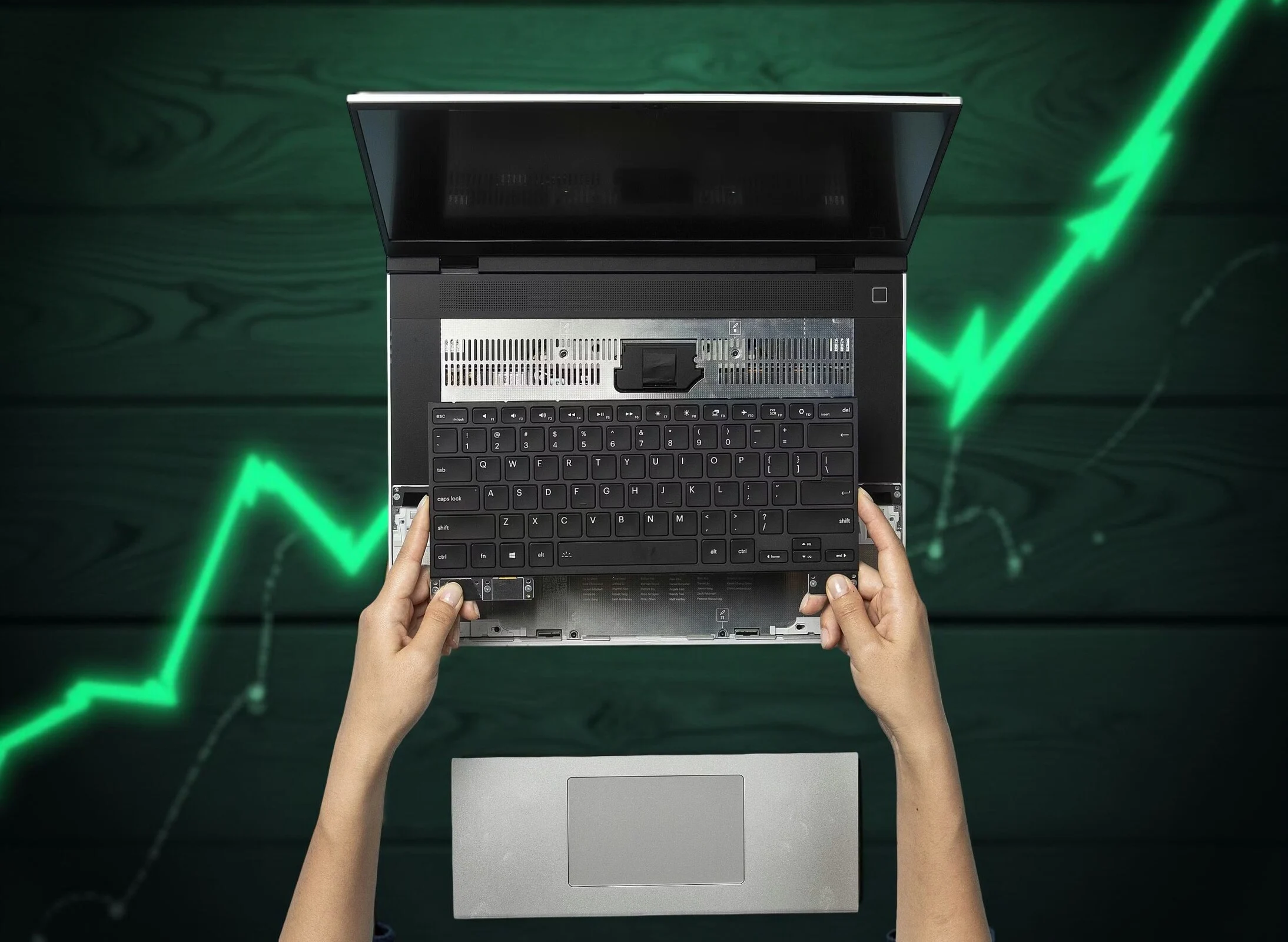
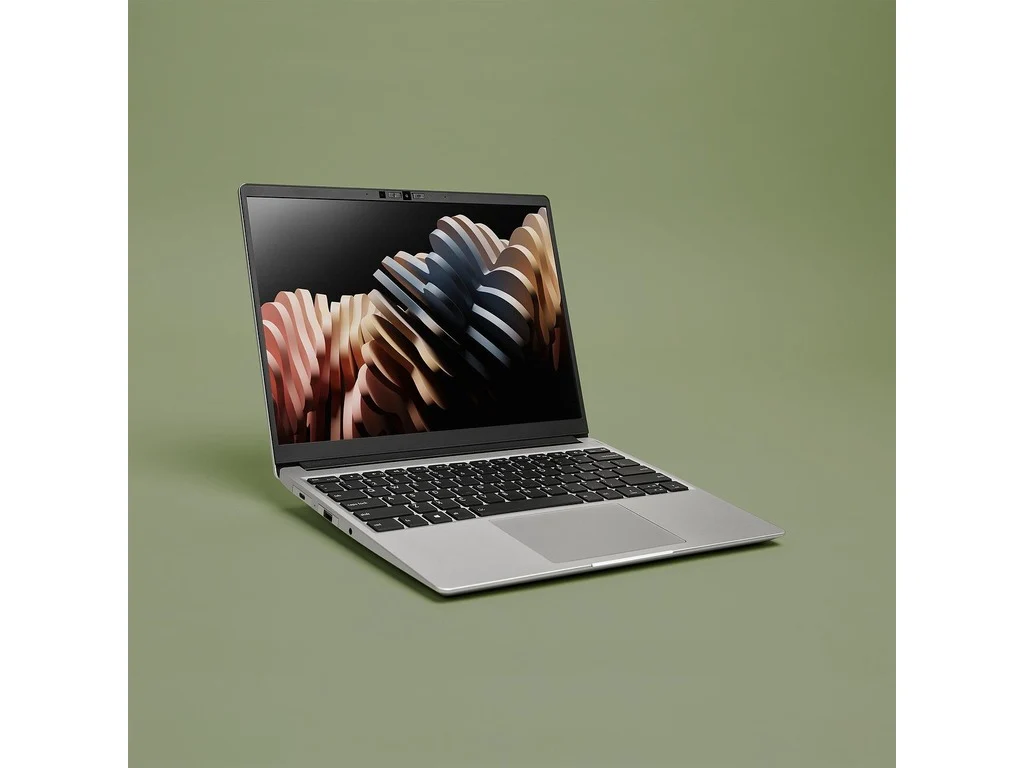
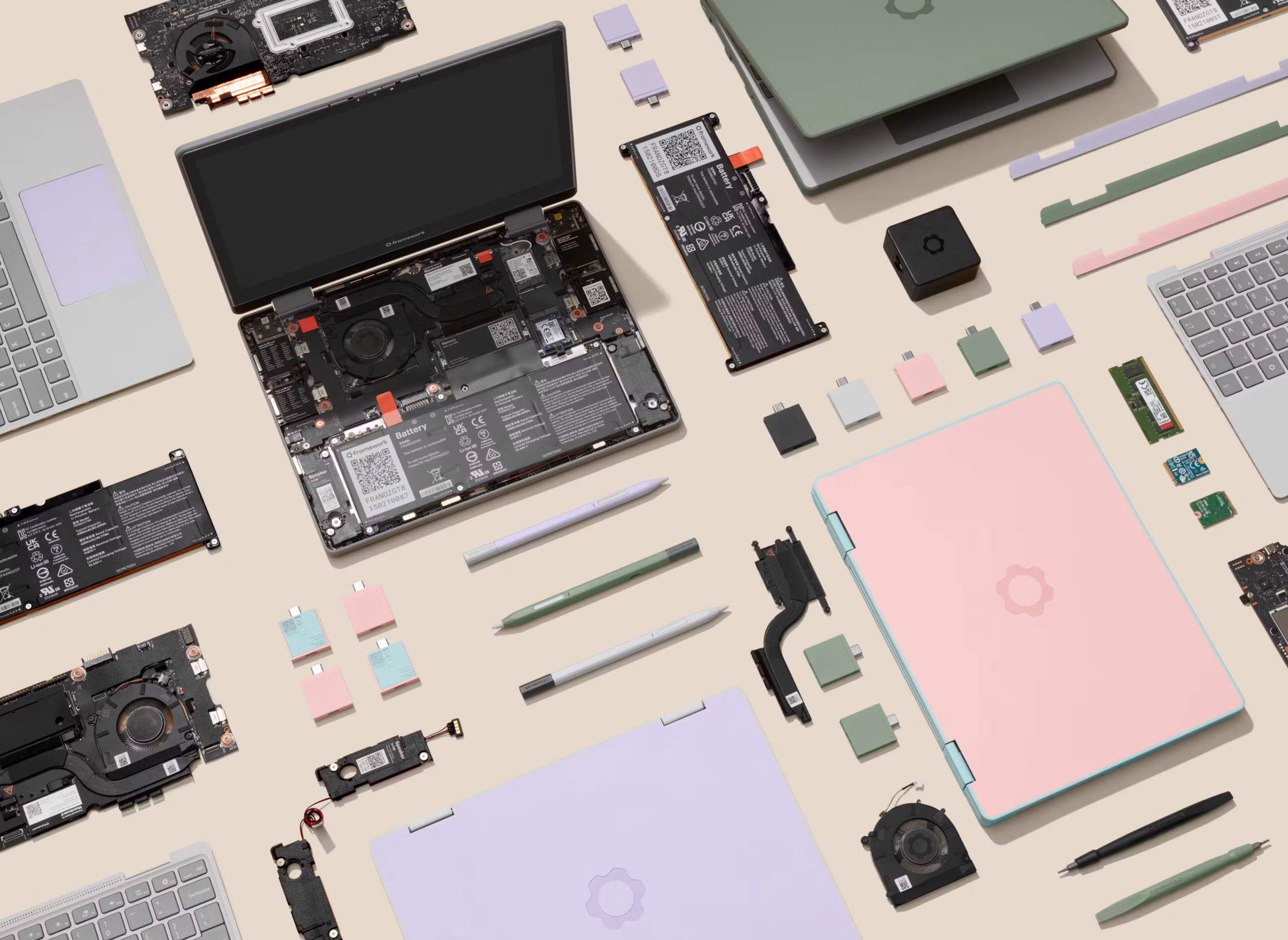
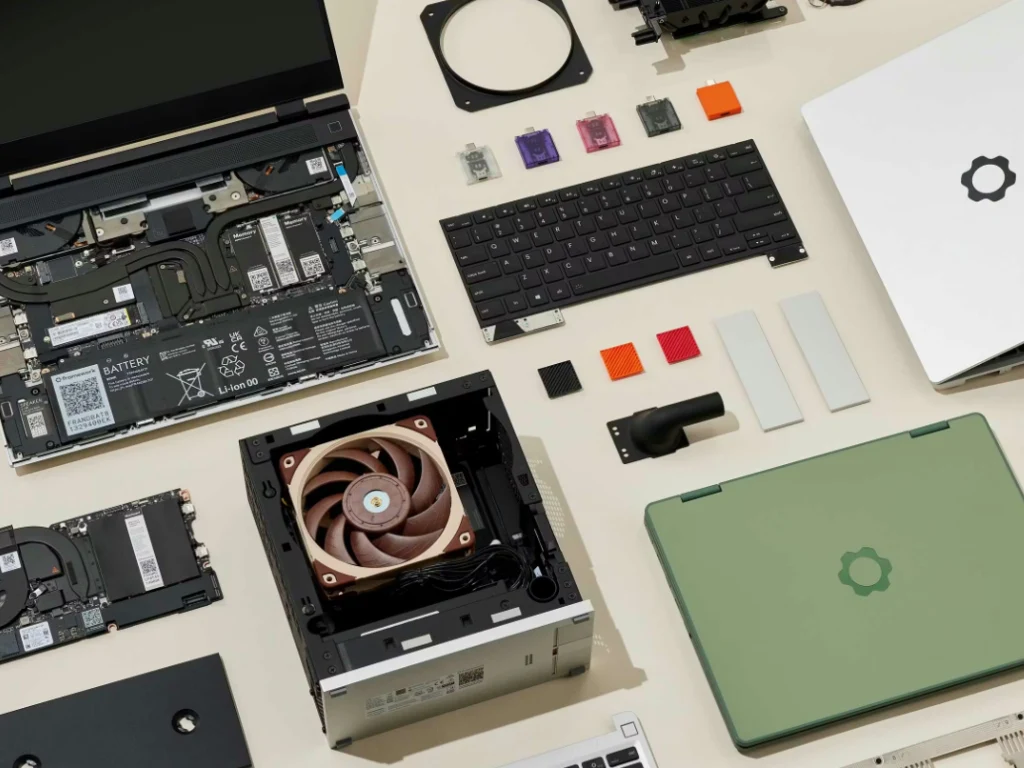
- Framework has worked hard to build laptops that are repairable, upgradeable, and customizable.
- Patel emphasizes that these kinds of computers last longer and give power back to users.
- He thinks that repairability is slowly becoming more common, even among big brands like Apple.
Challenges and Concerns About the Future
This is where Patel’s tone turns a bit darker. He mentions that his company’s goal to fix the broken tech industry isn’t quite finished. Despite positive signs, he warns about a possible bleak future where personal computers might become extinct. In his words, the industry is changing in a way that could turn into a “winner-takes-all” situation with AI and server farms gobbling up resources, making PC parts more expensive and less accessible for regular people.
Rising Costs and Industry Trends
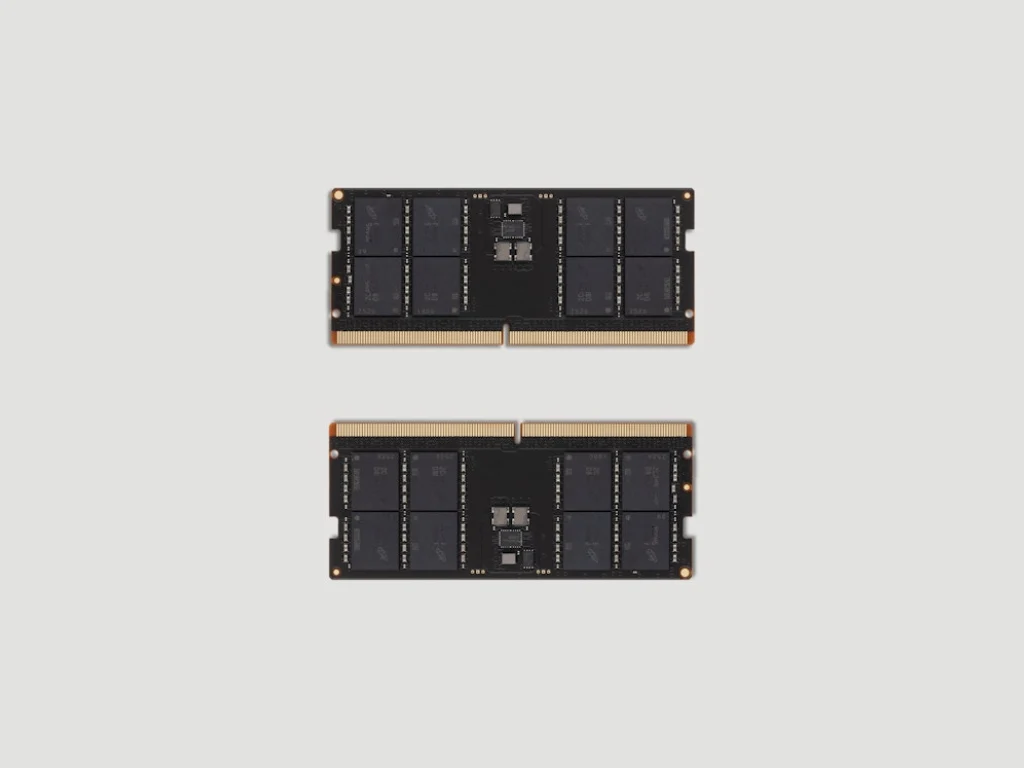
He points out that prices for RAM, SSDs, HDDs, and chips are climbing so high that most regular consumers can’t afford to upgrade or buy new components anymore. His critical view is that the tech industry is pushing us towards owning less and leasing more, like a self-driving car that handles everything but leaves us with less control. This shift makes the traditional PC feel less like a tool for independence and more like a service that you depend on but can’t truly own.
Ongoing Fight for Ownership and Control
Even with his warning, Patel isn’t giving up on the dream of upgradable and repairable computers. Instead, he describes his message as a manifesto—an ongoing pledge to fight for devices that belong to us at a fundamental level. His commitment is to keep building hardware that people can truly own, whether that means installing their preferred OS, modifying hardware as they see fit, or keeping their data locally instead of on distant cloud services.
Hope for Digital Freedom
- Patel insists that as long as there’s even one person desiring control over their computing devices, his company will be there to build it.
- This includes owning and customizing hardware, as well as maintaining data privacy.
- He ends with a call for persistent effort to ensure a future where digital ownership remains possible for everyone.
So, despite the grim outlook painted by Patel, his message is clear: the fight for open, repairable, and owner-controlled technology continues. He believes that the spirit of independence in computing must be preserved, even if the industry tries to shift towards centralized, leased solutions.