
Key Takeaways
1. Framework is raising laptop prices due to increased costs from suppliers, specifically for DDR5 memory modules.
2. This is the third price adjustment in two weeks, with a significant spike in memory prices occurring earlier in December.
3. Customers are encouraged to buy their own DDR5 memory modules from other sources to save money.
4. Framework is updating its online tools to help customers find compatible memory options and avoid compatibility issues.
5. Future price increases may occur, and the company is committed to being transparent about ongoing RAM shortages and their impact on pricing.
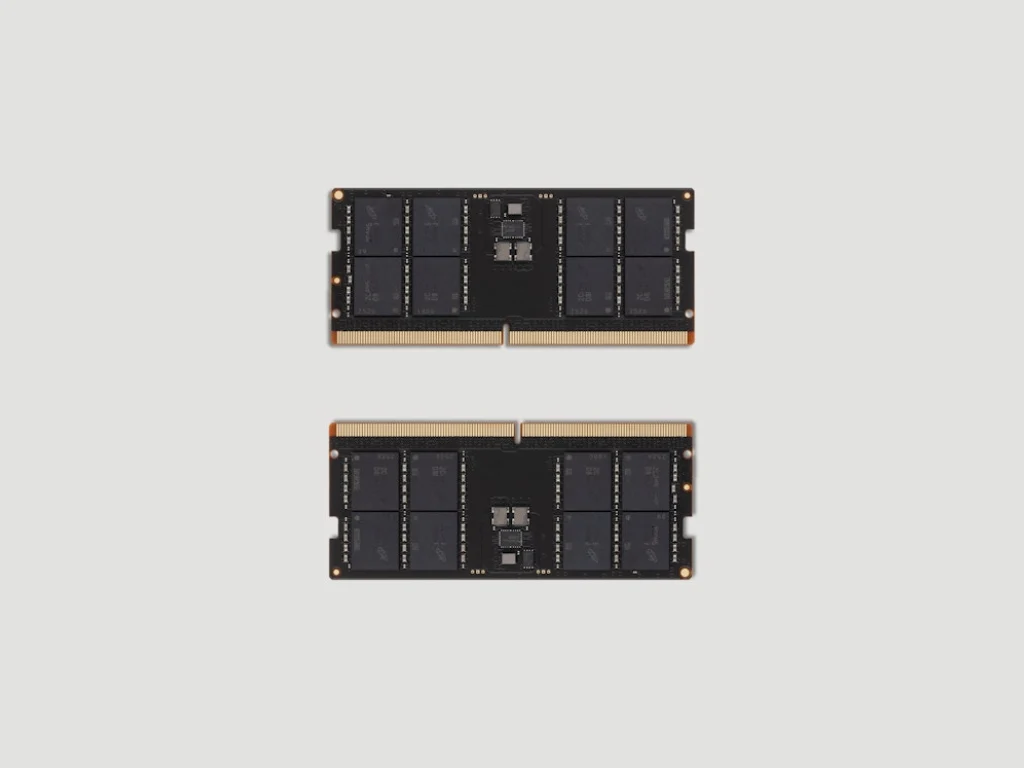
The rising prices of memory and RAM in the tech world are putting pressure not only on customers but also on laptop makers. Recently, Framework, a company famous for its modular and easily repairable laptops, shared news of another price ‘adjustment’ on DDR5 memory modules. This is the third time in just two weeks that they’ve changed prices, with the last change happening only a week ago. The company has even suggested that customers should consider purchasing their own DDR5 memory modules or look online for better offers or discounts.
Latest Updates from Framework
In the recent update (Dec 24th) on the Framework Blog, the company revealed that it is raising the prices of its laptops due to increased costs from suppliers, which are being calculated as a weighted average. The new rates include a fee of $10 per gigabyte for 8GB, 16GB, and 32GB modules, while 48GB sticks are priced slightly higher. This comes after a 50% spike in memory prices at the start of December, which led the company to stop selling individual memory modules to prevent scalping.
Framework is encouraging customers to purchase their DIY Edition laptops and to provide their own memory modules if they find better prices elsewhere. The company is also planning to update its online configurators to feature a direct link to PCPartPicker. To help avoid compatibility issues, they have compiled a knowledge base of tested memory modules.
Consumer Perspective
In comparison to regular retail prices, Framework’s rates still come out cheaper. The company has made it clear that it is merely passing on the necessary costs from its suppliers and distributors, stating that they are not making any profit from these adjustments.
This announcement about price increases comes during a time of ongoing global RAM shortages and disruptions in the supply chain, alongside rising demand from enterprises for servers and AI data centers that require large amounts of high-capacity memory.
Framework’s actions are impacting its operations, as the company has been open about the challenges they face and is advising customers to search for their own RAM and find better deals if possible.
Future Considerations
Framework warns that additional price increases may happen, possibly as soon as January. Storage prices have also seen significant rises and are likely to follow the same trend as memory modules.
Overall, Framework is trying to position itself as a trustworthy player in the laptop industry by being open about the serious RAM and memory issues, potentially earning goodwill from cost-conscious consumers while promising to reduce prices when supplier costs stabilize.
Source:
Link