Tag: DDR5 Memory

  • Intel Unveils Core Ultra 200S Plus Desktop Processors: 270K & 250K

    Intel Unveils Core Ultra 200S Plus Desktop Processors: 270K & 250K

    Key Takeaways

    1. Intel has launched the Core Ultra 200S Plus series, including the Core Ultra 7 270K Plus and Core Ultra 5 250K Plus, targeting gamers and content creators.
    2. The new processors feature increased efficiency cores and enhanced chip frequencies, improving performance in multi-threaded tasks and gaming.
    3. The Intel Binary Optimization Tool allows for better execution of commands without requiring software changes, benefiting legacy games and applications.
    4. The processors support DDR5 memory up to 7,200 MT/s natively and can reach 8,000 MT/s with overclocking, while remaining compatible with Intel 800 chipset motherboards.
    5. The Core Ultra 200S Plus series will be available on March 26, 2026, with pricing starting at $299 for the flagship model and $199 for the smaller variant.


    Today, Intel has revealed its latest desktop processors, introducing the Intel Core Ultra 200S Plus series for the first time. The lineup includes the Core Ultra 7 270K Plus and Core Ultra 5 250K Plus, aimed at serious gamers, content creators, and PC lovers seeking top-notch performance, cutting-edge memory tech, and a platform that will stand the test of time. These new CPUs boast a greater number of cores, faster clock speeds, and software enhancements that promise to greatly improve both gaming experiences and productivity tasks.

    Enhanced Performance Features

    In comparison to the earlier models, the Intel Core Ultra 7 265K and Intel Core Ultra 5 245K, Intel is upping the ante by increasing the efficiency cores and enhancing the maximum chip frequency by as much as 900 MHz. These upgrades are designed to primarily boost performance in multi-threaded tasks like video rendering, 3D production, streaming, and software compilation, while also enhancing single-core performance for today’s gaming engines. The improvements in clock speeds among the computing cores, cache, and memory controller lead to reduced latencies and quicker data processing, which is especially beneficial for games that are limited by CPU performance.

    Key Technological Advancements

    One of the standout features is the new Intel Binary Optimization Tool. This technology operates at the binary level, analyzing instruction sequences in applications to execute commands more effectively for each clock cycle. This means that performance gains can be realized without needing developers to alter their software. This is particularly important for games that were originally optimized for older x86 architectures or different platforms. Ports from consoles and specific creative software can also take advantage of this enhanced execution, as existing code paths are utilized more intelligently.

    Memory and Compatibility

    The new processors support DDR5 memory at speeds of up to 7,200 MT/s natively and can even reach 8,000 MT/s with full warranty through BIOS overclocking. For the first time, they also support 4-rank CUDIMM modules with high memory capacity, merging high bandwidth with low latency. Mainboards featuring the Intel 800 chipset are still compatible, making it easy to upgrade CPUs. The respective manufacturers have already rolled out suitable BIOS versions to support the new Core Ultra 200S Plus series, ensuring that these processors work seamlessly with existing motherboards from the 800 chipset range. Additional new motherboard models with enhanced memory features are anticipated throughout 2026.

    The new Intel processors are set to hit the market on March 26, 2026, and will be available both as standalone units in stores and within complete systems from leading OEMs and system integrators. The suggested retail pricing starts at $299 for the flagship model and $199 for the smaller variant. With this move, Intel is clearly positioning the Core Ultra 200S Plus series within the competitive landscape of gaming CPUs and creator processors.

    Source:
    Link


  • DDR5 RAM Prices Drop in Germany and US: What’s Happening?

    DDR5 RAM Prices Drop in Germany and US: What’s Happening?

    Key Takeaways

    1. Price Adjustments Due to DRAM Issues: Manufacturers are adjusting gaming hardware prices in response to ongoing DRAM pricing problems.

    2. Significant Price Drops in Japan: Gaming GPU prices in Japan have fallen by up to 20% from January highs due to decreased demand.

    3. German Market Reaches Breaking Point: DDR5 memory kit prices in Germany have significantly decreased since their January peaks, though they remain higher than last year’s prices.

    4. Minor Relief for Gamers: Small price drops offer slight relief, but prices for products like a 32 GB DDR5-6400 kit are still much higher than previous levels.

    5. Bleak Future Outlook: Industry experts predict ongoing DRAM supply issues throughout the decade, suggesting only occasional minor price drops for gamers.


    As previously mentioned, it seems that some markets still retain a bit of rationality regarding gaming hardware pricing. The ongoing issues with DRAM pricing have compelled many manufacturers to adjust their prices, but the speed at which consumer hardware prices have risen in the last few quarters remains quite astonishing.

    Price Drops in Japan

    For example, after a significant surge in prices for the AMD Radeon 9070 XT and 9060 XT gaming GPUs in Japan, these prices have fallen by as much as 20% from their January highs due to a decline in demand. It’s clear that there are limits to how much consumers will accept in price increases, and these limits seem to be approaching more quickly than ever for gamers in Japan.

    The Situation in Germany

    In a similar vein, German consumers also seem to have reached their breaking point with ridiculous memory prices. After looking into research by Tom’s Hardware, we conducted our own analysis and found comparable information—DDR5 memory kit prices have indeed decreased significantly since their peak in January.

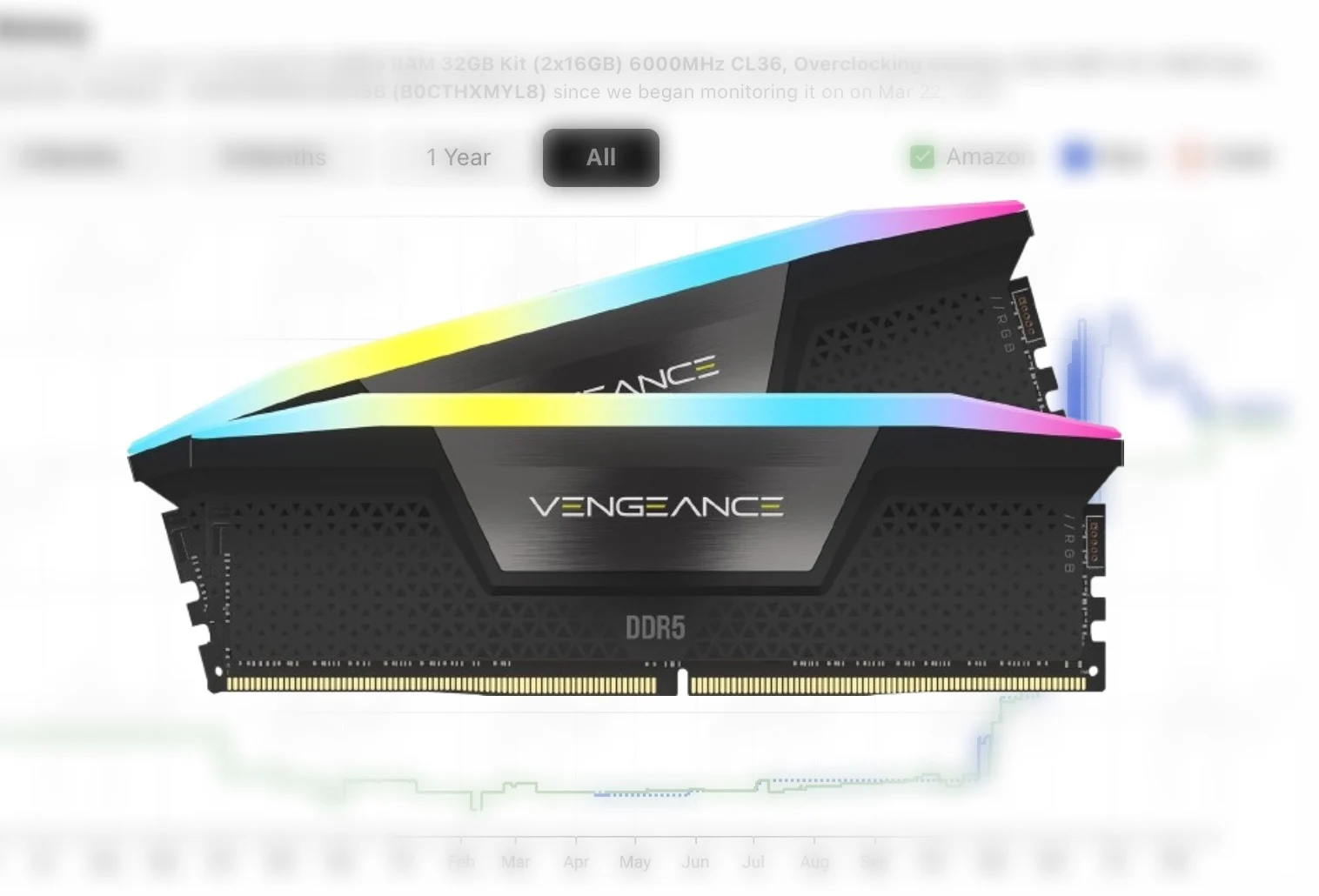
    According to the trusted Amazon DE price tracker Camelcamelcamel, prices for DDR5 memory kits from well-known brands like Patriot, Crucial, Kingston, and Corsair have all shown noticeable declines from their January peaks, although they still remain significantly higher than last year’s figures, obviously.

    Small Relief for Gamers

    Considering the current market dynamics, even a minor price drop could provide gamers with a moment of relief. For example, a 32 GB DDR5-6400 kit from Crucial is priced at about $360 on Amazon in the US at this moment. Interestingly, when compared to record highs in December 2025, prices appear to have leveled out somewhat in the US as well.

    However, many industry insiders are saying that the ongoing DRAM supply issues will likely persist throughout this decade and could even worsen, making it unrealistic to expect anything more than minor, occasional price drops.

    Whether supply will improve in the coming months is still uncertain, but it’s clear that the outlook for gamers hoping to build a new rig anytime soon is quite bleak.

    Source:
    Link


  • Nintendo May Lose $50 Per Switch 2 Sale with Rising Memory Costs

    Nintendo May Lose $50 Per Switch 2 Sale with Rising Memory Costs

    Key Takeaways

    1. Sales of the Switch 2 have reached 17.4 million units, but rising memory costs could threaten Nintendo’s profits.
    2. Nintendo’s net income from April to December 2025 increased by 51.3% compared to the previous year, despite rising component costs impacting profit margins.
    3. Analysts predict that if DDR5 memory prices rise significantly, Nintendo could face losses of $35 to $50 per console sold by the end of 2026.
    4. Nintendo’s President, Shuntaro Furukawa, is considering price increases for the Switch 2 to counteract rising manufacturing costs but has not made any decisions yet.
    5. Investors are looking forward to upcoming game releases, with expectations for a Nintendo Direct event to showcase new titles, especially a new 3D Mario or Zelda game.


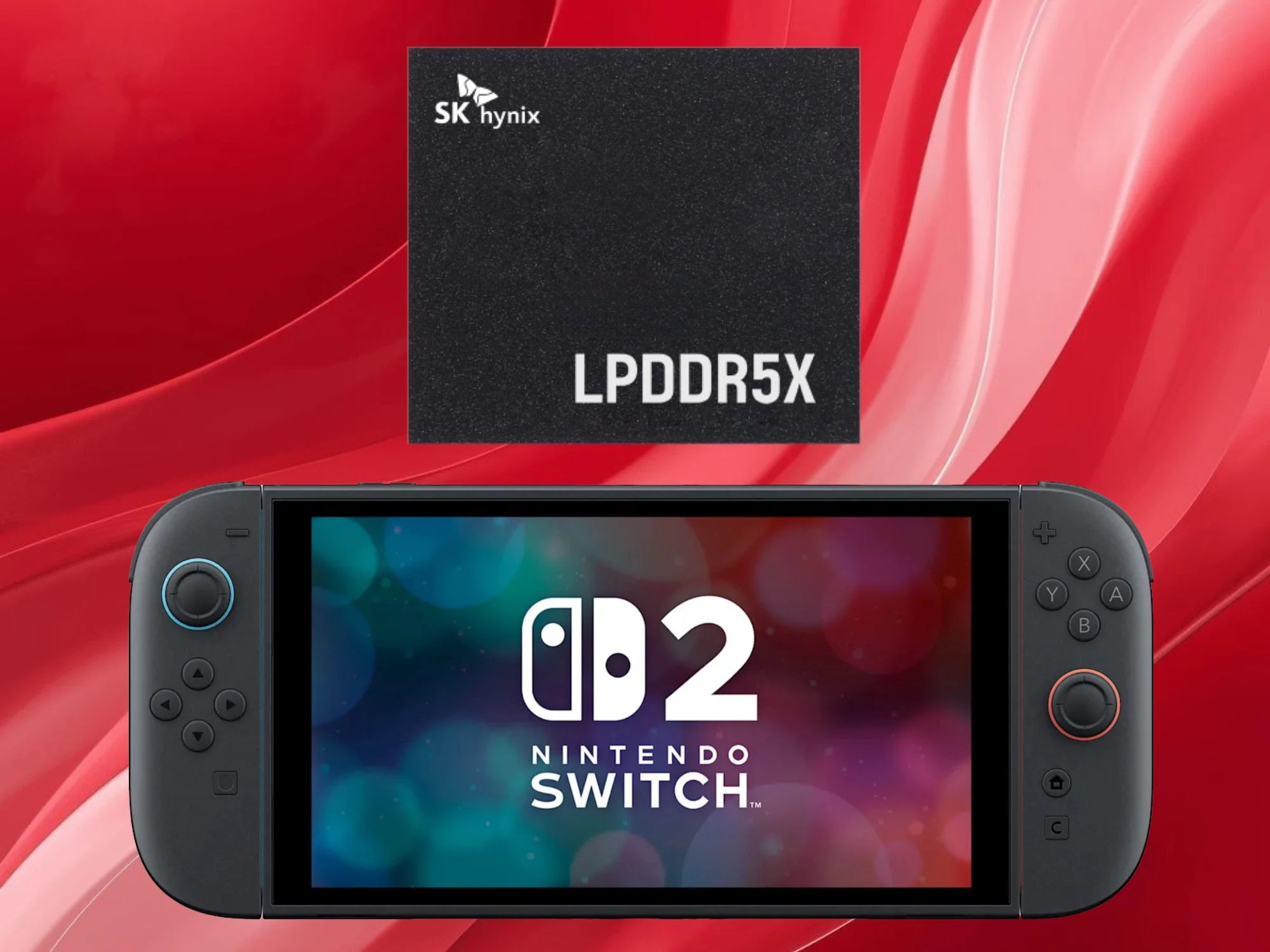
    Sales for the Switch 2 have been quite impressive, hitting a total of 17.4 million units recently. However, the increasing costs of memory could pose a threat to Nintendo’s strong earnings. One analyst estimates that if these prices stay the same, the company might face a loss of up to $50 for every console sold by the end of 2026.

    Financial Report Insights

    As highlighted by Nintendo Patents Watch, various Japanese outlets have reported on the most recent financial results. Nikkei Shimbun disclosed that the company’s net income from April to December 2025 has surged by 51.3% compared to the previous year. Nevertheless, the rising costs of components might soon reduce the profit margin on their new handheld device.

    Profitability Challenges

    Sources referenced in the article indicate that tariffs have already started to impact profits to a certain extent. With a lower price for the Switch 2 in Japan also contributing, the console is seen as “profitable by a deficit.” Despite this, an analyst from USB Securities believes the system currently maintains a gross profit margin of $23 for each unit sold. If the price of DDR5 memory continues to climb, that could change quickly.

    USB Securities predicts that the cost of the memory modules for the handheld will increase from $46 to $120. Should this happen before 2026 wraps up, it could lead to losses of $35 to $50 on every unit sold.

    Management’s Response

    Nintendo’s President, Shuntaro Furukawa, addressed worries related to the additional manufacturing costs. Increasing the price of the Switch 2 is one possible solution to mitigate these losses. Furukawa mentioned he is keeping a close eye on “sales trends and profitability,” yet “Nothing is being decided at the moment.”

    The executive implied that the company is prepared to accept a “temporary deficit.” He expressed hope that the shortage of memory supplies will improve sooner than anticipated, even though forecasts suggest it might persist until 2028. Hideki Yasuda from Toyo Securities also believes that long-term agreements with suppliers like SK Hynix will protect Nintendo in the upcoming fiscal period.

    Upcoming Game Releases

    Naturally, the Japanese gaming powerhouse does not solely rely on hardware for revenue. Worried investors are eagerly anticipating the next lineup of Switch 2 games. A rumored Nintendo Direct in early February is expected to highlight third-party games. However, only a new 3D Mario or Zelda title might silence the criticism regarding the current lack of standout exclusives.

    Source:
    Link


  • Laptop Prices to Rise Again as DDR5 RAM Costs Surge

    Laptop Prices to Rise Again as DDR5 RAM Costs Surge

    Key Takeaways

    1. Framework is raising laptop prices due to increased costs from suppliers, specifically for DDR5 memory modules.
    2. This is the third price adjustment in two weeks, with a significant spike in memory prices occurring earlier in December.
    3. Customers are encouraged to buy their own DDR5 memory modules from other sources to save money.
    4. Framework is updating its online tools to help customers find compatible memory options and avoid compatibility issues.
    5. Future price increases may occur, and the company is committed to being transparent about ongoing RAM shortages and their impact on pricing.


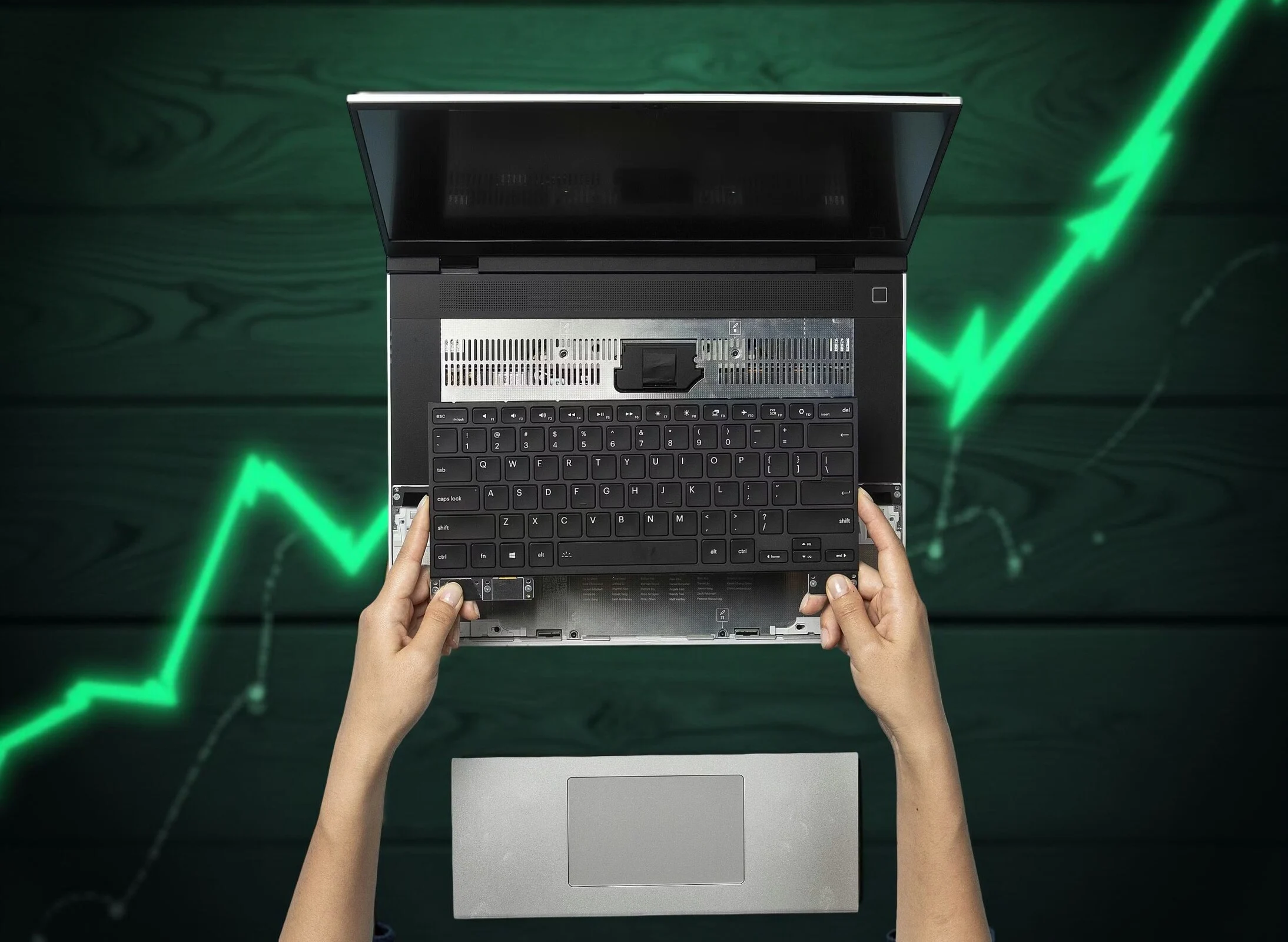
    The rising prices of memory and RAM in the tech world are putting pressure not only on customers but also on laptop makers. Recently, Framework, a company famous for its modular and easily repairable laptops, shared news of another price ‘adjustment’ on DDR5 memory modules. This is the third time in just two weeks that they’ve changed prices, with the last change happening only a week ago. The company has even suggested that customers should consider purchasing their own DDR5 memory modules or look online for better offers or discounts.

    Latest Updates from Framework

    In the recent update (Dec 24th) on the Framework Blog, the company revealed that it is raising the prices of its laptops due to increased costs from suppliers, which are being calculated as a weighted average. The new rates include a fee of $10 per gigabyte for 8GB, 16GB, and 32GB modules, while 48GB sticks are priced slightly higher. This comes after a 50% spike in memory prices at the start of December, which led the company to stop selling individual memory modules to prevent scalping.

    Framework is encouraging customers to purchase their DIY Edition laptops and to provide their own memory modules if they find better prices elsewhere. The company is also planning to update its online configurators to feature a direct link to PCPartPicker. To help avoid compatibility issues, they have compiled a knowledge base of tested memory modules.

    Consumer Perspective

    In comparison to regular retail prices, Framework’s rates still come out cheaper. The company has made it clear that it is merely passing on the necessary costs from its suppliers and distributors, stating that they are not making any profit from these adjustments.

    This announcement about price increases comes during a time of ongoing global RAM shortages and disruptions in the supply chain, alongside rising demand from enterprises for servers and AI data centers that require large amounts of high-capacity memory.

    Framework’s actions are impacting its operations, as the company has been open about the challenges they face and is advising customers to search for their own RAM and find better deals if possible.

    Future Considerations

    Framework warns that additional price increases may happen, possibly as soon as January. Storage prices have also seen significant rises and are likely to follow the same trend as memory modules.

    Overall, Framework is trying to position itself as a trustworthy player in the laptop industry by being open about the serious RAM and memory issues, potentially earning goodwill from cost-conscious consumers while promising to reduce prices when supplier costs stabilize.

    Source:
    Link


  • DDR5 Memory Price Update and New Return Policy to Combat Scalpers

    DDR5 Memory Price Update and New Return Policy to Combat Scalpers

    Key Takeaways

    1. DDR5 memory prices have increased by 50% due to high demand from AI data centers, with prices more than double compared to last year.
    2. Framework will honor orders placed before the price increase announcement, and current prices for pre-built laptops and desktops will remain unchanged for now.
    3. AI data centers have extremely high memory needs, with one Nvidia GB300 rack requiring 20 TB of HBM3E and 17 TB of LPDDR5X memory.
    4. Framework has updated its return policy to prevent scalpers from exploiting lower memory prices, restricting returns on laptops purchased with memory.
    5. The GMKtec Evo-X1 mini PC, featuring 32 GB of DDR5 memory, is available at a promotional price of $800 on Amazon.


    The surge in enterprise demand, which is significantly driving advancements in AI, has led to a dramatic increase in DDR5 memory prices over the past few months. The data centers that are training the enormous large language models we’ve come to know have extremely high memory needs, which is creating substantial strain on DRAM supply chains.

    Framework’s Response to Price Increases

    Framework is also feeling the impact and has decided to transfer a part of the financial strain to consumers. In a recent announcement, the company indicated that the ongoing rise in DRAM prices has compelled them to increase the cost of their DDR5 memory modules by 50%. In fact, the price of DRAM modules has risen more than double compared to last year, making Framework’s price adjustment seem justifiable.

    Orders and Pricing Stability

    Additionally, any orders placed before this announcement will still be honored, and prices for pre-built laptops and the Framework Desktop will remain unchanged for now. While prices are anticipated to keep rising into the next year, Framework has clearly stated that if prices normalize, they will reverse the recent price hike.

    Memory Demands of AI Data Centers

    The blog post interestingly highlights how memory-hungry AI data centers are. For example, the Nvidia GB300 requires an astonishing 20 TB of HBM3E and 17 TB of LPDDR5X memory. That’s just one rack—an actual data center, like the one owned by Microsoft that’s set to open in 2026, will probably contain hundreds of thousands of these GB300 racks. This is enough memory for millions of laptops, quite literally.

    Updates to the Return Policy

    Furthermore, Framework has announced changes to their return policy aimed at combating scalpers. They believe these updates are essential to prevent scalpers from exploiting Framework’s lower-than-market memory prices. Thus, individuals who purchase Framework’s DIY laptops along with memory will not be able to return the laptop while still keeping the memory.

    Desktop Deals to Consider

    If you’re in the market for a powerful desktop or mini PC at a good price, it’s highly recommended to take a look at the GMKtec Evo-X1, which comes with 32 GB of DDR5 memory, now available on Amazon. This Ryzen AI HX 370-powered mini PC is currently being offered at an all-time low price of $800.

    Source:
    Link


  • Dell Increases PC Prices by 20% as Lenovo Signals January Hikes

    Dell Increases PC Prices by 20% as Lenovo Signals January Hikes

    Key Takeaways

    1. Dell plans to increase PC prices by 15-20% in 2026, with Lenovo expected to follow suit.
    2. DDR5 memory costs have surged, rising up to 70%, and some DRAM components have increased by 170%.
    3. Lenovo is urging customers to place orders quickly as current quotes will expire on New Year’s Day.
    4. TrendForce has revised its 2026 notebook forecast from a 1.7% growth to a 2.4% decline due to rising production costs.
    5. Manufacturers may focus on promoting lower-spec laptops and tablets to manage pricing.


    As stated by TrendForce, the year 2026 looks like it will bring increases in prices for computing devices. The analytics company has found that Dell plans to increase PC prices by 15-20 percent, with Lenovo also expected to follow this trend.

    Rising Costs in the Industry

    The sector has been facing higher costs for DDR5 memory, with estimates showing a rise of up to 70 percent. Some DRAM components have even surged by 170 percent, driven by increased demand and supply chain challenges. Companies like Micron are reallocating resources to AI products that have better profit margins. Dell’s COO, Jeff Clarke, mentioned that he has “never seen memory-chip costs rise this fast.”

    Urging Customers to Act

    Lenovo is said to be encouraging its clients to secure orders swiftly, as all current quotes will go stale on New Year’s Day. This is not just Lenovo; major competitors like HP, Samsung, and LG are also evaluating the prices for their 2026 products. The categories that will see the most impact are AI PCs and tablets, where memory pricing could represent around 18 percent of the total cost of materials.

    Adjusting Forecasts

    TrendForce has updated its notebook forecast for 2026 due to the increasing production expenses. The projected growth has changed from a year-on-year increase of 1.7 percent to a decline of 2.4 percent, as it anticipates that demand will decrease because of higher BOM costs and restricted availability.

    Source:
    Link