Tag: Framework

  • AMD Strix Halo Gen 2 Hardware Launch on February 25 Event

    AMD Strix Halo Gen 2 Hardware Launch on February 25 Event

    Key Takeaways

    1. Framework is hinting at the release of its 2nd Gen hardware, potentially a gaming laptop or handheld focused on repairability.
    2. AMD’s involvement in Framework’s launch event on February 25 has been confirmed, featuring the Strix Halo Ryzen AI Max 395+ APU.
    3. Teasers suggest the new hardware may include gaming-grade components, with comparisons to the Asus ROG Flow Z13’s performance.
    4. The possibility of a gaming handheld exists, but it seems less likely given Framework’s history of focusing on productivity devices.
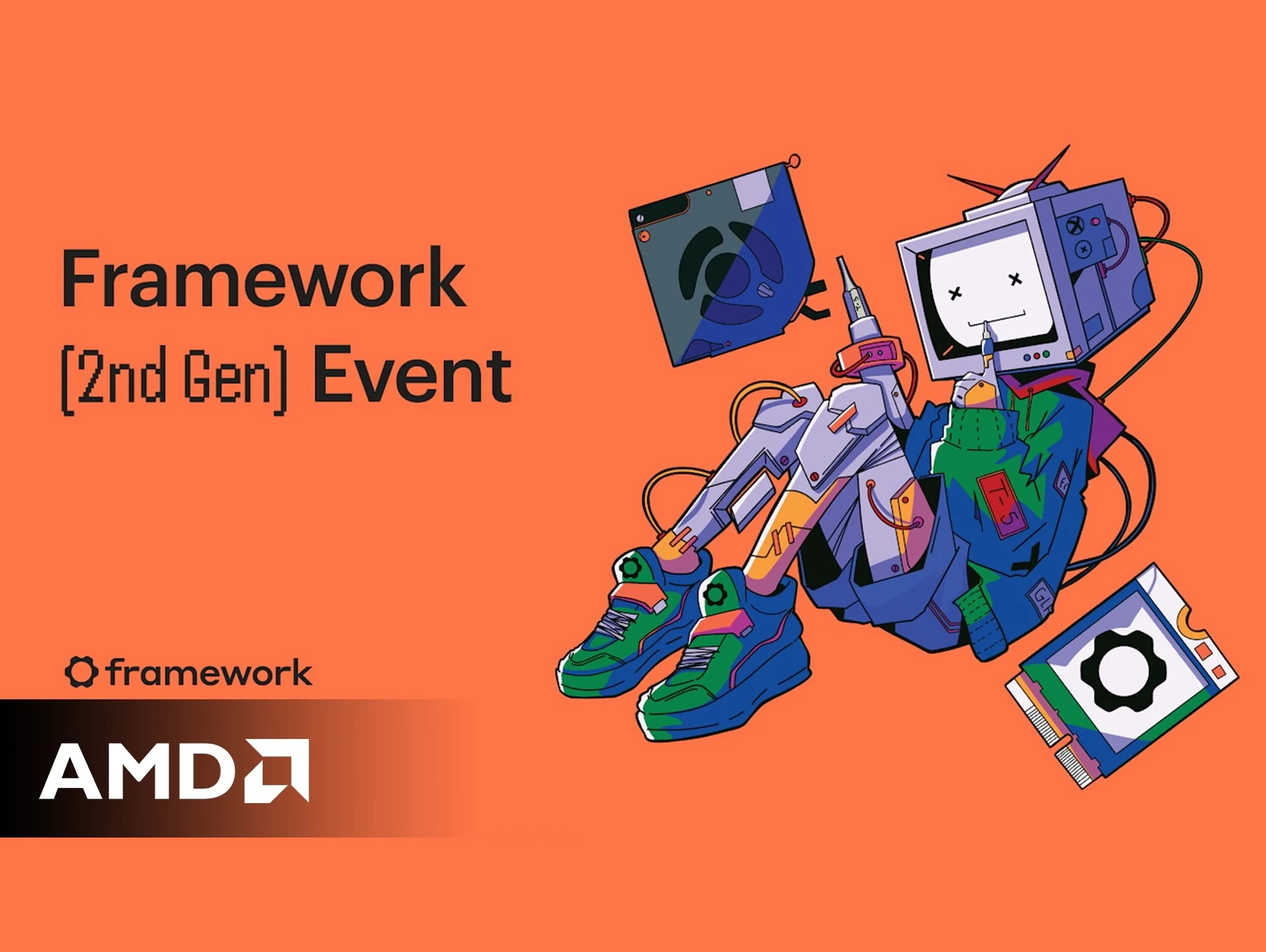
    5. The 2nd Gen hardware reveal will take place on YouTube on February 25.


    Framework has hinted at the release of its 2nd Gen hardware several times, the latest being a cryptic message filled with emojis that got fans buzzing about a possible gaming laptop or even a gaming handheld that aligns with Framework’s focus on repairability.

    AMD’s Involvement Confirmed

    Recently, AMD Ryzen made a post on X, which was shared by Frank Azor, AMD’s head of consumer and gaming marketing. This announcement has made it clear that AMD will be part of Framework’s launch event on February 25. Azor, who has been deeply involved in marketing for AMD’s Strix Halo and RDNA 4, indicates that Framework and AMD could unveil a product featuring AMD’s Strix Halo Ryzen AI Max 395+ APU.

    Gaming Hardware Hints

    The earlier teasers from Framework seem to align with the idea of gaming-grade hardware. The emojis used in the teaser might also point towards something adaptable, with the yoga emoji often interpreted online as a clue towards a 2-in-1 device. Interestingly, this APU is similar in both type and form to the Asus ROG Flow Z13 (2025), which recently wowed us with its integrated GPU performance that competes closely with the Nvidia GeForce RTX 4060. The Radeon 8060S integrated GPU has 40 compute units and runs at a clock speed of 2,900 MHz.

    Possibility of a Gaming Handheld

    There’s also a chance that the teased AMD product could be one of the AMD Ryzen Z2 series. If that’s the case, it could indicate that Framework is indeed planning to launch a gaming handheld. However, considering Framework’s past hardware releases, which mainly consisted of productivity laptops and multimedia devices, the idea of a gaming handheld being a primary offering in the 2nd Gen hardware launch seems less likely. This notion is strengthened by the current affordability of gaming handhelds, like the Asus ROG Ally Z1 Extreme, which is currently priced at just $449.99 at Best Buy.

    In any case, Framework is expected to reveal its 2nd Gen hardware on YouTube on February 25.

    Source:
    Link
  • Framework Laptop 13 Shell for AMD, Intel, RISC-V Now $399

    Framework Laptop 13 Shell for AMD, Intel, RISC-V Now $399

    Earlier this week, Framework kicked off the sales of its much-anticipated RISC-V Mainboard featuring a StarFive JH7100 processor. To put it in perspective, the RISC-V Mainboard from Framework is significantly more affordable compared to its AMD or Intel alternatives, though Waveshare offers a similar RISC-V platform at nearly half the cost.

    New Framework Laptop 13 Shell Available

    In addition, Framework has introduced the Framework Laptop 13 Shell, which it defines in this way:

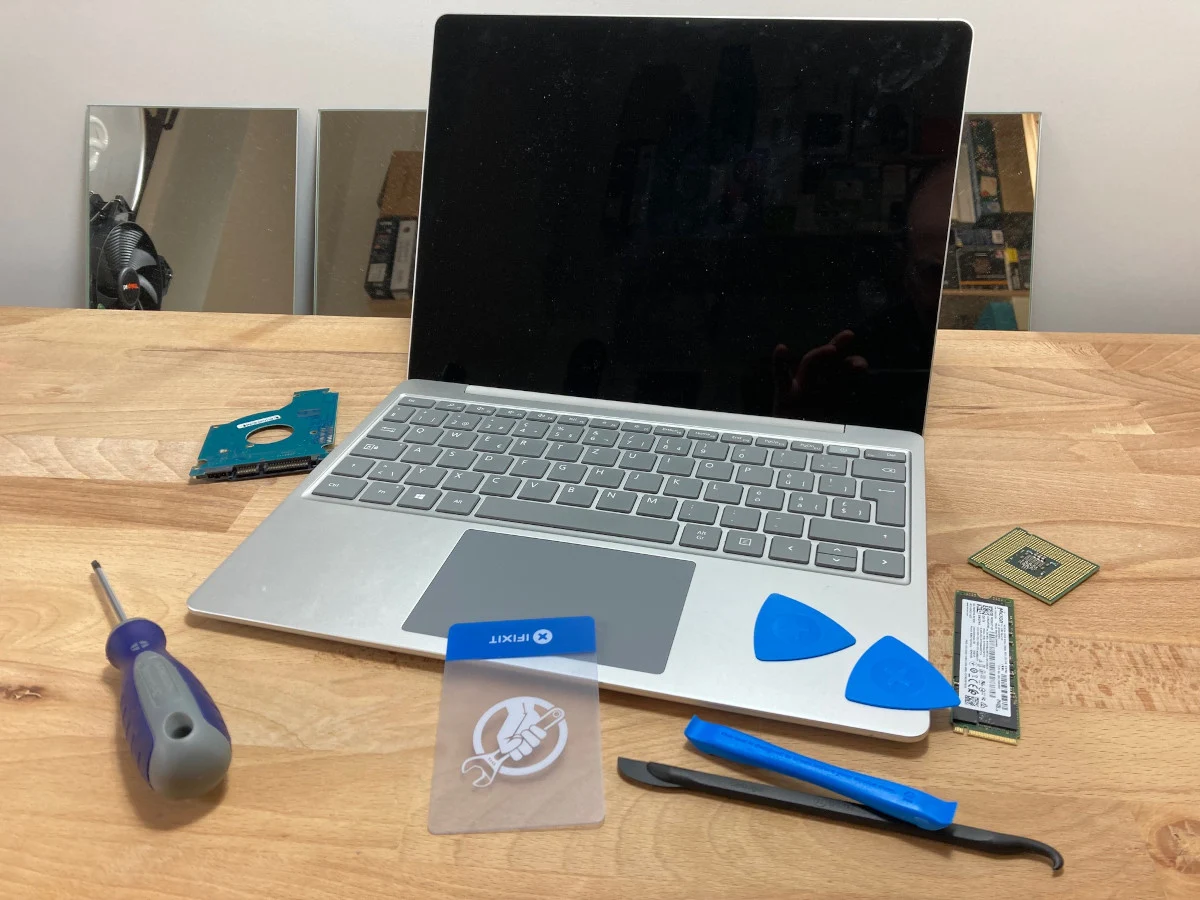
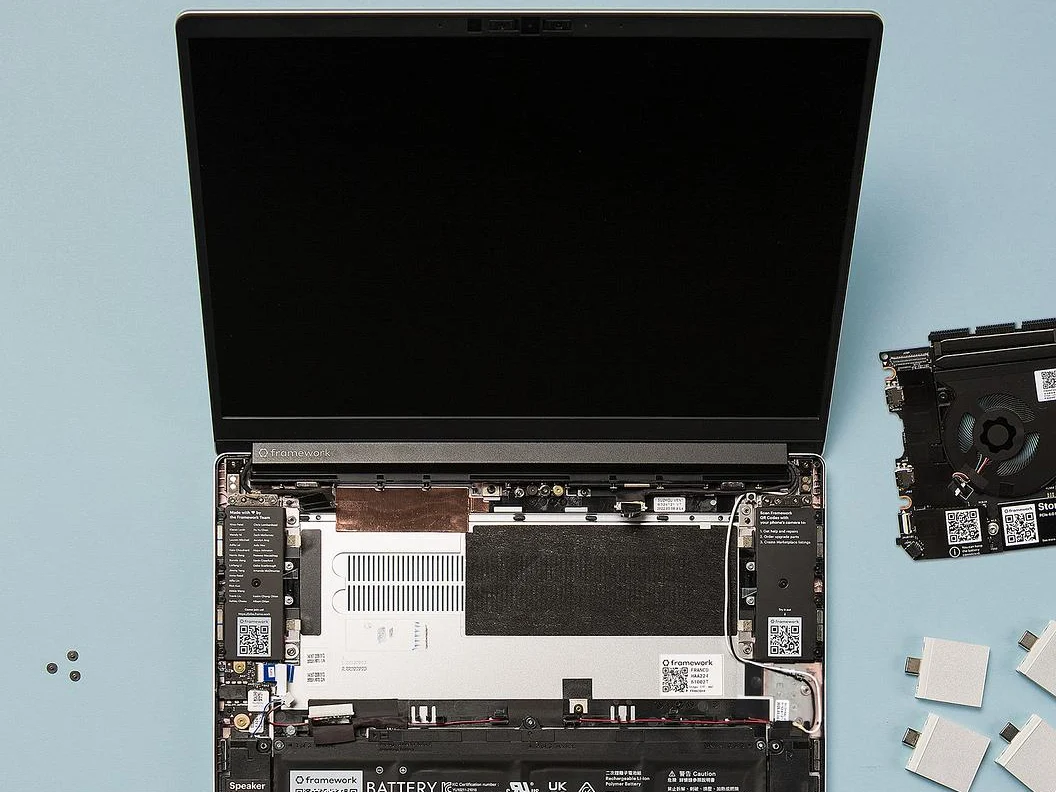
    This product is a full Framework Laptop 13 chassis that comes without the Mainboard, memory, storage, and Wi-Fi.

    More specifically, the shell isn’t just the outer casing; it includes a 55 Wh battery, a display, a keyboard, and several other essential components. The current price for this bundle is $399, which is roughly double the cost of the RISC-V Mainboard.

    Competitive Pricing in the Market

    Comparatively, the latest AMD and Intel Mainboards are priced starting from $400. Because of this, Framework mainly markets the shell kit to customers who might already own a spare mainboard. Nonetheless, the Framework Laptop 13 shell presents a viable option for those who can find a second-hand Mainboard at a lower price. For further information, check out Framework’s official website.

    Source:
    Link

  • Intel Advocates for Upgradable and Repairable Laptops

    Intel Advocates for Upgradable and Repairable Laptops

    Framework laptops have shown us a new way to think about computers. They let users swap out or upgrade parts, which is really smart. Usually, the screen, keyboard, and outer casing last a long time, but the processor gets old after just a few years.

    Market Limitations

    The main problem is that laptops that can be upgraded and repaired are still a tiny part of the overall laptop market. Because of low sales, buyers have to deal with a small range of parts, and they tend to be more expensive.

    Intel’s Proposal

    This is where Intel steps in with a well-thought-out idea. To be specific, it would let users change individual components on their own. This system has two stages and offers a level of customization that Framework can’t match right now.

    The typical laptop sizes that people prefer are 14 and 16 inches. There will be options for both high-end and regular models, each equipped with ports on either side, plus a motherboard that can be easily swapped or upgraded.

    New Additions

    Another benefit, which was mainly found in desktop computers, will also be included. There will be standardized sizes and connections for fans, which can even be left out for a completely noiseless laptop. Plus, a laptop initially used for basic office tasks could be upgraded into a gaming machine by adding a specialized graphics card and enhanced cooling, making it more versatile overall.

    Intel hasn’t said anything about potential partners or other ideas, nor have they provided a timeline. Beyond just helping laptop owners, this approach could also help the environment by greatly cutting down on electronic waste.

    Cost Savings

    Moreover, consumers could save a lot of cash and ensure that their attractive OLED laptop won’t end up with an outdated chipset in just three years. Instead, they could upgrade the processor for a small fraction of the cost of a new laptop.

    Even Apple might see advantages from this shift. The company already discourages users from making independent upgrades or changes, and if Intel-powered laptops become fully modular, MacBooks could be perceived as even more exclusive.

    So, we could finally see laptops that are easy to repair and upgrade after all.

    Source:
    Link


  • DIY Gaming Handheld Built from Framework Laptop Motherboard

    DIY Gaming Handheld Built from Framework Laptop Motherboard

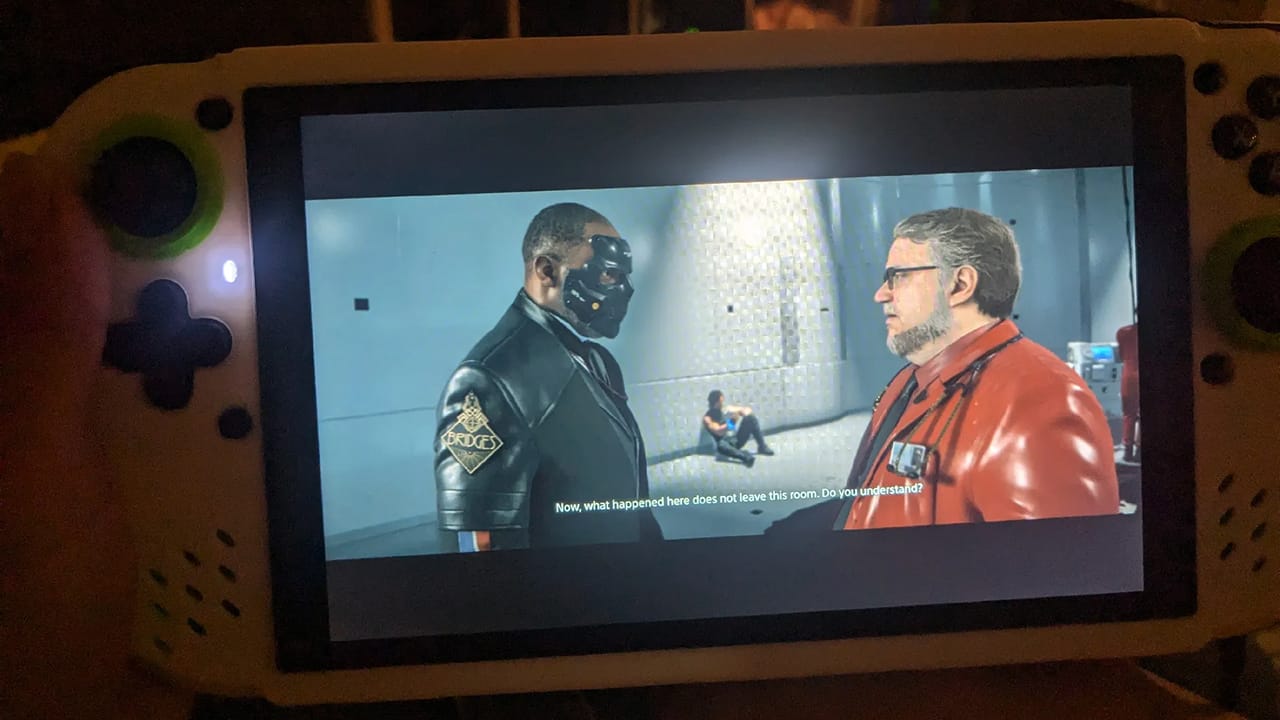
    DIY gaming handhelds are gaining traction in the gaming community. Recently, a modder took the original Xbox and turned it into a working handheld console. Now, another modder named Beth Le has crafted a handheld device using a Framework motherboard. It’s worth noting that Beth isn’t the first to venture into this realm; TommyB made a similar device back in March of this year.

    A More Refined Design

    Beth Le’s creation stands out as it appears more sophisticated than TommyB’s Framework gaming handheld. Known as the Beth Deck, it is reportedly easy to assemble. According to Beth, you can put the entire device together in just 15 minutes, adhering to Framework’s fundamental idea of simplicity.

    Hardware Specifications

    In terms of hardware, the Beth Deck utilizes a 13-inch laptop mainboard. Framework offers several options on its website, with the 11th Gen Core i7 1165G7 currently priced at $299. If you want to build a device that competes with the ROG Ally or Legion Go, which is currently $499 on Amazon, consider opting for an AMD 7040 series board.

    This DIY gaming handheld is powered by the 13-inch Framework battery, ensuring that the battery life is similar to that of a laptop. Other components include an 8-inch touchscreen and a USB-C dongle with various ports. For the controller buttons, Beth has repurposed a mobile gaming controller.

    Potential Issues and Solutions

    You will also need some 3D-printed components, which Beth has made available on the project page. While the project seems promising, like many DIY endeavors, it does have some shortcomings. One notable issue is that the battery within the handheld can overheat due to insufficient airflow in that area of the casing. However, Beth has mentioned that this problem will be addressed in the next revision of the project.