Key Takeaways
1. An innovative creator has introduced the first ultrawide gaming handheld with a 32:9 display, designed for a unique gaming experience.
2. The device features detachable controllers and uses the same AMD Ryzen Z2 Extreme SoC as the ROG Xbox Ally X.
3. Videos shared by PureDIY show gameplay with titles like Asphalt 9 Legends and music creation with FL Studio Mobile.
4. The handheld has a small kickstand, but it’s unclear if controllers can be used when detached.
5. While the device offers an immersive experience, it is larger than typical handhelds, making it less portable and user-friendly.
DIY gaming handhelds have been around for a while, but they typically stick to what people see as a normal aspect ratio. This makes the devices easier to handle and lets them play all kinds of games. However, there’s no strict rules when it comes to having fun and trying new things. An innovative creator has introduced the first ultrawide gaming handheld, which comes with detachable controllers and uses the same system on chip (SoC) as the ROG Xbox Ally X.
Videos Showcasing the New Device
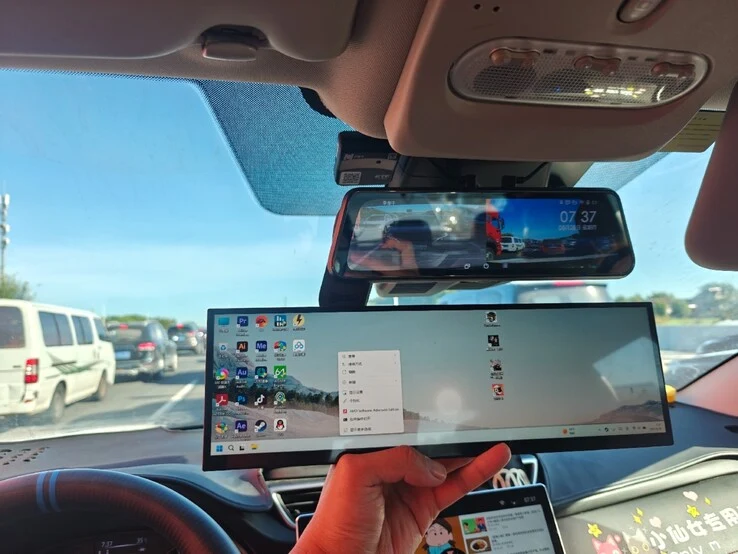
PureDIY, the mind behind this unique handheld, has shared some videos on BiliBili demonstrating the unnamed gadget in action. It sports a 32:9 display, matching the aspect ratio found in 49-inch or bigger monitors. Obviously, the resolution is much lower, but the specific details are still a bit vague. What we do know is that it operates on Windows and is powered by the AMD Ryzen Z2 Extreme SoC, the identical chip found in the soon-to-be-released ROG Xbox Ally X and the MSI Claw A8.
Gameplay and Features
In the clips, users can be seen sliding in the controllers and enjoying Asphalt 9 Legends along with another racing game. They even switch over to making some music using FL Studio Mobile. There’s a small kickstand located at the back, but it’s uncertain if the controllers can be utilized when they’re not attached to the handheld.
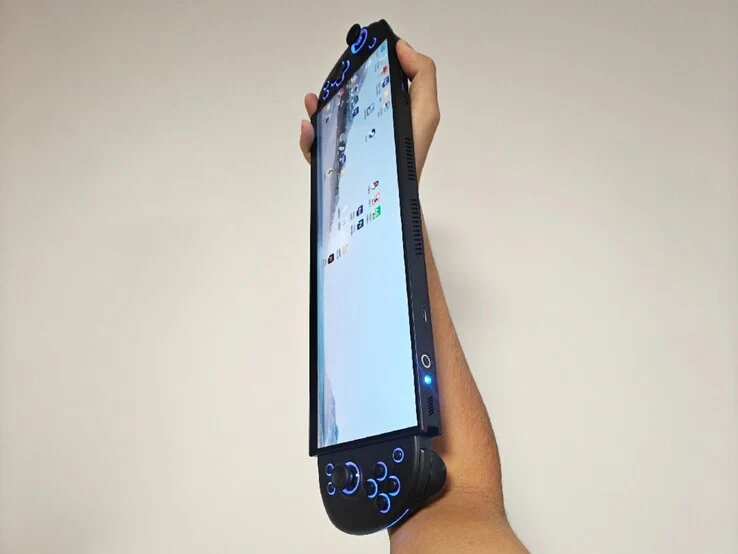
All in all, this project is impressive and highlights the limitless possibilities of DIY creations. However, when it comes to practicality, it’s not the most user-friendly or portable device. It’s actually larger than a car’s rearview mirror and even bigger than the creator’s forearm when the controllers are attached. While it may not become the new standard design, it does provide a more engrossing experience compared to traditional handhelds, at least in games that support the 32:9 aspect ratio.
Source:
Link